Archives
BI 109 Quiz 3
1) secondary ossification centers occur a) in the diaphysis. b) at the periosteum. c) in the epiphyses. d) in the metaphyses. e) in dermal bones. 2) the spinal cord consists of five regions and ________ segments. a) 5 b) 12 […]
BI 111
1) superficial muscles that position or stabilize an organ are called a) internus. b) extrinsic. c) profundus. d) intrinsic. e) externus. 2) in which of the following would the blood flow be highest? a) a vessel 0.5 cm in diameter […]
BI 113 Quiz
1) if a red blood cell (rbc) is placed in a 0.5% salt solution, which of the following would occur? 1. water will move out of the rbc 2. rbc will hemolyze 3. rbc will crenate 4. water will enter […]
BI 135
1) figure 5-1 the components of the integumentary system which layer contains most of the accessory structures? a) 1 b) 2 c) 3 d) 4 e) 5 2) pam’s daughter is born cross-eyed. as she grows, the problem does not […]
BI 153 Midterm 2
1) which of the following can be calculated if the tidal volume and respiratory rate are known? a) minute volume b) inspiratory reserve volume c) expiratory reserve volume d) anatomical dead space e) forced vital capacity 2) charlie is badly […]
BI 158
1) the layer of connective tissue that surrounds a fascicle within a peripheral nerve is the a) perineurium. b) epineurium. c) endoneurium. d) epimysium. e) endosteum. 2) which of these refers to the dense connective tissue that surrounds a muscle […]
BI 333
1) a brain injury to a patient results in facial paralysis. which descending tract is most likely affected? a) corticospinal tract b) tectospinal tract c) rubrospinal tract d) corticobulbar tract e) reticulospinal tract 2) a decrease in the autonomic tone […]
BI 342 Test 1
1) a patient with a connective tissue disease experiences increased pulmonary vascular resistance. over a period of time you would expect to observe a) increased cardiac output from the right ventricle. b) increased cardiac output from the left ventricle. c) […]
BI 354 Quiz
1) the ________ provides the principal link between the nervous and endocrine systems. a) cerebellum b) medulla oblongata c) cerebrum d) pons e) hypothalamus 2) cancer cells a) are indistinguishable from normal body cells. b) have a slow mitotic rate. […]
BI 386
1) which of these phrases most aptly describes “muscle insertion”? a) broad tendon sheet b) connective tissue that surrounds a single muscle fiber c) tendon attachment that doesn’t move d) tendon attachment that moves e) connective tissue that surrounds an […]
BI 445 Test 2
1) which of the following labels best matches osteocyte? a) stem cell b) dissolves matrix c) mature bone cell d) secretes organic matrix 2) how would a molecule that mimics camp affect an olfactory receptor? a) it would increase sodium […]
BI 455 Test 2
1) the following are steps in the cell-mediated immune response. 1. several cycles of mitosis occur. 2. antigen is engulfed and presented by a macrophage. 3. cytotoxic t cells migrate to focus of infection. 4. t cells with specific receptors […]
BI 501 Test
1) in passive immunization, the a) immune system attacks normal body cells. b) body is deliberately exposed to an antigen. c) body receives antibodies produced by other humans. d) body receives antibodies produced by an animal. e) body receives antibodies […]
BI 541
1) an area of the retina that contains only cones and is the site of sharpest vision is the a) outer segment. b) inner segment. c) fovea. d) optic disc. e) tapetum lucidum. 2) mary is tested for the amount […]
BI 564
1) blood from capillaries on the superior surface of the foot drains into a(n) a) plantar vein. b) dorsal venous arch. c) small saphenous vein. d) peroneal vein. e) iliac vein. 2) severe kidney damage (such as glomerulonephritis) often leads […]
BI 599 Test 2
1) the major cation in cytoplasm is a) sodium. b) potassium. c) calcium. d) magnesium. e) iron. 2) urine is eliminated through the a) liver. b) urinary bladder. c) kidney. d) ureter. e) urethra. Answer: e 3) the medullary cords […]
BI 622
1) hundreds of years ago explorers often died of scurvy. how can this bone-related disease be prevented? a) supplement the diet with more calcium from meat. b) increase levels of testosterone to stimulate bone repair. c) supplement the diet with […]
BI 625
1) the posterior horns of the spinal cord contain mainly a) sensory nuclei. b) somatic motor nuclei. c) autonomic motor nuclei. d) nerve tracts. e) sympathetic nuclei. 2) in order to perform a cabg, a cardiac surgeon must a) open […]
BI 625 Final
1) cartilage is separated from surrounding tissues by a fibrous a) perichondrium. b) lacunae. c) periosteum. d) canaliculi. e) matrix. 2) tissue factor (factor iii) is a factor in the ________ pathway. a) extrinsic b) intrinsic c) common d) retraction […]
BI 641
1) the ________ interactions allow bone to be strong, somewhat flexible, and highly resistant to shattering. a) collagen-fiber b) protein-crystal c) mineral-crystal d) protein-protein e) hydroxyapatite-crystal 2) figure 21-2 veins identify the vein labeled “10” a) inferior vena cava Answer: […]
BI 650 Quiz 2
1) the bones that form the fingers are the a) carpals. b) tarsals. c) metacarpals. d) metatarsals. e) phalanges. 2) which of the following would you expect to see in increased numbers in a peripheral blood sample after donating a […]
BI 699 Quiz 1
1) which vessel is known as a resistance vessel? a) arteriole b) elastic c) connective d) muscular e) venule 2) the bones that form the palm are the a) carpals. b) tarsals. c) metacarpals. d) metatarsals. e) phalanges. Answer: c […]
BI 719 Test 1
1) muscles that extend the elbow attach to the a) coronoid process. b) radial tuberosity. c) olecranon process. d) medial epicondyle. e) lateral epicondyle. 2) if you bruised your gluteus maximus, you would expect to experience discomfort when a) flexing […]
BI 727 Test 2
1) which of these changes does not occur at birth when an infant takes its first breaths? a) blood flow to the lungs decreases. b) the resistance in the pulmonary arteries decreases. c) changes in blood flow cause the foramen […]
BI 760 Homework
1) near the carotid sinus, a) the common carotid divides into an internal and an external branch. b) the internal carotids fuse with the vertebral arteries. c) the external carotid forms the internal carotid. d) veins and arteries anastomose. e) […]
BI 868 Quiz 3
1) figure 6-1 bone tissue which structure is termed an osteon? a) 1 b) 2 c) 3 d) 4 e) 5 2) the synarthrosis that binds the teeth to the bony sockets is a a) suture. b) gomphosis. c) synchondrosis. […]
BI 885
1) joints in which adjacent bones are joined by a strong interosseous ligament are a) symphyses. b) synarthroses. c) syndesmoses. d) diarthroses. e) synchrondroses. 2) figure 19-1 the origins and differentiation of formed elements identify the cell labeled “3” a) […]
BIO 123 Quiz 1
1) which of the following descriptions best matches the term uterine tube? a) has ciliated epithelium b) has stratified squamous epithelium c) covers the glans penis or glans clitoris d) where mature sperm are stored and processed e) passes through […]
BIO 139 Quiz 1
1) each of the following hormones is an amino acid derivative, except a) epinephrine. b) norepinephrine. c) thyroid hormone. d) thyroid-stimulating hormone. e) melatonin. 2) opioids relieve pain by blocking the release of a) substance o. b) substance p. c) […]
BIO 151 Quiz 3
1) blood returning to the heart from the systemic circuit first enters the a) right atrium. b) right ventricle. c) left atrium. d) left ventricle. e) conus arteriosus. 2) excessive abdominopelvic pressure can cause a) inguinal hernia. b) diaphragmatic hernia. […]
BIO 183 Final
1) each of the following organ systems excretes wastes to some degree, except the ________ system. a) urinary b) integumentary c) digestive d) endocrine e) respiratory 2) the action of thyroid hormone on a target cell involves all these steps […]
BIO 199 Homework
1) autoantibodies are a) produced by activated t cells. b) produced during an allergic reaction. c) directed against the body’s own antigens. d) the first step in immunological competence. e) important in tissue rejection reactions. 2) the circumflex branch and […]
BIO 210 Quiz 1
1) the fold of peritoneum that extends out from the ovary to the wall of the pelvis is called the a) suspensory ligament. b) tunica albuginea. c) ovarian ligament. d) ovarian hilum. e) uterovesical ligament. 2) the bones that give […]
BIO 215 Quiz 3
1) the term used to describe excess production of urine is a) polyuria. b) polydipsia. c) hematuria. d) glycosuria. e) diabetes insipidis 2) the muscle that elevates the tongue is the a) genioglossus. b) hyoglossus. c) palatoglossus. d) styloglossus. e) […]
BIO 247
1) many medications introduced into the bloodstream cannot directly affect the neurons of the cns because a) oligodendrocytes form a continuous myelin sheath around the axons. b) the endothelium of cns capillaries forms a blood-brain barrier. c) the neurolemma is […]
BIO 278 Quiz 1
1) alpha cells are to ________ as beta cells are to ________. a) glucagon; insulin b) somatostatin; insulin c) insulin; glucagon d) glucagon; somatostatin e) pancreatic polypeptide; insulin 2) which of the following is a property of the mamillary bodies? […]
BIO 297 Homework
1) the activities of the digestive system are regulated by a) hormones. b) parasympathetic and sympathetic neurons. c) the contents of the digestive tract. d) intrinsic nerve plexuses. e) all of the answers are correct. 2) the site where fertilization […]
BIO 299 Test 1
1) when does oxyhemoglobin form during respiration? a) during external respiration b) immediately after carbon dioxide enters the blood c) when the chloride shift occurs d) during pulmonary ventilation e) during internal respiration 2) all of the following are true […]
BIO 346 Quiz 3
1) a joint where bones fuse together with bone tissue is called a a) synchondrosis. b) syndesmosis. c) synostosis. d) symphysis. e) suture. 2) ________ centers receive information from many association areas and direct extremely complex motor activities such as […]
BIO 371 Quiz
1) the maintenance of a relatively constant internal environment in an organism is termed a) positive feedback. b) homeostasis. c) negative feedback. d) effector control. e) integration. 2) which surface feature(s) along the ilium mark(s) attachment sites for large hip […]
BIO 391 Test 2
1) a fatty acid that contains two or more double covalent bonds is said to be a) saturated. b) monounsaturated. c) polyunsaturated. d) hydrogenated. e) carboxylated. 2) which of these descriptions best matches the term myenteric plexus? a) component of […]
BIO 396
1) approximately ________ liters of peritoneal fluid are produced and reabsorbed each day. a) 10 b) 9 c) 15 d) 7 e) 20 2) figure 28-1 the male reproductive system identify the structure labeled “3” a) corpora cavernosa b) prostatic […]
BIO 403 Test
1) terms of anatomical direction are used to describe a) one body part in relation to another. b) surgical procedures. c) a supine position. d) the nervous system. e) living matter. 2) steroid hormones a) are proteins. b) cannot diffuse […]
BIO 411 Quiz
1) the region where blood vessels enter the ovary is called the a) infundibulopelvic ligament. b) tunica albuginea. c) ovarian umbilical cord. d) ovarian hilum. e) ovarian ligament. 2) after heavy exercise, if energy reserves in a muscle are depleted, […]
BIO 444 Test 2
1) the linea aspera is located on the a) humerus. b) tibia. c) ischium. d) femur. e) scapula. 2) the left ventricle pumps blood to the a) lungs. b) right ventricle. c) right atrium. d) aorta. e) pulmonary circuit. Answer: […]
BIO 457 Quiz 1
1) in response to hemorrhage, there is a) peripheral vasodilation. b) increased parasympathetic stimulation of the heart. c) mobilization of the venous reserve. d) constriction of elastic arteries to maintain blood pressure. e) all of the answers are correct. 2) […]
BIO 466
1) the senses of equilibrium and hearing are provided by receptors in the a) membranous endolymph. b) organ of schlemm. c) inner ear. d) bony labyrinth. e) perilymph. 2) the pituitary hormone that causes the kidney to reduce water loss […]
BIO 481 Midterm
1) fat is stored within the a) medullary cavity. b) metaphysis. c) spongy bone. d) epiphysis. e) diaphysis. 2) during implantation, the a) syncytial trophoblast erodes a path through the endometrium. b) inner cell mass begins to form the placenta. […]
BIO 483 Quiz 2
1) in large arteries, the thick layer of elastic fibers is called the a) tunica intima. b) external elastic membrane. c) tunica media. d) internal elastic membrane. e) tunica externa. 2) the obturator nerve is distributed to the a) adductors […]
BIO 493 Midterm 1
1) types of skin cancers include a) squamous cell carcinoma. b) malignant melanoma. c) basal cell carcinoma. d) actinic keratosis. e) a, b, and c 2) the pituitary hormone that promotes ovarian secretion of progesterone and testicular secretion of testosterone […]
BIO 497
1) each of the following is a normal constituent of urine, except a) hydrogen ions. b) urea. c) proteins. d) amino acids. e) creatinine. 2) the condition known as “flat feet” is due to a lower-than-normal longitudinal arch in the […]
BIO 523 Final
1) immunoglobulins that attach to and sensitize mast cells and basophils are a) iga. b) igd. c) ige. d) igg. e) igm. 2) reflection of the trapezius muscle exposes the a) serratus anterior and subclavian muscles. b) infraspinatus and teres […]
BIO 592 Midterm 2
1) immunity that results from antibodies that pass through the placenta from mother to fetus is called ________ immunity. a) active b) naturally acquired passive c) passive d) auto e) innate 2) mary is 50 years old and has entered […]
BIO 641 Quiz
1) scarring of the rete testis would interfere with a man’s ability to a) secrete testosterone. b) regulate spermatogenesis. c) ejaculate. d) produce an alkaline semen. e) deliver spermatozoa to the epididymis. 2) the pituitary hormone that triggers the release […]
BIO 653
1) whole blood for testing in a clinical laboratory is usually collected from a) the heart. b) a superficial artery. c) a superficial vein. d) a capillary. e) an arteriole. 2) if an individual carries two different alleles for the […]
BIO 666 Homework
1) the thin filaments of striated muscle are made primarily of which protein(s)? a) actin b) tropomyosin c) troponin d) nebulin e) all of the answers are correct. 2) as blood leaves the right ventricle it passes through the ________ […]
BIO 667 Quiz 3
1) in adults, the only site of red blood cell production, and the primary site of white blood cell formation, is the a) liver. b) spleen. c) thymus. d) red bone marrow. e) yellow bone marrow. 2) clusters of ganglionic […]
BIO 706
1) the anterior muscle of facial expression that inserts widely on the periosteum of the mandible is the a) temporalis. b) masseter. c) lateral pterygoideus. d) medial pterygoideus. e) platysma. 2) the ________ passes through the ________. a) vagus nerve; […]
BIO 744
1) taste buds are monitored by cranial nerves a) ix, x, xi. b) vii, viii, ix. c) vii, ix, x. d) v, vii, ix. e) ix, xi, xii. 2) cerebrospinal fluid enters the blood circulation at the a) jugular veins. […]
BIO 746 Quiz
1) which of the following statements about the menstrual cycle is true? a) the first occurrence is termed menarche b) it is ultimately controlled by gnrh c) is skipped in pregnancy d) often involves painful myometrial contraction e) all of […]
BIO 758 Test 1
1) chemoreceptors are located in all of the following, except a) carotid bodies. b) aortic bodies. c) in the skin. d) the organs of taste. e) the organs of smell. 2) each of the following nerves originates in the lumbar […]
BIO 760 Midterm 2
1) hydrocephalus or “water on the brain” may result from a) deficient production of cerebrospinal fluid. b) excessive production of cerebrospinal fluid. c) blockage of circulation of csf. d) excessive water intake. e) blockage of csf circulation or excessive csf […]
BIO 817 Quiz 2
1) the thoroughfare channel ends at the a) artery. b) arteriole. c) capillary. d) venule. e) vein. 2) if the disulfide bonds in igg were broken, how many protein chains would be set free? a) 2 b) 4 c) 6 […]
BIO 842 Quiz 3
1) blood returning to the heart from the pulmonary circuit first enters the a) right atrium. b) right ventricle. c) left atrium. d) left ventricle. e) conus arteriosus. 2) each of the following structures is associated with the sphenoid bone, […]
BIO 846
1) the chloride shift occurs in order to a) force oxygen out of the blood and into tissues. b) transport bicarbonate ions into the blood plasma. c) produce salt for the cytosol of blood cells. d) produce carbonic acid. e) […]
BIO 859 Test 1
1) one mole of any element a) has the same mass. b) has the same weight. c) has the same number of atoms. d) has the same number of electrons. e) all of the answers are correct. 2) generally, cells […]
BIO 862 Test
1) the hormone calcitonin functions to a) stimulate osteoclast activity. b) decrease the rate of calcium excretion. c) decrease the rate of calcium absorption. d) decrease the level of calcium ion in the blood. e) stimulate osteoblasts and inhibit osteoclasts. […]
BIO 873 Quiz 1
1) a scuba diver has been deep underwater and suddenly rises to the surface too fast. why does the diver get decompression sickness? a) pressure decreases and carbon dioxide rushes into cells. b) pressure changes too fast and the carbon […]
BIO 879 Quiz
1) when carotid and aortic baroreceptors slow their discharge, a) heart rate increases. b) heart rate decreases. c) stroke volume increases. d) both heart rate and stroke volume increase. e) the heart rate will decrease to lower blood pressure. 2) […]
BIO 888 Test 2
1) the cardiovascular reflexes are based in the a) cerebrum. b) mesencephalon. c) cerebellum. d) medulla oblongata. e) spinal cord. 2) muscles known as the pharyngeal constrictors function in a) mastication. b) moving the tongue. c) swallowing. d) esophageal peristalsis. […]
BIOL 176
1) the serous membrane that lines the peritoneal cavity a) secretes peritoneal fluid. b) decreases friction. c) lubricates the cavity. d) prevents irritation. e) all of the answers are correct. 2) the largest component of the coxal bone is the […]
BIOL 222
1) figure 7-1 floor of the cranial cavity identify the internal occipital crest. a) 1 b) 2 c) 3 d) 4 e) 5 2) a solution that contains a lower osmotic pressure than the cytoplasm of a cell is called […]
BIOL 227 Quiz
1) the basal nuclei a) plan and coordinate voluntary muscle activity. b) provide the general pattern and rhythm for movements such as walking. c) coordinate sensory information. d) control the secretions of the pituitary gland. e) control respiration and blood […]
BIOL 271 Midterm
1) drugs that have effects similar to those of sympathetic activation are called sympathomimetic drugs. which of the following would you not expect to observe in a person who has taken a sympathomimetic drug? a) sweating b) increased heart rate […]
BIOL 272 Quiz
1) secondary spermatocytes each contain a) 23 chromosomes. b) 23 pairs of chromosomes. c) twice the diploid number of chromosomes. d) 46 pairs of chromosomes. e) 46 chromosomes. 2) which of the following muscles compresses the abdomen? a) diaphragm and […]
BIOL 288
1) the portion of the nasal cavity contained within the flexible tissues of the external nose is the a) nasopharynx. b) vestibule. c) internal chamber. d) conchae. e) nasal septum. 2) type ii diabetes is characterized by: a) a lack […]
BIOL 308 Test 1
1) within each hemisphere, deep to the floor of the lateral ventricle, you will find the a) anterior commissures. b) basal nuclei. c) motor association areas. d) visual cortex. e) auditory cortex. 2) all of the following are true of […]
BIOL 331 Test 1
1) which of the following statements is (are) true regarding human muscles? a) most have both slow and fast fibers. b) slow fibers are abundant in the calf muscles. c) eye muscles are composed entirely of fast fibers. d) slow […]
BIOL 332 Homework
1) two types of vesicular transport include a) endocytosis and retrocytosis. b) endocytosis and exocytosis. c) exocytosis and retrocytosis. d) pinocytosis and active transport. e) passive diffusion and active diffusion. 2) in hydrolysis reactions, compounds react with a) hydrogen, causing […]
BIOL 338 Test 2
1) a mature red blood cell lacks a nucleus; therefore, it a) can repair itself readily. b) is malformed. c) can only divide once more. d) will be a long-lived cell. e) cannot make new proteins and will be worn […]
BIOL 350 Test
1) calcium ions serve as messengers, often in combination with the intracellular protein a) calcitonin. b) calcitriol. c) calmodulin. d) calcium-binding globulin. e) calcitropin. 2) antigens of the surface of red blood cells are also called ________ and antibodies in […]
BIOL 376 Test
1) the preferred site for intramuscular (im) injections in infants that is part of the four muscles in the anterior thigh is the a) gluteus maximus. b) gluteus minimus. c) soleus. d) vastus lateralis. e) deltoid. 2) unlike cartilage, bone […]
BIOL 377
1) an excess of hydrogen ions in the body fluids can have fatal results because this can a) break chemical bonds. b) change the shape of large complex molecules, rendering them nonfunctional. c) disrupt tissue functions. d) change body fluid […]
BIOL 377 Test 2
1) if fertilization occurs, the ________ is maintained because the embryo secretes ________. a) corpus albicans; human chorionic gonadotrophin b) corpus luteum; luteinizing hormone c) corpus cavernosum; human chorionic gonadotrophin d) corpus luteum; human chorionic gonadotrophin e) corpus albicans; placental […]
BIOL 447 Homework
1) bone is composed of ________ percent cells. a) 25 b) 10 c) 2 d) 15 e) 50 2) in general, autonomic tone of peripheral blood vessels increases when a) sympathetic stimulation is increased. b) sympathetic stimulation is decreased. c) […]
BIOL 452 Quiz
1) ependymal cells work to a) surround the capillaries of the choroid plexus. b) secrete csf into the ventricles. c) remove waste products from csf. d) adjust the composition of csf. e) all of the answers are correct. 2) which […]
BIOL 453 Midterm 1
1) the neuroglial cells that participate in maintaining the blood-brain barrier are the a) astrocytes. b) ependymal cells. c) microglia. d) oligodendrocytes. e) schwann cells. 2) contracting the gastrocnemius muscles to elevate the body on the toes involves a ________ […]
BIOL 478 Quiz 1
1) figure 15-1 spinothalamic tracts which of the following is true regarding the structure labeled “6”? 1. the synapse occurs between motor neurons. 2. the sensations may be filtered out. 3. the third-order neuron projects to the primary sensory cortex. […]
BIOL 486
1) the three categories of connective tissues are a) connective tissue proper, fluid connective tissues, and supporting connective tissues. b) epithelial, muscle, and neural tissues. c) glandular, exocrine, and endocrine. d) connective tissue proper, cartilages, and bone. e) areolar, adipose, […]
BIOL 503 Quiz 3
1) the space occupied by an osteocyte is called a a) volkmann’s canal. b) lacuna. c) trabecula. d) haversian canal. e) venetian canal. 2) the nucleus gracilis and nucleus cuneatus a) are in the medulla and relay somatic sensory information […]
BIOL 554 Quiz
1) microtubules have which of the following functions? a) they form structural components of organelles. b) they move chromosomes during cell division. c) they provide a mechanism for changing the cell shape. d) molecular motors move along them. e) all […]
BIOL 598
1) all of the following are true of the lining of the stomach, except that it a) has a simple columnar epithelium. b) is covered by a thick, viscous mucus. c) is constantly being replaced. d) contains gastric pits. e) […]
BIOL 605
1) the main action of antidiuretic hormone is: a) increased water conservation by kidneys b) stimulate kidney cells to secrete renin c) increase urine output to remove excess fluid d) increased blood pressure by increased na+ reabsorption e) inhibition of […]
BIOL 644 Test 2
1) the layer of the skin that contains the blood vessels and nerves that are closest to the surface of the skin is the ________ layer. a) papillary b) reticular c) epidermal d) subcutaneous e) hypodermal 2) transferrin is an […]
BIOL 681 Final
1) exchange between the two main subdivisions of ecf occurs primarily at the a) veins. b) muscles. c) tissues. d) capillaries. e) arteries. 2) a sample of tissue displays many large flattened spaces lined by fenestrated endothelium. blood moves slowly […]
BIOL 687 Test 2
1) if the corpus callosum is surgically cut, a) the two cerebral hemispheres operate independently. b) symptoms of the “disconnection syndrome” appear. c) objects touched by the left hand can be recognized but not verbally identified. d) conscious decisions are […]
BIOL 762
1) indicate which of these lists contains only trace elements. a) sulfur, chlorine, oxygen b) selenium, hydrogen, calcium c) boron, oxygen, carbon d) silicon, fluorine, tin e) cobalt, calcium, sodium 2) the most abundant component of plasma is a) ions. […]
BIOL 769 Quiz 2
1) the presence of a recessive gene can be detected (seen) only if the individual is a) homozygous recessive. b) heterozygous dominant. c) heterozygous recessive. d) homozygous dominant. e) epistatic recessive. 2) cells that engulf bacteria or cell debris within […]
BIOL 792 Final
1) a simple endocrine reflex involves ________ hormone(s). a) one b) two c) hypothalamic d) gonadotropic e) tropic 2) respiratory function deteriorates as a result of pneumonia because inflammation a) causes fluids to leak into the alveoli. b) causes respiratory […]
BIOL 807
1) figure 7-2 typical vertebra (inferior view) identify the structure labeled “2” a) transverse process b) superior articular process c) pedicle d) inferior articular process e) lamina 2) figure 20-1 the heart identify the structure labeled “21” a) bicuspid valve […]
BIOL 834 Final
1) damage to the pectoralis major would interfere with a person’s ability to a) extend the forearm. b) abduct the humerus. c) adduct the humerus. d) elevate the scapula. e) rotate the elbow. 2) if the sodium-potassium pumps in the […]
BIOL 860
1) epsps (excitatory postsynaptic potentials) occur when a) more potassium ions than usual leak out of a cell. b) more calcium ions than usual leak out of a cell. c) chloride ions enter a cell. d) extra sodium ions enter […]
BIOL 865 Quiz 1
1) all of the following occur during the postabsorptive state, except that a) glycogenolysis occurs in the liver. b) levels of blood glucose are elevated. c) ketone bodies may be formed. d) fat mobilization occurs. e) gluconeogenesis occurs in the […]
BIOL 892 Midterm 1
1) in adults, erythropoiesis exclusively takes place in a) the liver. b) yellow bone marrow. c) red bone marrow. d) the spleen. e) lymphoid tissue. 2) sensory innervation of the lower teeth and gums is by the ________ nerve. a) […]
Biology 114 Test
1) opening of sodium channels in the axon membrane causes a) depolarization. b) repolarization. c) hyperpolarization. d) increased negative charge inside the membrane. e) inhibition. 2) figure 15-1 spinothalamic tracts identify the structure labeled “5” a) thalamus b) cerebral cortex […]
Biology 152
1) figure 12-1 the neuron the structure labeled “2” is a a) soma. b) dendrite. c) initial segment. d) perikaryon. e) axon. 2) the postganglionic fibers that connect an autonomic ganglion in the thoracic or lumbar region with the spinal […]
Biology 172
1) which of the following muscles has its origin on the hyoid and inserts on the tongue? a) hyoglossus b) lateral pterygoideus c) sternohyoid d) thyrohyoid e) geniohyoid 2) during gestation, contraction of the myometrium is inhibited by ________, produced […]
Biology 211 Midterm 2
1) the citric acid cycle is an aerobic process because a) adp is phosphorylated. b) fadh2 is produced. c) citric acid molecules have oxygen atoms. d) oxygen is needed to remove carbon atoms as carbon dioxide. e) nah+ is converted […]
Biology 242 Test 1
1) which of these is not one of the facial bones? a) frontal b) maxilla c) vomer d) mandible e) zygomatic 2) compounds that can be synthesized or broken down by chemical reactions inside the body are called a) inorganic […]
Biology 272
1) sensory nerve cells, parasympathetic ganglia, and sympathetic postganglionic fibers can be found in the a) mucosa. b) serosa. c) adventitia. d) submucosal plexus. e) lamina propria. 2) the foramen ovale in the fetal heart is located in the a) […]
Biology 362
1) plasma composes about ________ percent of whole blood and water composes ________ percent of the plasma volume. a) 55; 92 b) 92; 7 c) 92; 55 d) 45; 55 e) 50; 50 2) when renin is released from the […]
Biology 449 Quiz 1
1) menstruation is triggered by a drop in the levels of a) fsh. b) lh. c) relaxin. d) progesterone. e) inhibin. 2) the uterine phase that develops because of a fall in progesterone levels is a) the menses. b) the […]
Biology 451 Test 2
1) microfilaments a) are usually composed of myosin. b) are hollow, filamentous structures. c) anchor the cytoskeleton to integral proteins of the cell membrane. d) interact with filaments composed of tubulin to produce muscle contractions. e) are found in the […]
Biology 463 Test
1) in meningitis, a) inflammation of the meninges occurs. b) bacteria can be the cause. c) viruses can be the cause. d) csf flow can be disrupted. e) all of the answers are correct. 2) more than half the heat […]
Biology 480
1) which of the following is normally the greatest source acting against blood flow? a) vascular resistance b) venous pressure c) viscosity of blood d) vessel length e) turbulence 2) mary had her stomach mostly removed to try to overcome […]
Biology 490 Midterm 1
1) the partial pressure of oxygen in arterial blood is approximately a) 40 mm hg. b) 45 mm hg. c) 50 mm hg. d) 70 mm hg. e) 100 mm hg. 2) complications related to arteriosclerosis account for roughly ________ […]
Biology 498
1) what would the complimentary (matching) mrna and trna molecules be from a dna molecule that has the following triplets? coding strand: atg-caa template strand:tac-gtt a) mrna: aug-caa,trna: tac-gtt b) mrna: atg-caa,trna: tac-gtt c) mrna: uac-guu,trna: aug-caa d) mrna: tac-gtt,trna: […]
Biology 505 Midterm 2
1) about 70% of carbon dioxide is transported in deoxygenated blood a) as dissolved co2 in the blood plasma. b) as bicarbonate ions bound to hemoglobin in red blood cells. c) combined with hemoglobin as carbaminohemoglobin. d) as bicarbonate ions […]
Biology 507
1) figure 13-1 the spinal cord identify the structure labeled “4” a) posterior gray column b) dorsal gray ganglion c) posterior white column d) posterior gray horn e) anterior gray horn 2) ________ generally causes a rapid increase in the […]
Biology 509 Quiz
1) during the cori cycle, in the liver a) glucose is released from glycogen. b) lactic acid is produced from glucose. c) glucose is produced from lactic acid. d) lactic acid is produced from pyruvic acid. e) lactic acid is […]
Biology 528
1) examples of sensory stimuli include a) touch. b) warmth. c) pain. d) vibration. e) all of the answers are correct. 2) wharton’s jelly is a form of a) marfan’s syndrome. b) mucous connective tissue. c) ground substance. d) collagen […]
Biology 531 Quiz 3
1) organelles that break down fatty acids and hydrogen peroxide are a) lysosomes. b) peroxisomes. c) endocytic vesicles. d) nuclei. e) toxisomes. 2) in which of the following situations would you expect the blood level of bilirubin to be elevated? […]
Biology 557 Quiz 1
1) all target cells a) have hormone receptors. b) respond to electrical signals. c) secrete hormones. d) produce their own hormones. e) are in the blood. 2) the tract that links the cerebellum with the pons is the a) superior […]
Biology 611 Midterm
1) parkinson’s disease is the result of a) inadequate production of gaba by neurons in the basal nuclei. b) decreased levels of acetylcholine from neurons in the substantia nigra. c) inadequate production of dopamine by substantia nigra neurons. d) hyperactivity […]
Biology 641 Test 1
1) active sites on the actin become available for binding after a) actin binds to troponin. b) troponin binds to tropomyosin. c) calcium binds to troponin. d) calcium binds to tropomyosin. e) myosin binds to troponin. 2) changes in blood […]
Biology 666 Test 2
1) the inherited brain disorder huntington’s disease is caused by the destruction of basal nuclei that use different neurotransmitters. one neurotransmitter is ________ and the other is ________. a) acetylcholine; serotonin b) serotonin; norepinephrine c) norepinephrine; serotonin d) acetylcholine; gaba […]
Biology 682 Test 2
1) nodding your head “yes” is an example of a) lateral and medial rotation. b) circumduction. c) flexion and extension. d) pronation and supination. e) protraction and retraction. 2) small, wandering cells that engulf cell debris and pathogens in the […]
Biology 684 Final
1) the genetically programmed death of cells is called a) differentiation. b) replication. c) apoptosis. d) metastasis. e) mitosis. 2) the deposition of calcium salts in bone tissues is referred to as a) hardening. b) ossification. c) calcification. d) osteogenesis. […]
Biology 690 Midterm 2
1) the medial border of the fibula is bound to the ________ by the interosseous membrane. a) femur b) tibia c) patella d) navicular e) femur and the tibia 2) the freedom of movement is relatively greater in the a) […]
Biology 695 Midterm
1) figure 12-1 the neuron which type of membrane channels are found at label “3”? a) voltage-gated na+ channels b) voltage-gated k+ channels c) chemically-gated na+ and k+ channels d) voltage-gated ca2+ channels e) both voltage-gated na+ channels and voltage-gated […]
Biology 705 Midterm 1
1) interstitial cells produce a) sperm. b) inhibin. c) nutrients. d) androgens. e) androgen-binding protein. 2) figure 10-2 muscle contractions what is the contraction in graph (a) called? a) complete tetanus b) incomplete tetanus c) twitch d) wave summation e) […]
Biology 732 Quiz 3
1) haustra are a) expansible pouches of the colon. b) strips of muscle in the colon. c) glands in the large intestine that secrete mucus. d) the source of colon hormones. e) compact feces stored in the rectum. 2) the […]
Biology 792 Midterm 1
1) follicle-stimulating hormone a) stimulates the thyroid follicles. b) stimulates ovulation. c) stimulates maturation of primordial follicles in the ovary. d) is important only in females. e) all of the answers are correct. 2) sensory information is processed and relayed […]
Biology 796 Quiz 3
1) which of the following regions corresponds to the buttocks? a) pelvic b) cephalic c) gluteal d) lumbar e) thoracic 2) the pituitary hormone that stimulates the interstitial cells to secrete testosterone is a) fsh. b) lh. c) acth. d) […]
Biology 885 Midterm
1) ectoderm is to ________ as mesoderm is to ________. a) neural tissue; muscle tissue b) cardiovascular system; neural tissue c) mesoderm; endoderm d) neural tissue; epithelial tissue e) muscle tissue; nerve tissue 2) what structure is covered by many […]
Biology 890 Test
1) vertebrae of which regions are fused in the adult? a) lumbar region b) sacral region c) coccygeal region d) thoracic e) sacral and coccygeal regions 2) which of the following cytoskeleton components moves the chromosomes during cell division? a) […]
Biology 893 Midterm 1
1) bill contracts a viral disease that destroys cells in the posterior gray horns in his spinal cord. as a result, which of the following would you expect? a) loss of sensation in his torso b) inability to breathe c) […]
BISC 102 1 the disease
1) the disease osteomalacia causes calcium loss from the skeleton, which would result in bones that are a) more resistant to compression. b) stronger and heavier. c) stronger and contain more spongy bone. d) weaker and more flexible. e) weaker […]
BISC 128 Test 1
1) the connective tissue fibers of the myocardium a) add strength and prevent overexpansion of the heart. b) help distribute the forces of contraction. c) provide elasticity to help return the heart to its normal size. d) provide physical support […]
BISC 146 Test 1
1) which of the following is not one of the forms of fascicle organization? a) perpendicular b) parallel c) convergent d) pennate e) circular 2) the following is a list of some airways. 1. secondary bronchus 2. bronchioles 3. alveolar […]
BISC 172 Quiz 2
1) an epiphyseal line is an example of a a) gomphosis. b) synchondrosis. c) synostosis. d) symphysis. e) syndesmosis. 2) a primary spermatocyte matures into ________ spermatids having ________ chromosomes. a) millions of; 46 b) four; 23 c) one; 46 […]
BISC 179 Quiz 1
1) the superior and inferior temporal lines mark the points of attachment for a) muscles that stabilize the skull at the vertebral column. b) muscles that open and close the eye. c) muscles that close the mouth. d) muscles that […]
BISC 205 Final
1) the following are structural components of the conducting system of the heart. 1. purkinje fibers 2. av bundle 3. av node 4. sa node 5. bundle branches the sequence in which excitation would move through this system is a) […]
BISC 208 Midterm 2
1) branches of the thoracic aorta include all of the following, except the ________ arteries. a) basilar b) superior phrenic c) esophageal d) bronchial e) intercostal 2) the potential difference across the cell membrane is due to the separation of […]
BISC 215
1) the weakest bond between two atoms is the ________ bond. a) ionic b) covalent c) polar d) nonpolar e) hydrogen 2) the odontoid process is found on the a) atlas. b) axis. c) sacrum. d) coccyx. e) ribs. Answer: […]
BISC 246 Midterm 1
1) the highest concentration of merocrine sweat glands is found a) in the axillae. b) on the chest. c) on the palms of the hands. d) on the upper back. e) surrounding the genitals. 2) figure 8-1 the scapula what […]
BISC 247
1) the organ that monitors and adjusts the composition of tubular fluid, recycles damaged spermatozoa, and is the site of sperm maturation is the a) ductus deferens. b) rete testis. c) seminal gland (seminal vesicle). d) epididymis. e) prostate gland. […]
BISC 268
1) figure 10-1 skeletal muscle fiber what is released from the structure labeled “9”? a) sarcoplasm b) acetylcholine c) protein d) calcium ions e) acetylcholinesterase 2) a stimulus that changes a postsynaptic neuron’s membrane from resting potential to -85 mv […]
BISC 306 Quiz 3
1) when atoms complete their outer electron shell by sharing electrons, they form a) ionic bonds. b) covalent bonds. c) hydrogen bonds. d) anions. e) cations. 2) puffer fish poison blocks voltage-gated sodium channels like a cork. what effect would […]
BISC 308 Quiz 1
1) figure 20-2 cardiac cycle what is occurring in the left atrium at the circle labeled “2” on the graph? a) left atrium is pressurizing the left ventricle b) left atrium is in systole c) left atrial pressure is decreasing […]
BISC 325 Quiz 3
1) the ________ supports all but 25 cm of the small intestine and provides stability and limited movement. a) falciform ligament b) greater omentum c) mesentery proper d) lesser omentum e) diaphragm 2) figure 19-1 the origins and differentiation of […]
BISC 405 Final
1) when cartilage is produced at the epiphyseal side of the metaphysis at the same rate as bone is deposited on the opposite side, bones a) grow longer. b) grow wider. c) become shorter. d) become more porous and weaker. […]
BISC 425 Midterm 1
1) the majority of glomeruli are located in the ________ of the kidney. a) vasa recta b) medulla c) cortex d) pelvis e) calyces 2) a suture is an example of a(n) a) synarthrosis. b) syndesmosis. c) symphysis. d) diarthrosis. […]
BISC 431 Test 1
1) a drug that blocks the action of the hormone cholecystokinin would affect a) acid production by the stomach. b) the composition of pancreatic secretions. c) the delivery of bile. d) digestion of lipids and proteins. e) all of the […]
BISC 460
1) the chin is ________ to the nose. a) anterior b) superior c) posterior d) inferior e) medial 2) stem cells that can form all types of lymphocytes are concentrated in the a) circulation. b) thymus. c) red marrow. d) […]
BISC 489 Quiz 2
1) which of the following is not true of monocytes? a) about same size as basophils b) enter tissues and wander c) become macrophages d) are long lived e) can phagocytize bacteria 2) how would the absolute refractory period be […]
BISC 506 Test 1
1) in a ________ muscle, the fascicles are concentrically arranged around an opening. a) convergent b) parallel c) straight d) pennate e) circular 2) lymphocytes a) are actively phagocytic. b) destroy red blood cells. c) respond to antigens. d) are […]
BISC 533 Final
1) figure 7-1 floor of the cranial cavity what is the name of the structure labeled “8”? a) sella turcica b) foramen ovale c) foramen rotundum d) carotid canal e) foramen spinosum 2) fast fibers a) have low resistance to […]
BISC 546 Test 2
1) the advantage of having many nuclei in a skeletal muscle fiber is a) the ability to contract. b) the ability to produce more atp with little oxygen. c) the ability to store extra dna for metabolism. d) the ability […]
BISC 551
1) the placenta is a source of which of these hormones? a) hcg b) relaxin c) placental lactogen d) progesterone e) all of the answers are correct. 2) ________ are blade-shaped teeth that function in cutting or clipping. a) canines […]
BISC 584
1) the muscle weakness of myasthenia gravis results from a) insufficient acetylcholine release from presynaptic vesicles. b) loss of acetylcholine receptors in the end-plate membrane. c) the motor neuron action potential being too small to shock the muscle fibers. d) […]
BISC 588
1) a vein that measures 5 mm would be considered a) a large vein. b) a venule. c) a medium vein. d) an arteriovenule. e) a venous valve. 2) lipogenesis generally begins with a) glucose. b) amino acids. c) fatty […]
BISC 601 Quiz 2
1) if 8 molecules of nadh from the citric acid cycle entered the ets, how much atp would be produced? a) 36 atp b) 32 atp c) 3 atp d) 8 atp e) 24 atp 2) during exercise a) venous […]
BISC 614 Final
1) the digestive tract is also referred to as the a) alimentary canal. b) esophagus. c) gi tract. d) alimentary canal and the gi tract. e) all of the answers are correct. 2) red blood cell production is regulated by […]
BISC 614 Midterm 2
1) renal blood flow is about a) 1 liter/min. b) 2 liter/min. c) 3 liter/min. d) 4 liter/min. e) 5 liter/min. 2) as a result of the long refractory period in the cardiac action potential, cardiac muscle cannot exhibit a) […]
BISC 619 Test 1
1) which of these descriptions best matches the term duodenal ampulla? a) where pancreatic juice and bile enter duodenum b) carries absorbed sugars and amino acids c) stimulates pancreas to secrete bicarbonate-rich fluid d) causes gallbladder to contract e) stimulates […]
BISC 633 Test 2
1) the inferior vena cava is classified as a(n) a) large vein. b) venule. c) medium vein. d) arteriovenule. e) venous valve. 2) the type of burn that may require a skin graft is a a) first-degree burn. b) second-degree […]
BISC 685 Midterm
1) the vocal folds are located within the a) nasopharynx. b) oropharynx. c) larynx. d) trachea. e) bronchi. 2) the ability of smooth muscle to function over a wide range of lengths is called a) elasticity. b) contractility. c) extensibility. […]
BISC 696 Quiz 2
1) relative to the lumen, which of these vessels has the thickest tunica media? a) arteries b) arterioles c) capillaries d) venules e) veins 2) visual pigments are derivatives of the compound a) retinal. b) opsin. c) rhodopsin. d) transducin. […]
BISC 713 Test 1
1) examination of a tissue sample reveals groups of cells united by junctional complexes and interlocking membranes. the cells have one free surface and lack blood vessels. the tissue is most likely ________ tissue. a) muscle b) neural c) epithelial […]
BISC 715 Homework
1) the beta cells of the pancreatic islets produce a) insulin. b) glucagon. c) somatostatin. d) cortisol. e) peptide p. 2) a nucleotide consists of a) a five-carbon sugar and phosphate group. b) a five-carbon sugar and a nitrogenous base. […]
BISC 723
1) the cerebellum a) functions to maintain proper posture and equilibrium. b) receives input from the motor cortex and basal ganglia. c) compares intended movement to actual movement. d) if damaged leads to uncoordinated and jerky movements. e) has all […]
BISC 732 Quiz
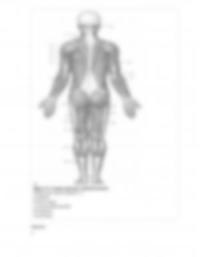
1) figure 11-2 major posterior skeletal muscles identify the muscle labeled “2” a) deltoid b) teres major c) sternocleidomastoid d) trapezius e) anconeus Answer: a 2) the layer of the meninges in direct contact with the spinal cord is the […]
BISC 753 Homework
1) as blood travels from arteries to veins, a) viscosity of blood changes. b) pressure increases. c) diameter of the blood vessels gets progressively smaller. d) pressure decreases. e) flow becomes turbulent. 2) all of the following are true of […]
BISC 768
1) the ion that triggers the release of acetylcholine into the synaptic cleft is a) sodium. b) potassium. c) calcium. d) chloride. e) magnesium. 2) reactions within ________ provide most of the energy needed by a typical cell. a) cytoplasm […]
BISC 791 Quiz 3
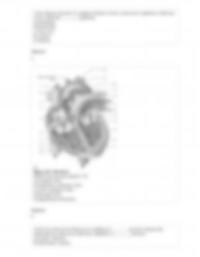
1) the efferent arteriole of a nephron divides to form a network of capillaries within the cortex called the ________ capillaries. a) peritubular b) glomerular c) vasa recta d) cortical e) efferent 2) figure 20-1 the heart identify the structure […]
BISC 809 Quiz
1) enterogastric reflexes a) inhibit gastric motility. b) inhibit gastric secretion. c) are triggered by chyme entering the duodenum. d) involve the enteric nervous system. e) all of the answers are correct. 2) melatonin is produced by the a) thymus. […]
BISC 845 Midterm 2
1) inappropriate or excessive immune responses to antigens are a) immunodeficiency diseases. b) autoimmune diseases. c) allergies. d) the result of stress. e) signs of a weak system. 2) each of the following statements concerning development is true, except that […]
BISC 870 Test
1) the heart pumps approximately ________ liters of blood each day. a) 8,000 b) 15,000 c) 20,000 d) 50,000 e) 100,000 2) if a cell lacked the enzyme dna polymerase, it could not a) form protein. b) form complementary sequences […]
BISC 875
1) the food pyramid recommends many servings a day of dark-green and orange vegetables. which vitamin is particularly abundant in this food group? a) a b) c c) e d) folic acid e) all of the answers are correct. 2) […]
CAS BI 100
1) the neonatal period extends a) for the first 24 hours of life. b) for the first month of life. c) until the first birthday. d) from day 1 until day 60. e) until breast feeding stops. 2) figure 25-1 […]
CAS BI 100 Midterm
1) which of the following study methods are useful for anatomy and physiology courses? a) read the lecture sections before class. b) devote a block of time for study. c) do not procrastinate. d) develop memorization skills. e) all of […]
CAS BI 123
1) the two common iliac veins form the a) femoral vein. b) greater saphenous vein. c) inferior vena cava. d) hepatic portal vein. e) innominate vein. 2) which of these surface features occur on the ulna? a) olecranon b) styloid […]
CAS BI 164 Test
1) the right pleural cavity contains: a) heart b) trachea c) left lung d) right lung e) both lungs 2) the kidneys not only remove waste products from the blood, they also assist in the regulation of a) blood volume. […]
CAS BI 224
1) a hormone that can lower blood levels of calcium ion is a) parathyroid hormone. b) thyroxine. c) calcitonin. d) glucagon. e) oxytocin. 2) the surface of articular cartilage is a) slick. b) flat. c) smooth. d) rough. e) both […]
CAS BI 226 Test 2
1) ________ is an inherited abnormality that affects the development and structure of kidney tubules. a) glomerulonephritis b) polycystic kidney disease c) calculus d) renal failure e) hematuria 2) henry’s law states that a) gas volume and temperature are directly […]
CAS BI 264
1) the saclike structure that joins the ileum at the ileocecal valve is the a) appendix. b) sigmoid colon. c) rectum. d) haustra. e) cecum. 2) the smallest arterial branches are called the a) precapillary arterioles. b) arterioles. c) capillaries. […]
CAS BI 289 Midterm
1) suppose that you try to pick up an object and discover that it is much heavier than you expected. which process must occur in the muscle to increase tension so you can pick up the object? a) wave summation […]
CAS BI 295 Final
1) adhesions between abdominopelvic organs occur when a) serous membranes are damaged. b) synovial membranes are damaged. c) muscle is damaged. d) nerve cells are damaged. e) mucous membranes are damaged. 2) bone tissue formation begins when osteoblasts secrete a) […]
CAS BI 295 Quiz 2
1) cerebrospinal fluid a) is secreted by ependymal cells. b) is formed by a passive process. c) is normally produced twice as fast as it is removed. d) has almost the same composition as blood plasma. e) contains blood cells […]
CAS BI 297 Test 1
1) stimulation of the neurons in the celiac ganglion would lead to a) relaxation of the urinary sphincter. b) increased heart rate. c) hydrolysis of liver glycogen reserves. d) activation of ventral sweat glands. e) increased gastric motility. 2) the […]
CAS BI 301
1) the gray horns of the spinal cord contain mainly a) nerve tracts. b) columns. c) meninges. d) nerve cell bodies. e) funiculi. 2) sperm production occurs in the a) ductus deferens. b) seminiferous tubules. c) epididymis. d) seminal glands […]
CAS BI 380 Quiz 3
1) gastric pits are a) ridges in the body of the stomach. b) involved in absorption of liquids from the stomach. c) openings into gastric glands. d) acid scars in the esophagus. e) hollows where proteins are stored. 2) the […]
CAS BI 384
1) a person is confronted by a dangerous dog. his heart begins to race and beat strongly, his pupils dilate, and his hairs stand up. these signs are the result of a) sympathetic activation. b) increased levels of epinephrine in […]
CAS BI 388 Test
1) when adenyl cyclase is activated, a) atp is consumed. b) camp is formed. c) camp is broken down. d) atp is produced. e) atp is consumed and camp is formed. 2) parasympathetic stimulation a) increases heart rate. b) increases […]
CAS BI 395 Midterm 2
1) when the popliteal vein reaches the femur, it becomes the ________ vein. a) femoral b) deep femoral c) internal iliac d) external iliac e) lumbar 2) a ligamentous connection such as an interosseous ligament is termed a a) syndesmosis. […]
CAS BI 405
1) powerful peristaltic contractions that occur a few times each day in the colon are called a) segmentation. b) pendular movements. c) haustral churning. d) defecation. e) mass movements. 2) tom stumbles and injures his hallux. what part of his […]
CAS BI 405 Test 2
1) damage to cells of the zona fasciculata of the suprarenal cortex would result in a) the loss of axillary and pubic hair. b) increased volume of urine formation. c) decreased levels of sodium ion in the blood. d) decreased […]
CAS BI 447 Quiz 2
1) figure 20-1 the heart which chamber receives oxygenated blood from the pulmonary circuit? a) 5 b) 10 c) 16 d) 13 e) both 5 and 16 2) intercalated discs serve to transfer ________ from cell to cell. a) ionic […]
CAS BI 464 Quiz 3
1) filtrate first passes from the glomerular capsule to the a) nephron loop (loop of henle). b) proximal convoluted tubule. c) distal convoluted tubule. d) collecting duct. e) minor calyx. 2) what structure regulates the amount of light that passes […]
CAS BI 480 Quiz 3
1) the pyramids on the ventral surface of the medulla oblongata are formed by fibers of the ________ tracts. a) corticospinal b) corticobulbar c) reticulospinal d) vestibulospinal e) tectospinal 2) most sympathetic effector junctions release norepinephrine but a significant number […]
CAS BI 491 Test 2
1) the vertebral arch is formed by the pedicles and the a) transverse spinous processes. b) dorsal spinous processes. c) laminae. d) costal facets. e) intervertebral disc. 2) sympathetic input to the smooth muscle tissue in bronchioles causes all of […]
CAS BI 536 Midterm 1
1) which of the following contains a remnant of the fetal umbilical vein? a) falciform ligament b) greater omentum c) mesentery proper d) lesser omentum e) diaphragm 2) antidiuretic hormone a) is released from the posterior pituitary gland. b) stimulates […]
CAS BI 548
1) which has the greater concentration of hydrogen ions, a substance with a ph of 5 or a substance with a ph of 4? a) a ph of 4 is greater. b) a ph of 5 is greater. c) they […]
CAS BI 567 Test 1
1) compounds that cells can use to make glucose include all of the following, except a) acetyl-coa b) glycerol c) amino acids d) lactic acid e) pyruvic acid 2) at the knee, the small saphenous, tibial, and fibular veins unite […]
CAS BI 577 Test
1) the ________ receive visual input from the lateral geniculates. a) substantia nigra b) red nuclei c) cerebral peduncles d) superior colliculi e) inferior colliculi 2) sandwiched between the layer of circular and longitudinal muscle in the muscularis externa is […]
CAS BI 645
1) blood leaves the right ventricle by passing through the a) aortic valve. b) pulmonary valve. c) mitral valve. d) tricuspid valve. e) bicuspid valve. 2) when cholinergic receptors are stimulated, a) sodium ions enter the postsynaptic neuron. b) sodium […]
CAS BI 671 Homework
1) which of the following is arranged in correct order from the most complex to the simplest? a) cellular, tissue, molecular, system, organ, organism b) molecular, cellular, tissue, organ, system, organism c) tissue, cellular, molecular, organ, system, organism d) organ, […]
CAS BI 672 Test
1) the reduction of friction between the parietal and visceral surfaces of an internal cavity is the function of a) cutaneous membranes. b) mucous membranes. c) serous membranes. d) synovial membranes. e) the lamina propria. 2) the regulation of awake-asleep […]
CAS BI 699 Test 2
1) the alveolar process of the mandible a) supports the upper teeth. b) supports the lower teeth. c) anchors the tongue. d) is part of the temporomandibular joint. e) articulates with the hyoid bone. 2) b cells are primarily activated […]
CAS BI 732 Quiz
1) damage to the superior colliculi would interfere with the reflex ability to a) express rage. b) voluntarily move the arm. c) react to a bright light. d) react to loud noises. e) maintain proper posture. 2) the reproductive system […]
CAS BI 769
1) when the ph of the extracellular fluid drops, the a) kidneys excrete more hydrogen ions. b) kidneys excrete more bicarbonate ions. c) kidneys excrete fewer bicarbonate ions. d) kidneys secrete more hydrogen ions and more bicarbonate ions. e) kidneys […]
CAS BI 769 Homework
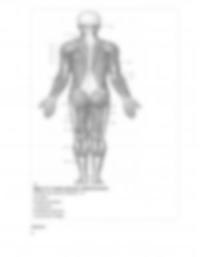
1) figure 11-2 major posterior skeletal muscles identify the muscle labeled “12” a) soleus b) gastrocnemius c) sartorius d) tibialis posterior e) peroneus longus Answer: b 2) the urethral meatus is an opening in the a) prepuce. b) glans penis. […]
CAS BI 805 Midterm 1
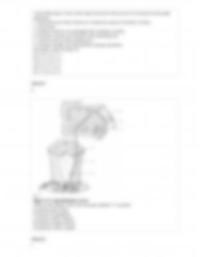
1) the following is a list of the steps involved in the process of secretion by the golgi apparatus. 1. material moves from cisterna to cisterna by means of transfer vesicles. 2. exocytosis. 3. products from rer are packaged into […]
CAS BI 827
1) which of the following is a known effect of thyroid hormone on peripheral tissues? a) increased oxygen consumption b) increased heart rate c) increased sensitivity to adrenergic stimulation d) increased body temperature e) all of the answers are correct. […]
CAS BI 829 Quiz 1
1) if there were no paranasal sinuses, all of the following would be true, except a) the skull would be heavier. b) stronger neck muscles would be required. c) less mucus in the nasal cavity. d) reduced ability to trap […]
CAS BI 835 Quiz
1) variations in hair color reflect differences in the pigment produced by a) keratinocytes. b) melanocytes. c) dermal papillae. d) soft keratin. e) carotene cells. 2) isotopes of an element differ in the number of a) protons in the nucleus. […]
CAS BI 839 Quiz 2
1) which of the following is located closest to the jugular notch? a) medial end of scapula b) medial end of clavicle c) lateral end of scapula d) lateral end of clavicle e) xiphoid process 2) the spinal tract that […]
CAS BI 886
1) the largest cartilage of the larynx is the ________ cartilage. a) thyroid b) cricoid c) cuneiform d) arytenoid e) epiglottic 2) brunner glands are characteristic of the a) stomach. b) duodenum. c) jejunum. d) ileum. e) colon. Answer: b […]