
1) the chin is ________ to the nose.
a) anterior
b) superior
c) posterior
d) inferior
e) medial
2) stem cells that can form all types of lymphocytes are concentrated in the
a) circulation.
b) thymus.
c) red marrow.
d) spleen.
e) yellow marrow.
3) receptors that monitor the position of joints belong to the category called
a) nociceptors.
b) chemoreceptors.
c) baroreceptors.
d) proprioceptors.
e) thermoreceptors.
4) a feature of the digestive tract wall that increases surface area available for
absorption is the
a) transitional cells.
b) plicae.
c) elastic cells.
d) rugae.
e) villi.
5) the duodenal ampulla receives secretions from the
a) duodenum and the jejunum.
b) duodenum and the pylorus.
c) common bile duct and the pancreatic duct.

d) duodenum and the pancreatic duct.
e) duodenum and the bile duct.
6) the p wave of the electrocardiogram is a signal from
a) depolarization of the sa node.
b) depolarization of the av node.
c) depolarization of the atria.
d) repolarization of the atria.
e) depolarization of the ventricles.
7) lymphocytes are produced and stored in all of the following, except
a) the thymus.
b) lymphatic nodules.
c) lymph node organs.
d) the spleen.
e) the brain.
8) catabolism of protein is not a practical source of quick energy because of all of the
following, except that
a) proteins are more difficult to break apart than lipids or carbohydrates.
b) the energy yield from protein is less than the yield from lipids.
c) one of the by-products of protein catabolism is ammonia.
d) most individuals have little protein to spare before harming vital organs.
e) extensive catabolism of protein threatens homeostasis.
9) which of the following best describes the term sarcomere?
a) protein that accounts for elasticity of resting muscle
b) repeating unit of striated myofibrils
c) storage site for calcium ions
d) thin filaments are anchored here
e) largely made of myosin molecules

10) the ions in highest concentration in the intracellular fluid are
a) potassium, chloride, and bicarbonate.
b) sodium, potassium, and bicarbonate.
c) sodium, potassium, and calcium.
d) potassium, hydrogen, and chloride.
e) proteins, potassium, and phosphate.
11) the hormone that increases the flexibility of the pubic symphysis during pregnancy
is
a) luteinizing hormone.
b) progesterone.
c) human chorionic gonadotropin.
d) human placental lactogen.
e) relaxin.
12) the dural fold that projects into the longitudinal fissure between cerebral
hemispheres is called the
a) dural sinus.
b) falx cerebri.
c) tentorium cerebelli.
d) falx cerebelli.
e) choroid plexus.
13)
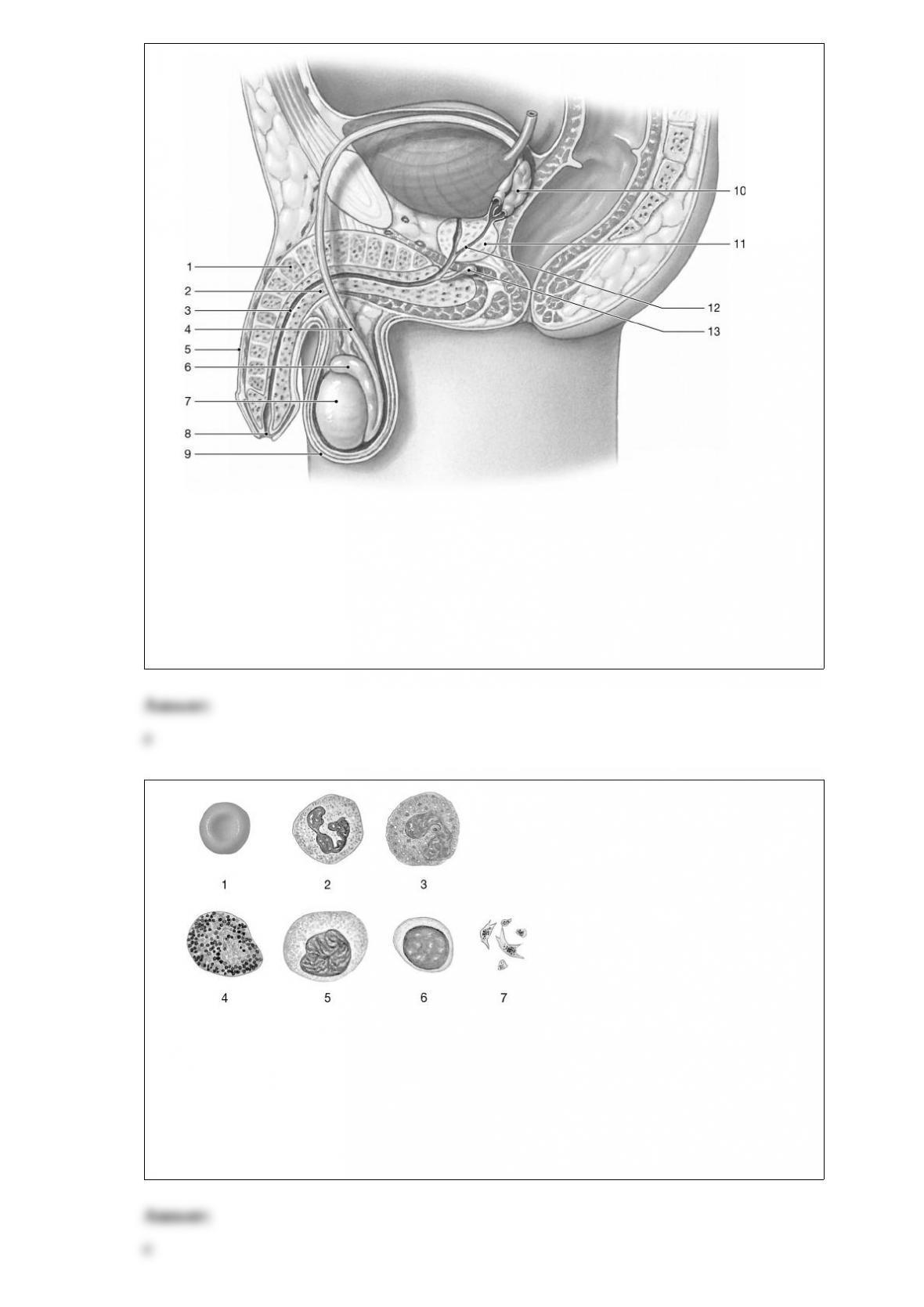
figure 28-1 the male reproductive system
identify the structure labeled “9”
a) scrotum
b) cremaster muscle
c) ductus deferens
d) testis
e) prepuce
14)
figure 19-1 the origins and differentiation of formed elements
identify the cell labeled “5”
a) erythrocyte
b) lymphocyte
c) eosinophil
d) basophil
e) monocyte

15) the principal ions in extracellular fluid are sodium, chloride, and ________.
16) the narrow region between the head and shaft of a long bone is called the ________.
17) urine is temporarily stored in the ________.
18) during ________ sleep, the entire body relaxes and the activity of the cerebral
cortex is at a minimum.
19) what is hypercapnia? how does it affect respiration? what are common causes?
20) the term ________ refers to the time spent in prenatal development.
21) the knee joint is stabilized by ________ major ligaments.

22) identical twins that share body structures are called siamese or ________ twins.
23) the circumferential folds that encircle the digestive tract are known as ________.