
1) the neuroglial cells that participate in maintaining the blood-brain barrier are the
a) astrocytes.
b) ependymal cells.
c) microglia.
d) oligodendrocytes.
e) schwann cells.
2) contracting the gastrocnemius muscles to elevate the body on the toes involves a
________ lever.
a) first-class
b) second-class
c) third-class
d) fourth-class
e) fifth-class
3) nitrogen compounds of the body include all of the following, except
a) amino acids.
b) oxaloacetic acid.
c) creatine.
d) porphyrin.
e) purines.
4) tom suffers from hypertension (high blood pressure). which of the following might
help deal with his problem? a drug that
a) blocks alpha-1 receptors in skeletal muscle.
b) blocks alpha-2 receptors in adipose tissue.
c) increases camp levels in cardiac muscle tissue.
d) blocks beta receptors in cardiac muscle tissue.
e) blocks alpha-1 receptors in skeletal muscle and blocks beta receptors in cardiac
muscle tissue
5) contraction of the intrinsic laryngeal muscles can
a) move the cricoid cartilage.

b) close the glottis.
c) constrict the trachea.
d) move food from the larynx to the esophagus.
e) assist in breathing during exercise.
6) all of the following are true of the sacrum, except that it
a) provides protection for reproductive, digestive, and excretory organs.
b) provides a point of attachment for leg muscles.
c) articulates with the pelvic bones.
d) articulates with the second and third lumbar vertebrae.
e) articulates with the coccyx.
7) destruction of or damage to a lower motor neuron in the somatic nervous system
produces
a) the inability to localize a stimulus.
b) a subconscious response to a stimulation.
c) flaccid paralysis of its muscle fibers (motor unit).
d) a stimulation of the innervated muscle.
e) contractile paralysis of its motor unit.
8) the function of hemoglobin is to
a) carry dissolved blood gases.
b) carry bicarbonate ion.
c) aid in the process of blood clotting.
d) produce antibodies.
e) stimulate erythropoiesis.
9) the ________ integrate(s) sensory information for projection to the cerebral cortex.
a) pulvinar
b) lateral geniculates
c) medial geniculates
d) supraoptic nuclei
e) paraventricular nuclei

10) the visceral pericardium is the same as the
a) mediastinum.
b) parietal pericardium.
c) epicardium.
d) myocardium.
e) endocardium.
11) the cells that cover the outer surfaces of cns capillary endothelial cells are the
a) blastocytes.
b) astrocytes.
c) monocytes.
d) leukocytes.
e) lymphocytes.
12) testosterone is secreted by the
a) hypothalamus.
b) adenohypophysis.
c) nurse cells.
d) interstitial cells.
e) suprarenal cortex.
13) the ________ convey(s) information about head position with respect to gravity.
a) cochlea
b) utricle
c) ampulla
d) saccule
e) utricle and the saccule
14) a highly sensitive tactile receptor composed of dendritic processes of a single

myelinated fiber that makes contact with specialized cells of the stratum germinativum
is a
a) lamellated corpuscle.
b) tactile (meissner) corpuscle.
c) ruffini corpuscle.
d) tactile (merkel) disc.
e) root hair plexus.
15) clinically, the term blood pressure usually refers to
a) arteriovenous pressure.
b) capillary hydrostatic pressure.
c) arterial pressure.
d) peripheral pressure.
e) pulse pressure.
16)
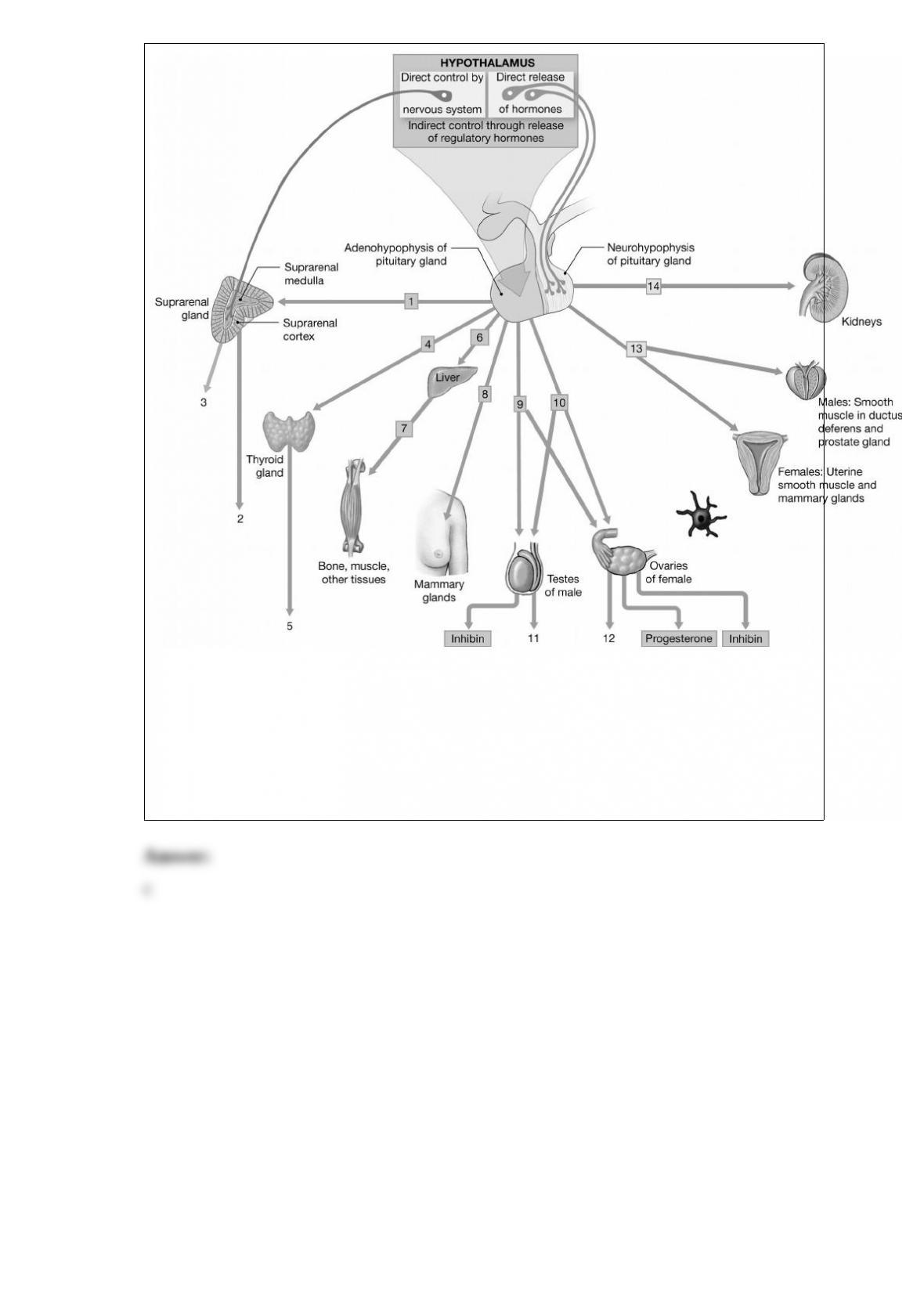
figure 18-1 pituitary hormones and their targets
identify the hormone labeled “5”
a) thyroid-releasing hormone
b) thyroid-stimulating hormone
c) thyroxin
d) thyrotropin
e) parathyroid hormone (pth)
17)
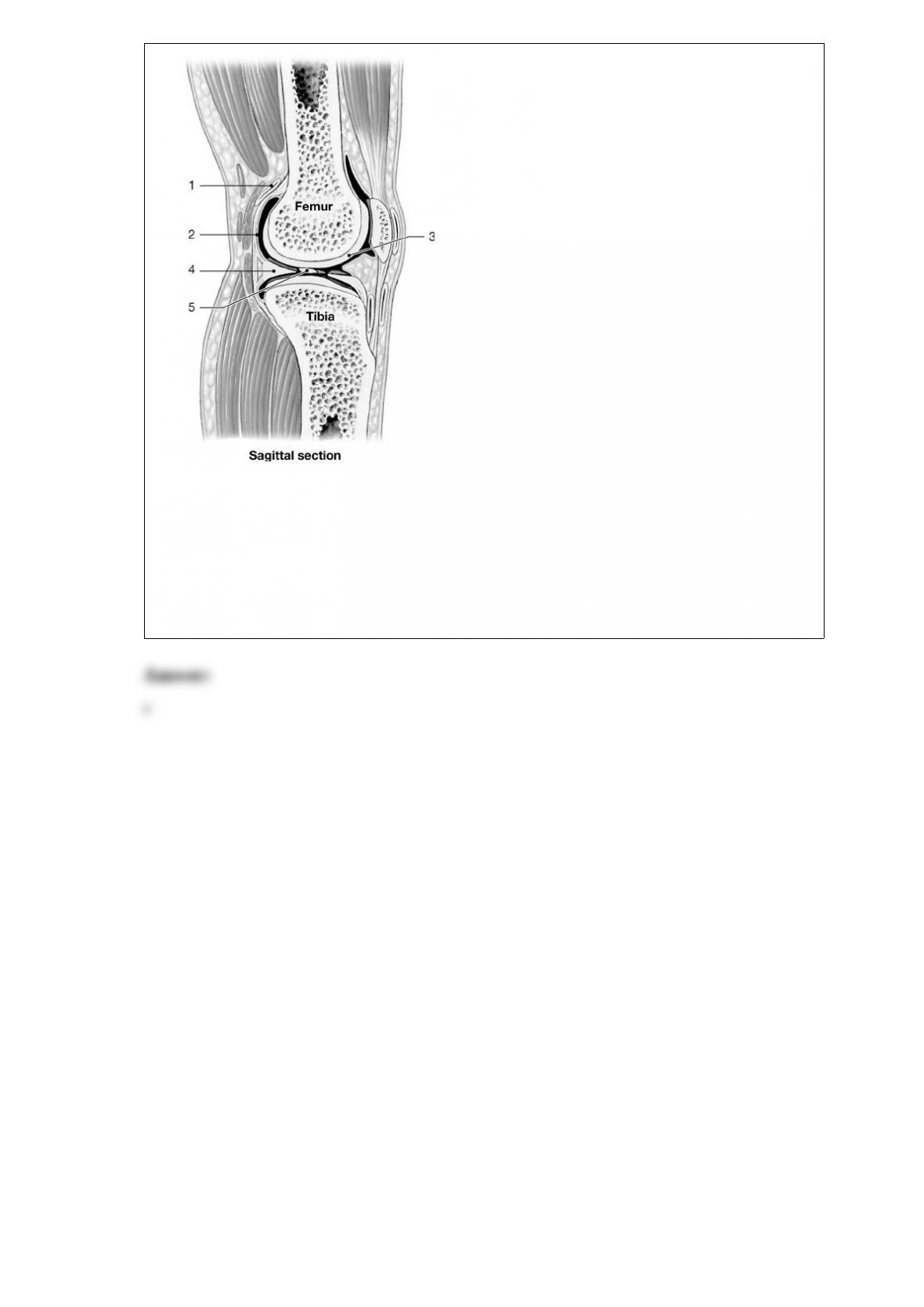
figure 9-2 a simplified sectional view of the knee joint
what type of tissue occurs at the structure labeled “3”?
a) fibrocartilage
b) synovial membrane
c) articular cartilage
d) bone tissue
e) dense connective tissue