1)
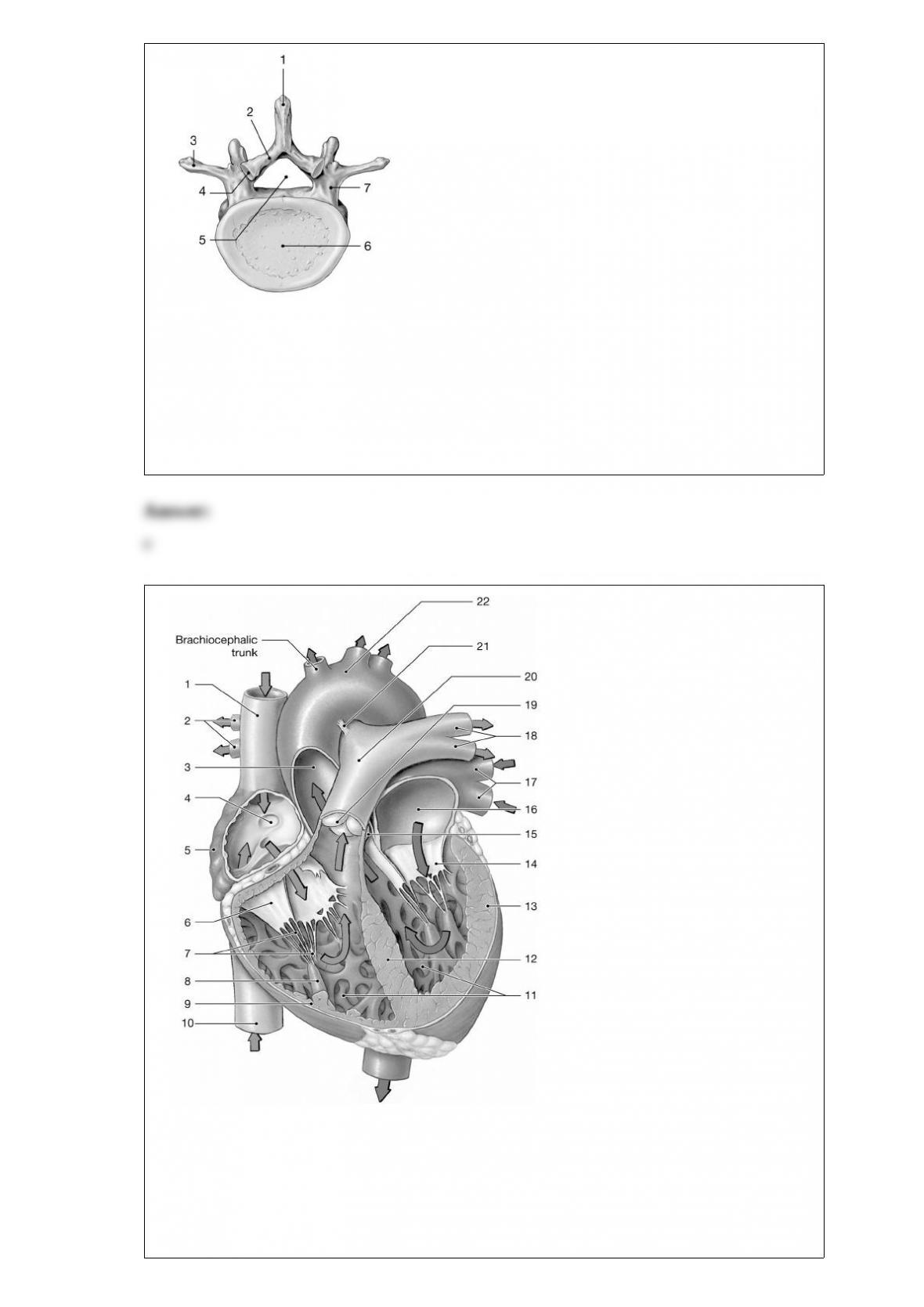
figure 7-2 typical vertebra (inferior view)
identify the structure labeled “2”
a) transverse process
b) superior articular process
c) pedicle
d) inferior articular process
e) lamina
2)
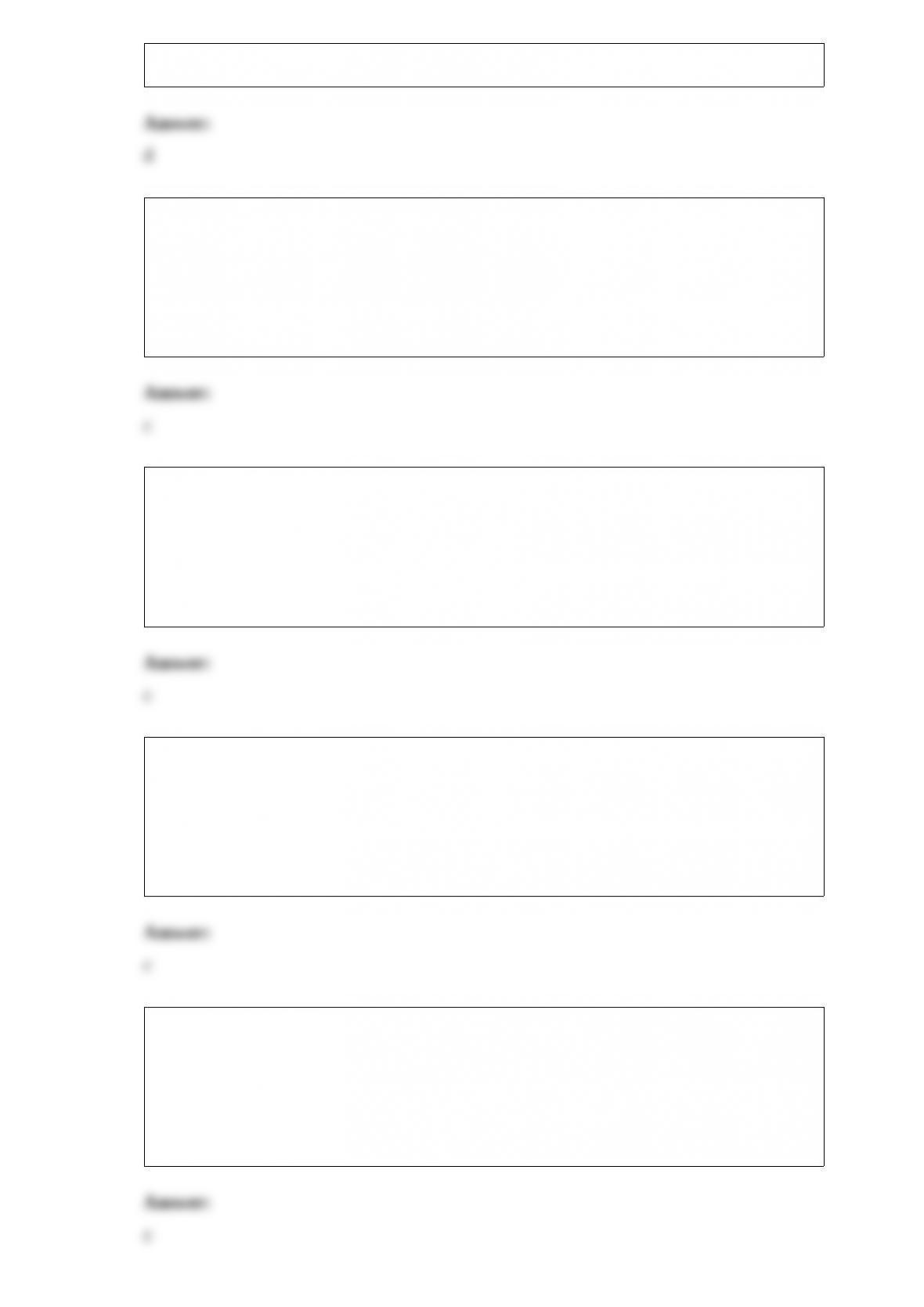
figure 20-1 the heart
identify the structure labeled “21”
a) bicuspid valve
b) pulmonary semilunar valve
c) aortic semilunar valve
d) ligamentum arteriosum
e) tricuspid valve
3) accelerated closure of the epiphyseal plates could be caused by
a) high levels of vitamin d.
b) too much calcium in the diet.
c) elevated levels of estrogen.
d) too little thyroxine.
e) an excess of growth hormone.
4) during deglutition, which of the following phases is not present?
a) buccal
b) pharyngeal
c) gastric
d) esophageal
e) none of the answers are correct.
5) alzheimer disease is characterized by all of the following, except that it
a) is the most common cause of senile dementia.
b) is characterized by a progressive loss of memory.
c) has a clear genetic basis.
d) is associated with the formation of plaques and neurofibrillary tangles.
e) may be associated with damage to the nucleus basalis.
6) helium (he) has an atomic number of 2. it is chemically stable because it
a) is neutral in electrical charge.
b) readily ionizes to react with other atoms.
c) has a full outer electron shell.
d) will form a covalent bond with another he atom.
e) lacks electrons, thus the he atom is stable.
7)
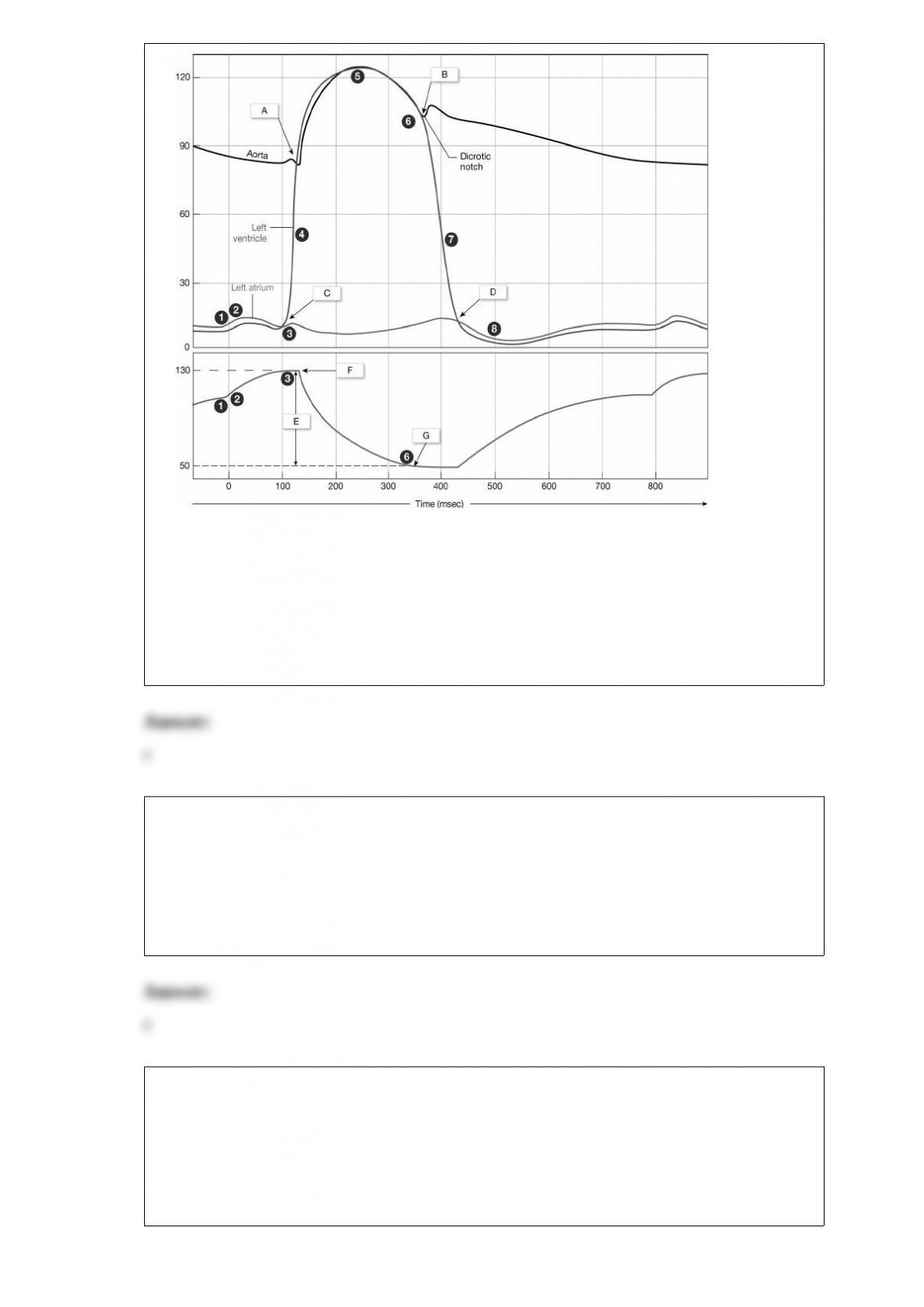
figure 20-2 cardiac cycle
what occurs at the circled label “4” on the graph?
a) ventricular ejection
b) sympathetic stimulation
c) isovolumetric ventricular contraction
d) isovolumetric ventricular relaxation
e) ventricular filling
8) the fusion of the hepatic duct and the cystic duct forms the
a) hepatic portal vein.
b) porta hepatis.
c) common bile duct.
d) common pancreatic duct.
e) bile canaliculus.
9) glycoproteins and proteoglycans are combinations of amino acids and
a) carbohydrates.
b) fatty acids.
c) lipids.
d) nucleic acids.
e) inorganic compounds.

10) if the anterior compartment of the lower limb was suffering from “compartment
syndrome,” which of these muscles would be at risk of injury?
a) tibialis anterior and tibialis posterior
b) gastrocnemius and soleus
c) extensor digitorum longus
d) tibialis anterior, extensor hallucis longus, and extensor digitorum longus
e) rectus femoris and the adjacent vastus muscles
11) the achilles tendon attaches to which anatomical structure?
a) cuboid bone
b) calcaneus
c) talus
d) lesser trochanter
e) patella.
12) the nutrients that yield the most energy per gram when metabolized are
a) carbohydrates.
b) proteins.
c) fats.
d) nucleic acids.
e) vitamins.
13) the ________ gland empties into the oral cavity at the level of the second upper
molar.
a) submaxillary
b) submandibular
c) parotid
d) sublingual
e) vestibular
14) in the light-adapted state,
a) photoreceptors are much more sensitive to stimulation.
b) photoreceptors are much less sensitive to stimulation.
c) we can only see color, and not black and white.
d) we would see better in the dark.
e) colors are dull.
15) axons of the corticobulbar tract terminate in the
a) sensory neurons.
b) somatic motor neurons in the spinal cord.
c) autonomic motor neurons in the spinal cord.
d) motor nuclei of cranial nerves.
e) nuclei in the thalamus.
16) the ligament that provides support to the front of the knee joint is the ________
ligament.
a) anterior cruciate
b) posterior cruciate
c) patellar
d) popliteal
e) tibial collateral
17)
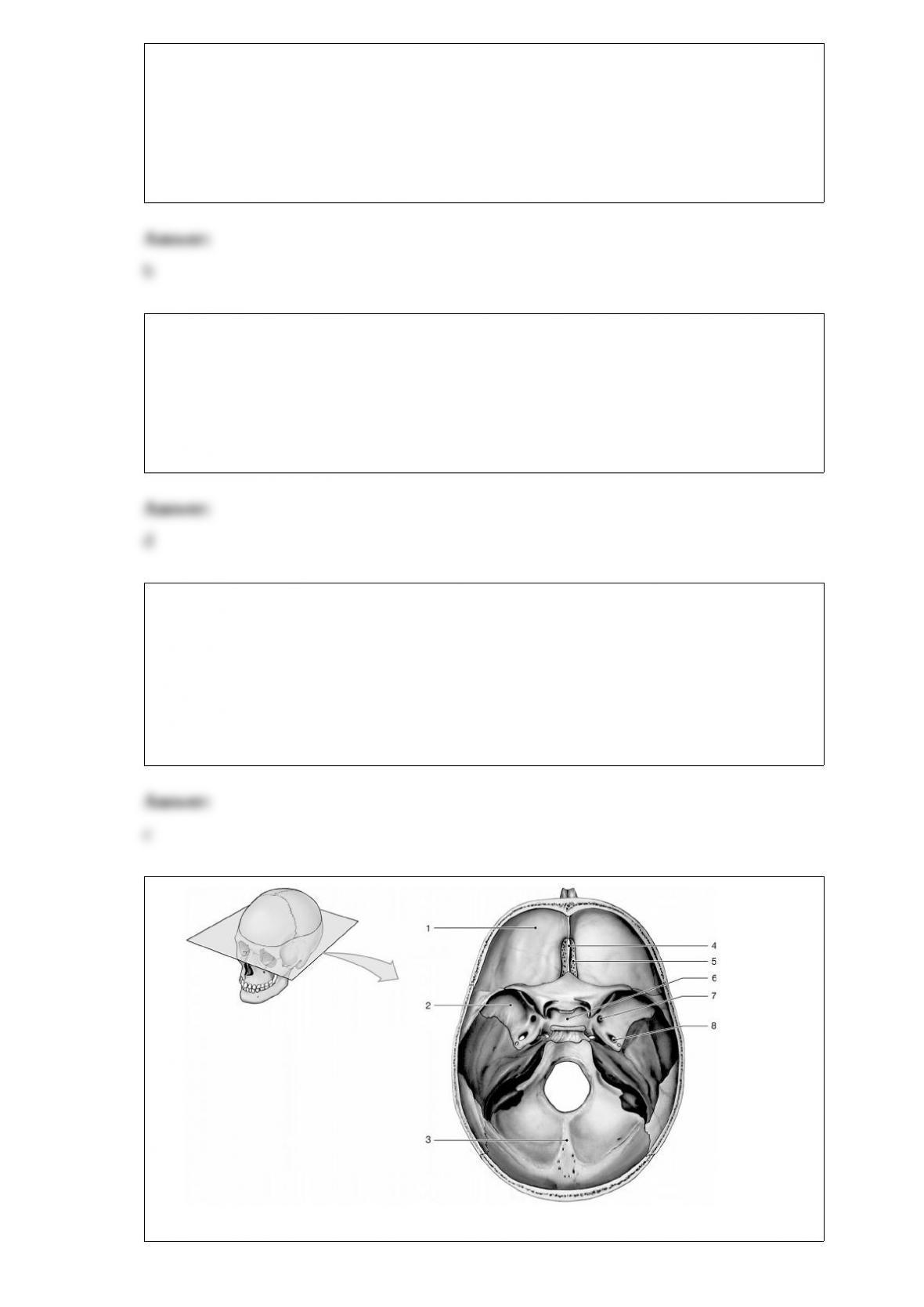
figure 7-1 floor of the cranial cavity
what is the name of the structure labeled “7”?
a) optic canal
b) foramen spinosum
c) foramen rotundum
d) foramen lacerum
e) foramen ovale
18) a pair of ligaments covered by laryngeal epithelium that function in sound
production are the
a) intrinsic ligaments.
b) extrinsic ligaments.
c) ventricular folds.
d) vocal folds.
e) intrinsic laryngeal muscles.
19) the inferior portion of the uterus that projects into the vagina is the
a) isthmus.
b) fornix.
c) fundus.
d) body.
e) cervix.