Archives: Quiz
CAS BI 675 Homework
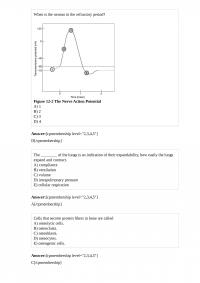
When is the neuron in the refractory period? Figure 12-2 The Nerve Action Potential A) 1 B) 2 C) 3 D) 4 The ________ of the lungs is an indication of their expandability, how easily the lungs expand and contract. […]
BI 501
The adrenal glands receive a blood supply from the ________ arteries. A) renal B) perirenal C) epirenal D) adrenal E) infrarenal In most cases, the general interpretive center and the speech center are located in A) the left cerebral hemisphere. […]
BISC 782
A muscle produces its highest tension when in complete A) recovery. B) treppe. C) wave summation. D) aerobic metabolism. E) tetanus. A man can get testosterone injections to increase sexual drive, muscle mass, and overall mood. These symptoms can occur […]
BI 106
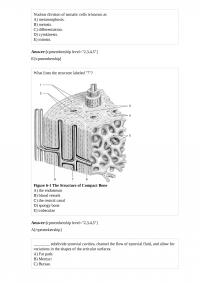
Nuclear division of somatic cells is known as A) metamorphosis. B) meiosis. C) differentiation. D) cytokinesis. E) mitosis. What lines the structure labeled “7”? Figure 6-1 The Structure of Compact Bone A) the endosteum B) blood vessels C) the central […]
BISC 762
In areolar connective tissue, ________ cells release histamine. A) plasma B) mast C) mesenchymal D) gland E) goblet To defend blood volume against dehydration, the body A) reduces reabsorption of water at the kidneys. B) experiences an increase of interstitial […]
BIOL 743
The period of gestation when organs and organ systems complete most of their development and the fetus looks distinctly human is the ________ trimester. A) first B) second C) third During the postabsorptive state, ________ stimulate(s) lipid catabolism. A) glucocorticoids […]
BIOL 188 Quiz 3
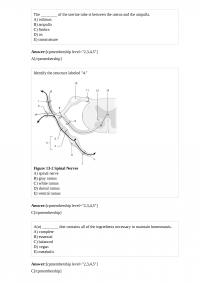
The ________ of the uterine tube is between the uterus and the ampulla. A) isthmus B) ampulla C) fimbra D) os E) commissure Identify the structure labeled “4.” Figure 13-2 Spinal Nerves A) spinal nerve B) gray ramus C) white […]
BISC 260 Final
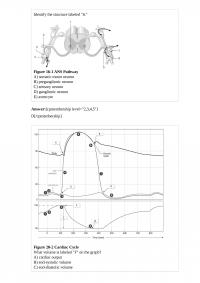
Identify the structure labeled “6.” Figure 16-1 ANS Pathway A) somatic motor neuron B) preganglionic neuron C) sensory neuron D) ganglionic neuron E) astrocyte Figure 20-2 Cardiac Cycle What volume is labeled “F” on the graph? A) cardiac output B) […]
CAS BI 653
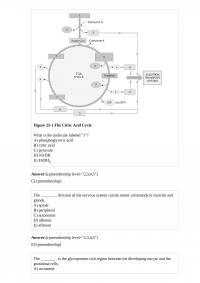
Figure 25-1 The Citric Acid Cycle What is the molecule labeled “1”? A) phosphoglyceric acid B) citric acid C) pyruvate D) NADH E) FADH2 The ________ division of the nervous system carries motor commands to muscles and glands. A) spinal […]
BISC 321 Final
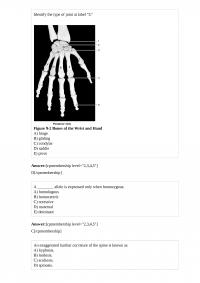
Identify the type of joint at label “3.” Figure 9-2 Bones of the Wrist and Hand A) hinge B) gliding C) condylar D) saddle E) pivot A ________ allele is expressed only when homozygous. A) homologous B) homocentric C) recessive […]
Biology 568 Test 2
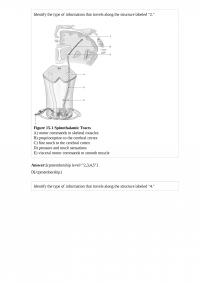
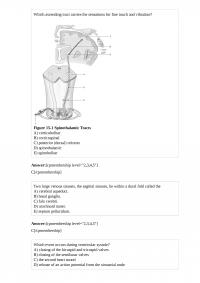
Identify the type of information that travels along the structure labeled “2.” Figure 15-1 Spinothalamic Tracts A) motor commands to skeletal muscles B) proprioception to the cerebral cortex C) fine touch to the cerebral cortex D) pressure and touch sensations […]
BIO 431 Midterm 2
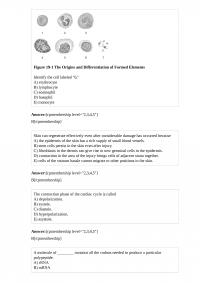
Figure 19-1 The Origins and Differentiation of Formed Elements Identify the cell labeled “6.” A) erythrocyte B) lymphocyte C) eosinophil D) basophil E) monocyte Skin can regenerate effectively even after considerable damage has occurred because A) the epidermis of the […]
BI 590
The movement of the forearm while twisting a doorknob is A) protraction and retraction. B) abduction and adduction. C) flexion and extension. D) lateral rotation and medial rotation. E) supination and pronation. When doing squat exercises, rising up from the […]
CAS BI 317 Quiz
Endothelial cells release ________ that stimulate smooth muscle contraction and accelerate the repair process. A) platelets B) endothelins C) histamines D) CSFs E) heparins Hypogonadism could be caused by an insufficiency of hormones from the A) ovaries. B) anterior pituitary […]
BISC 340 Quiz 2
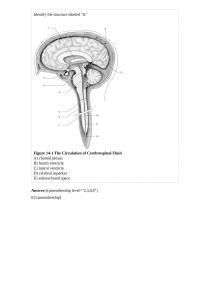
Identify the structure labeled “6.” Figure 14-1 The Circulation of Cerebrospinal Fluid A) choroid plexus B) fourth ventricle C) lateral ventricle D) cerebral aqueduct E) subarachnoid space Answer: E Figure 24-2 The Wall of the Small Intestine What is the […]
BIO 703 Final
The white ramus and the gray ramus collectively are called the A) spinal nerve. B) rami communicantes. C) meninges. D) ganglia. E) ascending tracts. The orbicularis oculi origin has its origin on the A) angle of the mouth. B) skin […]
BI 447 Midterm 1
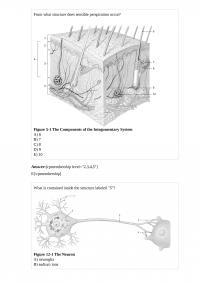
From what structure does sensible perspiration occur? Figure 5-1 The Components of the Integumentary System A) 6 B) 7 C) 8 D) 9 E) 10 What is contained inside the structure labeled “5”? Figure 12-1 The Neuron A) neuroglia B) […]
Biology 629 Quiz
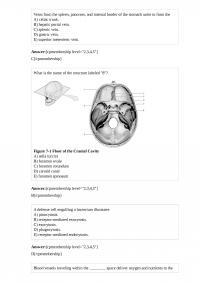
Veins from the spleen, pancreas, and internal border of the stomach unite to form the A) celiac trunk. B) hepatic portal vein. C) splenic vein. D) gastric vein. E) superior mesenteric vein. What is the name of the structure labeled […]
CAS BI 139 Quiz 2
The term immunological ________ refers to the ability to demonstrate an immune response upon exposure to an antigen. A) determination B) readiness C) competence D) potency E) drive Hormones that regulate the activity of B cells and T cells and […]
BIOL 111 Midterm 2
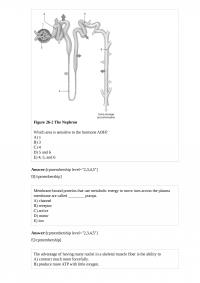
Figure 26-2 The Nephron Which area is sensitive to the hormone ADH? A) 1 B) 3 C) 4 D) 5 and 6 E) 4, 5, and 6 Membrane-bound proteins that use metabolic energy to move ions across the plasma membrane […]
BI 533 Quiz 1
Arterioles feed blood into A) arteriovenous anastomoses. B) thoroughfare channels. C) arches. D) capillaries. E) venules. The superior part of the sternum is called the A) apex. B) xiphoid. C) coccyx. D) manubrium. E) head. Answer: D When potassium channels […]
BIO 154
The folds of the surface of the cerebrum A) increase the surface area of the cerebrum. B) form a network of blood vessels over the brain. C) consist of axons and dendrites of neurons. D) are bathed in spinal fluid. […]
BIO 341 Homework
The primary function of the lymphatic system is A) the transport of hormones. B) circulation of nutrients and dissolved gases. C) defending the body against both external and internal threats. D) the production and distribution of plasma proteins. E) the […]
BISC 629 Test 2
Neuron cell bodies in the PNS are clustered together in masses called A) fibers. B) tracts. C) nerves. D) nuclei. E) ganglia. The alternative pathway of complement activation is sometimes called the ________ pathway. A) properdin B) interferon C) inflammatory […]
BISC 899
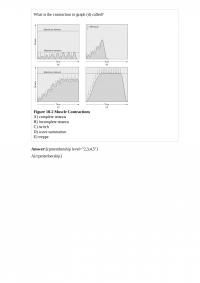
What is the contraction in graph (d) called? Figure 10-2 Muscle Contractions A) complete tetanus B) incomplete tetanus C) twitch D) wave summation E) treppe Answer: A Figure 21-2 Veins Identify the vein labeled “10.” A) inferior vena cava B) […]
Biology 367
The folds of the cerebrum are called A) sulci. B) arachnoid granulations. C) cortical folds. D) gyri. E) dural sinuses. Bile salts aid in the digestion of fats by ________ large fat droplets. A) dehydrating B) anabolizing C) binding D) […]
CAS BI 475 Quiz 2
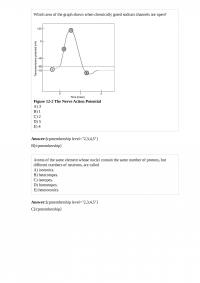
Which area of the graph shows when chemically gated sodium channels are open? Figure 12-2 The Nerve Action Potential A) 3 B) 1 C) 2 D) 5 E) 4 Atoms of the same element whose nuclei contain the same number […]
Biology 794 Quiz 3
The following are major steps in the process of intramembranous ossification: 1. Clusters of osteoblasts form osteoid that becomes mineralized. 2. Osteoblasts differentiate within mesenchymal connective tissue. 3. Spicules of bone radiate out from the ossification centers. 4. Mesenchymal cells […]
BIOL 823
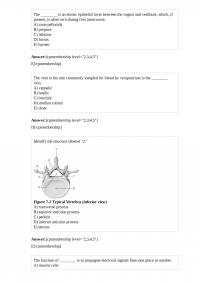
The ________ is an elastic epithelial layer between the vagina and vestibule, which, if present, is often torn during first intercourse. A) zona pellucida B) prepuce C) isthmus D) fornix E) hymen The vein in the arm commonly sampled for […]
BIO 450
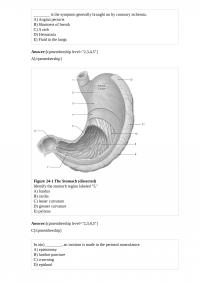
________ is the symptom generally brought on by coronary ischemia. A) Angina pectoris B) Shortness of breath C) A rash D) Hematuria E) Fluid in the lungs Figure 24-1 The Stomach (dissected) Identify the stomach region labeled “5.” A) fundus […]
BISC 411 Quiz
The movement of rotating a limb toward the anterior surface of the body is called ________ rotation. A) frontal B) external C) lateral D) outward E) medial A layer of glycoproteins that prevents leakage of materials from connective tissues into […]
Biology 545
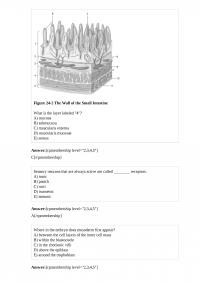
Figure 24-2 The Wall of the Small Intestine What is the layer labeled “4”? A) mucosa B) submucusa C) muscularis externa D) muscularis mucosae E) serosa Sensory neurons that are always active are called ________ receptors. A) tonic B) pasich […]
BIO 382 Final
Lymphocytes can develop into cells that secrete defense proteins against disease. These cells are termed ________, while these proteins are called antibodies. A) T cells B) B cells C) plasma cells D) immunocytes E) phagocytes Pronation is defined as A) […]
BIOL 123
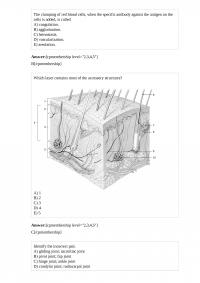
The clumping of red blood cells, when the specific antibody against the antigen on the cells is added, is called A) coagulation. B) agglutination. C) hemostasis. D) vascularization. E) areolation. Which layer contains most of the accessory structures? A) 1 […]
BIOL 554 Quiz 1
The physical process by which a single animal cell separates into two cells is called A) cytosis. B) mitosis. C) cytokinesis. D) phoresis. E) meiosis. Which of the following imaging techniques is used to monitor blood flow through specific organs, […]
BIOL 170
Impotence is defined as an inability to achieve or maintain A) an erection. B) an emission. C) ejaculation. D) a normal sperm count. E) blood flow. The pineal gland is part of the A) hypothalamus. B) diencephalon. C) midbrain. D) […]
CAS BI 316 Final
Which of the following statements is false regarding micturition? A) When you relax the external urethral sphincter, the internal sphincter will relax. B) Urination will be completed despite voluntary opposition. C) Parasympathetic nervous control is involved with the micturition reflex. […]
BISC 189 Test
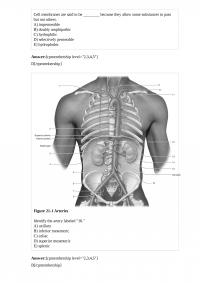
Cell membranes are said to be ________ because they allow some substances to pass but not others. A) impermeable B) doubly amphipathic C) hydrophilic D) selectively permeable E) hydrophobic Figure 21-1 Arteries Identify the artery labeled “16.” A) axillary B) […]
CAS BI 809 Test 1
________ monitor the digestive, respiratory, cardiovascular, urinary, and reproductive systems. A) Spinal nerves B) Unipolar neurons C) Internoceptors D) Exteroceptors E) Proprioceptors ________, or pinkeye, results from damage to or irritation of the conjunctival surface. A) Fuch’s dystrophy B) Conjunctivitis […]
Biology 866 Midterm 2
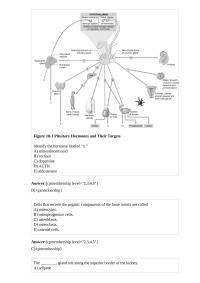
Figure 18-1 Pituitary Hormones and Their Targets Identify the hormone labeled “1.” A) mineralocorticoid B) cortisol C) dopamine D) ACTH E) aldosterone Cells that secrete the organic components of the bone matrix are called A) osteocytes. B) osteoprogenitor cells. C) […]
BI 361 Test 2
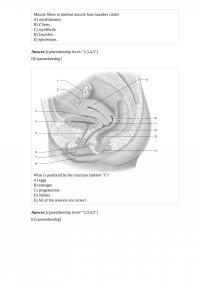
Muscle fibers in skeletal muscle form bundles called A) myofilaments. B) Z lines. C) myofibrils. D) fascicles. E) epimesium. What is produced by the structure labeled “1”? A) eggs B) estrogen C) progesterone D) inhibin E) All of the answers […]
BIO 273 Test 2
The thoracic duct originates from an expanded chamber called the A) thoracic sinus. B) cisterna chyli. C) thoracic trunk. D) hilum. E) thoracic ventricle. Cross bridge detachment is caused by ________ binding to the myosin head. A) ATP B) calcium […]
BISC 456 Final
A fibrin clot that is formed over a skin wound is called a A) scar. B) keloid. C) graft. D) scab. E) plug. The insertion end of the biceps brachii muscle of the anterior upper arm is A) at the […]
BIOL 569 Test
While volunteering in an outpatient clinic for underprivileged families in your neighborhood, you observe the nurse assessing an infant. The mother had complained about the baby not eating and having several episodes of diarrhea lasting 3 days. You know the […]
CAS BI 282
Phagocytic cells that are permanent residents of specific tissues and organs are called A) monocytes. B) neutrophils. C) leukocytes. D) fixed macrophages. E) local macrophages. Which of the following is true about the atrial reflex? A) also called Bainbridge reflex […]
CAS BI 533 Test
The Y chromosome carries information for A) the penis. B) the development of the brain. C) sexual drive. D) fertility ability. E) the development of the testes. Figure 29-2 Fetus at 10 Weeks Identify the structure labeled “7.” A) amnion […]
CAS BI 503
How is the kidney involved with normal bone ossification and development? A) Growth hormone is produced by the kidneys. B) Osteoblasts migrate from the kidney into the bone. C) Growth factors from the kidney direct the growth the epiphyseal cartilage […]
BIOL 210 Test 2
The term ________ refers to antibodies found in body fluids. A) plasma proteins B) cytosolic factors C) interleukins D) interferons E) immunoglobulins The main portion of the uterus is called the corpus or A) fundus. B) cervix. C) horn. D) […]
BIOL 505 Midterm 2
Which ascending tract carries the sensations for fine touch and vibration? Figure 15-1 Spinothalamic Tracts A) corticobulbar B) corticospinal C) posterior (dorsal) column D) spinothalamic E) spinobulbar Two large venous sinuses, the sagittal sinuses, lie within a dural fold called […]
BIOL 355
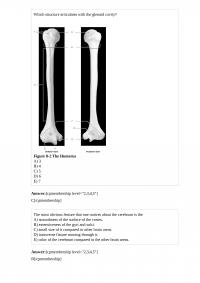
Which structure articulates with the glenoid cavity? Figure 8-2 The Humerus A) 3 B) 4 C) 5 D) 6 E) 7 The most obvious feature that one notices about the cerebrum is the A) smoothness of the surface of the […]