Archives
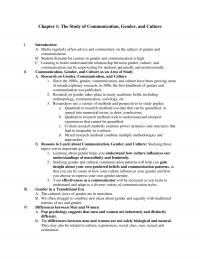
978-1285075938 Chapter 1 Solution Manual
Chapter 1: The Study of Communication, Gender, and Culture I. Introduction A. Media regularly offers advice and commentary on the subject of gender and communication. B. Student demand for courses in gender and communication is high. C. Learning to better […]
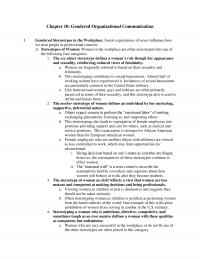
978-1285075938 Chapter 10 Solution Manual
Chapter 10: Gendered Organizational Communication I. Gendered Stereotypes in the Workplace: Social expectations of sexes influence how we treat people in professional contexts. A. Stereotypes of Women: Women in the workplace are often stereotyped into one of the following four […]
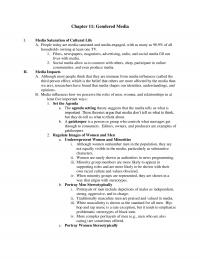
978-1285075938 Chapter 11 Solution Manual
Chapter 11: Gendered Media I. Media Saturation of Cultural Life A. People today are media-saturated and media-engaged, with as many as 98.9% of all households owning at least one TV. 1. Films, newspapers, magazines, advertising, radio, and social media fill […]
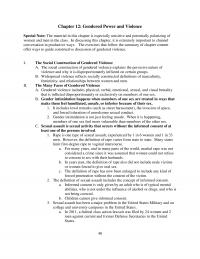
978-1285075938 Chapter 12 Solution Manual
48 Chapter 12: Gendered Power and Violence Special Note: The material in this chapter is especially sensitive and potentially polarizing of women and men in the class. In discussing this chapter, it is extremely important to channel conversation in productive […]
978-1285075938 Chapter 2 Solution Manual
Chapter 2: Theoretical Approaches to Gender Development I. Theories are ways of explaining, interpreting, or describing relationships among phenomena in our everyday lives. A. A theory represents a particular viewpoint as an attempt to understand phenomena. B. Theories offer more […]
978-1285075938 Chapter 3 Judgment Call
15 A panel discussion of violence against women might include the sexual harassment officer if your campus has one, a rape counselor from a local women’s center, a volunteer from a battered women’s shelter in your community, and a staff […]
978-1285075938 Chapter 3 Solution Manual
Chapter 3: The Rhetorical Shaping of Gender: Competing Images of Women I. The Three Waves of Women’s Movements A. Individuals and groups have changed how culture views gender and sex. B. “Rhetoric” is persuasive communication and rhetorical movements are persuasive […]
978-1285075938 Chapter 4 Judgment Call Part 1
20 JUDGMENT CALL #3: HOW IMPORTANT ARE MEN’S ISSUES AND MEN’S MOVEMENTS? Men’s movements and efforts to raise awareness of men’s issues are relatively recent developments in the United States. In the 1960s when the second wave of American feminism […]
978-1285075938 Chapter 4 Solution Manual
Chapter 4: The Rhetorical Shaping of Gender: Competing Images of Men I. Introduction to Men’s Movements A. Images of men as breadwinners have long competed with images of men as engaged fathers. These competing images challenge and change how we […]
978-1285075938 Chapter 5 Solution Manual
Chapter 5: Gendered Verbal Communication I. Verbal Communication Expresses Cultural Views of Gender A. Male Generic Language Excludes Women 1. Male generic language (chairman, mailman, mankind, he) claims to include both sexes, yet research studies have shown people associate males […]
978-1285075938 Chapter 6 Solution Manual
Chapter 6: Gendered Nonverbal Communication I. Nonverbal communication is all elements of communication other than words. A. Scholars state that the majority (65 to 93%, depending on the scholar) of meaning comes from nonverbal behaviors. B. Like language, nonverbal communication […]
978-1285075938 Chapter 7 Solution Manual
Chapter 7: Becoming Gendered: The Early Years I. Gendering Communication in the Family A. Unconscious Processes: Identification and Internalization a. Psychoanalytic theory posits identity formation as a largely unconscious process through identification and internalization. i. Freud wrote that “anatomy is […]
978-1285075938 Chapter 8 Solution Manual
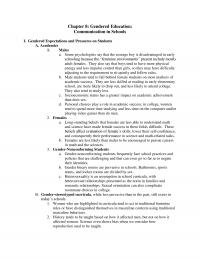
Chapter 8: Gendered Education: Communication in Schools I. Gendered Expectations and Pressures on Students A. Academics 1. Males a. Some psychologists say that the average boy is disadvantaged in early schooling because the “feminine environments” present include mostly adult females. […]
978-1285075938 Chapter 9 Solution Manual
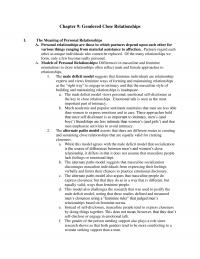
Chapter 9: Gendered Close Relationships I. The Meaning of Personal Relationships A. Personal relationships are those in which partners depend upon each other for various things ranging from material assistance to affection. Partners regard each other as unique individuals who […]
978-1285075938 Part 1
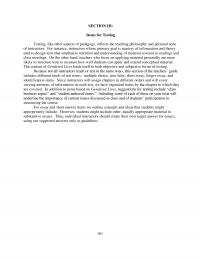
161 SECTION III: Items for Testing Testing, like other aspects of pedagogy, reflects the teaching philosophy and personal style of instructors. For instance, instructors whose primary goal is mastery of information and theory tend to design tests that emphasize retention […]

978-1285075938 Part 2
181 dress, she will likely be perceived as feminine by others because pink and ruffles are associated with femininity in our culture. If we had decided pink was a masculine color, Callie would be seen as masculine for the same […]
978-1285075938 Part 3
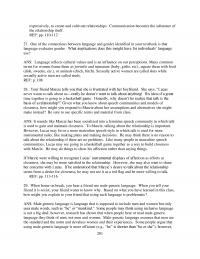
201 27. One of the connections between language and gender identified in your textbook is that language evaluates gender. What implications does this insight have for individuals’ language use? ANS: Language reflects cultural values and is an influence on our […]
978-1285075938 Part 4
221 4. In a course on mass media history, the professor shows the film “Empire of the Air: The Men Who Made Radio,” which ascribes the entire development of radio to three men: David Sarnoff, Lee DeForest, and Edwin Armstrong, […]
978-1285075938 Part 5
241 24. Lilly Ledbetter: ANS: Lilly Ledbetter was an employee at Goodyear Tire and Rubber for nineteen years. Upon her retirement, an anonymous colleague left her a pay schedule that illustrated she was making significantly less money than men in […]
978-1285075938 Part 6
Chapter 12: Gendered Power and Violence Multiple Choice 1. Meagen decides to wear a short skirt and tight shirt to class. As she walks there, a group of males whistle, comment on her legs, and make sexual gestures to her. […]
978-1285075938 Solution Manual Introduction
Introduction: Opening the Conversation I. Julia Wood Introduces Herself A. Authors’ perspectives affect how books are written. B. Julia is a “European American, middle-aged, heterosexual, spiritually engaged, middle-class woman who has been in a committed relationship […] for 41 years.” […]