Ionotropic receptors found at synapses are operated via _____.
A) ligand-gated ion channels
B) electrical synapses
C) inhibitory, but not excitatory, synapses
D) excitatory, but not inhibitory, synapses
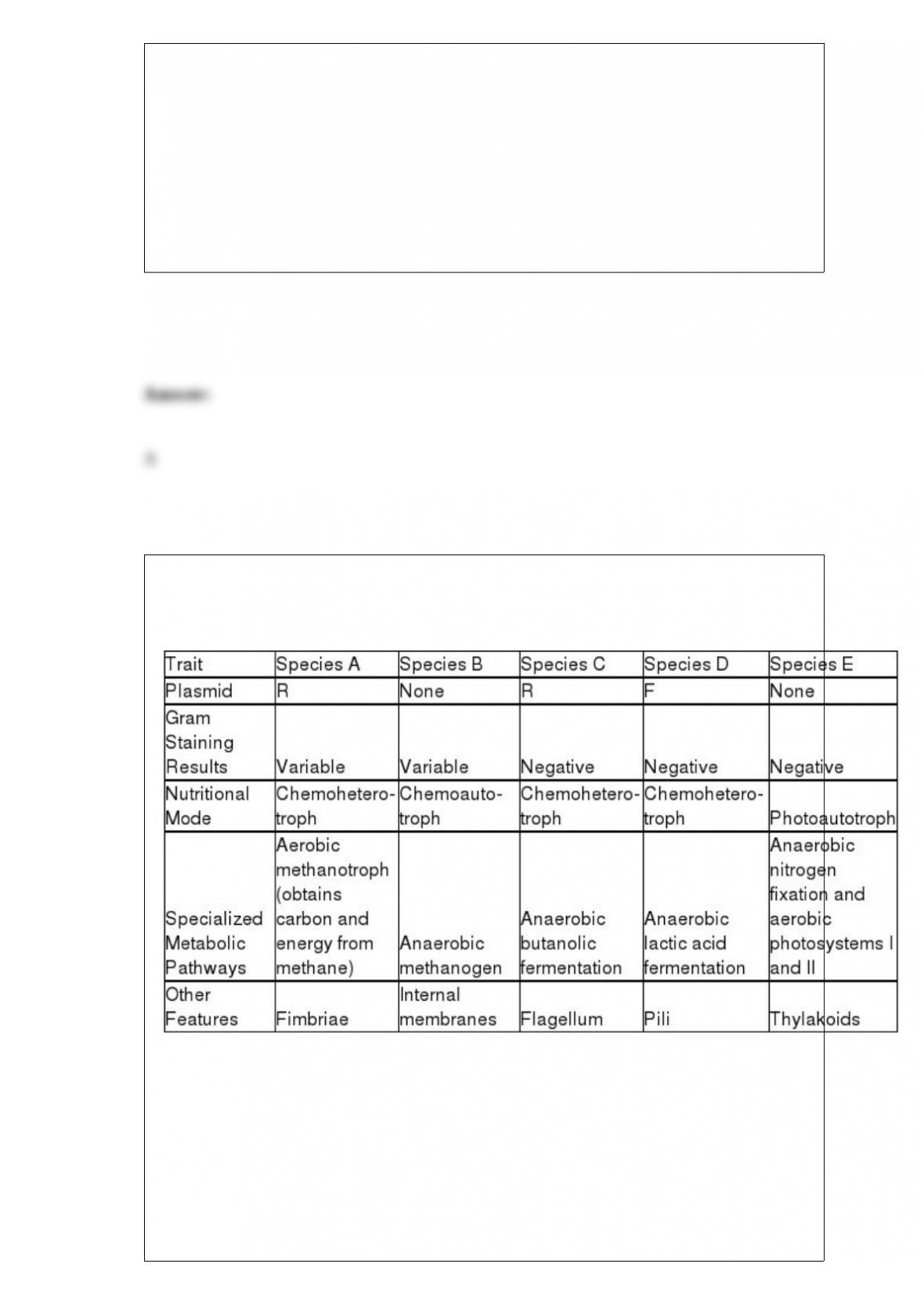
The following table depicts characteristics of five prokaryotic species (A-E). Use the
information in the table to answer the question(s) below
Which species might be able to include Hfr cells?
A) species A
B) species B
C) species C
D) species D
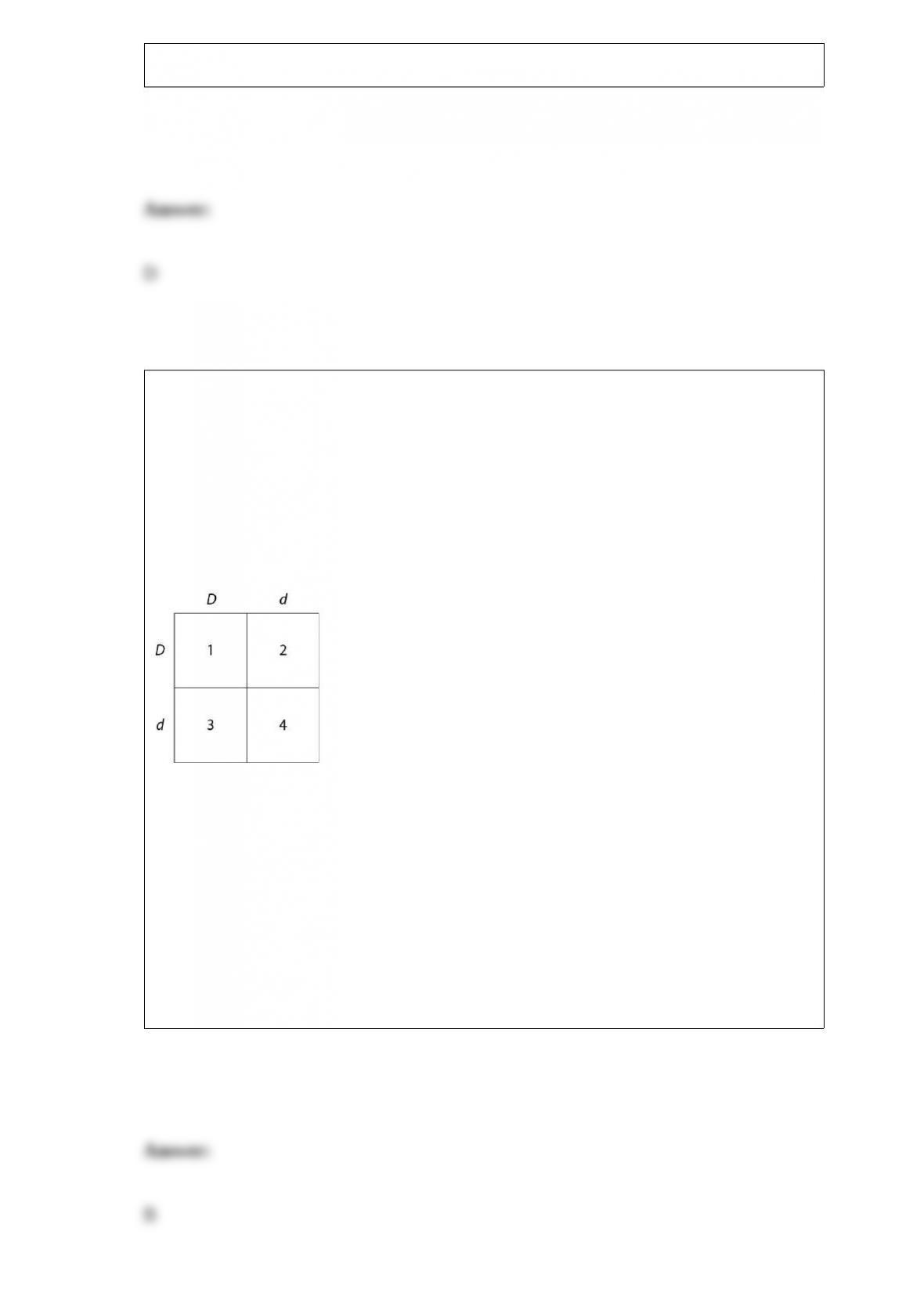
Use the figure and the following description to answer the question(s) below.
In a particular plant, leaf color is controlled by gene locus D. Plants with at least one
allele D have dark green leaves, and plants with the homozygous recessive dd genotype
have light green leaves. A true-breeding, dark-leaved plant is crossed with a
light-leaved one, and the F1 offspring is allowed to self-pollinate. The predicted
outcome of the F2 is diagrammed in the Punnett square shown in the figure, where 1, 2,
3, and 4 represent the genotypes corresponding to each box within the square.
Skin color in a certain species of fish is inherited via a single gene with four different
alleles. How many different types of gametes would be possible in this system?
A) 2
B) 4
C) 8
D) 16

Which of the following correctly describes a reaction that has reached chemical
equilibrium?
A) The rate of the forward reaction is equal to the rate of the reverse reaction.
B) All of the reactants have been converted to the products of the reaction.
C) All of the products have been converted to the reactants of the reaction.
D) Both the forward and the reverse reactions have stopped, with no net effect on the
concentration of the reactants and the products.
Why are the renal artery and vein critical to the process of osmoregulation in
vertebrates?
A) The kidneys require constant and abnormally high oxygen supply to function.
B) The renal artery delivers blood with nitrogenous waste to the kidney and the renal
vein brings blood with less nitrogenous wastes away from the kidneys.
C) The kidneys require higher than normal levels of hormones.
D) The renal artery and vein are the main pathways regulating how much is produced
by the kidneys.
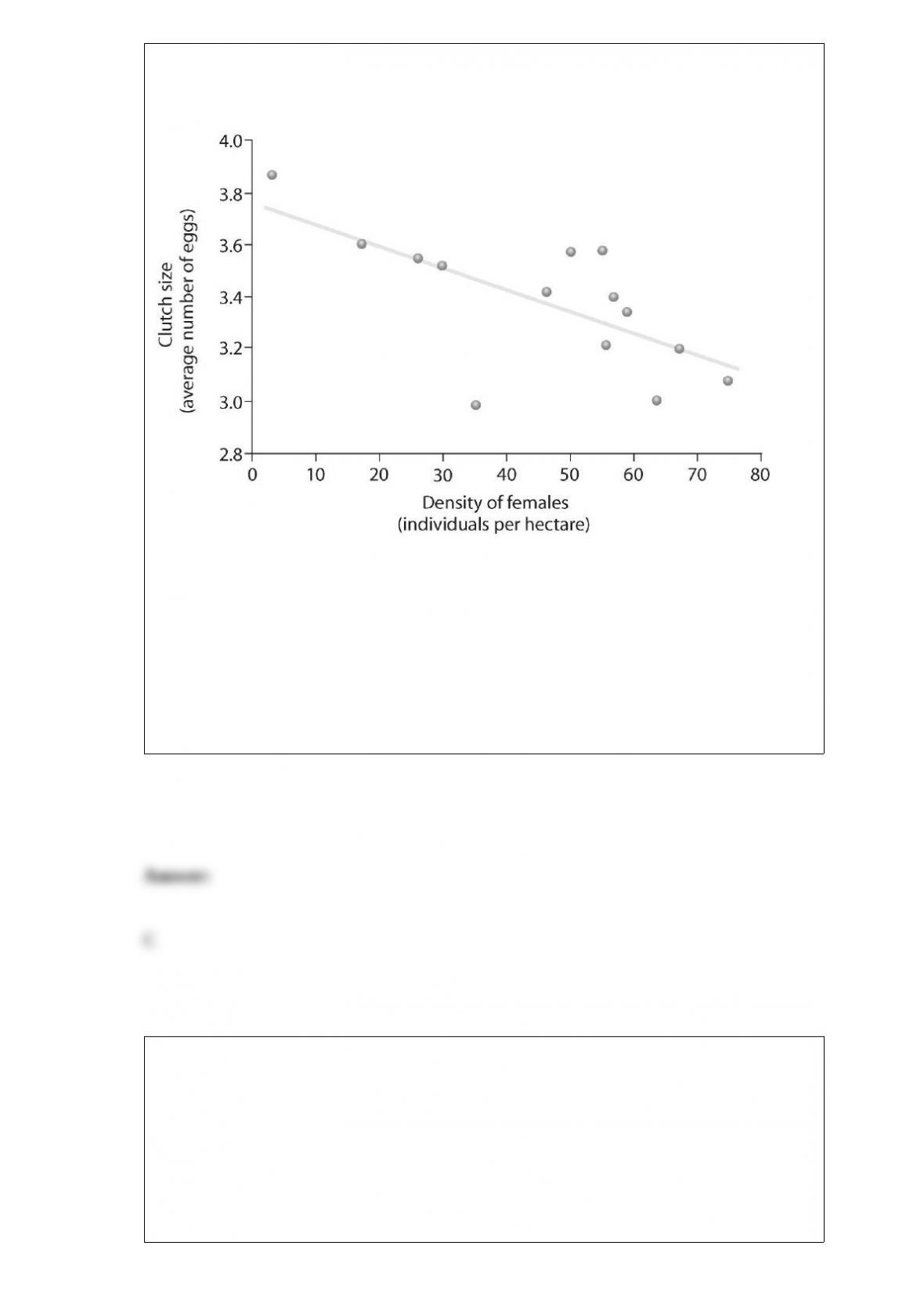
Based on the figure above, which of the following statements correctly interprets the
data?
A) As female density increases, clutch size increases.
B) As female density increases, survivorship decreases.
C) Clutch size decreases as female density increases.
In a comparison of birds and mammals, having four limbs is _____.
A) a shared ancestral character
B) a shared derived character
C) a character useful for distinguishing birds from mammals

D) an example of analogy rather than homology
Different body cells can respond differently to the same peptide hormones because
_____.
A) different target cells have different sets of genes
B) a target cell’s response is determined by the components of its signal transduction
pathways
C) the circulatory system regulates responses to hormones by routing the hormones to
specific targets
D) the hormone is chemically altered in different ways as it travels through the
circulatory system
Which of the following assumptions have to be made regarding the mark-recapture
estimate of population size?
I) Marked and unmarked individuals have the same probability of being trapped.
II) The marked individuals have thoroughly mixed with the population after being
marked.
III) No individuals have entered or left the population by immigration or emigration,
and no individuals have been added by birth or eliminated by death during the course of
the estimate.

A) I only
B) II only
C) I and II only
D) I, II, and III
Although many chimpanzees live in environments containing oil palm nuts, members
of only a few populations use stones to crack open the nuts. The likely explanation is
that _____.
A) the behavioral difference is caused by genetic differences between populations
B) members of different populations have different nutritional requirements
C) the cultural tradition of using stones to crack nuts has arisen in only some
populations
D) members of different populations differ in learning ability
Why have biologists hypothesized that the first land plants had a low, sprawling growth
habit?
A) They were tied to the water for reproduction and thus needed to remain in close
contact with the moist soil.

B) The ancestors of land plants, green algae, lack the structural support to stand erect in
air.
C) Land animals of that period were small and could not pollinate tall plants.
D) There was less competition for space so they simply spread out flat.
Darwin and Wallace were the first to propose _____.
A) that evolution occurs
B) a mechanism for how evolution occurs
C) that Earth is older than a few thousand years
D) natural selection as the mechanism of evolution
Glycolysis is active when cellular energy levels are _____; the regulatory enzyme,
phosphofructokinase, is _____ by ATP.
A) low; activated
B) low; inhibited
C) high; activated

D) high; inhibited
Which of the following are similar in structure to cholesterol?
A) leptin and serotonin
B) luteinizing hormone and insulin
C) melanocyte-stimulating hormone and vasopressin
D) testosterone, estradiol, and cortisol
Use the following description to answer the question(s) below.
On the Bahamian island of Andros, mosquitofish populations live in various,
now-isolated, freshwater ponds that were once united. Currently, some predator-rich
ponds have mosquitofish that can swim in short, fast bursts; other predator-poor ponds
have mosquitofish that can swim continuously for a long time. When placed together in
the same body of water, the two kinds of female mosquitofish exhibit exclusive
breeding preferences.
Suppose that a group of male pied flycatchers migrated from a region where there were
no collared flycatchers to a region where both species were present. Assuming events
like this are very rare, which of the following scenarios is LEAST likely?
A) Migrant pied males would produce fewer offspring than would resident pied males.

B) Pied females would rarely mate with collared males.
C) Migrant males would mate with collared females more often than with pied females.
D) The frequency of hybrid offspring would decrease.
For applications in gene therapy, what is the most favorable characteristic of
retroviruses?
A) Retroviruses have an RNA genome.
B) Retroviruses possess reverse transcriptase.
C) DNA copies of retroviral genomes become integrated into the genome of the
infected cell.
D) Retroviruses mutate often.
Approximately how many molecules of ATP are produced from the complete oxidation
of one molecule of glucose (C6H12O6) in aerobic cellular respiration?
A) 2
B) 4
C) 18-24

D) 30-32
Refer to the treatments listed below to answer the following question(s).
You isolate an infectious substance capable of causing disease in plants, but you do not
know whether the infectious agent is a bacterium, virus, viroid, or prion. You have four
methods at your disposal to analyze the substance and determine the nature of the
infectious agent.
I. Treat the substance with enzymes that destroy all nucleic acids and then determine
whether the substance is still infectious.
II. Filter the substance to remove all elements smaller than what can be easily seen
under a light microscope.
III. Culture the substance on nutritive medium, away from any plant cells.
IV. Treat the sample with proteases that digest all proteins and then determining
whether the substance is still infectious.
If you already know that the infectious agent was either bacterial or viral, which
method(s) listed above would allow you to distinguish between these two possibilities?
A) I
B) II
C) II or III
D) IV

Use the following information to answer the question(s) below.
Paulinella chromatophora is one of the few cercozoans that is autotrophic, carrying out
aerobic photosynthesis with its two elongated “chromatophores.” The chromatophores
are contained within vesicles of the host cell, and each is derived from a
cyanobacterium, though not the same type of cyanobacterium that gave rise to the
chloroplasts of algae and plants.
A crucial photosynthetic gene of the cyanobacterium that gave rise to the
chromatophore is called psaE. This gene is present in the nuclear genome of the
cercozoan, but is not in the genome of the chromatophore. This is evidence of _____.
A) reciprocal mutations in the chromatophore and nuclear genomes
B) horizontal gene transfer from bacterium to eukaryotes
C) genetic recombination involving a protist and an archaean
D) transduction by a phage that infects both prokaryotes and eukaryotes
Researchers discovered that a new strain of bacteria that cause tuberculosis (M.
tuberculosis) taken from a dead patient has a point mutation in the rpoB gene that codes
for part of the RNA polymerase enzyme. This mutant form of RNA polymerase does
not function as well as the more common form of RNA polymerase. A commonly used
antibiotic called rifampin does not affect the mutant rpoB bacteria.
A researcher mixes M. tuberculosis with and without the rpoB mutation and adds the
bacteria to cell cultures. Half the cell cultures contain only standard nutrients, while the
other half of the cell cultures contain rifampin and the standard nutrients. After many
cell generations, the researcher finds that _____.
A) very few M. tuberculosis in the standard nutrient cell cultures carry the rpoB gene
mutation, but almost all of the M. tuberculosis in the cell cultures with rifampin carry
the rpoB mutation
B) almost all M. tuberculosis in the standard nutrient cell cultures carry the rpoB gene
mutation, but very few of the M. tuberculosis in the cell cultures with rifampin carry the
rpoB mutation

C) very few M. tuberculosis in any of the cell cultures carry the rpoB gene mutation
D) almost all of the M. tuberculosis in both types of cell cultures carry the rpoB
mutation
Which endocrine disorder is correctly matched with the malfunctioning gland?
A) dwarfism the adrenal cortex
B) gigantism the anterior pituitary gland
C) goiter the adrenal medulla
D) diabetes mellitus the parathyroid glands
Which of the following processes includes all others?
A) osmosis
B) facilitated diffusion
C) passive transport
D) transport of an ion down its electrochemical gradient

Plant species A has a diploid number of 12. Plant species B has a diploid number of 16.
A new species, C, arises as an allopolyploid from A and B. The diploid number for
species C would probably be _____.
A) 14
B) 16
C) 28
D) 56
Which of the following is the best statement of the use of the addition rule of
probability?
A) the probability that two or more independent events will both occur
B) the probability that either one of two independent events will occur
C) the probability of producing two or more heterozygous offspring
D) the likelihood that a trait is due to two or more meiotic events

Penguins, seals, and tuna have body forms that permit rapid swimming, because _____.
A) all share a recent common ancestor
B) all of their bodies have been compressed since birth by intensive underwater
pressures
C) the shape is a convergent evolutionary solution, which reduces drag while swimming
D) this is the only shape that will allow them to maintain a constant body temperature
in water
Cyanide poisons mitochondria by blocking the final step in the electron transport chain.
Human red blood cells placed in an isotonic solution containing cyanide are likely to
_____.
A) retain the normal cell shape, but the mitochondria will be poisoned
B) lyse as the cyanide concentration increases inside the cell
C) switch to anaerobic metabolism
D) be unaffected
Which of the following statements is true about buffer solutions?

A) They maintain a constant pH when bases are added to them but not when acids are
added to them.
B) They maintain a constant pH when acids are added to them but not when bases are
added to them.
C) They fluctuate in pH when either acids or bases are added to them.
D) They maintain a relatively constant pH when either acids or bases are added to them.
The limbic system in the central nervous system sustains many vegetative functions in
mammals and is closely associated with structures that process cues about _____.
A) olfaction
B) vision
C) audition
D) mechanosensation
In solution, why do hydrolysis reactions occur more readily than condensation
reactions?
A) Hydrolysis increases entropy and is exergonic.
B) Hydrolysis raises G, or Gibbs free energy.
C) Hydrolysis decreases entropy and is exergonic.
D) Hydrolysis increases entropy and is endergonic.
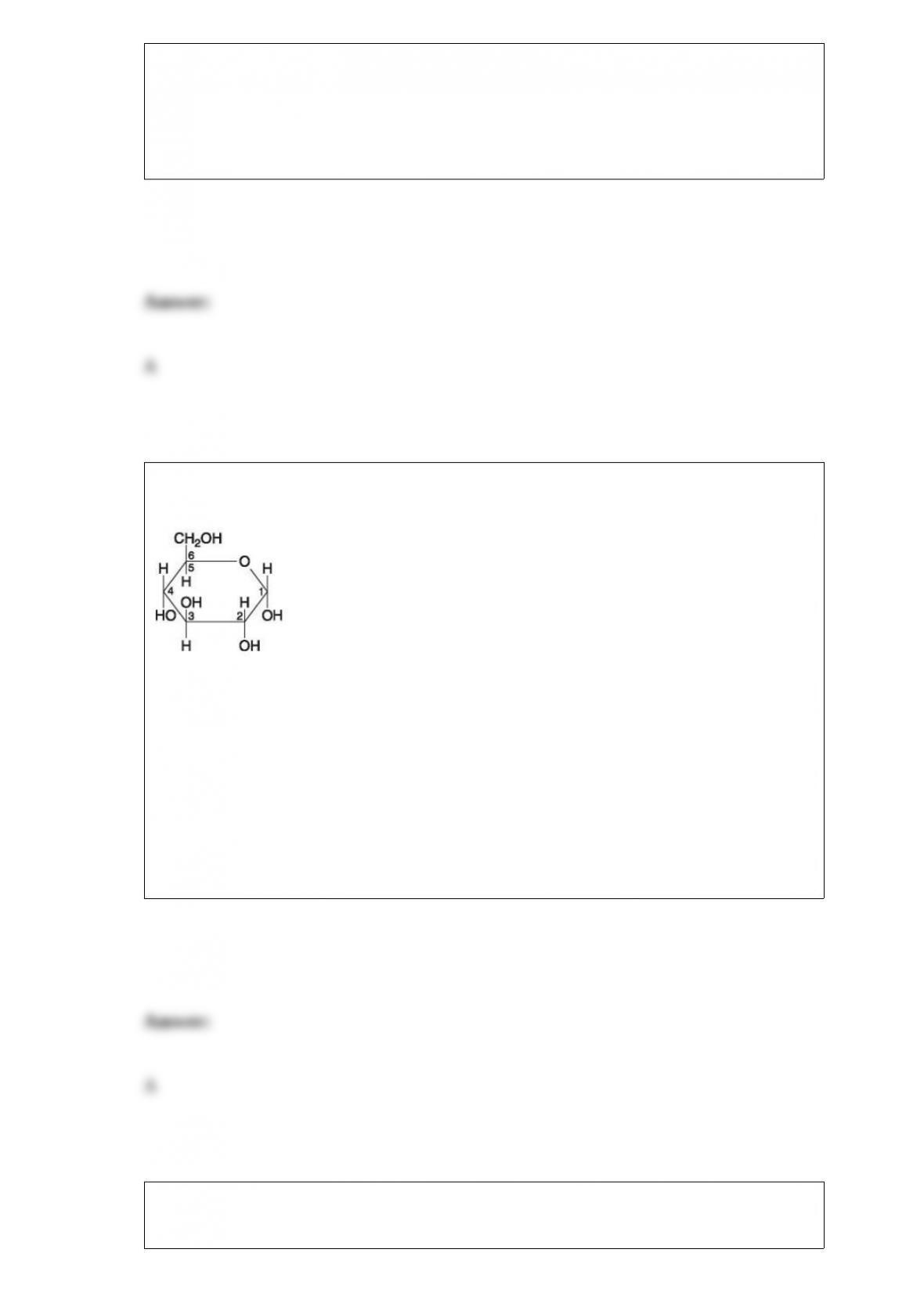
The molecule shown in the accompanying figure is _____.
A) a hexose
B) a pentose
C) fructose
D) maltose
For biologists studying a large flatworm population in the lab, which Hardy-Weinberg
condition is most difficult to meet?
A) no selection
B) no genetic drift
C) no gene flow
D) no mutation
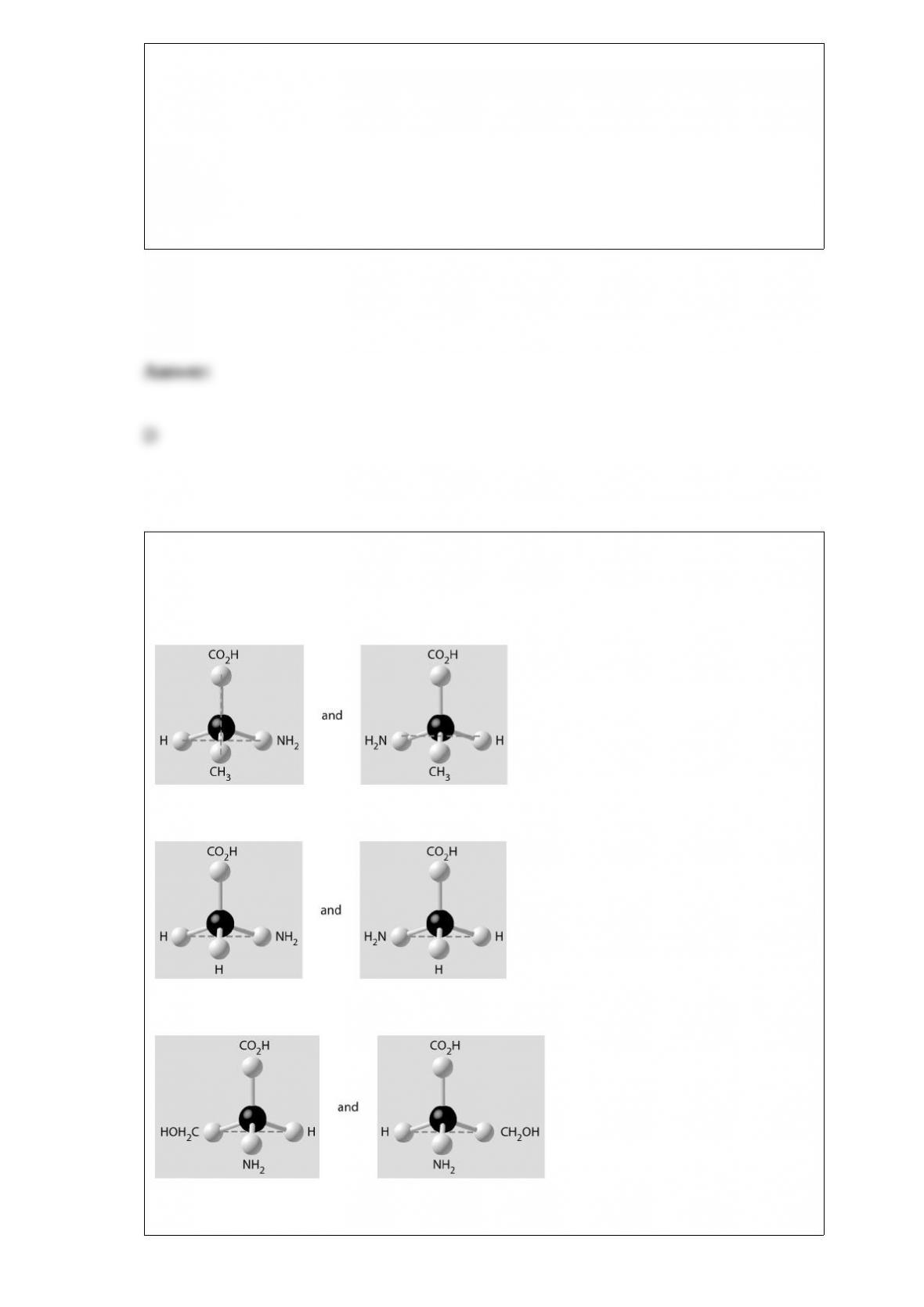
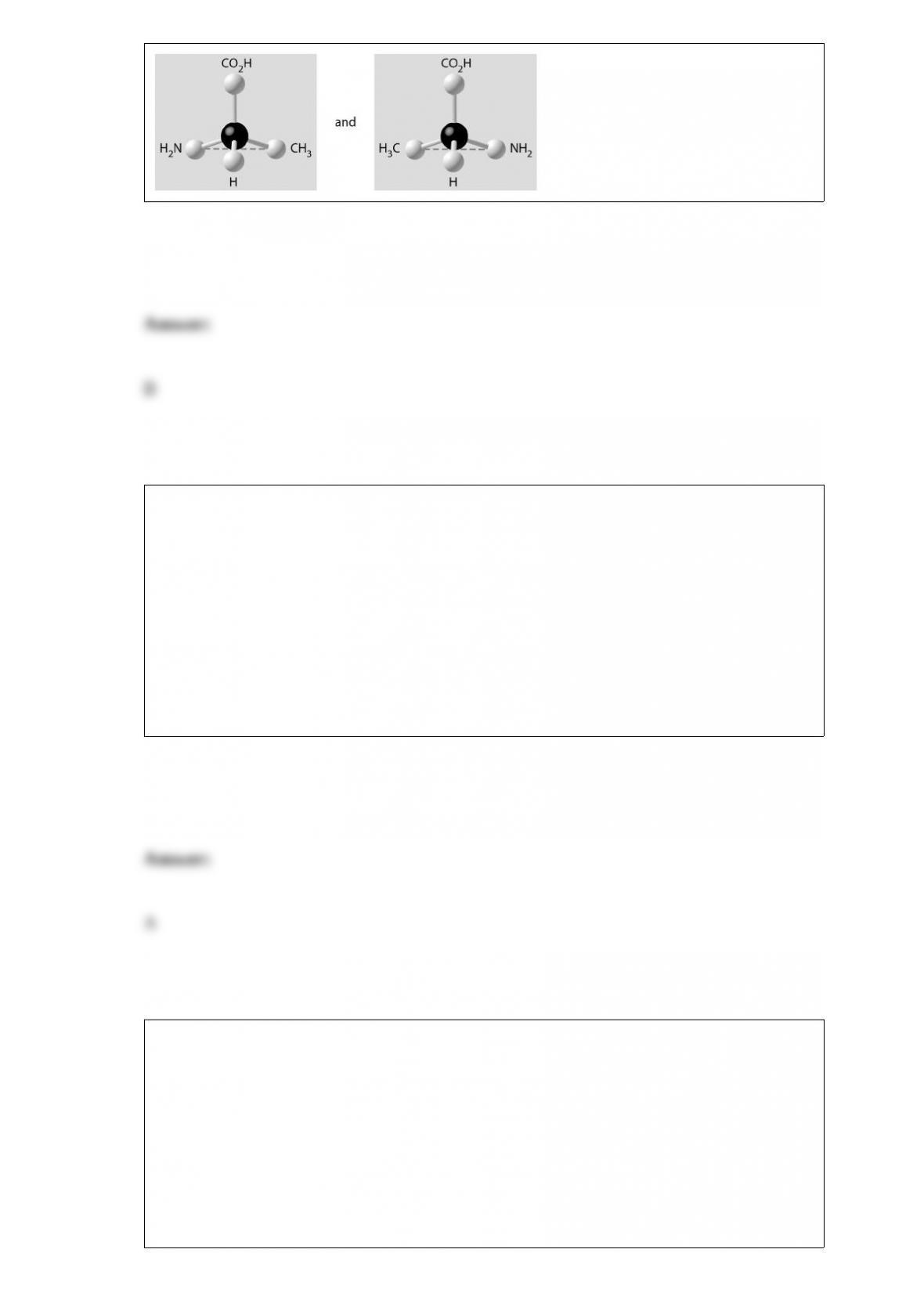
Which of the pairs of molecular structures shown below do NOT depict enantiomers
(enantiomeric forms) of the same molecule?
A)
B)
C)
D)
Which of the following types of organisms is likely to have the widest geographic
distribution?
A) bacteria
B) songbirds
C) bears
D) lizards
Why is ATP an important molecule in metabolism?
A) Its hydrolysis provides an input of free energy for exergonic reactions.
B) It provides energy coupling between exergonic and endergonic reactions.
C) Its terminal phosphate group contains a strong covalent bond that, when hydrolyzed,
releases free energy.

D) Its terminal phosphate bond has higher energy than the other two phosphate bonds.