
The veins of leaves are _____.
I) composed of xylem and phloem
II) continuous with vascular bundles in the stem and roots
III) finely branched to be in close contact with photosynthesizing cells
A) only I
B) only II
C) only III
D) I, II, and III
Which statement about the beak size of finches on the island of Daphne Major during
prolonged drought is true?
A) Each bird evolved a deeper, stronger beak as the drought persisted.
B) Each bird’s survival was strongly influenced by the depth and strength of its beak as
the drought persisted.
C) Each bird that survived the drought produced only offspring with deeper, stronger
beaks than seen in the previous generation.
D) The frequency of the strong-beak alleles increased in each bird as the drought
persisted.
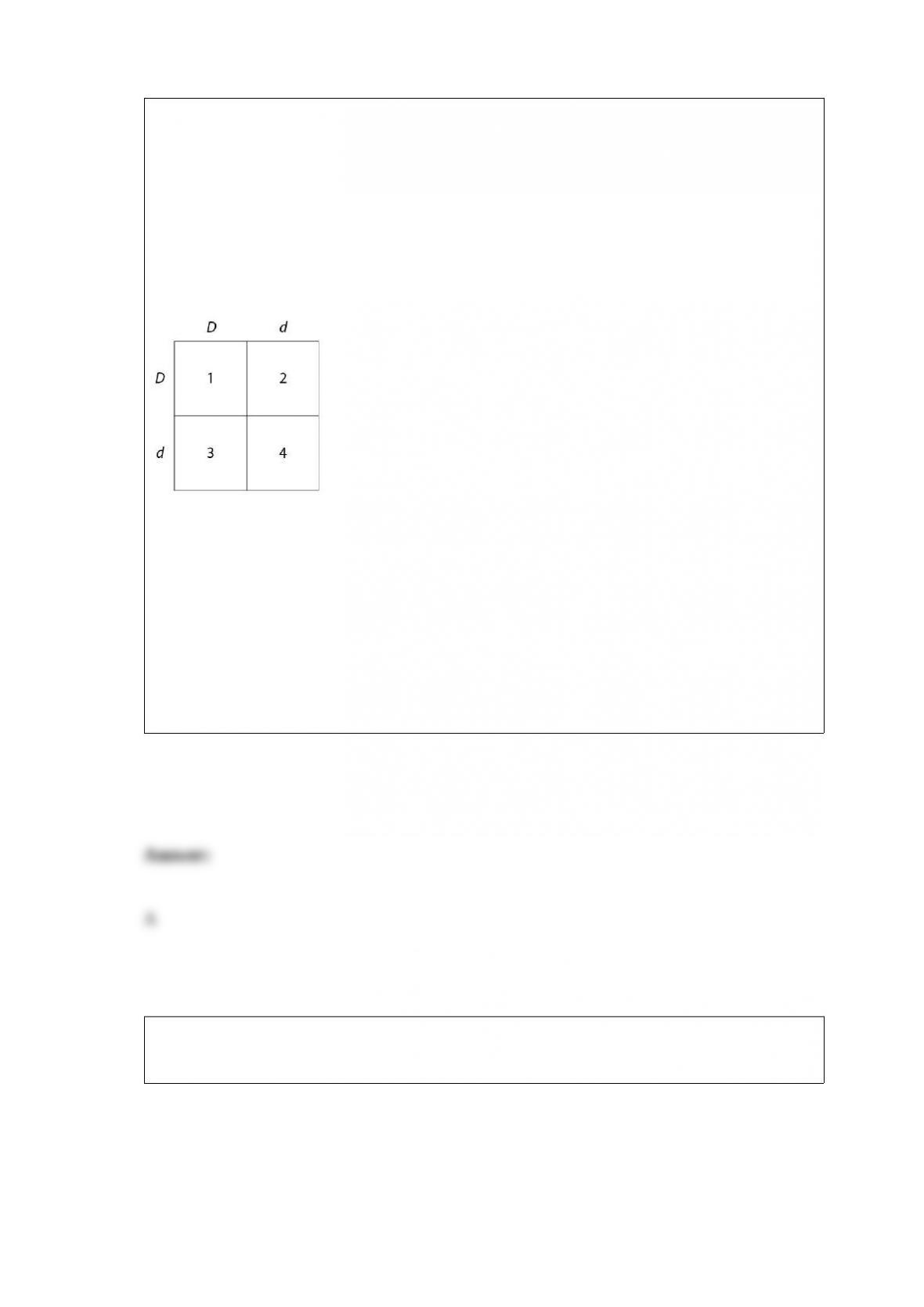
Use the figure and the following description to answer the question(s) below.
In a particular plant, leaf color is controlled by gene locus D. Plants with at least one
allele D have dark green leaves, and plants with the homozygous recessive dd genotype
have light green leaves. A true-breeding, dark-leaved plant is crossed with a
light-leaved one, and the F1 offspring is allowed to self-pollinate. The predicted
outcome of the F2 is diagrammed in the Punnett square shown in the figure, where 1, 2,
3, and 4 represent the genotypes corresponding to each box within the square.
Which of the boxes marked 1-4 correspond to plants that will be true-breeding?
A) 1 and 4 only
B) 2 and 3 only
C) 1, 2, 3, and 4
D) 1 only
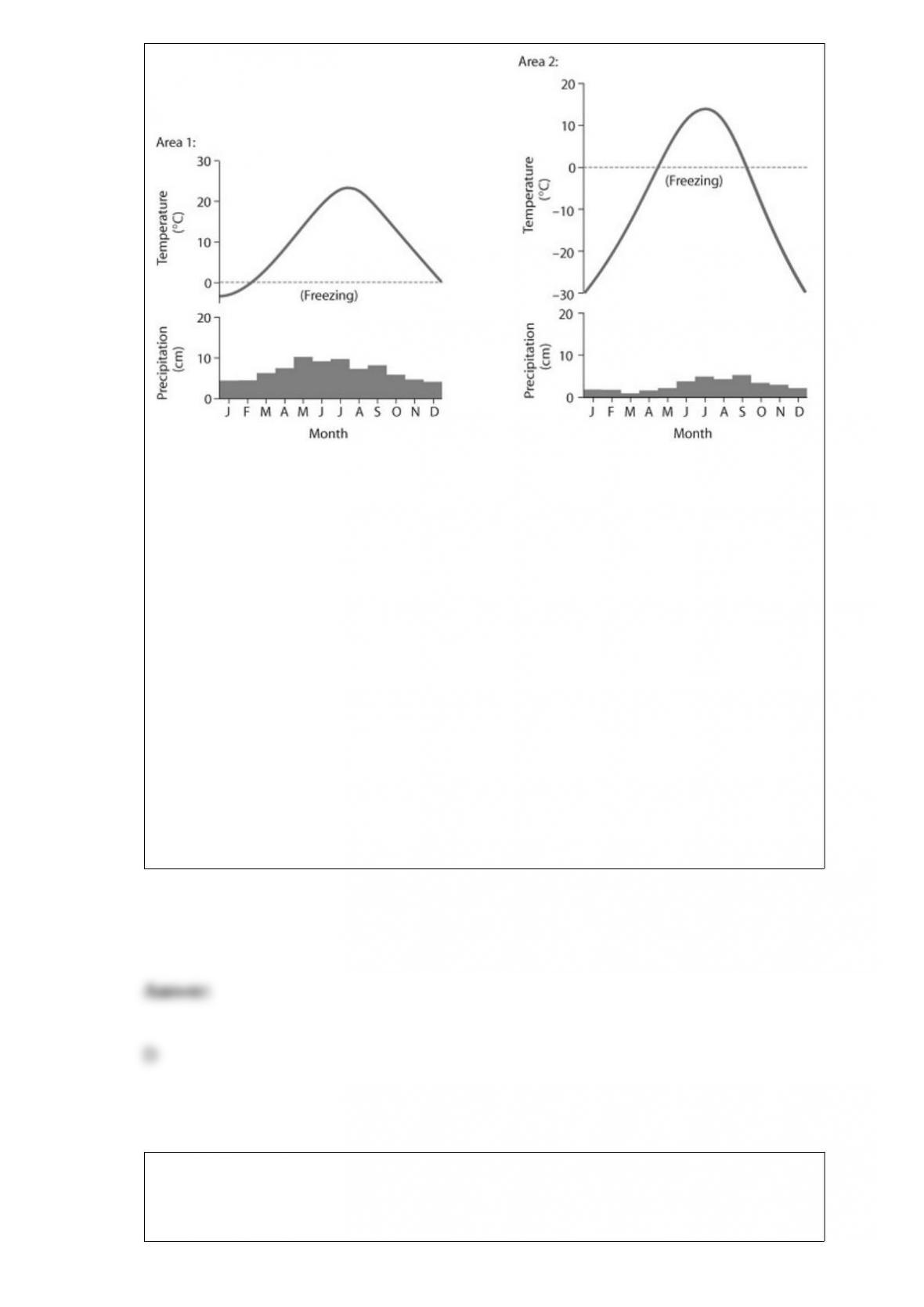
Based on the data in the figure above, which of the following statements are correct?
I) Area 1 has more average precipitation than Area 2.
II) Area 1 has a higher average temperature than Area 2.
III) Both areas have low variation in monthly precipitation.
IV) Area 2 has a lower annual temperature variation compared to Area 1.
A) only I and III
B) only II and IV
C) only II, III, and IV
D) only I, II, and III
A compound contains hydroxyl groups as its predominant functional group. Therefore,
this compound _____.

A) lacks an asymmetric carbon and is probably a fat or lipid
B) should dissolve in water
C) should dissolve in a nonpolar solvent
D) will not form hydrogen bonds with water
Genetically engineered plants _____.
A) are more difficult to develop than genetically engineered animals
B) include transgenic rice plants that can grow in water of high salinity
C) are used in research but not yet in commercial agricultural production
D) are banned throughout the world
When a mycelium infiltrates an unexploited source of dead organic matter, what are
most likely to appear within the food source soon thereafter?
A) fungal haustoria
B) fungal enzymes
C) increased oxygen levels
D) larger bacterial populations
Use the following information to answer the question(s) below.
The mechanism of cell crawling in protist species is not well defined. Pseudopodia
extension involves interactions between actin and myosin (the same molecules that are
involved in vertebrate muscle contraction). However, prior to the study described
below, no one had provided convincing data that actin and myosin were actually
involved in cell crawling in protists. Anatomical studies had identified the cytoskeletal
protein actin just below the surface of the cell membrane in several species of protist,
but physiological studies had failed to show a functional link between actin, myosin,
and cell crawling.
In a study by N. Poulsen et al. (Diatom gliding is the result of an actin-myosin motility
system, Cell Motility and the Cytoskeleton 44 (1999):23-22), researchers tested whether
motility in a particular species of diatom involves interactions between actin and
myosin.
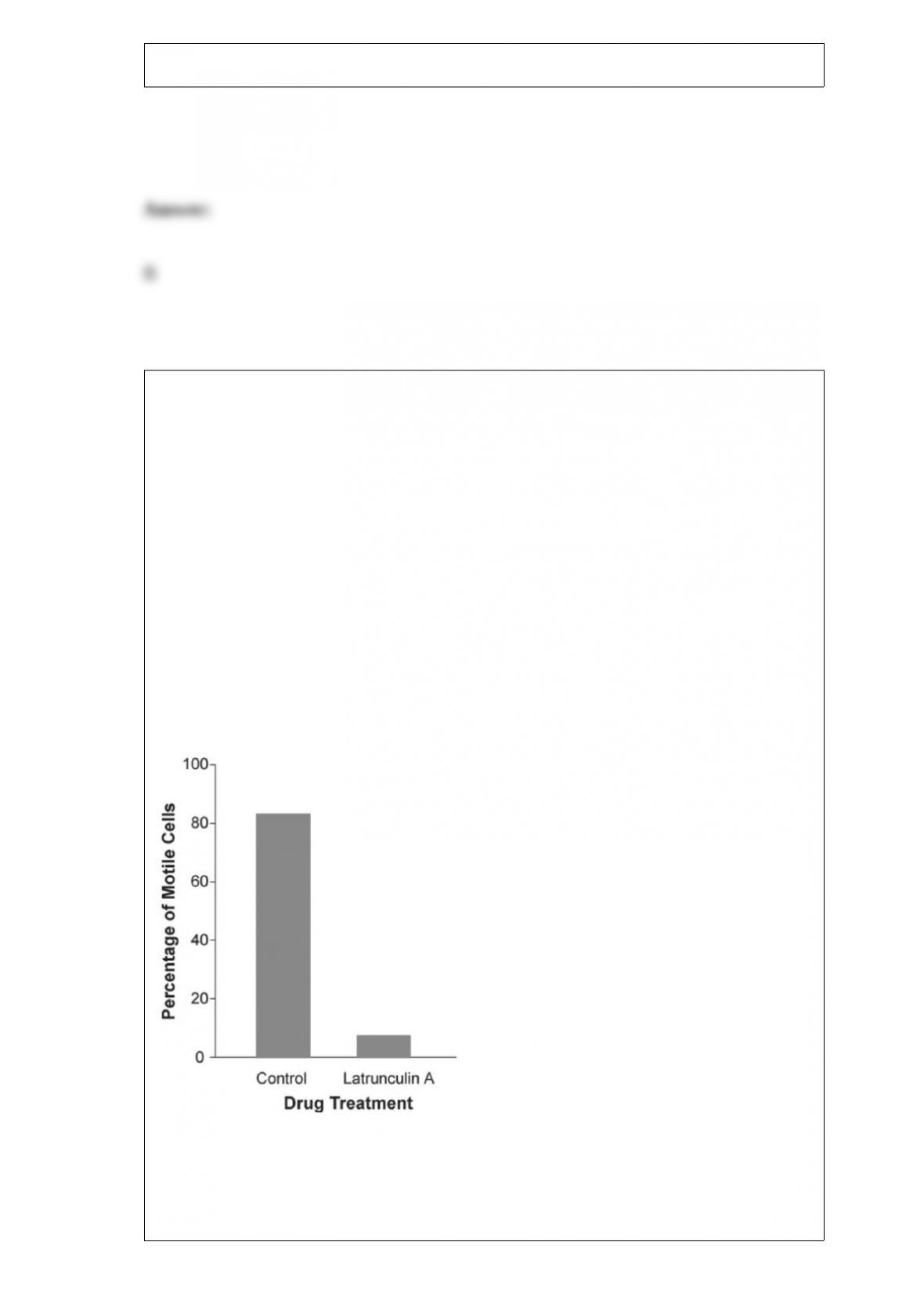
Refer to the study by Poulsen et al. and the figure above. Latrunculin A is a reversible
toxin that disrupts the formation of actin fibers. A culture of a particular species of
diatom was treated with this toxin diluted in a buffer, while another culture was treated
only with the buffer (no toxin; control). The motility of cells in each culture was

assessed by counting the number of cells that were moving during a defined period of
time. Which of the following conclusions is reasonable based on the above figure?
A) Formation of actin fibers is not necessary for the movement in this species of
diatom.
B) The buffer alone largely inhibited movement in this species of diatom.
C) In this species of diatom, fully formed actin fibers are necessary for movement.
Action potentials in the heart move from one contractile cell to the next via _____.
A) chemical synapses using acetylcholine
B) chemical synapses using norepinephrine
C) electrical synapses using gap junctions
D) non-myelinated motor neurons
Which of the following types of cells utilize deoxyribonucleic acid (DNA) as their
genetic material but do not have their DNA encased within a nuclear envelope?
A) animal
B) plant

C) archaean
D) fungi
A population is correctly defined as having which of the following characteristics?
I) inhabiting the same general area
II) belonging to the same species
III) possessing a constant and uniform density and dispersion
A) III only
B) I and II only
C) II and III only
D) I, II, and III
Prokaryotes are classified as belonging to two different domains. What are the
domains?
A) Bacteria and Eukarya
B) Bacteria and Archaea

C) Archaea and Protista
D) Bacteria and Protista
Mendel crossed yellow-seeded and green-seeded pea plants and then allowed the
offspring to self-pollinate to produce an F2 generation. The results were as follows:
6022 yellow and 2001 green (8023 total). The allele for green seeds has what
relationship to the allele for yellow seeds?
A) dominant
B) incomplete dominant
C) recessive
D) codominant
Several of the different globin genes are expressed in humans, but at different times in
development. What mechanism could allow for this?
A) exon shuffling
B) pseudogene activation
C) differential translation of mRNAs
D) differential gene regulation over time

In comparison to eukaryotes, prokaryotes _____.
A) are more structurally complex
B) are larger
C) are smaller
D) do not have membranes
Use the information in the following paragraph to answer the question(s) below.
A hypothetical bacterium swims among human intestinal contents until it finds a
suitable location on the intestinal lining. It adheres to the intestinal lining using a
feature that also protects it from phagocytes, bacteriophages, and dehydration. Fecal
matter from a human in whose intestine this bacterium lives can spread the bacterium,
even after being mixed with water and boiled. The bacterium is not susceptible to the
penicillin family of antibiotics. It contains no plasmids and relatively little
peptidoglycan.
This bacterium derives nutrition by digesting human intestinal contents. Thus, this
bacterium is an _____.
A) aerobic chemoheterotroph
B) aerobic chemoautotroph
C) anaerobic chemoheterotroph
D) anaerobic chemoautotroph
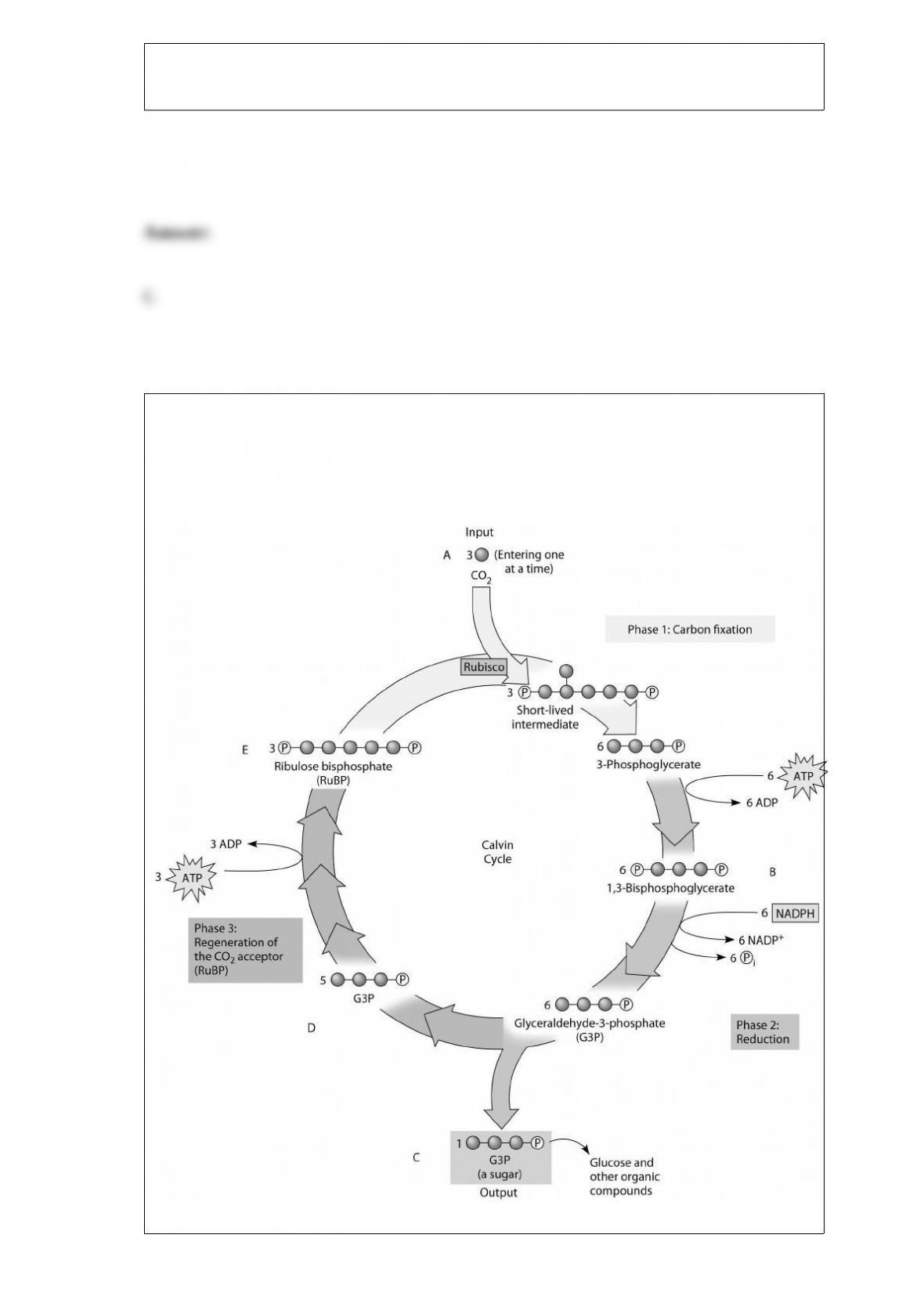
Use the accompanying figure and the molecules labeled A, B, C, D, and E to
answer the following questions.

Refer to the figure. If the carbon atom of each of the incoming CO2 molecules is
labeled with a radioactive isotope of carbon, which organic molecules will be
radioactively labeled after one cycle?
A) C only
B) B, C, D, and E
C) C, D, and E only
D) B and C only
Why are action potentials usually conducted in one direction?
A) The nodes of Ranvier conduct potentials in one direction.
B) The brief refractory period prevents reopening of voltage-gated Na+ channels.
C) The axon hillock has a higher membrane potential than the terminals of the axon.
D) Voltage-gated channels for both Na+ and K+ open in only one direction.
Use this model of a eukaryotic transcript to answer the following question(s).
E = exon and I = intron
UTR E1 I1 E2 I2 E3 I3 E4 UTR

Which one of the following statements about RNA processing is true?
A) Exons are cut out before mRNA leaves the nucleus.
B) Ribozymes may function in RNA splicing.
C) RNA splicing can be catalyzed by tRNA.
D) A primary transcript is often much shorter than the final RNA molecule that leaves
the nucleus.
Phagocytosis of microbes by macrophages is enhanced by _____.
I) the binding of antibodies to the surface of microbes
II) antibody-mediated agglutination of microbes
III) the release of cytokines by activated B cells
A) only I and II
B) only II and III
C) only I and III
D) I, II, and, III

All of the following contain amino acids EXCEPT_____.
A) hemoglobin
B) cholesterol
C) enzymes
D) insulin
A microarray is a tool used in genetic research to determine the mRNAs being produced
in a particular tissue, and their relative level of expression. Known genes can therefore
be assayed for their expression in different situations. One use of the technology is in
cancer diagnosis and treatment. If a known gene functions as a tumor suppressor,
predict which of the following pieces of evidence would be most useful in diagnosis of
a cancer due to a mutation in this tumor-suppressor gene.
A) The tissue sample shows a high level of gene expression relative to a control
(noncancerous) sample.
B) The tissue sample responds to treatment with a mitosis-promoting compound.
C) The mRNAs for the targeted tumor suppressor sequence are not being produced.
D) The mRNAs for cyclins and kinases show unusually high levels of expression.
The highest amount of oxygen will be found in soils containing large amounts of
_____.
A) clay
B) sand
C) gravel
D) silt
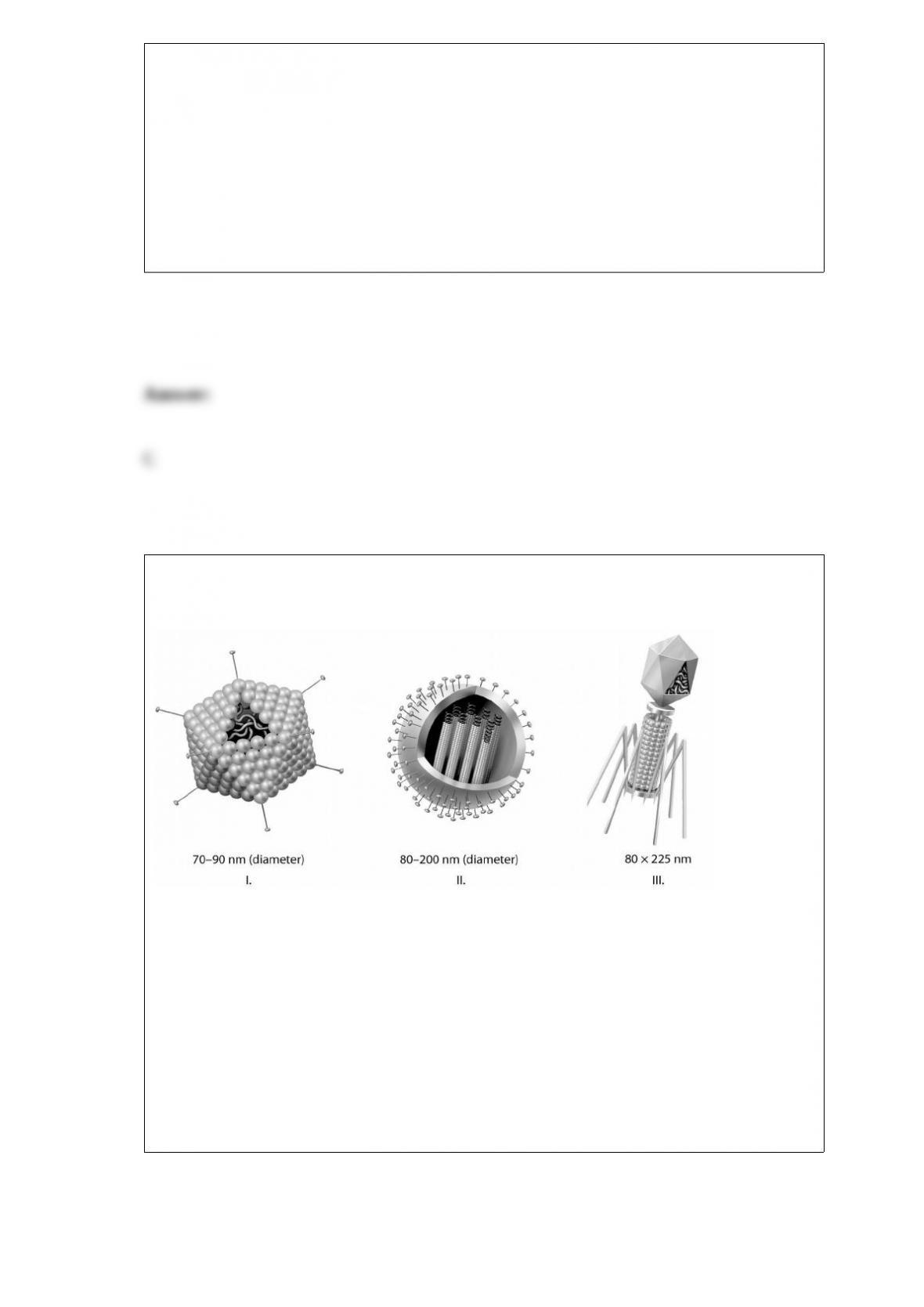
Which of the three types of viruses shown above would you expect to include a
capsid(s)?
A) I only
B) II only
C) III only
D) I, II, and III
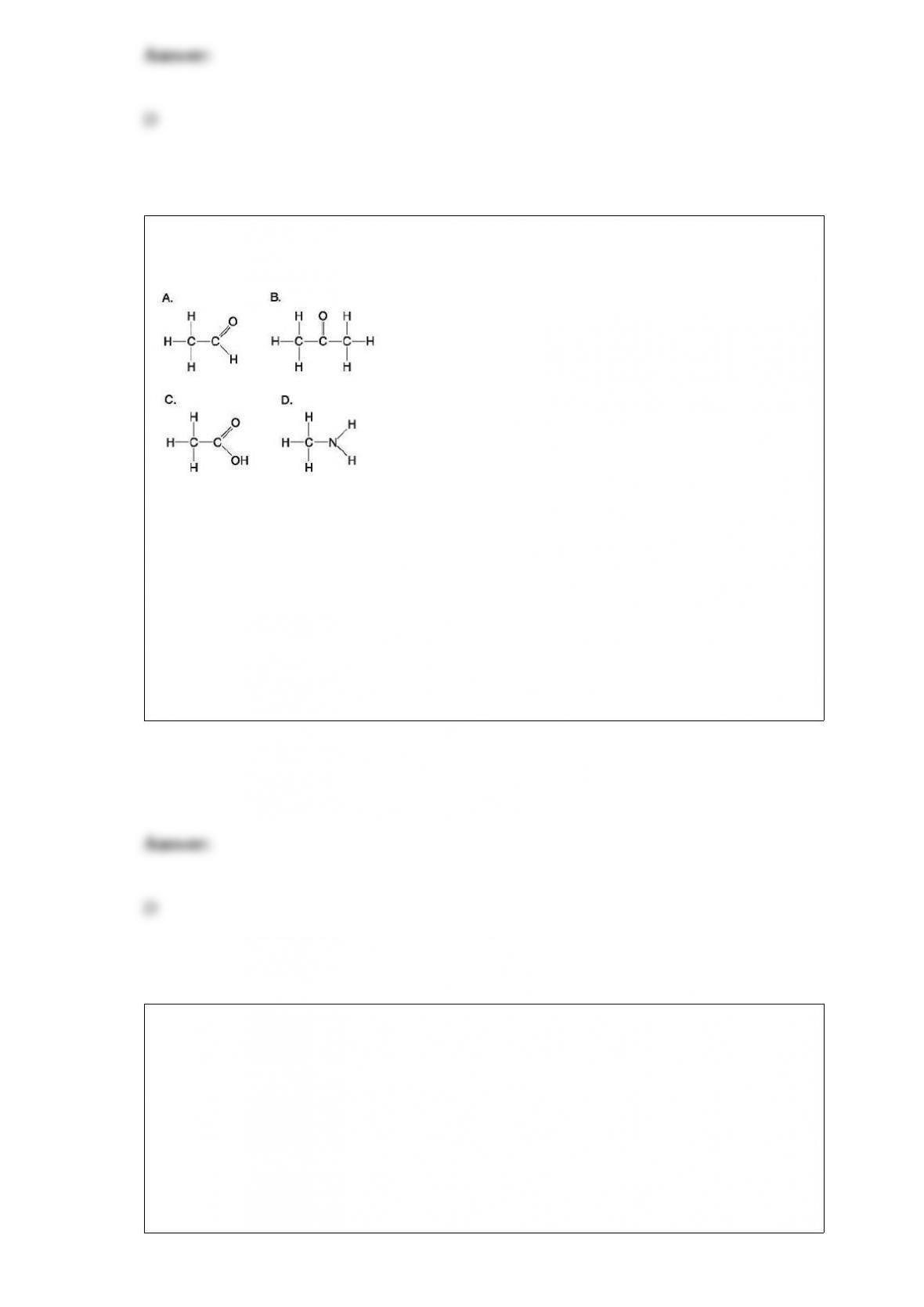
Which molecule shown above would have a positive charge in a cell?
A) A
B) B
C) C
D) D
Circannual rhythms in birds are influenced by _____.
A) periods of food availability
B) periods of daylight and darkness
C) magnetic fields
D) lunar cycles

The comparison between the number of human genes and those of other animal species
has led to many conclusions, including that _____.
A) the density of the human genome is far higher than in most other animals
B) the number of proteins expressed by the human genome is far more than the number
of its genes
C) most human DNA consists of genes for protein, tRNA, rRNA, and miRNA
D) the genomes of most other organisms are significantly smaller than the human
genome
A population of squirrels on an island has a carrying capacity of 350 individuals. If the
maximum rate of increase is 1.0 per individual per year and the population size is 275,
determine the population growth rate (Round to the nearest whole number).
A) 59 squirrels per year
B) -34 squirrels per year
C) 75 squirrels per year
D) 15 squirrels per year

House finches were found only in western North America until 1939, when a few
individuals were released in New York City. These individuals established a breeding
population and gradually expanded their range. The western population also expanded
its range somewhat eastward, and the two populations have recently come in contact. If
the two forms were unable to interbreed when their expanding ranges met, it would be
an example of _____.
A) prezygotic isolation
B) reinforcement
C) allopatric speciation
D) sympatric speciation
Chemical equilibrium is relatively rare in living cells. An example of a reaction at
chemical equilibrium in a cell would be _____.
A) one in which the free energy at equilibrium is higher than the energy content at any
point away from equilibrium
B) one in which the entropy change in the reaction is just balanced by an opposite
entropy change in the cell’s surroundings
C) an endergonic reaction in an active metabolic pathway where the energy for that
reaction is supplied only by heat from the environment
D) a chemical reaction in which both the reactants and products are not being produced
or used in any active metabolic pathway at that time in the cell

Which of these time intervals, based on plant fossils, came last (most recently)?
A) extensive growth of gymnosperm forests
B) colonization of land by early liverworts and mosses
C) rise and diversification of angiosperms
D) carboniferous swamps with giant horsetails and lycophytes
A recent study of ecological footprints concluded that _____.
A) Earth’s carrying capacity would increase if per capita meat consumption increased
B) current demand by industrialized countries for resources is much smaller than the
ecological footprint of those countries
C) it is not possible for technological improvements to increase Earth’s carrying
capacity for humans
D) the ecological footprint of the United States is large because per capita resource use
is high