Archives
Accounting Chapter 1 1 Which The Following Entities Would Require Accounting
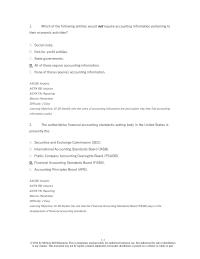
1. Which of the following entities would not require accounting information pertaining to their economic activities? A. Social clubs. B. Not-for-profit entities. C. State governments. D. All of these require accounting information. E. None of these requires accounting information. AACSB: […]
Accounting Chapter 10 1 Corporate Governance Includes Concerns About Business Ethics
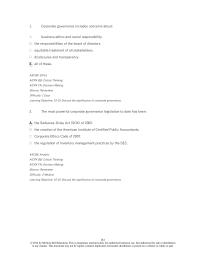
1. Corporate governance includes concerns about: A. business ethics and social responsibility. B. the responsibilities of the board of directors. C. equitable treatment of all stakeholders. D. disclosures and transparency. E. all of these. AACSB: Ethics AICPA BB: Critical Thinking […]
Accounting Chapter 11 1 Which The Following Not Category Financial Statement
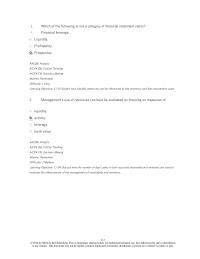
1. Which of the following is not a category of financial statement ratios? A. Financial leverage. B. Liquidity. C. Profitability. D. Prospectus. AACSB: Analytic AICPA BB: Critical Thinking AICPA FN: Decision Making Blooms: Remember Difficulty: 1 Easy Learning Objective: 11-01 […]
Accounting Chapter 12 1 Managerial Accounting Supports The Management Process Most
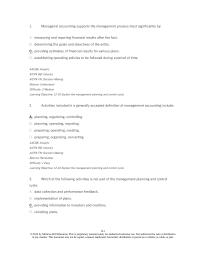
1. Managerial accounting supports the management process most significantly by: A. measuring and reporting financial results after the fact. B. determining the goals and objectives of the entity. C. providing estimates of financial results for various plans. D. establishing operating […]
Accounting Chapter 12 2 39 The Contribution Margin Format Income Statement
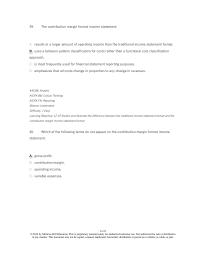
39. The contribution margin format income statement: A. results in a larger amount of operating income than the traditional income statement format. B. uses a behavior pattern classification for costs rather than a functional cost classification approach. C. is most […]
Accounting Chapter 12 3 59 During The Months April Through September
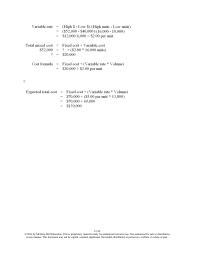
c. 12–34 © 2014 by McGraw-Hill Education. This is proprietary material solely for authorized instructor use. Not authorized for sale or distribution in any manner. This document may not be copied, scanned, duplicated, forwarded, distributed, or posted on a website, […]
Accounting Chapter 13 1 The Term Cost Means The Price Paid
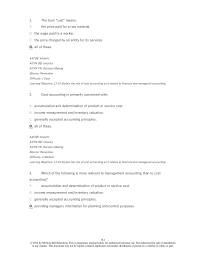
1. The term “cost” means: A. the price paid for a raw material. B. the wage paid to a worker. C. the price charged by an entity for its services. D. all of these. AACSB: Analytic AICPA BB: Industry AICPA […]
Accounting Chapter 13 2 Overhead is applied on the basis of machine hours required for cutting
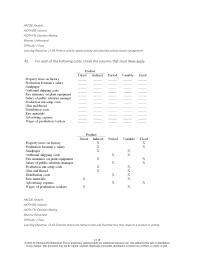
AACSB: Analytic AICPA BB: Industry AICPA FN: Decision Making Blooms: Understand Difficulty: 1 Easy Learning Objective: 13-09 Perform activity-based costing and describe activity-based management. 42. For each of the following costs, check the columns that most likely apply. AACSB: Analytic […]
Accounting Chapter 14 1 Example Committed Cost Is Employee Training Manufacturing
1. An example of a committed cost is: A. employee training. B. manufacturing supplies. C. real estate taxes. D. charitable contributions. AACSB: Analytic AICPA BB: Industry AICPA FN: Decision Making Blooms: Remember Difficulty: 2 Medium Learning Objective: 14-01 Describe cost […]
Accounting Chapter 14 2 40 Fixed Costs Classified According The Time
AACSB: Analytic AICPA BB: Industry AICPA FN: Decision Making Blooms: Remember Difficulty: 2 Medium Learning Objective: 14-09 Explain why and how standards are useful in the planning and control process. 40. Fixed costs classified according to the time frame perspective […]
Accounting Chapter 15 1 Technique Used Filter Cost Information Contained
1. ________________ is a technique used to filter cost information contained in performance reports to each manager within the organization at an appropriate level of detail or summarization: A. Managerial reporting B. Responsibility reporting C. Financial reporting D. Segment reporting […]
Accounting Chapter 15 2 34 Allows Managers Focus Their Attention
34. _____________ allows managers to focus their attention on maximizing an amount of earnings above a minimum required ROI: A. Optimization B. The DuPont model C. Residual income D. Transfer pricing AACSB: Analytic AICPA BB: Industry AICPA FN: Decision Making […]
Accounting Chapter 16 1 The Method Evaluating Financial Data That Change
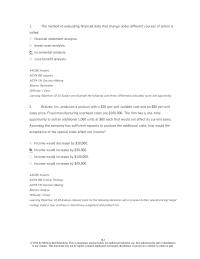
1. The method of evaluating financial data that change under different courses of action is called: A. financial statement analysis. B. break-even analysis. C. incremental analysis. D. cost-benefit analysis. AACSB: Analytic AICPA BB: Industry AICPA FN: Decision Making Blooms: Remember […]
Accounting Chapter 16 2 The capital budgeting analytical technique that calculates the rate
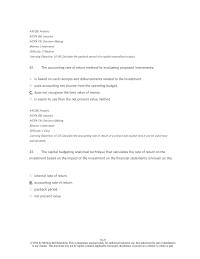
AACSB: Analytic AICPA BB: Industry AICPA FN: Decision Making Blooms: Understand Difficulty: 2 Medium Learning Objective: 16-09 Calculate the payback period of a capital expenditure project. 42. The accounting rate of return method for evaluating proposed investments: A. is based […]
Accounting Chapter 16 3 Calculate the net present value of the proposed investment in the drilling
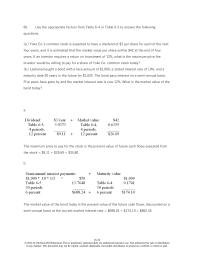
60. Use the appropriate factors from Table 6-4 or Table 6-5 to answer the following questions. (a.) Yoko Co.’s common stock is expected to have a dividend of $3 per share for each of the next four years, and it […]
Accounting Chapter 2 1 Which The Following Transaction Recorded The Accounting
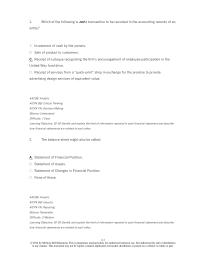
1. Which of the following is not a transaction to be recorded in the accounting records of an entity? A. Investment of cash by the owners. B. Sale of product to customers. C. Receipt of a plaque recognizing the firm’s […]
Accounting Chapter 2 2 29 The Going Concern Concept Refers Presumption
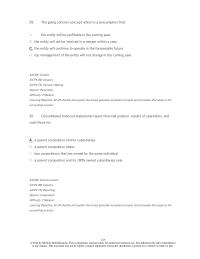
29. The going concern concept refers to a presumption that: A. the entity will be profitable in the coming year. B. the entity will not be involved in a merger within a year. C. the entity will continue to operate […]
Accounting Chapter 3 1 Financial Statement Ratios Support Informed Judgments And
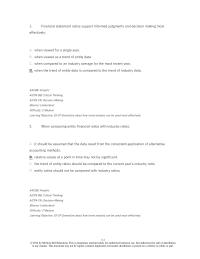
1. Financial statement ratios support informed judgments and decision making most effectively: A. when viewed for a single year. B. when viewed as a trend of entity data. C. when compared to an industry average for the most recent year. […]
Accounting Chapter 4 1 Expanded Version The Accounting Equation Could Be
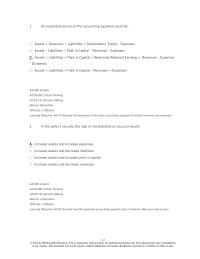
1. An expanded version of the accounting equation could be: A. Assets + Revenues = Liabilities + Stockholders’ Equity – Expenses B. Assets – Liabilities = Paid-in Capital – Revenues – Expenses C. Assets = Liabilities + Paid-in Capital + […]
Accounting Chapter 4 2 When a firm purchases supplies for use in its business
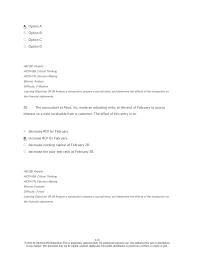
A. Option A B. Option B C. Option C D. Option D AACSB: Analytic AICPA BB: Critical Thinking AICPA FN: Decision Making Blooms: Analyze Difficulty: 2 Medium Learning Objective: 04-06 Analyze a transaction; prepare a journal entry; and determine the […]
Accounting Chapter 5 1 The Current Assets Most Companies Are Usually
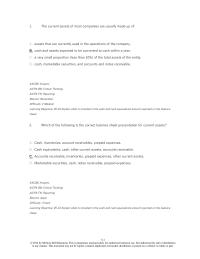
1. The current assets of most companies are usually made up of: A. assets that are currently used in the operations of the company. B. cash and assets expected to be converted to cash within a year. C. a very […]
Accounting Chapter 5 2 The Balance Sheet Presentation Accounts Receivable
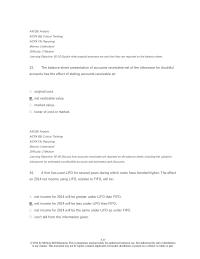
AACSB: Analytic AICPA BB: Critical Thinking AICPA FN: Reporting Blooms: Understand Difficulty: 2 Medium Learning Objective: 05-10 Explain what prepaid expenses are and how they are reported on the balance sheet. 33. The balance sheet presentation of accounts receivable net […]
Accounting Chapter 6 1 When Firm Buys Land Which There Building
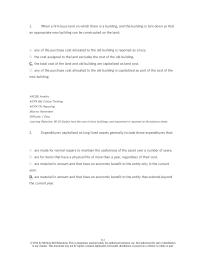
1. When a firm buys land on which there is a building, and the building is torn down so that an appropriate new building can be constructed on the land: A. any of the purchase cost allocated to the old […]
Accounting Chapter 6 2 Leasehold is an example of which of the following types of assets
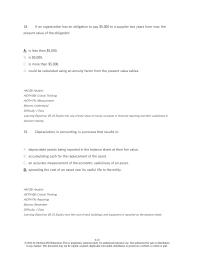
18. If an organization has an obligation to pay $5,000 to a supplier two years from now, the present value of the obligation: A. is less than $5,000. B. is $5,000. C. is more than $5,000. D. could be calculated […]
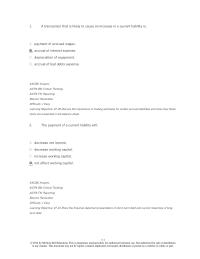
Accounting Chapter 7 1 Transaction That Likely Cause Increase Current Liability
1. A transaction that is likely to cause an increase in a current liability is: A. payment of accrued wages. B. accrual of interest expense. C. depreciation of equipment. D. accrual of bad debts expense. AACSB: Analytic AICPA BB: Critical […]
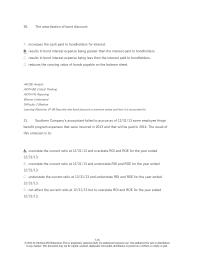
Accounting Chapter 7 2 30 The Amortization Bond Discount Increases The
30. The amortization of bond discount: A. increases the cash paid to bondholders for interest. B. results in bond interest expense being greater than the interest paid to bondholders. C. results in bond interest expense being less than the interest […]
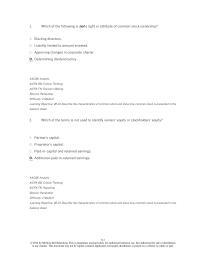
Accounting Chapter 8 1 Which The Following Right Attribute Common Stock
1. Which of the following is not a right or attribute of common stock ownership? A. Electing directors. B. Liability limited to amount invested. C. Approving changes in corporate charter. D. Determining dividend policy. AACSB: Analytic AICPA BB: Critical Thinking […]
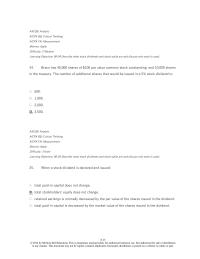
Accounting Chapter 8 2 The principal reason for a company having a common stock split is to
AACSB: Analytic AICPA BB: Critical Thinking AICPA FN: Measurement Blooms: Apply Difficulty: 2 Medium Learning Objective: 08-04 Describe what stock dividends and stock splits are and discuss why each is used. 24. Braco has 40,000 shares of $100 par value […]
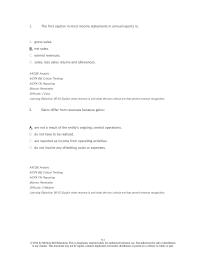
Accounting Chapter 9 1 The First Caption Most Income Statements Annual
1. The first caption in most income statements in annual reports is: A. gross sales. B. net sales. C. earned revenues. D. sales, less sales returns and allowances. AACSB: Analytic AICPA BB: Critical Thinking AICPA FN: Reporting Blooms: Remember Difficulty: […]