D. Analysis: Sonata Form | 699
NAME:
700 | CHAPTER 47 | Form
D. Analysis: Sonata Form | 701
NAME:
702 | CHAPTER 47 | Form
NAME:
Exposition
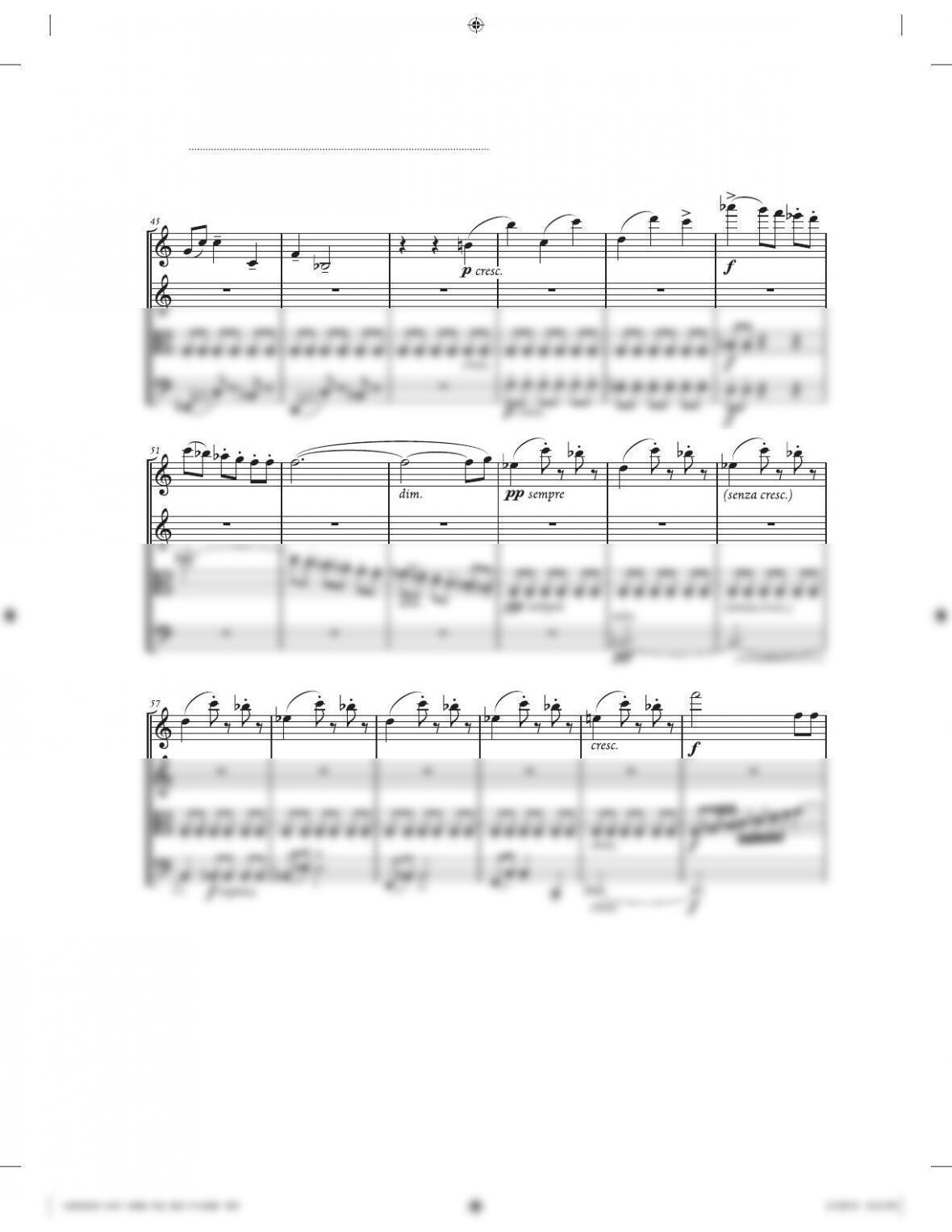
• The primary theme lasts for eight measures, and is followed by a modified repeat
• The transition is in two parts. The first begins in measure 24 and starts
• The secondary theme begins in measure 37 and is mostly in what
Development
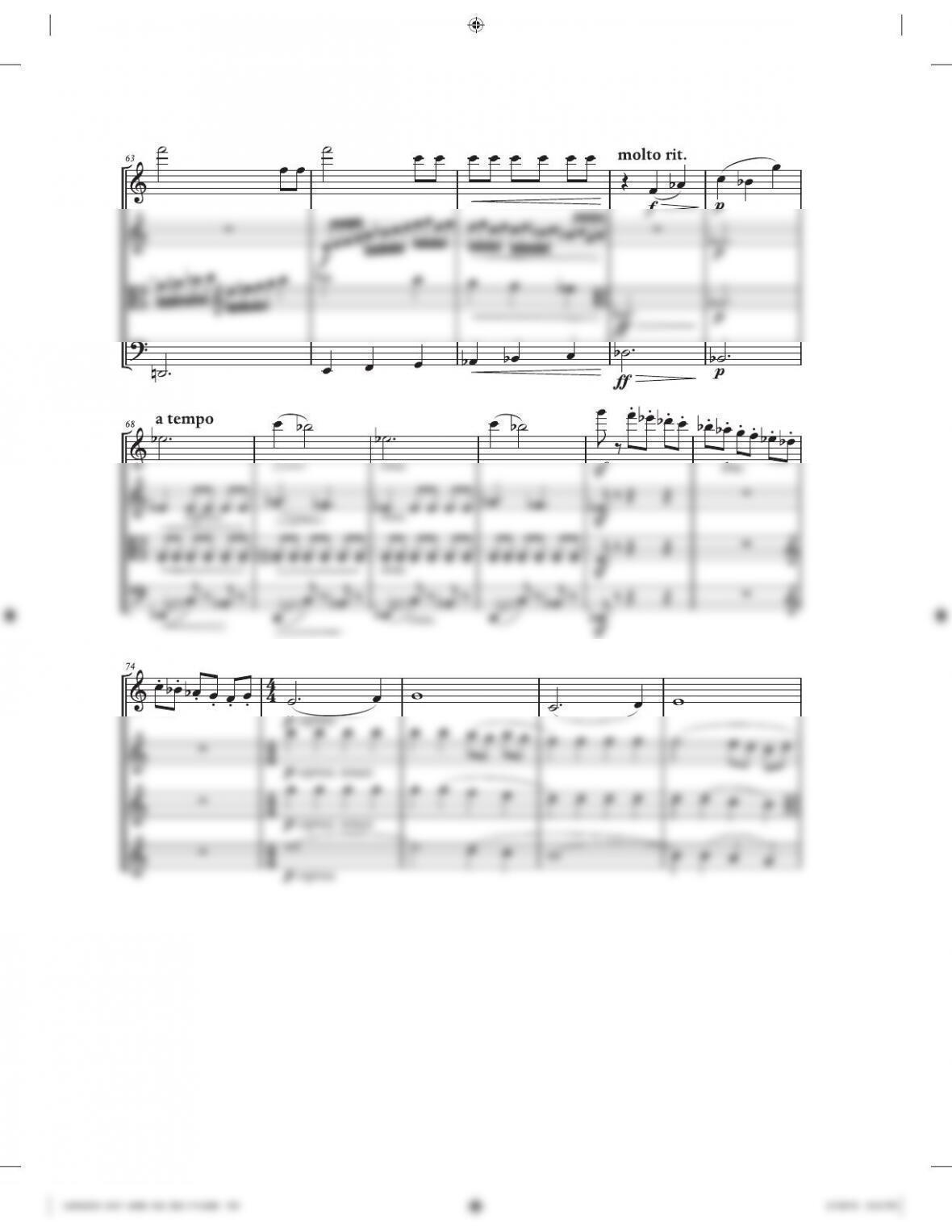
• The development begins in measure 75 . Which theme is the source
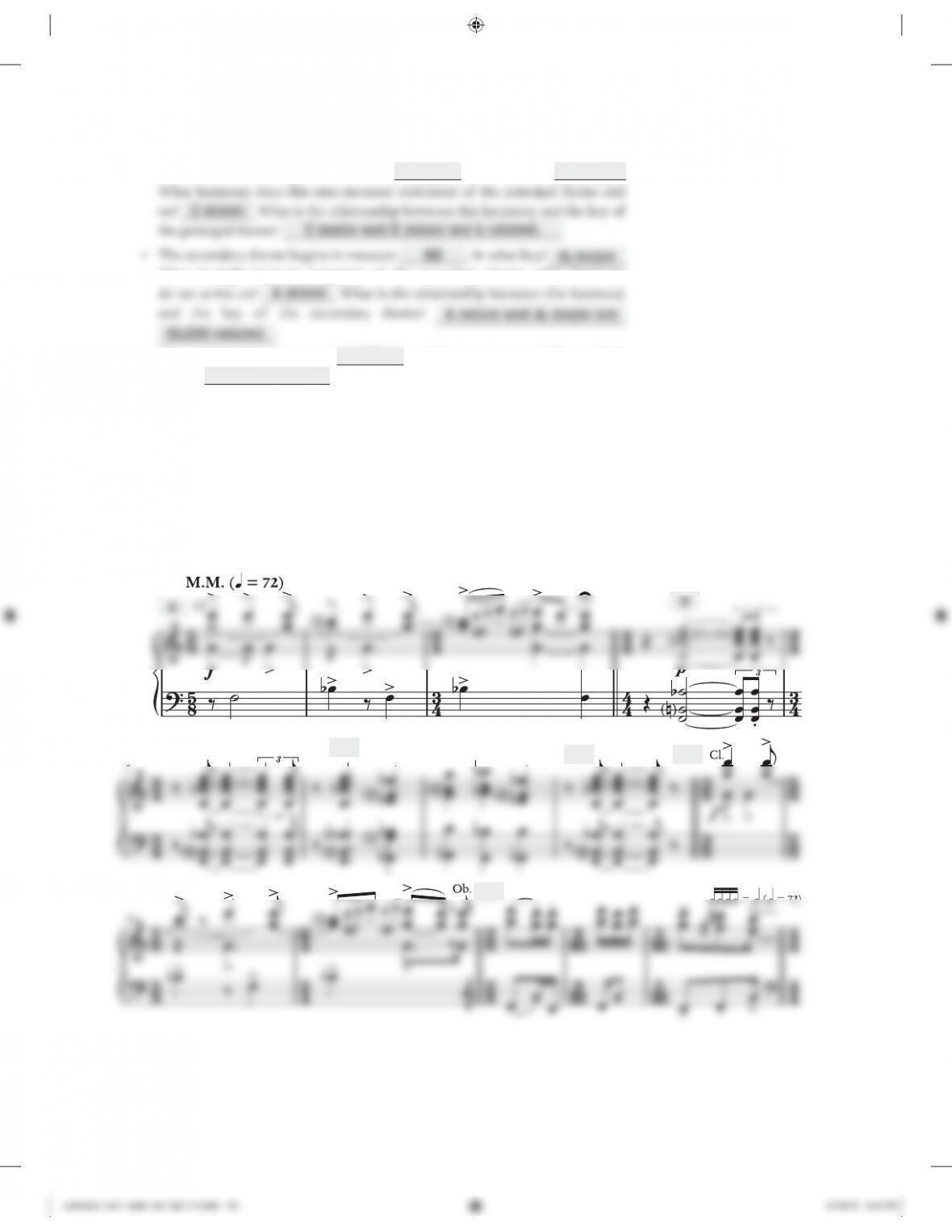
704 | CHAPTER 47 | Form
Recapitulation
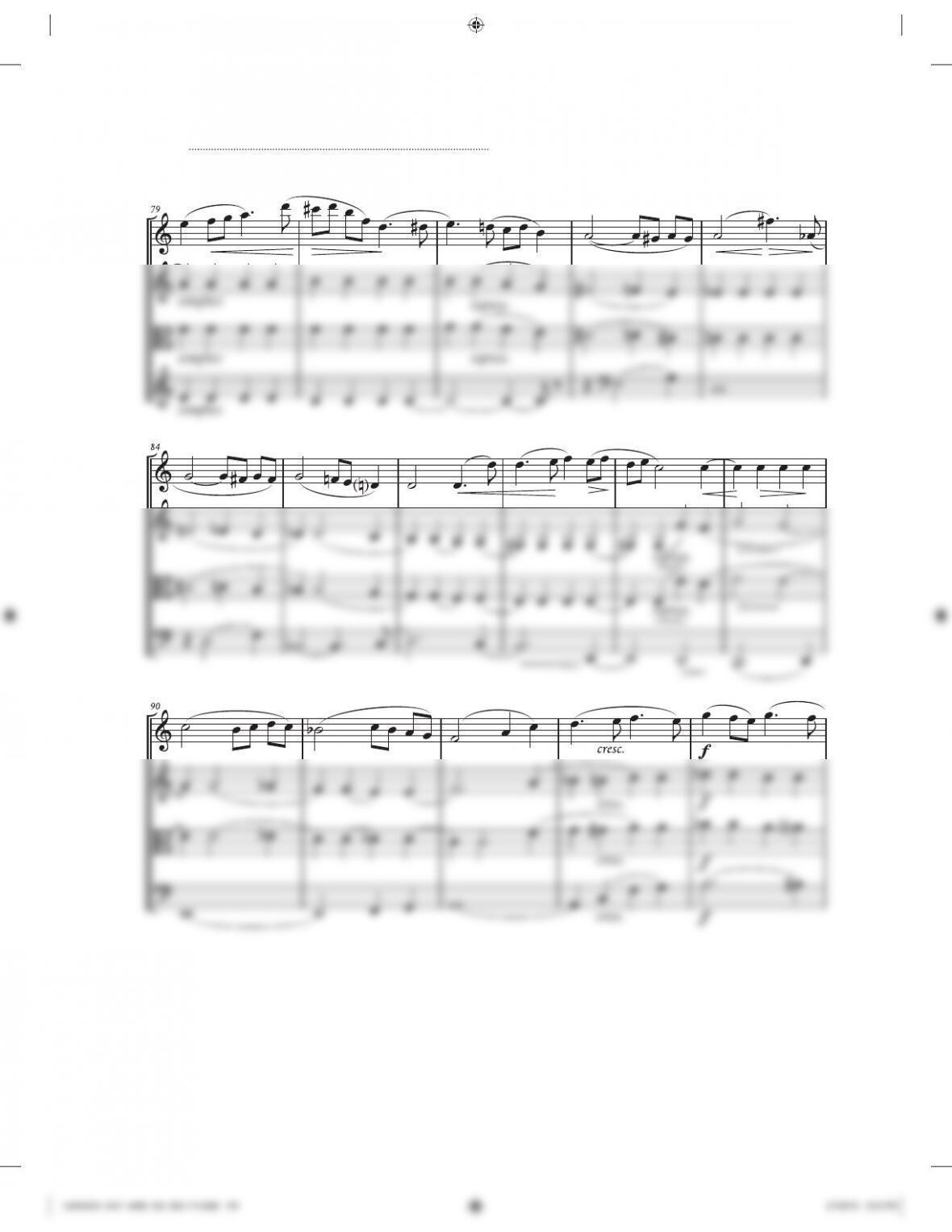
• The recapitulation begins in measure 89 . In what key? C major
After an eight- measure statement of the secondary theme, what harmony
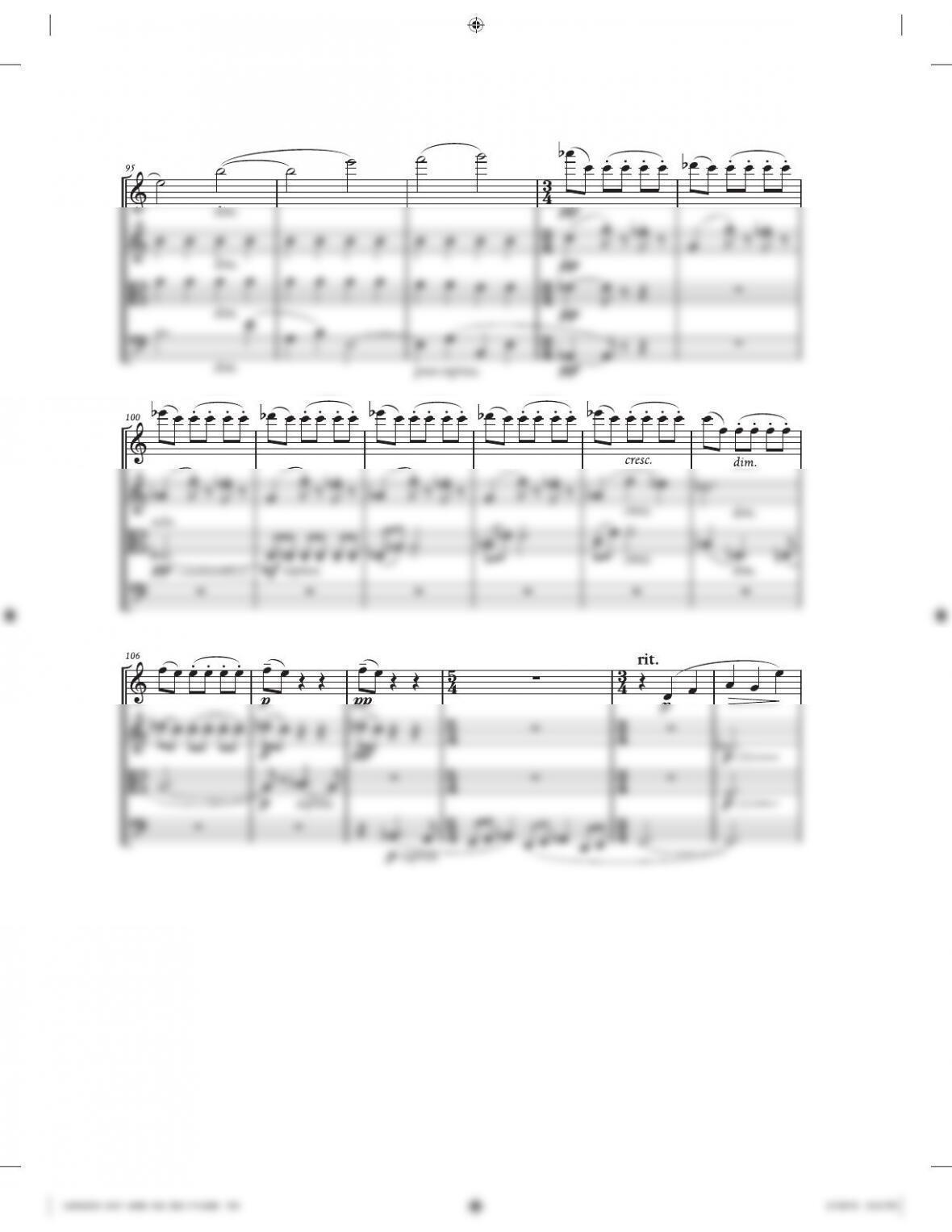
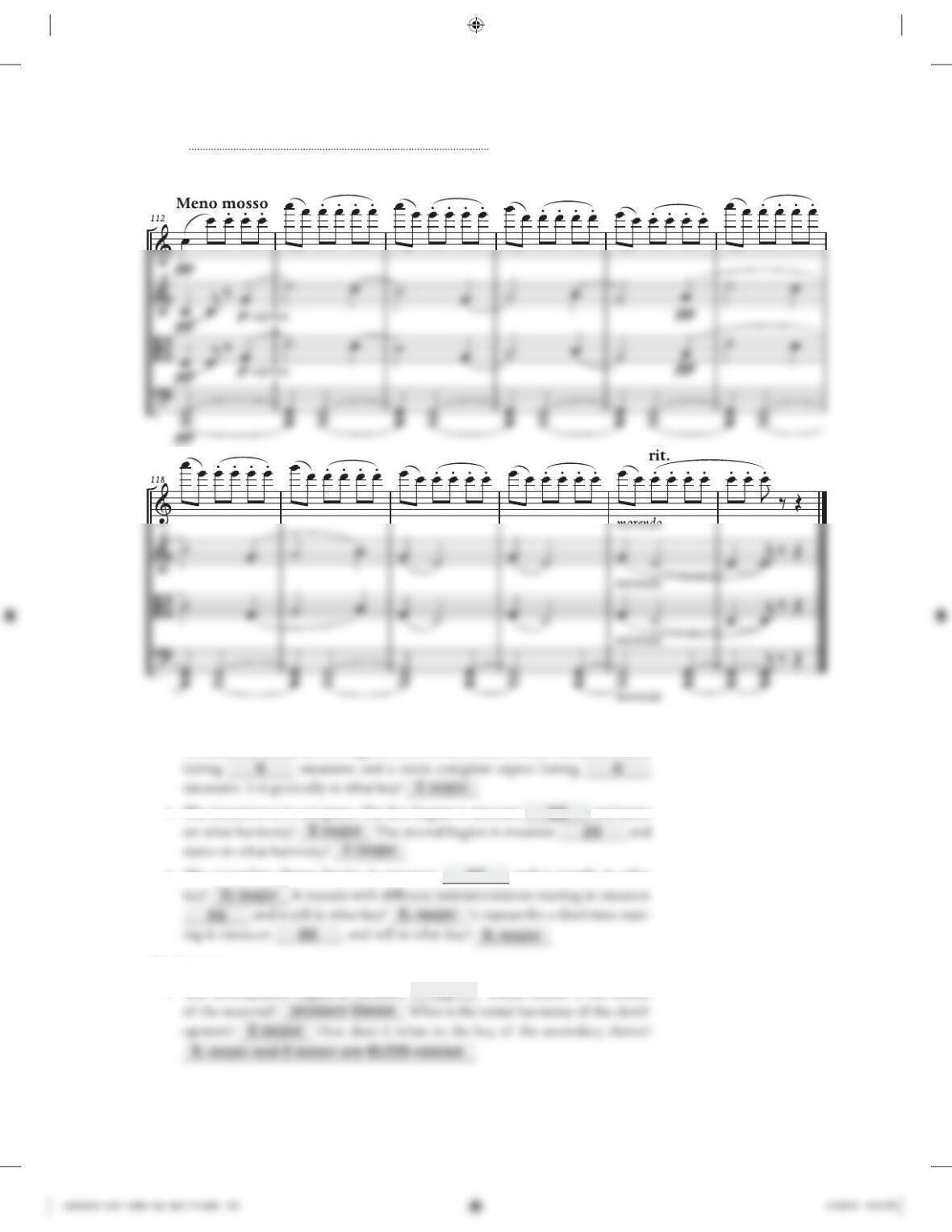
• The coda begins in measure 112 and derives its material from which
theme? primary theme
E. ANALYSIS: MOMENT FORM
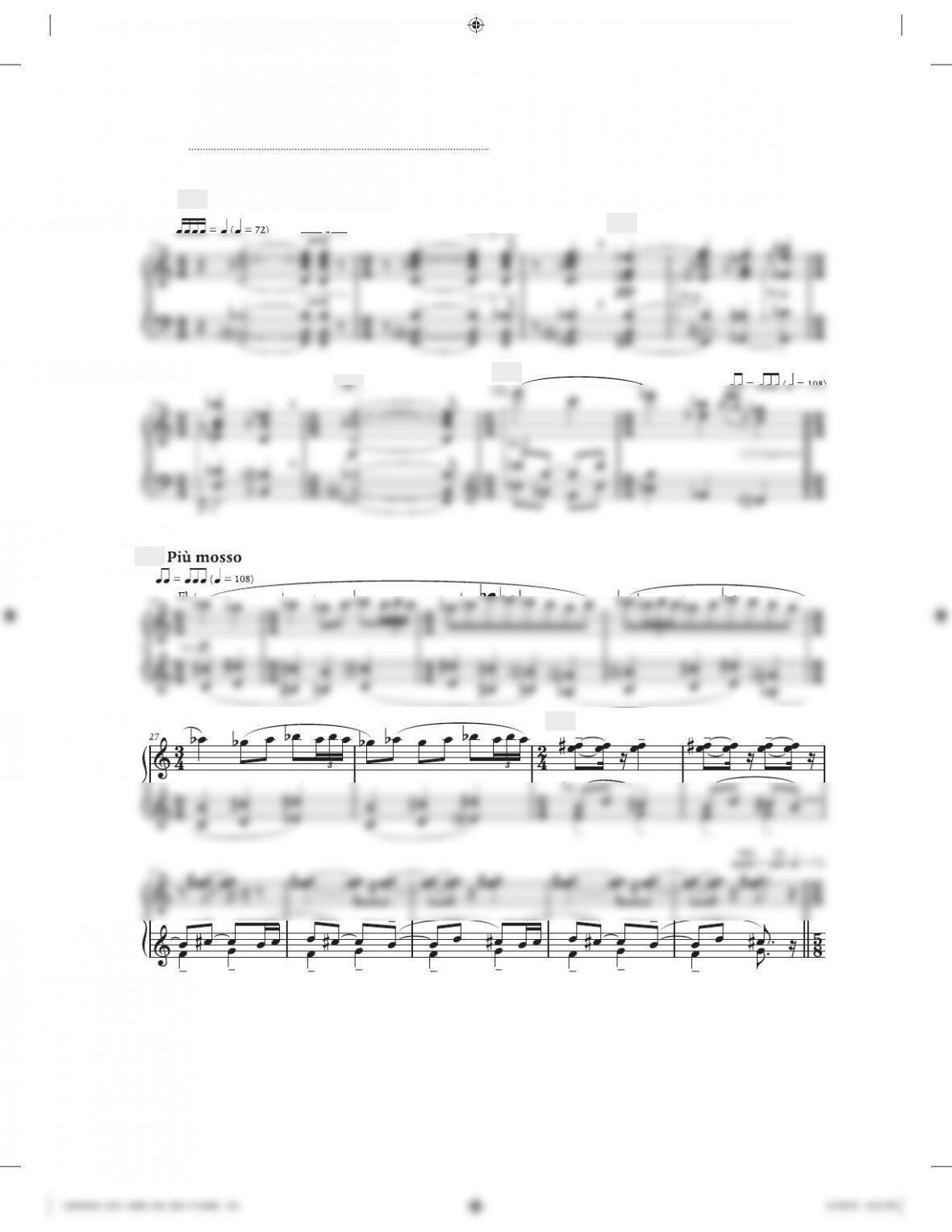
Igor Stravinsky, Symphonies of Wind Instruments, opening
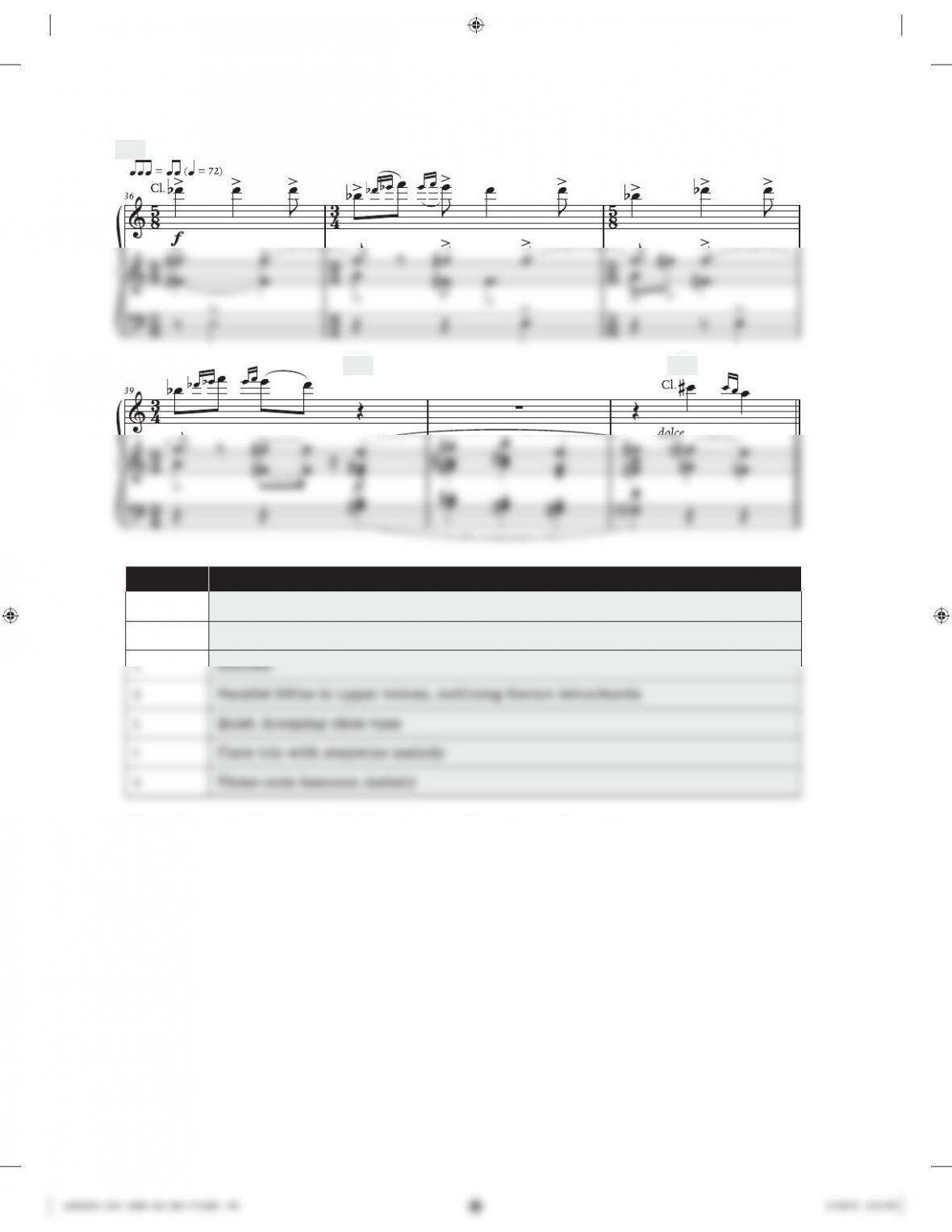
This passage features seven distinct units that return throughout the example. Label
them A–G as they occur, then complete the table below with a brief description of
each unit.
C
B
D
A
E. Analysis: Moment Form | 705
NAME:
B
C
E
F
G
706 | CHAPTER 47 | Form
C E
A
UNIT LABEL DESCRIPTION
ALoud clarinet tune moving within diminished triad, B– D– F;ff F– Bb alternate in bass
BBig sustained chord with F in the outer voices
Choose three pairs of consecutive blocks, and write a few sentences about what
distinguishes them from each other and what they share in common.
F. ANALYSIS: COLLAGE FORM
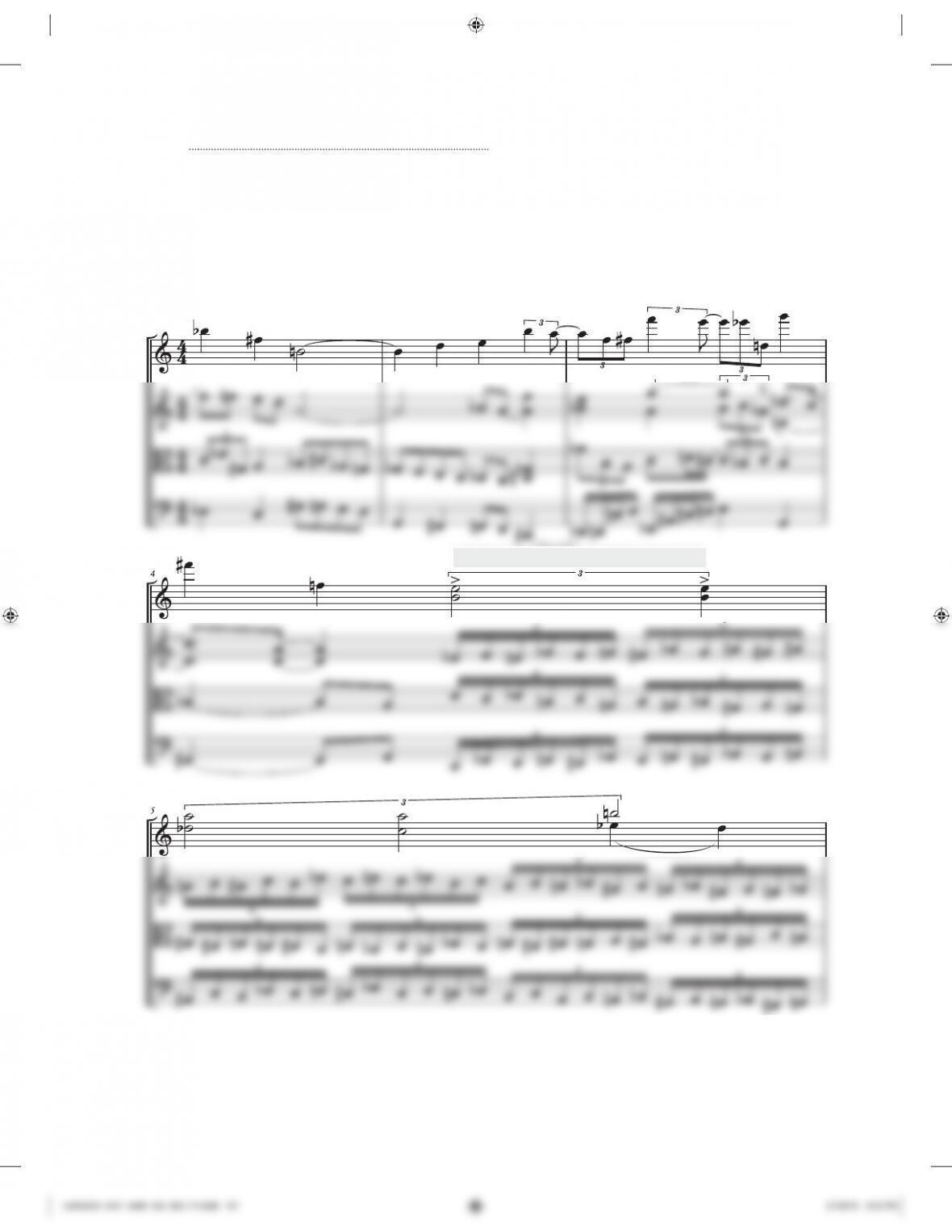
Charles Ives, String Quartet No. 2, i
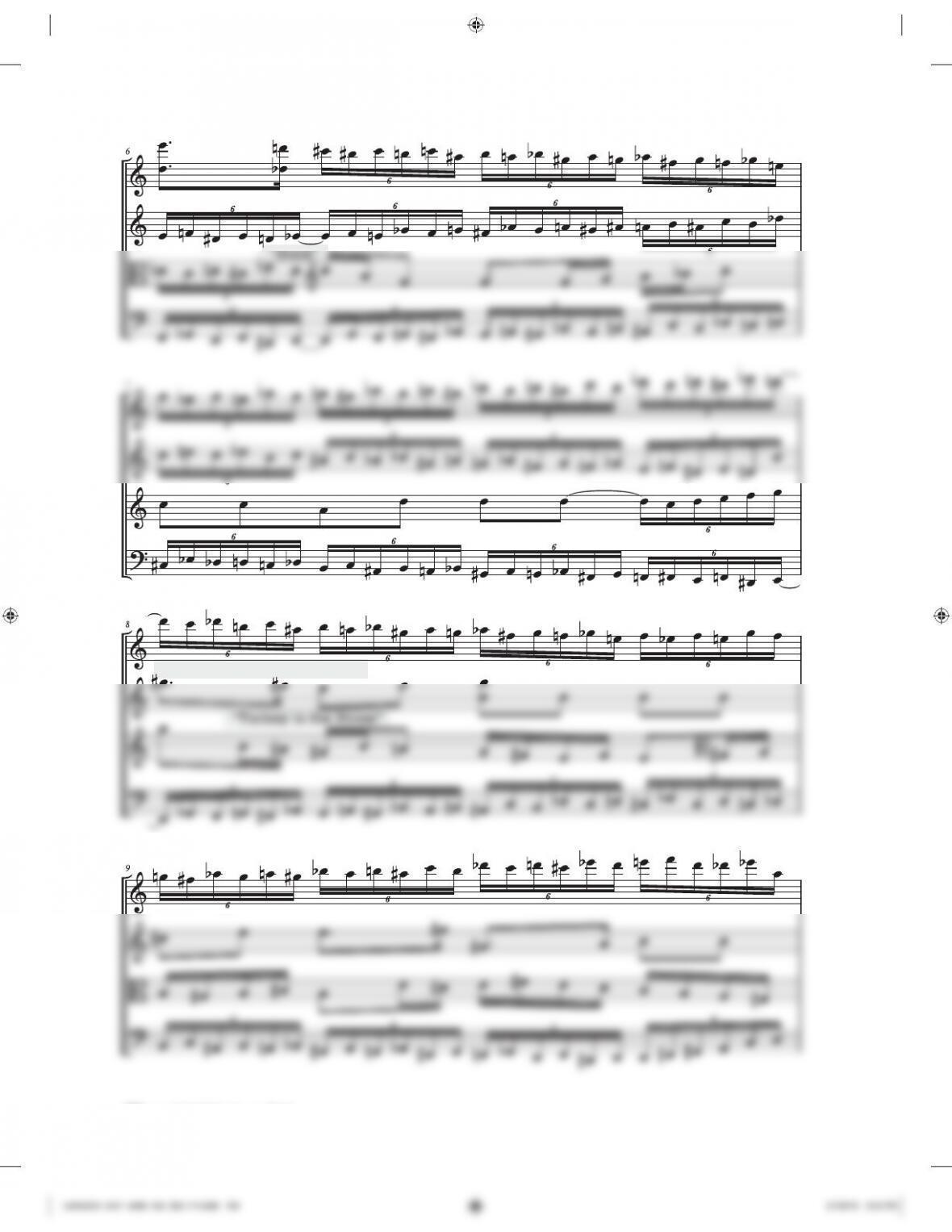
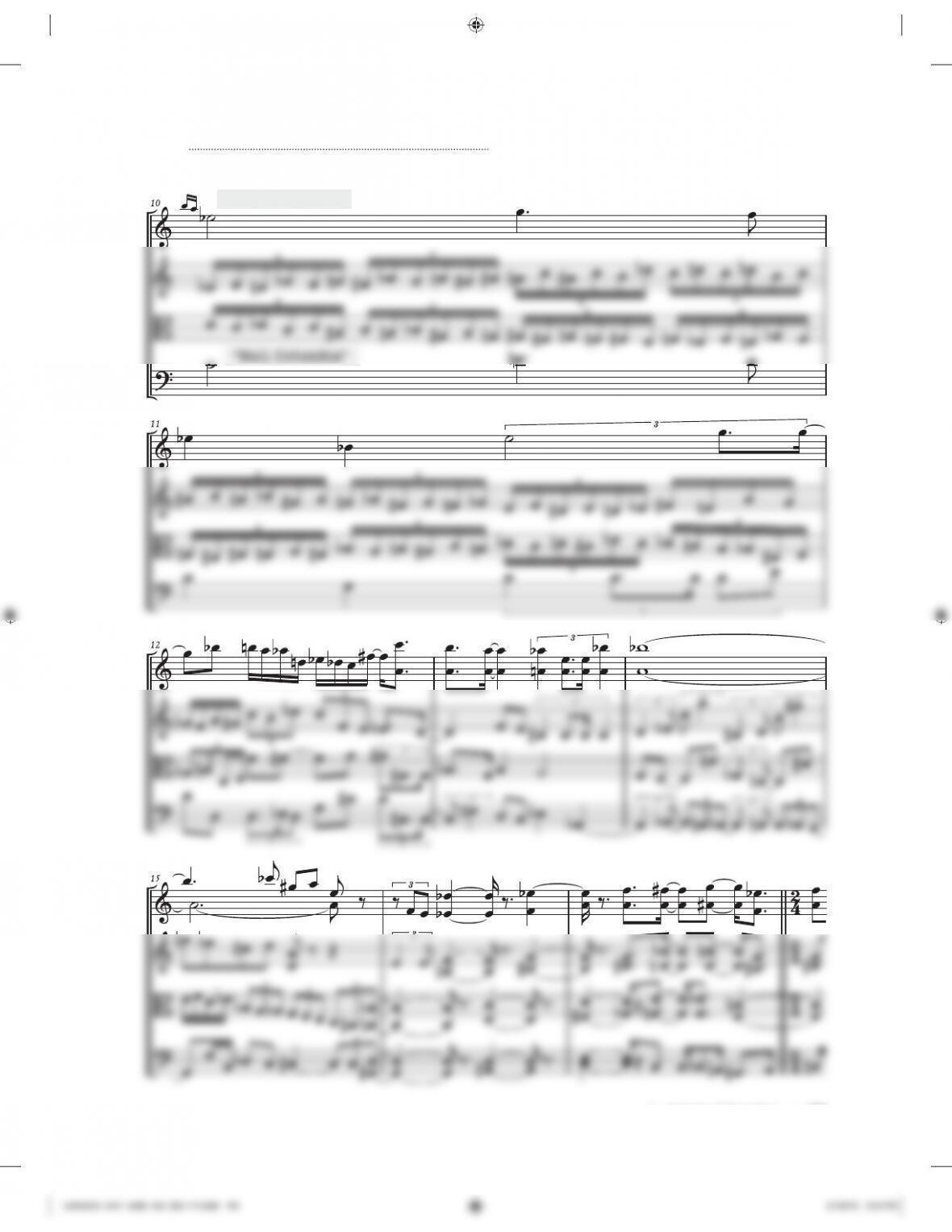
This passage makes reference to the following tunes, all popular at the time the
piece was written: “Columbia, the Gem of the Ocean,” “Dixie,” “Marching through
Georgia,” “Turkey in the Straw,” and “Hail, Columbia.”
F. Analysis: Collage Form | 707
NAME:
• Listen to these tunes (widely available on YouTube and other web sources) to
get familiar with them.
• Label them on the score.
• Write a few sentences about them. In what ways are they similar? In what ways
are they different? How do they relate to the surrounding musical material?
“Columbia, the Gem of the Ocean”
“Marching through Georgia”
“Dixie”
NAME:
“Hail, Columbia”
710 |CHAPTER 47 |Form
G. ANALYSIS: FORM AS PROCESS
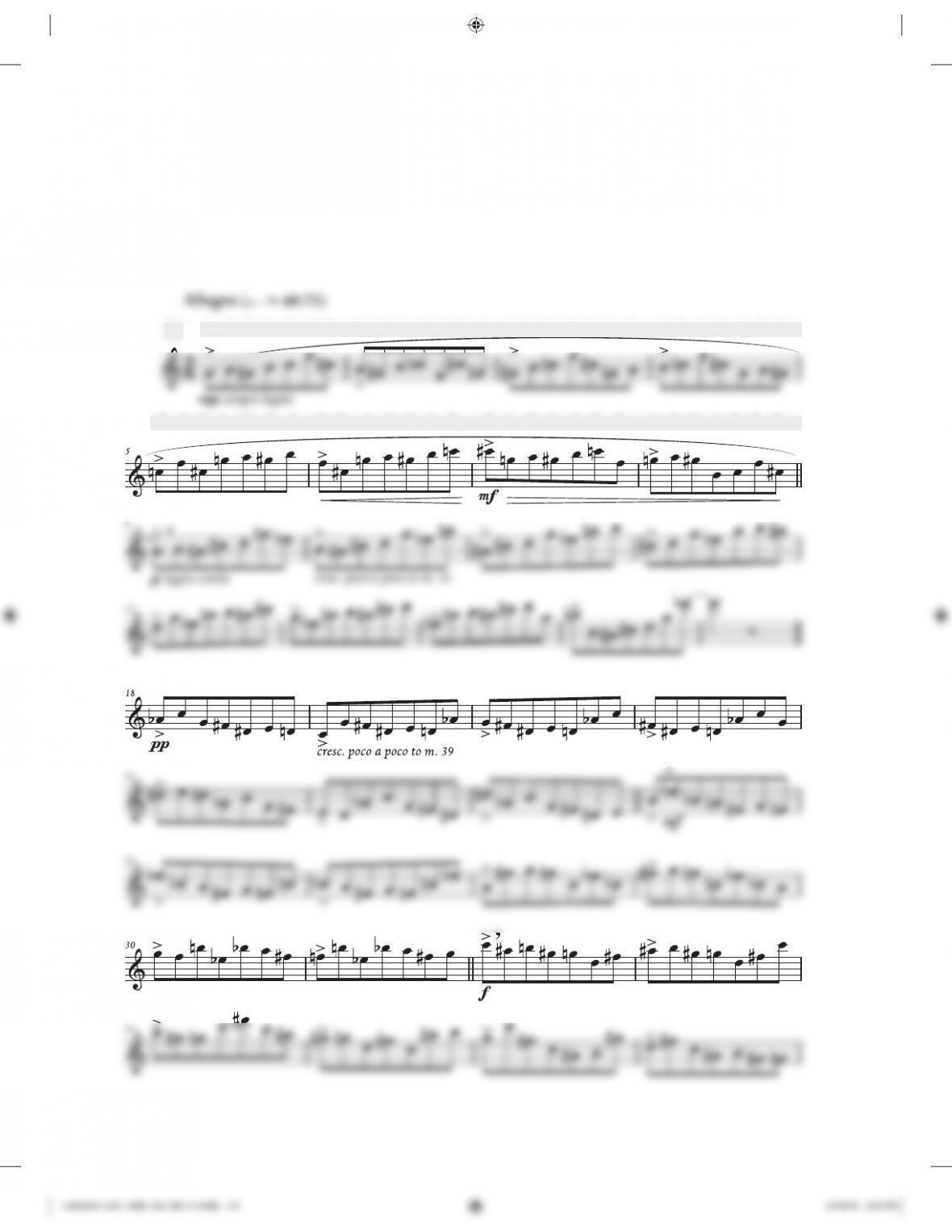
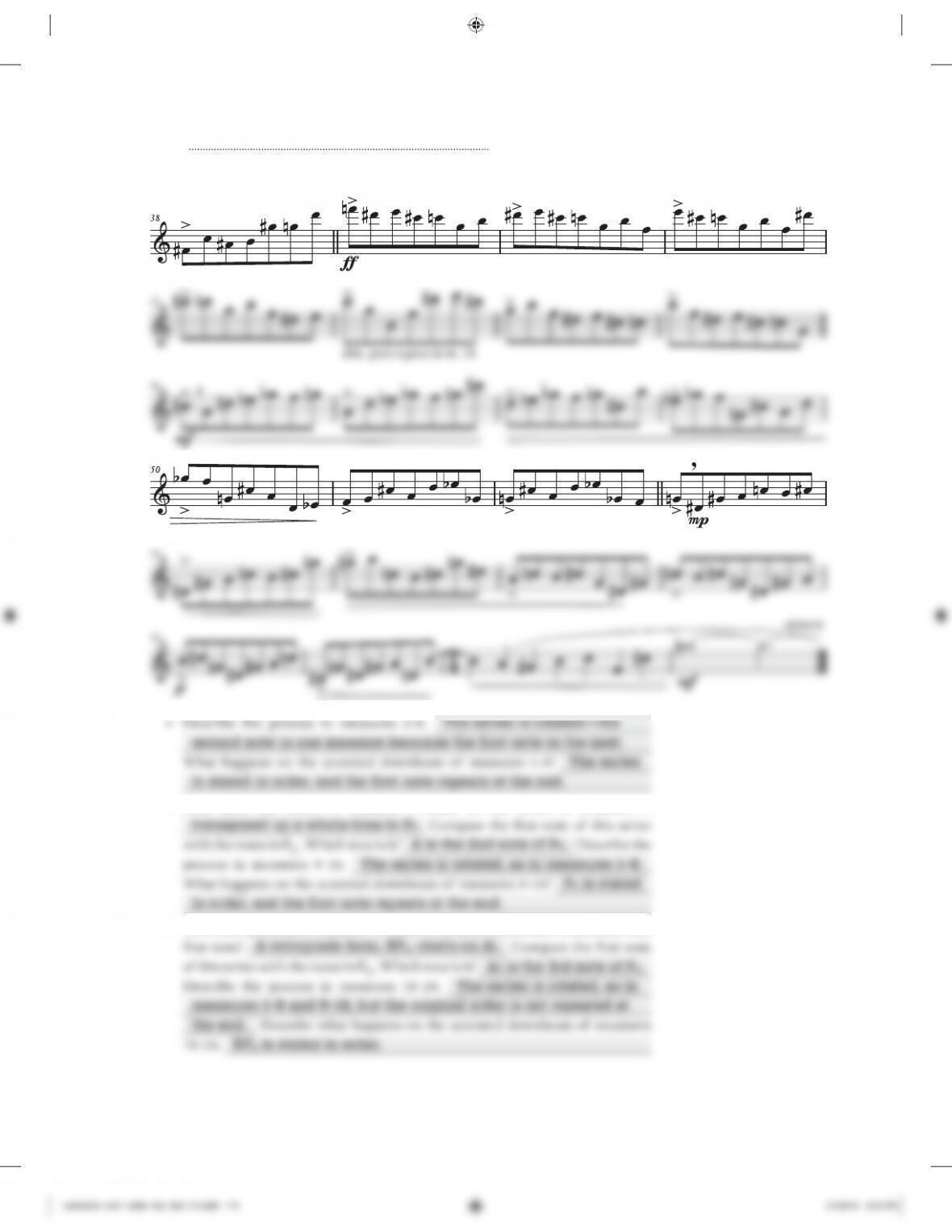
1. Ruth Crawford, Diaphonic Suite No. 1 for oboe, iii
• The piece uses a seven- note series: G– A– G#– B– C– F– C#. Label it PG in measure
1 of the score and number its notes 1–7.
• In measures 2–8, number all of the notes according to their position inPG.
• Then answer the questions at the end of the score.
1 2 3 4 5 6 7 2 3 4 5 6 7 1 3 4 5 6 7 1 2 4 5 6 7 1 2 3
5 6 7 1 2 3 4 6 7 1 2 3 4 5 7 1 2 3 4 5 6 1 2 3 4 5 6 7
PG
NAME:
• How does the series in measure 9 relate to the series in measure 1?
• How does the series in measure 18 relate to the series in measure 1, and what is its
712 | CHAPTER 47 | Form
• Identify the series forms in measures 1, 9, 18, 25, 32, 39, 46, 53, and 60–61.
happens on the accented downbeats within each section of the piece.
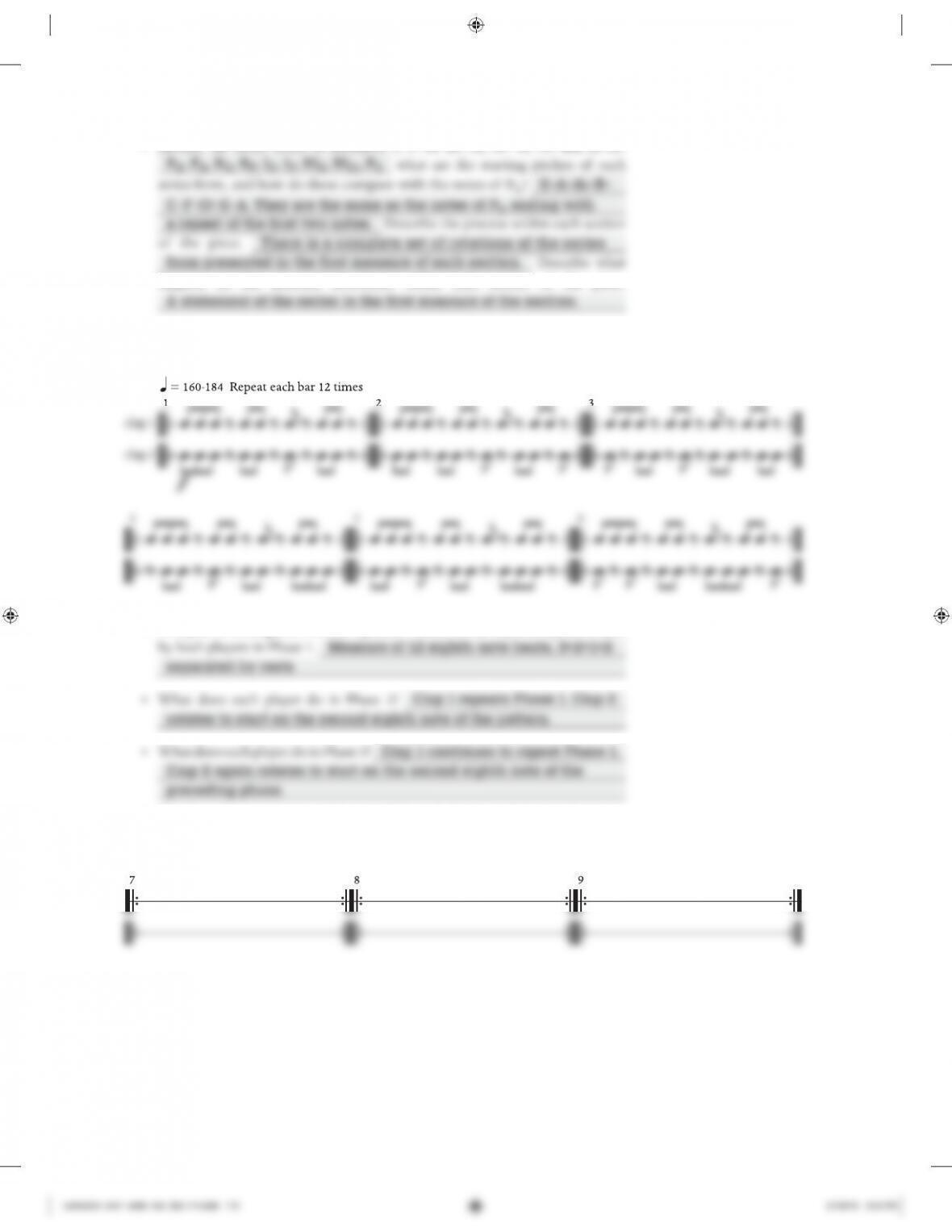
2. Steve Reich, Clapping Music (for two performers), first six phases
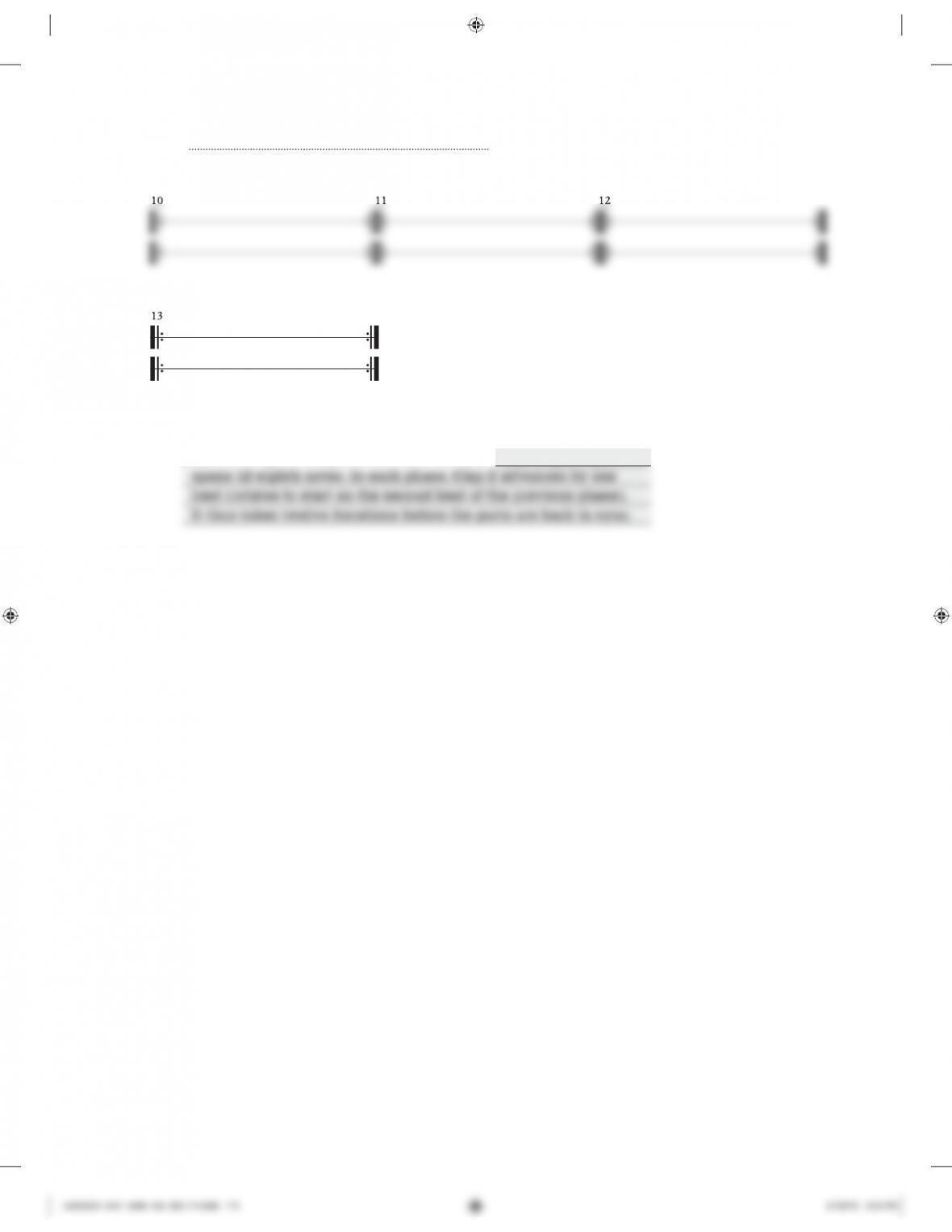
• The piece is arranged in thirteen “phases.” Describe the rhythmic pattern used
• Continue this process by writing out additional phases until the music returns
to Phrase 1.
NAME:
• Describe the process for the work as a whole. Why does it require thirteen
phases to bring the two performers back into sync? The original pattern