• What collection or scale is formed by the vocal melody in mm. 7–10?
• What collection or scale is formed by the vocal melody in m. 16? (Note: One
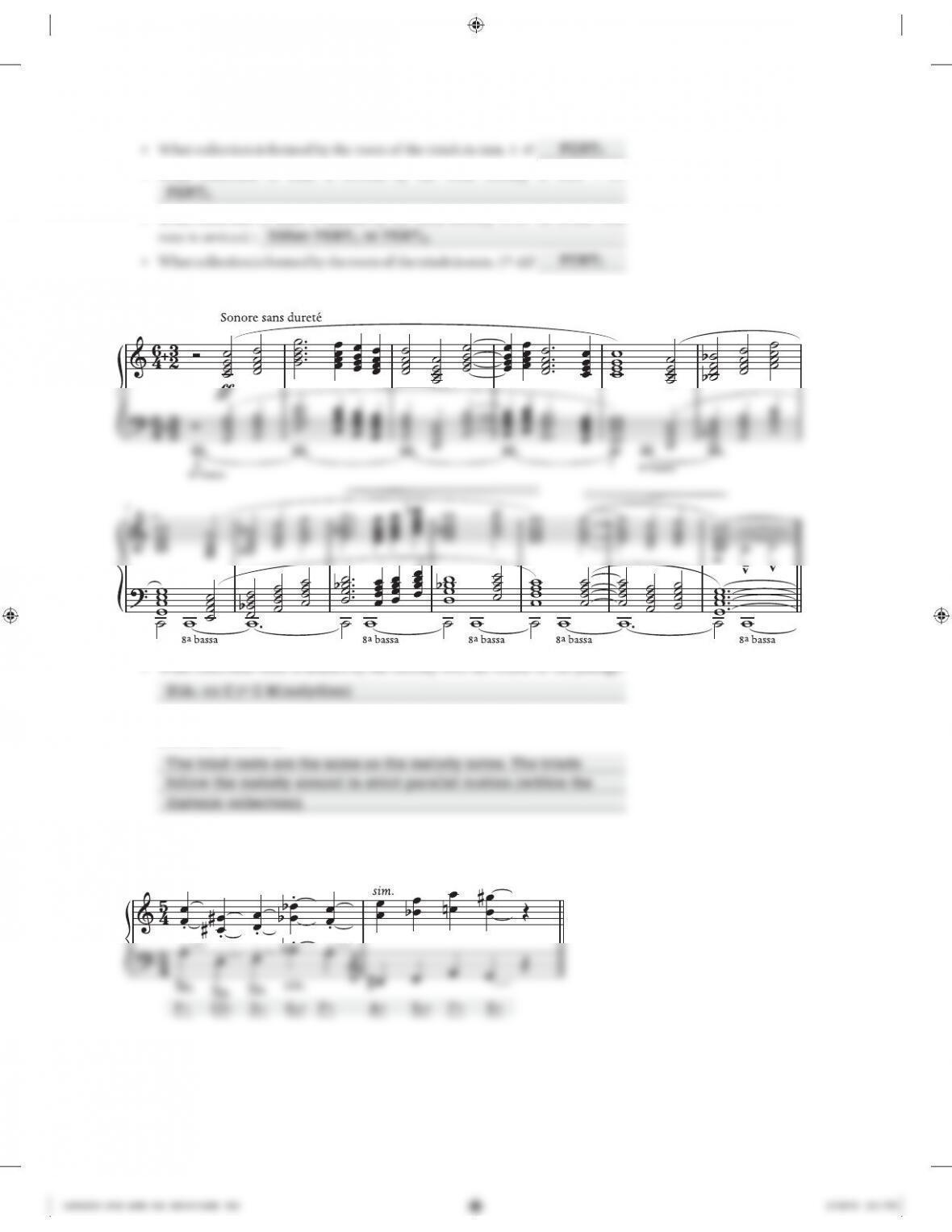
b. Claude Debussy, La cathédrale engloutie
• What collection/scale is defined by the melody over the course of the passage?
• How is the melody accompanied? What is the relationship between melody
notes and triad roots?
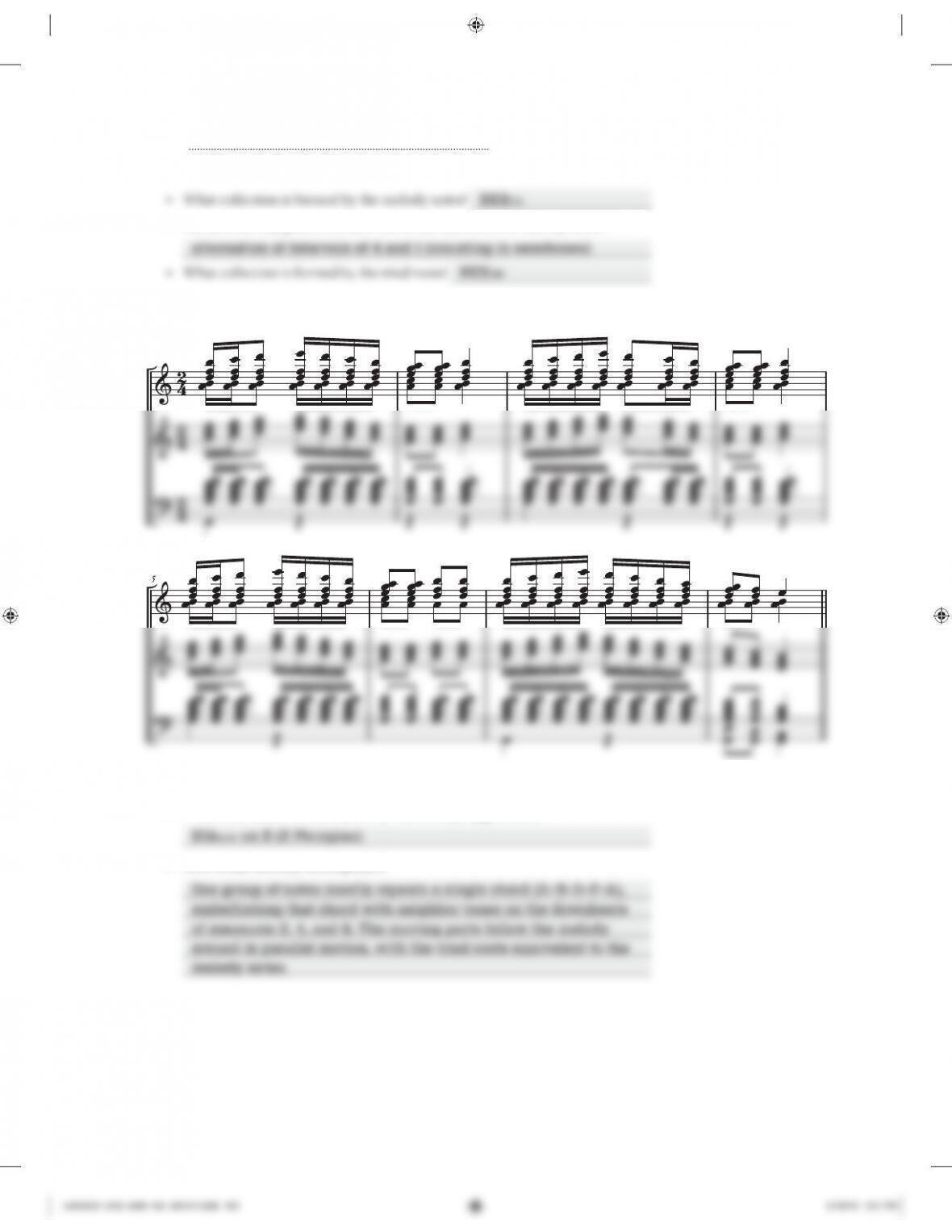
c. Sofia Gubaidulina, So sei es
Label the triads in the blanks provided beneath the staff.
NAME:
• Can you see any pattern of intervals in the succession of melody notes?
d. Igor Stravinsky, Petrushka, “Russian Dance”
• What scale/collection is defined by the melody (highest line)?
• How is that melody accompanied?
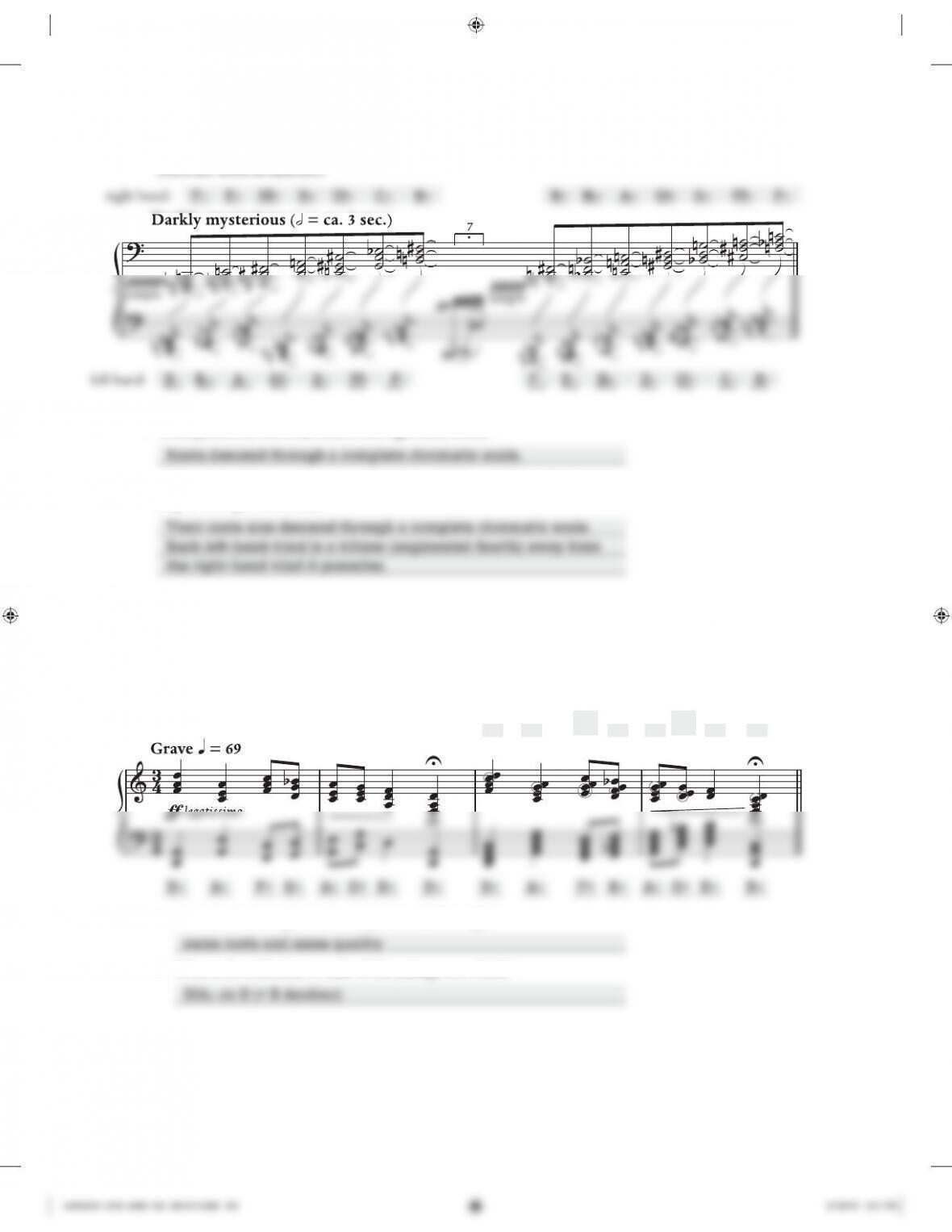
e. George Crumb, Makrokosmos, “Primeval Sounds (Genesis I)”
Label the triads as indicated.
• What pattern do the triad roots in the right hand follow?
• What pattern do the triad roots in the left hand follow? What is their relation-
ship to the right-hand triads?
4. Triads with added tones
a. Béla Bartók, Bagatelle, Op. 6, No. 4
• Identify the triads, and label them in the blanks below.
• Some triads include added tones; circle the added tones, and indicate their
intervals above the root.
7th 7th
7th,
9th 7th 7th
7th,
9th 7th 7th
• How do the last eight triads compare to the first eight?
• What is the collection or scale of the passage as a whole?
NAME:
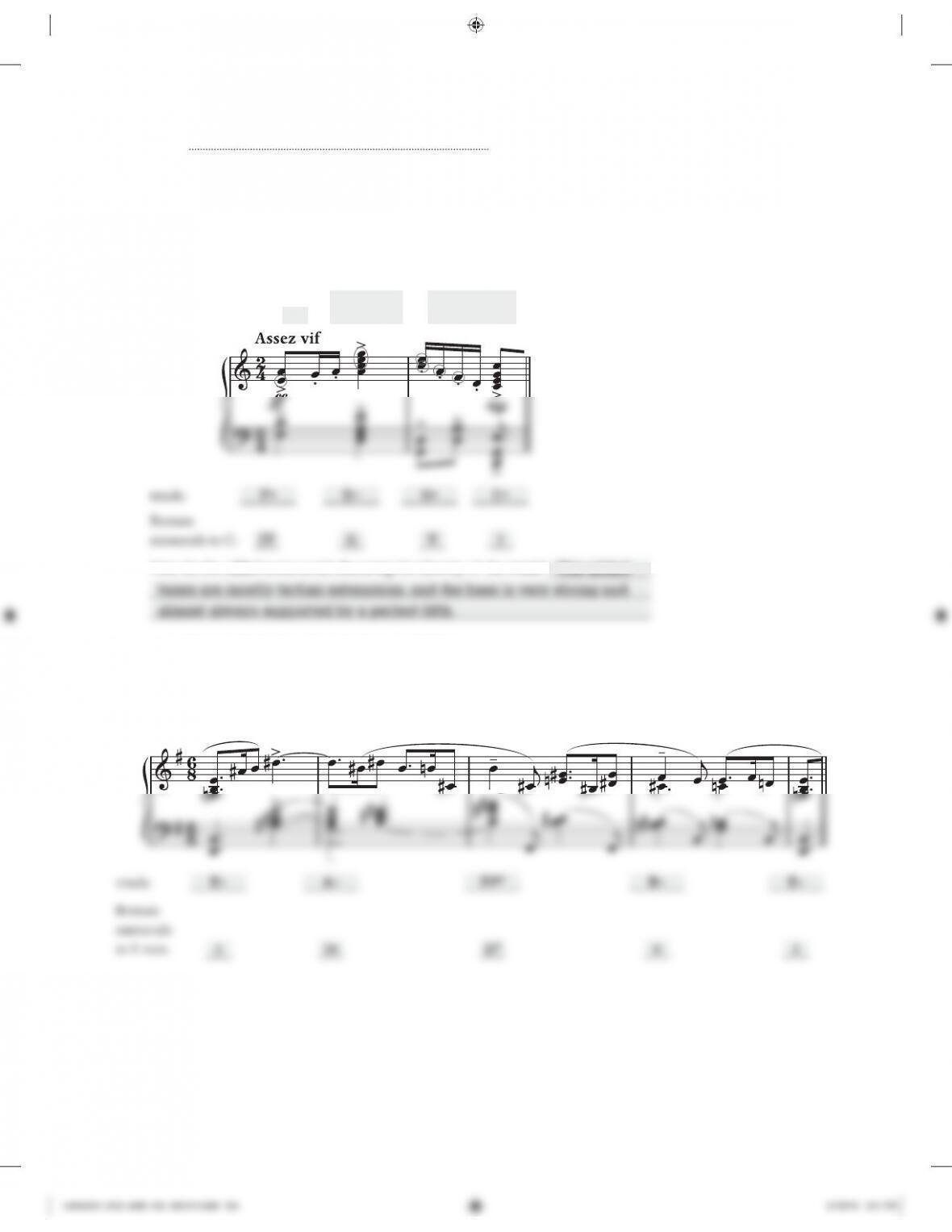
b. Maurice Ravel, Le tombeau de Couperin, Rigaudon
• Identify the triads with root and quality, ignoring any added tones.
• Then complete a Roman numeral analysis in C major.
• Finally, circle any added tones and label them with their relationship to the bass.
7th
4th, 7th,
9th
4th, 6th,
7th, 9th
How do the added tones avoid obscuring the identity of the triads? The added
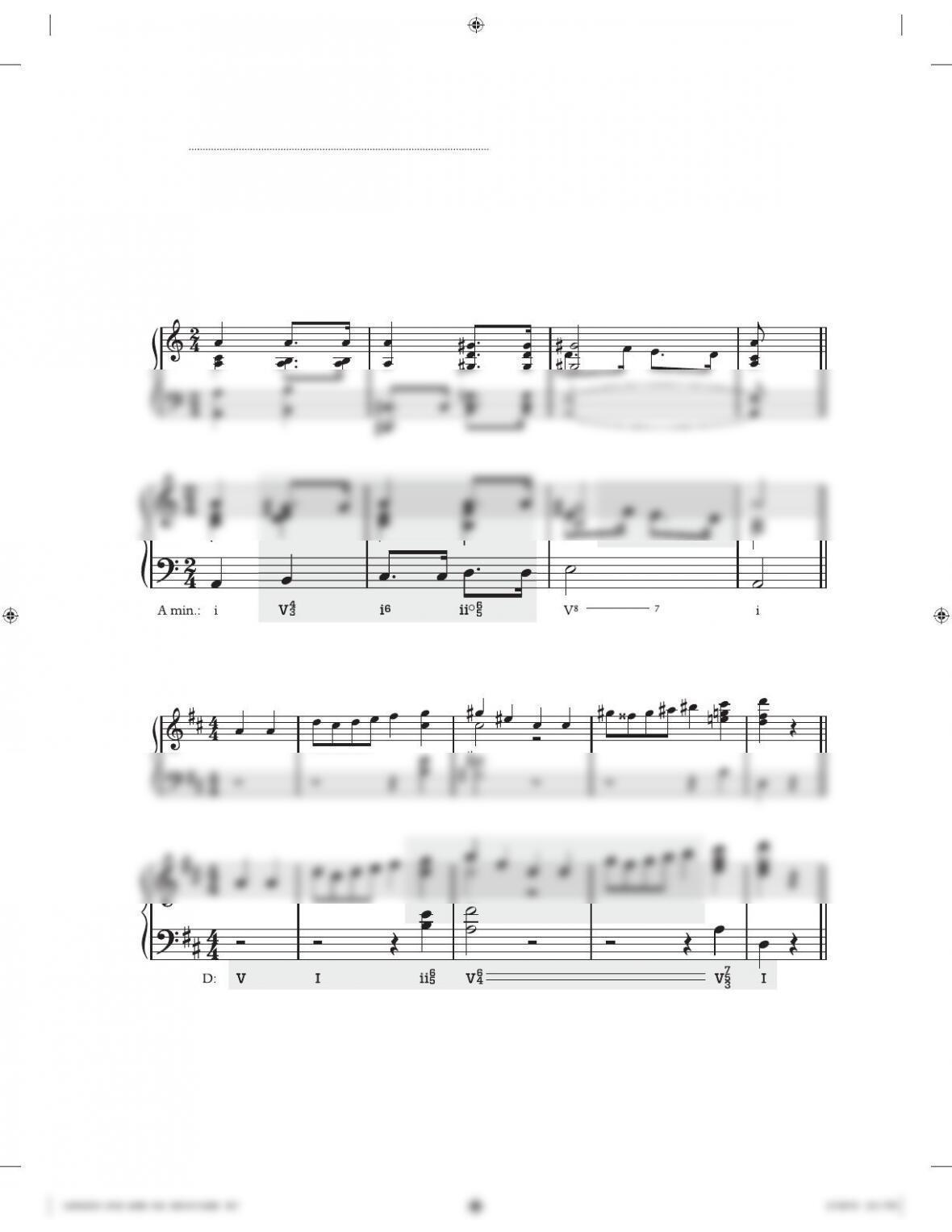
c. Maurice Ravel, Le tombeau de Couperin, Forlane
• Identify the triads (one per measure) and label them with root and quality,
ignoring the added tones. To identify the triads, focus on the bass notes.
• Then analyze the progression with Roman numerals.
• How would you account for the added tones: are they extensions or nonhar-
monic tones, and if the latter, how do they embellish the notes of the triads?
• How is it that the added tones do not obscure the identity of the triads?
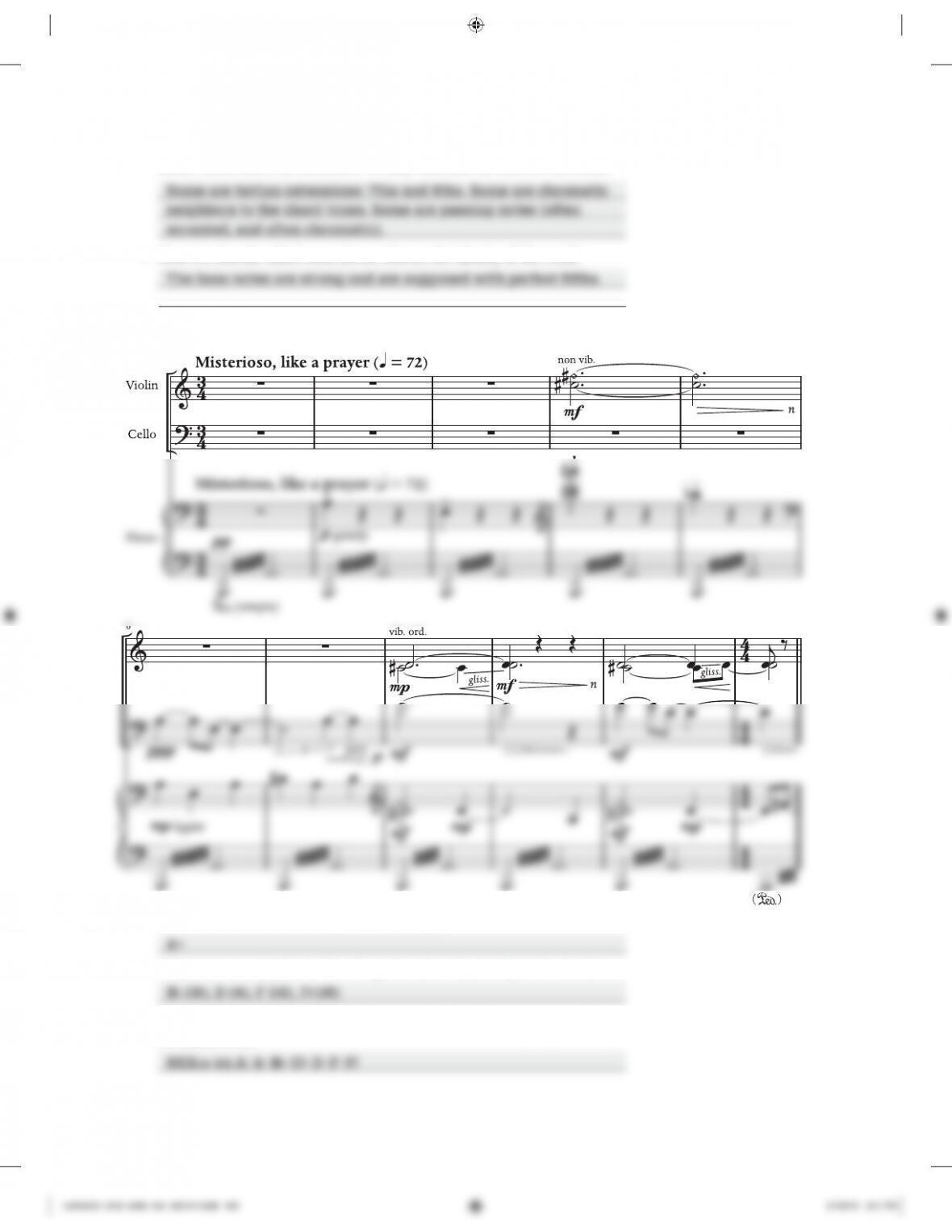
d. Shulamit Ran, Soliloquy
• What triad is sustained throughout this passage?
• What tones are added to it? Give the pitch and its relationship to the chord root.
• Can you identify a large collection that contains the triad root, major third, and
the added tones?
F. Analysis |607
NAME:
5. Transitional progressions recomposed
For each passage, try to compose a simplified, tonal prototype that might be under-
stood to lie behind the post-tonal surface. Provide a Roman numeral analysis of
your composition. Some chords and Roman numerals are provided. There will be
many possible solutions!
a. Igor Stravinsky, Concerto for Piano and Winds
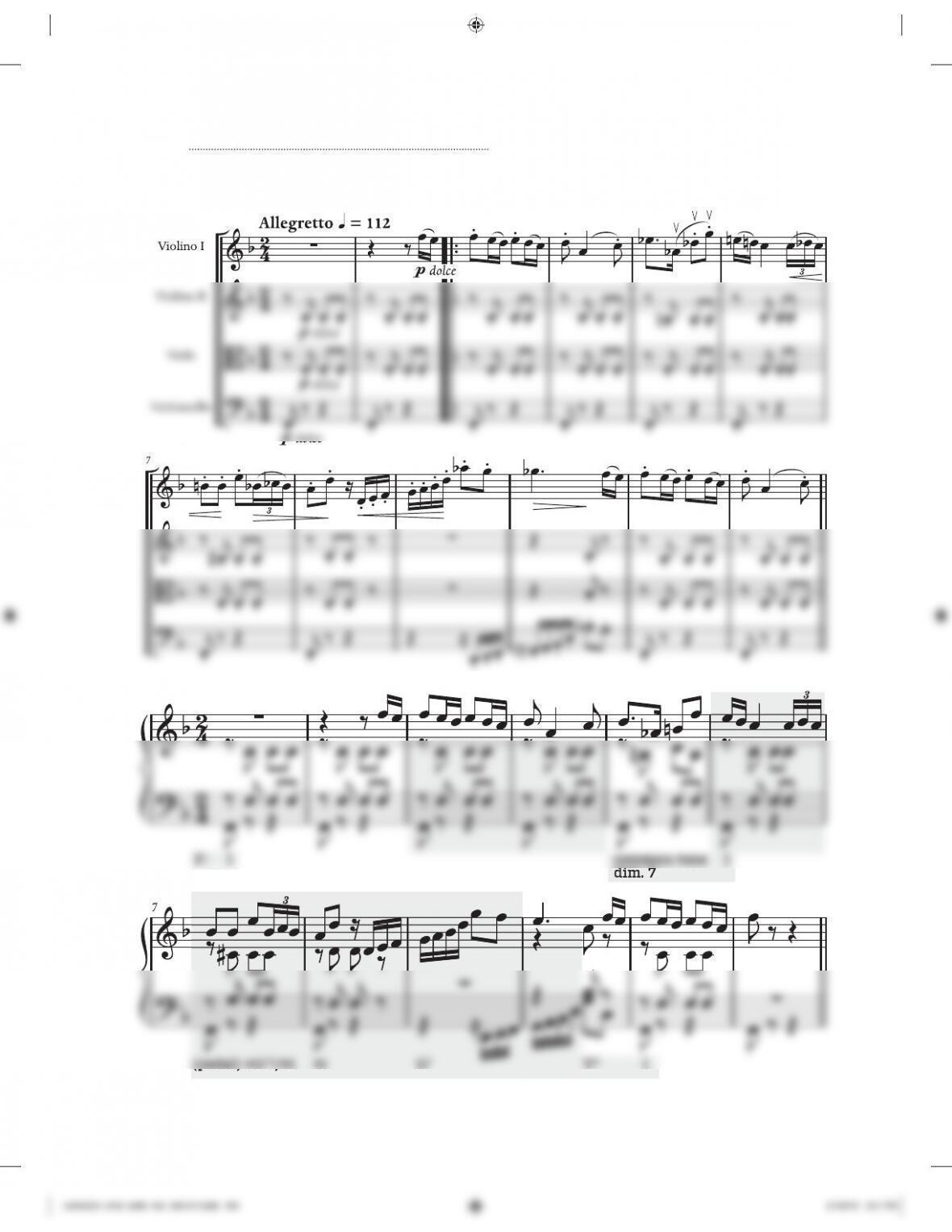
b. Sergey Prokofiev, Classical Symphony, Gavotte
The first phrase of this piece is discussed in the textbook.
608 |CHAPTER 42 |Triadic Post-Tonality
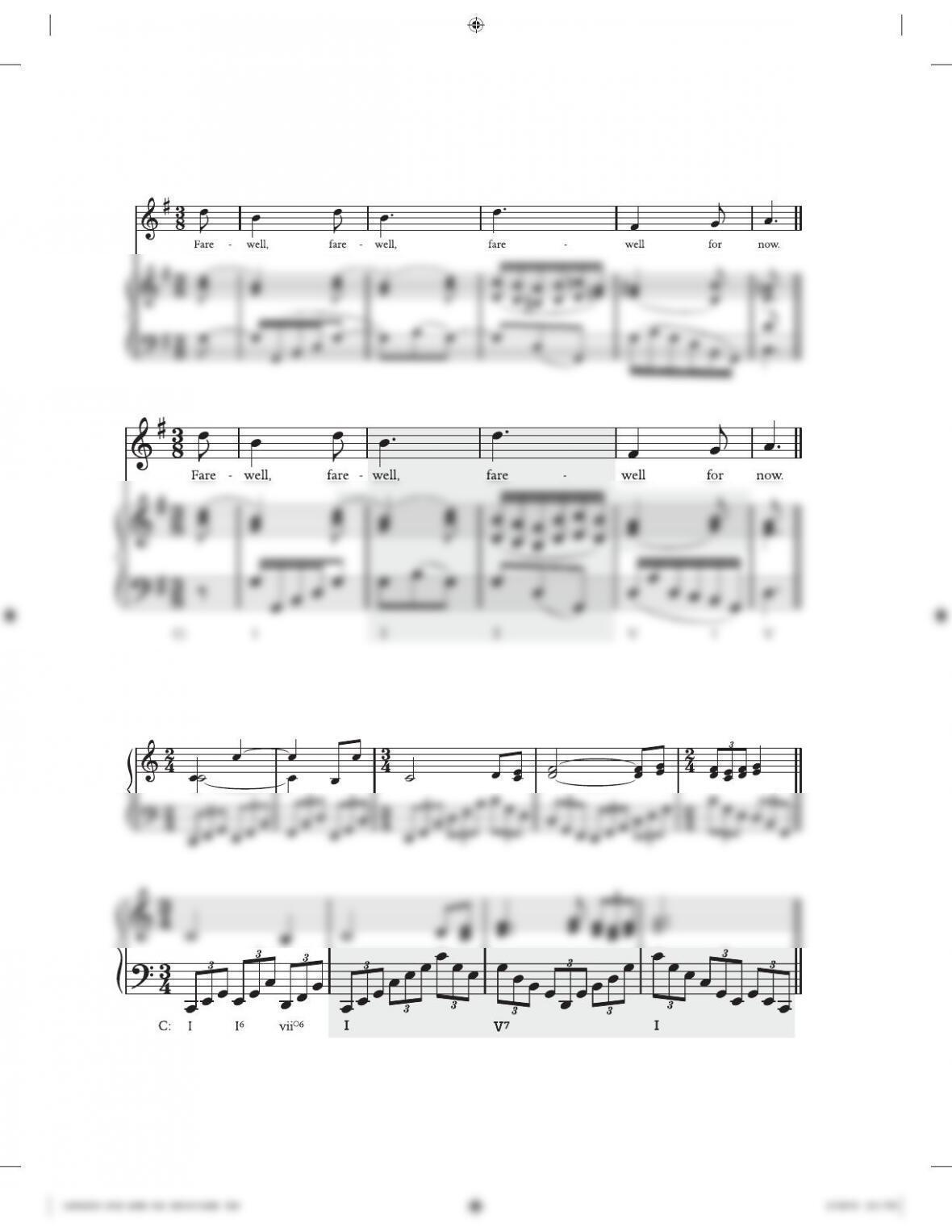
c. Igor Stravinsky, The Rake’s Progress, Act I
The first phrase of this piece is discussed in the textbook.
d. Igor Stravinsky, Piano Sonata
Write your tonal prototype in 3
4 throughout.
F. Analysis |609
NAME:
e. Dmitri Shostakovich, String Quartet No. 3
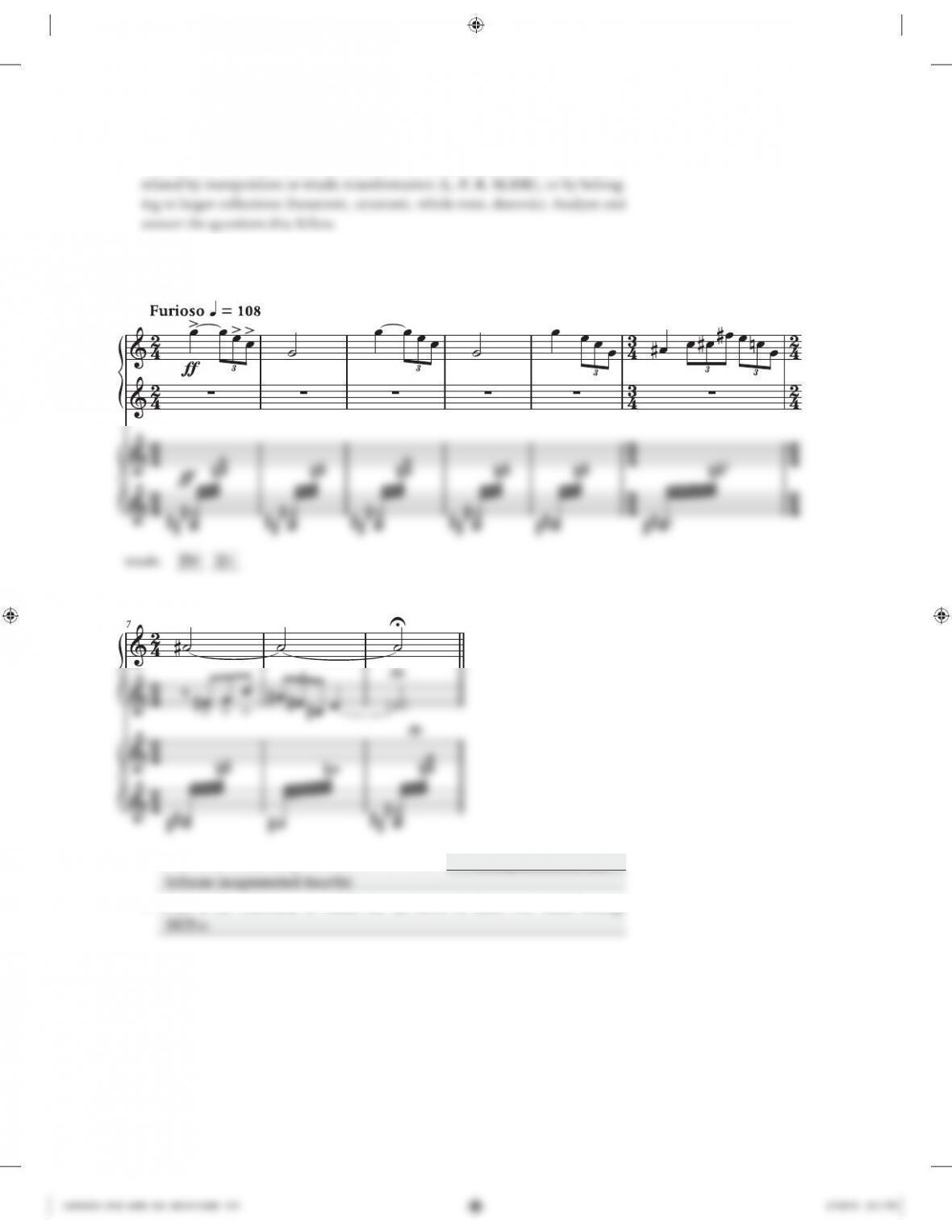
6. Bitonal and bi-triadic music
Each of these examples makes use of different combinations of triads that may be
a. Igor Stravinsky, Petrushka, Second Tableau
Identify the two triads heard in rapid alternation.
• What is the relationship between the two triads? transposition at the
• What is the collection to which the six notes of these two triads belong?
NAME:
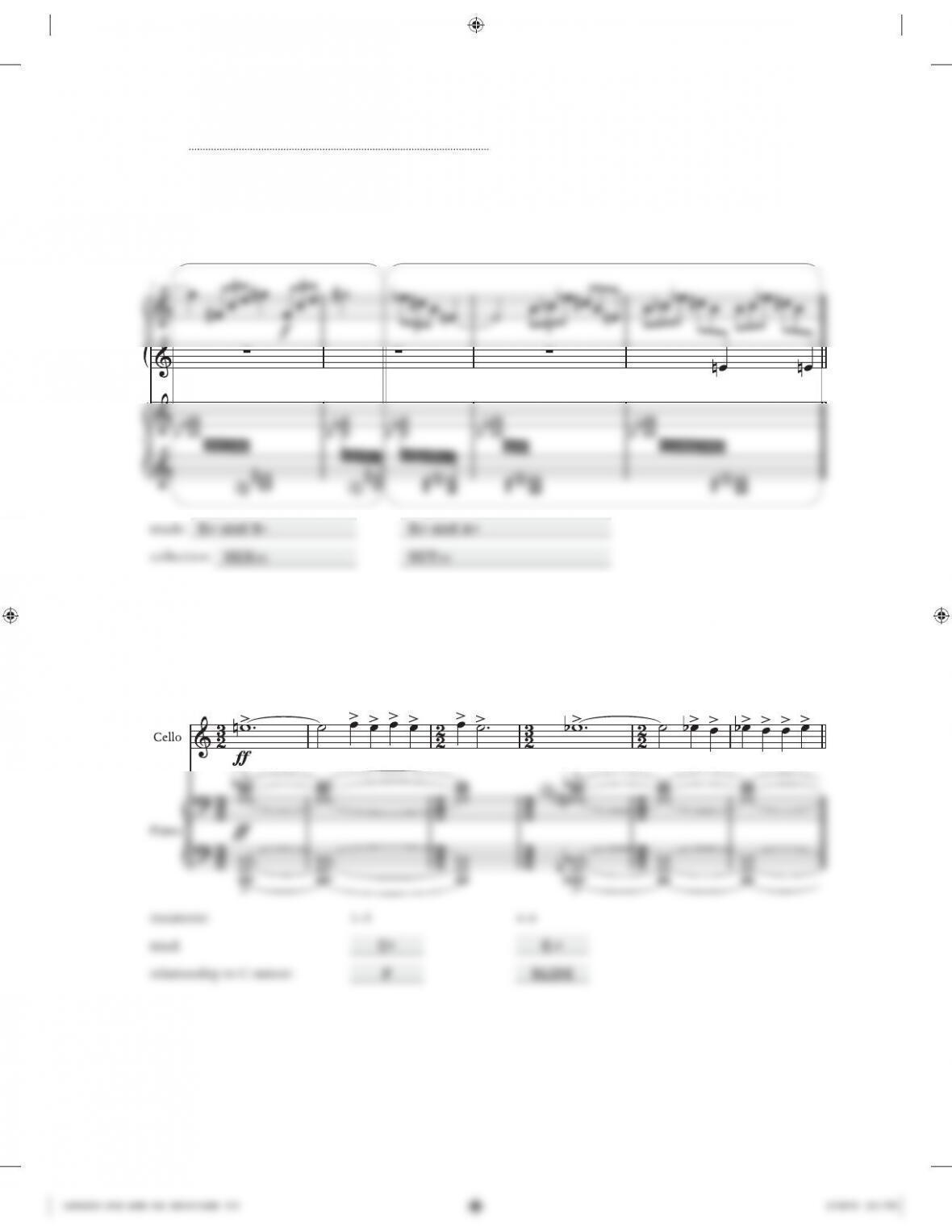
b. Igor Stravinsky, Petrushka, Third Tableau
Identify the two triads heard in rapid alternation within each of the two boxed
passages and a large collection to which each pair belongs.
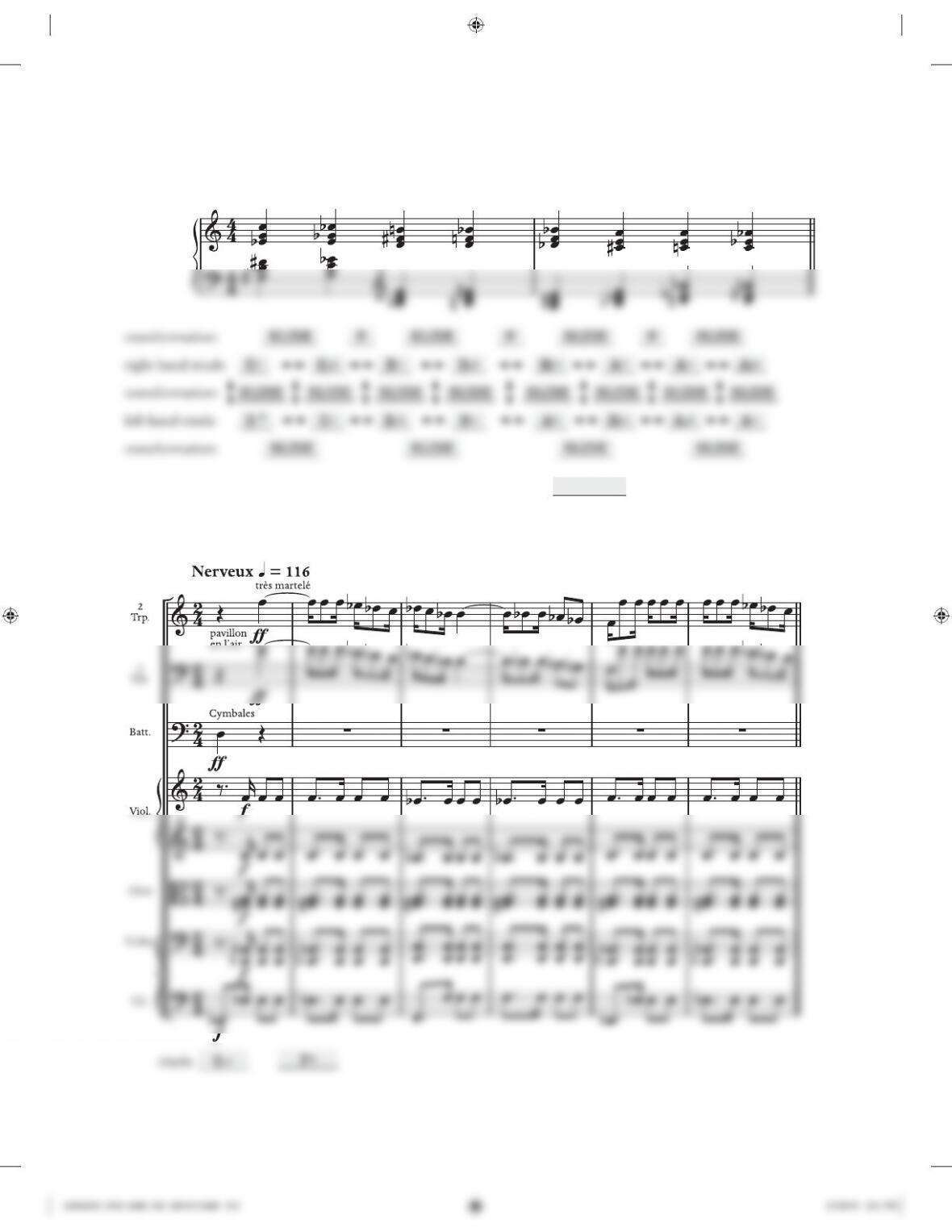
c. Alfred Schnittke, Cello Sonata No. 1, iii
The right hand of the piano in this excerpt features a C-minor triad throughout.
The left hand and cello part combine to form other chords. Complete the table
below with the triads that appear in those outer voices and their relationship to
C minor.
d. Alfred Schnittke, Tuba mirum, from Requiem (celesta and piano parts only)
Fill in the table below with the triads in the left hand and the right hand. Then
identify the transformations that relate simultaneous and successive triads.
Every vertical harmony consists of two triads in what relationship? SLIDE
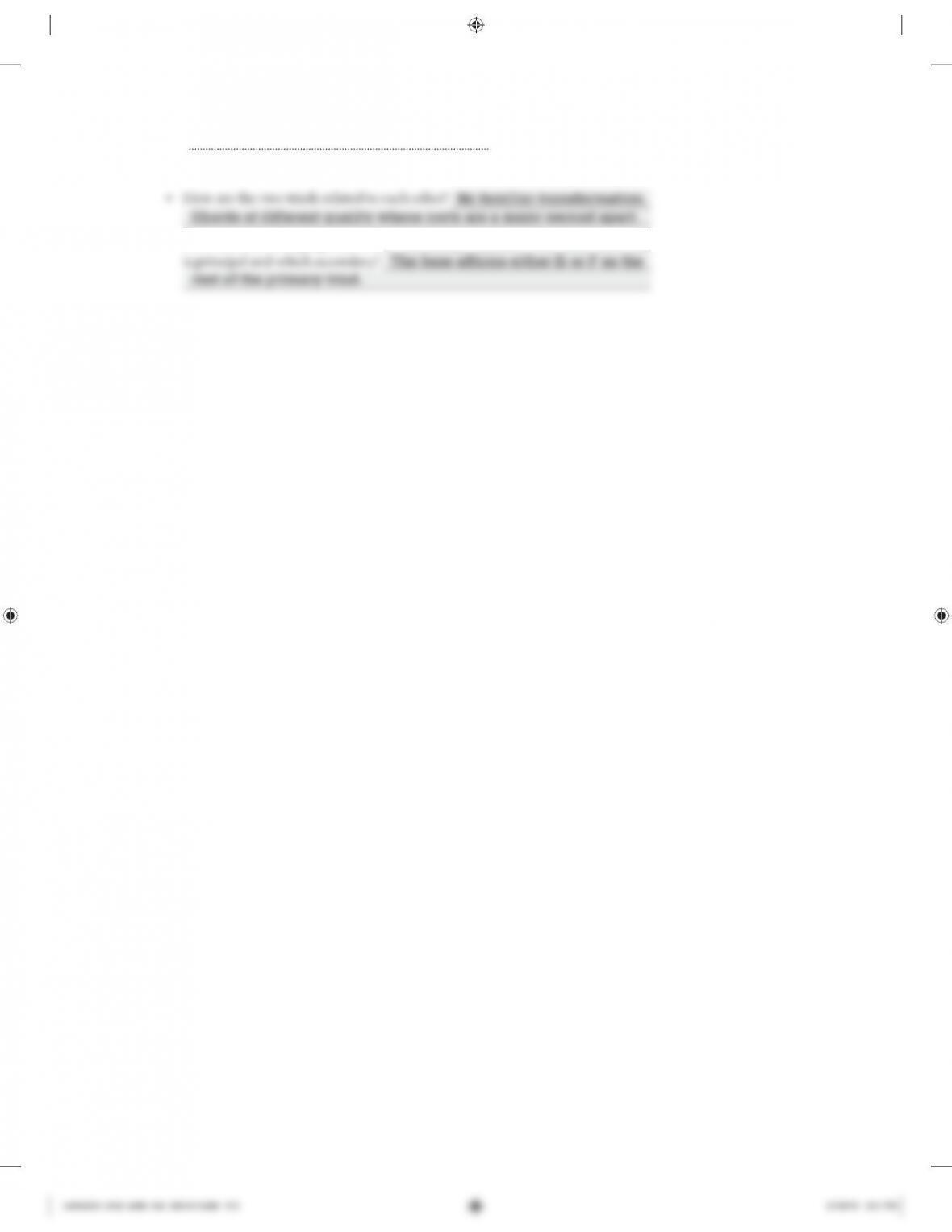
e. Darius Milhaud, “Ipanema,” from Saudades do Brazil
Identify the two triads embedded in the string parts.
NAME:
• How does the changing bass note affect your perception of which of the triads