NAME:
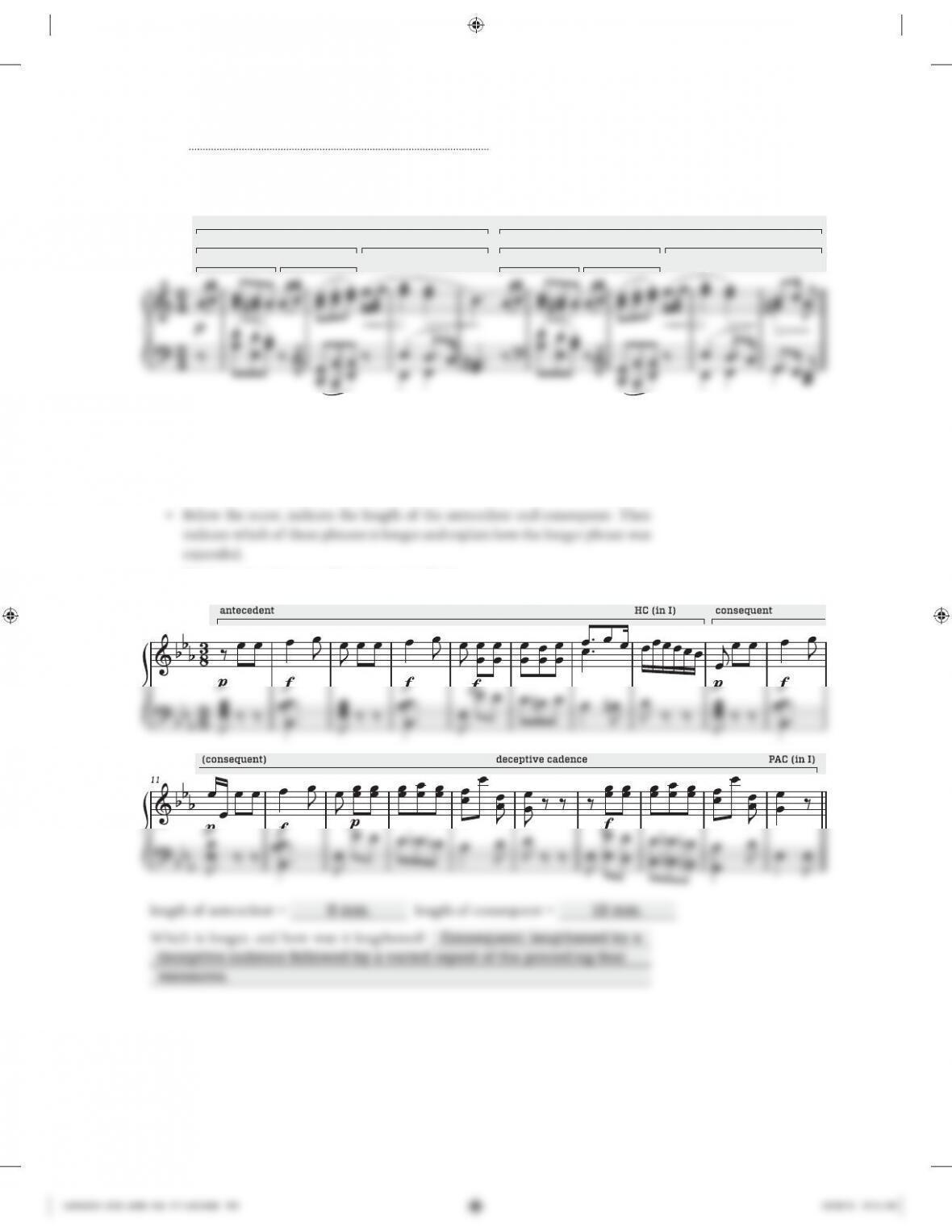
(consequent) PAC
q. Scott Joplin, “The Entertainer”
antecedent
consequentHC
PAC
3. The following passages are each parallel periods in which both antecedent and
consequent are sentences.
• Bracket and label the antecedent and the consequent.
490 | CHAPTER 36 | Periods and Other Phrase Pairs
• Label the start of the presentation and the continuation within each sentence.
• Bracket and label the basic idea and its repetition within each presentation.
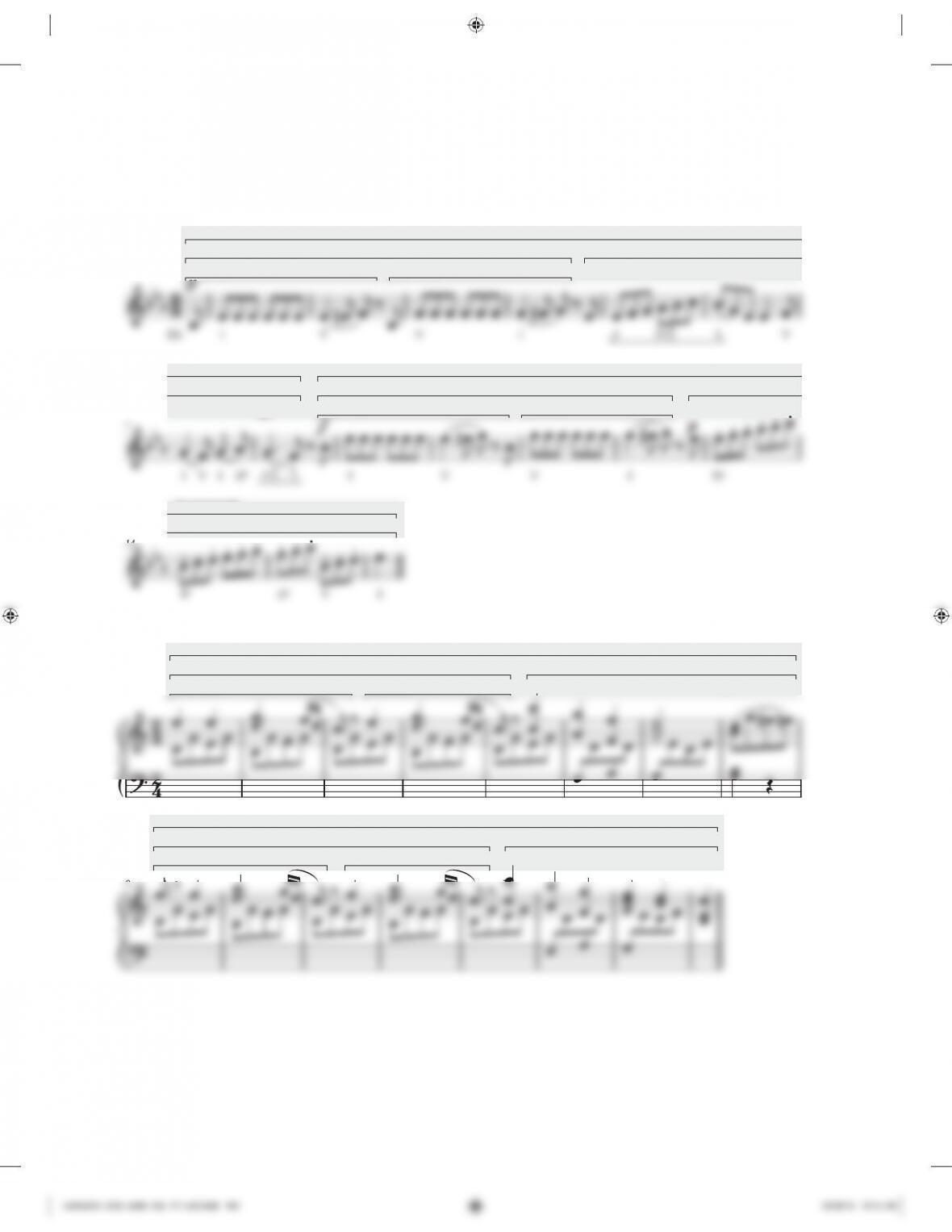
a. W. A. Mozart, Horn Concerto in Eb, K. 447, iii
basic idea repetition
continuationpresentation
antecedent
basic idea repetition
continuationpresentation
consequent(antecedent)
(continuation)
(consequent)
(continuation)
HC
PAC
b. Sophia Dussek, Harp Sonata in G, Op. 2, No. 2, ii
basic idea repetition
continuation
presentation
antecedent
HC
basic idea repetition
continuation
presentation
consequent
PAC
NAME:
c. Robert Schumann, “Armes Waisenkind” (“Poor Orphan Child”)
basic idea repetition
continuation
presentation
antecedent
PACbasic idea repetition
continuation
presentation
consequent
HC
4. The following are parallel periods in which the antecedent and consequent are
different lengths.
• On the score, label the key and type of cadences, and bracket and label the
antecedent and consequent.
a. Marianne Auenbrugger, Piano Sonata in Eb, iii
492 | CHAPTER 36 | Periods and Other Phrase Pairs
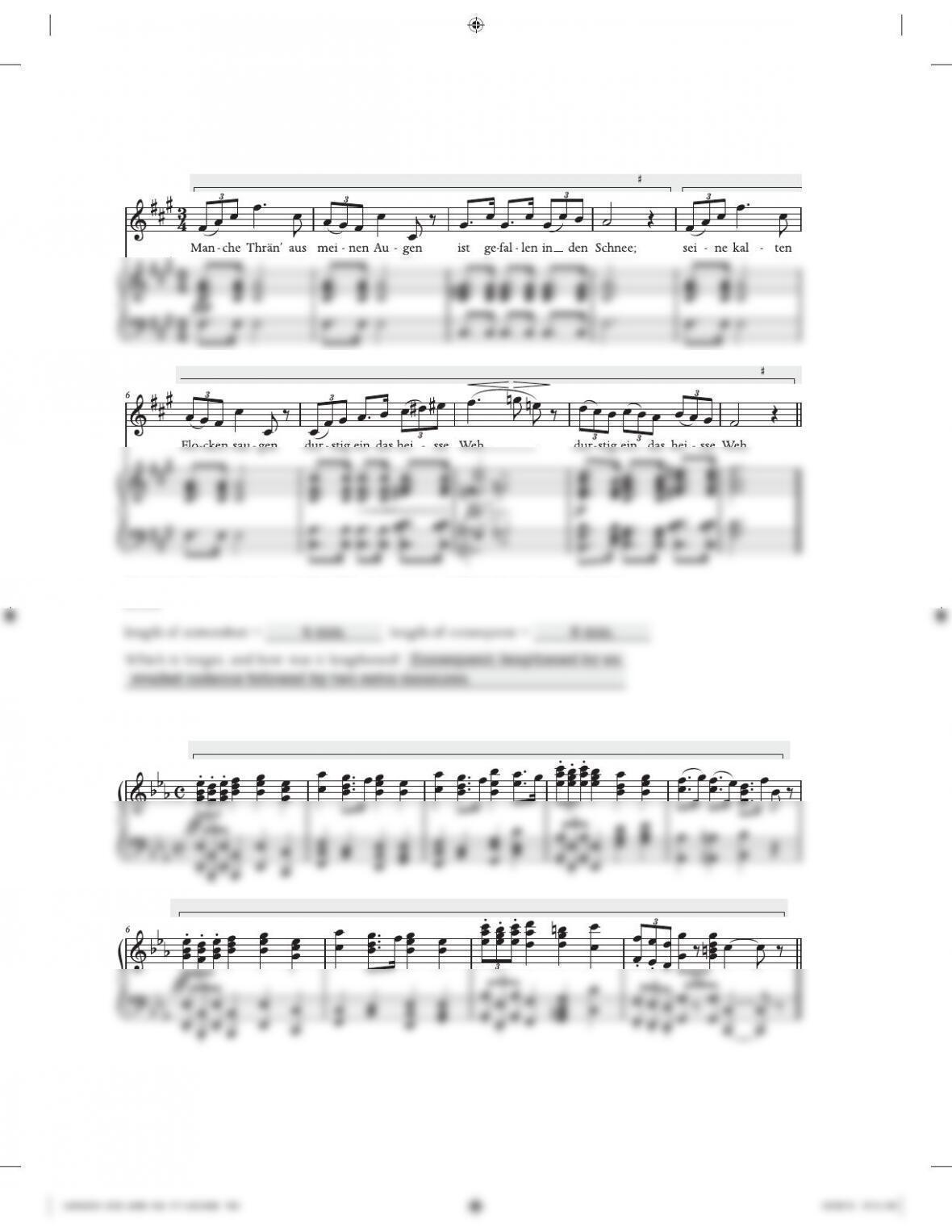
b. Franz Schubert, “Wasseruth” (“Flood Water”), from Winterreise (A Winter’s Journey)
antecedent IAC in i (F min.) consequent
(consequent) PAC in i (F min.)evaded cadence
Translation: Many tears from my eyes have fallen on the snow; its cold akes thirstily absorb my burning
sorrow.
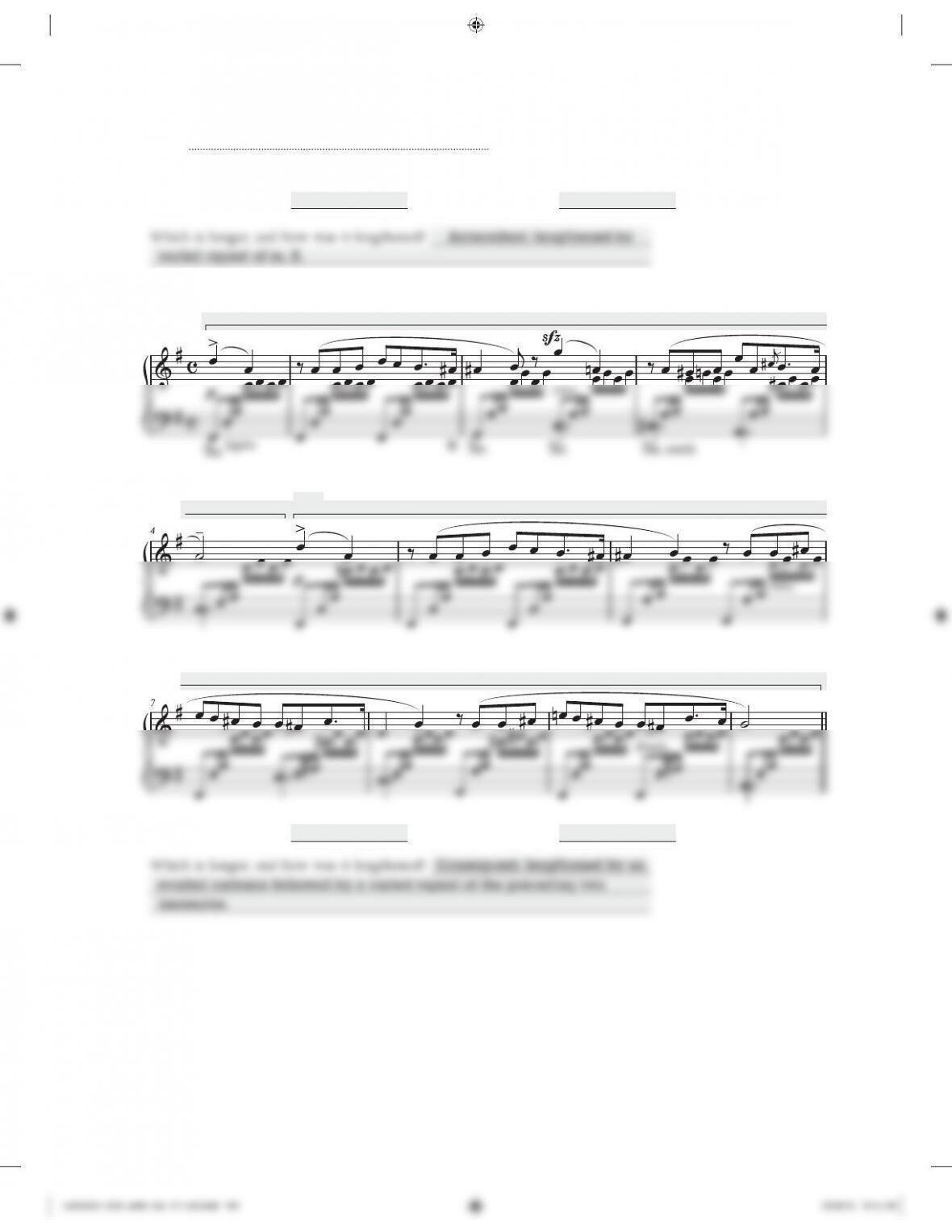
c. Giacomo Meyerbeer, Coronation March, from Le prophète, Act IV
antecedent HC
consequent PAC in vi (C min.)
NAME:
length of antecedent = 5 mm. length of consequent = 4 mm.
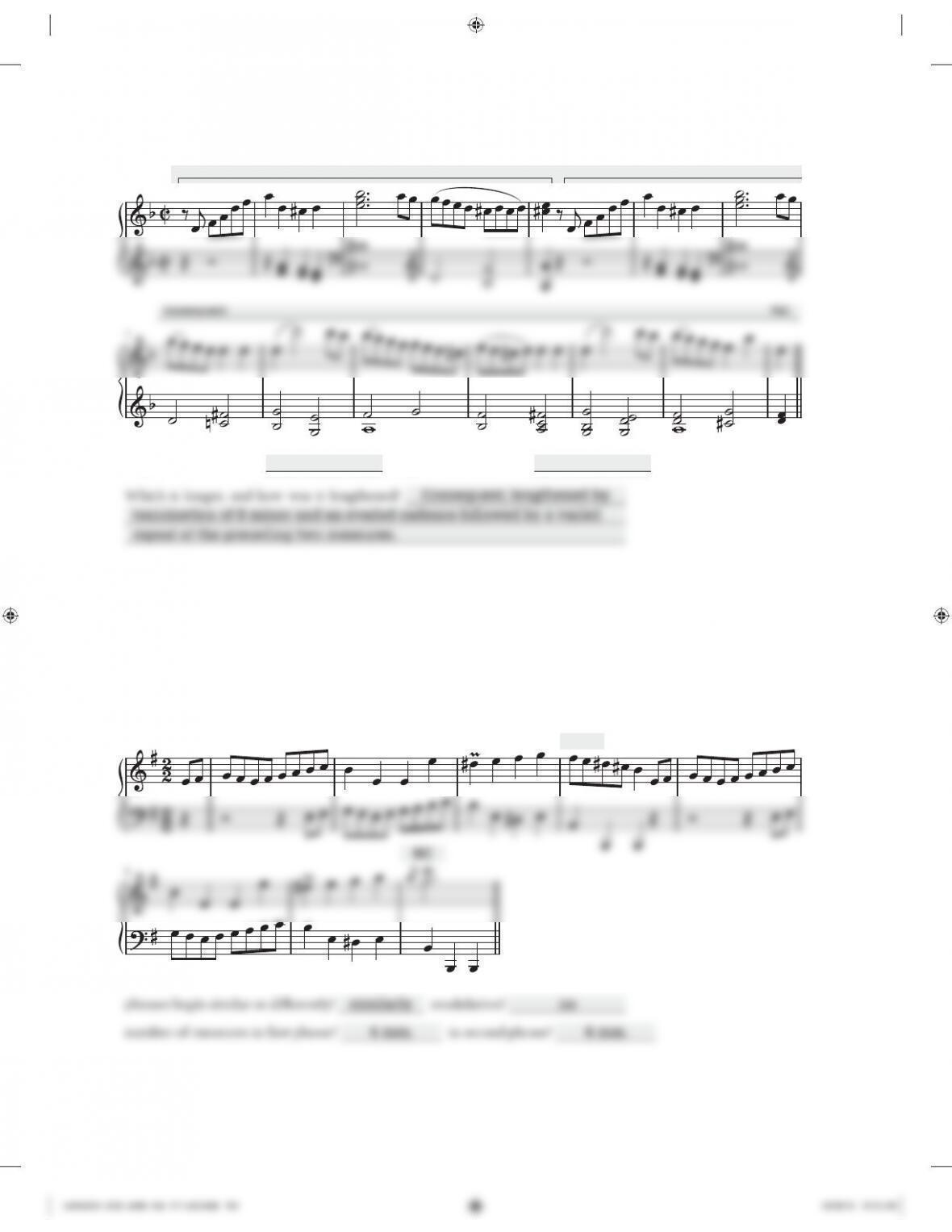
d. Felix Mendelssohn, Songs without Words, Op. 62, No. 1
antecedent
consequent(antecedent) HC
(consequent) PAC in iii (B min.)
length of antecedent = 4 mm. length of consequent = 6 mm.
e. Mozart, Piano Concerto in D Minor, K. 466, iii
antecedent HC consequent
length of antecedent = 4 mm. length of consequent = 9 mm.
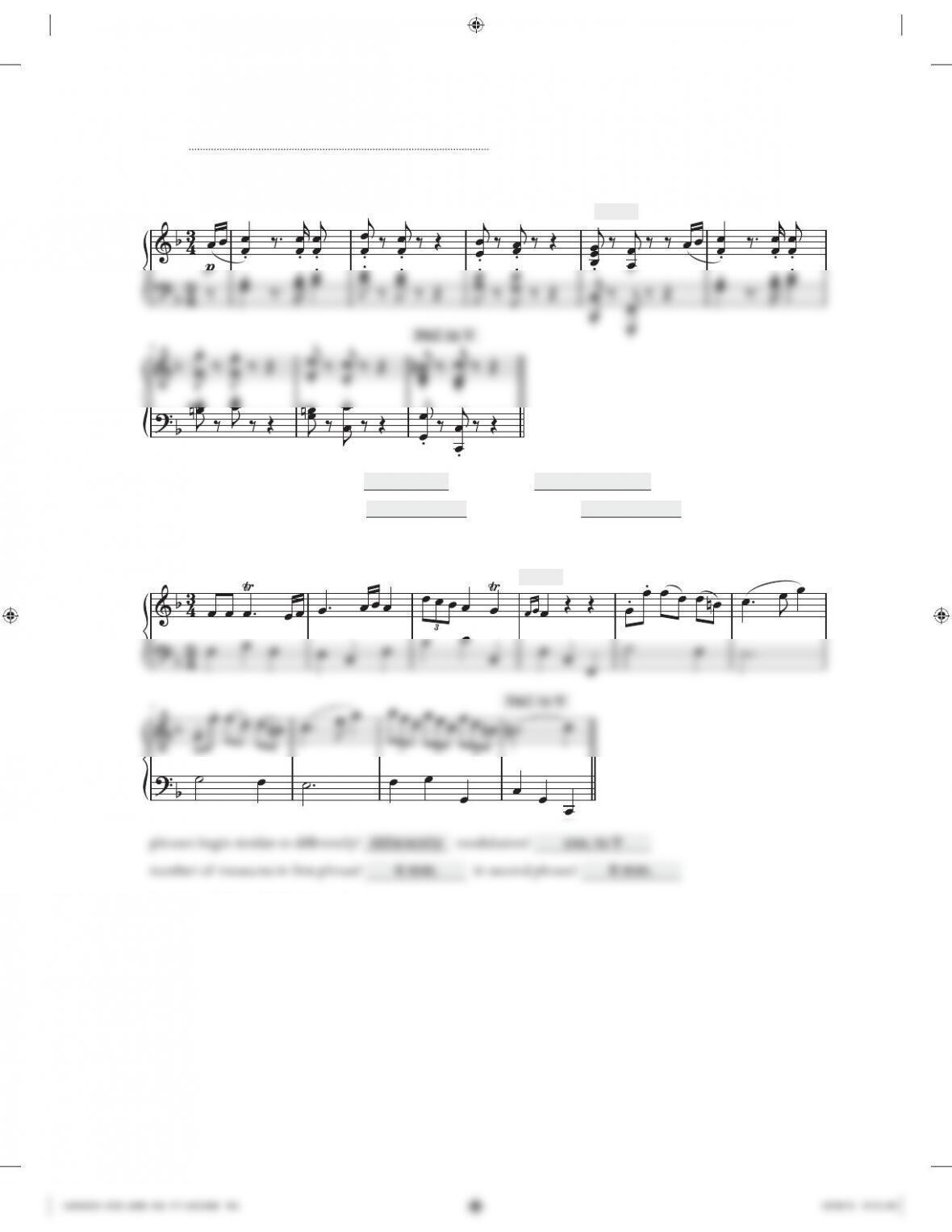
5. The following passages each consist of a phrase pair that is not a period. On the
score itself, label the cadence at the end of each phrase by type and, if there’s a
modulation, by key. On the lines below each score, indicate:
• whether the phrases begin similarly or differently;
• whether there is a modulation within the second phrase (and if so, to what key);
• the number of measures in each phrase.
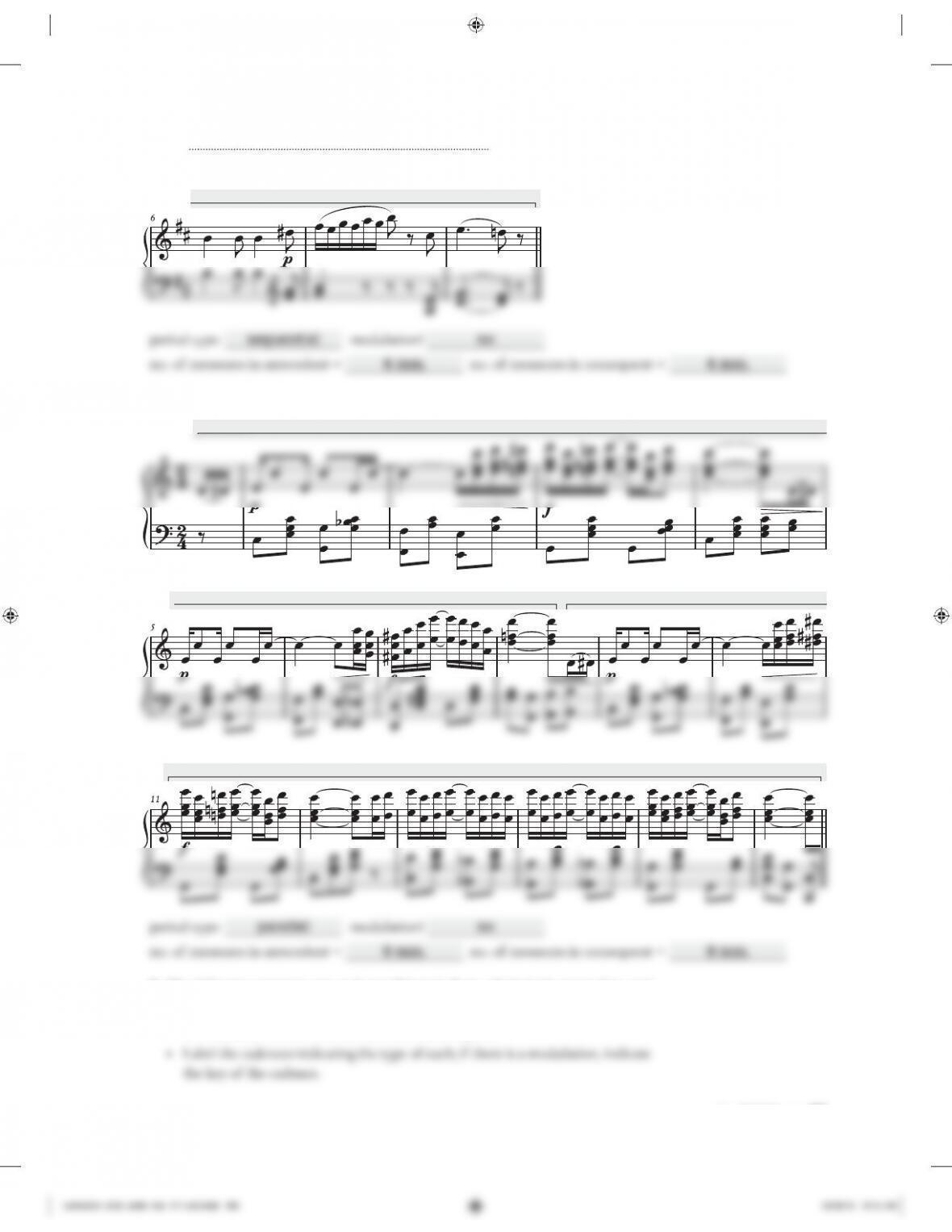
a. Jean-Philippe Rameau, Rigaudon
HC
C. Analysis | 495
NAME:
b. Ludwig van Beethoven, Sonata for Violin and Piano, Op. 24 (“Spring”), iii
PAC
phrases begin similar or differently? similarly modulation? yes, to V
number of measures in first phrase? 4 mm. in second phrase? 4 mm.
c. W. A. Mozart, Minuet, K. 4
PAC
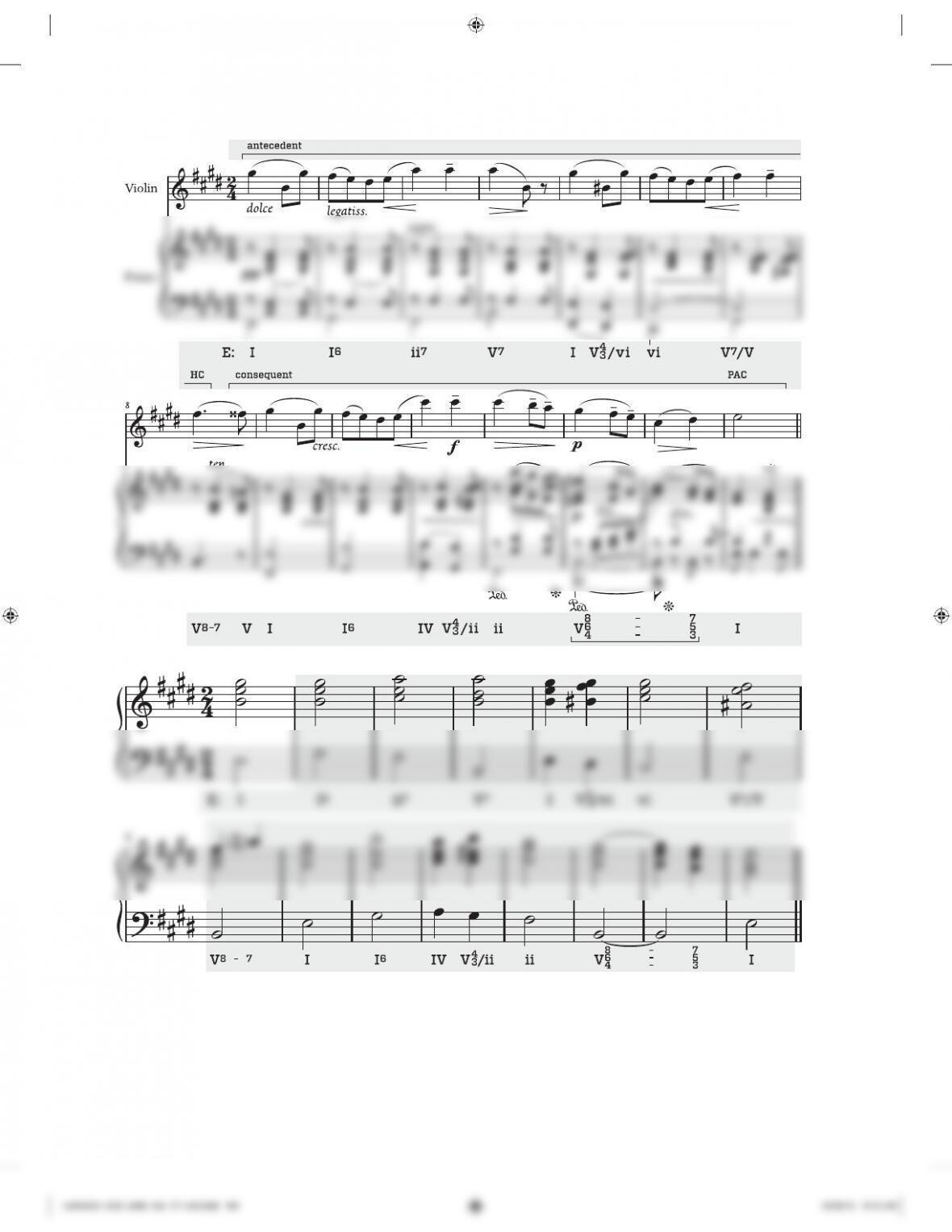
6. Edward Elgar, “Salut d’amour”
• Label the cadences, and the antecedent and consequent phrases on the score.
• Label the Roman numerals.
• On the staves below the score, complete a simplified harmonic model.
• Compose a short parallel period based on this harmonic progression either for
piano, guitar, or an instrument plus piano accompaniment.
496 | CHAPTER 36 | Periods and Other Phrase Pairs
C. Analysis | 497
NAME:
7. The following periods
—
all composed during the late nineteenth or early twentieth
century
—
treat harmony and tonality relatively freely (see also Chapter 47).
• On the score for each passage, label the antecedent and consequent phrases.
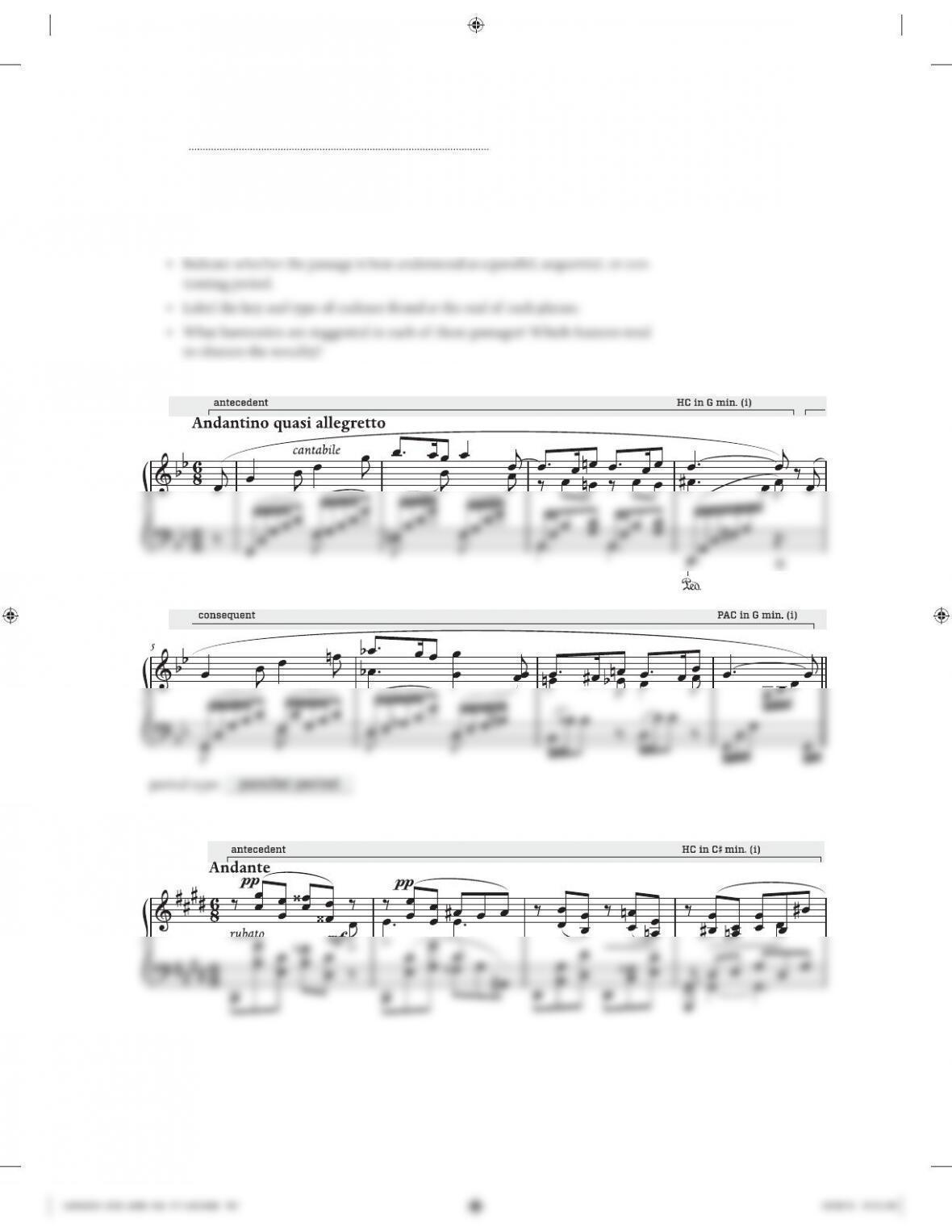
a. Gabriel Fauré, Sicilienne, from Pelléas et Mélisande
b. Aleksandr Scriabin, Prelude Op. 11, No. 10
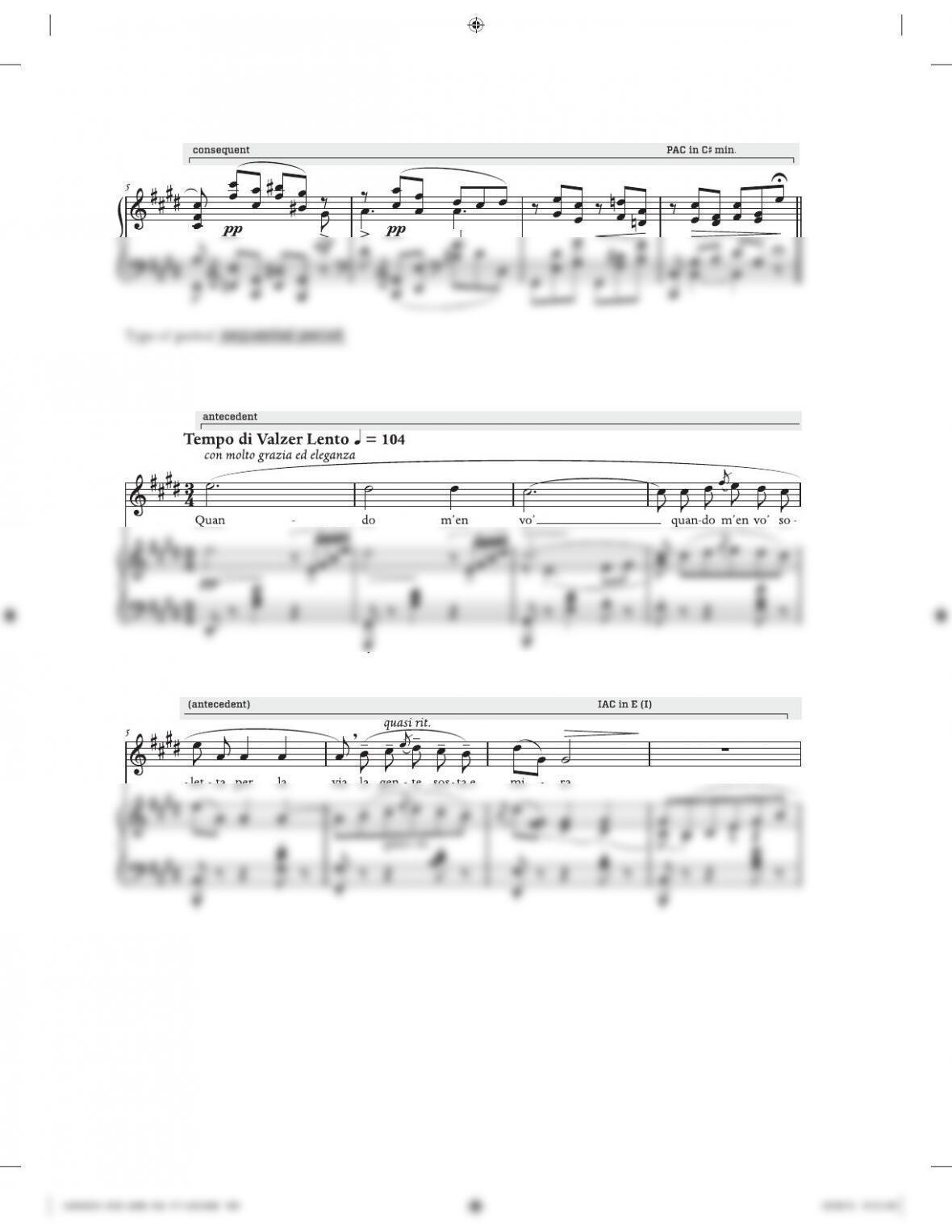
498 | CHAPTER 36 | Periods and Other Phrase Pairs
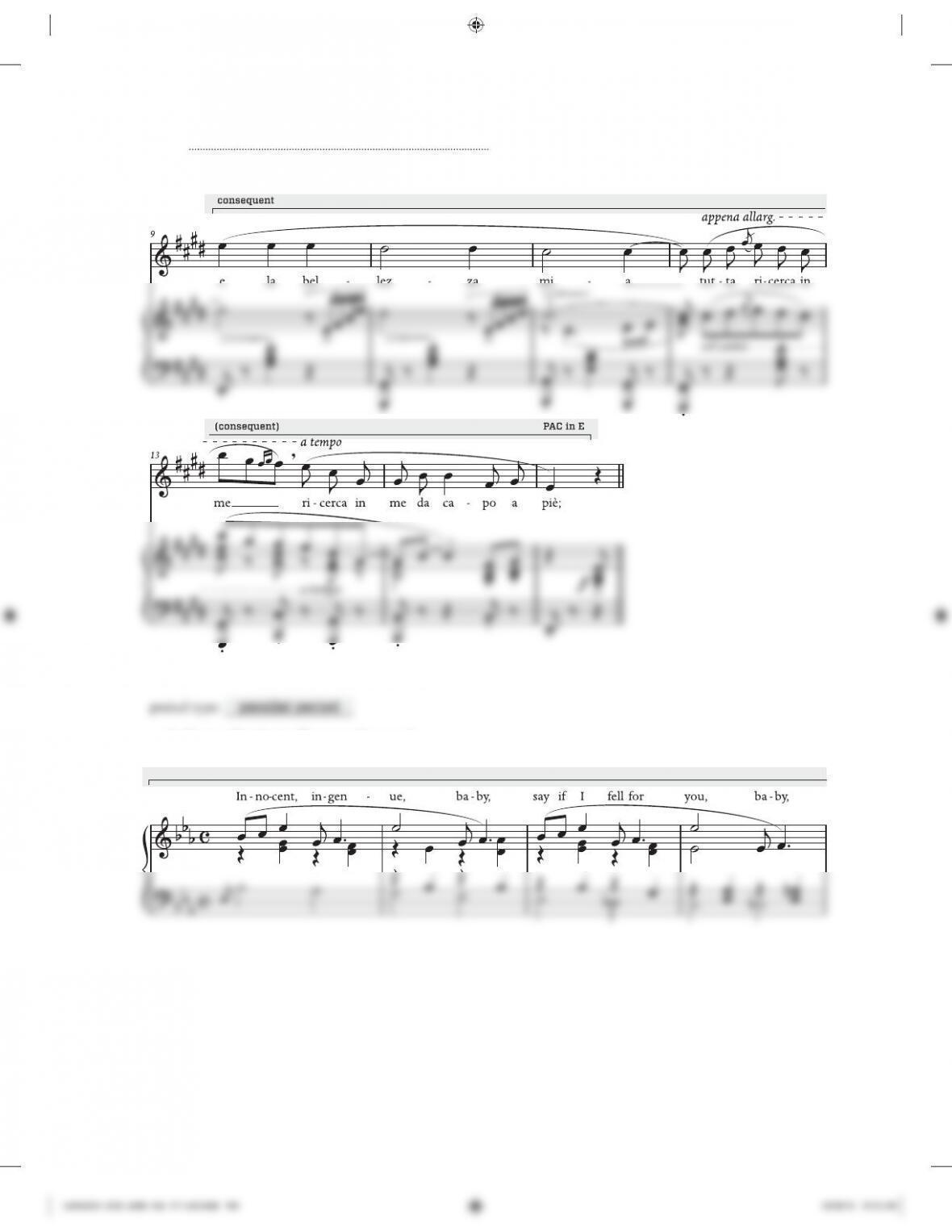
c. Giacomo Puccini, “Musetta’s Waltz,” from La bohème
C. Analysis | 499
NAME:
Translation: When I stroll along the street, people stop and stare, and all admire my beauty from head to toe.
d. George Gershwin, “Innocent Ingenue”
antecedent
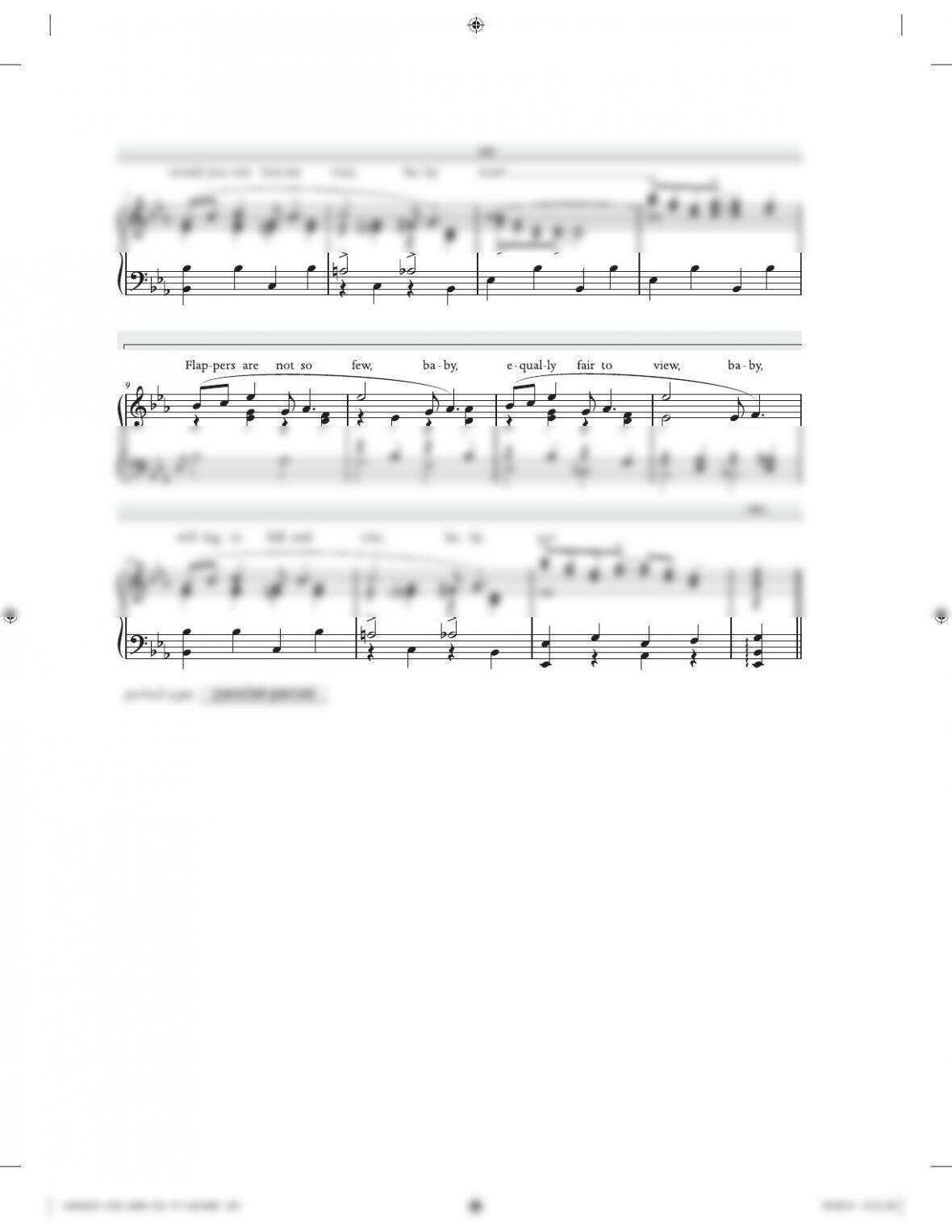
consequent