B. fiSpelling Chords | 419
NAME:
A.fiQUESTIONS FOR REVIEW
1. When does chromatic alteration of chord tones not involve a change of key or
modal mixture?
2. Does chromatic alteration of chord tones change the quality of a chord? Does it
change the basic function of the chord?
3. How does the fifth of an augmented triad resolve?
B.fiSPELLING CHORDS
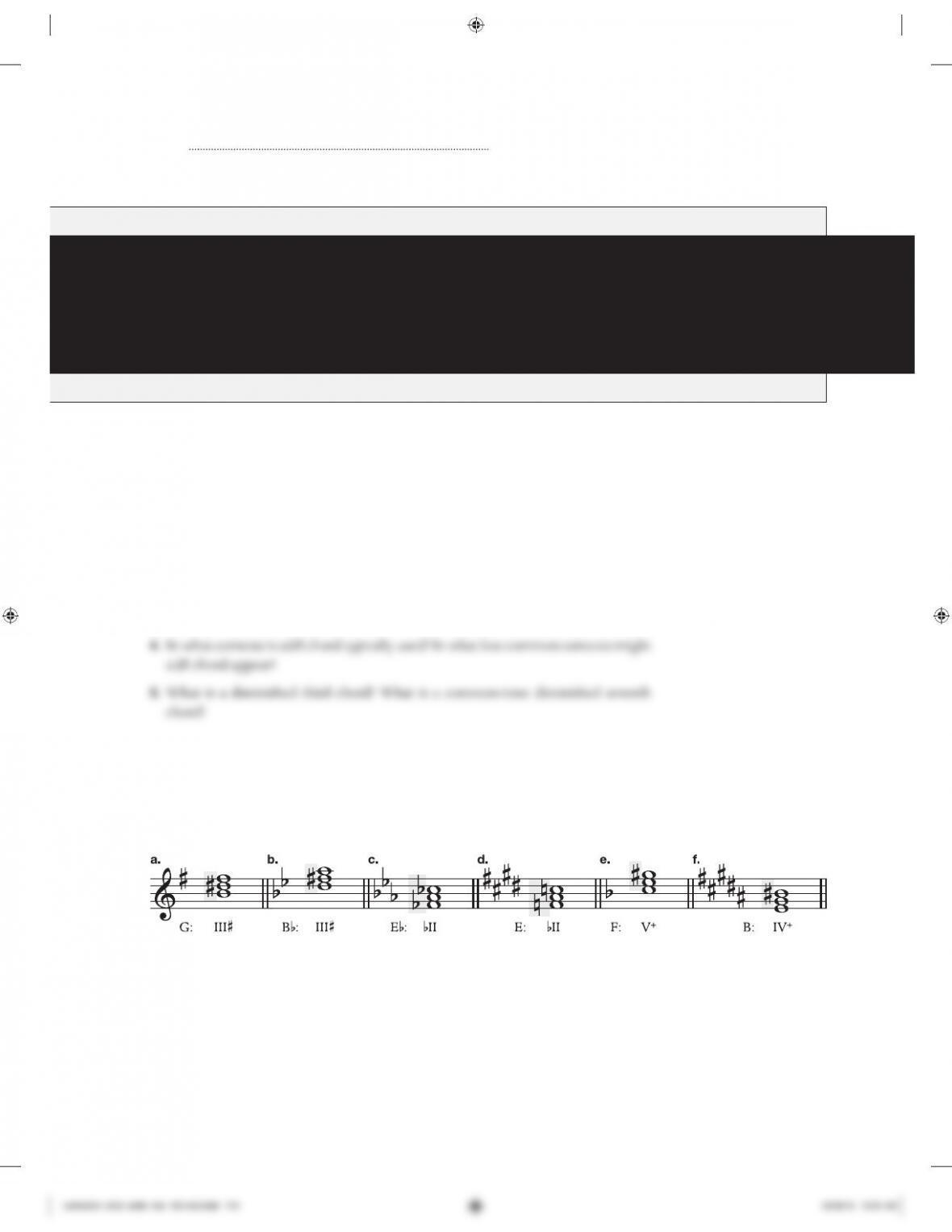
1. Add the accidentals that are missing from these chords.
chapter
32 Other Chromatically
Altered Chords
420 | CHAPTER 32 | Other Chromatically Altered Chords
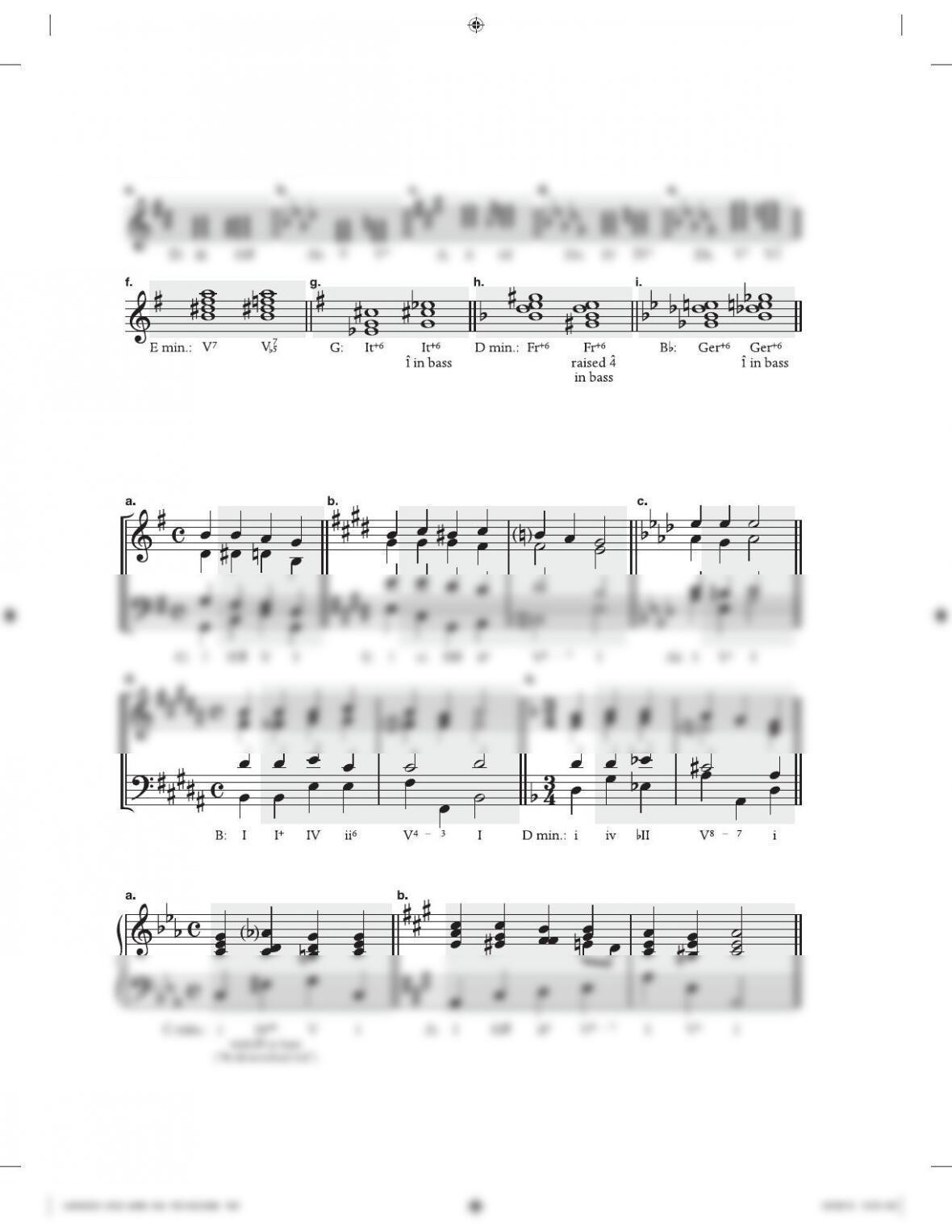
2. Write the following pairs of chords, providing the key signatures and adding
accidentals where needed.
C.fiREALIZING ROMAN NUMERALS
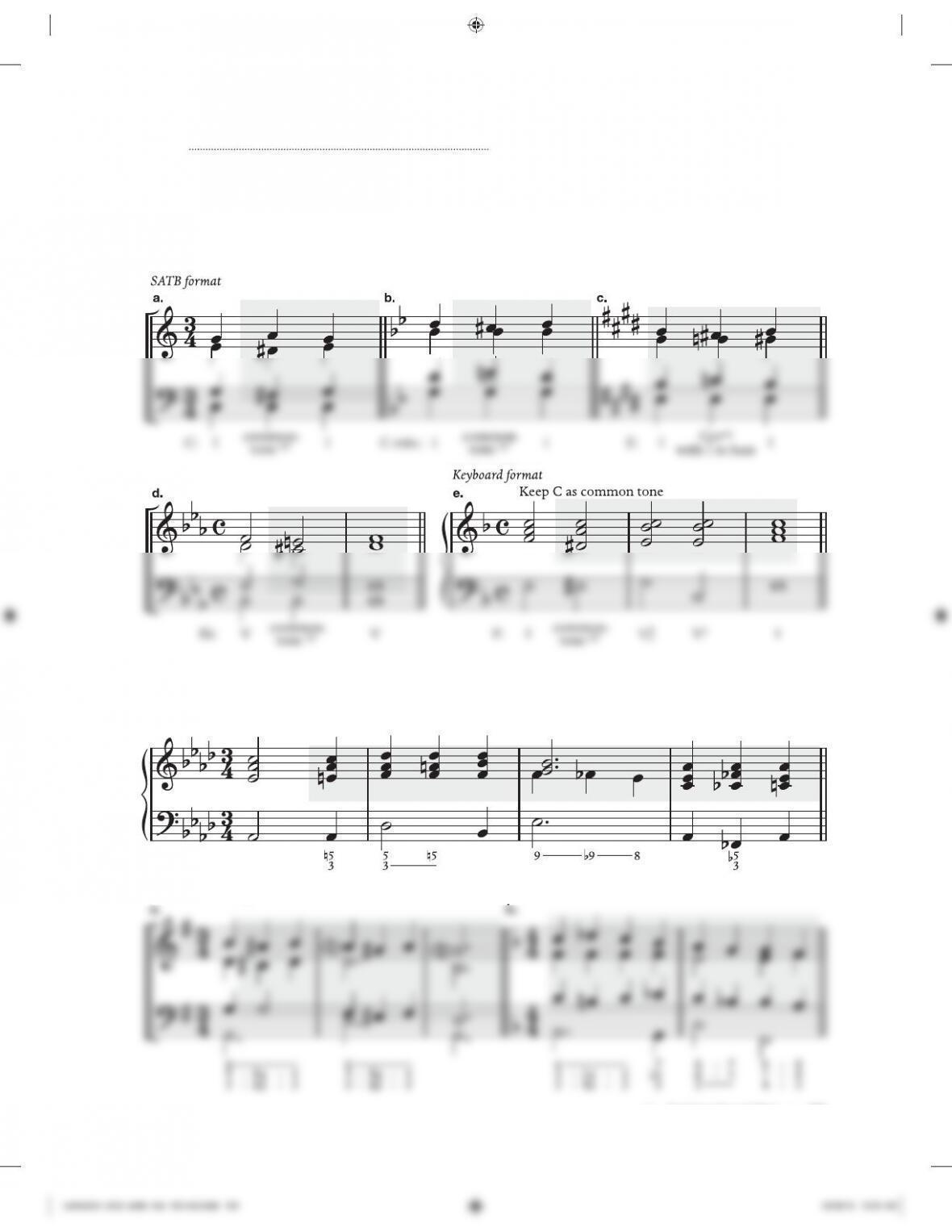
1. Realize the Roman numerals in SATB format.
2. Realize the Roman numerals in keyboard format.
D. fiRealizing Figured Bass | 421
NAME:
3. Realize the Roman numerals. When moving to the chord that follows it, the upper
voices of the common- tone embellishing chords should either remain on the same
note or move stepwise. Note that it may be necessary to double the fifth of the
root- position I chord.
D.fiREALIZING FIGURED BASS
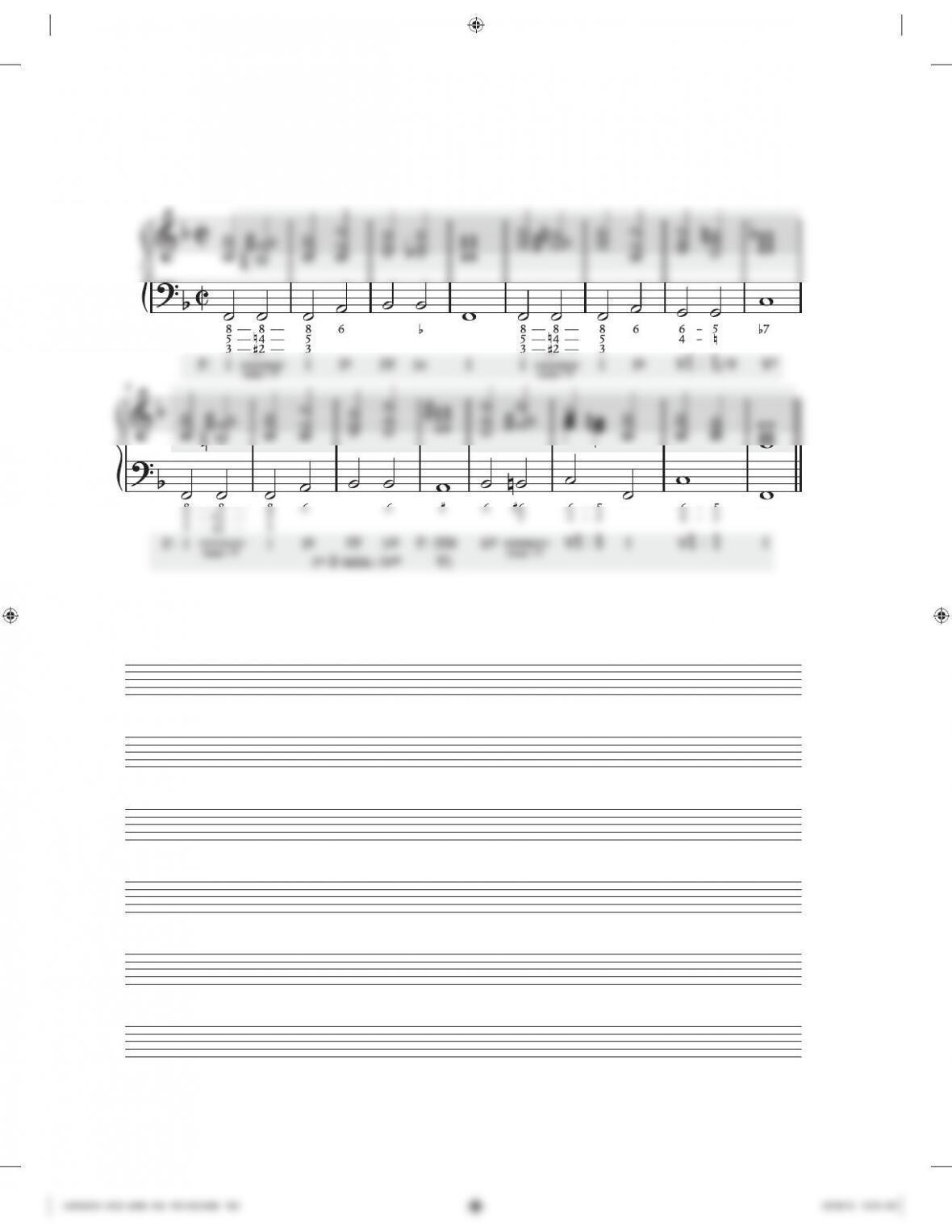
1. Realize the figured bass in keyboard format.
2. Realize the figured bass in SATB format.
422 | CHAPTER 32 | Other Chromatically Altered Chords
E.fiCOMPOSITION
1. Realize the following figured bass. Then label the key and Roman numerals.
2. Compose a piece for keyboard or keyboard and another instrument using the
harmonies in (1).
F. fiAnalysis | 423
NAME:
F.fiANALYSIS
1. Label the chords in the following. Circle the appearance of chromatic chords
discussed in Chapter32.
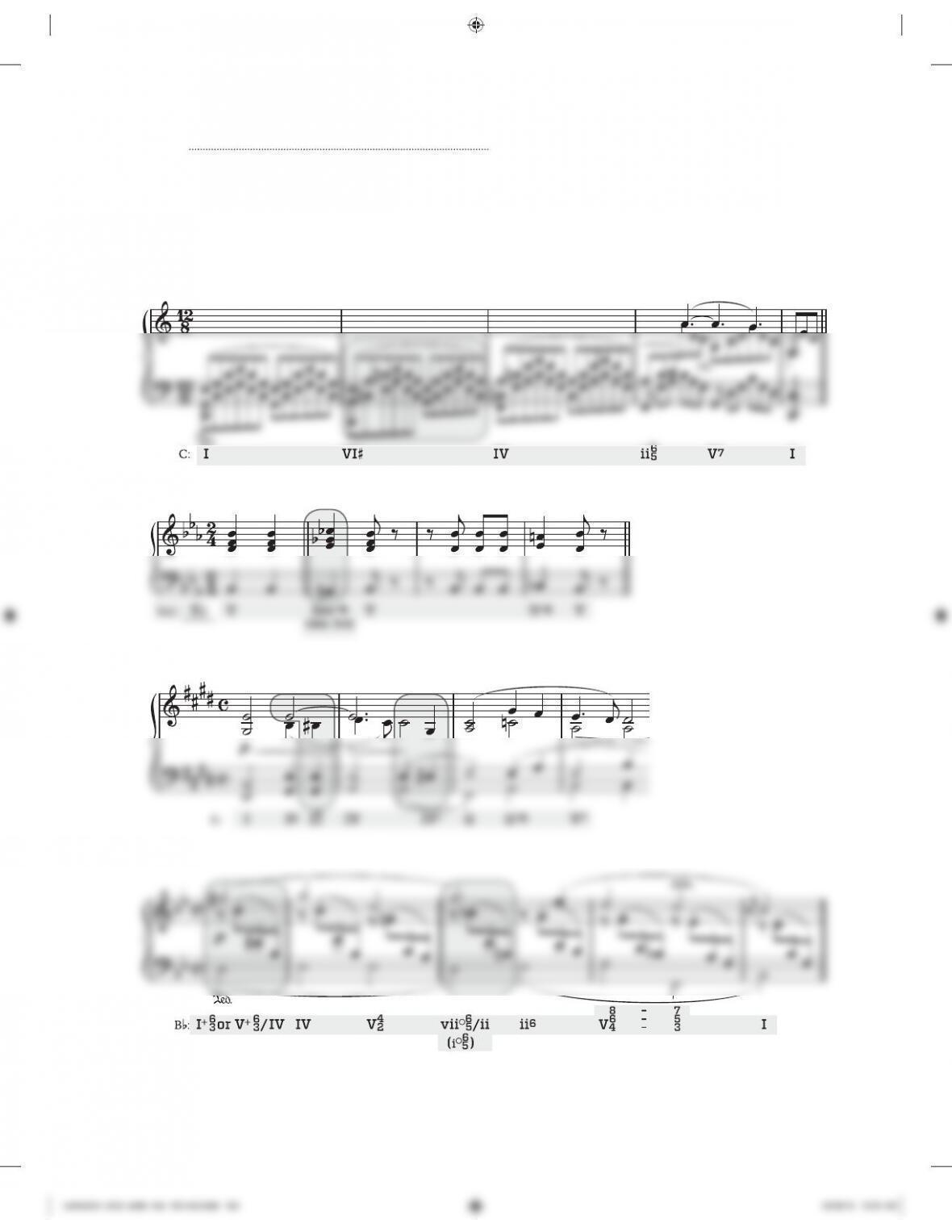
a. Robert Schumann, Fantasy in C, Op.17, iii
b. Giovanni Paisiello, Passione di Gesù Cristo (The Passion of Jesus Christ)
c. Hugo Wolf, “Gebet,” from Mörike Lieder
d. Robert Schumann,“Humoresque”
424 | CHAPTER 32 | Other Chromatically Altered Chords
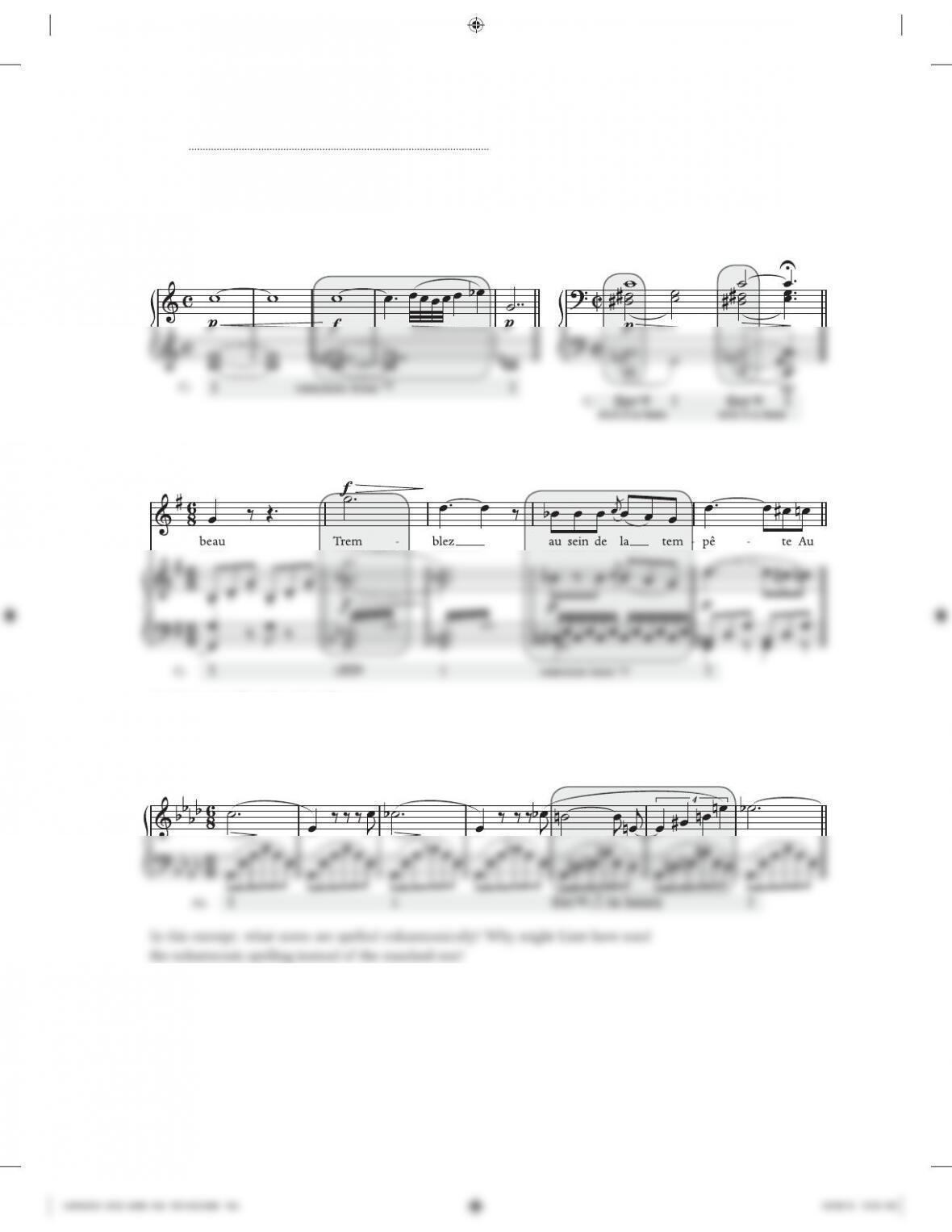
e. Hugo Wolf, “An die Schlaf,” from Mörike Lieder
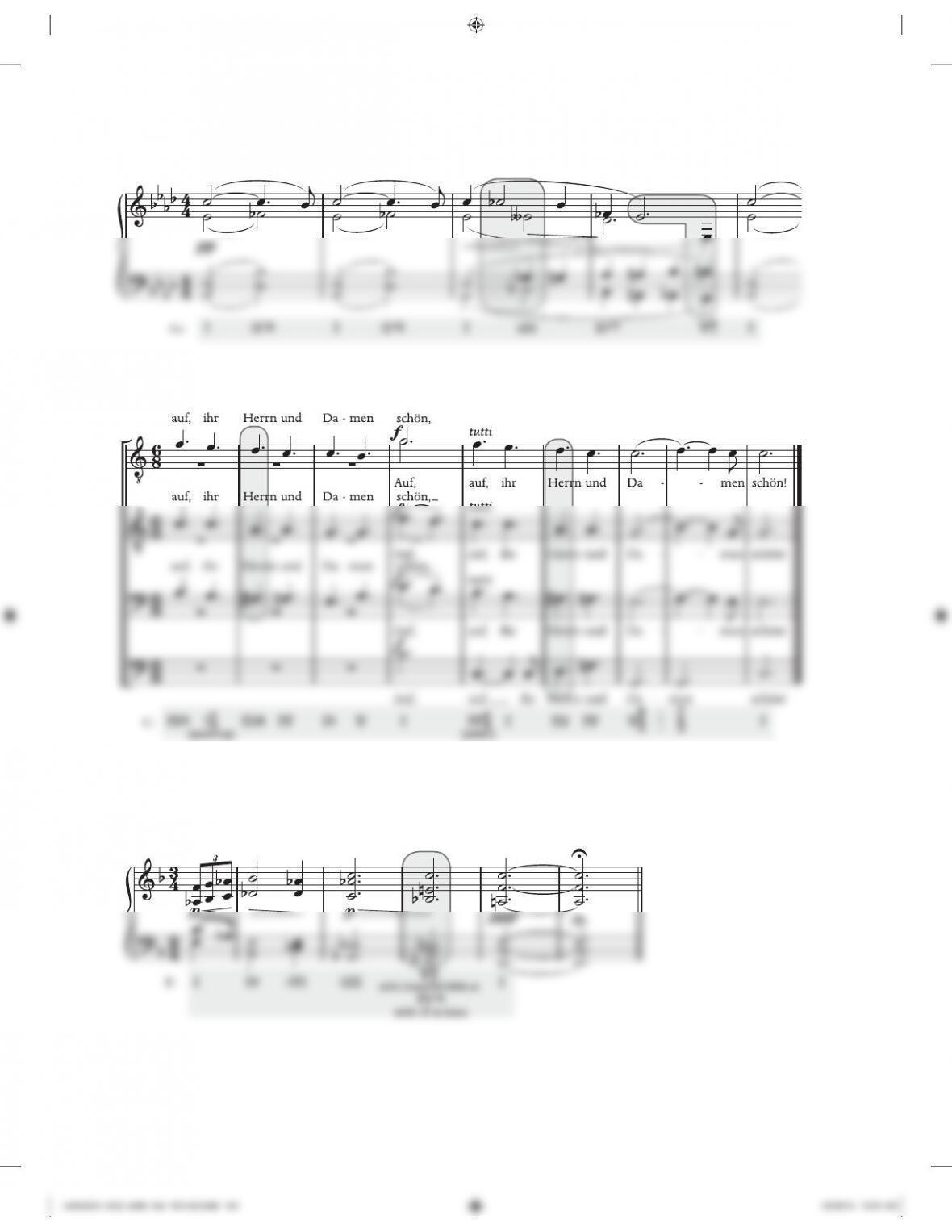
f. Felix Mendelssohn, “Jagdlied,” Op.120, No. 1
Translation: Up and onward, you men and beautiful ladies!
What is unusual about the treatment of the cadential 6
4 in this passage?
g. Antonín Dvoˇrák, The Spectre’s Bride
NAME:
2. Label the Roman numerals and circle the common- tone embellishing chords.
a. Franz Schubert, String Quintet in C, i b. Franz Schubert, “Am Meer,” from
Schwanengesang
c. Stefan Auber, Fra Diavolo, Act I, scene v
Translation: Tremble in the midst of the tempest
d. Franz Liszt, “Freudvoll und leidvoll” (“Joyful and Sorrowful”)
426 | CHAPTER 32 | Other Chromatically Altered Chords
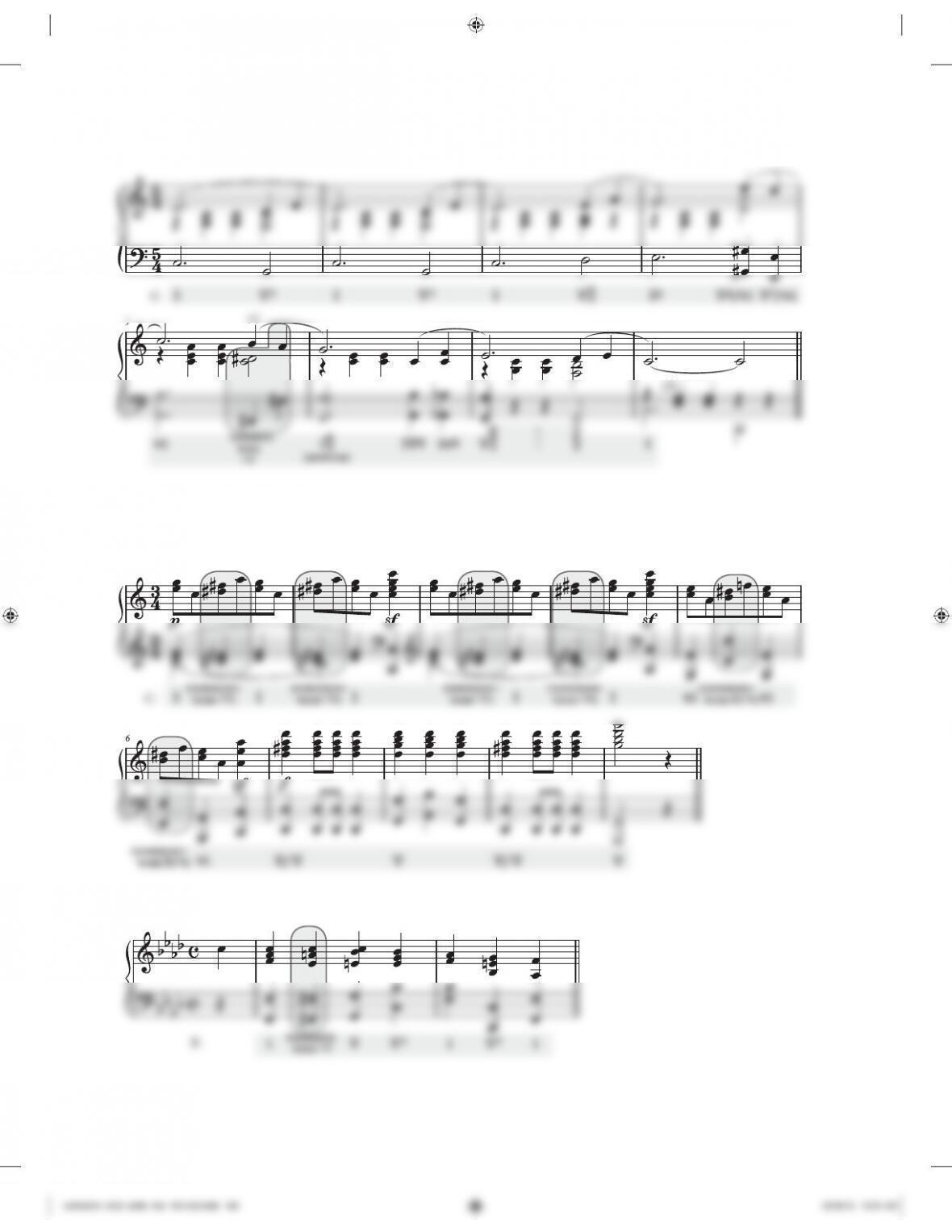
e. James Reese Europe, “Castles’ Half and Half ”
f. Franz Schubert, Waltz, Op.9, No. 31
• Label only one chord per measure.
• Then circle and describe the common- tone embellishing chords.
g. Alex Rogers, “I’m a Jonah Man,” from In Dahomey
F. fiAnalysis | 427
NAME:
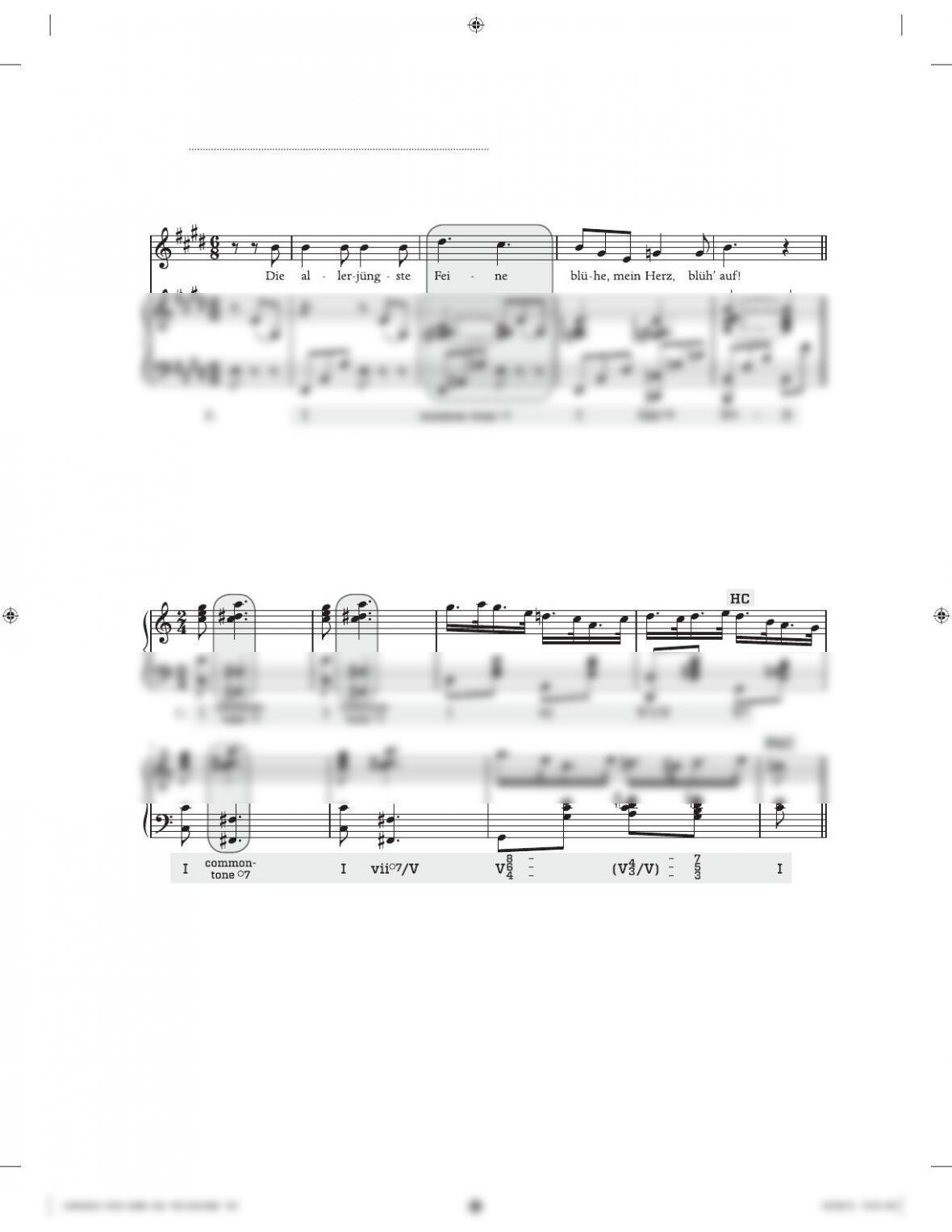
h. Alma Mahler, “In meines Vaters Garten” (“In My Father’s Garden”)
Translation: The youngest of the three— bloom my heart, bloom forth!
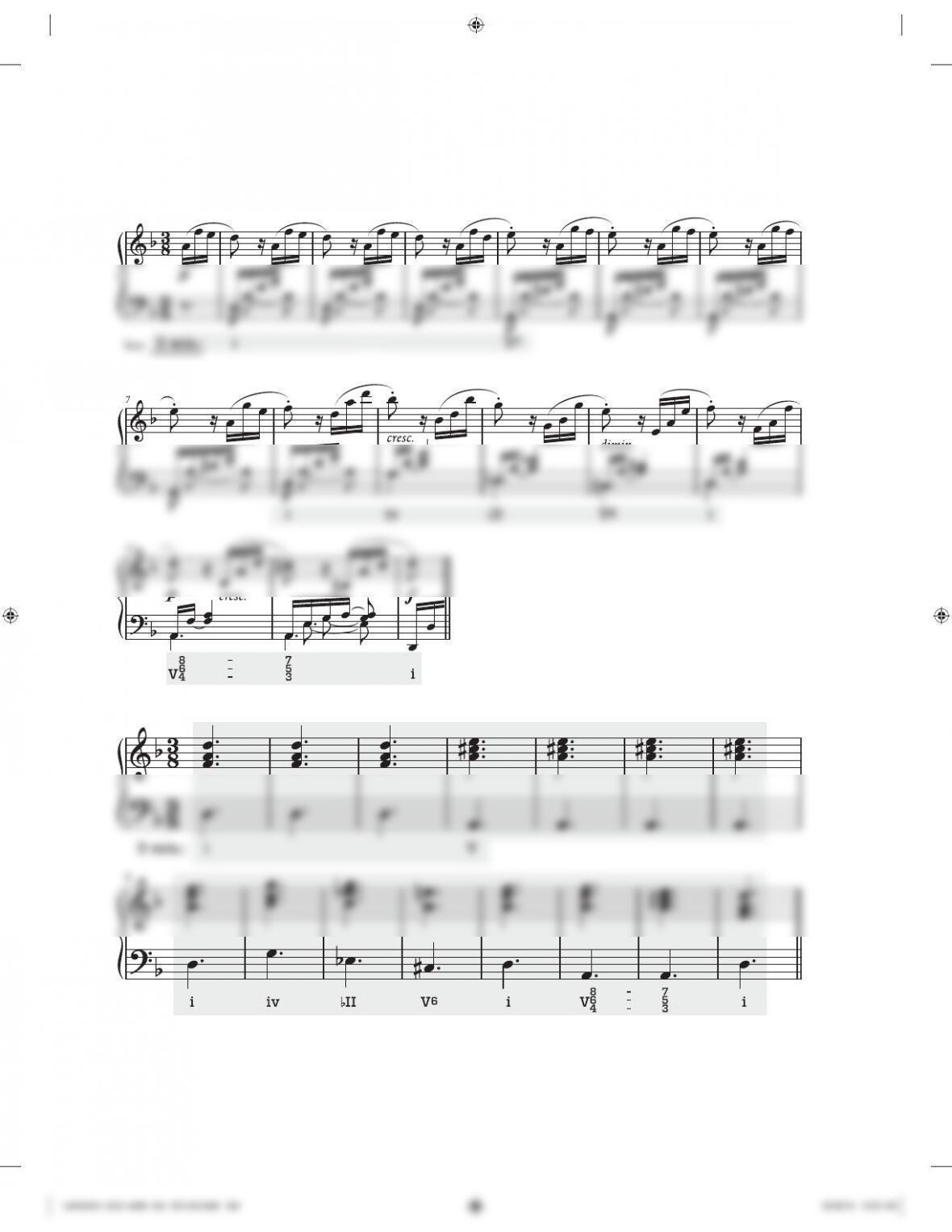
i. Tom Turpin, “A Ragtime Nightmare”
In addition to labeling the harmonies, locate and identify the cadences. An
applied chord appears between a cadential 6
4 and its resolution to V7.
428 | CHAPTER 32 | Other Chromatically Altered Chords
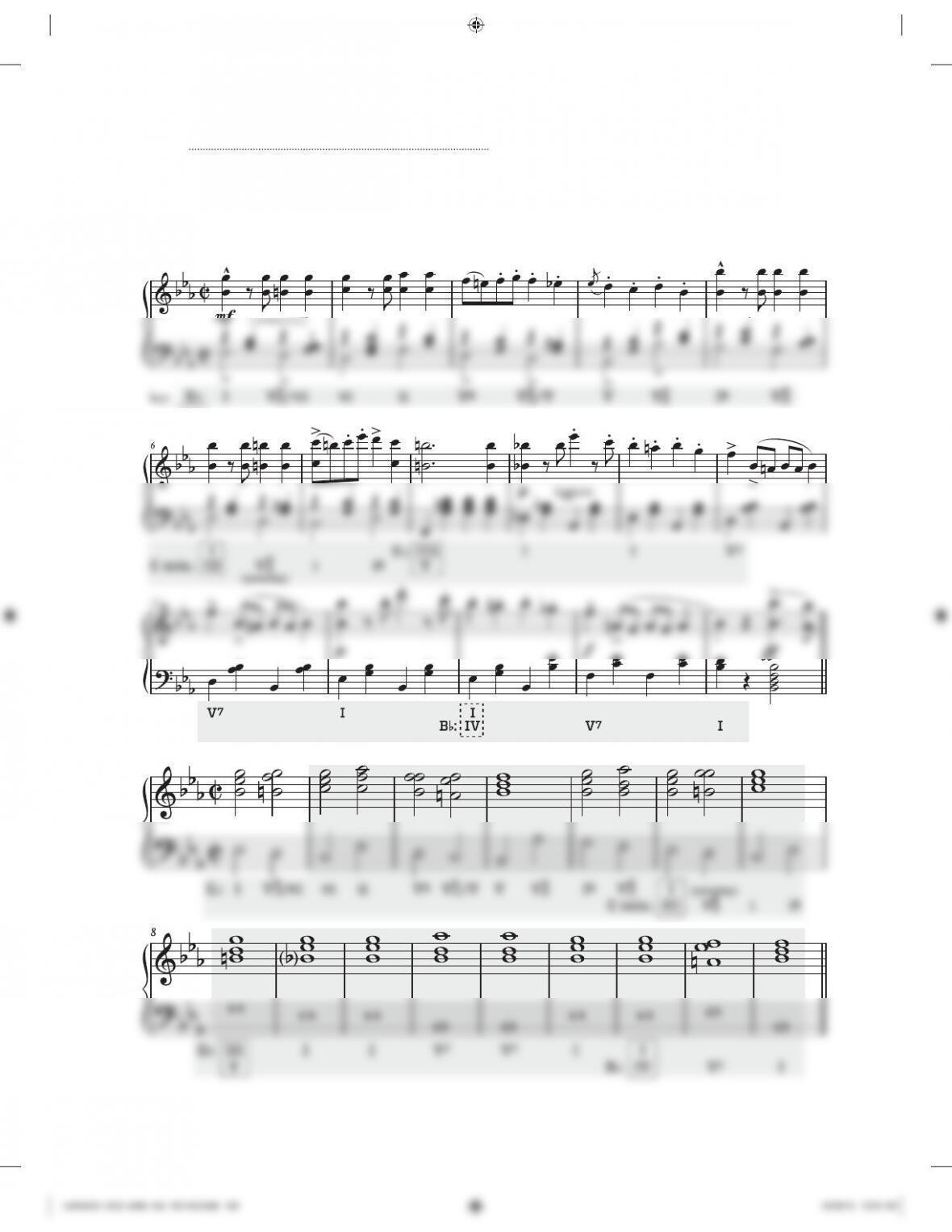
3. Label the key and Roman numerals. On the staves below each excerpt, complete a
simplified harmonic model in four- part harmony, keyboard format.
a. Ludwig van Beethoven, Piano Sonata, Op.31, No. 2 (“Tempest”), iii
F. fiAnalysis | 429
NAME:
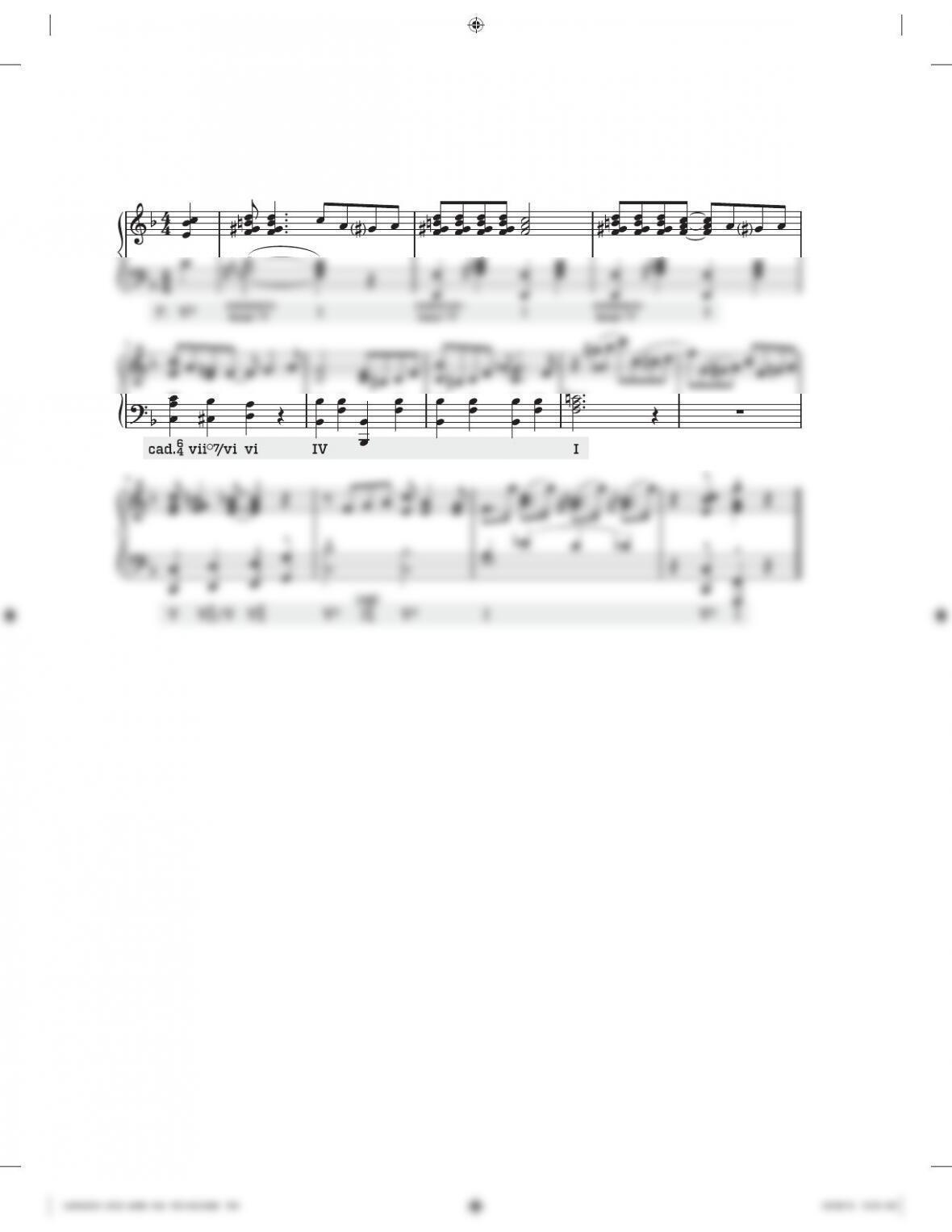
b. John Philip Sousa, “Stars and Stripes Forever”
Label two chords per measure for the first seven measures, and one chord per
measure for the remainder.
430 | CHAPTER 32 | Other Chromatically Altered Chords
4. W. C. Handy, “Hesitating Blues”
Label the Roman numerals.
• Describe some of the striking rhythmic features of the piece.
• At one point, a cadential 6
4 resolves in an unusual way. In what measure does this
occur? How is it unusual?