B. Spelling Borrowed Chords | 381
NAME:
A. QUESTIONS FOR REVIEW
1. What is modal mixture?
2. Why is motion between parallel major and minor keys not considered to be
modulation?
3. What is a borrowed chord?
4. What scale degrees are usually altered in a borrowed chord? What are the most
B. SPELLING BORROWED CHORDS
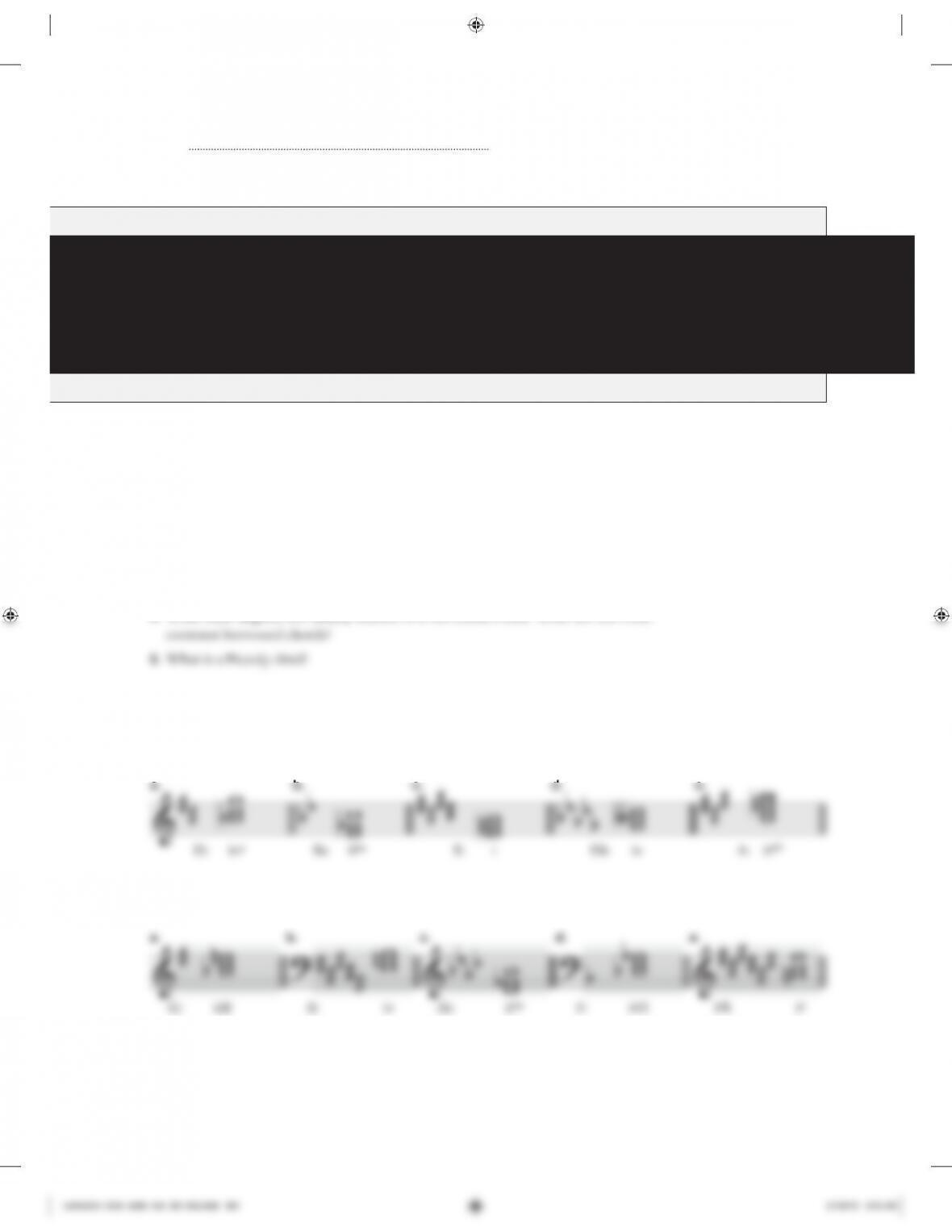
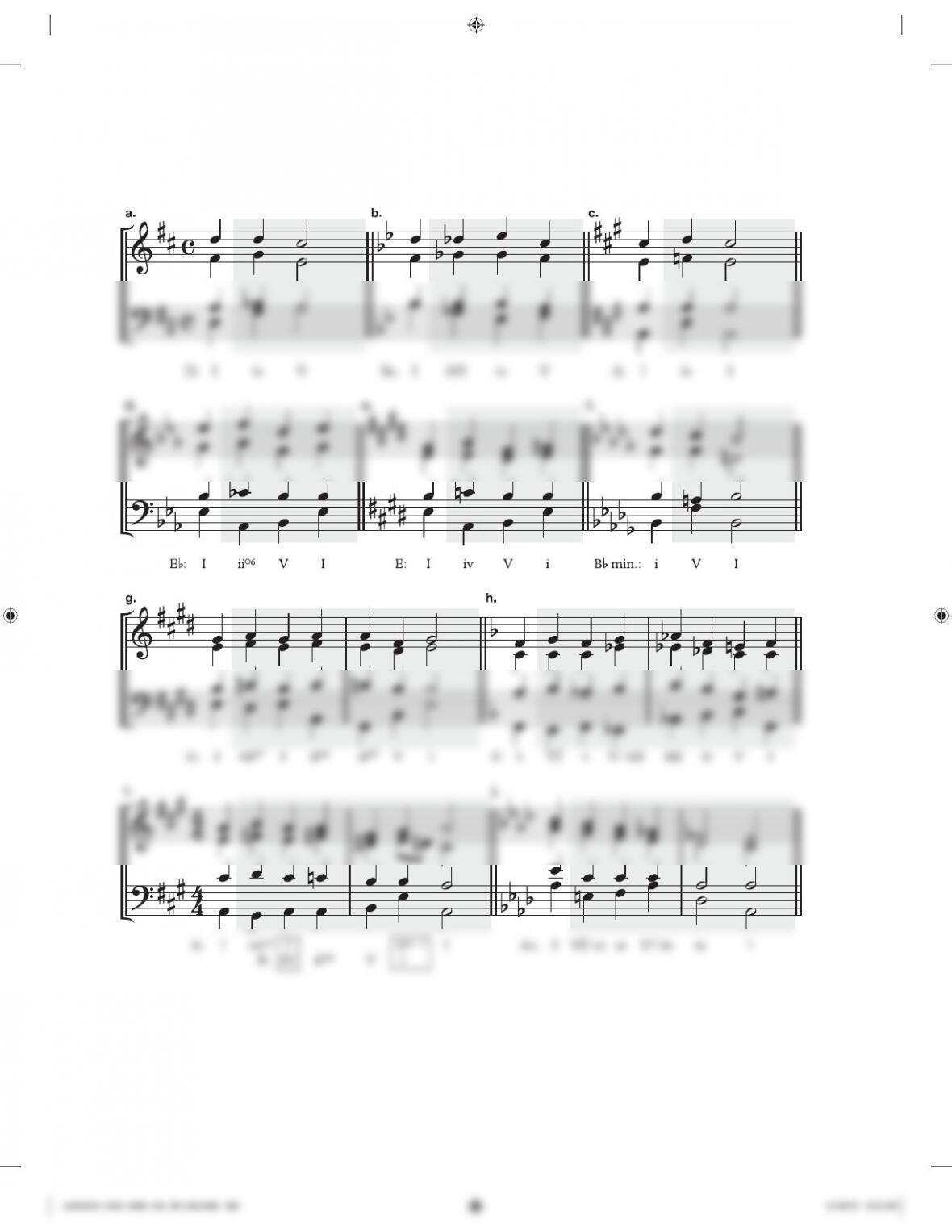
1. Add the accidentals that are missing from the following borrowed chords.
2. Write the key signatures of the following major keys; then notate the indicated
chords, adding the appropriate accidentals.
chapter
29 Modal Mixture
382 | CHAPTER 29 | Modal Mixture
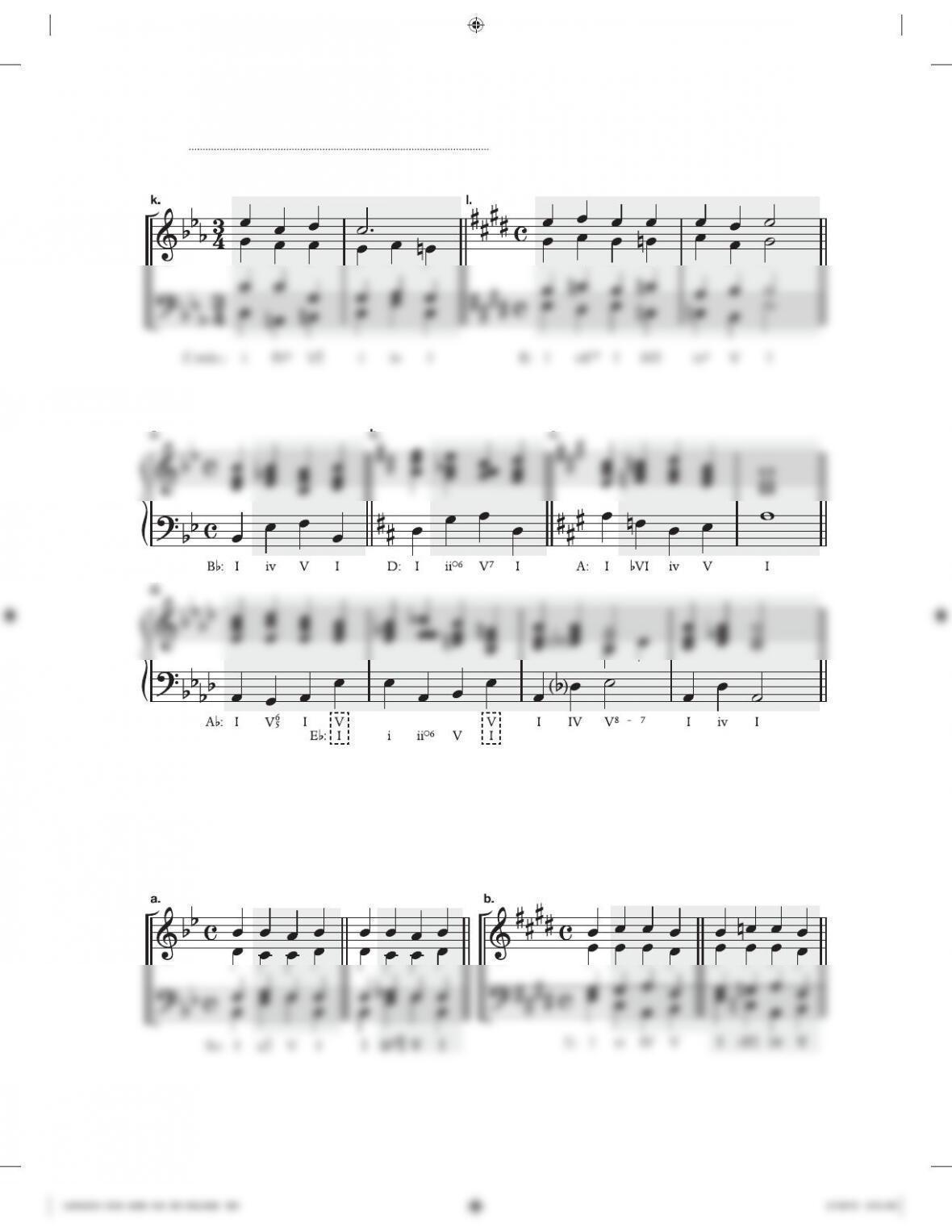
C. REALIZING ROMAN NUMERALS
1. Realize the following Roman numerals in SATB format.
C. Realizing Roman Numerals | 383
NAME:
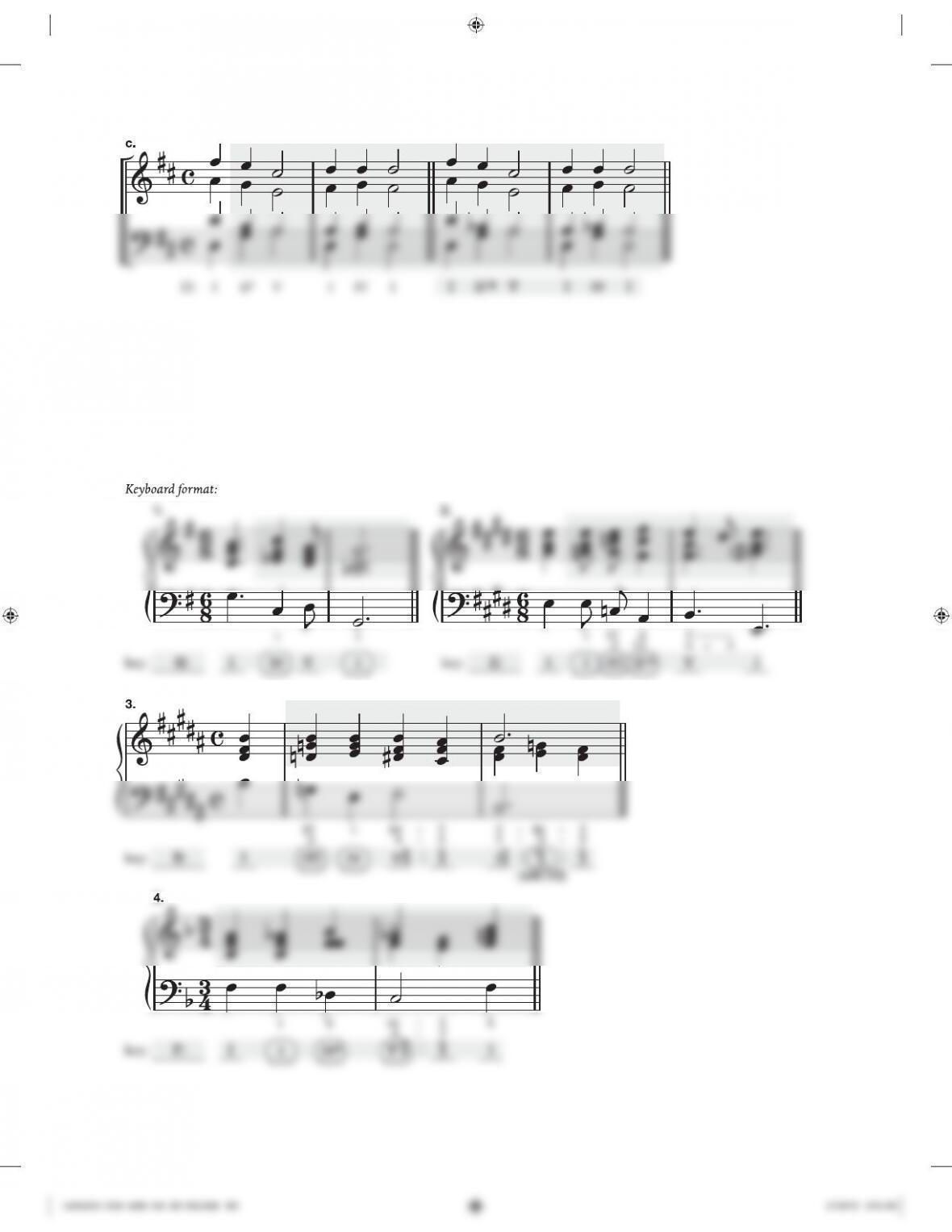
2. Realize the following Roman numerals in keyboard format.
3. In each of the following:
• Realize the progression in SATB format.
• Then rewrite the progression using almost the same chords and notes
—
but with
modal mixture for at least one of the chords.
• Label the Roman numerals, making sure to adjust the labels for the altered chords.
384 | CHAPTER 29 | Modal Mixture
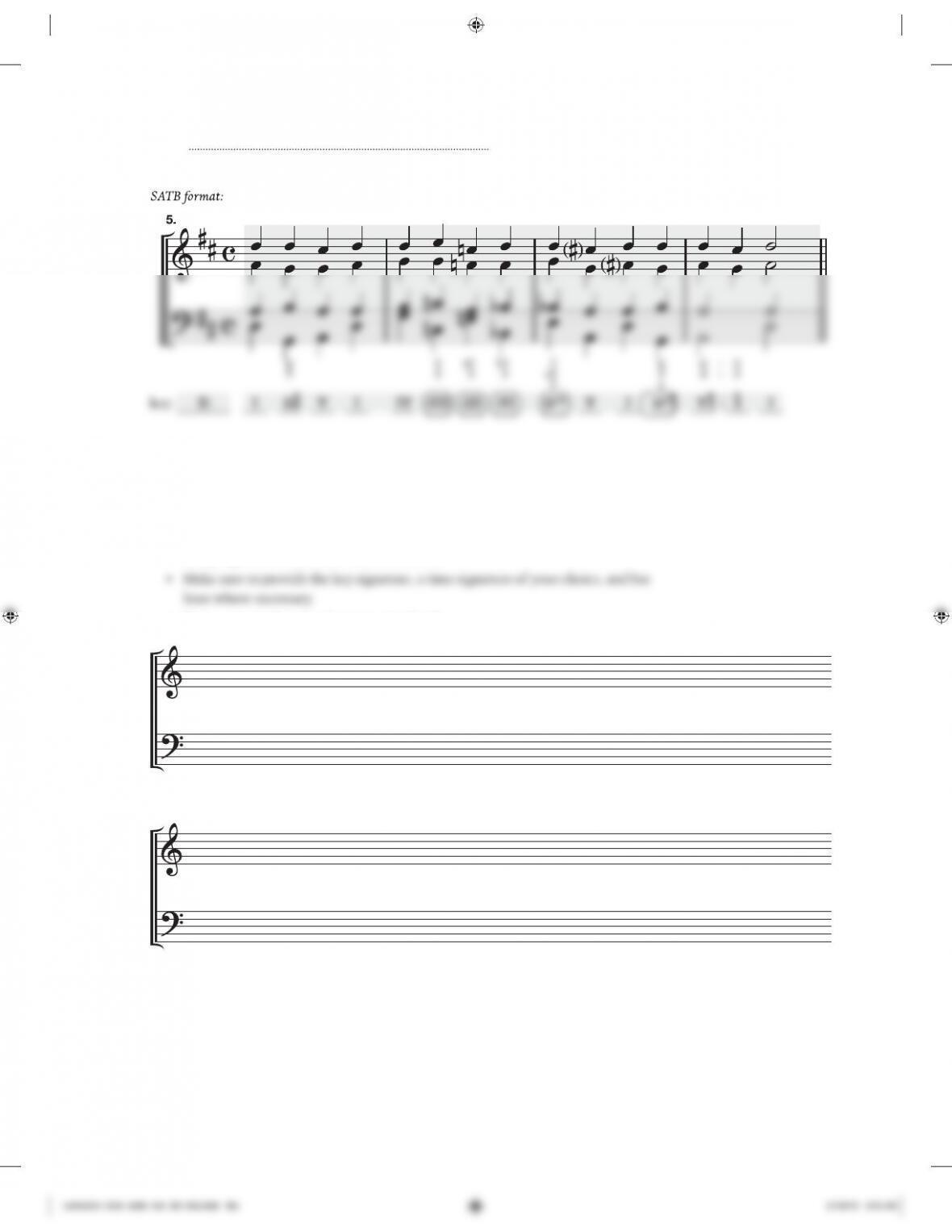
D. REALIZING FIGURED BASS
For each of the following:
• Realize each gured bass.
• Then label the key and Roman numerals.
• Finally, circle the Roman numeral of any chord that involves mixture.
E. Composition | 385
NAME:
E. COMPOSITION
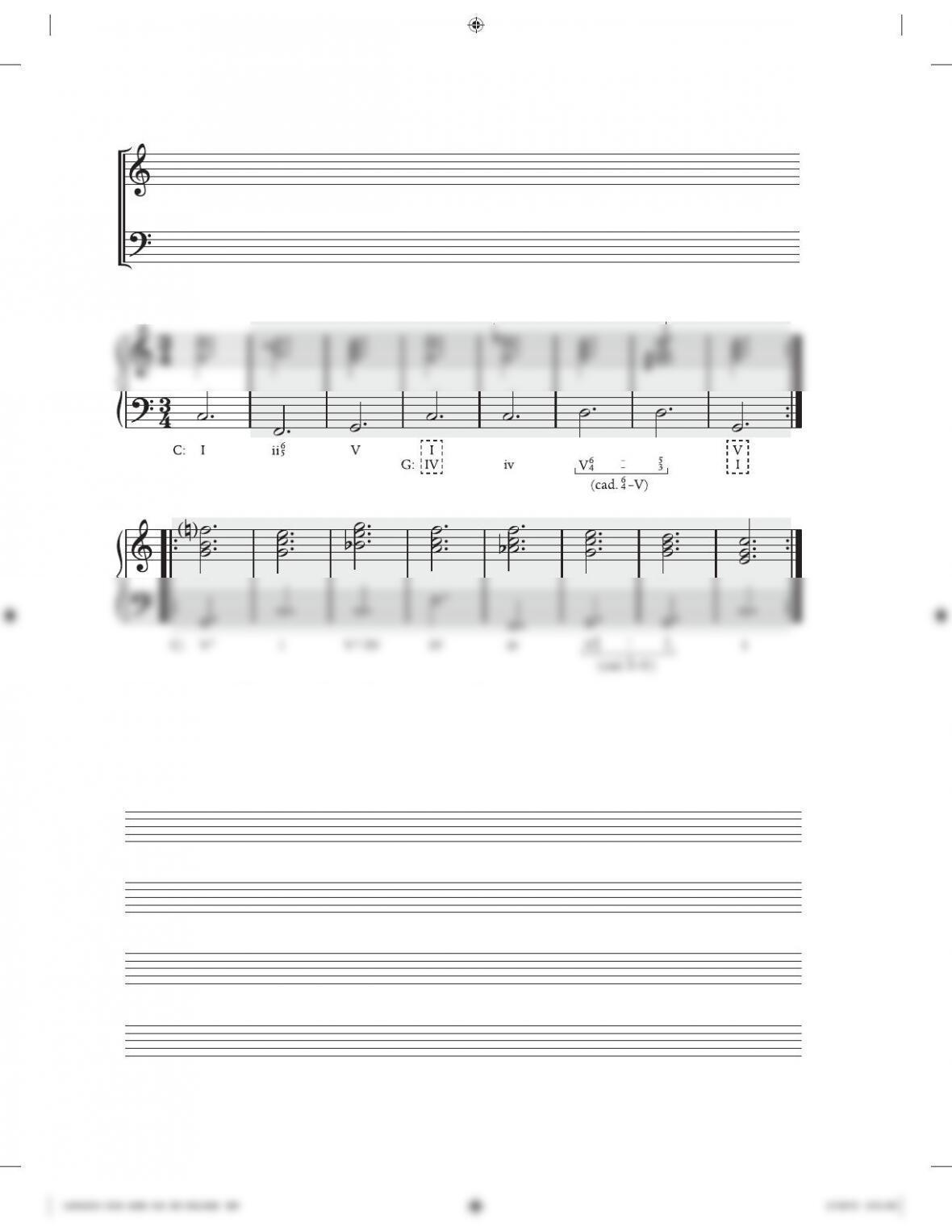
1. Compose short progressions in four-part harmony, one to three measures long,
using the following guidelines:
• The progressions should be in SATB format.
a. Progression in B major that uses a iv chord
b. Progression in Eb major that uses a bVI chord
c. Progression in D major that begins with a sequence that uses at least one
borrowed chord.
• The sequence should use all root-position chords in which the bass alternates
moving down a fourth, then up a second, leading from I to IV (or I to iv).
• Following the sequence, conclude the progression with a cadence in D major.
386 | CHAPTER 29 | Modal Mixture
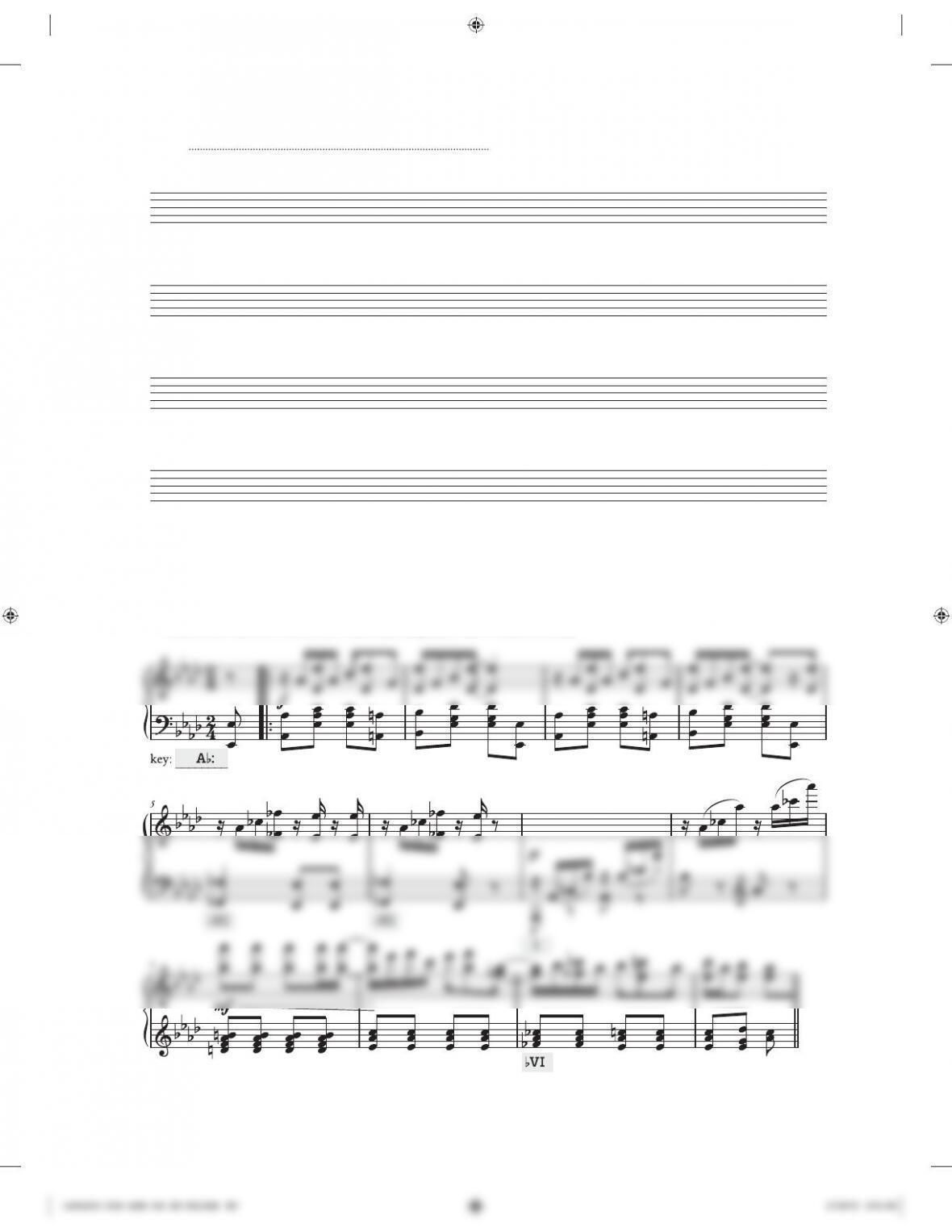
2. Realize the Roman numerals in keyboard format.
3. Compose a work for piano, or for another instrument with piano accompaniment,
based on (2).
• Compose the melody based on the harmonies given.
• Construct an accompaniment from the harmonies, using guration, as in
earlier chapters.
F. Analysis | 387
NAME:
F. ANALYSIS
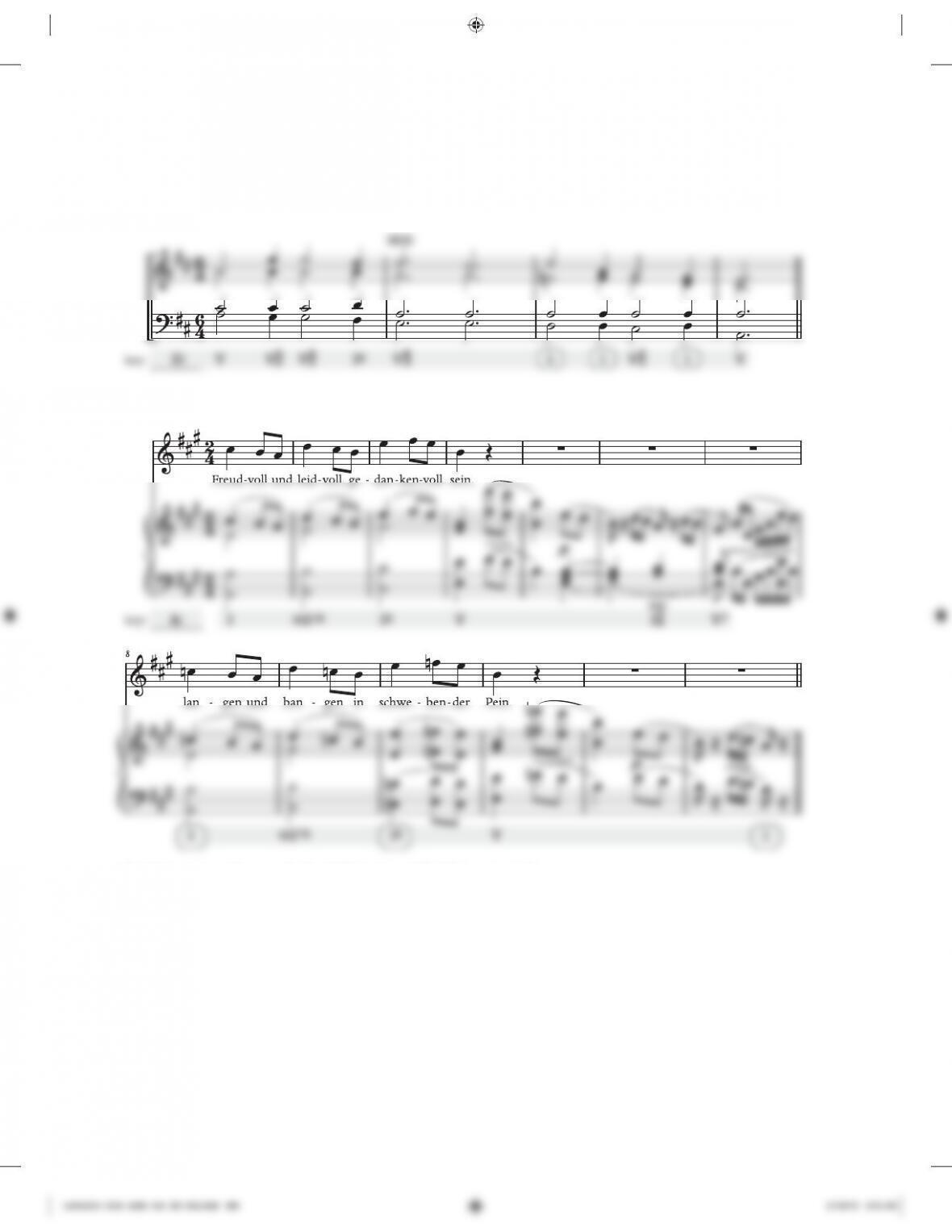
1. Scott Joplin, “Maple Leaf Rag”
Label the key. Then locate the chords in this excerpt that use mixture, and label
them with Roman numerals. You need only label the mixture chords.
388 | CHAPTER 29 | Modal Mixture
2. Label the key and Roman numerals in the following excerpts; then circle the
Roman numeral of each mixture chord.
a. Elizabeth Barker, “St. John Damascene” (hymn)
Also label the embellishing tone.
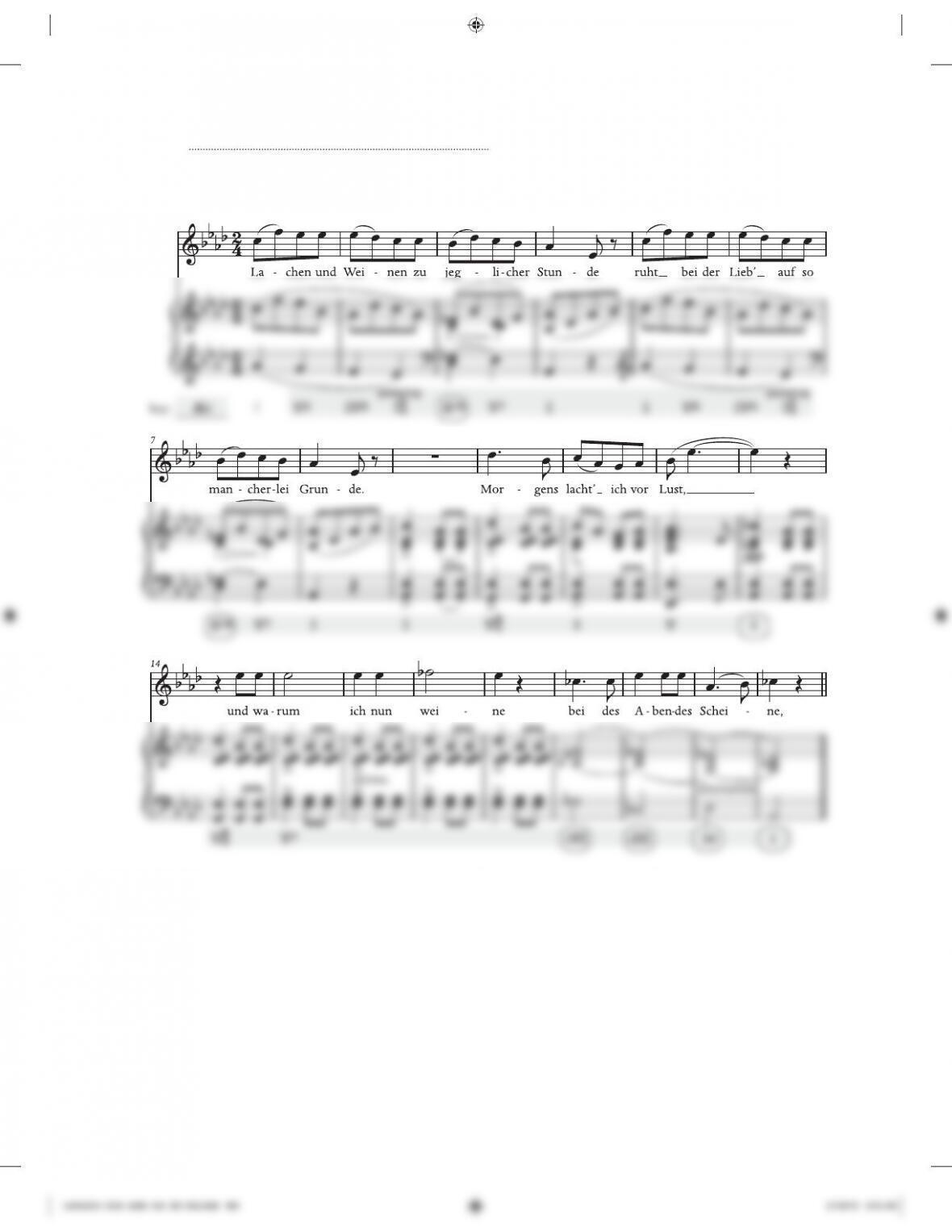
b. Ludwig van Beethoven, “Freudvoll und leidvoll” (“Joyful and Sorrowful”)
Translation: In joy and in sorrow, be thoughtful, longing and fearful, in constant pain.
What chord tone is implied in measure 10 of this except, A or G? Explain the reasons
for your answer.
F. Analysis | 389
NAME:
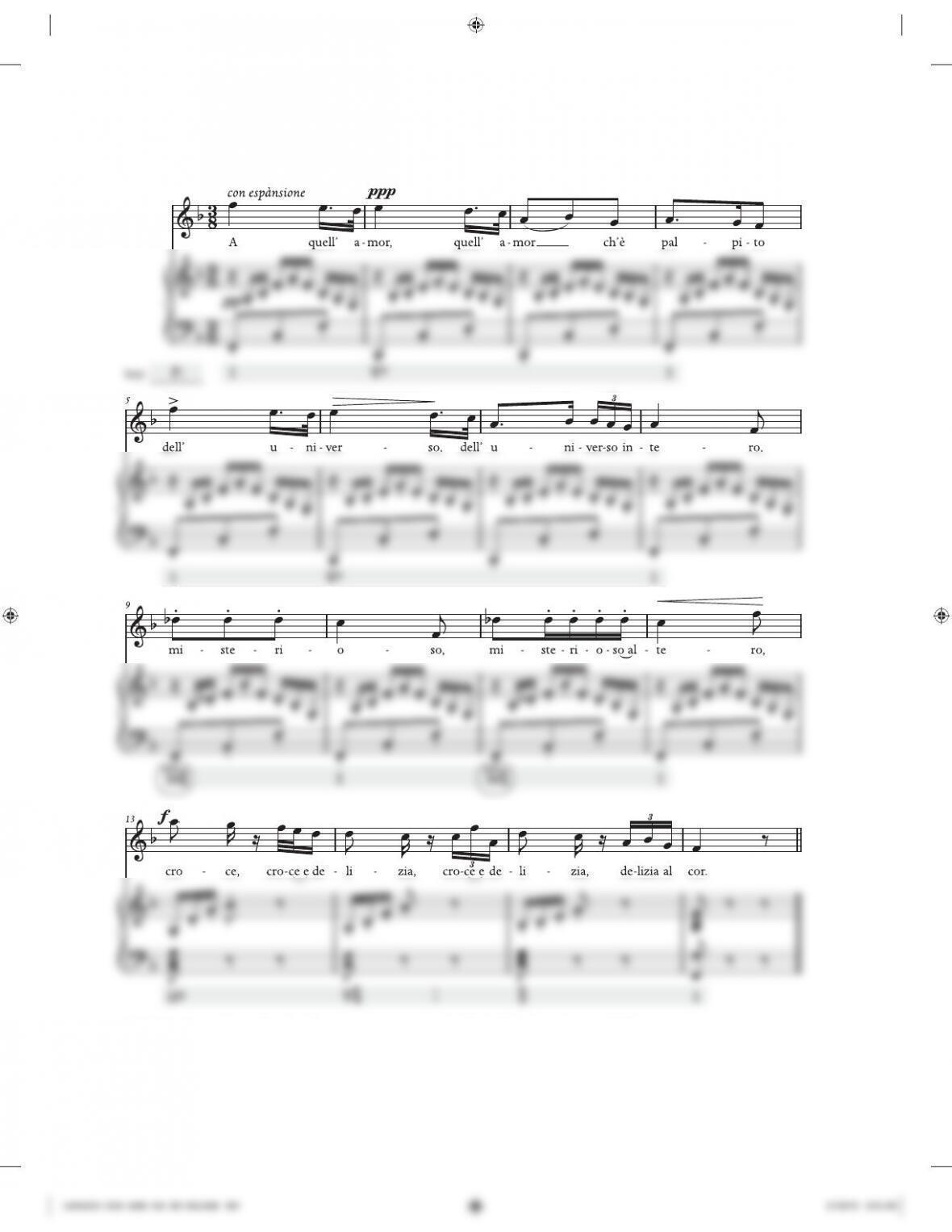
c. Franz Schubert, “Lachen und Weinen” (“Laughter and Tears”)
Translation: Love gives so many reasons for laughing and weeping all the time. In the morning, I laughed for joy,
and why I now weep in the twilight [is something even I don’t know].
How do the harmony, melody, rhythm, and other musical features reflect the text in
this song excerpt?
390 | CHAPTER 29 | Modal Mixture
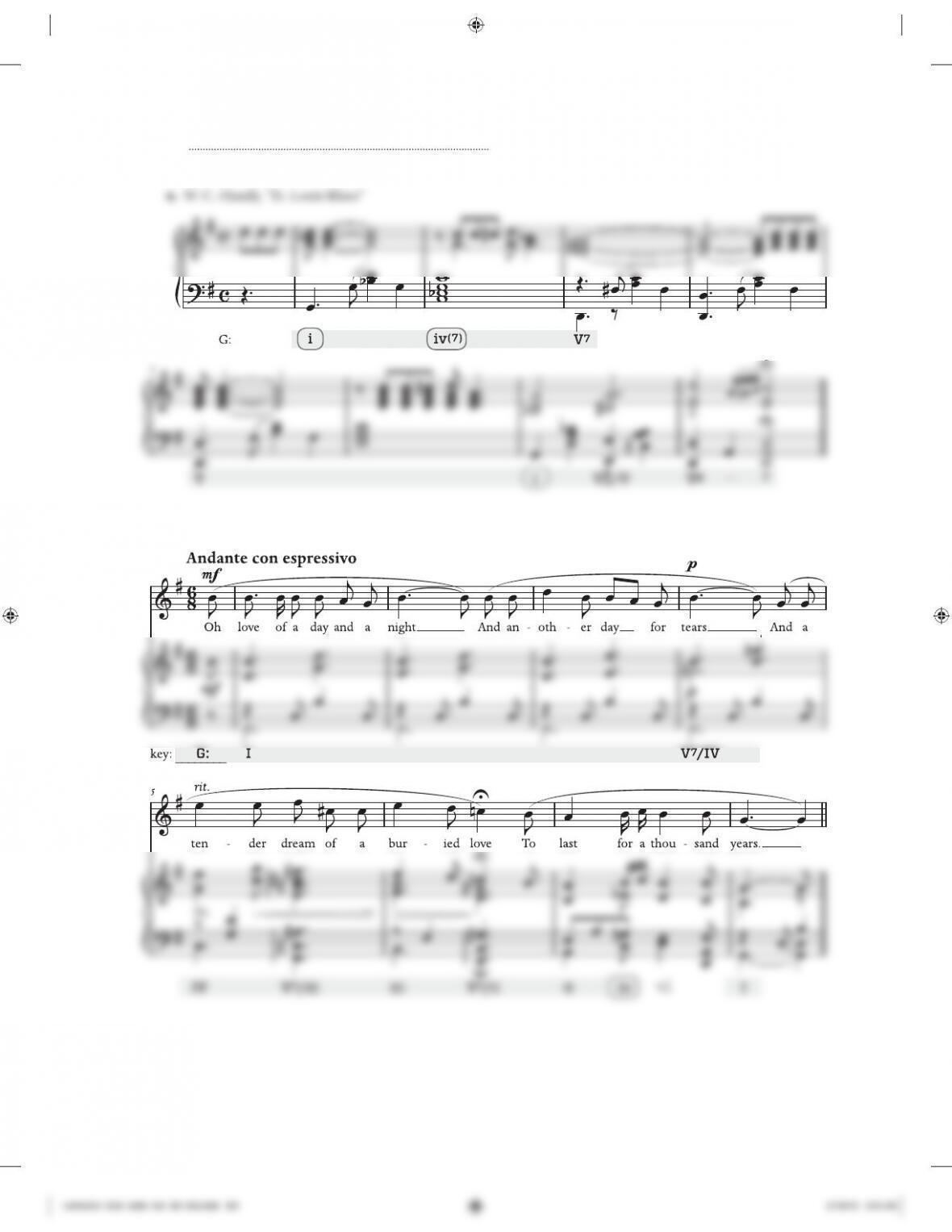
d. Giuseppe Verdi, La Traviata, Act I, scene iii
Label at most one chord per measure.
Translation: Love is the very breath of the universe, mysterious and noble, both burden and ecstasy of the heart.
F. Analysis | 391
NAME:
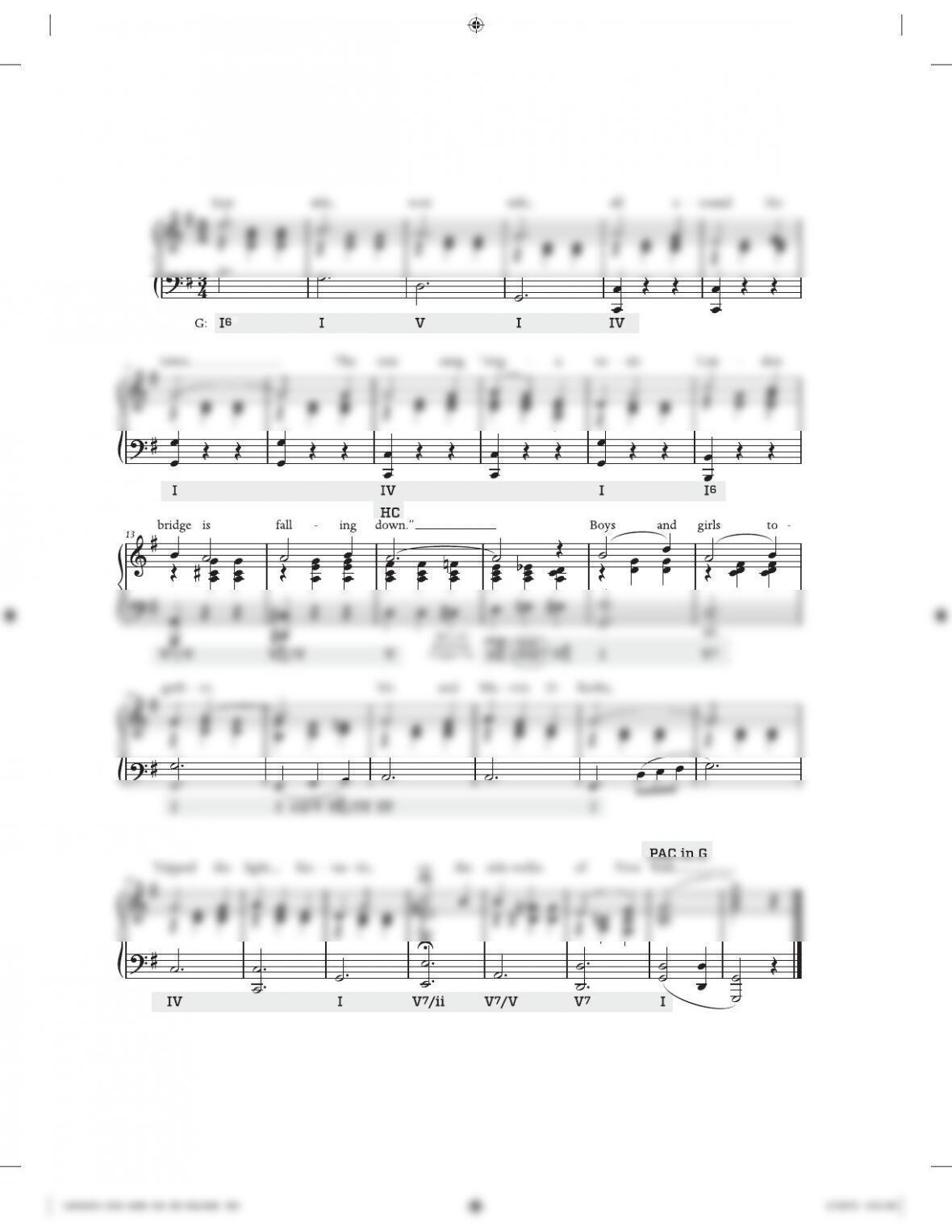
f. Harry T. Burleigh, “Oh, Love of a Day”
392 | CHAPTER 29 | Modal Mixture
g. Charles Lawlor, “Sidewalks of New York”
Mixture appears in only one (very striking) spot in this excerpt.