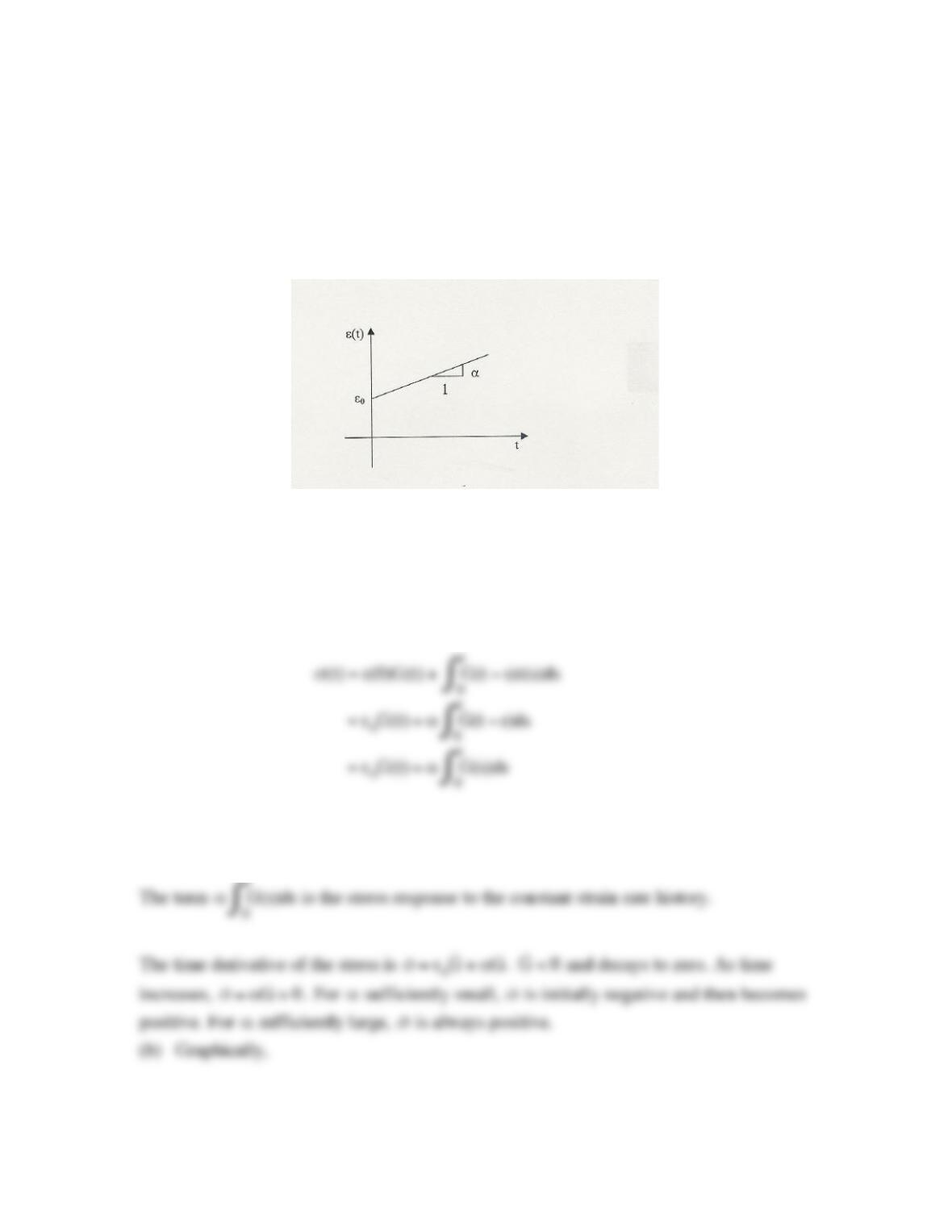
5.3 Consider a strain history of the form shown in Figure-Problem 5.3.
(a) Derive an expression for the corresponding stress history in terms of a
general stress relaxation function G(t).
(b) Discuss the graph of
!
“
vs.
!
t
for large and small values of
!
“
. Does the stress
always increase with time?
Figure-Problem 5.3
SOLUTION
(a) The strain history is described by
!
“(s) =“o+#s
.
The stress history is
!
“(t) =#(0)G(t) +G(t $s)˙
# (s)ds
0
t
%
!
!
=“oG(t) +#G(s)ds
0
t
$
The strain history is the superposition of a step strain history and a constant strain rate
history. The term
“oG(t)
is the stress response to the step strain history.
The term
“G(s)ds
0
t
#
is the stress response to the constant strain rate history.
!
!
!
!
!
positive. For
!
“
sufficiently large,
!
˙
“
is always positive.
(b) Graphically,
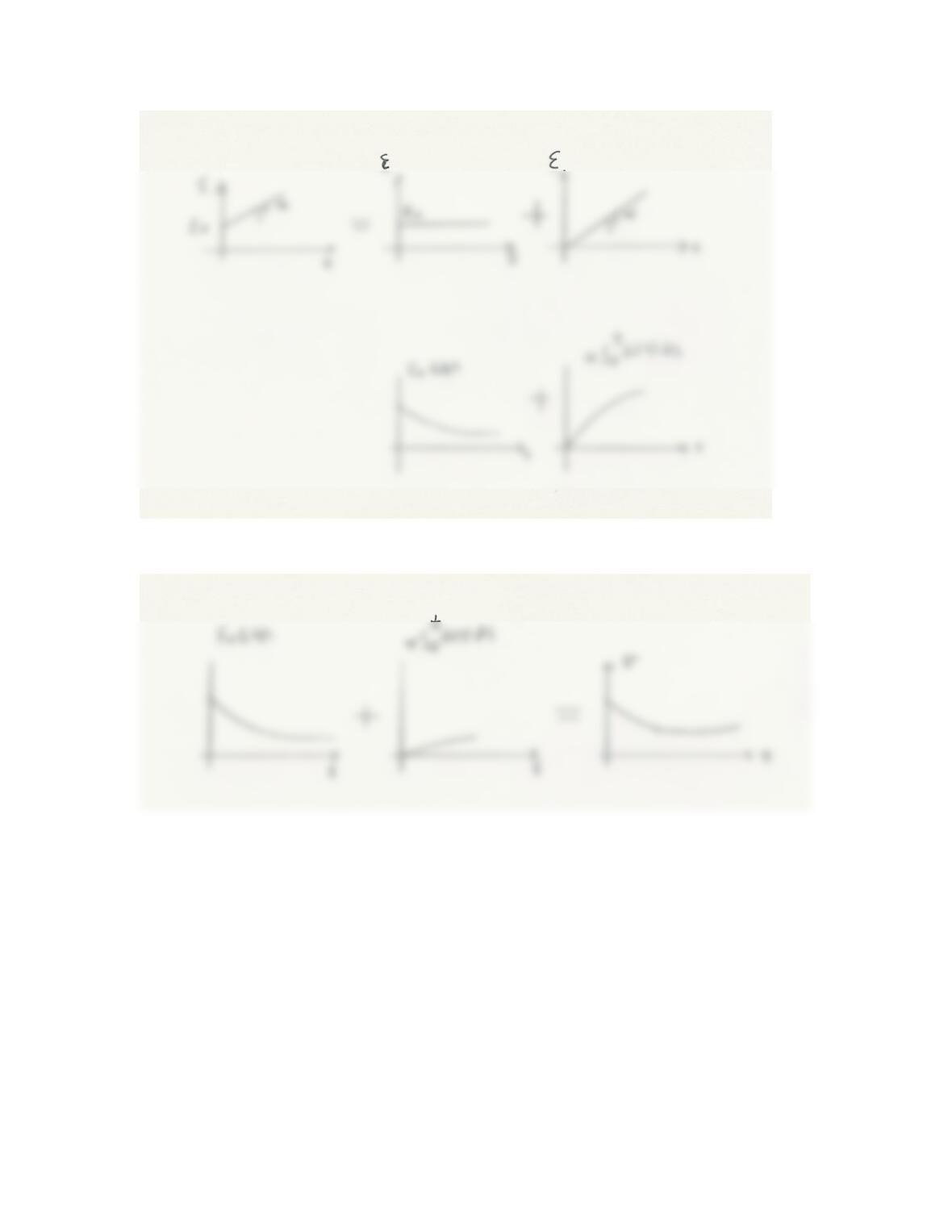
For
!
“
sufficiently small, the stress history is
For
!
“
sufficiently large, the stress history is
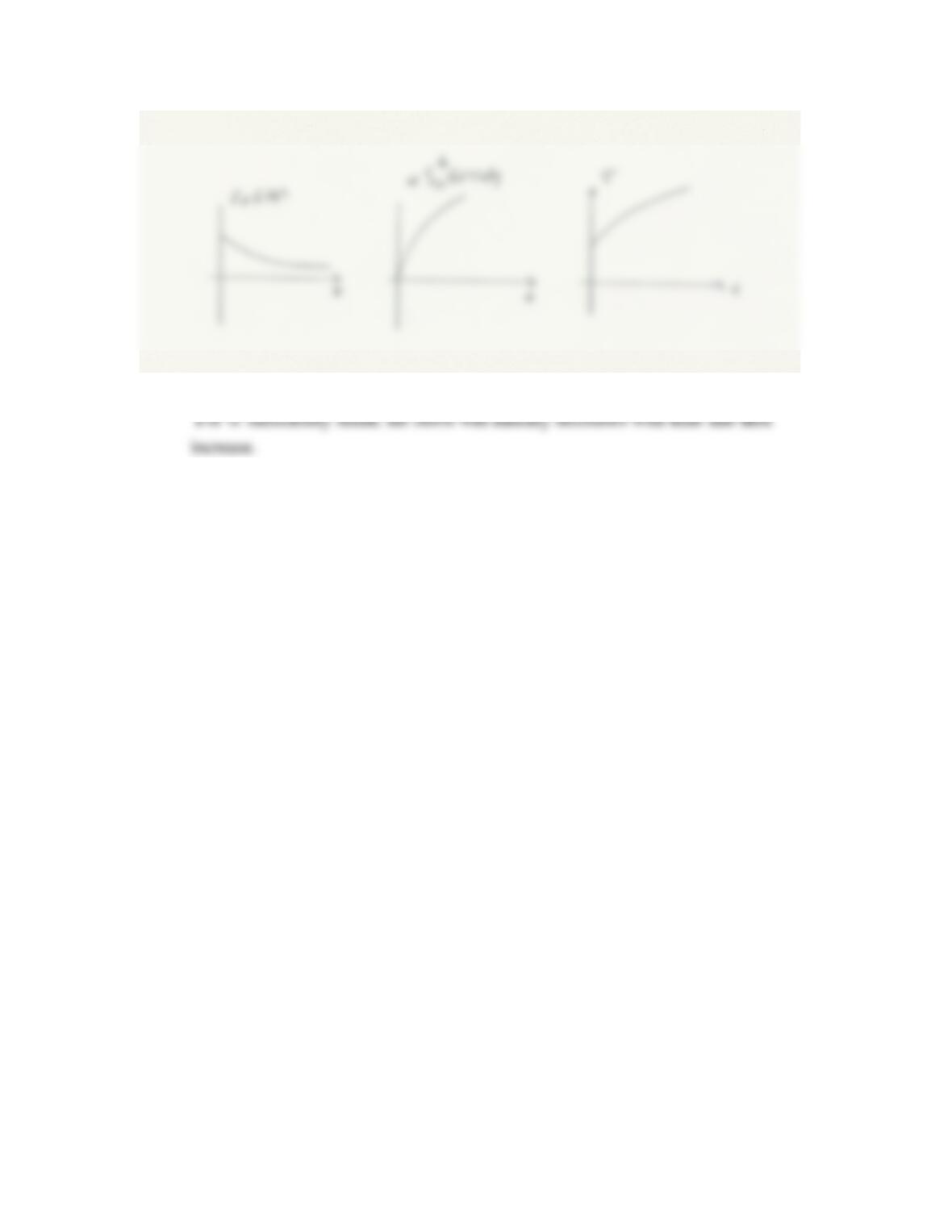
For
!
“
sufficiently small, the stress will initially decreases with time and then
increase.
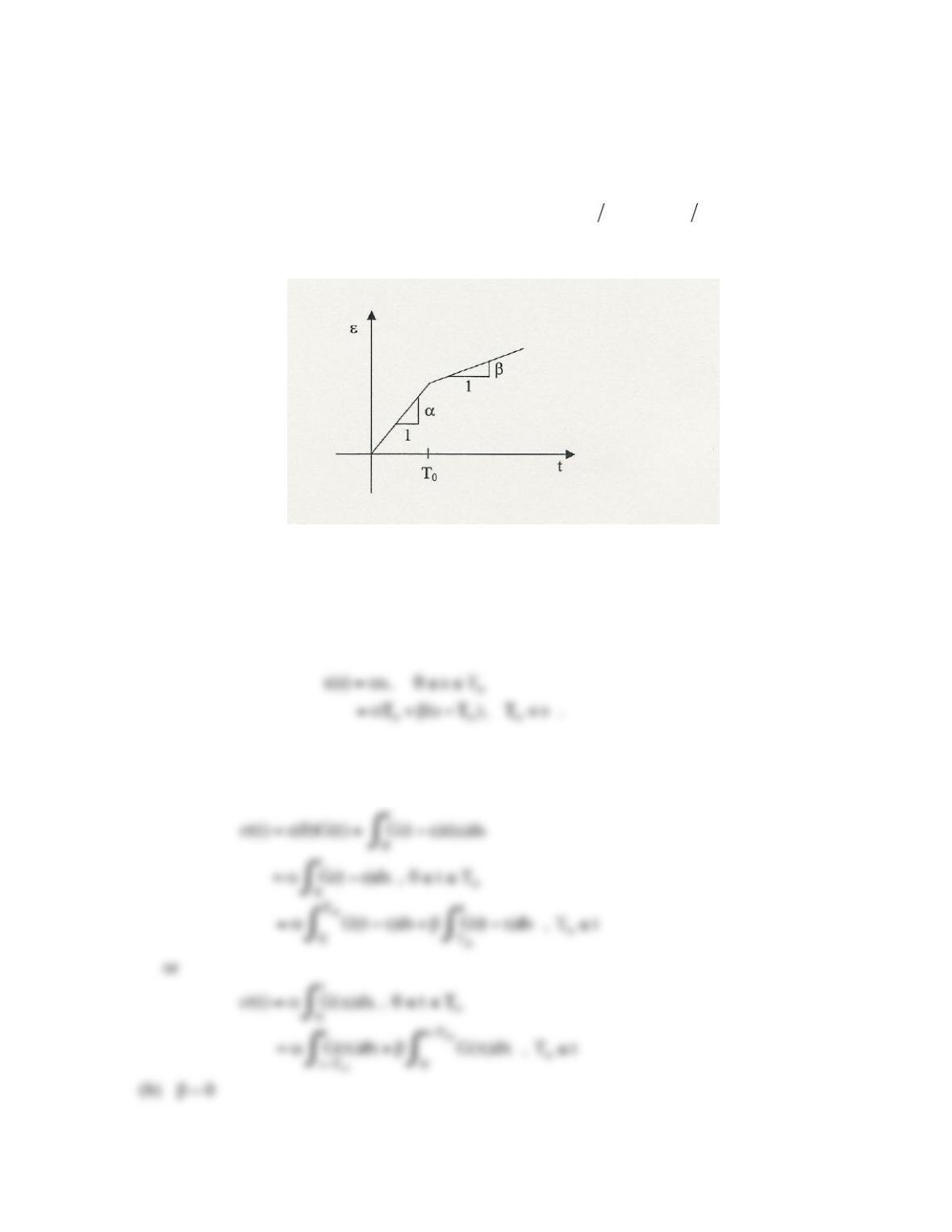
5.4 Consider the strain history shown in Figure-Problem 5.4.
(a) Derive expressions for the stress history in terms of a general stress relaxation
function
!
G(t)
.
(b) Describe the
!
“ # t
graph for each of these cases:
!
“=0
,
!
” #
small,
!
” #
large.
Does the stress always increase with time when
!
“>0
?
Figure-Problem 5.4
SOLUTION
(a) The strain history is
!
!
!
=“To+#(s $To)
,
!
To“s
.
The stress history is
“(t) =#(0)G(t) +G(t $s)˙
# (s)ds
0
t
%
!
!
!
!
(b)
!
“=0
!
t
!
!
=“G(x)dx
t#To
t
$
,
!
To“t
When
0“t“To
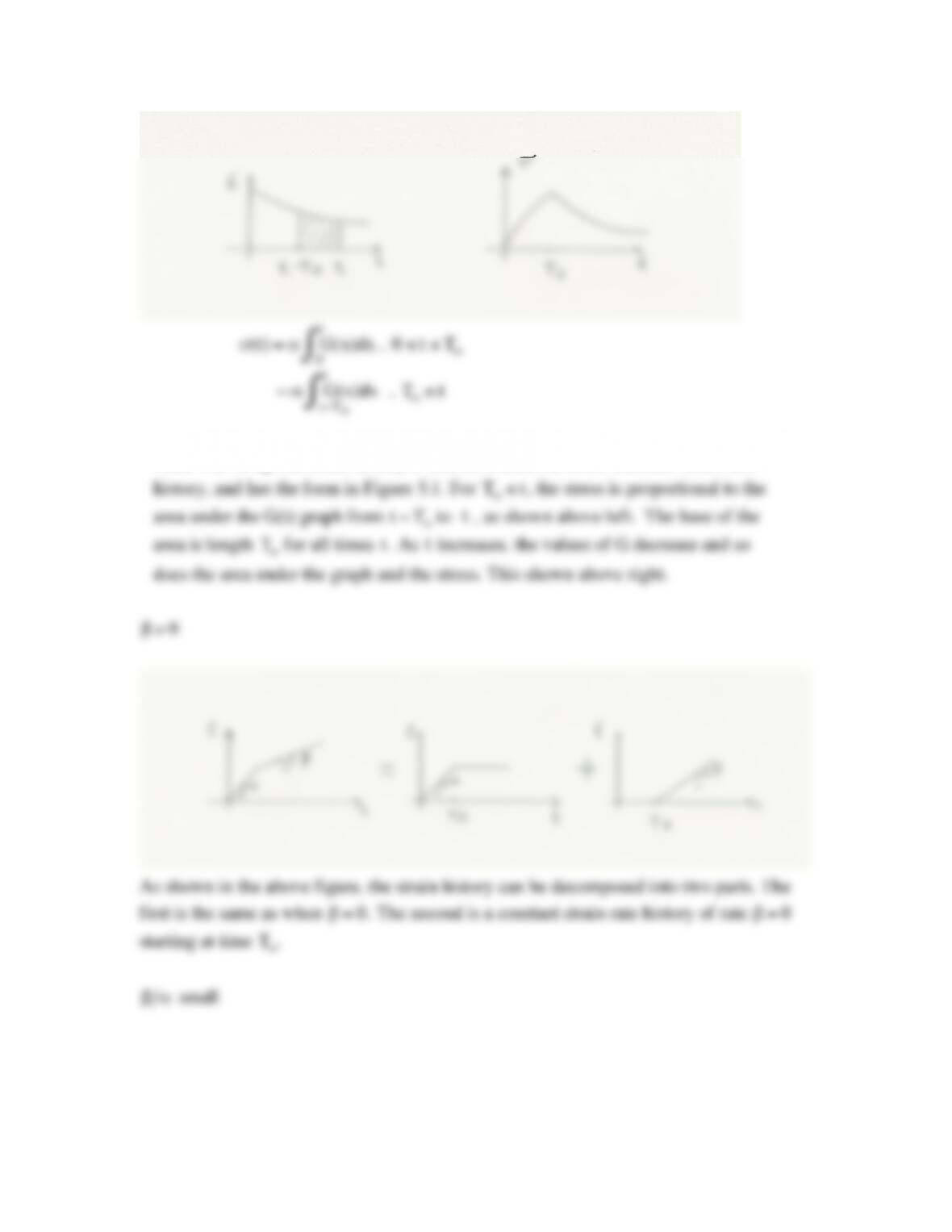
, the stress history is that for a material under constant strain rate
history, and has the form in Figure 5.1. For
To“t
, the stress is proportional to the
!
!
” #
small
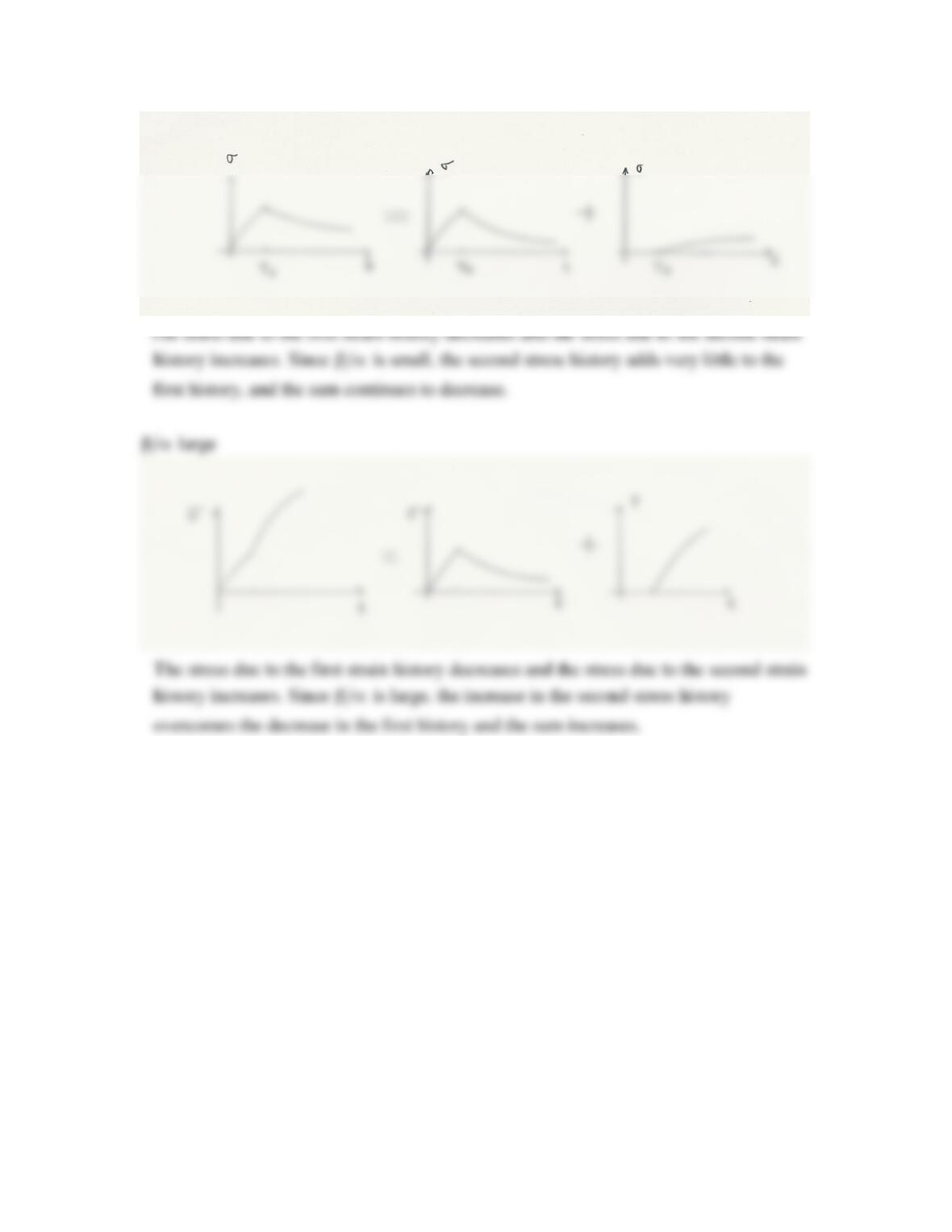
The stress due to the first strain history decreases and the stress due to the second strain
!
overcomes the decrease in the first history and the sum increases.