Suggestions for Case Method Teaching
A-12
International/global issues can be emphasized using the Harley Davidson (#9)
and Uber (#10) cases. Uber deals with international entry strategies. Other
cases of corporations with strong international aspects are TomTom (#31),
Blue Nile (#13), Toms Shoes (#25) and Snap–On Tools (#33).
Cases dealing with fast–growing entrepreneurial ventures are Pandora Media
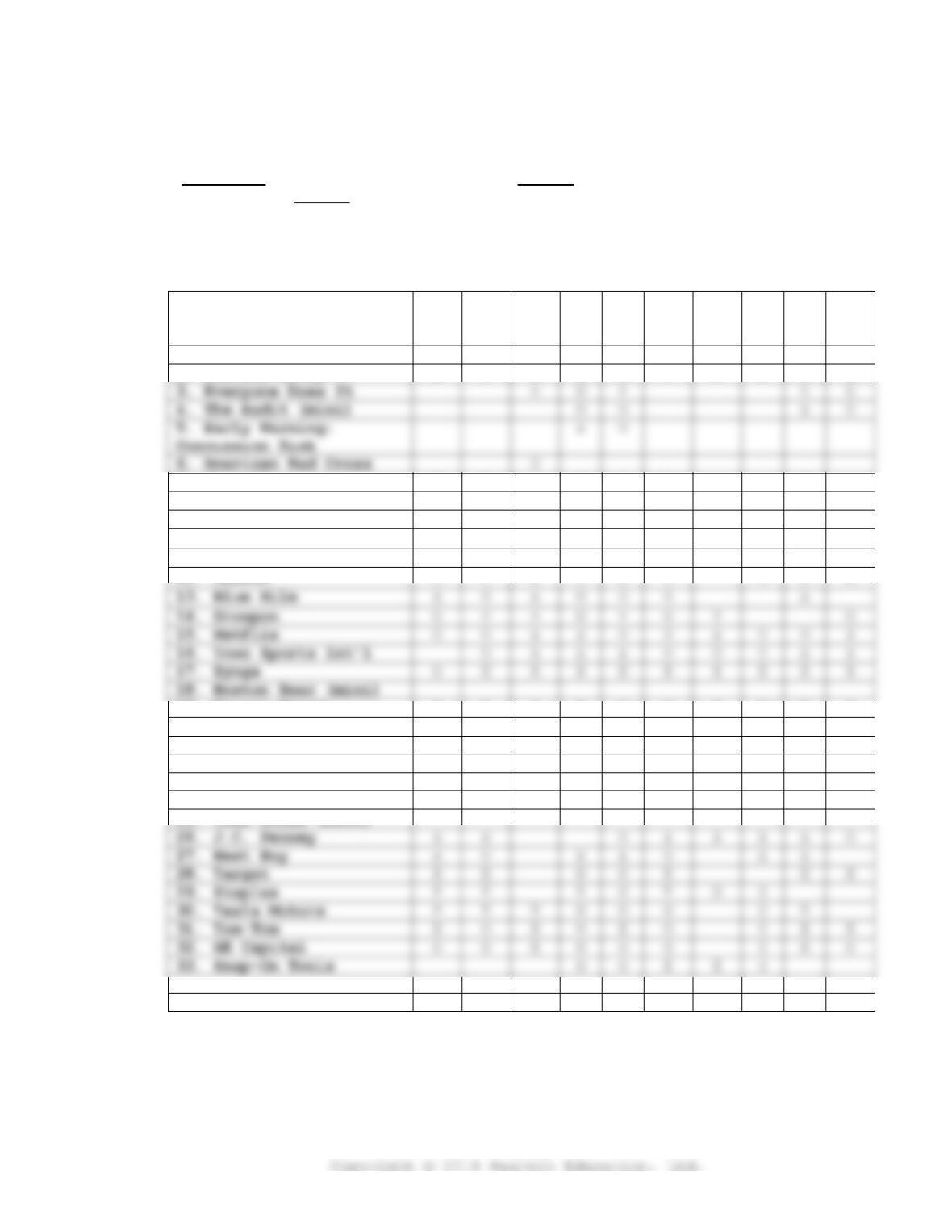
Categorizing Cases by Strategic Decision–Making Process. Exhibit 4 is a
matrix showing the eight steps of the strategic decision–making process
Exhibit 4: STEPS COVERED IN STRATEGIC DECISION–MAKING PROCESS
Strategy Formulation
Strategy
Implementation
Evaluation
& Control
Suggestions for Case Method Teaching
A-13
Exhibit 4
CLASSIFICATION OF CASES BY STEPS IN STRATEGIC DECISION–MAKING PROCESS
Steps 1-6 are strategy formulation; Step 7 is strategy implementation;
and Step 8 is evaluation and control. See the figure on the
previous page for an explanation of individual steps.
══════════════════════════════════════════════════════════════════════════
(Emphasized = o; Covered = x)
CASE
1A
1B
2
3
4
5A
5B
6
7
8
1. Recalcitrant Director
X
O
O
X
O
X
2. Wallace Group
X
O
O
X
O
O
X
X
O
X
X
O
X
X
O
4. The Audit (mini)
O
O
X
O
6. American Red Cross
O
7. Chipotle
X
X
X
X
X
X
8. Google
9. Harley–Davidson
X
X
X
X
X
O
O
X
10. Uber
X
X
O
X
X
X
11. Pandora Media
X
O
X
O
O
O
X
X
12. Amazon
O
O
X
O
X
O
O
X
X
14. Groupon
O
X
X
O
X
O
X
O
15. Netflix
O
O
X
X
O
O
X
O
O
X
16. Town Sports Int’l
O
X
X
X
O
O
O
X
X
17. Zynga
O
X
X
X
X
X
X
X
X
X
18. Boston Beer (mini)
19. Panera Bread
O
O
O
X
O
O
X
X
X
O
20. Whole Foods
O
O
X
O
O
O
X
O
O
21. Burger King (mini)
22. Sonic Restaurants
X
X
O
X
X
X
X
O
23. Pepsi
24. Under Armour
X
O
O
X
X
X
X
X
25. Toms Shoes (mini)
26. J.C. Penney
X
X
O
X
X
X
X
O
27. Best Buy
X
O
X
X
O
X
X
28. Target
X
X
O
O
X
X
X
29. Staples
X
X
X
O
X
O
O
30. Tesla Motors
X
X
X
O
O
O
O
X
31. Tom–Tom
X
O
X
O
X
O
O
X
X
32. GE Capital
O
O
X
O
O
O
O
X
O
33. Snap–On Tools
O
O
X
X
O
Suggestions for Case Method Teaching
A-14
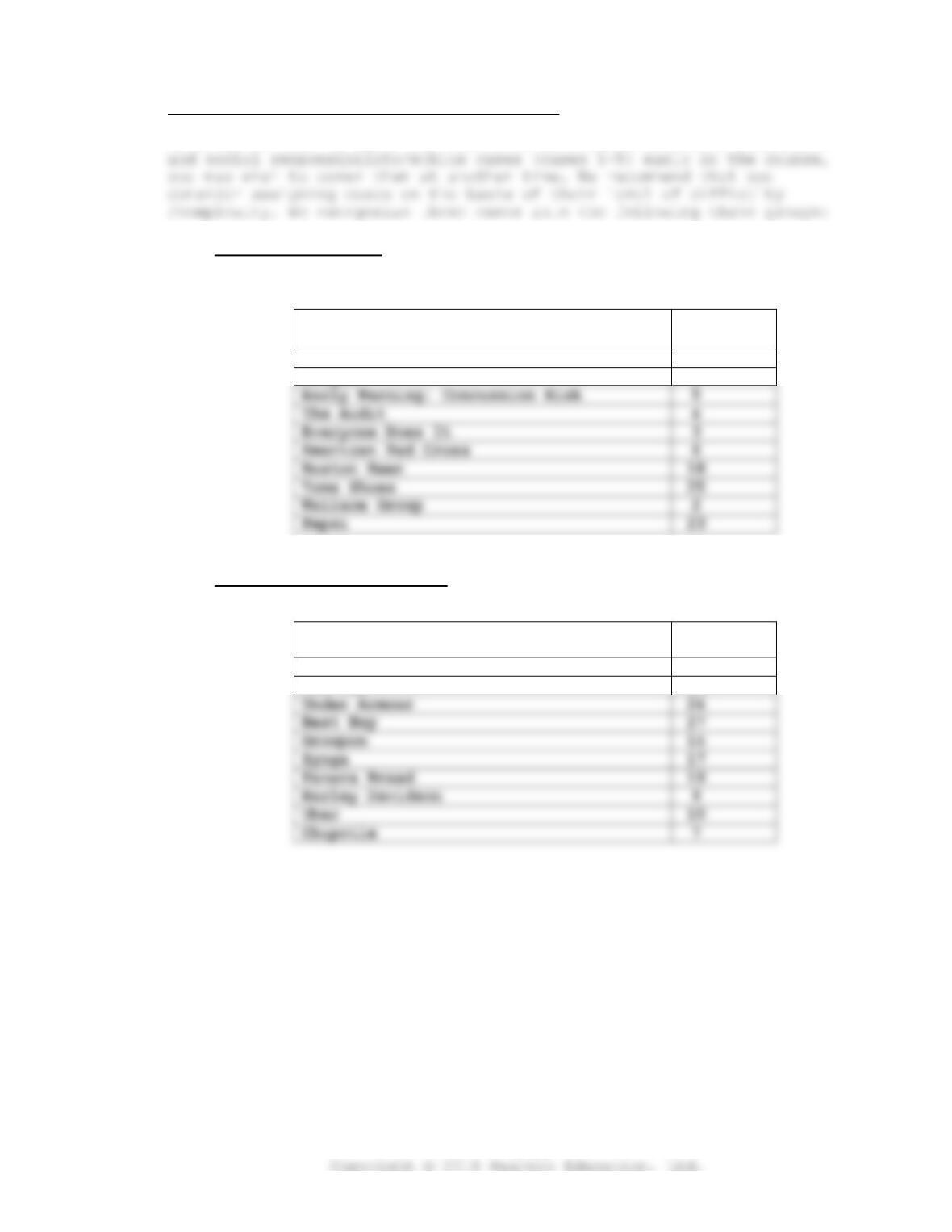
Categorizing Cases by Level of Difficulty.
Although we like to cover the corporate governance/executive leadership
Cases to use early. These cases are generally short, relatively
easy to analyze, and tend to generate a good level of student
interest and enthusiasm. Number–crunching is reasonably low.
CASE
#
Recalcitrant Director at Byte
1
Google
8
Early Warning: Concussion Risk
5
The Audit
4
Everyone Does It
3
American Red Cross
6
Boston Beer
Toms Shoes
25
Wallace Group
2
Pepsi
23
Cases to use at mid–point. These cases tend to be a little more
complicated and involve more number–crunching or analysis.
CASE
#
Pandora Internet Radio
11
Tom–Tom
31
Under Armour
Best Buy
27
Groupon
14
Zynga
17
Panera Bread
19
Harley Davidson
9
Uber
10
Chipotle
7
Suggestions for Case Method Teaching
A-15
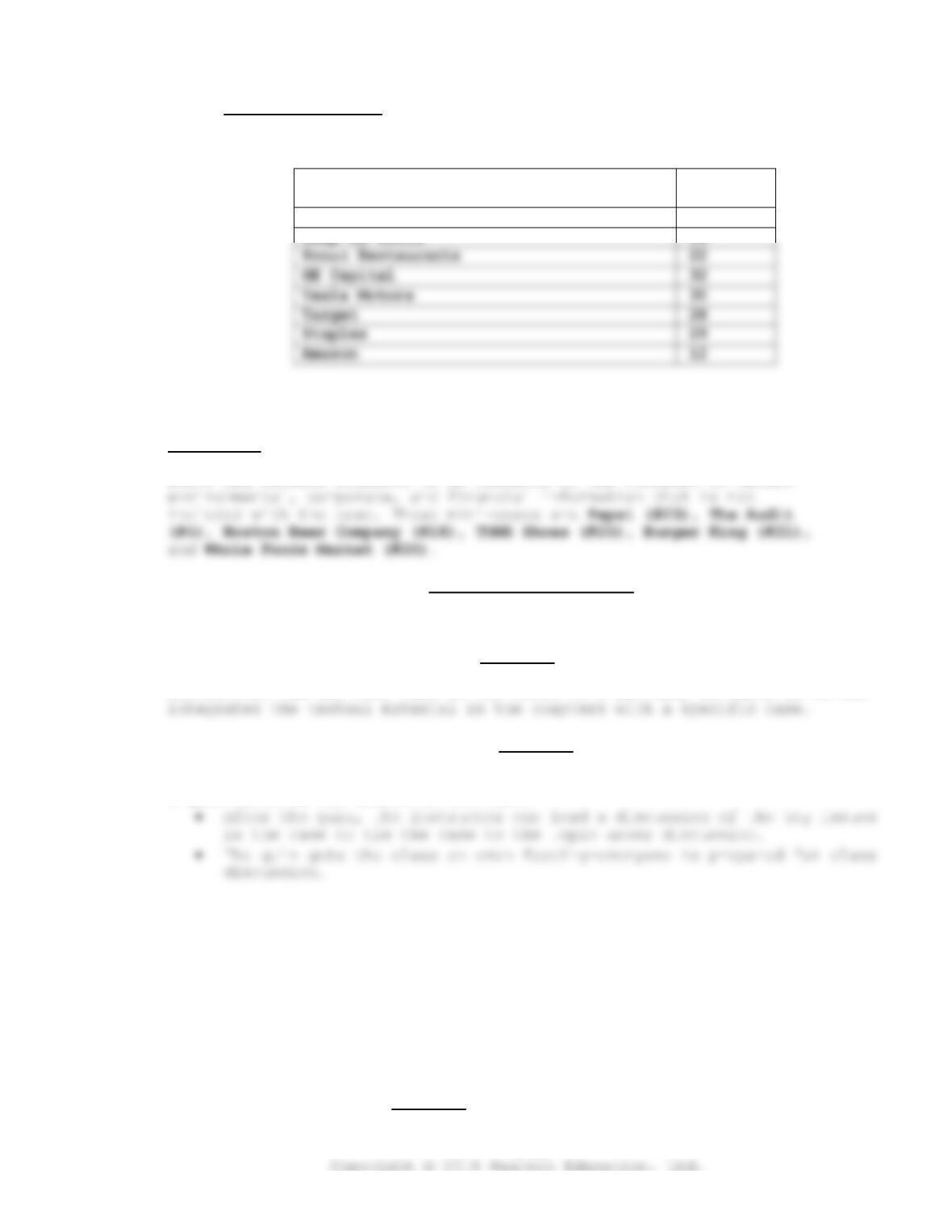
Cases to use late. These cases are generally very complicated and
fairly difficult to analyze. They require a lot of analysis and
number–crunching.
CASE
#
Town Sports International
16
Snap–On Tools
33
Sonic Restaurants
22
GE Capital
29
12
_____________________________________________________________________
Mini–Cases. In addition to the full cases discussed above, the book
includes seven mini–cases and one industry note. These cases are fairly
short and require students to do research on the Internet to obtain
Options for Mini–Cases
We suggest four options in using the Internet Research Mini–Cases:
Option 1 Lectures
Instructors can use each case as the basis of a lecture, in which he or she
Option 2 Quiz
Instructors can give students 10–15 minutes to read a mini–case and then give
a quiz based on the issues in the case.
Option 3 Internet Research—Long Form
Suggestions for Case Method Teaching
A-16
Instructors can have students perform Internet research for a mini–case based on
specific chapters using the Strategic Audit:
Chapter Strategic Audit Section Topic
1 I Current Situation
2 & 3 II Corporate Governance
Have teams of students gather the following information:
• Annual Report
• SEC Form 10-K
Option 4 Internet Research—Short Form
The instructor can select and assign particular sections of the Strategic
Audit to be researched.
______________________________________________________________________

Suggestions for Case Method Teaching
A-17
Course Outlines
A number of policy instructors, including us, have a strong bias in
favor of 75–minute classes meeting twice a week. Open class discussion,
or oral presentations of complex strategic management cases, usually
demand at least an hour’s worth of time. Given the usual rigmarole
involved in starting and ending a class, it is very difficult to handle
One other variable, which complicates the development of a course
outline, is the decision concerning the timing of the lectures on
strategic management. Some instructors choose to spend the first part
of the course lecturing over the book while the students quickly read
the chapters. Others attempt to intersperse lectures with case
discussions or presentations. The key question seems to be: How much
information do students need before they can competently analyze their
first comprehensive strategic management case? This is completely up to
Suggestions for Case Method Teaching
A-18
EXHIBIT 5
COURSE OUTLINE FOR 30 CLASS MEETINGS OF 75 MINUTES EACH
DAY ACTIVITY
1 Introduction; discuss syllabus
2 Lecture/discussion of Chapter One
3 Lecture/discussion of Chapter Two
7 Lecture/discussion of Chapter Four
8 Class discussion of an industry issue
9 Lecture/discussion of Chapters Five and Thirteen
10 Class discussion of a case for early part of course
11 Lecture/discussion of Chapter Six
12 Class discussion of a case for early part of course
24 Lecture/discussion of a fairly difficult case
25 Oral team presentation 5
26 Lecture/discussion of a fairly difficult case
27 Oral team presentation 6
Suggestions for Case Method Teaching
A-19
EXHIBIT 6
COURSE OUTLINE FOR 30 CLASS MEETINGS OF 75 MINUTES EACH
(WITH simulation or project at end)
DAY ACTIVITY
1 Introduction; discuss syllabus; lecture/discussion of
Chapter One
2 Lecture/discussion of Chapter Two
7 Open class discussion of a case appropriate for the early
part of the course
8 Lecture/discussion of Chapter Five
9 Open class discussion of a case appropriate for the early
part of the course
17 Open class discussion or oral presentation of a fairly
difficult case
18 Lecture/discussion of Case
19 Open class discussion or oral presentation of a technology
case
Suggestions for Case Method Teaching
A-20
EXHIBIT 7
COURSE OUTLINE FOR 45 CLASS MEETINGS OF 50 MINUTES EACH
(With or without simulation or presentations at end)
DAY ACTIVITY
1 Introduction: discuss syllabus
2 Lecture/discussion of Chapter One
9 Lecture/discussion of Chapters Five and Thirteen (Case Analysis)
10 Class discussion of a case for early part of course
11 Lecture/discussion of Chapter Six
12 Class discussion of a case for early part of course
13 Lecture/discussion of Chapter Seven
14 Class discussion of a case for early part of course
25 Lecture/discussion of Chapter Twelve
26 Lecture/discussion of Case
27 Class discussion of a technology case
28 Lecture/discussion of Case
29 Class discussion of a complex entrepreneurship case
33–45 Class sessions for simulation or team presentations
Suggestions for Case Method Teaching
A-21
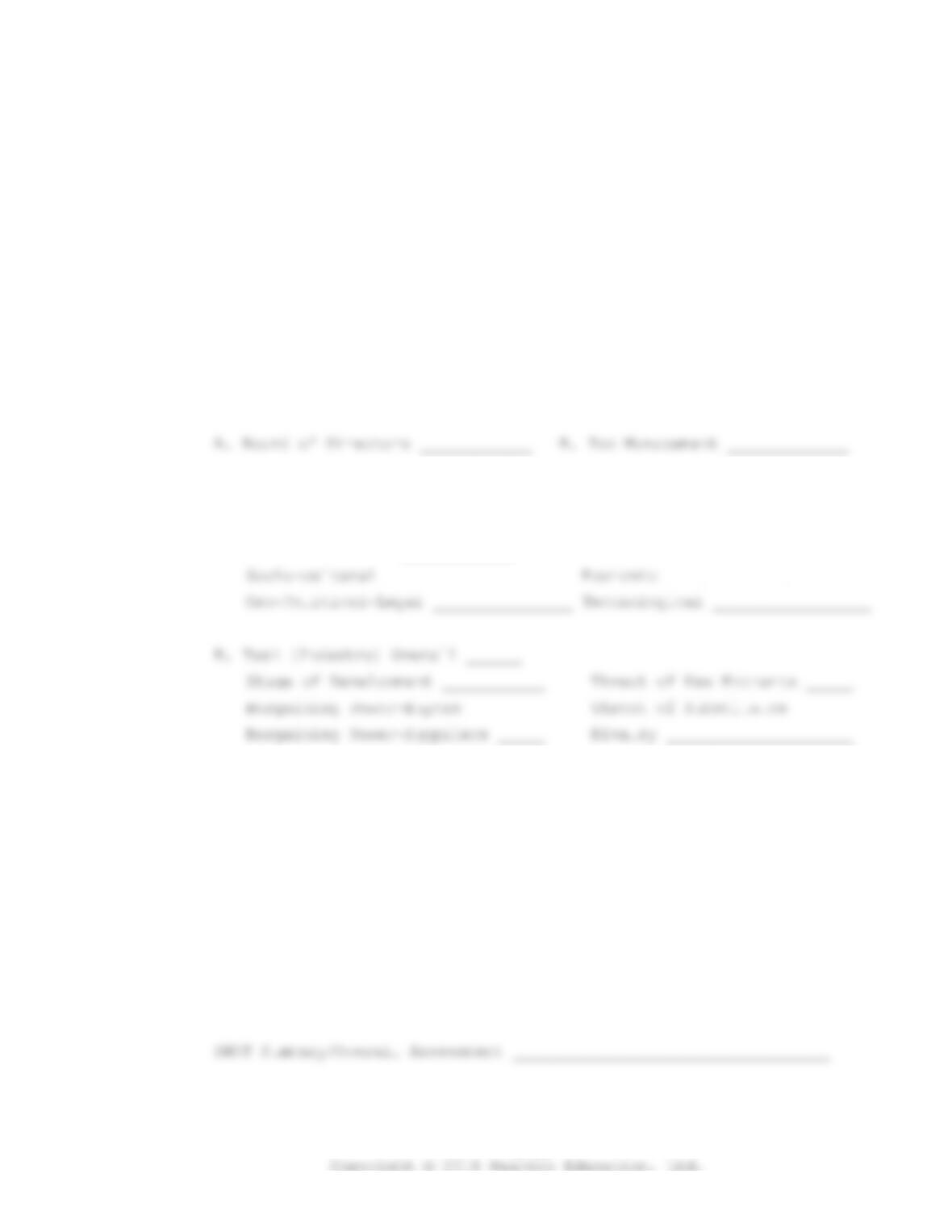
Exhibit 8
CASE ANALYSIS EVALUATION FORM
Case _______________________________ Name ________________________________
Excellent + Acceptable Poor –
I. CURRENT SITUATION
A. Performance ___________________ B. Strategic Posture __________
II. CORPORATE GOVERNANCE
III. EXTERNAL ENVIRONMENT
A. Societal—Overall ____________
IV. INTERNAL ENVIRONMENT
A. Structure _______________________ B. Culture ________________
C. Resources: Overall ______________
1. Marketing ____________________ 2. Finance _________________
3. R&D __________________________ 4. Operations ______________
5. Human Resource Mgmt __________ 6. Info Systems ____________
V. ANALYSIS OF STRATEGIC FACTORS
Suggestions for Case Method Teaching
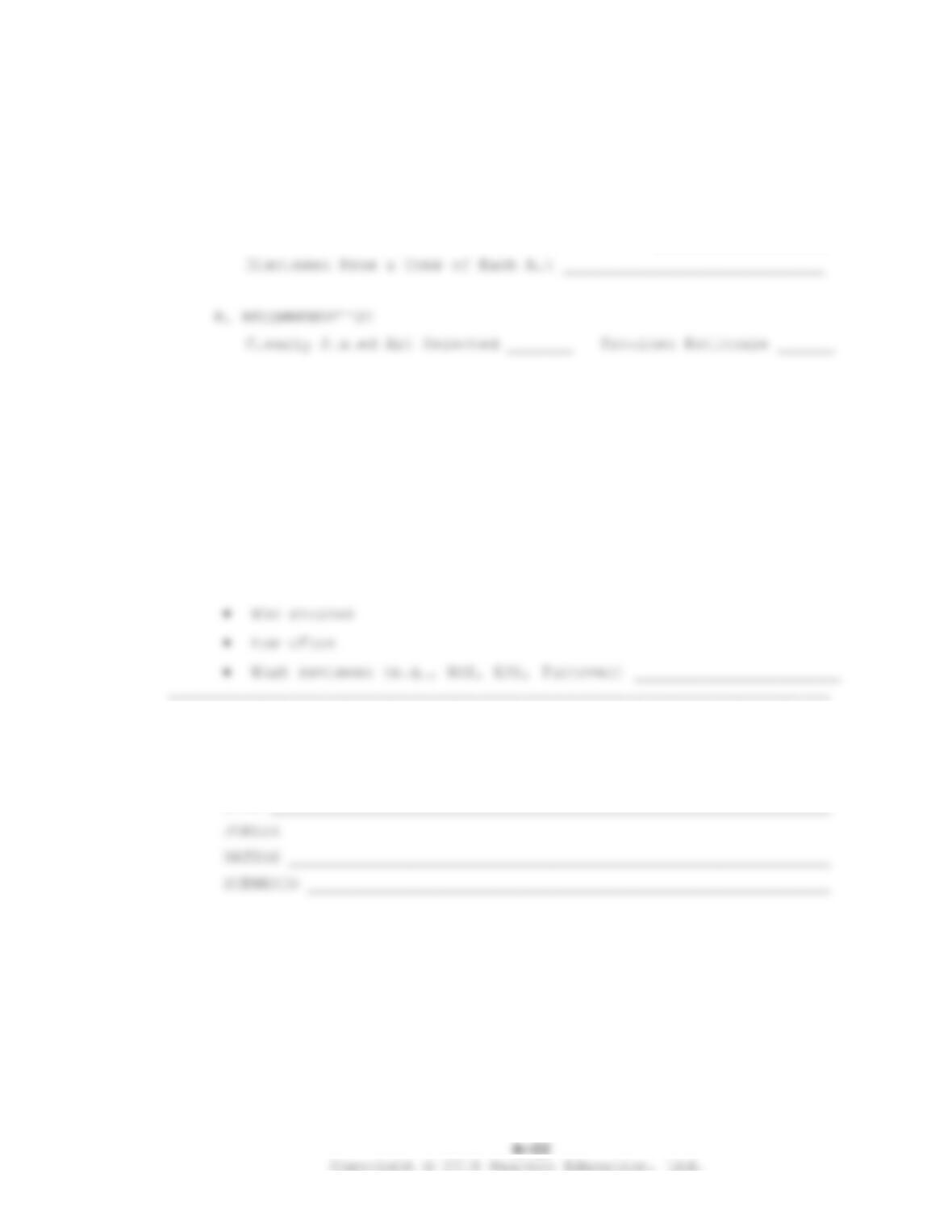
Exhibit 8 (Continued)
VI. STRATEGIC ALTERNATIVES AND RECOMMENDED STRATEGY
A. STRATEGIC ALTERNATIVES
Clearly Presented 3 Mutually Exclusive Alts __________________
VII. IMPLEMENTATION
A. Deal with Each Strategic Factor _______________________________
B. Priority System _______________________________________________
VIII. EVALUATION AND CONTROL
• Who sets it up ________________________________________________
=======================================================================
A. REQUIRED EXHIBITS
EFAS ____________________________________________________________
IFAS ____________________________________________________________
SFAS ____________________________________________________________
B. OTHER EXHIBITS
_________________________________________________________________
_________________________________________________________________
=======================================================================
GRADE/ASSESSMENT:
_________________________________________________________________
_________________________________________________________________