
EXERCISE 9-7
In Problems 2 – 8, 2
( ) 10,000 150 0.2 .Cx x x
4. 2
(199) 10,000 150(199) 0.2(199) 39,850 7,920.20 31,929.80C , $31,929.80
8. Average cost of producing 200 bicycles: (200) 32,000 160
200 200
14. ‘( ) 36 0.06Rx x 16. ‘( ) 25 0.10Rx x
2
50.02
xx
x
24. ( ) 0.02Rx
28. 2
( ) 0.02Px
x
32. False: If () 5 10Cx x, then the marginal cost is ‘( ) 5Cx. In this case, the average marginal cost over
x
34. C(x) = 1,000 + 100x – 0.25x2
(A) The exact cost of producing the 51st guitar is:
C(51) – C(50)
(B) C‘(x) = 100 – 0.5x
36. C(x) = 10,000 + 20x
9-42 CHAPTER 9: LIMITS AND THE DERIVATIVE
(B) C‘(x) = –10,000x-2 = 2
10,000
38. P(x) = 22x – 0.2x2 – 400, 0 ≤ x ≤ 100
(A) The exact profit from the sale of the 41st calendar is
(B) P‘(x) = 22 – 0.4x
40. P(x) = 12x – 0.02x2 – 1,000, 0 ≤ x ≤ 600; P‘(x) = 12 – 0.04x
(A) P‘(200) = 12 – 0.04(200) = 12 – 8 = 4 or $4;
(B) P‘(350) = 12 – 0.04(350) = 12 – 14 = –2 or –$2;
42. P(x) = 20x – 0.02x2 – 320, 0 ≤ x ≤ 1,000
Average profit: P(x) = ()Px
x
= 20 – 0.02x – 320
x
= 20 – 0.02x – 320x-1
(40) = 0.18 or $0.18;
44. x = 1,000 – 20p
(A) 20p = 1,000 – x, p = 50 – 0.05x, 0 ≤ x ≤ 1,000
(D) R‘(650) = 50 – 0.10(650) = 50 – 65 = –15;
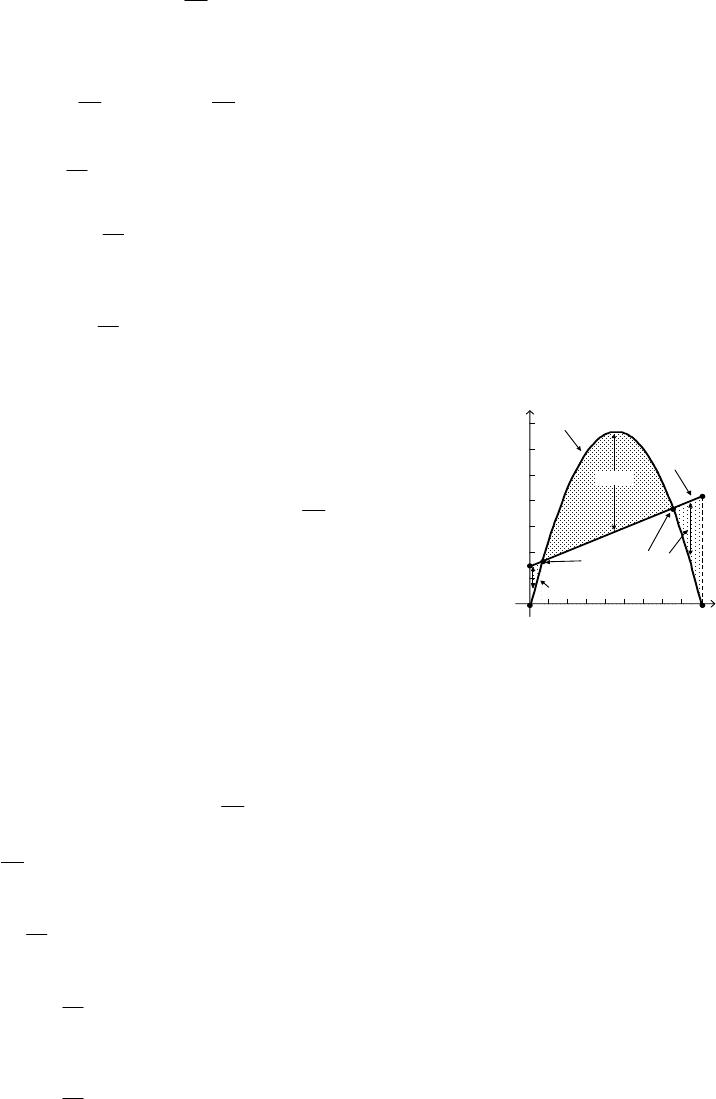
EXERCISE 9-7 9-43
46. x = 9,000 – 30p and C(x) = 150,000 + 30x
(A) 30p = 9,000 – x, p = 300 – 1
30 x, 0 ≤ x ≤ 9,000
(B) Cꞌ(x) = 30
(E) R‘(3,000) = 300 – 1
15 (3,000) = 100; at a production level of
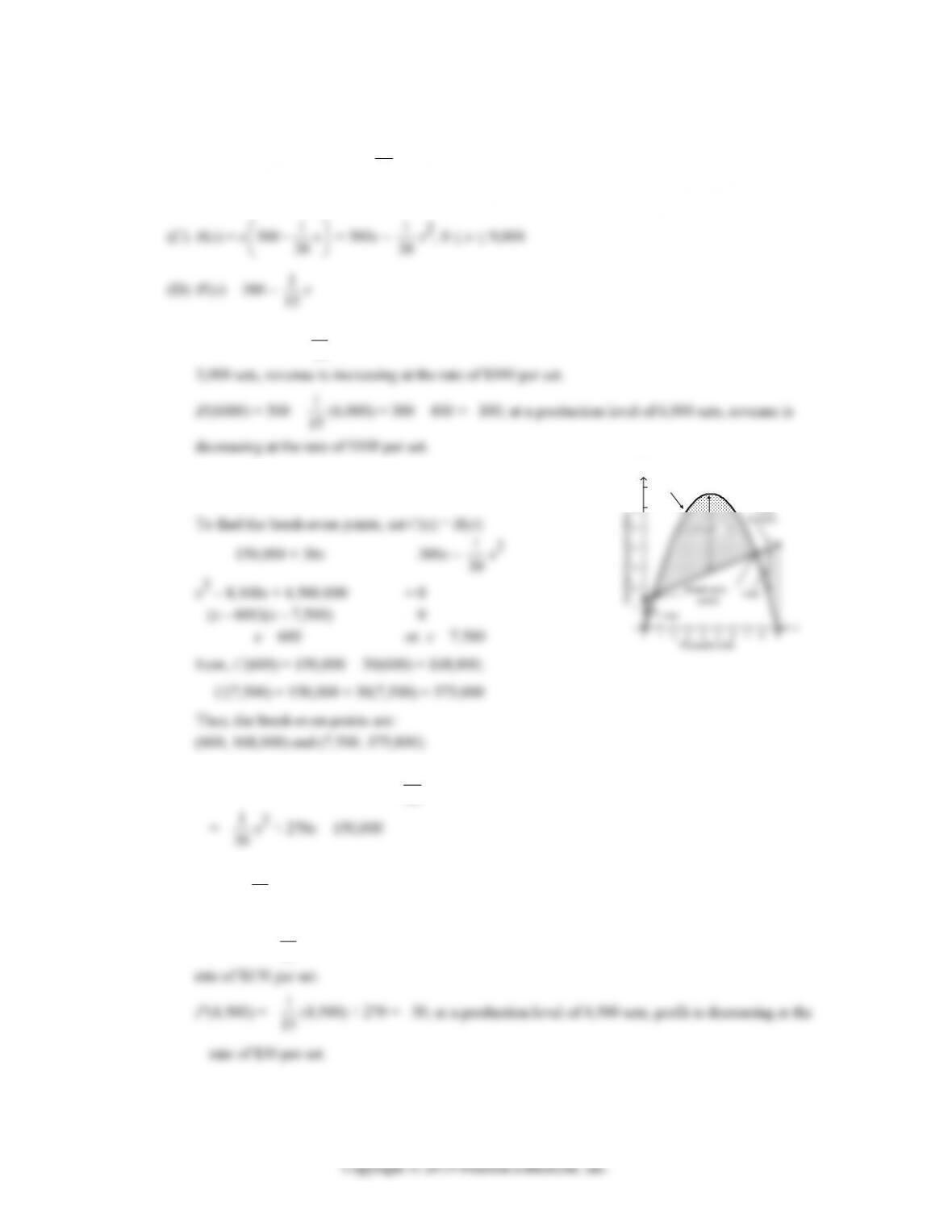
(F) The graphs of C(x) and R(x) are shown
at the right.
R C
6
7
Revenue
function
Cost
(G) P(x) = R(x) – C(x) = 300x – 1
30 x2 – (150,000 + 30x)
(H) Pꞌ(x) = – 1
15 x + 270
(I) P‘(1,500) = – 1
15 (1,500) + 270 = 170; at a production level of 1,500 sets, profit is increasing at the
9-44 CHAPTER 9: LIMITS AND THE DERIVATIVE
48. (A) We are given p = 25 when x = 300 and p = 20 when x = 400. Thus, we have the pair of equations:
25 = 300m + b
x
(B) R(x) = x40 20
x
= 40x –
2
20
x
, 0 ≤ x ≤ 800
(C) From the financial department’s estimates, m = 5 and b = 5,000. Thus, C(x) = 5x + 5,000.
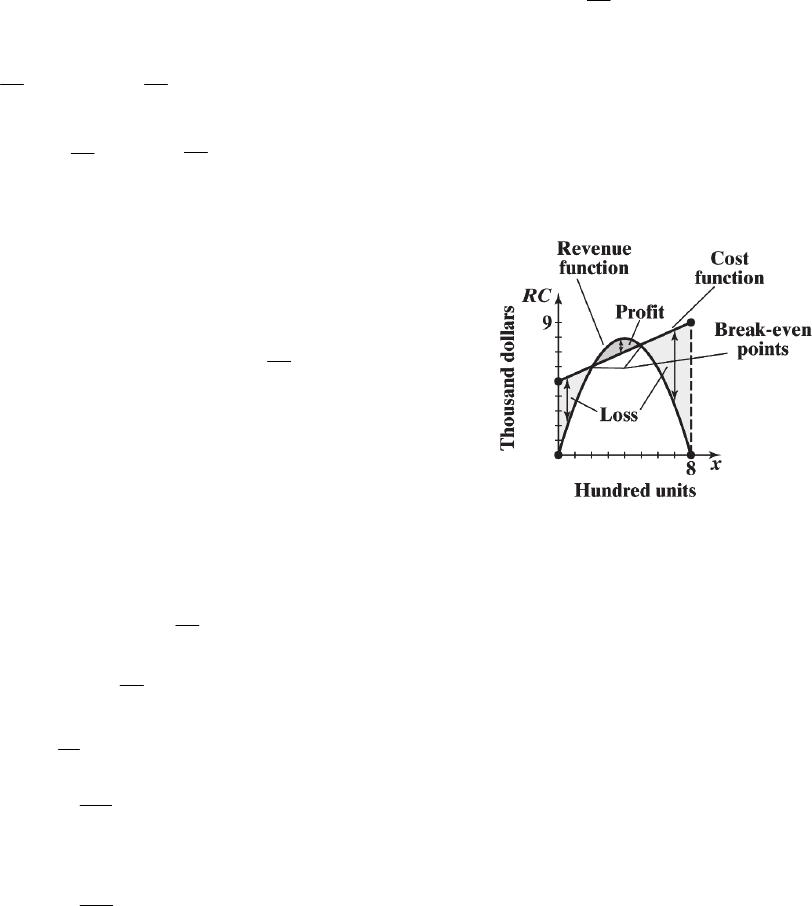
(D) The graphs of R(x) and C(x) are shown
at the right.
To find the break-even points, set C(x) = R(x):
x
(E) P(x) = R(x) – C(x) = 40x –
2
20
x
– (5x + 5,000)
x
(F) P‘(x) = 35 – 10
x
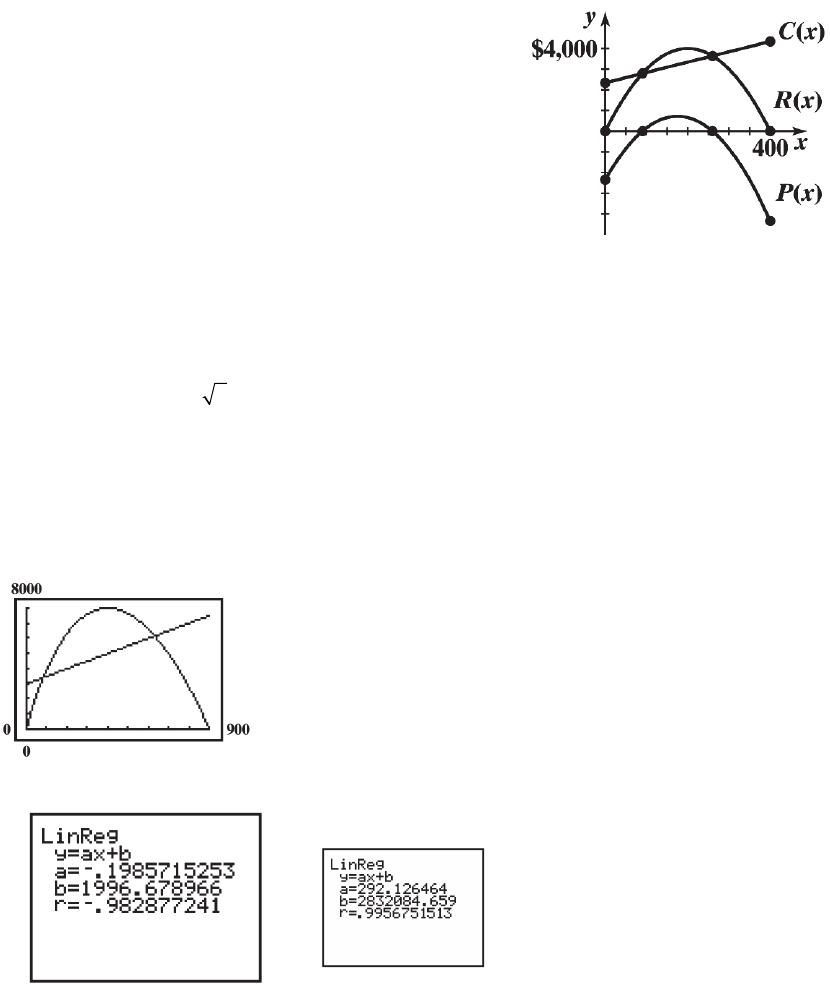
50. Total cost: C(x) = 5x + 2,340
EXERCISE 9-7 9-45
(B) P(x) = R(x) – C(x) = 40x – 0.1x2 – (5x + 2,340)
(C) P‘(x) = 35 – 0.2x. Setting P‘(x) = 0, we have
(D) The graphs of C(x), R(x) and P(x) are shown at the right.
Break-even points: R(x) = C(x)
52. Demand equation: p = 60 – 2
x
= 60 – 2x1/2
Cost equation: C(x) = 3,000 + 5x
(A) Revenue R(x) = xp = x(60 – 2x1/2)
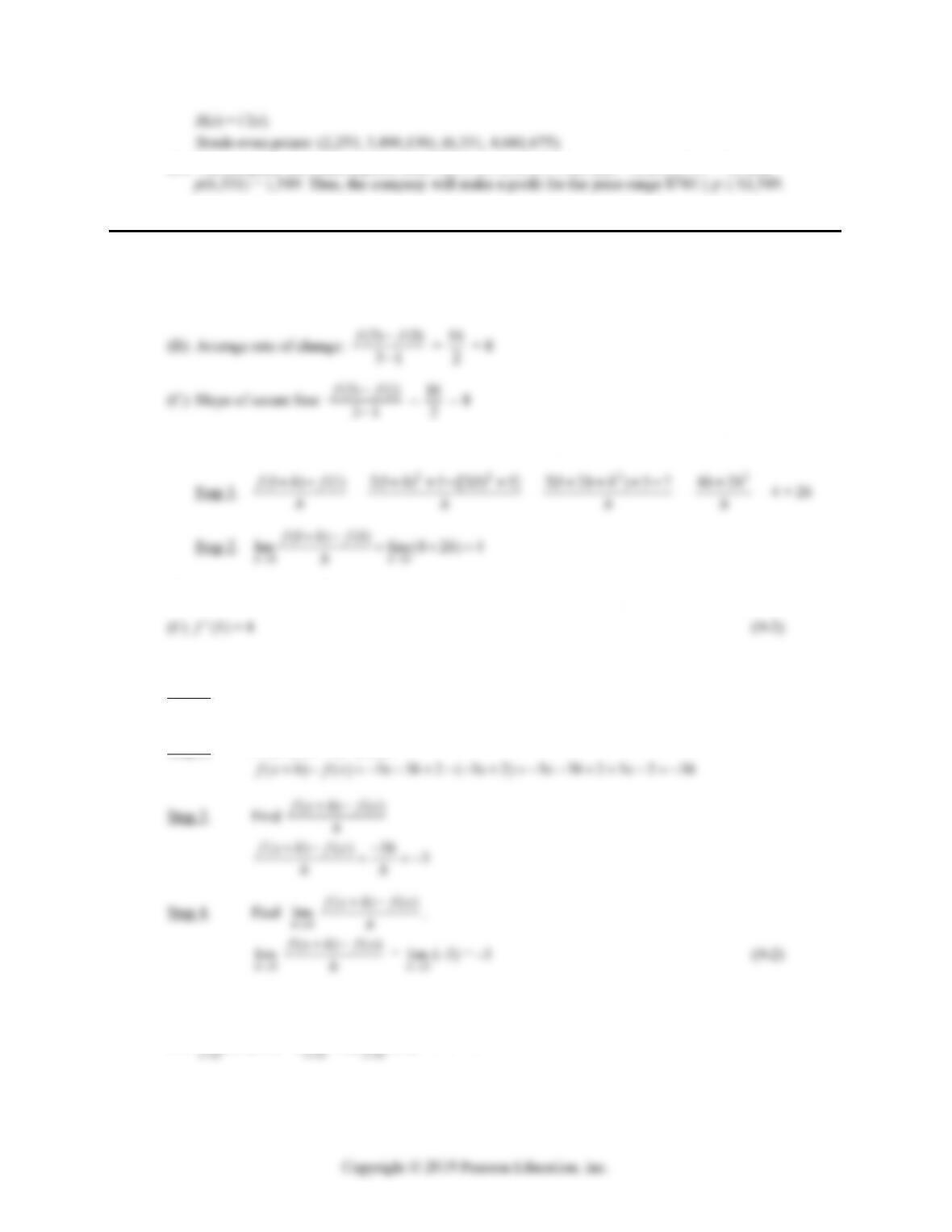
(B) The graphs for R and C for 0 ≤ x ≤ 900 are shown below:
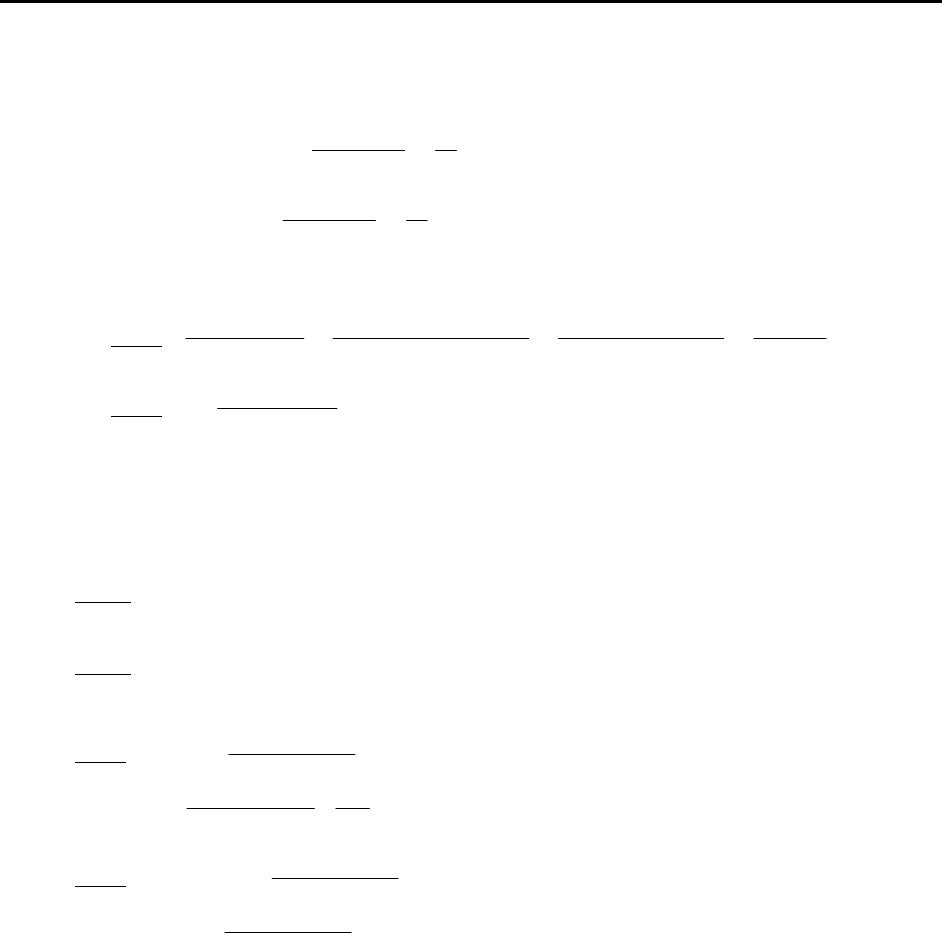
54. (A)
(B) Fixed costs: $2,832,085; variable cost: $292
(C) Let y = p(x) be the linear regression equation found in part (A) and let y = C(x) be the linear
9-46 CHAPTER 9: LIMITS AND THE DERIVATIVE
(D) The company will make a profit when 2,253 ≤ x ≤ 6,331. From part A), p(2,253) = 740 and
CHAPTER 9 REVIEW
1. 2
() 2 5fx x
(A) f(3) – f(1) = 2(3)2 + 5 – [2(1)2 + 5] = 16
f
f
(D) Instantaneous rate of change at x = 1:
f
(E) Slope of the tangent line at x = 1: 4
2. f(x) = –3x + 2
Step 1. Find ()
f
xh
()3()2332fx h x h x h
Step 2. Find ()()
f
xh fx
f
f
f
3. (A) 1
lim
x(5f(x) + 3g(x)) = 5 1
lim
xf(x) + 3 1
lim
xg(x) = 5·2 + 3·4 = 22
(B) 1
lim
lim
lim

4. (1.5) 1.5f (9-1)
6. (2.75) 3.75f (9-1)
8. (A) —
1
lim
xf(x) = 1 (B)
1
lim
x
f(x) = 1 (C) 1
lim
xf(x) = 1 (D) f(1) = 1 (9-1)
10. (A) —
3
lim
xf(x) = 4 (B)
3
lim
x
f(x) = 4 (C) 3
lim
xf(x) = 4 (D) f(3) does not exist (9-1)
11. (A) From the graph, 1
lim
xf(x) does not exist since
12. (A) 2
lim
xf(x) = 2 (B) f(2) is not defined
13. (A) 3
lim
xf(x) = 1 (B) f(3) = 1
16. lim
18.
lim
lim
20. 6
lim
xf(x) = ∞ (9-2)
22. y = 5 and y = 10 (9-2)
9-48 CHAPTER 9: LIMITS AND THE DERIVATIVE
24. f(x) = 3x2 – 5
Step 1. Find f(x + h):
Step 3. Find ()()
f
xh fx
f
25. (A) h’(x) = (3f(x))’ = 3 f ‘ (x); h’(5) = 3 f ‘ (5) = 3(–1) = –3
(B) h’(x) = (–2g(x))’ = –2g’(x); h‘(5) = –2g‘(5) = –2(–3) = 6
26. f(x) = 1
3x3 – 5x2 + 1; f ‘ (x) = x2 – 10 (9-5)
x
28. f(x) = 5
x
3
5
x
30. f(x) = 4
0.5
x
+ 0.25x4 = 0.5x–4 + 0.25x4
x
31. f(x) = (3x3 – 2)(x + 1) = 3x4 + 3x3 – 2x – 2
32. ∆x = x2 – x1 = 3 – 1 = 2, ∆y = f(x2) – f(x1) = 12 – 2 = 10,
33. 11
()()
f
xxfx
x
= (1 2) (1)
2
f
f = (3) (1)
2
f
f = 12 2
2
= 5 (9-6)
34. dy = f ‘(x)dx = (2x + 1)dx. For x1 = 1, x2 = 3,
35. ∆y = f(x + ∆x) – f(x); at x = 1, ∆x = 0.2,
36. From the graph:
(A)
2
lim
x
f(x) = 4 (B)
2
lim
xf(x) = 6
37. From the graph:
(A)
5
lim
x
f(x) = 3 (B)
5
lim
xf(x) = 3 (C) 5
lim
xf(x) = 3 (D) f(5) = 3
38. (A) f(x) < 0 on (8, ∞) (B) f(x) ≥ 0 on [0, 8] (9-3)
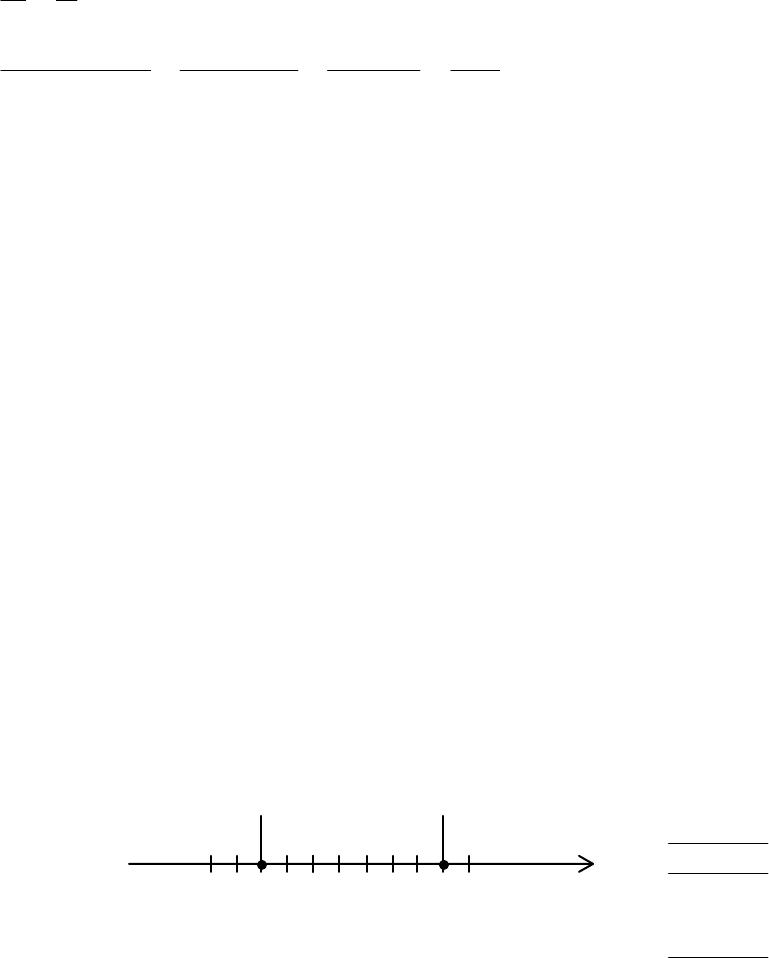
39. x2 – x < 12 or x2 – x – 12 < 0
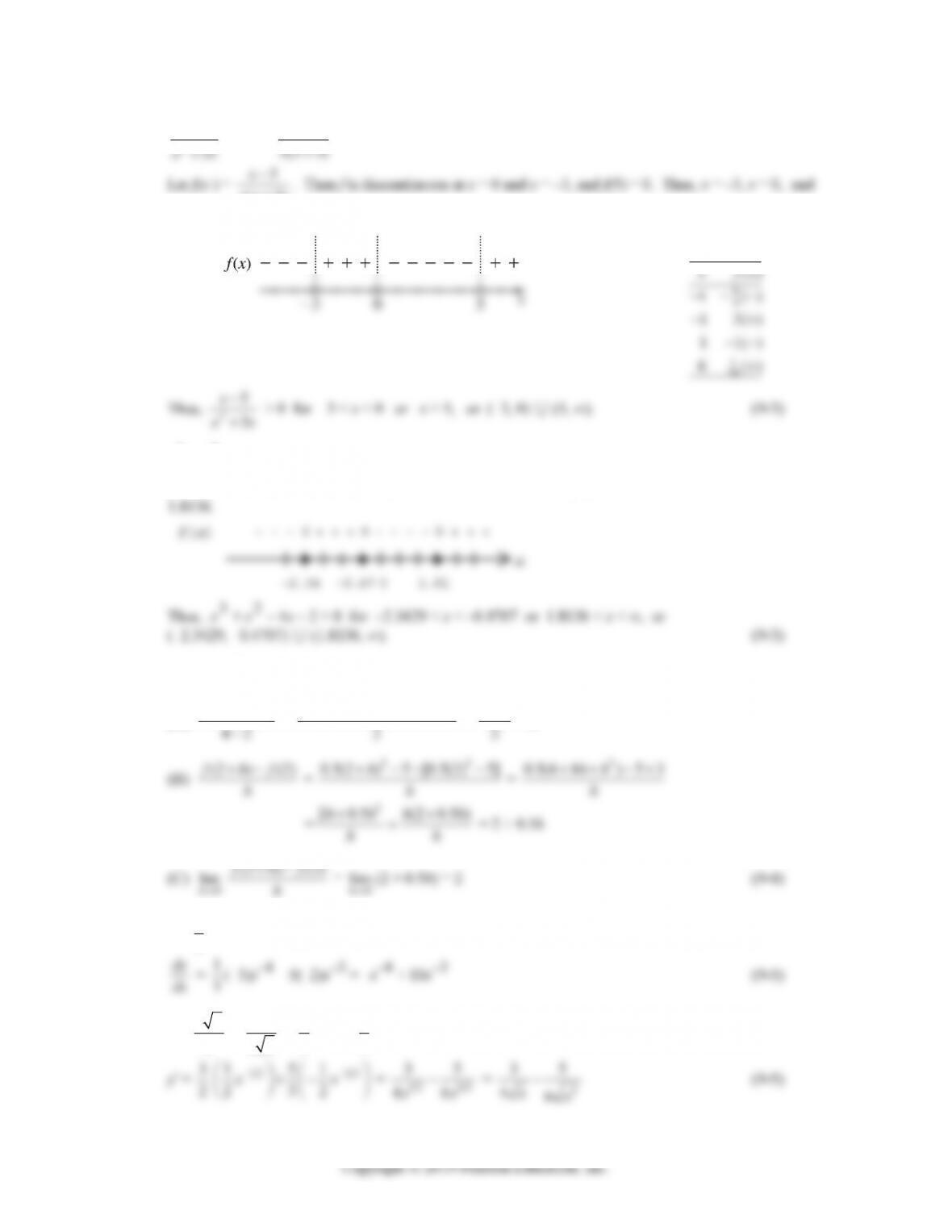
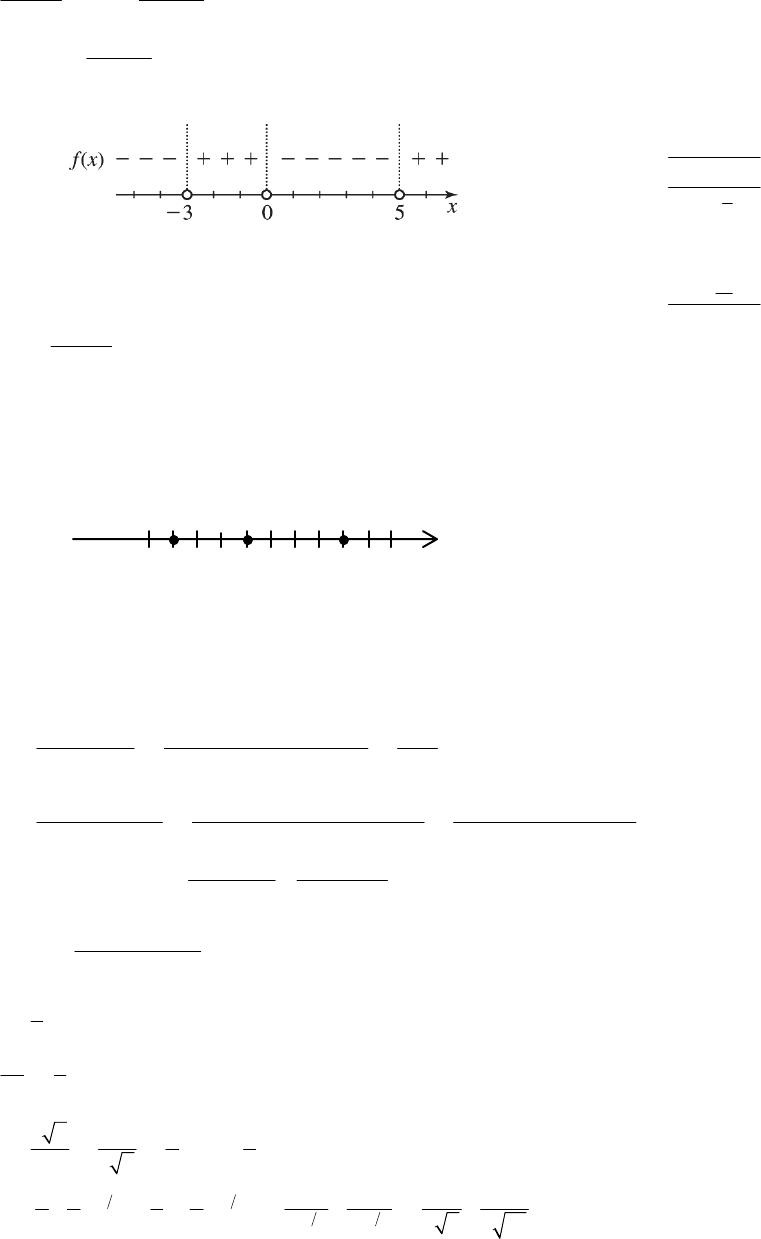
9-50 CHAPTER 9: LIMITS AND THE DERIVATIVE
40. 2
5
x
x
(3)
xx
. Then f is discontinuous at x = 0 and x = –3, and f(5) = 0. Thus, x = –3, x = 0, and
x = 5 are partition numbers.
Test Numbers
x
x
41. x3 + x2 – 4x – 2 > 0
Let f(x) = x3 + x2 – 4x – 2. Then f is continuous for all x and f(x) = 0 at x = –2.3429, –0.4707 and
42. f(x) = 0.5x2 – 5
(A) (4) (2)
ff
22
0.5(4) 5 [0.5(2) 5]
= 82
= 3
43. y = 1
3x–3 – 5x–2 + 1;
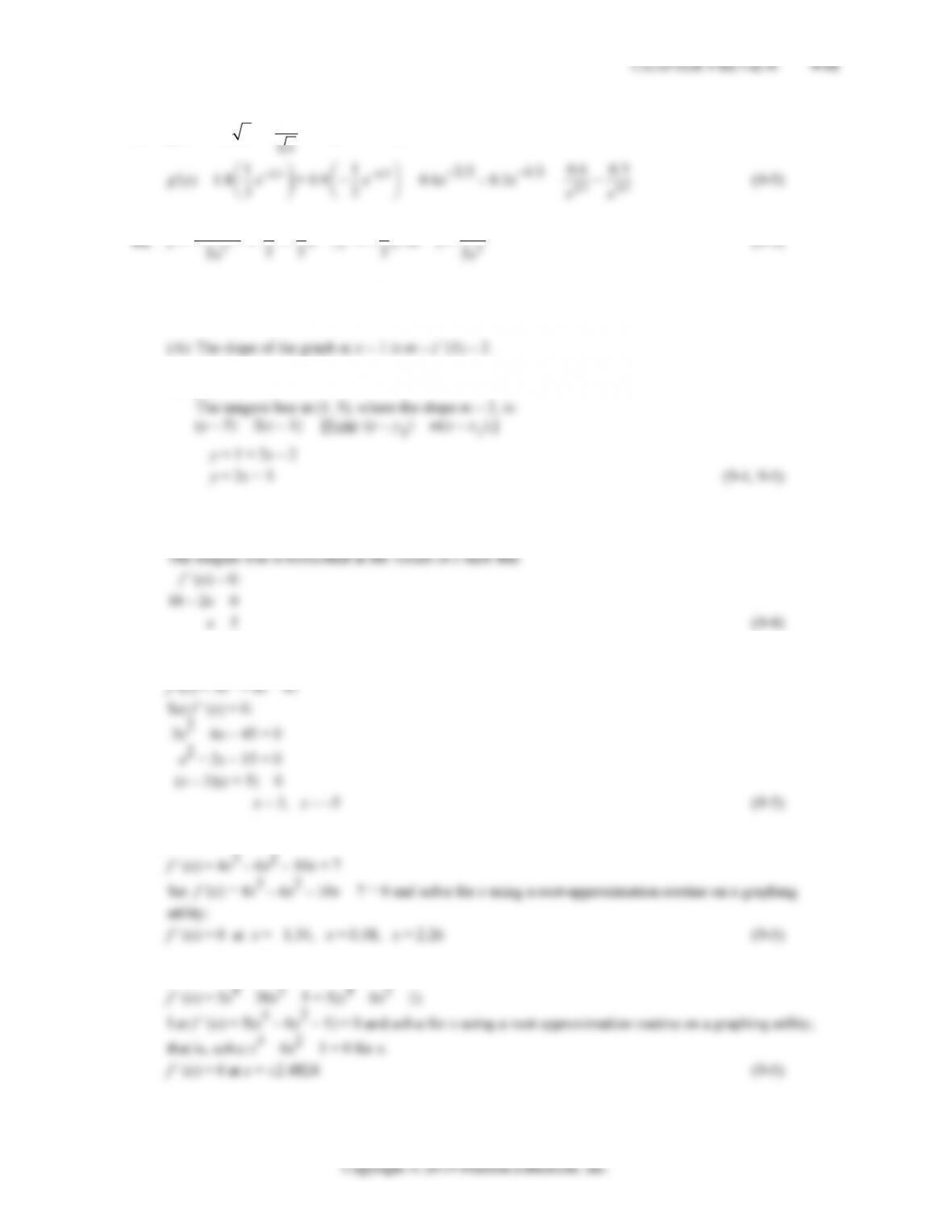
44. y = 3
2
x
+ 5
3
x
= 3
2x1/2 + 5
3x–1/2;
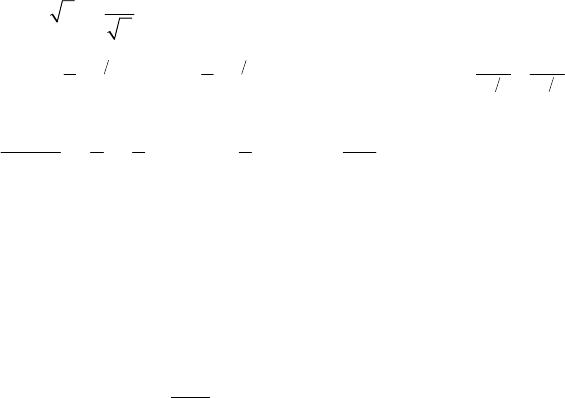
45. g(x) = 1.8 3
x
+ 3
0.9
x
= 1.8x1/3 + 0.9x–1/3
x
3
23
x
x
= 2
9
x
47. f(x) = x2 + 4
f ′ (x) = 2x
(B) f(1) = 12 + 4 = 5
48. f(x) = 10x – x2
f ′ (x) = 10 – 2x
49. 32
() 3 45 135fx x x x
50. f(x) = x4 – 2x3 – 5x2 + 7x
51. f(x) = x5 – 10x3 – 5x + 10