– 427 –
Twitter, Inc. in 2018:
Too Little Too Late?
Overview
By 2018, Twitter had become a very well-known social media company, largely because of its many
prominent users and high-profile usage. Several of the world’s leaders had millions of followers on
Twitter in May of 2017, including U. S. President Donald Trump (30 million followers), Indian Prime
Minister Modi (30 million), Turkish President Erdogan (10.3 million), and Sheikh Mohammed of the UAE (8
million). From May 2017 to June 2018, President Trump’s follow count increased to 53.1 million. President
Trump regularly used Twitter to break news, praise his friends, campaign for supporters, and feud with his
enemies; consequently Twitter had been in the daily news almost constantly in 2016.
Although the world’s leaders had millions of followers, others had far more. In June 2018, Katy Perry had
over 108,000,000 followers, Justin Bieber 106.5 million, former U.S. President Barack Obama 103 million,
Rihanna 88.6 million, Lady Gaga 78.85 million, and Justin Timberlake 66 million. Captain Sully Sullenberger’s
miraculous plane crash-landing on New York’s Hudson River in 2009 was broken on Twitter, and on May 1,
2011, an IT consultant in Pakistan unknowingly live-tweeted the U.S. Navy Seal raid that killed Osama Bin
Laden over nine hours before the raid was on the news. Prince William announced his engagement to Catherine
Middleton in 2010 on Twitter. President Obama used Twitter to declare victory in the 2012 U.S. presidential
election, with a Tweet that was viewed about 25 million times on the Twitter platform and widely distributed
oine in print and broadcast media. Yet despite its millions of users, the high-profile users and usage, Twitter
had found profit to be elusive.
case 13 teaching note
*
Case 13 Teaching Note Twitter, Inc. in 2018: Too Little Too Late?
428
scare potential investors or creditors away, even though the company had shown a small profit. Mr. Dorsey
pondered what could be done to assure a continuation of profit and survival, given Twitter’s anemic growth,
marginal revenue increases (and a decrease in 2017), and unreliable profitability. Another daunting question was
the possibility that Twitter was an attractive acquisition candidate.
This case provides sufficient detail for students to evaluate:
Twitter’s strategy
The direction/future of the social media industry
Suggestions For Using The Case
This brand new, high-profile case should generate considerable student interest and provoke a lively, interesting
class discussion of whether it was possible, and if so, how long it might take for Twitter to establish a strong
growth trend and attractive profitability. You can be sure that the majority, if not all, students will be familiar with
Twitter and the social media industry, and almost all students will use one or more social media platforms. Also,
Tweets from Twitter will very likely be in the news the day you assign or discuss the case.
This case presents quite an interesting contradiction: a very large social media company with some of the most
powerful and famous politicians and celebrities as its users and a track record of financial loss every quarter from
its beginning in 2011, until the fourth quarter of 2017. Although Twitter had shown a profit in the fourth quarter
of 2017, that profit was the result of cutting costs and expenses (which had been excessive) rather than growing
the business, consequently, there was a looming question about the longevity of the profitable operations.
Spirited debate will focus on the future of Twitter: was the fourth quarter, 2017, profit the beginning of a trend,
or only the result of unsustainable cost cutting? Was the decrease in net revenue aberrant, or was Twitter dated
and being replaced by more modern social media platforms? How does Twitter compare with other social media
companies? Our experience has been that students feel a connection to Twitter and are well-prepared for this
case.
Video for Use with the Twitter, Inc. in 2018 Case There is a 2018 CNBC interview entitled “Twitter CEO
Jack Dorsey: Timeline Changes Reflect Event-Focused Strategy” that you may show in class or have students view
on their own. The 2:59-minute video can be accessed at https://www.youtube.com/watch?v=hBFjWBuBHbA.
Case 13 Teaching Note Twitter, Inc. in 2018: Too Little Too Late?
429
team presentations and written case assignments—in addition to whatever directive question(s) you supply for
these assignments. Hence, we urge that you provide students with assignment questions—either those we have
provided or a set of your own questions—for all those aspects of a case that you believe are worthy of student
analysis or that you plan to cover during your class discussion.
To facilitate your use of assignment questions and making them available to students, we have posted a file of
the Assignment Questions contained in the instructor resources section of the Connect Library for the 22nd
Edition.
Suggested Assignment Questions for an Oral Team Presentation or Written Case Analysis. We
believe the Twitter, Inc. case is quite well-suited for written assignments and/or oral team presentations. Our
suggested assignment questions are as follows:
Twitter, Inc.’s CEO Jack Dorsey has employed you as a consultant to assess the company’s overall
situation and recommend a set of actions to improve the company’s future prospects. Please prepare a
report to Mr. Dorsey that includes: (1) an evaluation of competitive forces in the social media market,
Assignment Questions
1. What does a PESTEL analysis suggest for the macro-environmental impact on the social media industry?
Which of the macro-environmental factors appear to have the greatest potential impact on Twitter? Why?
2. Identify the driving forces in the social media industry? What appears to be the impact of these driving
forces on the industry?
3. Prepare a SWOT analysis for Twitter. What does the SWOT suggest for Twitter’s future?
Case 13 Teaching Note Twitter, Inc. in 2018: Too Little Too Late?
430
Teaching Outline And Analysis
1. What does a PESTEL analysis suggest for macro-environmental impact on the social media
industry? Which of the macro-environmental factors appear to have the greatest potential
impact on Twitter? Why?
This is an excellent exercise for students to identify the macro-environmental factors that affect high-tech
and social media firms, and to understand how they can influence the industry. Students typically have
difficulty with identifying the relevant factors and then struggle with linking the collective forces to industry
profitability.
■ Economic conditions:
■ Political Factors:
Case 13 Teaching Note Twitter, Inc. in 2018: Too Little Too Late?
431
■ Legal and regulatory factors:
2. Identify the driving forces in the social media industry? What appears to be the impact of
these driving forces on the industry?
Driving Forces in the Social Media Industry:
Changing societal attitudes and lifestyles
Millions of people around the world are addicted to social media. President Trump, and many other
politicians regularly tweet messages to their constituents, celebrities communicate with their fans, and
Diffusion of technological know-how across countries
Changes in how social media is used
Case 13 Teaching Note Twitter, Inc. in 2018: Too Little Too Late?
432
Impact of the Driving Forces on the Social Media Industry:
The impact of the driving forces has led to increased industry demand, as more people become members
of one or more of the several social media companies. Although there are billions of social media users
worldwide, there remains potential for growth. For example, Facebook’s year-over-year growth rate in the
first quarter of 2018 was 13 percent. There is obviously room for continued growth, at least in the near-
term. The continuing development in internet technology and reliability has increased the breath of services
offered and thus the demand for more social media.
3. Prepare a SWOT analysis for Twitter. What does the SWOT suggest for Twitter’s future?
Twitter’s Resource Strengths and Competitive Assets:
■ Strong brand-name, image, and company reputation
■ Large customer/member base
Case 13 Teaching Note Twitter, Inc. in 2018: Too Little Too Late?
433
Twitter’s Market Opportunities:
External Threats to Twitter’s Future Well-Being:
■ Increasing intensity of competition among industry rivals
What does the SWOT analysis suggest for Twitter’s future?
Twitter’s SWOT analysis suggests a good future for Twitter if the company can use its strong brand-name,
reputation, and image, and its high-profile customer base to establish a solid earnings trajectory. Twitter has
significant internal strengths which should serve as the basis for a successful competitive strategy. With astute
Case 13 Teaching Note Twitter, Inc. in 2018: Too Little Too Late?
434
4. Using the data in Case Exhibits 1 & 2, what is your assessment of Twitter’s financial position?
Based on your analysis, what financial performance can reasonably be expected in the near-
term future for Twitter? Support your answer.
According to the financial information presented in the case, Twitter had not shown profit in the company’s
history. Examination of the company’s income statement shows that high expenses exacted a toll on the
company’s earnings. Cost of revenue and expenses were almost double net revenue in 2013. Research and
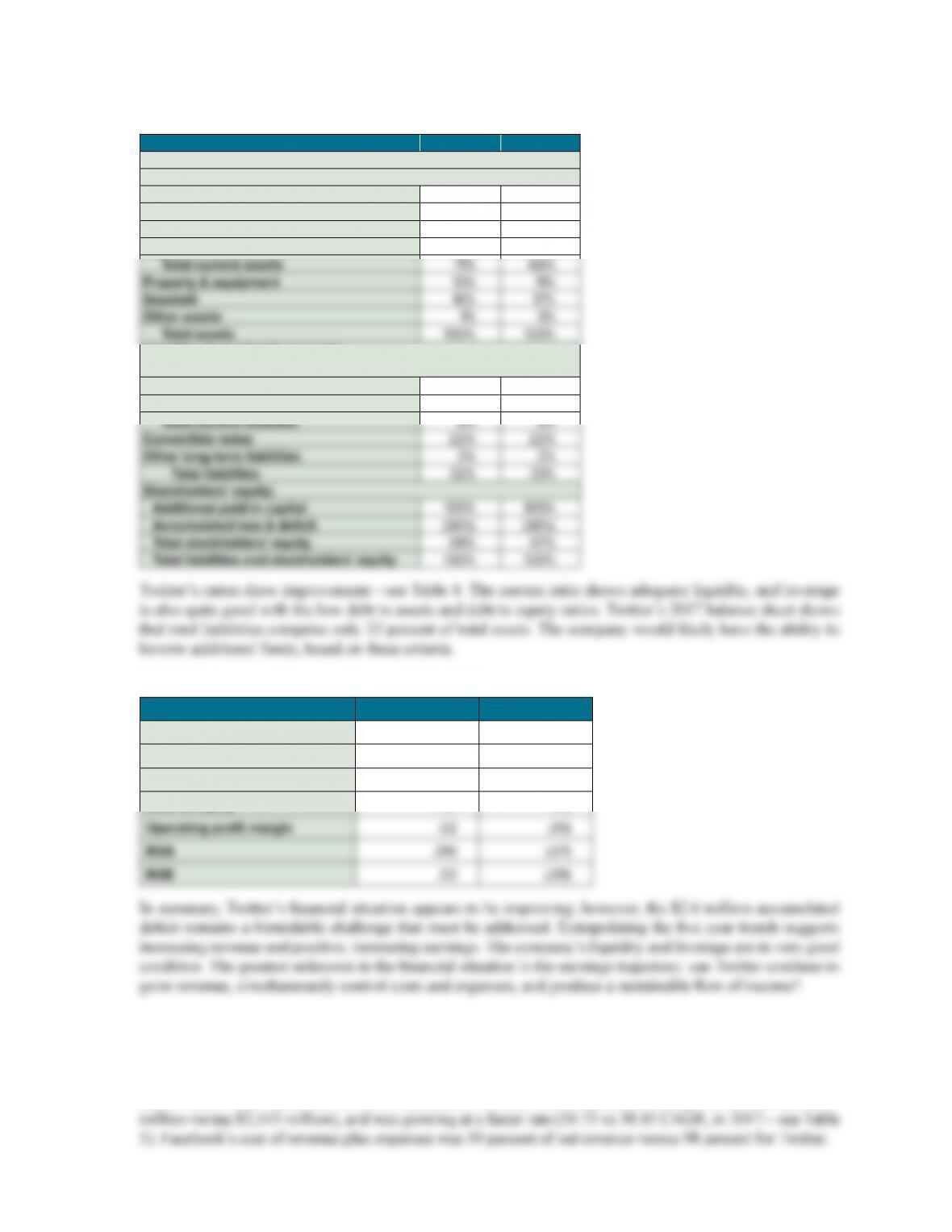
TABLE 1. Twitter, Inc.—Common Size Income Statement
Revenue
2017 2016 2015 2014 2013
100% 100% 100% 100% 100%
Cost of revenue 35% 37% 33% 32 40%
Research & development 22% 28% 36% 49 89%
Sales & marketing 29% 38% 39% 44 48%
TABLE 2. Twitter—Income Statement CAGR, 2013 – 2017
CAGR
Revenue 38.45
Cost & expenses:
Cost of revenue 34.05
R & D -2.26
Sales & marketing 22.73
Case 13 Teaching Note Twitter, Inc. in 2018: Too Little Too Late?
435
TABLE 3. Common Size Balance Sheet, 2017–2018
2017 2016
Asset
Current assets:
Cash 22% 14%
Short-term investments 37% 41%
Accounts receivable 9% 9%
Other current assets 3% 3%
Liabilities & stockholders’ equity
Current liabilities:
Accounts payable 2% 2%
Other liabilities 6% 7%
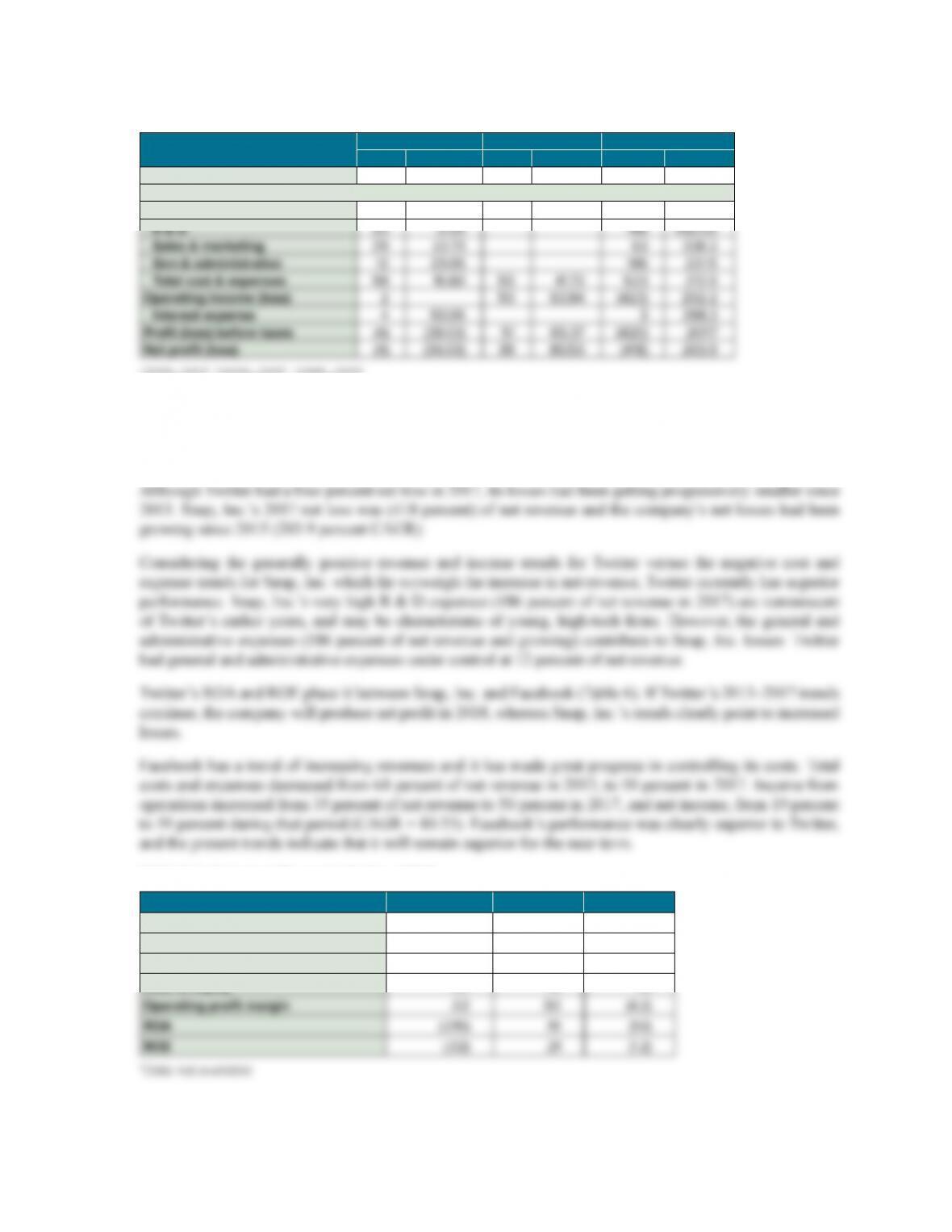
TABLE 4. Selected Financial Ratios, 2016–2017
Ratio 2017 2016
Current Ratio 9.1 7.9
Working capital $4,738,000 $4,068,175
Debt to assets .32 .33
Debt to equity .47 .49
5. From the data provided in the case (Exhibits 1, 2, 6 & 7), how does Twitter’s performance
stack up with Facebook and Snap? Is there a clear winner based on your analysis?
Twitter’s financial performance is between that of Facebook and Snap, Inc.—stronger than Snap, Inc. but
much weaker than Facebook. In 2017, Facebook’s revenue was a significant multiple of Twitter ($40,653
Case 13 Teaching Note Twitter, Inc. in 2018: Too Little Too Late?
436
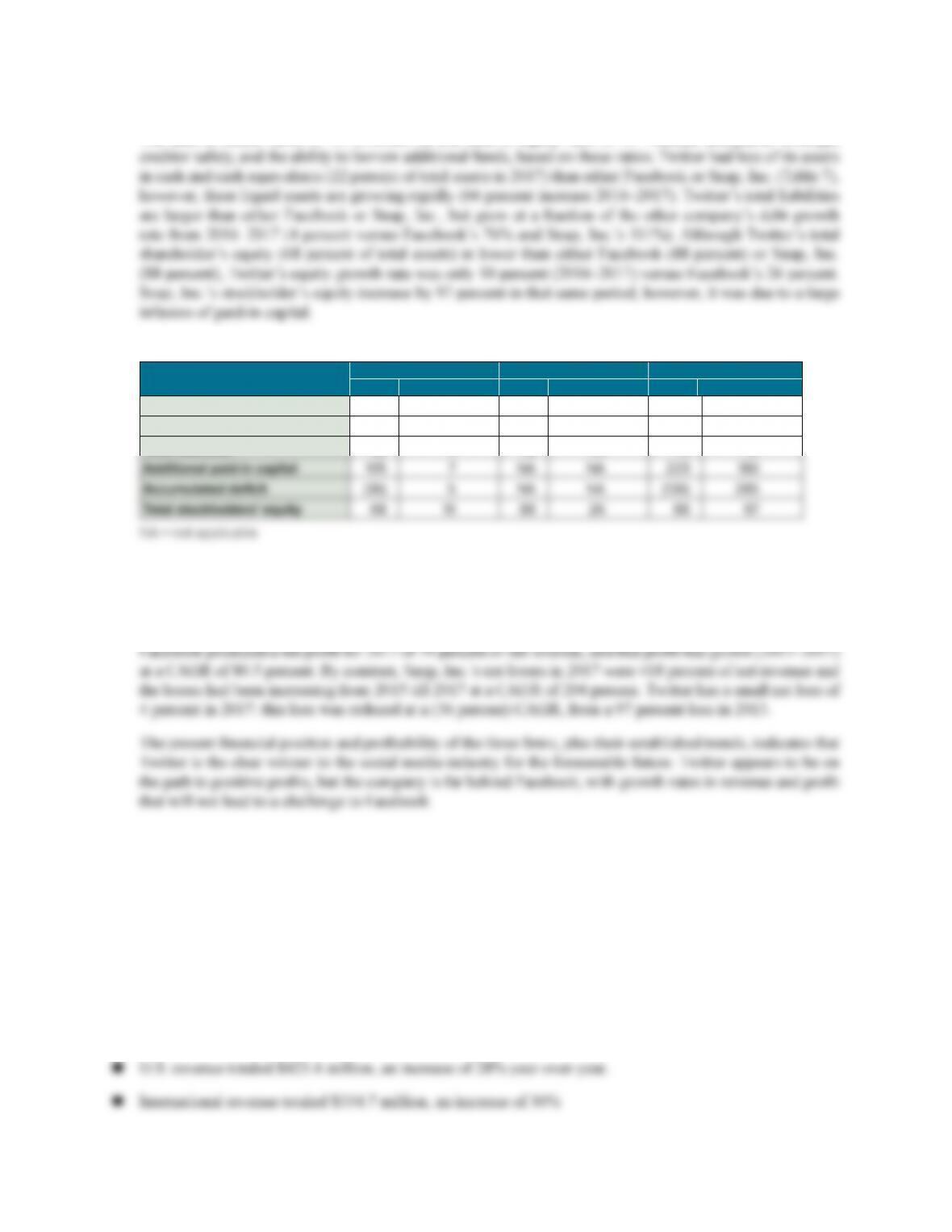
TABLE 5. Common Size Income Statement and CAGR, 2017
Twitter
a
Facebook
b
Snap, Inc.
c
%CAGR %CAGR %CAGR
Revenue 100 38.45 100 50.75 100 275.0
Cost & expenses:
Cost of revenue 35 34.05 87 93.36
Although Twitter’s revenue was much larger than Snap, Inc., its growth rate was lower (38.45 percent versus
275.0 percent, CAGR). Snap, Inc.’s cost of revenue (87 percent of net revenue) and expenses (436 percent
of net revenue) were also growing at a much greater rate than Twitter. This resulted in an operating loss of
negative (423 percent) of net revenue in 2017 for Snap, Inc., versus Twitter’s 2 percent operating profit.
TABLE 6. Selected Financial Ratios, 2017
Twitter Facebook Snap, Inc.
Current Ratio 9.1 * *
Working capital $4,738,000 * *
Debt to assets .32 .12 .13
Debt to equity .47 .14 .14
Case 13 Teaching Note Twitter, Inc. in 2018: Too Little Too Late?
437
Twitter was less liquid than Facebook or Snap, Inc.; however it had $4.7 billion in working capital in 2017.
The debt to assets ratios of .32 (Exhibit 6), and debt to equity ratio of .47 indicate acceptable leverage,
TABLE 7. Common Size Balance Sheet and Percentage Change, 2016 – 2017
Twitter Facebook Snap, Inc.
%% Change %% Change %% Change
Total Assets 100 8100 30 100 107
Cash & cash equivalents 22 66 49 42 60 99
Total liabilities 32 412 76 13 111
In summary, Facebook is the clear winner in the social media industry. It is much larger than Twitter and Snap,
Inc., and its revenue growth rate is larger than Twitter. Facebook’s total costs and expenses are under control:
50 percent of net revenue in 2017 versus Twitter’s 98 percent and Snap, Inc. at 523 percent. Consequently,
Facebook’s operating income was 50 percent, versus Twitter’s 2 percent and Snap, Inc.’s 423 percent loss.
Epilogue
The company reported in its quarterly earnings report for the period ending September 30, 2018 that revenue
in the third quarter of 2018 totaled $758.1 million (an increase of 29% compared to $589.6 million in the third
quarter of 2017).
Other highlights of the quarterly earnings announcement included:
Advertising revenue totaled $649.8 million, an increase of 29% year-over-year.
Data licensing and other revenue totaled $108.3 million, an increase of 25% year-over-year.
Case 13 Teaching Note Twitter, Inc. in 2018: Too Little Too Late?
438
Non-GAAP net income was $162.7 million, an increase of 109% year-over-year.
Adjusted EBITDA was $295.4 million, an increase of 43% year-over-year.
Cash, cash equivalents and short-term investments in marketable securities totaled $5.96 billion as of
September 30, 2018.
For the latest information on developments at Twitter, please visit the Investor Relations section at www.twitter.
com and check out the company’s recent press releases and financial results.