– 395 –
iRobot in 2018: Can the Company
Keep the Magic?
Overview
For many company CEO’s, having the largest market share in a rapidly growing industry, controlling over
75 percent of global revenue, and experiencing record growth and sales in the latest fiscal year, would be
a calming situation. However, Colin Angle, Chairman and CEO of iRobot, in its first year as a consumer-
focused company, reported a 33.8 percent increase in revenue and a 21.5 percent increase in net profit over the
prior year. The company announced expectations for about 20 percent revenue growth in 2018, which would
push revenue over $1 billion. The company’s stock reached $68.00 on March 23, 2018, which was a 151 percent
increase over the same date in 2017.
However, for the management team at iRobot, those metrics only served to help fine-tune and develop strategy
to improve the company’s performance and defend against several looming competitive threats. The company’s
focus was the design and manufacture of robots that empowered people to do more both inside and outside of
the home. The iRobot consumer robots helped people find smarter ways to clean and accomplish more in their
daily lives. iRobot’s portfolio of robotic solutions featured proprietary technologies for the connected home and
advanced concepts in cleaning, mapping and navigation, human-robot interaction, and physical solutions that
moved the company beyond simple robotic vacuums. The company had announced a relationship with Amazon
Web Services (AWS) that was believed to enable iRobot to address significant opportunities within the consumer
business and the connected home. The AWS Cloud would allow devices to interact easily and securely and
enable iRobot to scale the number of connected robots it supported globally and allow for increased capabilities
in the smart home.
case 11 teaching note
*
Case 11 Teaching Note iRobot in 2018: Can the Company Keep the Magic?
396
There is ample detail in the case for students to evaluate:
■ iRobot’s strategy
■ The attractiveness of the company in light of recent events, its current situation and future prospects
Suggestions for Using the Case
This new and interesting case should generate considerable student interest and provoke lively, interesting class
discussion about the strategy of a very profitable, single product, global company with the dominant position
in the large and growing robotic vacuum industry. Because of iRobot’s profitability and market dominance,
this case presents a unique opportunity to examine a company which appears to be doing everything right, and
reaping the rewards. Discussion tends to focus on the pros and cons of iRobot pulling its product line back to a
single product, the possibility of a diversification strategy going forward, strategic alliances and joint ventures,
and how to preserve and extend the company’s present market dominance. Students are especially interested in
the wisdom and practicality of iRobot’s ability to integrate the robotic vacuum with the smart home, and whether
there is adequate demand for a smart robotic vacuum. There will be spirited debate on the privacy issues of data
collection by robotic vacuums, and what, if any, changes in strategy are needed at iRobot?
The iRobot in 2018 is probably best assigned after you have covered Chapters 1–8, but it can be successfully
To facilitate your use of assignment questions and making them available to students, we have posted a file
of the Assignment Questions contained in the instructor resources section of the Connect Library for the
22nd Edition
Case 11 Teaching Note iRobot in 2018: Can the Company Keep the Magic?
397
Utilizing the Guide to Case Analysis. If this is your first assigned case, you may find it beneficial to
have class members read the Guide to Case Analysis located in the instructor resources section of the Connect
Library. The content of this Guide is particularly helpful to students if your course is their first experience with
cases and they are unsure about the mechanics of how to prepare a case for class discussion, oral presentation,
or written analysis.
Suggested Assignment Questions for an Oral Team Presentation or Written Case Analysis. We
believe the iRobot in 2018: Can the Company Keep the Magic? case is very well-suited for written assignments
and/or oral team presentations. Our suggested assignment questions are as follows:
■ iRobot Chairman and CEO Colin Angle has employed you as a consultant to assess the company’s
overall situation and recommend a set of actions to improve the company’s future prospects. Please
prepare a report to Mr. Angle that includes: (1) an evaluation of iRobot’s business strategy in the market
Assignment Questions
1. Identify the driving forces in the robotic vacuum industry. Which of these forces appears to be the strongest?
Where does the industry appear to be headed as a result of these forces?
2. What are iRobot’s competitive and resource strengths, and what opportunities do you identify? What notable
weaknesses and threats are facing the company? Assess the combined impact of these forces on iRobot’s
future profitability.
Case 11 Teaching Note iRobot in 2018: Can the Company Keep the Magic?
398
Teaching Outline and Analysis
1. Identify the driving forces in the robotic vacuum industry. Which of these forces appears to
be the strongest? Where does the industry appear to be headed as a result of these forces?
Conscientious students will be able to identify the driving forces, although there will likely be differences of
opinion regarding which is the strongest. There will certainly be differences of opinion about the industry’s
direction as a result of these forces.
Driving forces in the robotic vacuum industry include improved functionality and superior performance,
product innovation, advanced features, and the full range of use of the robotic vacuum. The industry’s
robotic vacuums are close to the maximum level as a vacuum, per se. Small improvements in suction
power and battery life would be welcome in the market, but the products were already at an advanced
Case 11 Teaching Note iRobot in 2018: Can the Company Keep the Magic?
399
2. What are iRobot’s competitive and resource strengths, and what opportunities do you
identify? What notable weaknesses and threats are facing the company? Assess the
combined impact of these forces on iRobot’s future profitability.
iRobot’s Resource Strengths and Competitive Assets:
■ Liquid financial position, not highly leveraged, large amount of working capital, and ample financial
resources to sustain and grow the business
iRobot’s Resource Weaknesses and Competitive Liabilities:
■ Increasing number of competitors
iRobot’s Market Opportunities:
■ Increasing buyer demand for robotic vacuums
Case 11 Teaching Note iRobot in 2018: Can the Company Keep the Magic?
400
External Threats to iRobot’s Future Well-Being:
■ Public concerns and negative publicity about data-collecting vacuums and vacuums connected to the
internet and the “smart home”, and general privacy issues.
Conclusions Regarding the Combined Impact of these Forces on iRobot’s Future Profitability:
iRobot had a winning strategy, a very strong financial position in terms of both liquidity and profitability,
a strong and well-known brand and company reputation, and world-wide market leadership in a growing
market. As a one-product company, iRobot was able to devote all of its time and resources to robotic
3. Describe iRobot’s business strategy. Does it appear well-suited for the company in 2018?
Students will offer varying descriptions of iRobots’ business strategy, but are generally in agreement that
Case 11 Teaching Note iRobot in 2018: Can the Company Keep the Magic?
401
iRobot’s strategy passed the three tests of a winning strategy.
■ The Fit Test: iRobot’s strategy was well matched to the robotic vacuum industry and competitive
conditions. The strategy had good external fit, and was in synch with the prevailing market conditions.
There was also good internal fit: the strategy matched the company’s resources and competitive
4. iRobot has the largest market share in a growing market, but does the company have a
competitive advantage? A sustainable advantage? What additional strategies could the
company adopt to secure or sustain competitive advantage?
Students will have widely varying answers, and many will argue against sustainable competitive advantage
for iRobot. More astute students will be able to identify iRobot’s several competitive advantages, but may
need a bit of help in deciding on sustainable advantage.
Case 11 Teaching Note iRobot in 2018: Can the Company Keep the Magic?
402
iRobot’s experience, know-how, and specialized capabilities, which had been developed and perfected over
its corporate life, plus the differentiating features of higher quality, better performance, and the volume
advantage gave iRobot sustainable advantage in the robotic vacuum industry.
5. Which of iRobot’s competitors presents the greatest competitive threat? Why? Support your
answer.
There will be various opinions about which competitor was the greatest competitive threat to iRobot. The
basis of the students’ choice for greatest threat generally focuses on price and reviews. Interestingly, new
technology and advanced features are seldom mentioned. Top candidates for great competitive threats are
usually Shark, Eufy, and Ecovacs.
Case 11 Teaching Note iRobot in 2018: Can the Company Keep the Magic?
403
6. From the provided financial data, what is iRobot’s financial condition? What do the financial
statements suggest about the company’s future? If present trends continue, where do you
see iRobot in the next few years?
The iRobot case presents ample financial data for students to practice their skills at analysis and making
conclusions from the financial analysis.
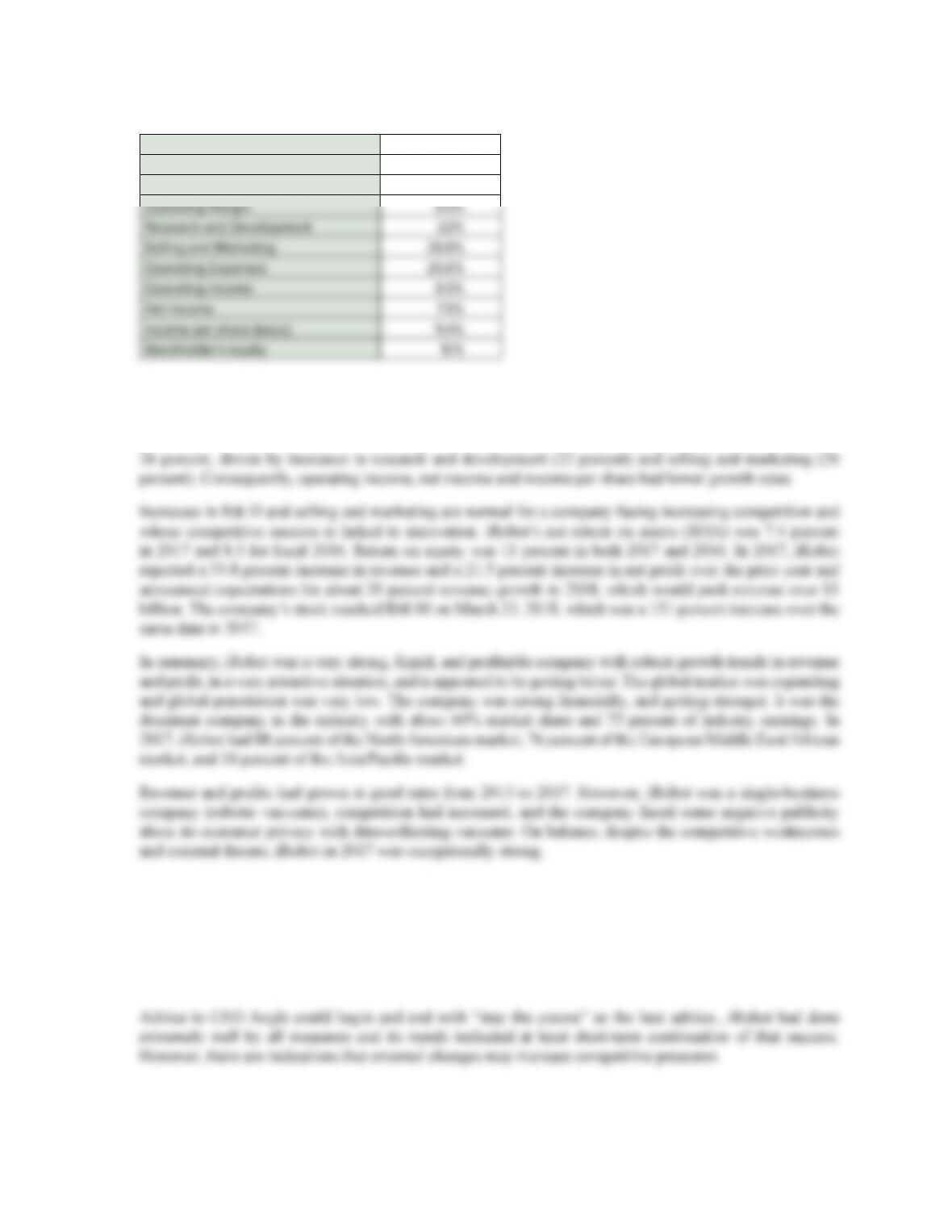
TABLE 1. Key Financial Ratios: 2014–2017
2017 2016 2015 2014
Gross Profit Margin 49% 48% 47% 46%
Operating Profit Margin 8% 9% 10% 10%
TABLE 2. iRobot Compound Annual Growth Rate: 2013–2017
Total Revenue 16.05%
Gross Margin 18.30%
Case 11 Teaching Note iRobot in 2018: Can the Company Keep the Magic?
404
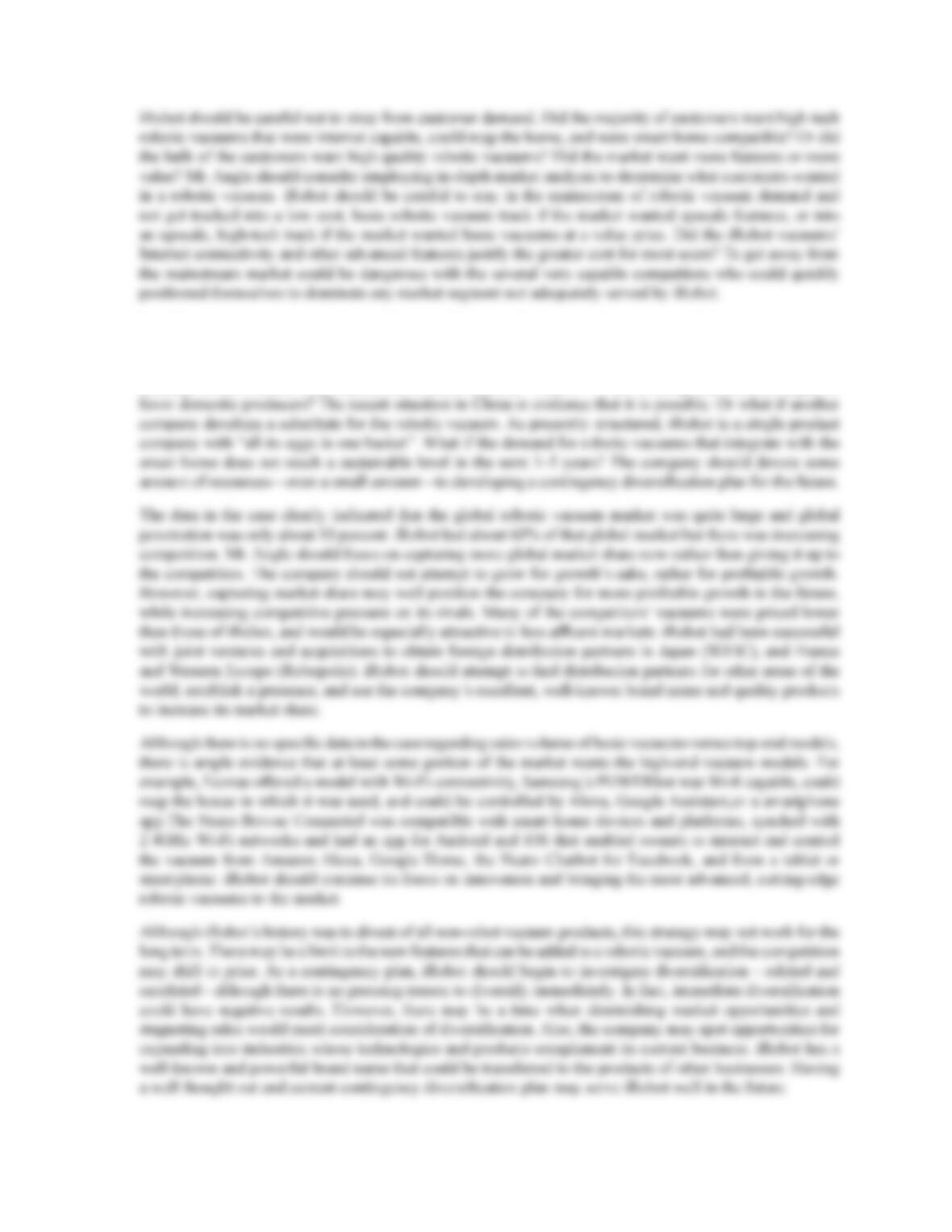
TABLE 3. iRobot Compound Annual Growth Rate: 2015–2017
Total Revenue 19.7%
Cost of Goods Sold 16.1%
Gross Margin 22.4%
From the growth rates above, for the most recent years (2015–2017), notice that sales and gross margin grew
at a greater rate than over the past five years. However, operating income had a lower growth rate, indicating
an increase in operating expenses. Examination of case Exhibit 3 reveals that operating expenses increased
7. What advice would you oer to CEO Angle to improve iRobot’s market position and
profitability. Support your decision.
Students will provide a wide range of advice for Mr. Angle to improve iRobot’s market position and
profitability. There will be many suggestions that have merit; however, we believe that the points set out
below should be included in all lists of advice.
Case 11 Teaching Note iRobot in 2018: Can the Company Keep the Magic?
405
Possibly a two-prong approach would serve iRobot well: focus on increasing global market share and
continue to be the technology leader in the industry. In addition to focusing on increasing market share and
global presence, and continuing to be the technology and innovation leader in the global robotic vacuum
industry, iRobot should look beyond the horizon and ask “what if”. What if the global demand began to
Case 11 Teaching Note iRobot in 2018: Can the Company Keep the Magic?
406
Epilogue
iRobot’s third quarter, 2018 financial results (October 23, 2018) showed continued growth and financial strength.
The company delivered record revenue of $265 million in the third quarter, 2018, with growth across all major
regions. There was significant year-over-year growth of 45%, in the U. S., driven by the successful launch of the
new Roomba i7/i7+ and the Roomba e5, according to Chairman and CEO Colin Angle.
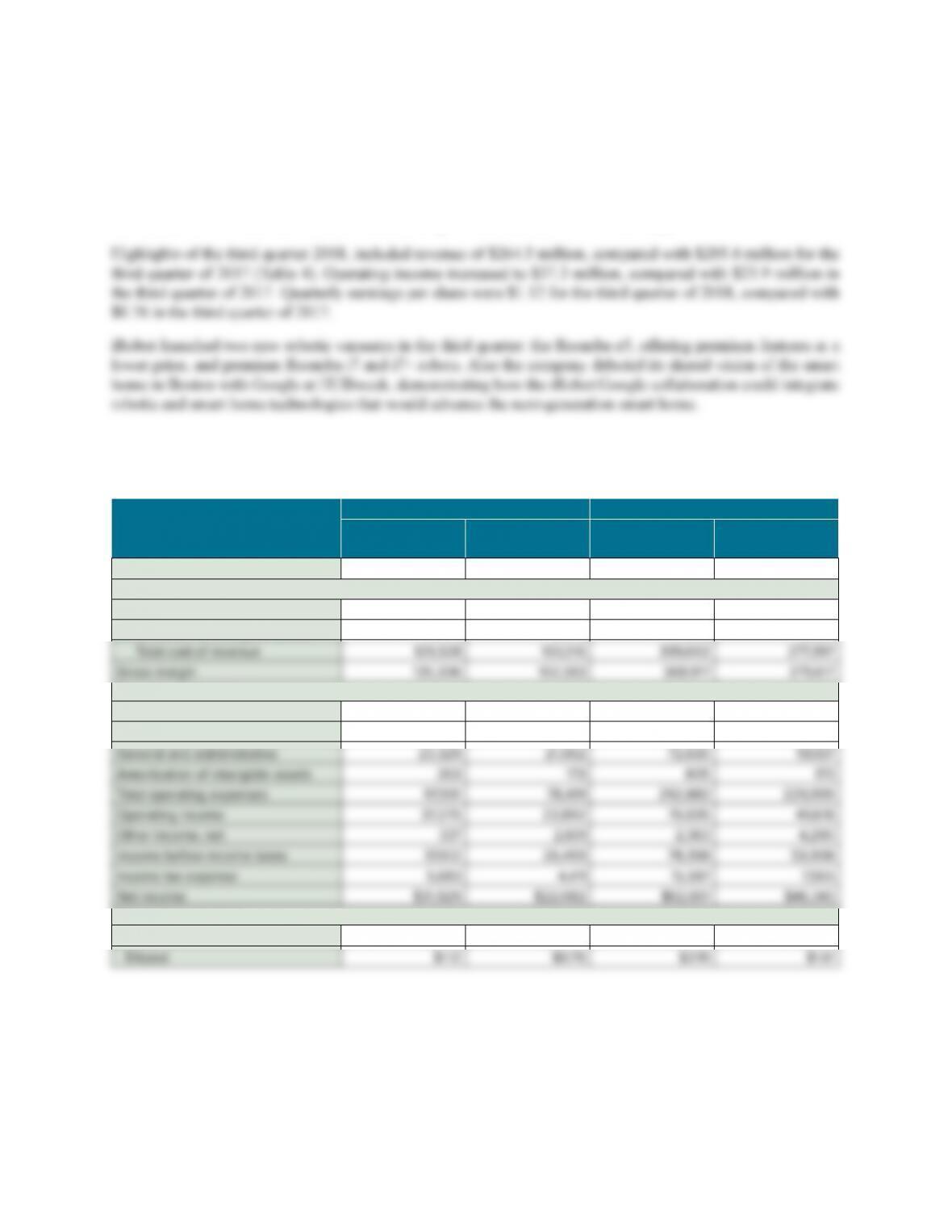
TABLE 4. iRobot Corporation, Third Quarter, 2018 Consolidated Statements of Income
(in thousands, except per share amounts)
(unaudited)
For the three months ended For the nine months ended
September29,
2018
September30,
2017
September29,
2018
September30,
2017
Revenue $264,534 $205,399 $707,919 $557,014
Cost of revenue:
Cost of product revenue 124,754 100,800 324,967 272,068
Amortization of intangible assets 4,574 2,216 14,035 5,329
Operating expenses:
Research and development 35,309 28,843 103,178 80,518
Selling and marketing 39,030 28,473 116,269 91,171
Net income per share
Basic $1.16 $0.80 $2.27 $1.68
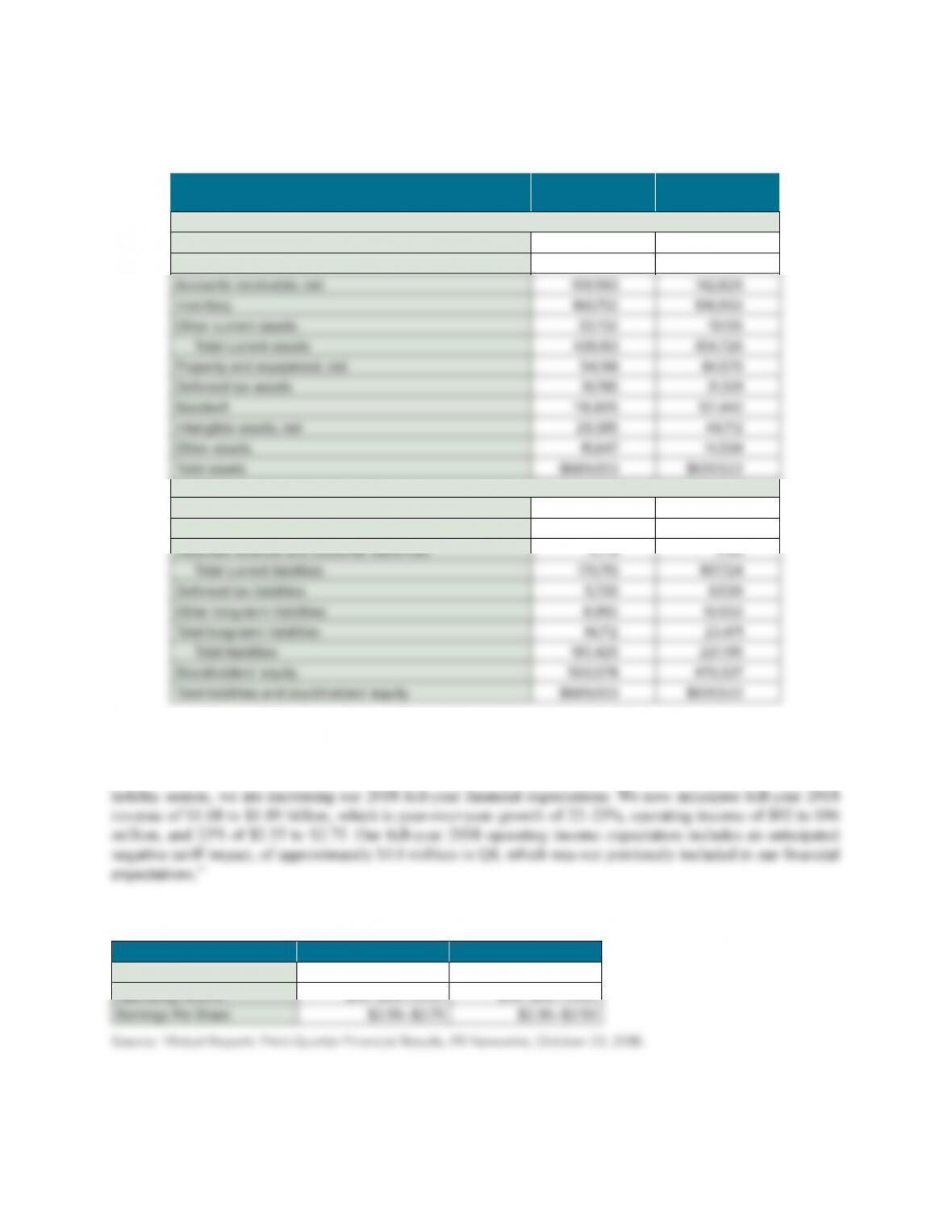
Case 11 Teaching Note iRobot in 2018: Can the Company Keep the Magic?
407
September 29,
2018
December 30,
2017
Assets
Cash and cash equivalents $100,122 $128,635
Short term investments 34,994 37,225
Liabilities and stockholders’ equity
Accounts payable $103,143 $116,316
Accrued expenses 62,851 73,647
Source: “iRobot Reports Third-Quarter Financial Results, PR Newswire, October 23, 2018.
Based on the third quarter, 2018 financial results, iRobot’s management provided expectations for the 2018 fiscal
year, ending December 29, 2018, (Table 5). CEO Angle said that, “Given our Q3 results and our outlook for the
TABLE 5. Revised Financial Results Expectations for Full Year 2018
Fiscal Year 2018 Current Previous
Revenue $1.08–$1.09 billion $1.06–$1.08 billion
Operating Income $92–$96 million $90–$96 million
iRobot Corporation
Third Quarter, 2018 Condensed Consolidated Balance Sheets
(unaudited, in thousands)