Page 1 of 6
Chapter 15: Implementing and Validating the
Quality System
Chapter Outline
• Building Blocks for the System of Quality Improvement
• Internal Validation: Documenting And Assessing the Quality System
• Quality Audits
• Validating the Quality System
Overview
Now that the text has defined all of the facets of being best-in-class or best-in-the-
world, how do you implement the plans and procedures to achieve that status?
How does a company assess where it is in achieving this goal? How does it move
to the next level? This chapter provides the tools to evaluate your position and move to
the next level.
Companies also should recognize that these approaches are not short-term fixes.
They require long-term commitment and support that are probably going to be more
obvious in firms that have established quality programs.
Discussion Questions
1. The model in Figure 15-1 shows people as the basis of the quality system. Do you
agree with this assertion? Why or why not?
The base of the entire system in Figure 15-1 is people. A theme of this text has been
2. There are regions where the three spheres of quality overlap. What are some of
the overlaps between management, assurance, and control? Why are they
important?
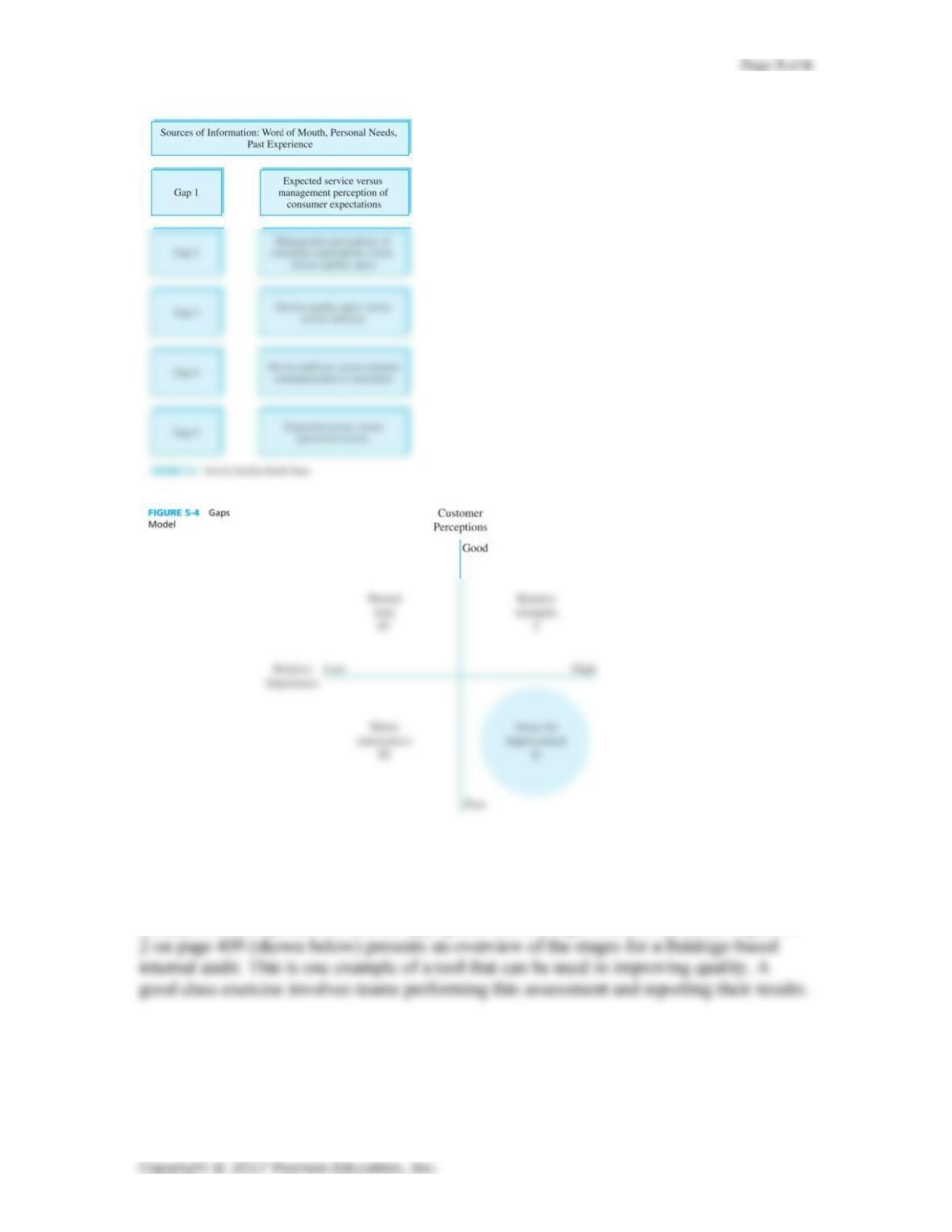
The overlaps are really quite obvious. None of the three spheres are independent. Chapter
1 presents a simpler view of the three spheres of quality on page 17, in which an
overview of the tasks for these spheres can be identified as:
3. Review the concept of enterprise capabilities. Pick a firm and determine what you
think is the enterprise capability for that firm.
On page 406, enterprise capabilities are defined as the “capabilities firms have that make
them unique and attractive to customers.”
4. Why is internal assessment a necessary tool for outstanding companies?
Internal assessments provide a cadre of trained people who can continuously monitor the
5. At what stage do you believe a company would be ready for internal assessment?
6. At what stage does a company become ready for Baldrige-based internal
assessment?
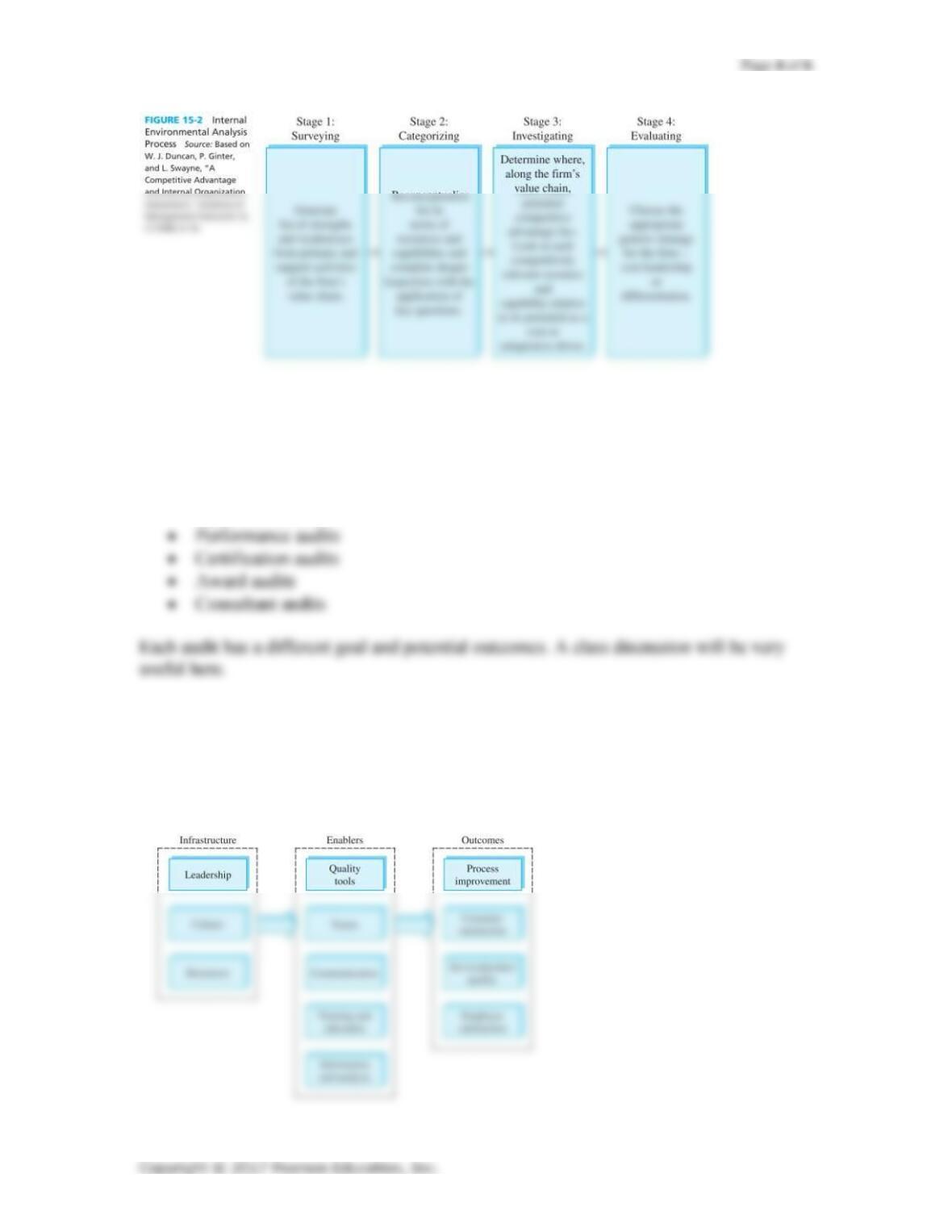
Ideally, a mature process would be appropriate for Baldrige-based assessment. Figure 15-
7. Define the different types of audits. Pick a company and define which type would
be best for it. Support your answer.
The textbook goes into detail on the various types of quality audit. They include:
• Supplier audits
• Operational audits
8. The Boise City Leadership model is an interesting model for a governmental
entity. Is this model different from a model that would be used for a for-profit firm?
Why or why not?
In the Boise City Audit, a model was built, shown here:
9. What are the enablers for quality improvement in a school? What are they in a
firm where you have worked (see Fig. 15-4)?
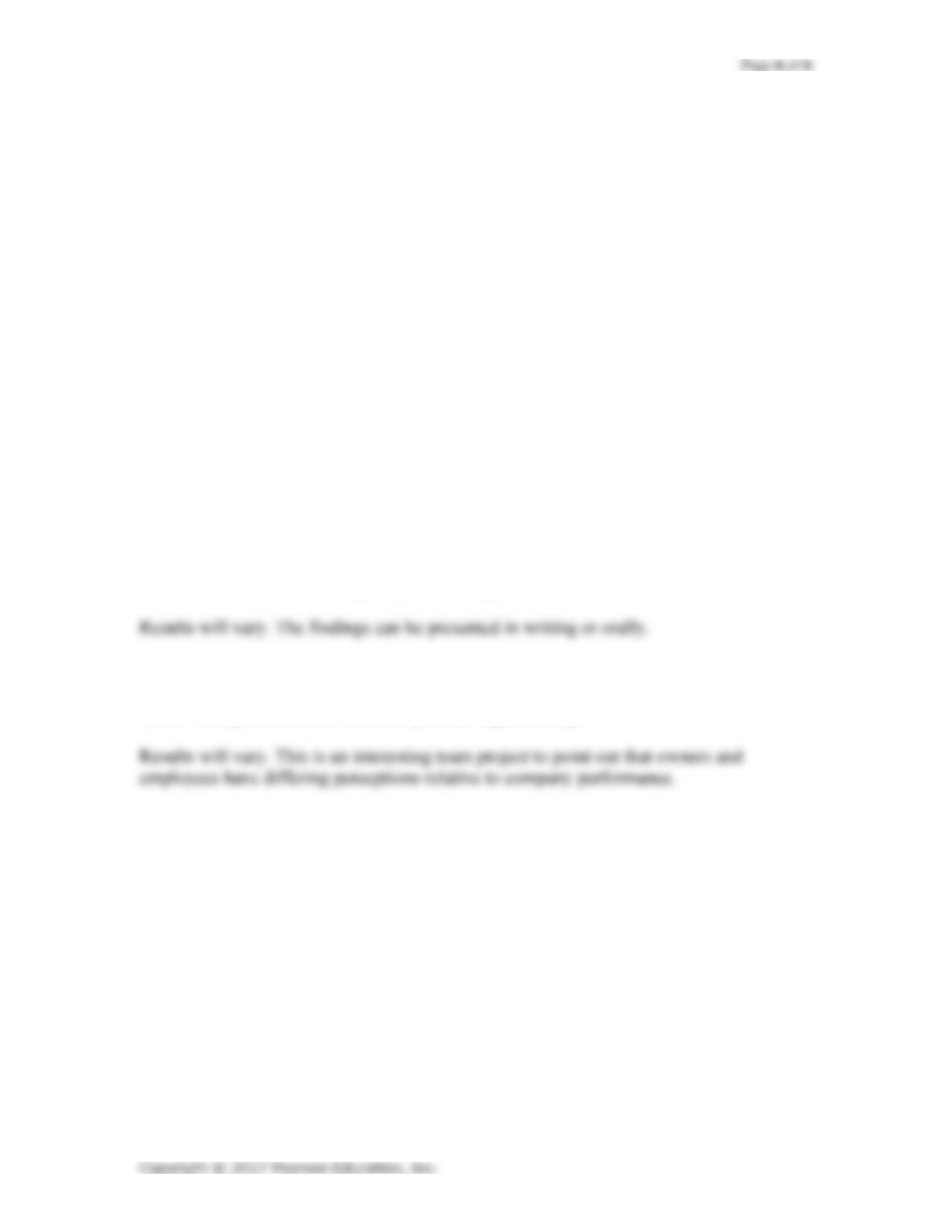
Figure 15-4 identifies the generic auditing steps.
Case 15-1: Setting Priorities Using the Baldrige Criteria
Discussion Questions
1. How did you select particular projects from the feedback report?
2. What are some of the weaknesses of this approach?
3. Why would it be good to use a mix of internal and external examiners as are
recommended in the chapter?
4. How did you prioritize projects for improvement?
5. Was all of the feedback meaningful? What are some of the attributes of useful
feedback?
This case study is the final case study in the text. It is also a fitting case to summarize the
entire text. It would be non-productive to supply short answers to each of these questions.
This would be an excellent project for team presentations. It could also be either a term
paper or a take-home final.
Suggested Answers to End of Chapter Problems
1. Administer the survey instrument in “A Closer Look at Quality 15-1” to a local
business owner and report your findings.
2. Administer the survey instrument in “A Closer Look at Quality 15-1” to the
employees of the business from Problem 1 above. Compare the employees’ and
owner’s responses to see where they differ significantly.