
12-1
Management Information Systems, 13E, Global Edition
Laudon & Laudon
Lecture Files, Barbara J. Ellestad
Chapter 12 Enhancing Decision Making
“Companies have been able to use technology to do some very cool stuff to reach
customers in new ways, to automate operations. But one thing many businesses haven’t
12.1 Decision Making and Information Systems
Each of us makes hundreds of decisions every day. If just a fraction of those
decisions could be improved through better and more information and better
Business Value of Improved Decision Making
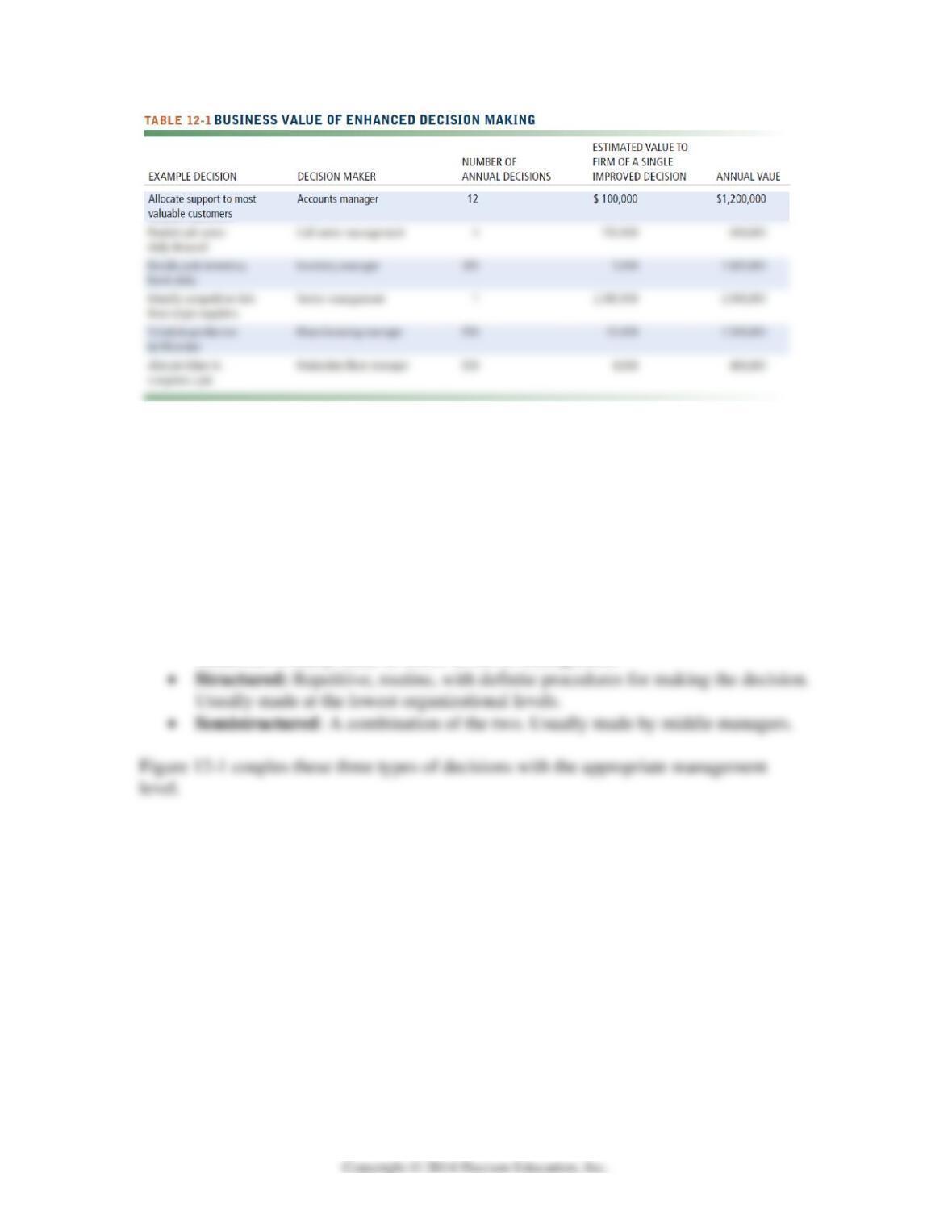
Table 12-1 provides a few examples of the dollar value that enhanced decision making
would give to firms.
12-2
Don’t be misled into thinking that the dollar value of improving decision-making
processes is limited to managers. As more business flatten their organizational structures
and push decision making to lower levels, better decisions at all levels can lead to
increased business value.
Types of Decisions
There are generally three classifications of decisions:
• Unstructured: Requires judgment, evaluation, and insight into non-routine
situations. Usually made at senior levels of management.
12-3
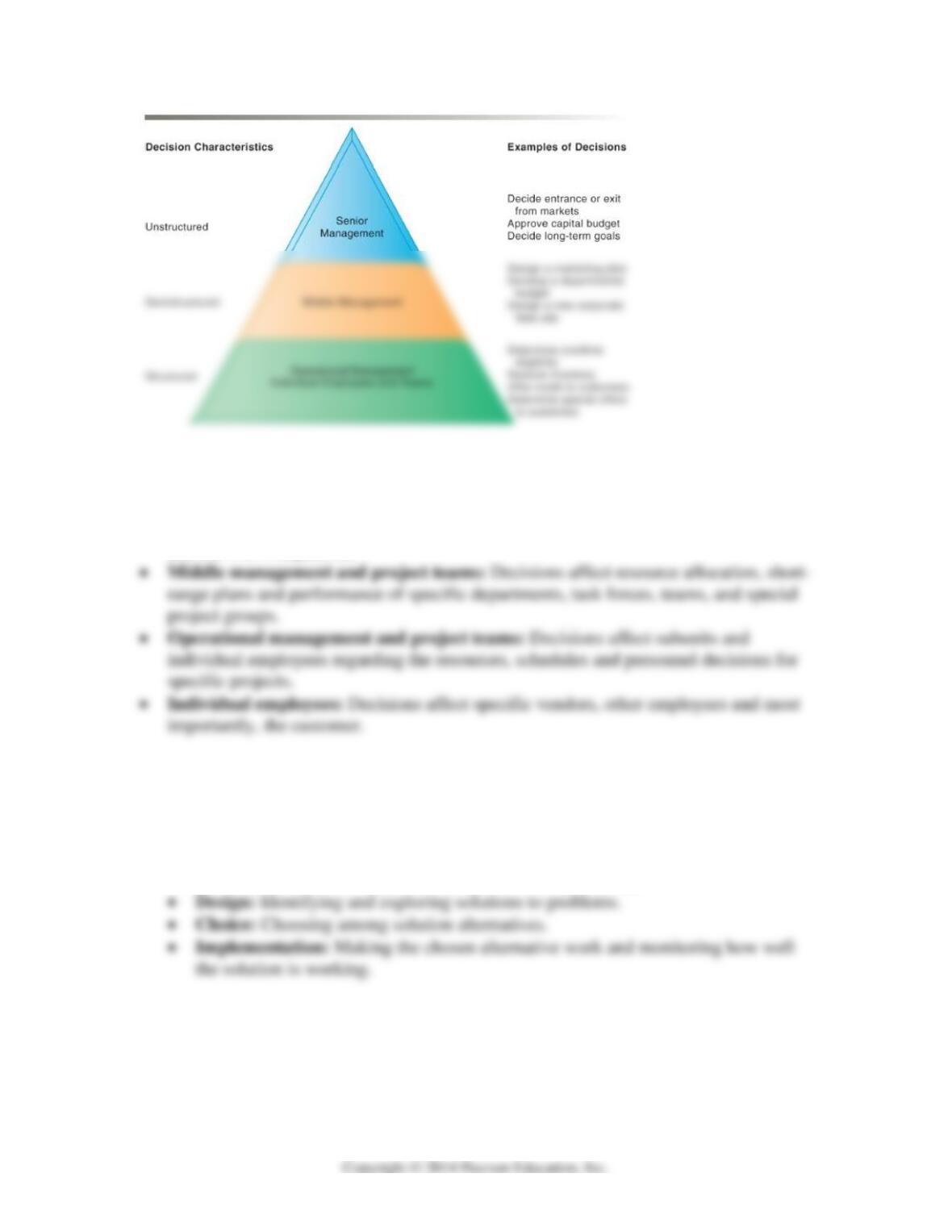
Figure 12-1 Information Requirements of Key Decision-Making Groups in a Firm
• Senior management: Makes decisions based on internal business information but
also external industry and society changes; decisions affect long-term, strategic goals
and the firm’s objectives.
The Decision-Making Process
Making decisions requires four steps:
• Intelligence: Discovering, identifying, and understanding problems.
These four steps are not always consecutive and may well be concurrent or repetitive.

12-4
Managers and Decision Making in the Real World
Although information systems have gone a long way toward improving the decision-
making process, they are not the Holy Grail. They should be viewed as a way to assist
managers in making decisions, but not as the final answer.
Managerial Roles
Let’s compare the classical model of management with the behavioral model. The
former describes the five classical functions of managers as:
• Planning
Behavioral models of managers dissect the many activities involved in the five functions
of management. That is, managers:
• Perform a great deal of work at an unrelenting pace.
• Activities are fragmented.
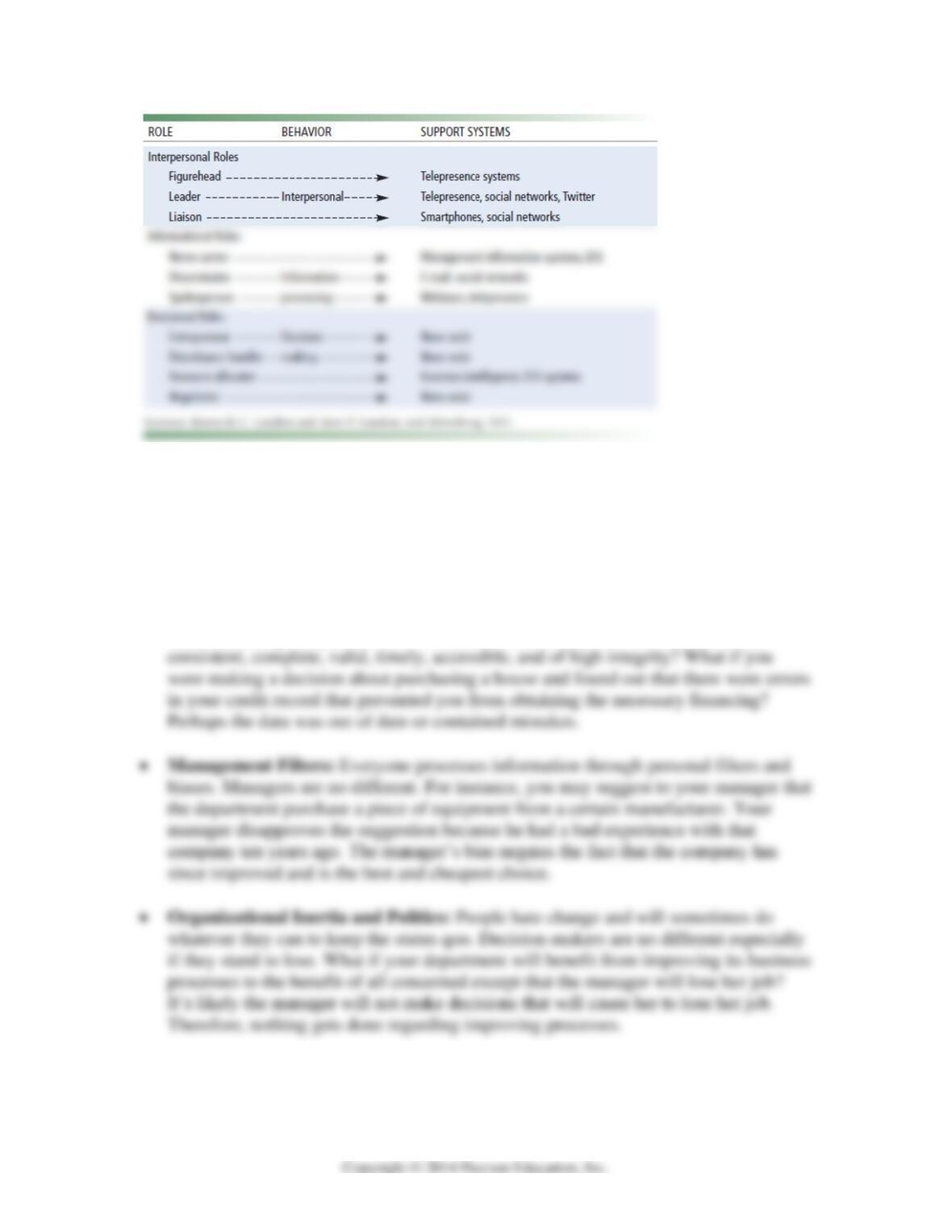
Table 12-2 shows that supporting information systems exist for only some of the
managerial behaviors but not all of them.
12-5
Table 12-2 Managerial Roles and Supporting Information Systems
Real World Decision Making
Because you have no doubt had to make decisions in the real world, you know for a fact
that the process is not as cut-and-dried as what we’ve reviewed so far. Three reasons why
the whole process can blow up without a moment’s notice:
• Information Quality: Was the information used to make the decision accurate,
12-6
High-Velocity Automated Decision Making
What if your friend asked you to find a copy of the lyrics to the Beatles hit song “Hey
Jude?” How long do you think it would take you if Internet-based search processes were
not available? Days? Weeks? A Google search for the information takes less than five
seconds. That’s the power of high velocity automated decision making in today’s world.
Humans simply can’t match a computer’s speed and accuracy for making some decisions.
Computers have these positive characteristics that make them ideal for high-velocity
automated decision making:
• Computer algorithms that precisely define the steps to be followed
• Very large databases
Bottom Line: Everyone makes decisions at all levels of an organization. The goal is
to match the four decision-making organizational levels along with the three types of
decisions to the appropriate kind of decision support system. It’s important to
understand the roles and activities associated with management decision-making
and that information systems can only assist in the process.
12.2 Business Intelligence in the Enterprise
Business intelligence and business analytics provide managers with a systematic way of
making sense of the vast amounts of data collected on customers, suppliers, employees,
12-7
What Is Business Intelligence?
All of us collect information from our surroundings, try to understand it, and then act on
it in an intelligent way. Businesses are no different other than the fact that they have
much more data to collect, process, store, and disseminate.
Interactive Session: Organizations: Analytics Help the Cincinnati Zoo Know Its
Customers (see page 494 of the text) describes how the second oldest zoo in the
United States implemented a business intelligence system that provided the
organization with new insights into its operations and customers. It increased food
sales 30.7 percent and retail sales increased by 5.9 percent, giving the popular
destination more funds to improve operations.
Business Intelligence Vendors
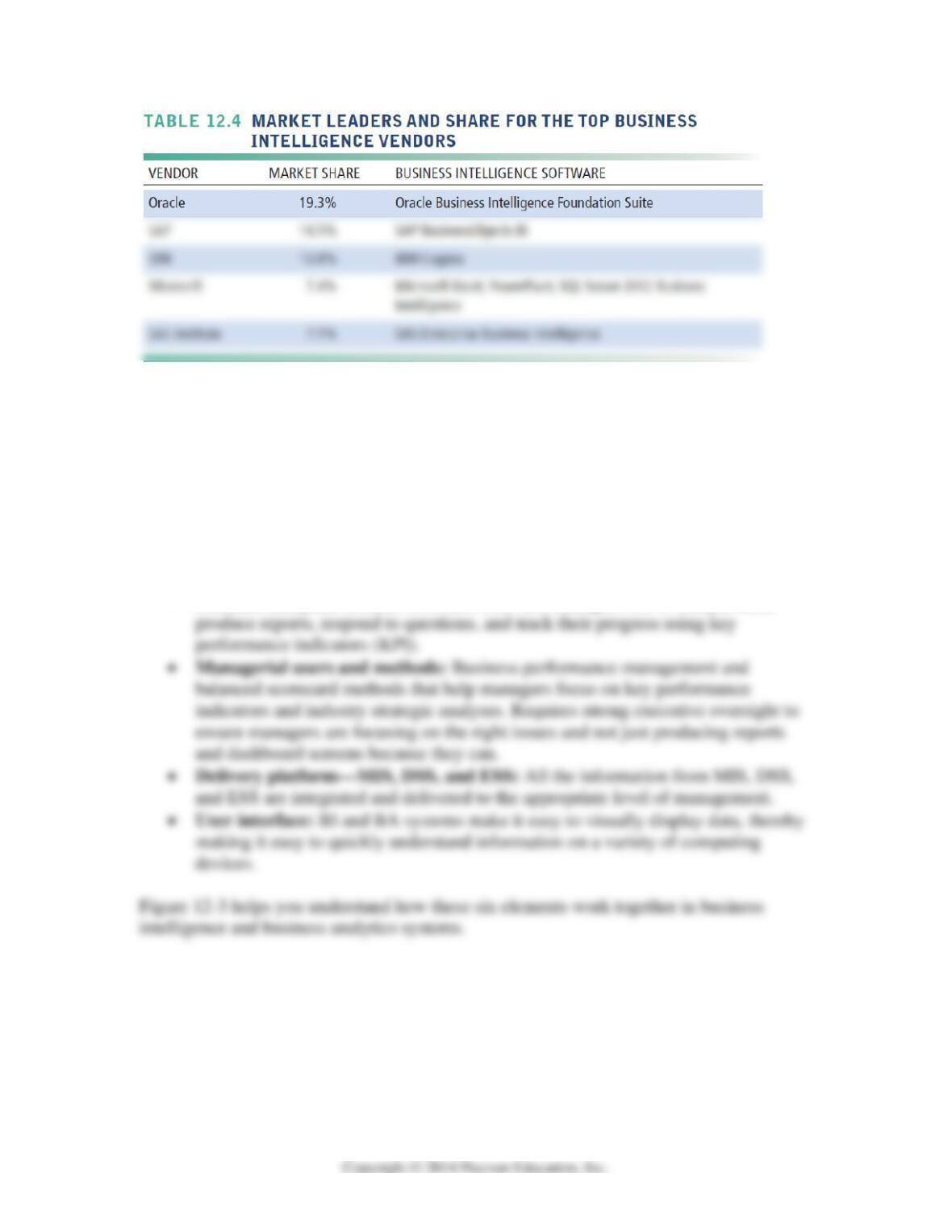
Table 12-4 lists the top five vendors of BI and BA hardware and software. These vendors
are primarily the same ones that we’ve discussed before when we reviewed enterprise
12-8
The Business Intelligence Environment
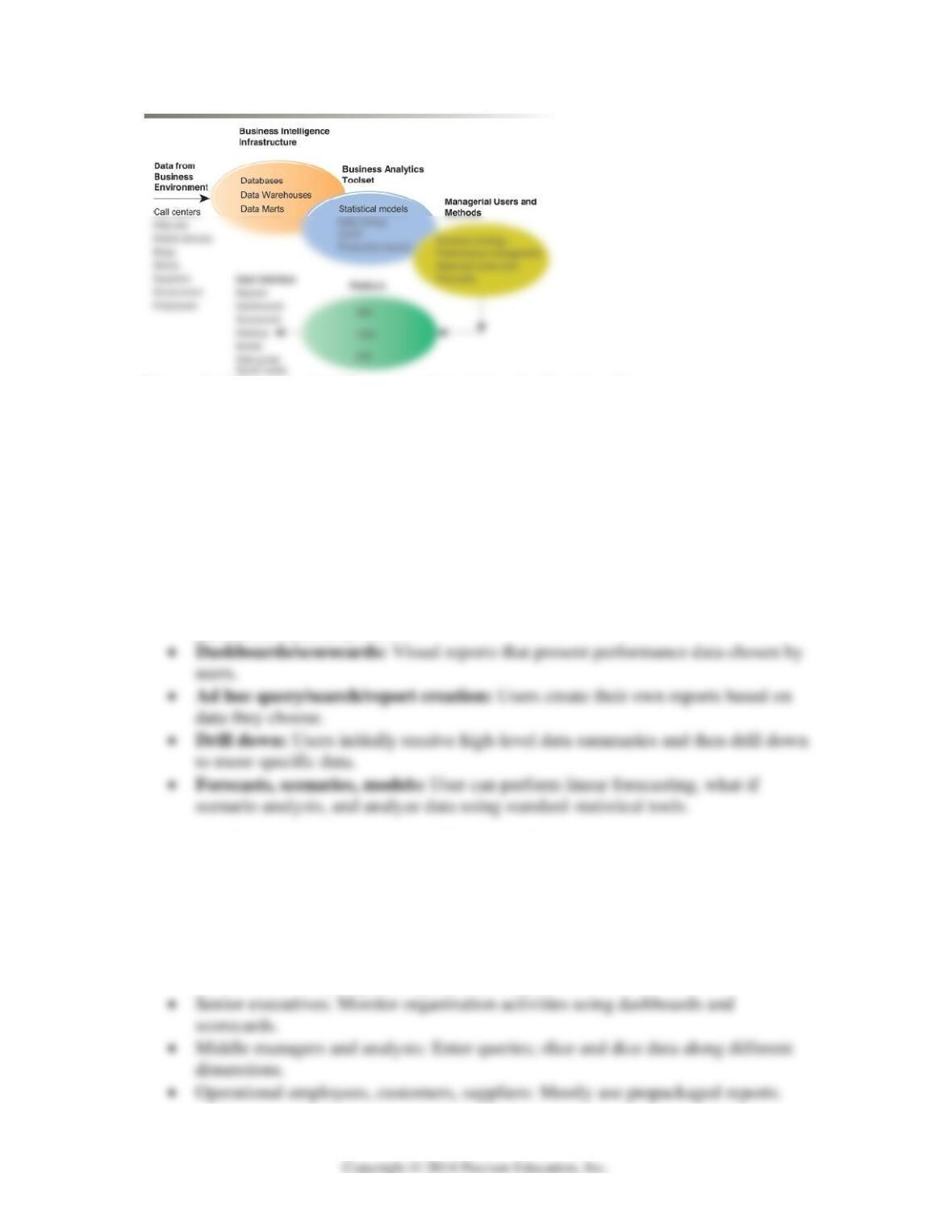
Let’s review six hardware, software, and management capabilities that are included in the
business intelligence environment:
• Data from the business environment: Integrating and organizing structured and
unstructured data from different sources that people can analyze and use.
• Business intelligence infrastructure: Database systems that process relevant
data stored in transactional databases, data warehouses, or data marts.
• Business analytics toolset: Software tools that managers use to analyze data,
12-9
Figure 12-3 Business Intelligence and Analytics for Decision Support
Business Intelligence and Analytics Capabilities
The days of receiving static reports that are out of date—meaning more than 30 days or
even 30 minutes old—containing data that are meaningless are over. Business
intelligence systems help correct that situation five different ways:
• Production reports: Predefined reports based on industry specific requirements.
• Parameterized reports: Pivot tables help users filter data and isolate impacts of
parameters chosen by users.
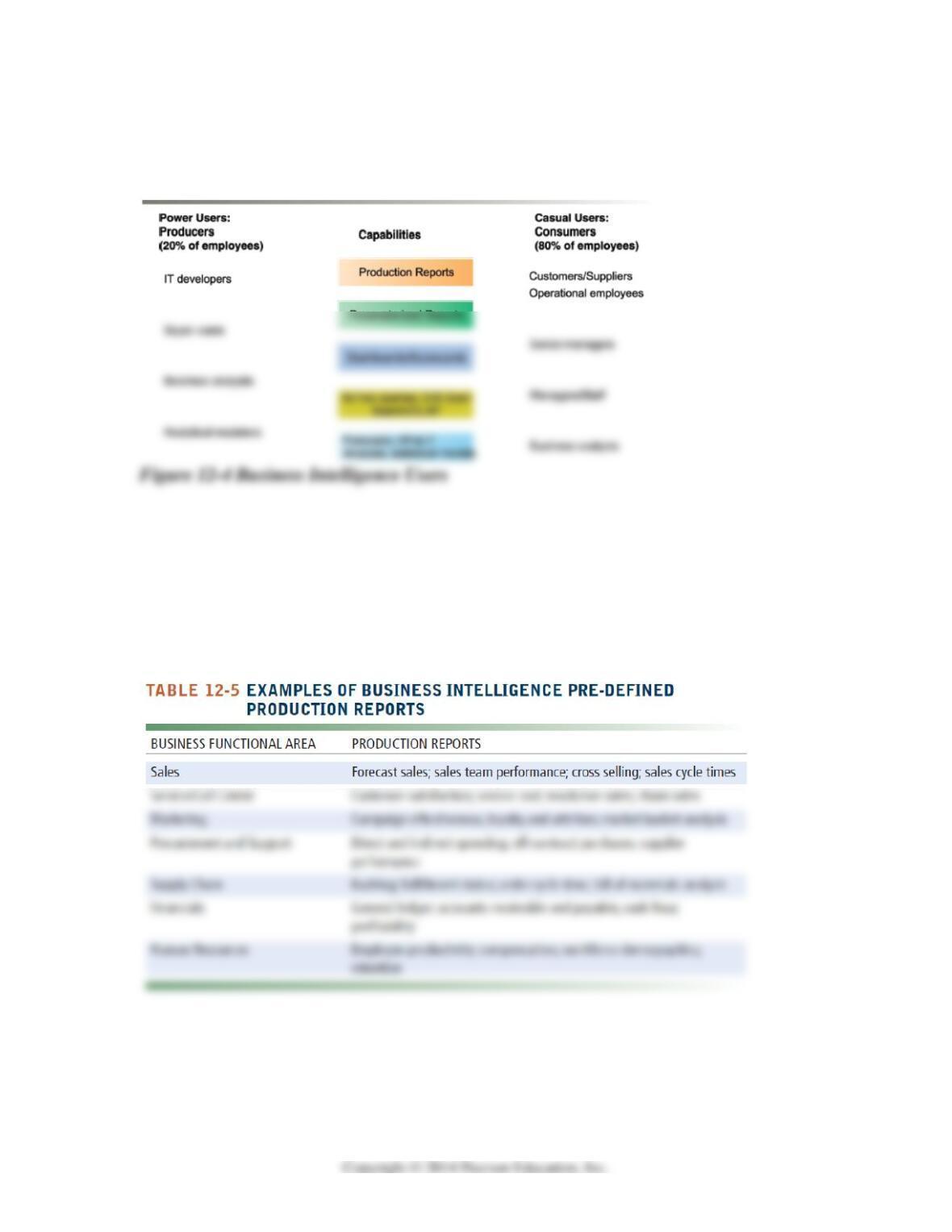
Who Uses Business Intelligence and Business Analytics?
The audience for business intelligence and business analytic tools and techniques has
unique characteristics depending on their management level and how they use the
systems:
• Casual users: Rely largely on production reports.
12-10
Figure 12-4 tells you how each division of the business intelligence audience uses the
capabilities of these systems.
Production Reports
Because 80 percent of the people who access business intelligence systems are casual
users, most vendors create a mass of pre-defined production reports based on industry
standards and best practices. Table 12-5 gives you an idea of the types of reports
produced for each business functional area.
12-11
Predictive Analytics
Most times, customer behavior is very predictable if you’re looking at and understanding
the right data. Companies use business analytic software to figure out ahead of time how
reliable certain customers are regarding credit extensions, how customers will respond to
Big Data Analytics
You’re shopping on a major retailer’s Web site when, all of a sudden, you see a sweater
that you simply can’t live without. Alongside the sweater’s display are pictures of a pair
of pants or skirt that, combined, will make the perfect outfit. The pants and skirt are
Data Visualization and Geographic Information Systems (GIS)
Which would you rather decipher: a long list of seemingly endless list of numbers and
complicated data, or a picture that truly can say it all in less than 1,000 words? Consider
that almost our whole natural environment is one big graphic that we decipher through

12-12
Click on one of the map sections and you can drill down through the data in a visual
sense.
Many executive decisions depend on the availability of information, internal and
external. For instance, a company that ships most of its products on trucks needs data
money, people, time, and material.
Management Strategies for Developing BI and BA Capabilities
Is it better to select a one-stop integrated solution for your organization’s business
intelligence and business analytics systems or should you adopt a multiple best-of-breed
vendor solution? Be aware that your decision carries risks and rewards either way.
Single vendor: The risk is that your company becomes dependent on the vendor’s pricing
As a manager you must:
• Critically evaluate vendor claims
12-13
Bottom Line: Business intelligence and business analytics hardware and software
systems help businesses warehouse, integrate, report, and analyze data from the
firm’s internal and external environment. BI and BA systems provide employees,
12.3 Business Intelligence Constituencies
At the beginning of this chapter we outlined the types of decisions made at each
managerial level —structured, semistructured, and unstructured. We also mentioned that
each management level has different information needs that match the type of decisions
made at that level. Let’s look at the types of information systems that match the
information needs.
Decision Support for Operational and Middle Management
For the most part, operational managers get their information from transaction processing
systems. But, more and more, they are accessing management information systems (MIS)
Support for Semistructured Decisions
Decision support systems help executives make better decisions by using historical and
current data from internal information systems and external sources of data. By
12-14
The “what-if” decisions most commonly made by executives use sensitivity analysis
models to help them predict what effect the decisions will have on the organization.
Executives don’t make decisions based solely on intuition. The more information they
have, the more they experiment with different outcomes in a safe mode, the better their
decisions. That’s the benefit of the models used in the software tools.
Decision Support for Senior Management: Balanced Scorecard and
Enterprise Performance Management Methods
Executive Support Systems (ESS) are used primarily by senior management whose
decisions are usually never structured and could be described as “educated guesses.”
Executives rely as much, if not more, on external data than they do on data internal to
12-15
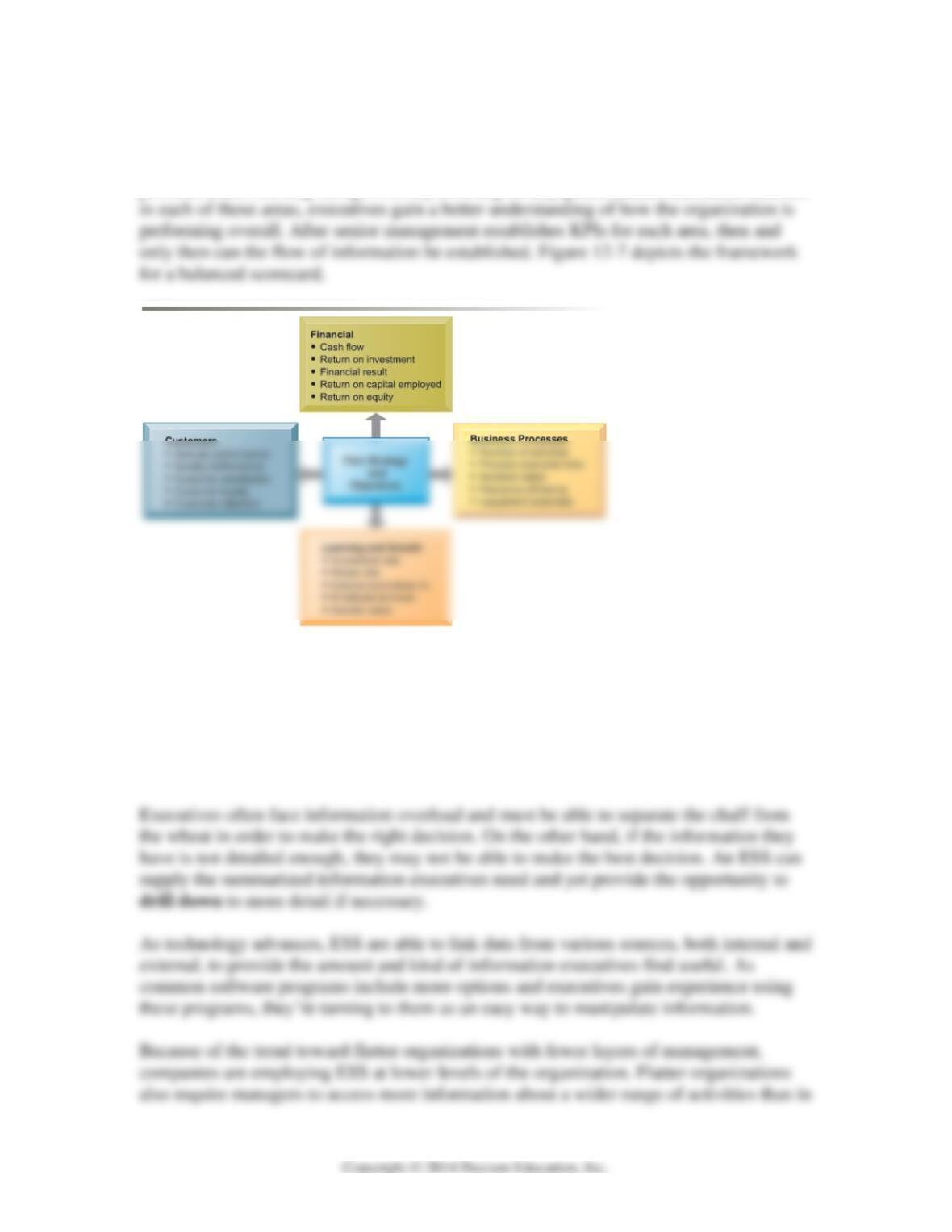
Using a balanced scorecard method, executives combine their company’s internal
financial information with additional perspectives like customers, internal business
processes, and learning and growth. By focusing on key performance indicators (KPIs)
Figure 12-7 The Balanced Scorecard Framework
Business performance management (BPM) is yet another tool for executives to
systematically translate the strategy they’ve developed for their company into operational
targets. BPM methods use KPIs to help users measure the organization’s progress toward
the targets. BPM is similar to the balanced scorecard approach but with a stronger
strategic viewpoint than an operational viewpoint.
12-16
Interactive Session: Management: Colgate-Palmolive Keeps Managers Smiling with
Executive Dashboards (see page 506 of the text) describes how the second largest
consumer products company in the world use components of decision support
systems, like dashboards and drilling down through data, to monitor and improve
its business performance.
Group Decision-Support Systems (GDSS)
More and more, companies are turning to groups and teams to get work done. Hours
upon hours are spent in meetings, in group collaboration, in communicating with many
people. To help groups make decisions, a new category of systems was developed: the
group decision-support system (GDSS).
In GDSS, the hardware includes more than just computers and peripheral equipment. It
also includes the conference facilities, audiovisual equipment, and networking equipment
that connect everyone. More sophisticated GDSS require meeting facilitators and other
staff that keep the hardware operating correctly. Many companies are bypassing specially
equipped rooms in favor of having group participants “attend” the meeting through their
individual desktop computers.
Bottom Line: Executive support systems meet the needs of corporate executives by
providing them with vast amounts of information quickly and in graphic form to
help them make effective decisions. ESS must be flexible, easy-to-use, and contain
Discussion Questions
1. Discuss the difference between the classical model of management and the behavioral
model of management and how they affect information systems and decision support
systems.
2. Compare the characteristics of an MIS and a DSS. Why are decision-support systems
more suited for executive decision making?
Answers to Discussion Questions
1. The classical model of management describes the five functions of managers:
planning, organizing, coordinating, deciding, and controlling. Behavioral models
show the actual behavior of managers is less systematic, more informal, less
2. MIS are used for structured decisions with reports based on routine flows of data.
DSS are used for semistructured or unstructured decisions and focus on specific

12-18
3. Business intelligence hardware and software are only as intelligent as the human
beings who use them. Managers define strategic business goals and determine
4. There are two strategies for developing BI and BA capabilities in an organization.
The one-stop integrated solution uses a single vendor to provide a total hardware and
software solution. That runs the risk of making the organization dependent on the
5. Group Decision Support Systems make it possible to increase meeting size while still
providing a level of productivity. Individuals contribute simultaneously to the