Instructor Resource
Rowe, Cases in Leadership 5e
SAGE Publications, Inc., 2019
accountable for ethical conduct.22 Weaver, Treviño, and Agle, based on interviews they
conducted, identified the characteristics and behaviors of ethical leadership as caring, honesty
and fairness, setting high ethical standards, and holding followers accountable. Their findings
also included characteristics of ethical leadership such as willingness to turn mistakes into
learning experiences and humility.23 Building on earlier work on ethical leadership behaviour,
6. With the clash at the top of the Tata empire turning fierce after the removal of Cyrus
Mistry as chairman of Tata Sons, will Ratan Tata succeed in saving the Tata name by
setting the right path for the Tata group without compromising its values?
The Tata group was well known in India for its values of trust, reliability, service to the
community, and nation building. As an ethical group of companies, it was a source of Indian
pride. Since its inception in 1868, it was driven by universal values such as integrity, pioneering,
excellence, unity, and responsibility for growth and business. The group leadership was always
ethical and value-driven, even at the cost of growth. The Tata group was guided by a code of
conduct that was created in 1998 under Ratan Tata’s leadership.

Instructor Resource
Rowe, Cases in Leadership 5e
SAGE Publications, Inc., 2019
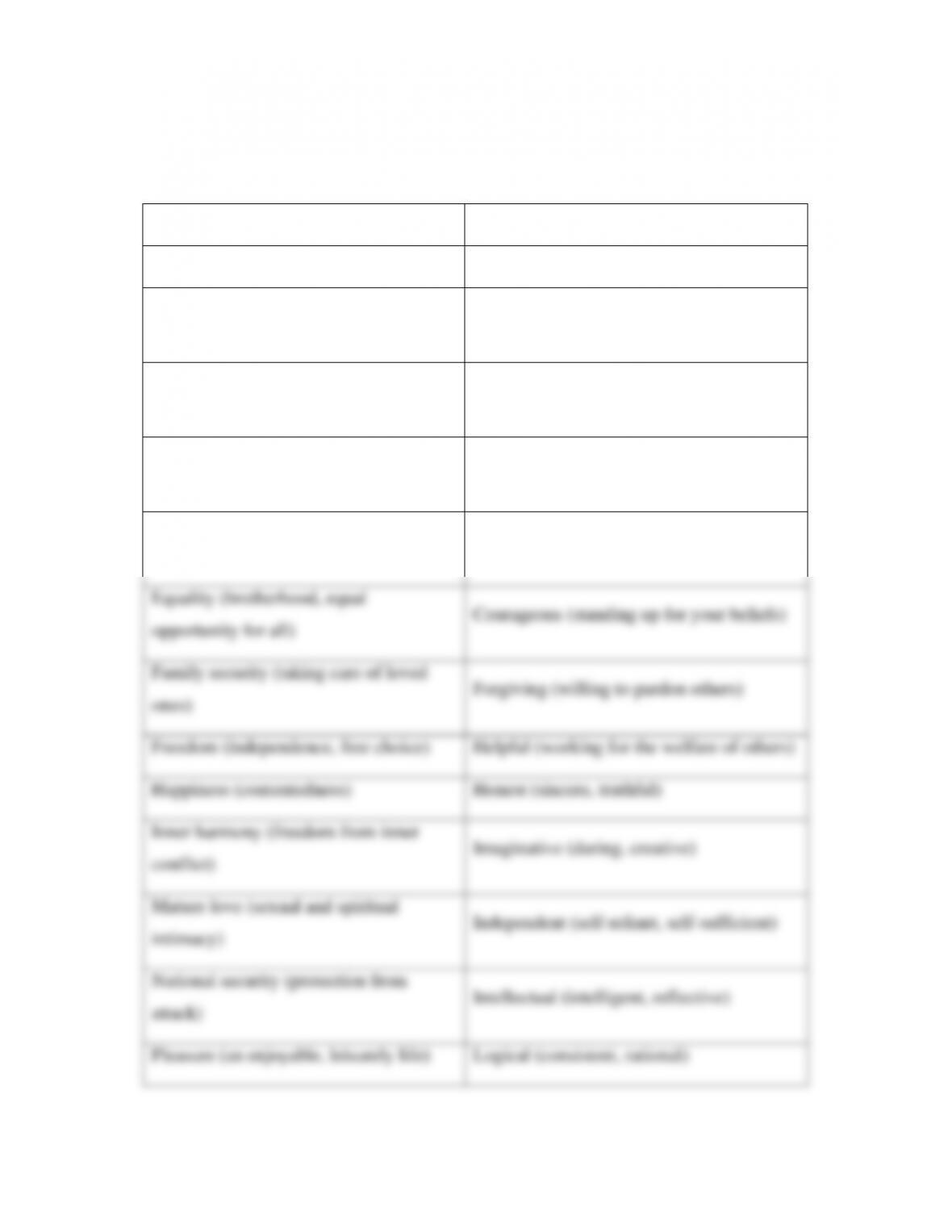
Exhibit TN-1
Rokeach Terminal and Instrumental Values
Terminal Value
Instrumental Value
A comfortable life (a prosperous life)
Ambitious (hard-working, aspiring)
An exciting life (a stimulating, active
life)
Broadminded (open-minded)
A sense of accomplishment (lasting
contribution)
Capable (competent, effective)
A world at peace (free of war and
conflict)
Cheerful (lighthearted, joyful)
A world of beauty (beauty of nature and
the arts)
Clean (neat, tidy)
Equality (brotherhood, equal
opportunity for all)
Courageous (standing up for your beliefs)
Family security (taking care of loved
ones)
Forgiving (willing to pardon others)
Freedom (independence, free choice)
Helpful (working for the welfare of others)
Happiness (contentedness)
Honest (sincere, truthful)
Inner harmony (freedom from inner
conflict)
Imaginative (daring, creative)
Mature love (sexual and spiritual
intimacy)
Independent (self-reliant, self-sufficient)
National security (protection from
attack)
Intellectual (intelligent, reflective)
Pleasure (an enjoyable, leisurely life)
Logical (consistent, rational)
Instructor Resource
Rowe, Cases in Leadership 5e
SAGE Publications, Inc., 2019
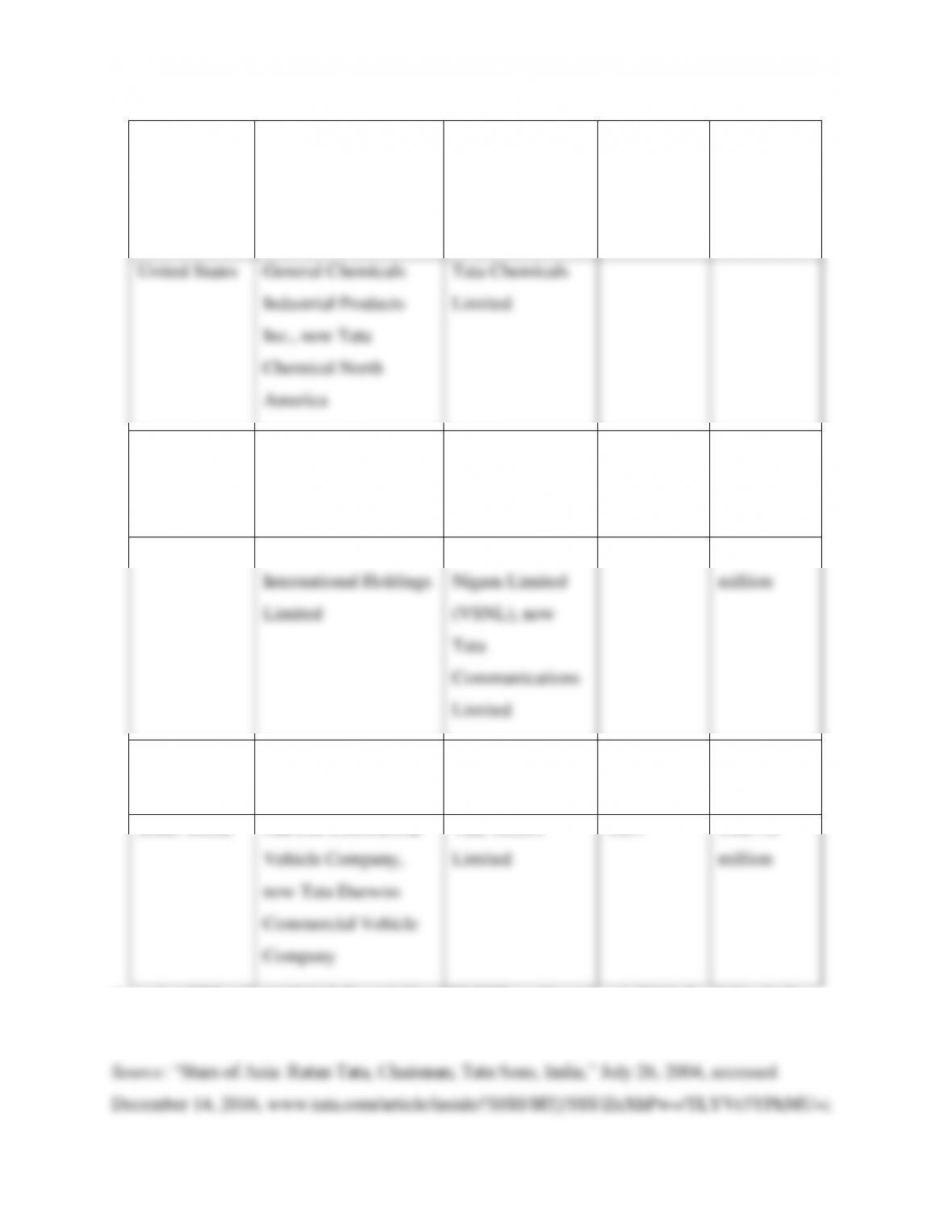
Exhibit TN-2
Companies Acquired by the Tata Group
Country
Company Acquired
Acquired by
Year of
Acquisition
Cost of
Acquisition
United
Kingdom
Tetley Group Limited
Tata Tea Limited
(now part of Tata
Global Beverages
Limited)
2000
US$450
million
United
Kingdom
Brunner Mond Group
Limited, UK, now
Tata Chemicals
Europe Holdings
Limited
Tata Chemicals
Limited
2005
₹5,080
million
United
Kingdom
Jaguar Land Rover
Automotive plc
Tata Motors
Limited
2008
US$2.3
billion
United
Kingdom
Corus Group plc, UK,
now Tata Steel Europe
Limited
Tata Steel
Limited
2007
£6.7 billion
Singapore
NatSteel Holdings Pte
Limited, originally
National Iron and
Steel Mills
Tata Steel
Limited
2005
Thailand
Millennium Steel
Public Company
Limited, now Tata
Steel (Thailand)
Public Company
Tata Steel
Limited
2006
Instructor Resource
Rowe, Cases in Leadership 5e
SAGE Publications, Inc., 2019
United States
Eight O’Clock Coffee
Company
Tata Tea Limited
(now part of Tata
Global Beverages
Limited)
United States
General Chemicals
Industrial Products
Inc., now Tata
Chemical North
America
Tata Chemicals
Limited
United States
The Pierre Hotel
Taj Hotels
Resorts and
Palaces
Canada
Teleglobe
International Holdings
Limited
Videsh Sanchar
Nigam Limited
(VSNL), now
Tata
Communications
Limited
2005
US$239
million
Japan
NTT DOCOMO, INC.
(under legal dispute)
Tata Teleservices
Limited
South Korea
Daewoo Commercial
Vehicle Company,
now Tata Daewoo
Commercial Vehicle
Company
Tata Motors
Limited
2004
US$120
million
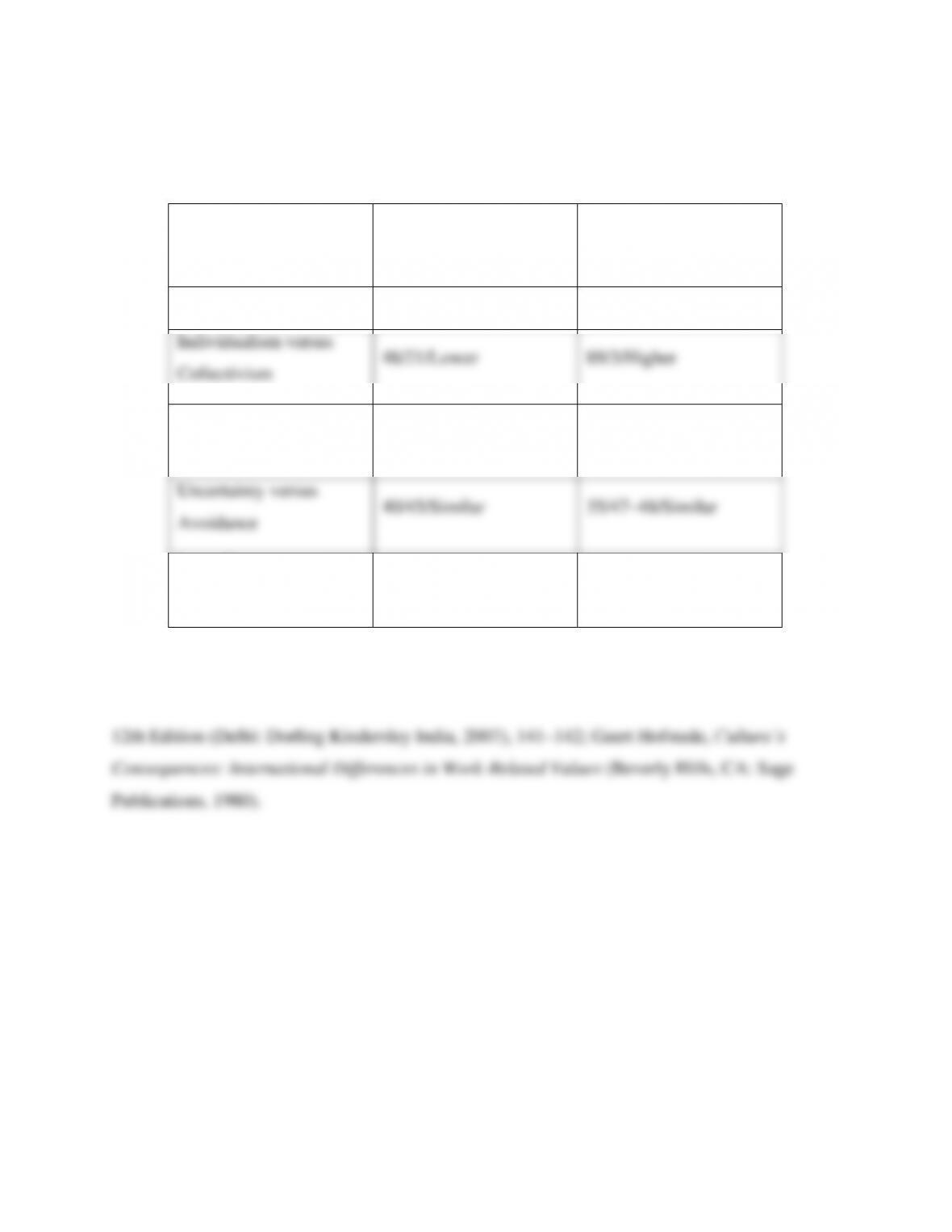
Note: £ = GBP = Great British Pound; £1 = ₹85.7472 on December 1, 2016. ₹ = INR = Indian
rupee; US$1 = ₹68.3586 on December 1, 2016.

Instructor Resource
Rowe, Cases in Leadership 5e
SAGE Publications, Inc., 2019
Tata group, “Shaking the Foundations: A Time Magazine Report on How Ratan Tata Turned the
Instructor Resource
Rowe, Cases in Leadership 5e
SAGE Publications, Inc., 2019
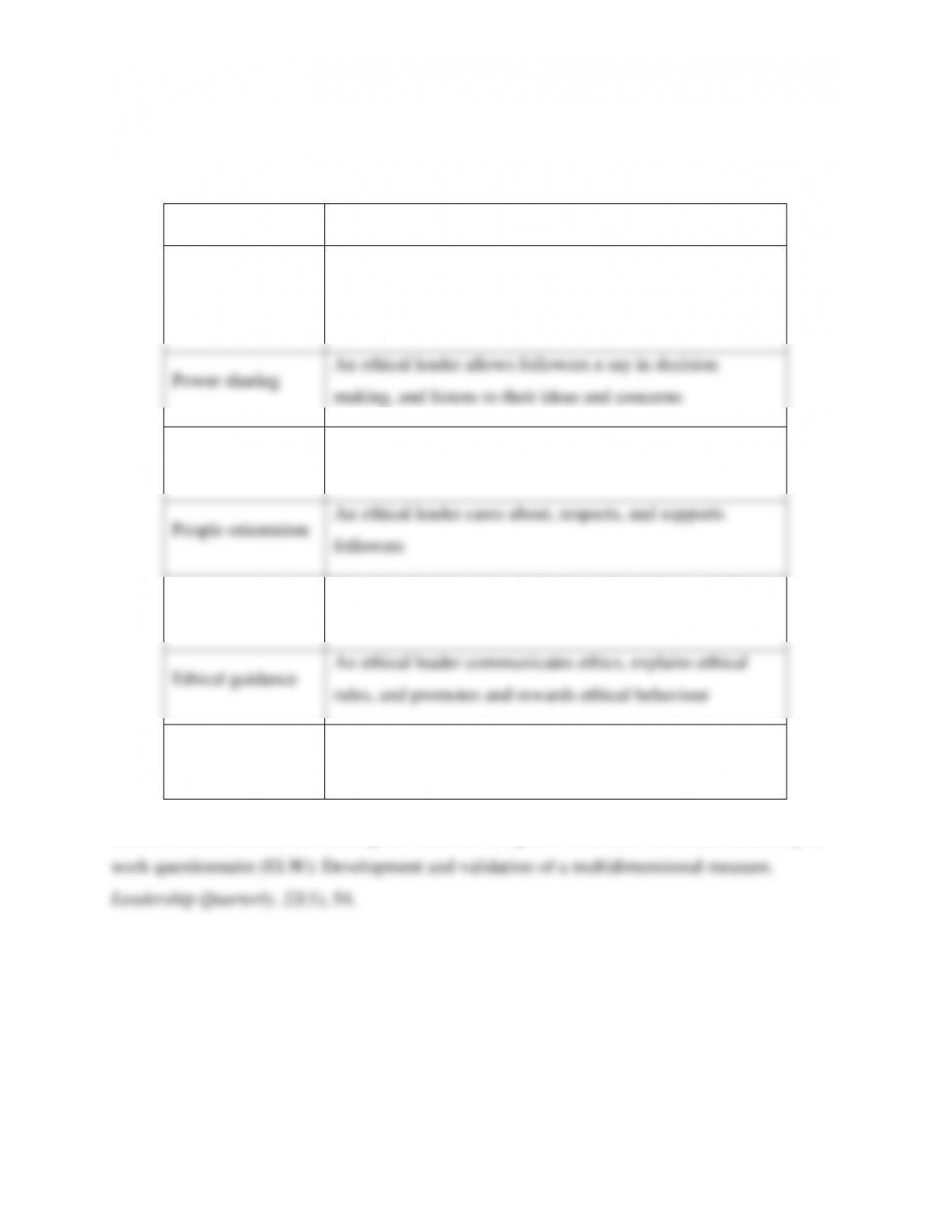
Exhibit TN-3
Hofstede’s Cultural Values of India and Great Britain
Cultural Value
India
Index/Rank/Score
Great Britain
Index/Rank/Score
Power Distance
77/10–11/Higher
35/42–44/Lower
Individualism versus
Collectivism
48/21/Lower
89/3/Higher
Masculinity versus
Femininity
56/20–21/Lower
66/9–10/Higher
Uncertainty versus
Avoidance
40/45/Similar
35/47–48/Similar
Long-Term versus
Short-Term Orientation
61/7/Higher
25/28–29/Lower
Note: Scores range from 0 = extremely low in dimension to 100 = extremely high.
Source: Stephen P. Robbins, Timothy A. Judge, and Seema Sanghi, Organizational Behavior,
Instructor Resource
Rowe, Cases in Leadership 5e
SAGE Publications, Inc., 2019
Exhibit TN-4
Dimensions of Ethical Leadership Behaviour
Dimension
Description
Fairness
An ethical leader does not practice favoritism, treats others
in a way that is just and equal, and makes principled and
fair choices
Power sharing
An ethical leader allows followers a say in decision
making, and listens to their ideas and concerns
Role clarification
An ethical leader clarifies responsibilities, expectations,
and performance goals
People orientation
An ethical leader cares about, respects, and supports
followers
Integrity
An ethical leader uses consistent words and acts, and keeps
promises
Ethical guidance
An ethical leader communicates ethics, explains ethical
rules, and promotes and rewards ethical behaviour
Concern for
sustainability
An ethical leader cares about the environment and
encourages recycling
Source: Kalshoven, K., Den Hartog, D. N., & De Hoogh, A. H. B. (2011). Ethical leadership at