10-12
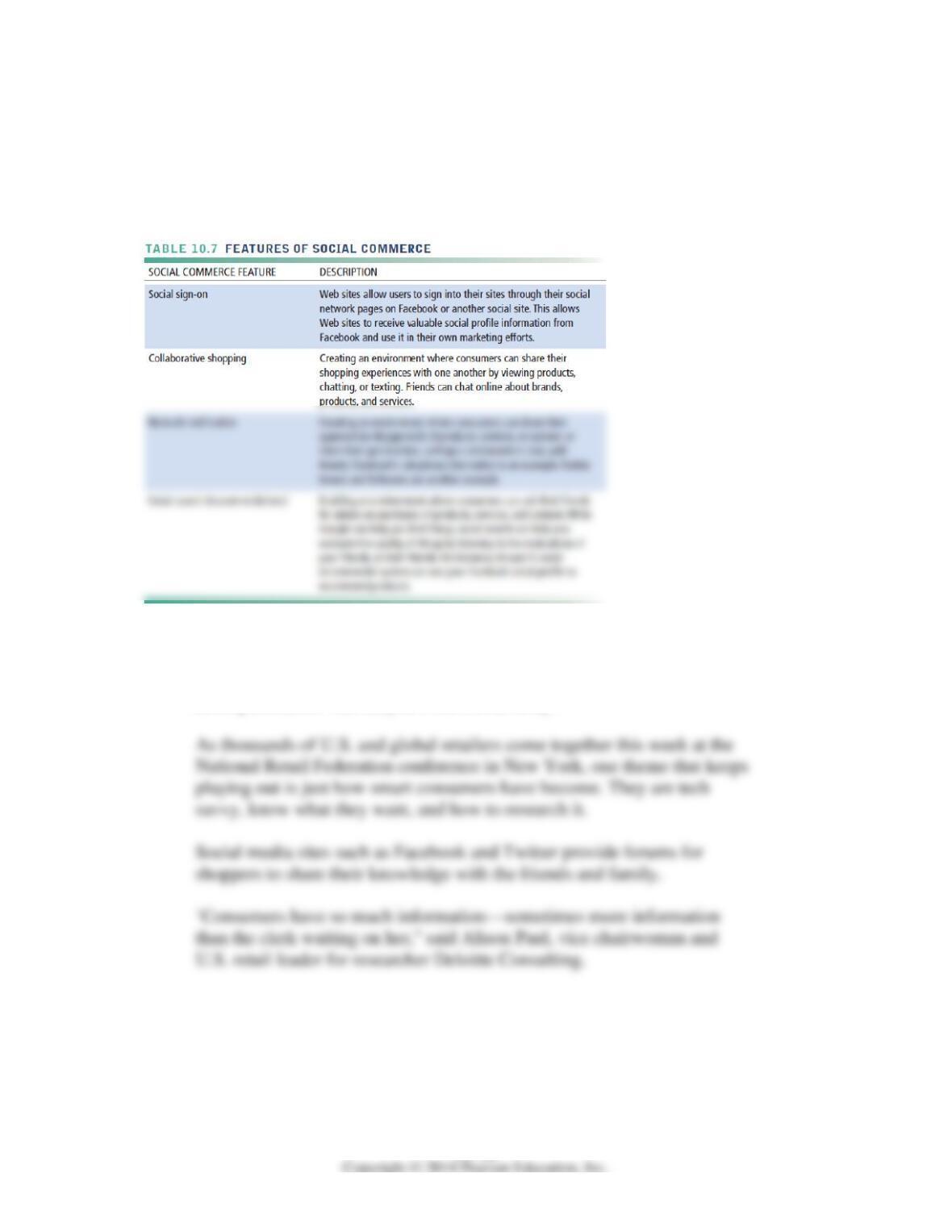
Table 10-7 defines four features of social commerce that retailers are taking advantage of.
What differentiates social commerce from simply searching for products on a search
engines is the ability to provide and receive recommendations and evaluations about
products and services rather than getting plain information.
“Over the past decade, the Internet has made the world a smaller place.
Now retailers the world wide hope social media will have the same
shrinking effect, making them seem a little smaller to their customers. And
more personable. And maybe even a little sassy.
‘Communication between consumers is viral and immediate,’ said Jill
Puleri, worldwide retail industry leader for IBM Global Business Services.
‘They discuss your brands, products and services and boy, does everybody
look at it. Some are good. Some are not so good. Millions of people
around the world are reading them and being influenced by what they
10-13
say.’” (Social Networking—A Retail Game-Changer, OregonLive.com,
Laura Gunderson, Jan 10, 2011)
Interactive Session: People: Social Commerce Creates New Customer Relationships
(see page 427 of the text) discusses how businesses are capitalizing on social media
features to engage with customers and increase online retailing.
B2B E-Commerce: New Efficiencies and Relationships
Before the Internet, transactions between businesses were based on long-term
relationships and geographic restrictions. It wasn’t practical or cost efficient to search out
buyers or suppliers nationwide. That’s all changed thanks to new technologies made
available through electronic data interchanges (EDI) and the Internet. EDI processes
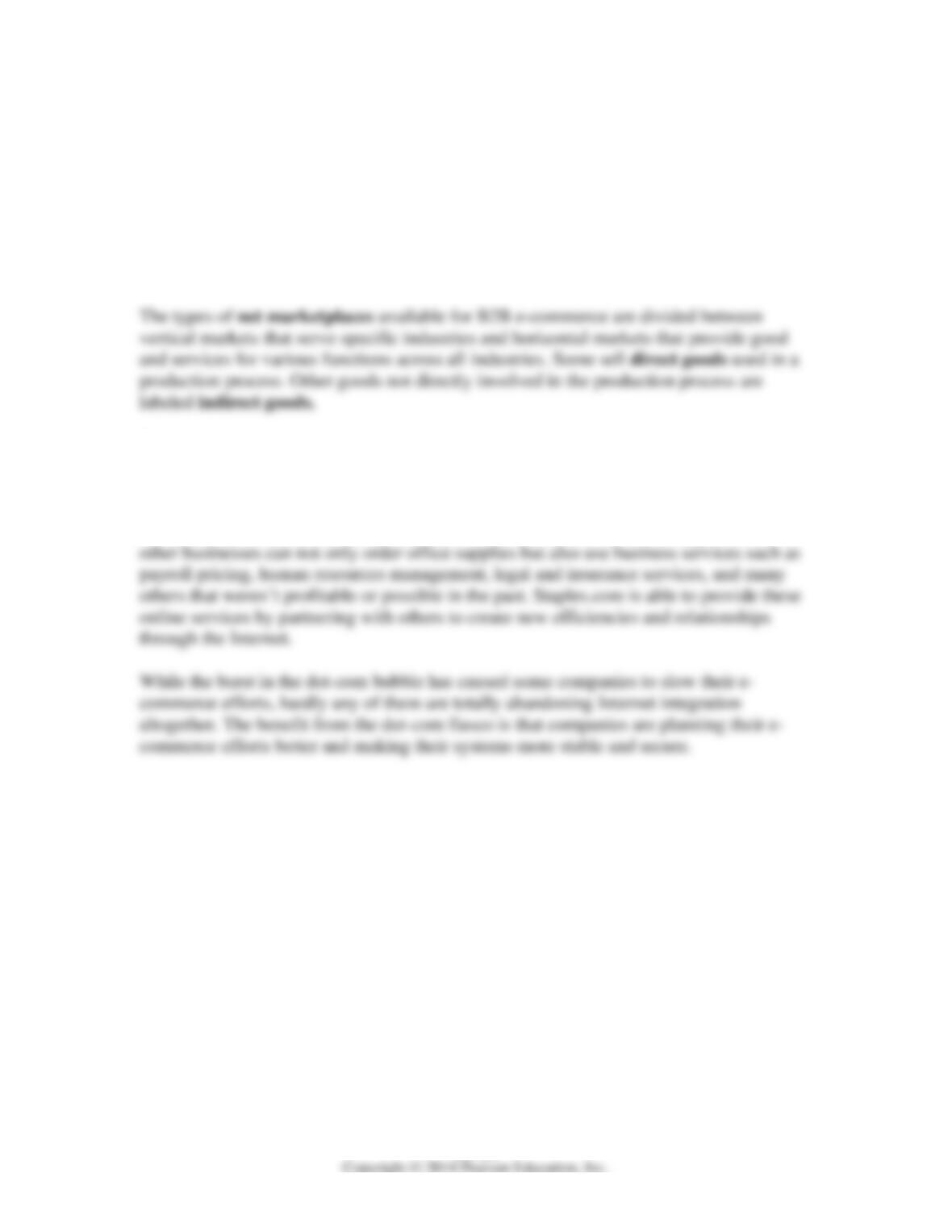
Figure 10-7 shows the relationships between buyers and sellers in online exchanges.
10-14
Figure 10-7: A Private Industrial Network
Businesses and both buyers and sellers are enjoying tremendous cost savings by using
net marketplaces or e-hubs. B2B e-commerce is reducing the buyers’ costs by allowing
them to shop around for the lowest prices. B2B e-commerce reduces sellers’ costs by
allowing them to automate purchasing transactions and reach a greater number of
potential buyers of direct goods used in production processes and indirect goods like
office supplies.
Exchanges allow businesses to offer a broader range of services to other businesses.
Staples, the office supply store, was restricted to offering in-store purchases of paper,
pencils, and other supplies to other, mostly local, businesses. The buyer had to physically
go to the store and wander through the aisles. Price comparison was limited to guessing
whether Staples had the lowest price. Staples now offers an online exchange from which
10-15
Bottom Line: The three categories of e-commerce, B2C, B2B, and C2C, offer
businesses endless possibilities for expanding their products and services.
Customers have far more opportunities through customer-centered retailing and
interactive marketing and personalization to gather information and make more
economical and convenient purchases.
10.3 The Mobile Digital Platform and Mobile E-Commerce
Cell phones aren’t just for making phone calls anymore. Now they take photographs,
send text messages, used as tracking devices, and for purchasing goods and services.
What was once a very simple device has now turned in to a personal, portable computing
device that’s changing the very nature of commerce worldwide.
Location-Based Services and Applications
M-commerce extends the ubiquitous Internet and computing to new heights. No longer
does a business have to wait for customers to find it. It can go out and find new
Location-based services is perhaps one of the most interesting growth areas in m-
commerce. There are several leaders in this technology, namely Foursquare, Gowalla,
and Loopt. Users track their friends’ locations using geosocial services and earn
points and badges for responding to special deals from businesses they “check-in”
with through geoadvertising services. Businesses offer customers the special deals in
an effort to boost sales from immediate promotions. Geoinformation services
Other Mobile Commerce Services
The growing popularity of m-commerce is causing businesses to develop new services
and applications that extend the reach to customers.
“What if you could send money to that friend who loaned you $20 last
week by using your mobile phone rather than having to go through the
trouble of trekking to the ATM or mailing a check? All you’d need would
be your buddy’s e-mail address or cell number—and presto.
That’s why a host of banks and financial companies are gearing up to add
person-to-person payments to their existing mobile and online banking
platforms.
What about security, you ask? ‘Banking on the mobile phone is relatively
safe,’ says Robert Vamosi, an analyst on security, risk, and fraud at
Bottom Line: While mobile commerce is still in its infancy in the United States,
10-17
10.4 Building an E-Commerce Presence
All of us have probably used dozens of Web sites through time, ranging from portals to e-
tailers to content providers. Some of them are easy to use and others are a nightmare.
Pieces of the Site-Building Puzzle
All too often businesses just jump in and start designing a Web site without
understanding all the decisions they must make throughout the journey. They pick the
background color, the photos or graphics they want on the home page, and maybe they
think about an online payment system they might need. Wrong! All wrong!
Don’t start pounding the keyboard just yet. Your first step must be to think the whole
process through and understand all the decisions you need to make about the site. If your
See? There’s a lot of work that needs to be done before you ever hit a single key on the
keyboard.
Business Objectives, System Functionality, and Information Requirements
When planning, designing, and building your site, you should never lose sight of the fact
that business decisions must drive the technology you use, not the other way around. All
the fancy bells and whistles you put on your site don’t mean a thing if people can’t use
the site or don’t feel comfortable with it.
10-18
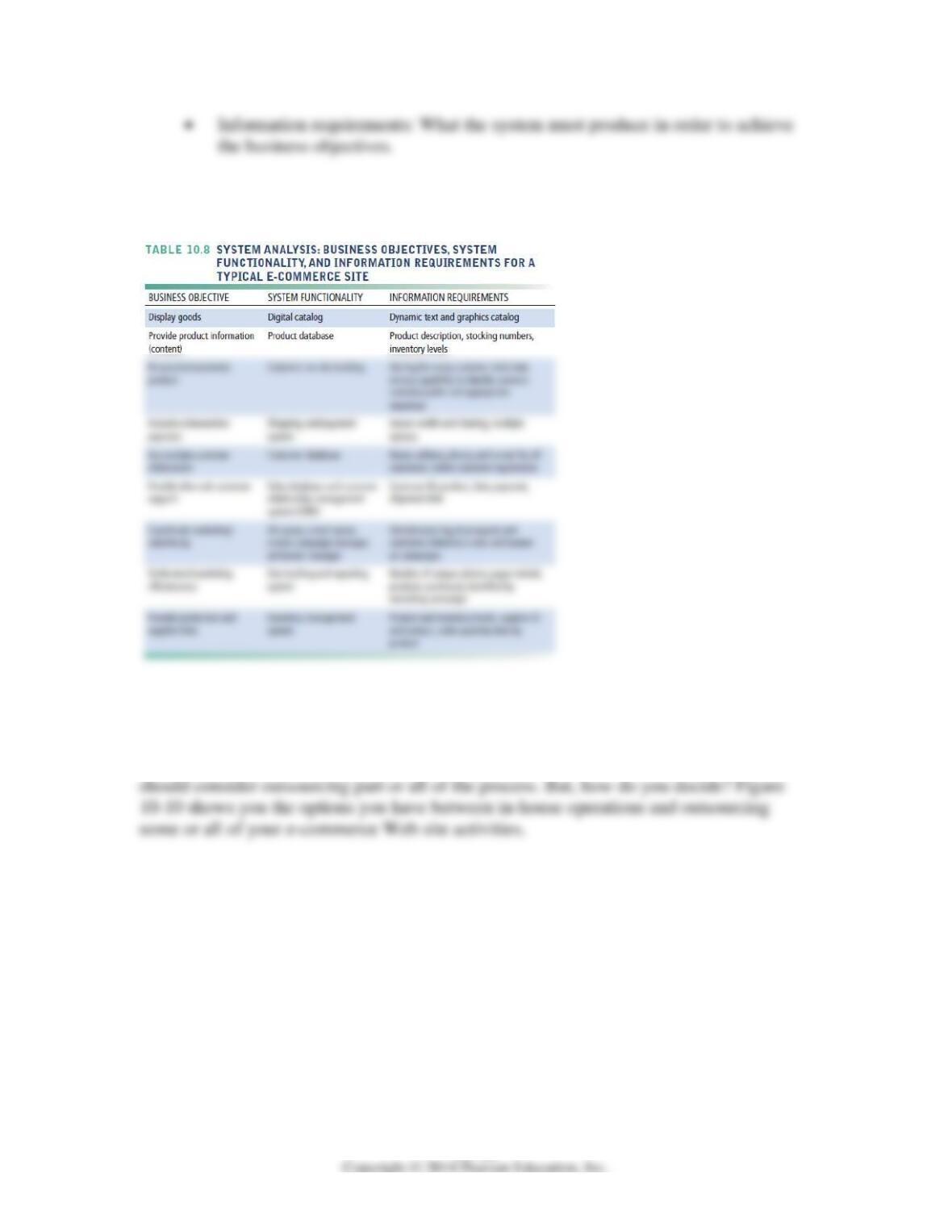
Table 10-8 gives you an idea of some of these three key areas used in typical e-commerce
Web sites.
Table 10-8: Building the Web Site: In-House Versus Outsourcing
Okay, now you can start pounding the keyboard—if you have the right people,
technology, capabilities, and most importantly, money—to do it yourself. Otherwise, you
10-19
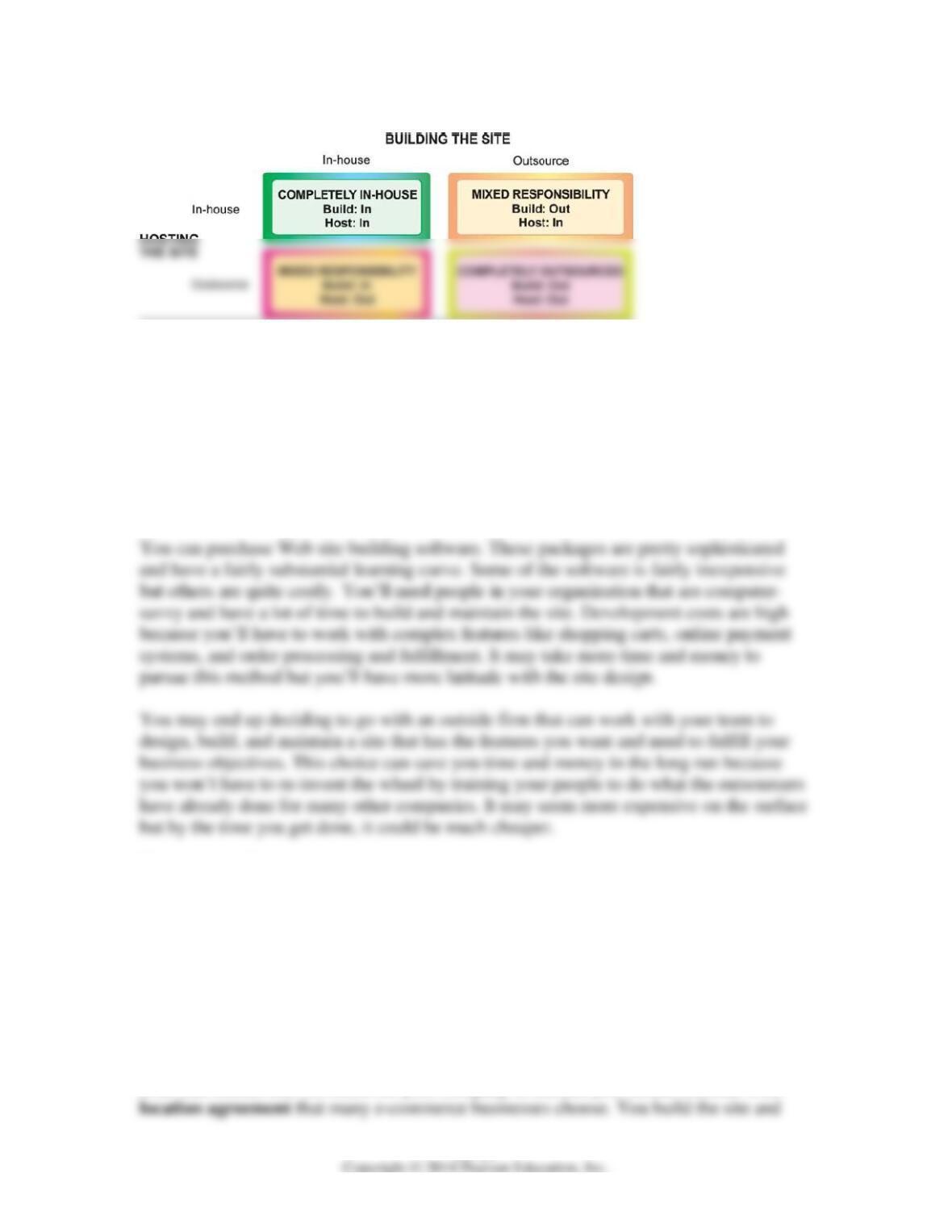
Figure 10-10: Choices in Building and Hosting Web Sites
The Building Decision
If you decide to build the site in-house, you have a couple options. You can use pre-built
templates offered on numerous e-commerce sites like Yahoo! or Amazon. Use these if
your people aren’t very knowledgeable about computer software. It’s the least costly and
simplest method to use. However, you won’t have much latitude with the design layout.
The Hosting Decision
Now that you have the site built, what are you going to do with it? Are you going to host
(store) your e-commerce activities on your own servers, making sure you keep the site up
and running 24/7? Do you have the technical staff available in-house with the necessary
skills to upgrade hardware and software, and keep your Web site secure from hackers?
What happens if you get a sudden surge of users all wanting to access the site at the same
time? Will you have enough telecommunication infrastructure to handle that or will the
site get bogged down and become inaccessible?
If all that sounds like too much for your company to handle, you should consider a co–
Web Site Budgets
As with most major undertakings, you need to make sure you have the right amount of
money available to complete your Web site project in such a way that it fulfills your
Bottom Line: Developing a successful e-commerce site requires managers to develop
a clear understanding of their business objects and choose the right technology to
achieve those objectives. Decisions need to be made about the site design and social
and information policies. Managers must decide whether some or all of the building
and hosting will take place in-house or be outsourced. Most of all, the company
must adequately budget for all the necessary components of an e-commerce site.
Discussion Questions:
1. Discuss how the features of ubiquity, universal standards and information richness
make e-commerce different from traditional retailing efforts.
Answers to Discussion Questions:
10-21
1. Ubiquity refers to the constant availability of e-commerce 24/7, 365 days a year
anywhere a computing device is available. Traditional retailing efforts are limited in
2. The Internet shrinks information asymmetry and tips the balance of scale in favor of
consumers. Access to information about products and services is faster and easier to
3. Businesses use the wisdom of crowds to help them make better decisions, create new
ways to market and advertise their products, and to find out how customers really feel
about products and services. Tapping into the minds of millions of people on the Web
4. Answers rely on the particular m-commerce service available or desired. Students
5. The two most important challenges are understanding the organization’s business
objectives and choosing the right technology to achieve those objectives. Managers
must understand all the decisions they need to make. Managers must form a team of