Quality in Practice: Six Sigma Integration at Samsung1
Samsung Electronics Co. (SEC) of Seoul, Korea, was founded in 1969 and sold its first product,
a television receiver, in 1971. Today Samsung is well-known in the home, mobile, office
networks, and core components businesses. Since its inception, SEC has used a variety of quality
tools and approaches, but Six Sigma was added to upgrade its approaches and improve SEC’s
competitive position in world markets.
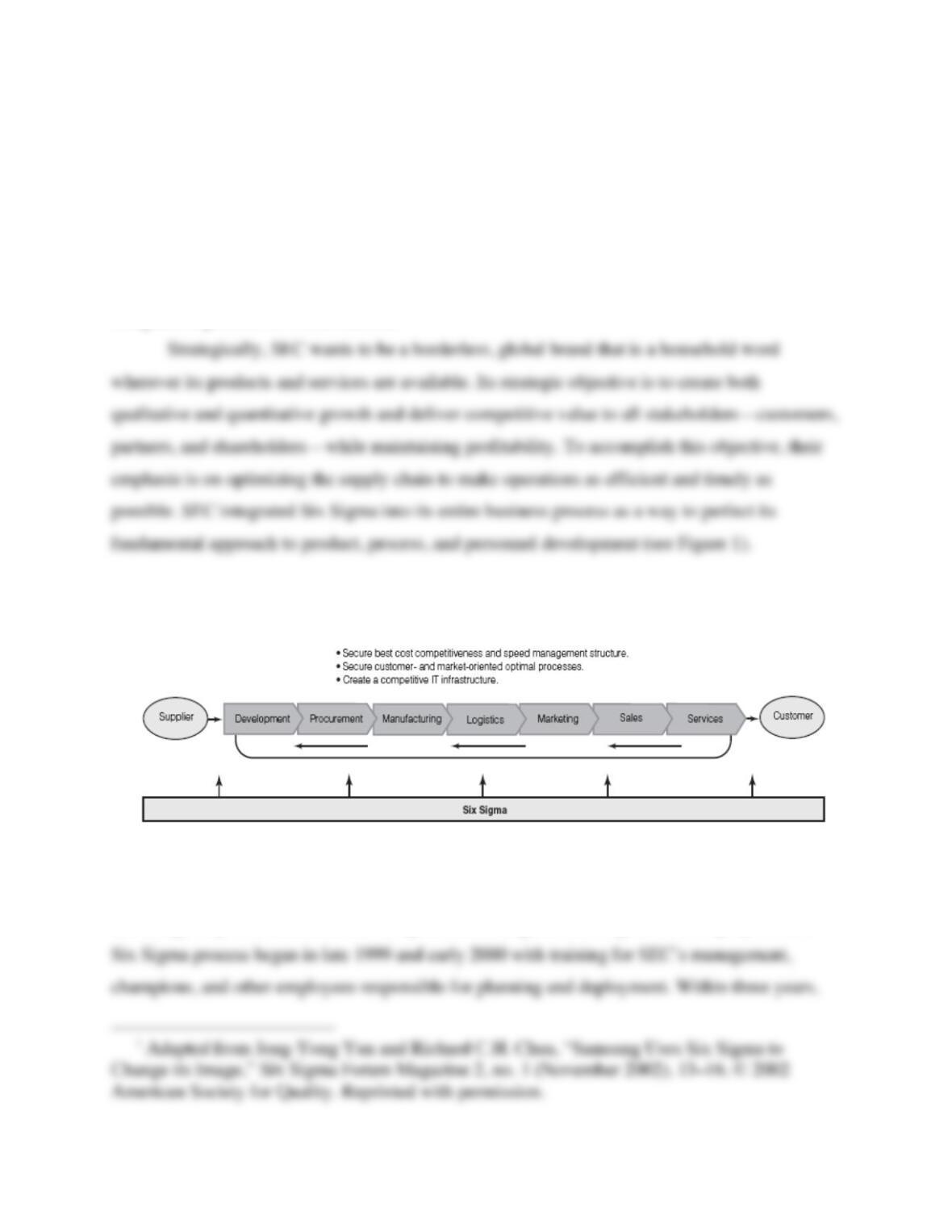
Figure 1 Samsung’s Integration of Six Sigma (same as 6E)
As a foundation for its Six Sigma thrust, SEC began by pursuing a pervasive goal of
developing its internal resources, especially people, to put innovation first in the development
and design of products, in manufacturing and marketing, and in the growth of employees. The
about one-third of its 49,000 employees received formal training. In 2000, manufacturing began
to use Six Sigma improvement processes, and then expanded its scope to include “Design for Six
Sigma” (see Chapter 13) in designing new products. Next, Six Sigma was applied to business
and internal support processes where customer needs and interactions have become increasingly
critical. These processes include transactional activities such as completing an invoice, designing
procedures to improve cycle time, and improving processes in human resources, accounting,
business planning, sales, call centers, and customer service. All business processes are candidates
for Six Sigma improvement, and SEC’s finance and marketing people have begun to embrace it.
In 2000 and 2001, SEC completed 3,290 Six Sigma projects, which contributed to a 50
percent (an average) reduction in defects. No thought is given to improvement in quality and
productivity without Six Sigma. These initiatives contributed to the company’s recent growth.
For example, SEC became one of the top 10 electronic and electrical equipment manufacturing
companies in the world, with the best operating profit ratios and superior fiscal soundness. Its
debt to equity ratio also is lower than that of any top ranking company; and it reached the
number one position in BusinessWeek’s 2002 information technology guide. Employees believe
that quality is the single most important reason for the company’s higher sales, lower costs,
satisfied customers, and profitable growth.
A flattening of the organizational structure, making it easier for key decisions to be made
at lower levels, was another factor contributing to SEC’s success. SEC intends to use Six Sigma
and innovation to remain a leader in the digital economy.
Key Issues for Discussion
1. Although this case application suggests that Six Sigma was deployed quite easily at
Samsung, what specific challenges do you think the company faced after it decided to begin its
Six Sigma thrust? How might its prior focus on quality have made Six Sigma easier to
implement?
2. Suggest some specific types of Six Sigma projects within the supply chain in Figure 1
that Samsung might have undertaken.