10-1
10 ADDITIONAL DERIVATIVE TOPICS
EXERCISE 10-1
2. 0.07(10)
3, 000 6, 041.26Ae
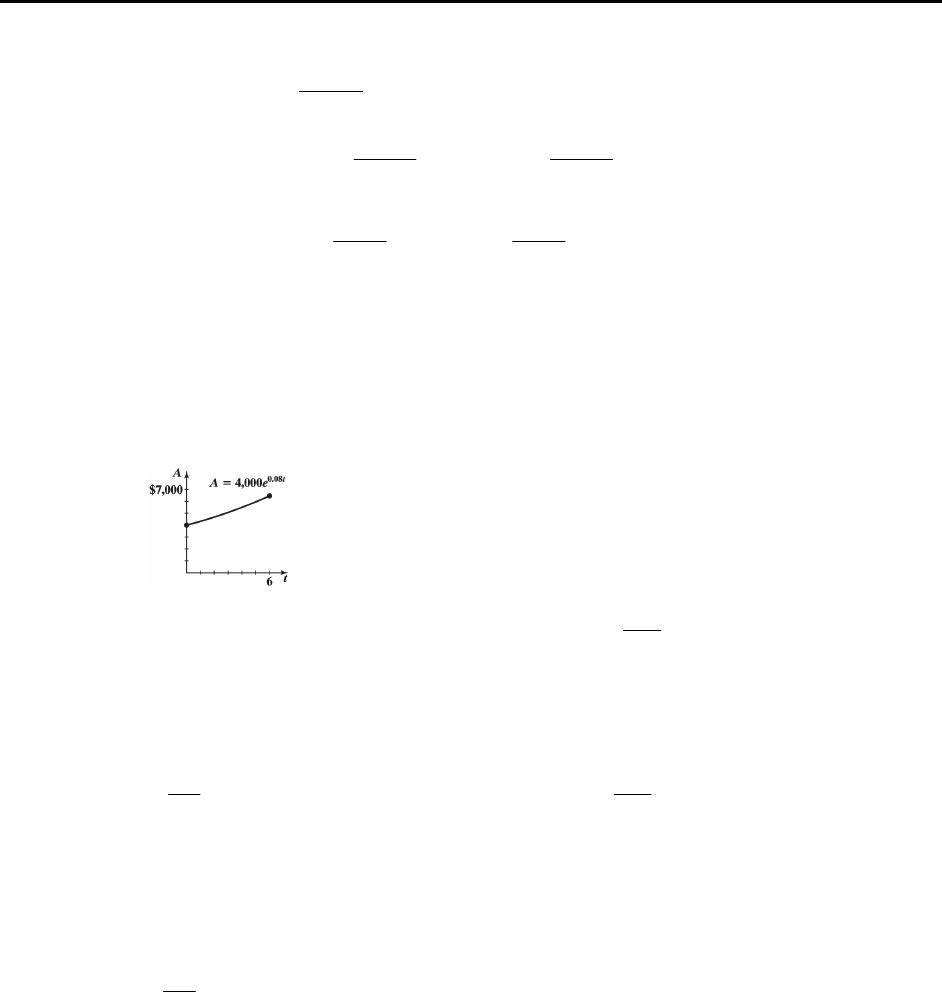
10. A = $10,000e0.1t
When t = 10, A = $10,000e(0.1)10 = $10,000e1 = $27,182.82.
12.
14. 2 = e0.09t
Take the natural log of both sides of this equation
16. 2 = e18r 18. 3 = e0.08t
ln(e18r) = ln 2 ln(e0.08t) = ln 3
20. 3 = e20r
ln(e20r) = ln 3
10-2 CHAPTER 10: ADDITIONAL DERIVATIVE TOPICS
22. s (1 + s)1/s
0.01 2.70481
0.001 2.71692
0.0001 2.71815
0.00001 2.71827
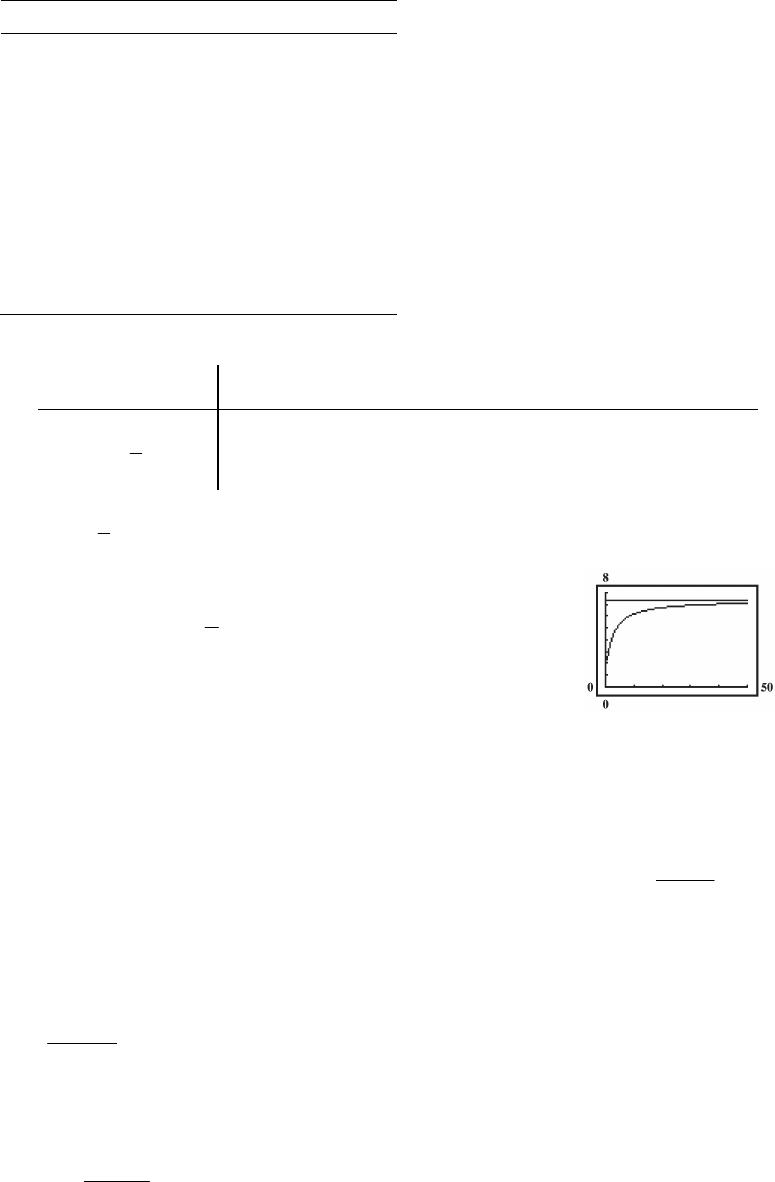
24. s 0.1 0.01 0.001 0.0001
26. The graphs of y1 = 2
1n
n
,
28. (A) A = Pert = $10,000e0.0164(3)
(B) 11,000 = 10,000e0.0164t
30. A = Pert
32. 195,000 = 99,000e15r
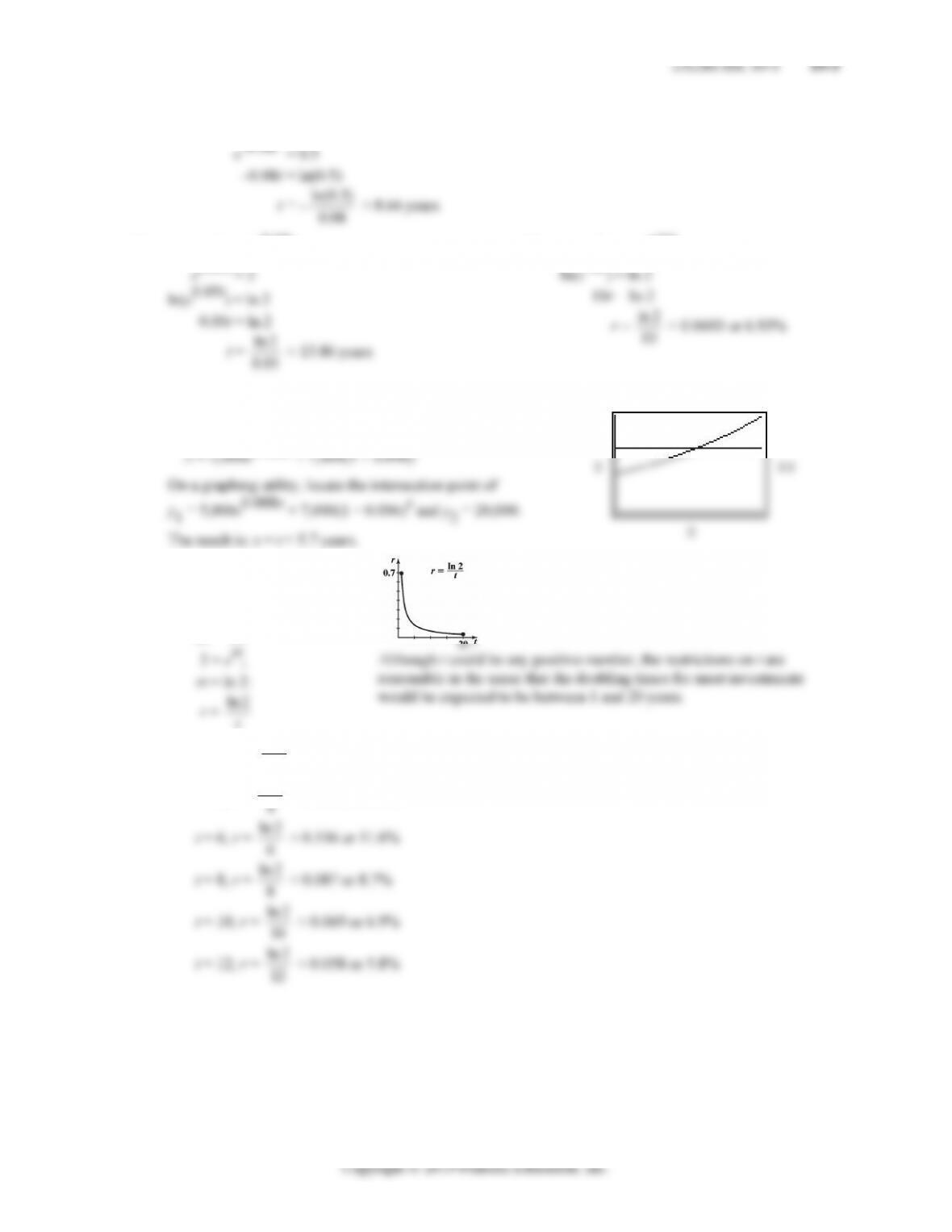
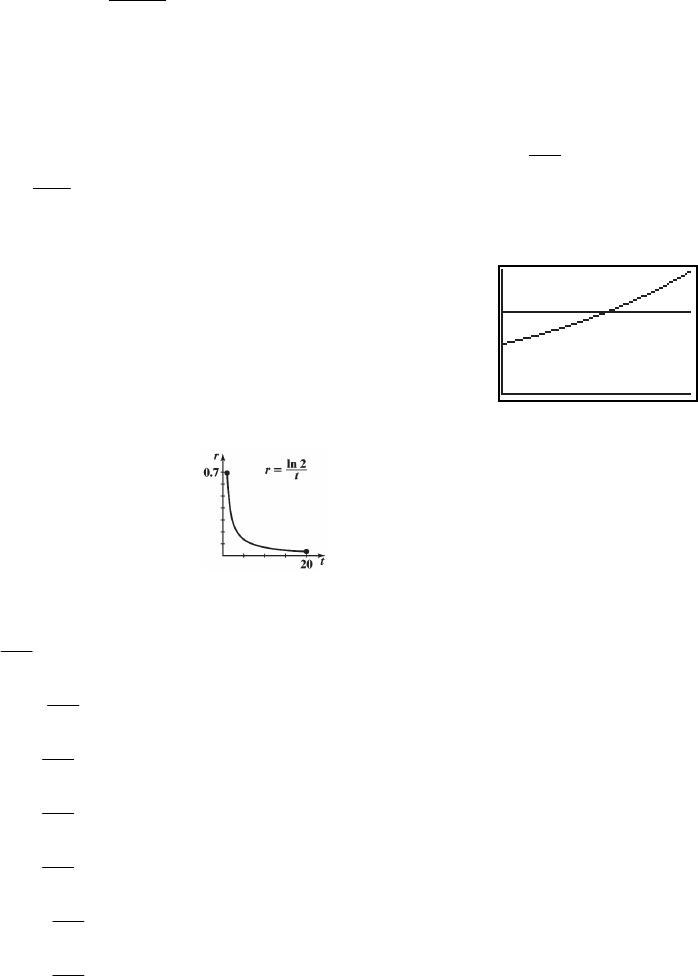
34. P = 10,000e–0.08t = 5,000
36. 2P = Pe0.05t
38. 2P = Per(10)
40. The total investment in the two accounts
is given by
30,000
42. (
A) A = Pert;
2
P = Pert
(B)
(C) t = 2; r = ln 2
2 ≈ 0.347 or 34.7%
t = 4; r = ln 2
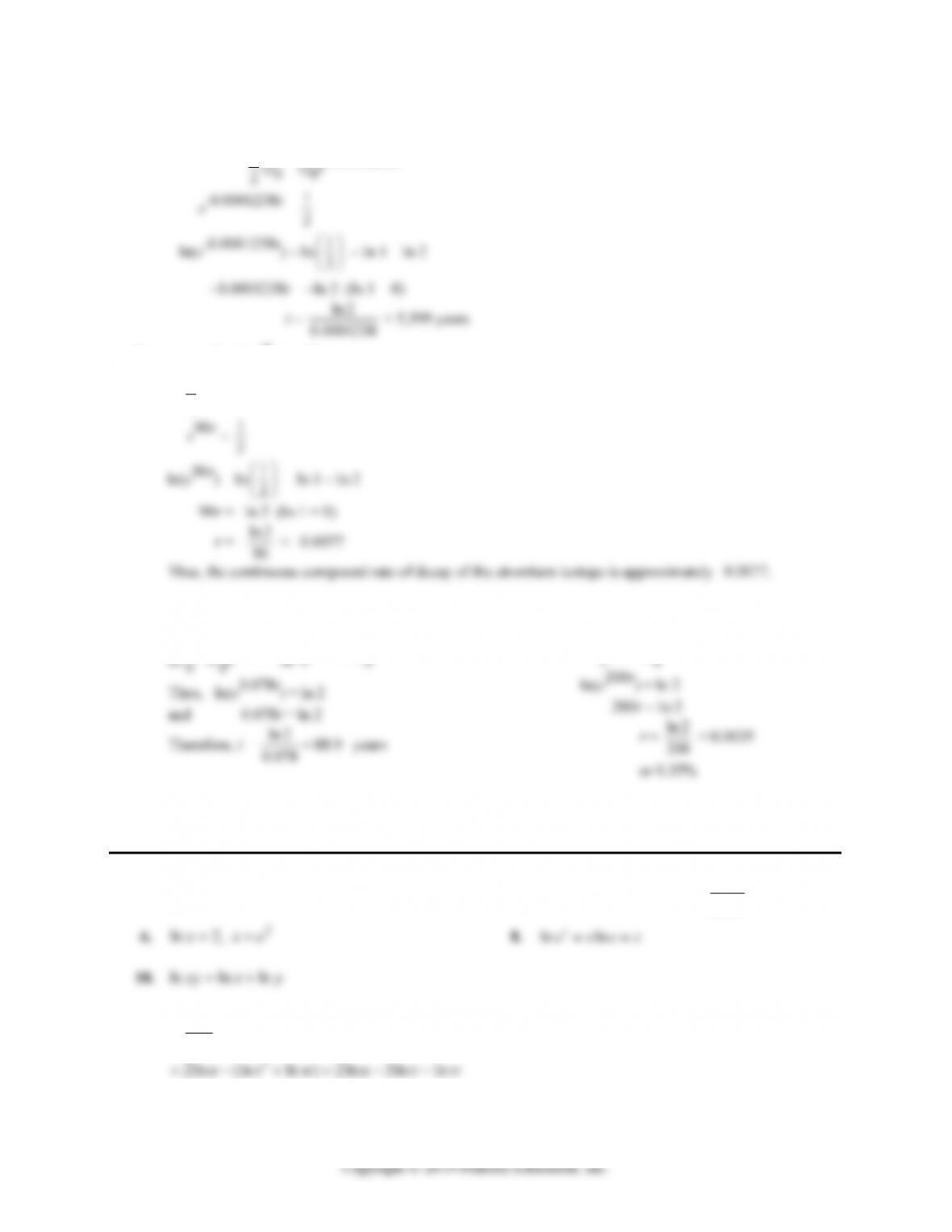
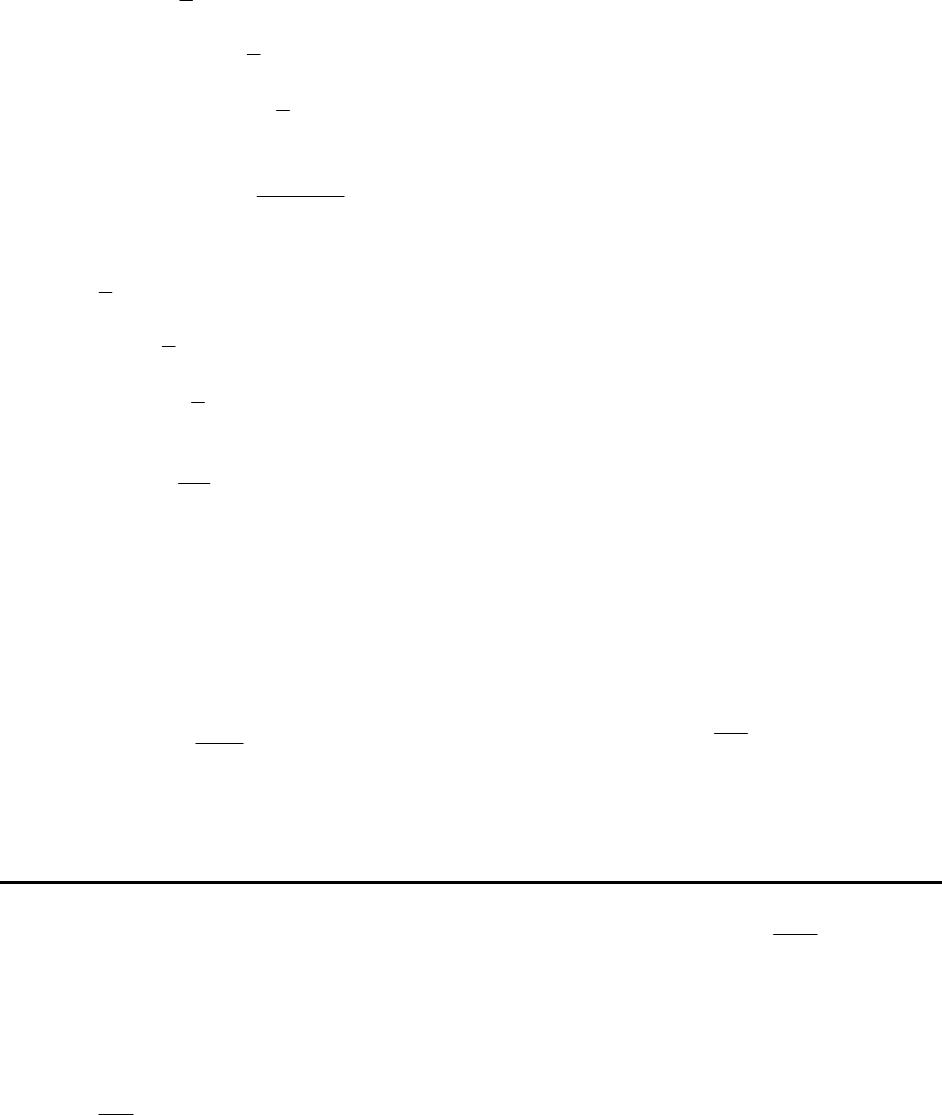
10-4 CHAPTER 10: ADDITIONAL DERIVATIVE TOPICS
44. Q = Q0e–0.0001238t
46. Q = Q0ert (r < 0)
1
2Q0 = Q0er(90)
48. P = P0ert
50. 2P0 = P0er(200)
EXERCISE 10-2
2. 4
log 64y, 4 64, 3
yy 4. 3
10
1
log 3, 10 0.001
1000
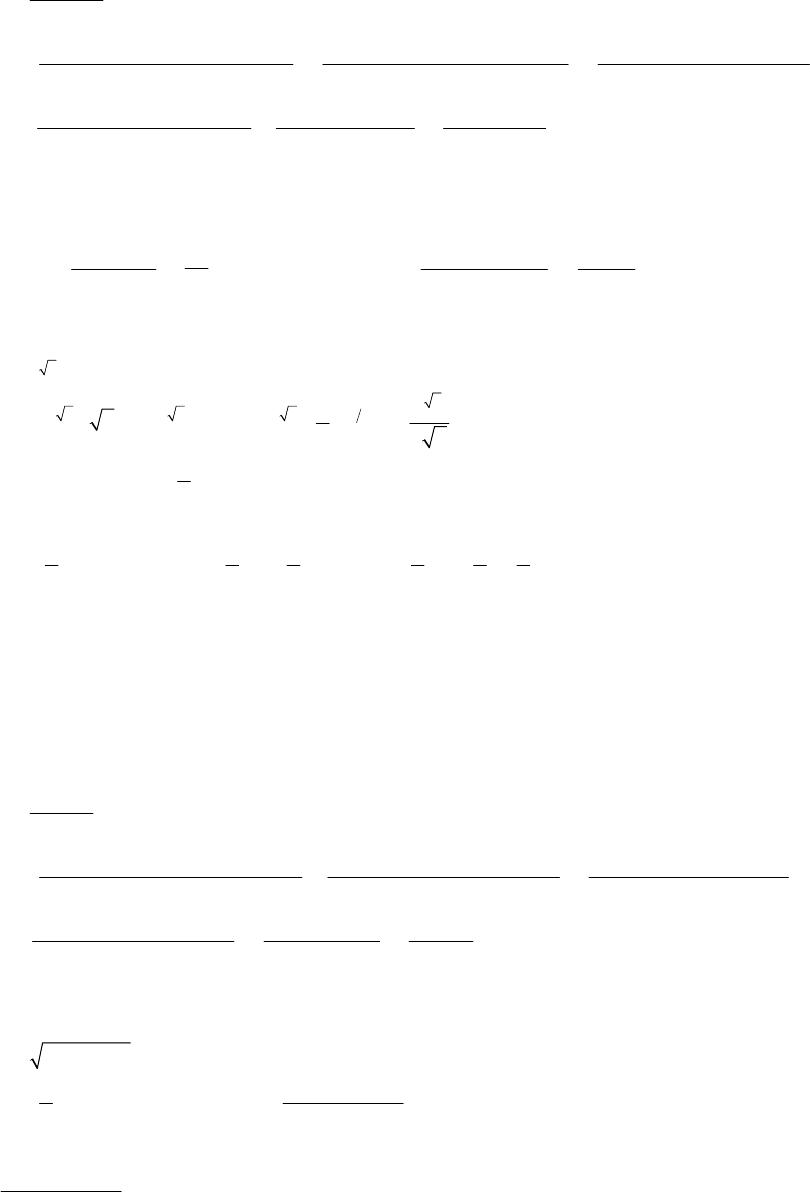
xx
12.
2
23
3
ln ln ln
uuvw
vw

EXERCISE 10-2 10-5
14. f(x) = –7ex – 2x + 5
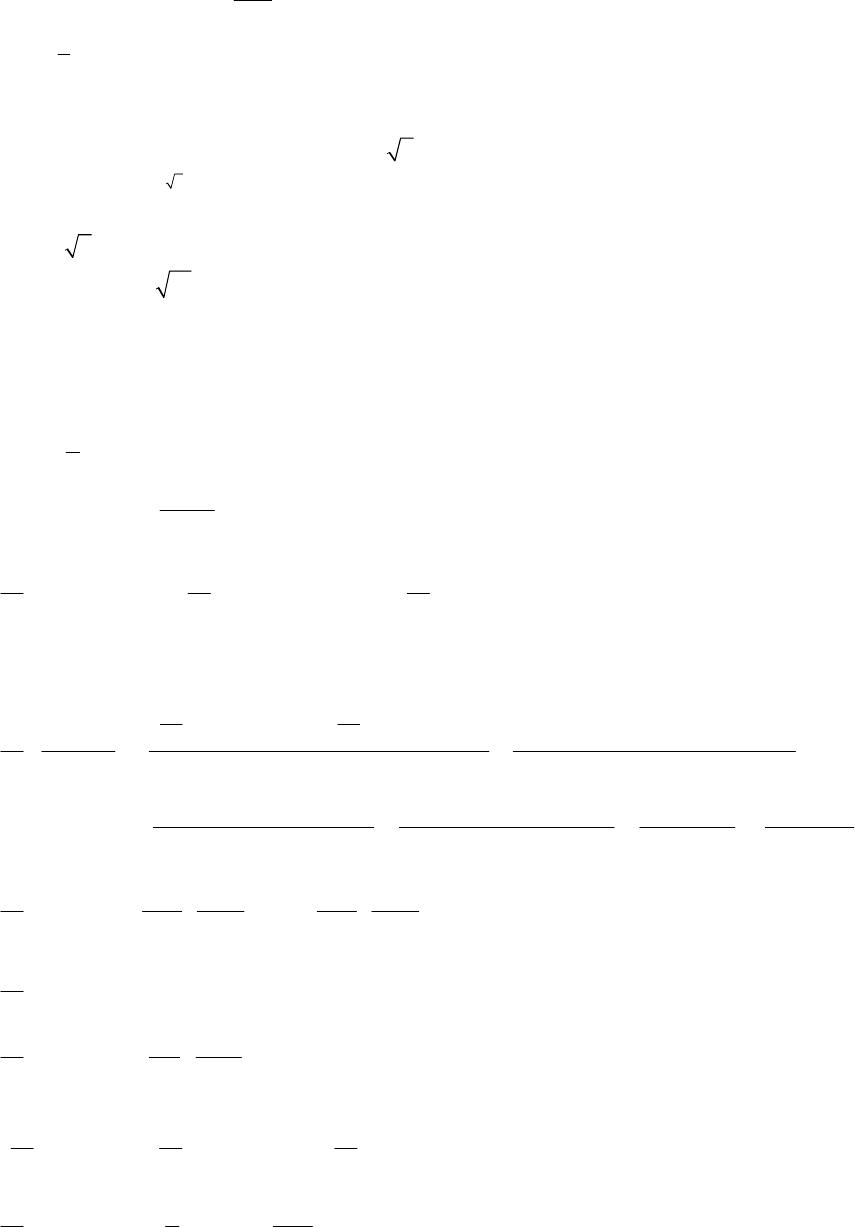
16. f(x) = 6 ln x – x3 + 2
18. f(x) = 9ex + 2x2
20. f(x) = ln x + 2ex – 3x2
22. f(x) = ln x8 = 8 ln x
24. f(x) = 4 + ln x9 = 4 + 9 ln x
26. f(x) = ln x10 + 2 ln x = 10 ln x + 2 ln x = 12 ln x 28. () 3 2
ex
f
xxe
f
30. () , ‘()
x
x
f
xee fxee,
32. f(x) = 2 ln x
34. f(x) = ex + 1
36. f(x) = 1 + ln x4 = 1 + 4 ln x
38. f(x) = 5ex
40.
x
f
xe
x
f
xe

10-6 CHAPTER 10: ADDITIONAL DERIVATIVE TOPICS
42.
ln
f
xx
1
fx
x
x
44. f(x) = 2 + 3 ln 1
x
x
x
46. f(x) = x + 5 ln 6x
= x + 5(ln 6 + ln x)
x
x
x
48. y = 3 log5 x
x
50. y = 4x
52. y = log x + 4x2 + 1
x
54. y = x5 – 5x
56. y = –log2 x + 10 ln x
dy
1
58. y = e3 – 3x
dy
60. On a graphing utility, graph y1 = ex and y2 = x5. Rounded off to two decimal places, the points of
62. On a graphing utility, graph
3
1ln
y
xand 2
y
x. Rounded off to two decimal places, the point of
64. On a graphing utility, graph 1lnyxand 1/ 4
2
y
x. Rounded off to two decimal places, the points of
66. f(x) = ecx

EXERCISE 10-2 10-7
Step 3. ()()
f
xh fx
= (1)
cx ch
ee
= ecx 1
ch
e
68. R(t) = 20,000(0.86)t
R’(t) = 20,000(0.86)t ln (0.86)
70. A(t) = 1000 · 24t = 1000 · 16t
72. P(x) = 17.5(1 + ln x), 10 ≤ x ≤ 100
74. N(t) = 10 + 6 ln t, t ≥ 1
N ‘(t) = 6
76. 0.084 0.084
( ) 25,000 , ‘( ) 2,100
tt
Pt e P t e
10-8 CHAPTER 10: ADDITIONAL DERIVATIVE TOPICS
(B) First solve 0.084
25,000 30,000
t
e for t:
EXERCISE 10–3
2.
33 6 5
() , () ; ()() , ()()‘ 6
F
xxSxxFxSxx FxSx x
F
4.
898 87
() 1, () ; ()() , ()()‘ 9 8
F
xx SxxFxSxxx FxSx x x
F
6.
‘
8
82 6 65
2
() ()
() , () ; , ( )‘ 6
() ()
Tx x Tx
Tx x Bx x x x x
Bx x Bx
8.
‘
99910
9
() 1 ()
() 1, () ; , ( )‘ 9
() ()
Tx Tx
Tx Bx x x x x
Bx x Bx
10. f(x) = 5x2(x3 + 2)
12. f(x) = (3x + 2)(4x – 5)
14. f(x) = 3
21
x
x
x
x
x

16. f(x) = 34
x
18. f(x) = x2ex
20. f(x) = 5x ln x
Using product formula:
22. f(x) = (3x + 5)(x2 – 3)
24. f(x) = (0.5x – 4)(0.2x + 1)
26. f(x) = 2
35
3
x
x
28. f(x) = (x2 – 4)(x2 + 5)
30. f(x) =
2
4
x

10-10 CHAPTER 10: ADDITIONAL DERIVATIVE TOPICS
32. f(x) = 1
1
x
x
e
e
Use quotient formula to find f ´ (x):
34. f(x) = 2
1ln
x
x
Use quotient formula:
x
x
x
x
36. h(x) = x2f(x)
38. h(x) = ()
f
x
x
x
40. h(x) = 3
()
f
x
x
x
42. h(x) =
2
()
x
f
x
x
44. h(x) = ()
x
e
f
x
Use quotient formula:
x
x
xx
x
46. h(x) = ()
ln
f
x
x
Use quotient formula:

EXERCISE 10-3 10-11
48. y = (x3 + 2x2)(3x – 1)
50. d
dt [(3 – 0.4t3)(0.5t2 – 2t)]
52. f(x) =
2
3
21
x
x
x
x
x
x
54. y =
43
31
ww
w
56. y = (1 + et)ln t
58. 2
1
()fx
x
(A)
22
(1) (1) ( ) 22
‘( ) ()
dd
xx
x
dx dx
fx
x
60. 3
3
2
() 2
f
xx
x
x
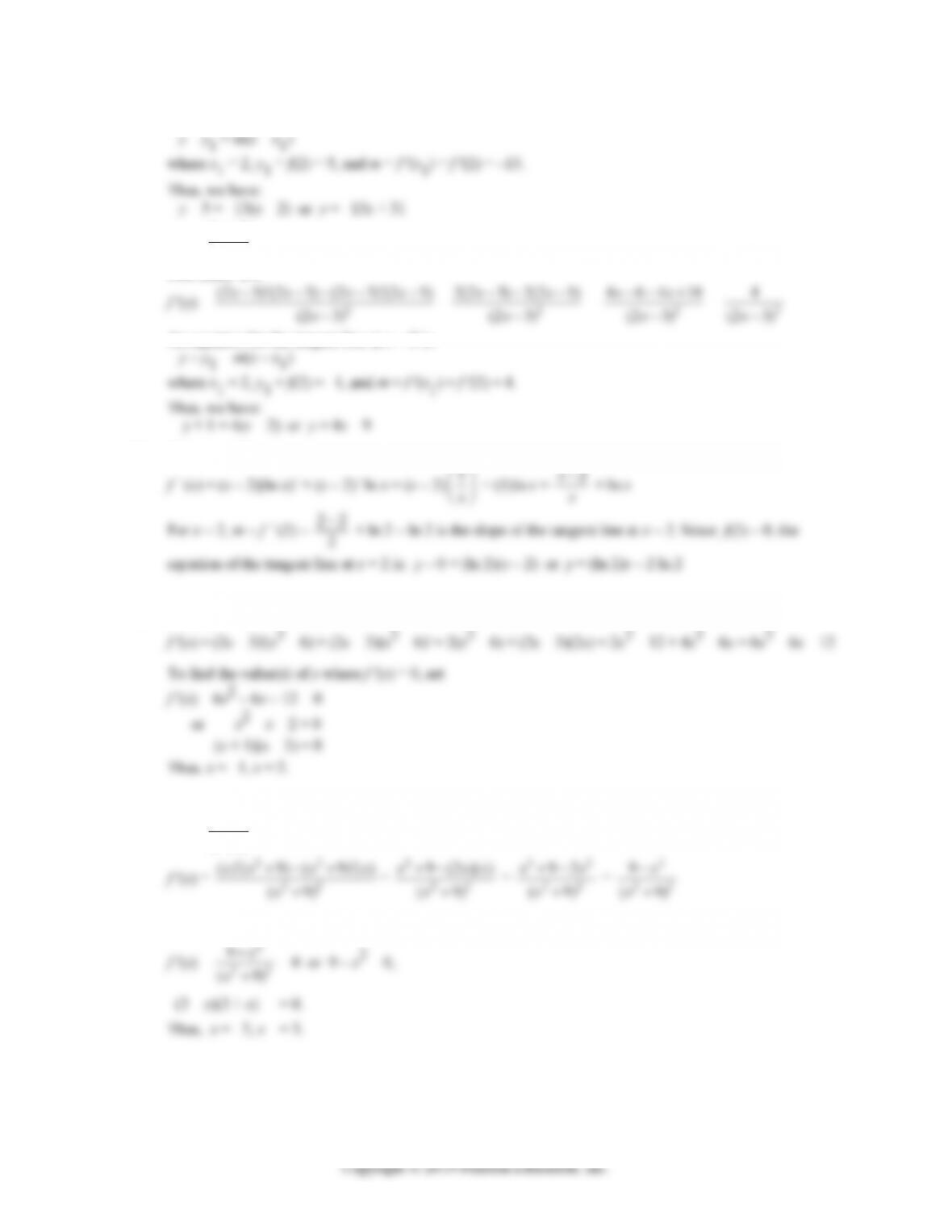
62. f(x) = (7 – 3x)(1 + 2x)

10-12 CHAPTER 10: ADDITIONAL DERIVATIVE TOPICS
An equation for the tangent line at x = 2 is:
64. f(x) = 25
23
x
x
First find f ꞌ(x):
An equation for the tangent line at x = 2 is:
66. f(x) = (x – 2)ln x
x
x
68. f(x) = (2x – 3)(x2 – 6)
70. f(x) = 29
x
x
x
x
x
x
To find the value(s) of x where f ꞌ(x) = 0, set
x
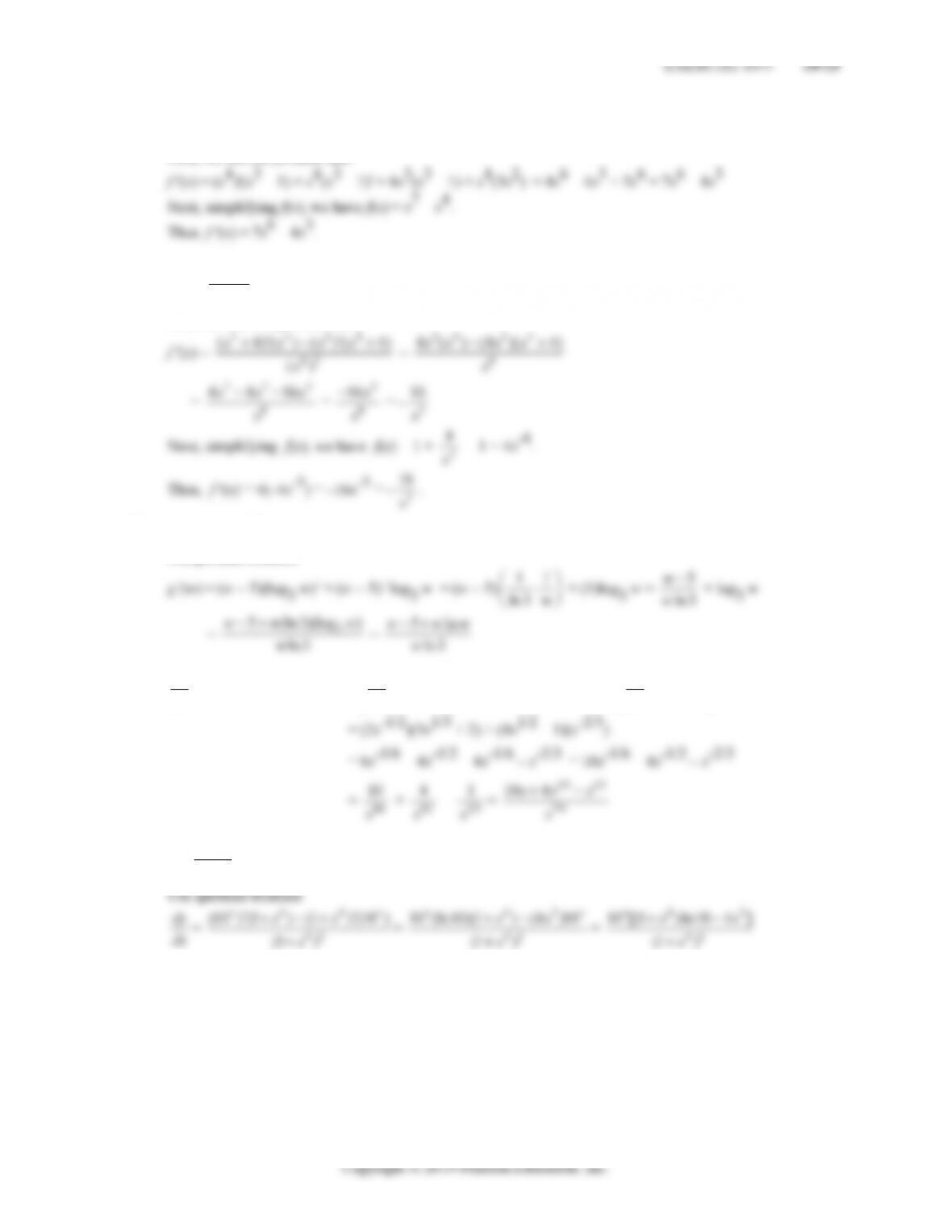

72. f(x) = x4(x3 – 1)
First, we use the product rule:
74. f(x) =
4
4
4x
x
First, we use the quotient rule:
x
x
x
x
x
76. g(w) = (w – 5)log3 w
Use product formula:
78. d
dx [(4x1/2 – 1)(3x1/3 + 2)] = 1/2
(4 1)
dx
dx
(3x1/3 + 2) + (4x1/2 – 1) 1/3
(3 2)
dx
dx
x
80. y = 4
10
1
x
x
x
x
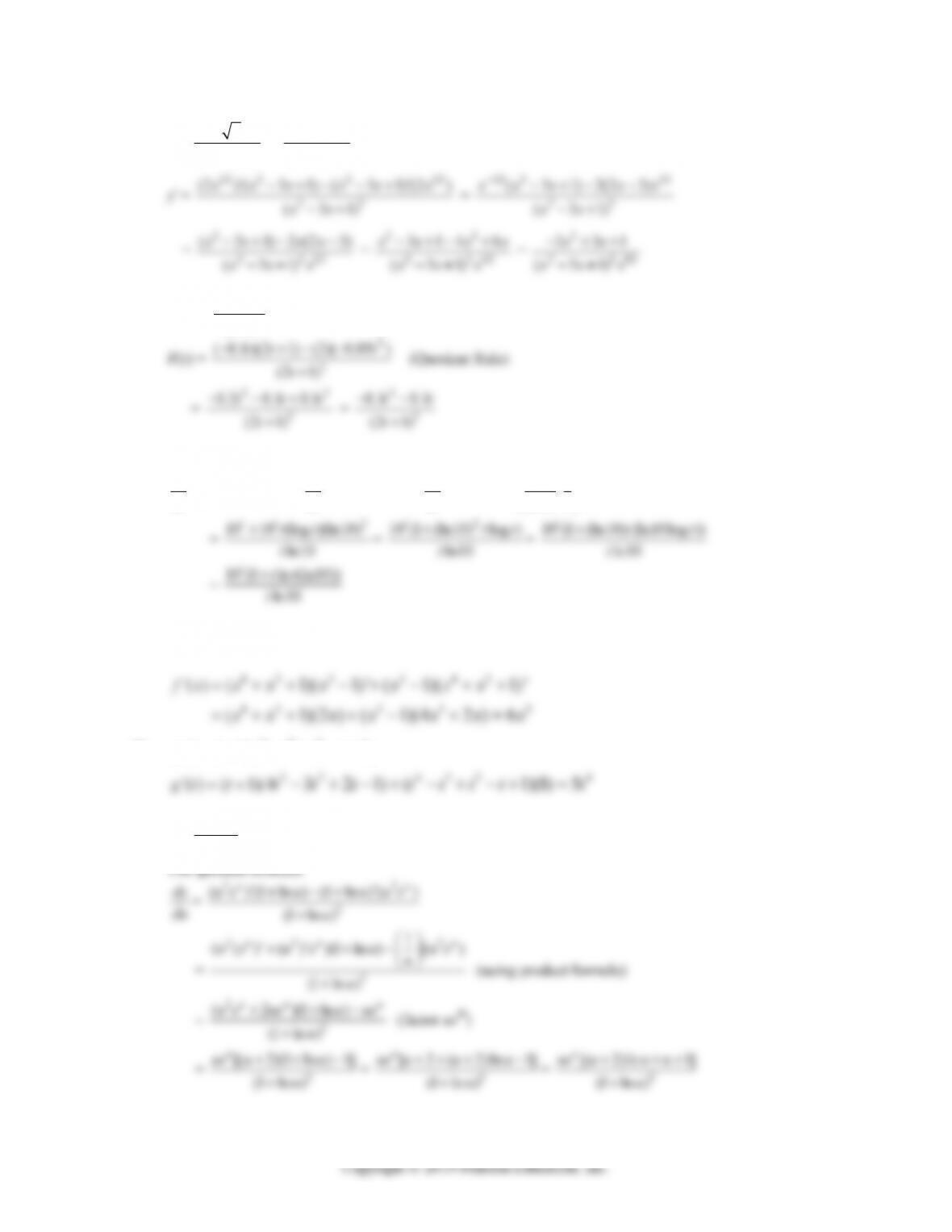

10-14 CHAPTER 10: ADDITIONAL DERIVATIVE TOPICS
82. y = 2
2
31
x
xx
=
1/ 2
2
2
31
x
xx
84. h(t) =
2
0.05
21
t
t
86. Use product formula:
d
dt [10t log t] = 10t d
dt [log t] + (log t) d
dt [10t] = 10t 11
ln10 t
+ (log t)(10t ln 10)
88. 42 2
() ( 1)( 1)fx x x x
90. 432
() ( 1)( 1)gt t t ttt
92. y =
2
1ln
u
ue
u
Use quotient formula:
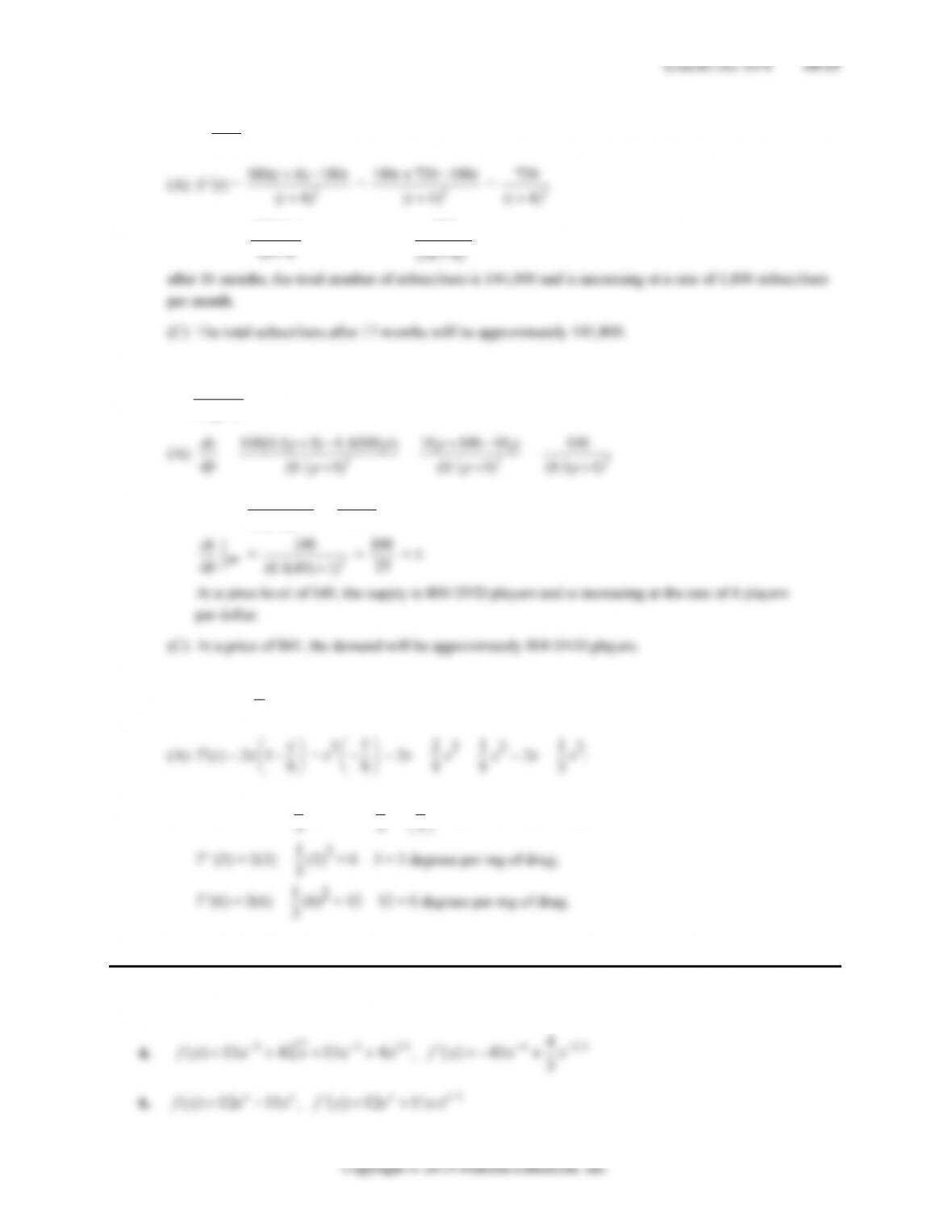
94. N(t) = 180
4
t
t
(B) N(16) = 180(16)
720
96. x = 100
0.1 1
p
p, 10 ≤ p ≤ 70
(B) x(40) = 100(40)
0.1(40) 1 = 4,000
5 = 800;
98. T(x) = x219
x
, 0 ≤ x ≤ 7
x
(B) T ‘ (1) = 2(1) – 1
degrees per mg of drug;
EXERCISE 10–4
2. 54
() 5 6 , ‘() 30
f
xxfxx
f

10-16 CHAPTER 10: ADDITIONAL DERIVATIVE TOPICS
x
10. (–2); d
dx (5 – 2x)6 = 6(5 – 2x)5(–2) = –12(6 – 2x)5
18. f(x) = (9 – 5x)2
20. f(x) = (6 – 0.5x)4
24. f(x) = 6e–2x
28. f(x) = (4x + 3)1/2
30. f(x) = (x5 + 2)–3
32. f(x) = 2 ln(x2 – 3x + 4)
34. f(x) = (x – 2 ln x)4
3

36. f(x) = (3x – 1)4
f ꞌ(x) = 4(3x – 1)3(3) = 12(3x – 1)3
Tangent line at x = 1: y – y1 = m(x – x1) where x1 = 1,
38. f(x) = (2x + 8)1/2
40. f(x) = ln(1 – x2 + 2x4)
f ´ (x) =
24
(1 2 )
x
x
x
3
28
x
x
x
2
2(4 1)
xx

10-18 CHAPTER 10: ADDITIONAL DERIVATIVE TOPICS
42. y = 2(x3 + 6)5
44. d
2
6(3 2 )
tt
46. g(w) = 337w = (3w – 7)1/3
48. h(x) =
2
29
x
e
x
Use quotient formula:
x
x
50. Use product formula:
1
[ ln(1 )] [ln(1 )] ln(1 ) ( ) ( ) ln(1 )(1)
xxx xx
dd d
xex e e xx e e
52. G(t) = (1 – e2t)2
54. y = [ln(x2 + 3)]3/2
2
(3)
x
2
x
56. d
1
= d
12
w
58. f(x) = x2(1 – x)4
f ꞌ(x) = (x2)'(1 – x)4 + x2[(1 – x)4]’ = 2x(1 – x)4 + x2[4(1 – x)3(–1)] = 2x(1 – x)4 – 4x2(1 – x)3
EXERCISE 10-4 10-19
60. f(x) =
4
2
(3 8)
x
x
42 24
( ) (3 8) [(3 8) ] ( )
x
xxx
32 4
4 (3 8) [2(3 8)(3)]
x
xxx
324
4(3 8) 6(3 8)
xx xx
x
x
62. f(x) =
x
e
f ´ (x) =
x
e(
x
)’ =
x
e(x1/2)’ =
x
e12
1
= 2
x
e
x
64. f(x) = x3(x – 7)4
f ꞌ(x) = (x3)'(x – 7)4 + x3[(x – 7)4]’ = 3x2(x – 7)4 + x3[4(x – 7)3(1)] = 3x2(x – 7)4 + 4x3(x – 7)3
66. f(x) = 3
1
(3)
x
x
x
68. f(x) = 245xx = (x2 + 4x + 5)1/2
10-20 CHAPTER 10: ADDITIONAL DERIVATIVE TOPICS
70. f ꞌ(x) = (1)ln(x + 1) + (x + 1) · 1
1
x
– 1 = ln(x + 1)
72. ( ) , domain of : ( , ); ( ) , domain of : [0, )
u
fu e f gx x g
74. ( ) , domain of : [0, ); ( ) , domain of : ( , )
x
fu u f gx e g
76. ( ) ln , domain of : (0, ); ( ) 2 10, domain of : ( , )fu u f gx x g
78. 2
1
( ) , domain of : all real numbers except 0; ( ) 9, domain of : ( , )fu f x gx x g
u
80. d
dx [2x2(x3 – 3)4] = 2
(2 )
d
x
dx
(x3 – 3)4 + 2x234
(3)
dx
dx
= 4x(x3 – 3)4 + 2x2[4(x3 – 3)3(3x2)]
82. d
2
3
x
=
223 23 2
(3 ) ( 5) ( 5) (3 )
dd
x
xxx
dx dx
23 22 2
6( 5) [3( 5)(2)](3 )
x
xxxx
x
x
x
84. d
1
2
3
x
86. d
= 81–2x2
(–4x)(ln 8) = –4x 81–2x2
(ln 8)
88. d
1
90. d
(ln 10) = ln10
10ln x