10-1
Management Information Systems, 13E, Global Edition
Laudon & Laudon
Lecture Files by Barbara J. Ellestad
Chapter 10 E-Commerce: Digital Markets, Digital Goods
Twenty-four/seven—the mantra of the Internet. Whether it’s buying, selling, gathering
10.1 E-commerce and the Internet
Take a moment and reflect back on your shopping experiences over the last year. Did any
of them involve not using the Internet in one way or another? Perhaps you simply used
the Internet to research the cost of products without actually purchasing a product or
E-Commerce Today
The text provides useful statistics to demonstrate the solid growth in e-commerce. Many
companies that failed during the “dot.com” bust did so because they didn’t have solid
business plans, not because e-commerce as a whole wasn’t a good idea.
The Internet has proved to be the perfect vehicle for e-commerce because of its open
standards and structure. No other methodology or technology has proven to work as well
10-2
Customers and suppliers are learning how to use all these new technologies to gather
Why E-Commerce Is Different
Most of us have become so used to the Internet that we take it for granted. Let’s look at
the factors that make e-commerce so different from anything we’ve seen before.
Ubiquity: 24/7 365 days a year, anytime, anywhere. New marketspaces change the
Universal Standards: One of the primary reasons e-commerce has grown so quickly and
has become so wide-spread is due to the universal standards upon which the technology
is built. Businesses don’t have to build proprietary hardware, software, or networks in
order to reach customers thereby keeping market entry costs to a minimum. Customers
Interactivity: E-commerce originally presented simple, static Web sites to customers with
limited possibilities of interactivity between the two. Now, most major retailers and even
small shops, use a variety of ways to communicate back and forth with customers and
create new relationships around the globe.
10-3
Consumers enjoy price transparency allowing them to comparison shop quickly and
easily. Cost transparency is another benefit consumers enjoy that they’ve never had
available as readily as what they can find on the Internet. On the other hand merchants
gather much more information about customers and use it for price discrimination.
Personalization/Customization: The neighborhood merchant probably knows most
customers by name and remembers their personal preferences. That same cozy
Key Concepts in E-Commerce: Digital Markets and Digital Goods in a
Global Marketplace
Let’s say you’re getting ready to buy a new car. You’ve already checked out the prices
and information on the various Web sites and have managed to get a pretty good deal
because of the information you gathered. But now you need a loan and insurance for the
new car. Your bank will give you a loan with a 7.5 percent interest rate. You think that’s
a little high. You call your insurance agent and she tells you the going rate is $1,500 a
Because of the information you’ve gathered from the Web, the bank and insurance
company no longer have the advantage of information asymmetry. That is, the bank and
insurance company thought they had more information about the transaction than you
did, therefore they had the upper-hand. But once you gained more information about the
10-4
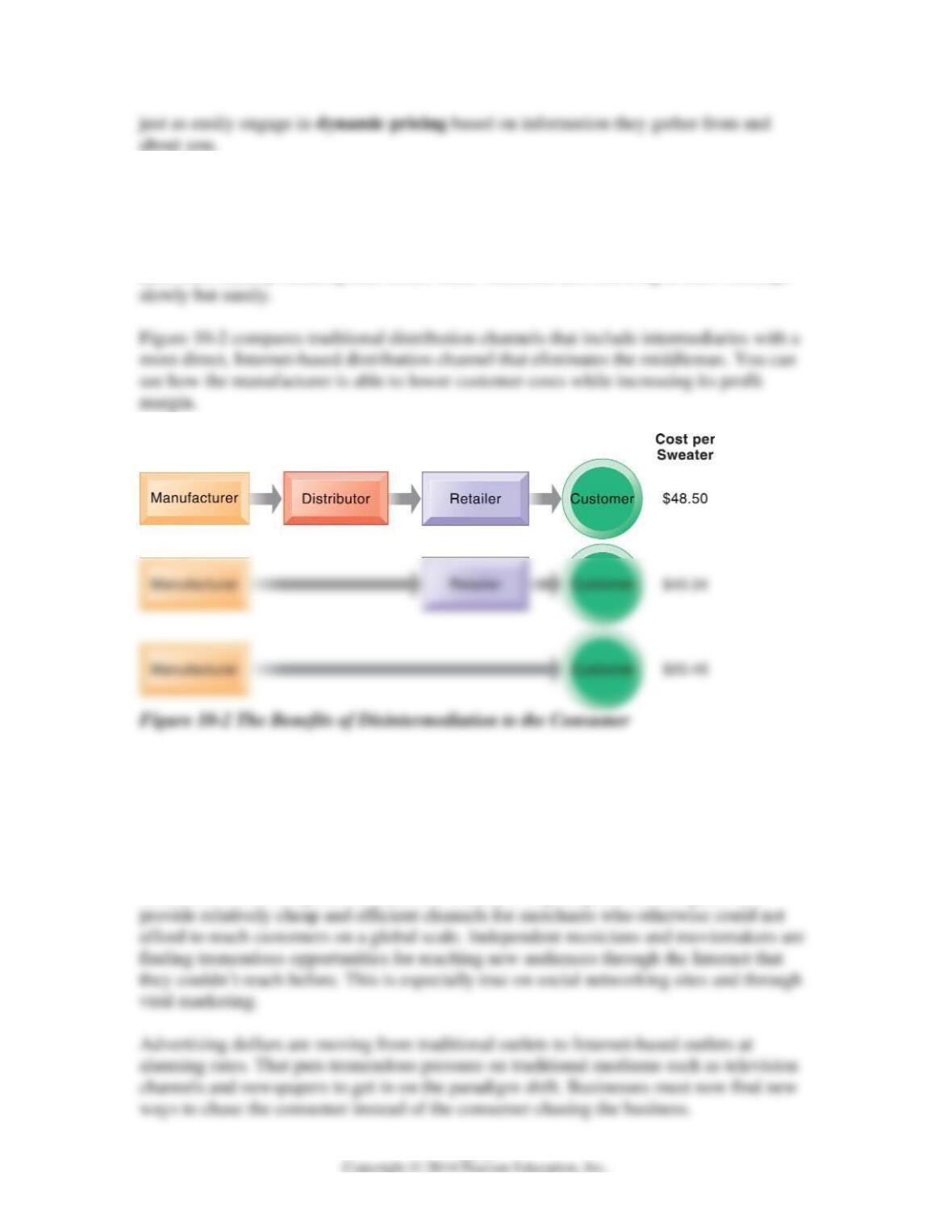
Disintermediation, removing the middleman, has allowed many companies to improve
their profits while reducing prices. In our example, insurance companies are using
disintermediation to remove the local agent from the transaction between itself and the
customer. Airlines have steadily removed the travel agent from transactions with
customers thereby reducing their costs. Other industries are following in their footsteps
Digital Goods
If products can be digitized, they can be sold and distributed on the Internet. Music and
books have been the forerunner. Now we’re seeing movies and television shows taking
the same path. Digital goods are much cheaper to produce in the long run with little or no
distribution costs compared to traditional channels. Digital goods marketspaces also
10-5
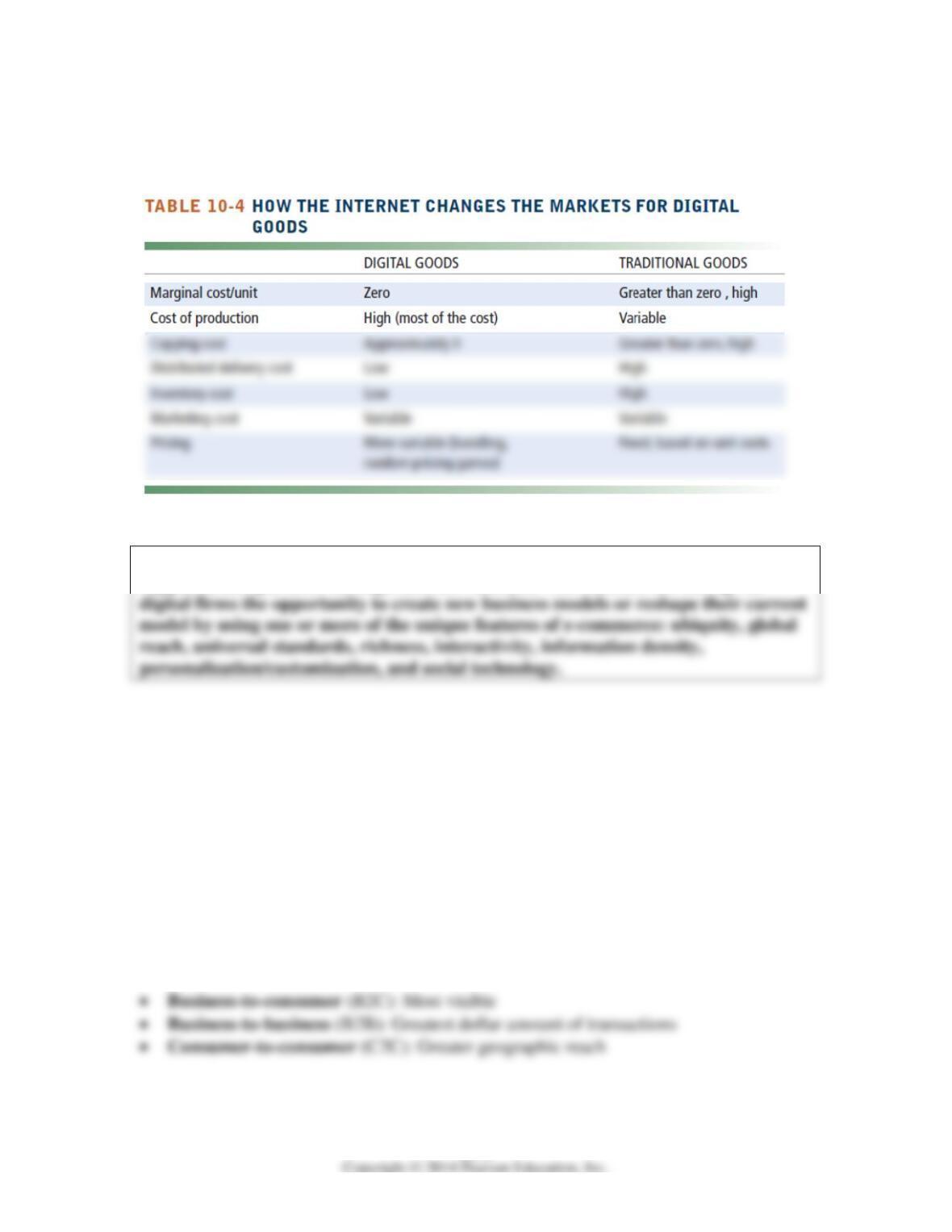
Table 10-4 shows how the Internet changes the costs of digital goods vs. traditional
goods.
Bottom Line: E-commerce firms now have more opportunities to reach customers,
suppliers, and partners through Internet channels. The Internet has also given
10.2 E-commerce: Business and Technology
It’s been a fascinating time in our history to watch e-commerce blossom from the early
days of a few Web sites offering a limited supply of goods to what we have now. The
combination of good business sense and explosive technological advances promise an
even more exciting future.
Types of E-Commerce
E-commerce is divided into three major categories to make it easier to distinguish
between the types of transactions that take place.
10-6
As you know, there are many products and services offered through traditional Web sites.
But as we continue to expand the reach of the Internet to wireless devices, businesses are
figuring out how to offer more products and services through new channels dubbed
mobile commerce or m-commerce. Not only can you purchase your airline ticket
“Pizza chain Papa John’s is cementing its position in the mobile
commerce arena with a new Android application that lets pizza lovers
order their favorite meals on the go. In addition to its new Android app,
Papa John’s also has an iPhone application which it rolled out last year.
E-Commerce Business Models
Table 10.5 in the text shows some of the new business models the Internet has enabled
digital firms to undertake. Many of these businesses simply would not be possible
without the technologies offered by the Internet. So how do you create a viable business
model on the Internet? Follow the path of one of these:
• Portal: Charge advertisers for ad placements, collect referral fees, or charge
for premium services. These sites are much more than just simple search
engines. They now include news headlines, calendars, digital downloads like
10-7
There are dozens of examples of each of these business models that you probably use all
the time. Some of them overlap each other and that’s okay. The idea is that you have to
create a site that gives people what they want, when they want it, and make it convenient
and easy to use. The more difficult aspect of the business model you choose is how to
generate revenue from it.
Interactive Session: Organizations: Location-Based Marketing and Advertising (see
E-Commerce Revenue Models
You may have a really nice Web site that you’ve worked very hard to design and build.
But if you’re in it as a business, some how you have to create a viable revenue model
that allows you to make money from your endeavor and keep it going. Here are a couple
ways you can do that:
• Advertising revenue: Charge advertisers the right to place ads on the site. It’s
the most widely used method of generating revenue. You’ll be able to charge
higher ad fees if you attract a large number of users or keep users on your site
10-8
Social Networking and the Wisdom of Crowds
People are very social beings so it’s not surprising to find they are using the Internet to
fulfill their need to connect with other people socially and professionally. Social
Rather than looking at social networking sites from a personal point of view, let’s see
how they present business opportunities and how companies are using them to improve
their operations.
“The move to attract sales through social-networking sites comes as
people are spending more time online and less time at the mall. E-
Facebook also makes it easy for customers to trumpet their purchases by
sharing them with friends in their personal news feeds. Most customers are
given the option to post purchases to their news feeds automatically.
Here are a few other ways businesses are using social networking sites like Facebook and
MySpace:
• Interact with potential customers
10-9
• Create channels to market products
The Wisdom of Crowds
Businesses are also using the wisdom of crowds to help them make better decisions,
create new ways to market and advertise their products, and to find out how customers
really feel about products and services. Traditional methods of market research like focus
E-Commerce Marketing
The business function that’s been most affected by e-commerce is advertising and
marketing. The Internet has opened a whole new spectrum for identifying and
communicating with millions of current and potential customers in a variety of ways that
were simply not possible before. Table 10-6 provides a synopsis of the formats. And, it’s
a whole lot cheaper online than it is offline.
Behavioral targeting occurs on individual Web sites and also on the vast advertising
networks that track your every move on the Web. Just some of the data collected are:

10-10
• The site from which you came
• Where you go when you leave the current site
• Each page you viewed on the current site
Who said the Internet was anonymous?
Figure 10-3 shows you how e-commerce Web sites track visitors.
Figure 10-3: Web Site Visitor Tracking
Businesses and e-commerce marketers use the data to:
• determine how well their Web sites are working
advertising networks operate.
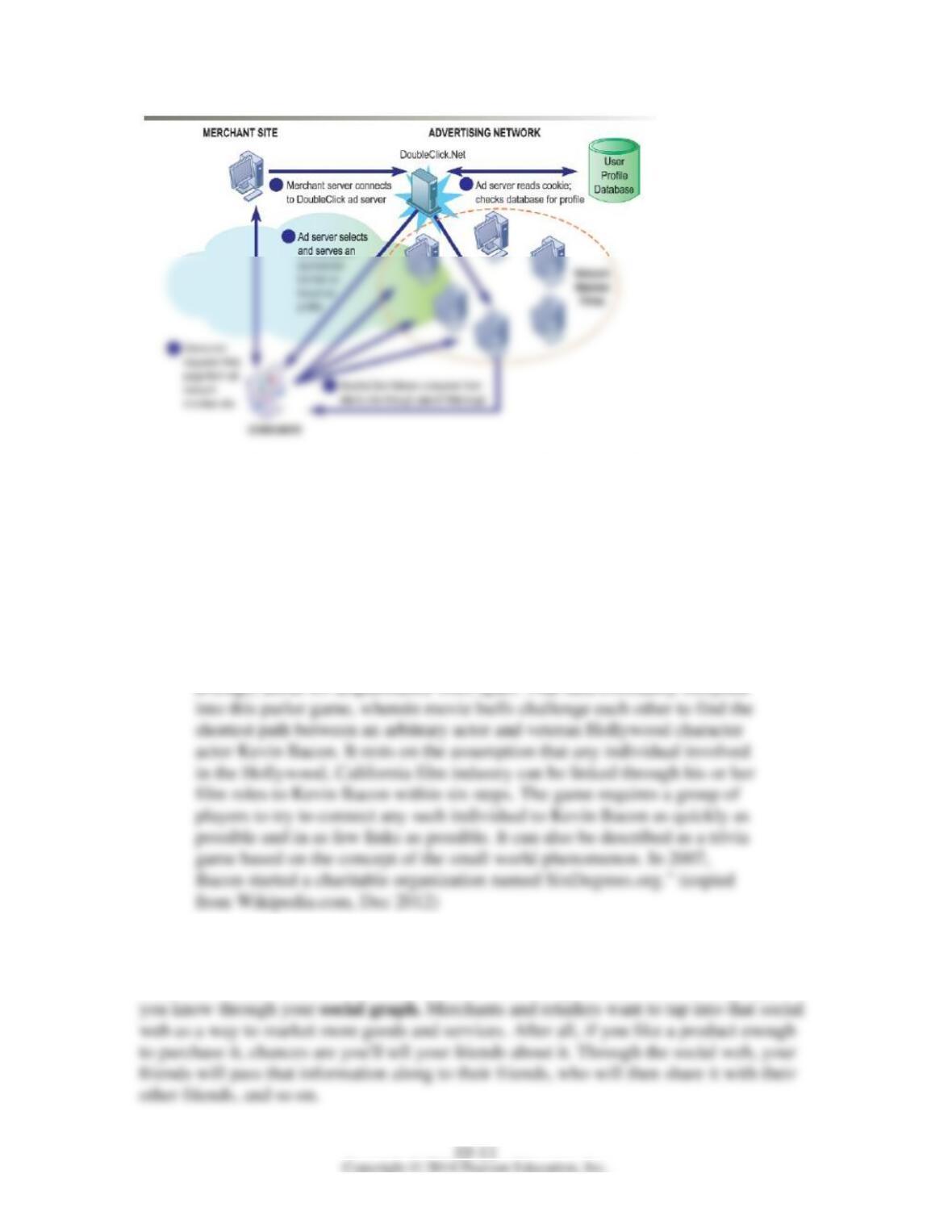
Figure 10-5: How an Advertising Network Such as Doubleclick Works
Social E-Commerce and Social Network Marketing
A popular game with movie buffs, “Six Degrees of Kevin Bacon,” illustrates the value of
a digital social graph the maps significant online social relationships.
“Six Degrees of Kevin Bacon is a parlor game based on the ‘six degrees
of separation’ concept, which posits that any two people on Earth are, on
One of the most fascinating features of Facebook and other social networks is the ability
to share with and link to friends of your friends and increase the number of people you
come into contact with on Web sites. You can continually increase the Web of people