1-1
Management Information Systems, 13E, Global Edition
Laudon & Laudon
Lecture Files by Barbara J. Ellestad
Chapter 1 Information Systems in Global Business Today
Computers are changing every aspect of our lives from entertainment to shopping, from
the work we do and where we do it, to how we communicate with friends and relatives.
1.1 The Role of Information Systems in Business Today
Ask managers to describe their most important resources and they’ll list money,
equipment, materials, and people—not necessarily in that order. It’s very unusual for
managers to consider information an important resource, and yet it is. As electronic
services.
How Information Systems Are Transforming Business
You can’t help but know about all the job cuts occurring in our country. It seems like
every week we hear about thousands and thousands of people losing their jobs. Back in
the 1980s most of the job losses were in the blue-collar sector. Now it seems many of the
1-2
What’s New in Management Information Systems?
It seems that changes in technology are never-ending. The use of technology now extends
far beyond the simple desktop computer, especially in the business world. As the text
points out, three interrelated changes are affecting companies worldwide:
• The emerging mobile digital platform
Interactive Session: Management: Running the Business from the Palm of Your
Hand (see page 39 of the text) describes the proliferation of mobile digital devices in
businesses. Whether it’s an iPad, iPhone, Android phone, tablet, or other mobile
handheld device, organizations of all kinds must adapt the way they work,
communicate, and coordinate with employees, customers, and suppliers.
Globalization Challenges and Opportunities: A Flattened World
Next time you purchase a product, any product, look at the fine print and see where it’s
made. It could be China, or the Philippines, or a South American company, or even in the
United States. You can disagree with the fact that many manufacturing jobs have moved
1-3
The Emerging Digital Firm
A digital firm is one in which nearly all of the organization’s significant business
relationships with customers, suppliers, and employees are digitally enabled, and key
corporate assets are managed through digital means.
When a firm goes digital, it’s not about just adding a computer system to the mix.
Throwing a computer system at outdated business processes is exactly the wrong thing
to do. A truly digital firm has several characteristics that distinguish it from most of the
firms claiming to be digitized:
• Significant business relationships with customers, suppliers, and employees are
Strategic Business Objectives of Information Systems
Although many managers are familiar with the reasons why managing their typical
resources such as equipment and people are important, it is worthwhile to take a moment
to examine the growing interdependence between a firm’s ability to use information
Operational Excellence
Businesses continuously seek to improve the efficiency of their operations in order to
achieve higher profitability. Information systems and technologies are some of the most
important tools available to managers for achieving higher levels of efficiency and
1-4
New Products, Services, and Business Models
Information systems and technologies are a major enabling tool for firms to create new
Customer and Supplier Intimacy
When a business really knows its customers, and serves them well, the way they want to
be served, customers generally respond by returning and purchasing more. The result is
Improved Decision Making
Information systems and technologies have made it possible for managers to use real-
Competitive Advantage
Doing things better than your competitors, charging less for superior products, and
responding to customers and suppliers in real time all add up to higher sales and higher
Survival
Firms also invest in information systems and technologies because they are necessities
for doing business. Information systems are not a luxury. In most businesses, information
1-5
Bottom Line: Information systems do matter because of the increased need for
capital management, the increased productivity that arises from their use, the
strategic opportunities and advantages they offer, and because they are becoming
the foundation of doing business around the world.
1.2 Perspectives on Information Systems
Information technology (IT) consists of all the hardware and software that a firm needs
to use in order to achieve its business objectives.
What Is an Information System?
Too often you hear someone say, “Oh yeah, I know how to use a computer. I can surf the
Web with the best of them and I can play online games with people all over the world for
hours. I’m really good at computers.”
1-6
In this section of the text, Laudon & Laudon discuss the components of an information
system. They talk about the input, processing, output, and feedback processes. Most
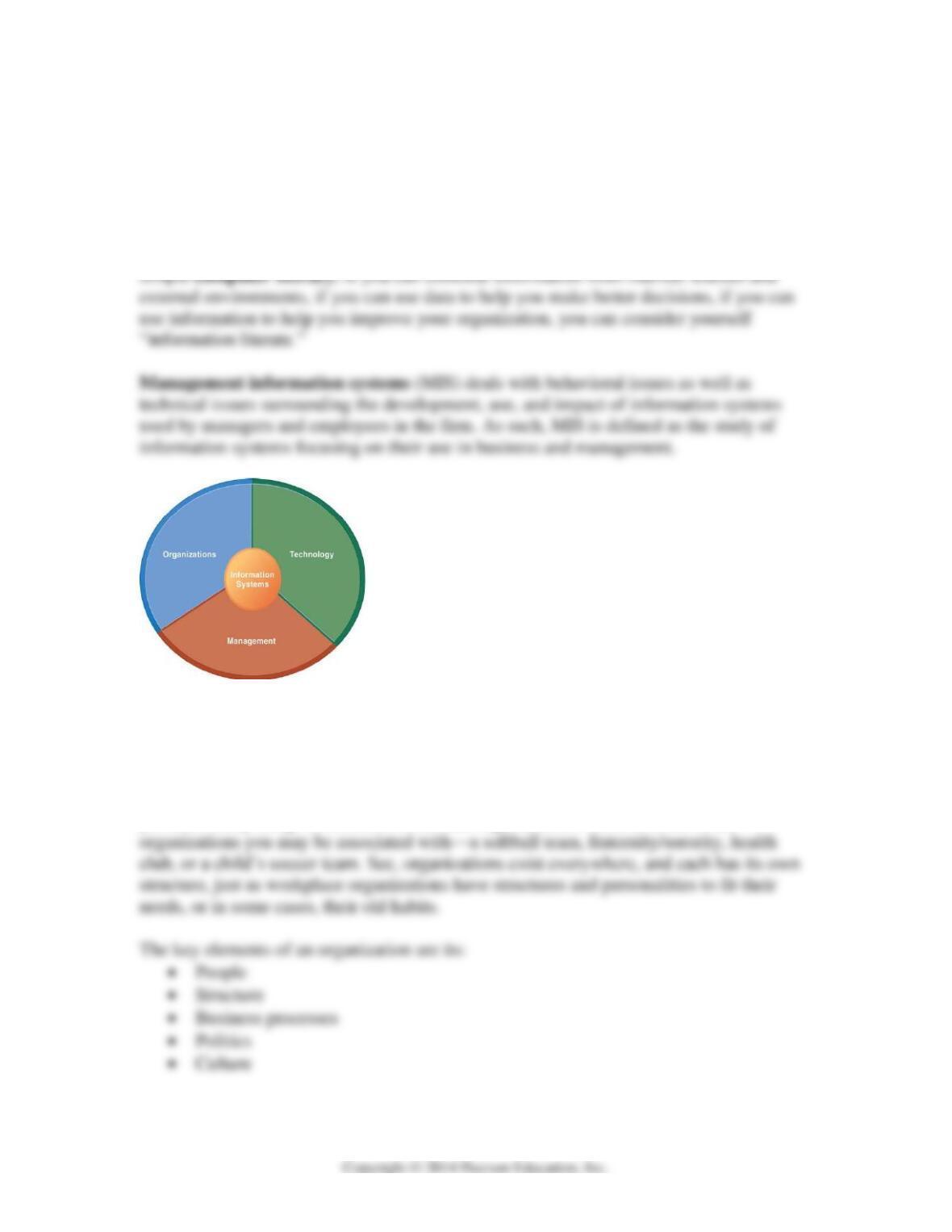
Fig 1.4 Functions of an Information System
Figure 1-4 shows how using feedback completes the information processing loop. To be a
good information systems manager, however, you must bring into that loop far more than
just computer data. For instance, your information system reports that you produced
1-7
percent above the industry norm. Now that’s information you can use—to your advantage
or disadvantage!
Dimensions of Information Systems
There is a distinct difference between possessing information systems literacy and
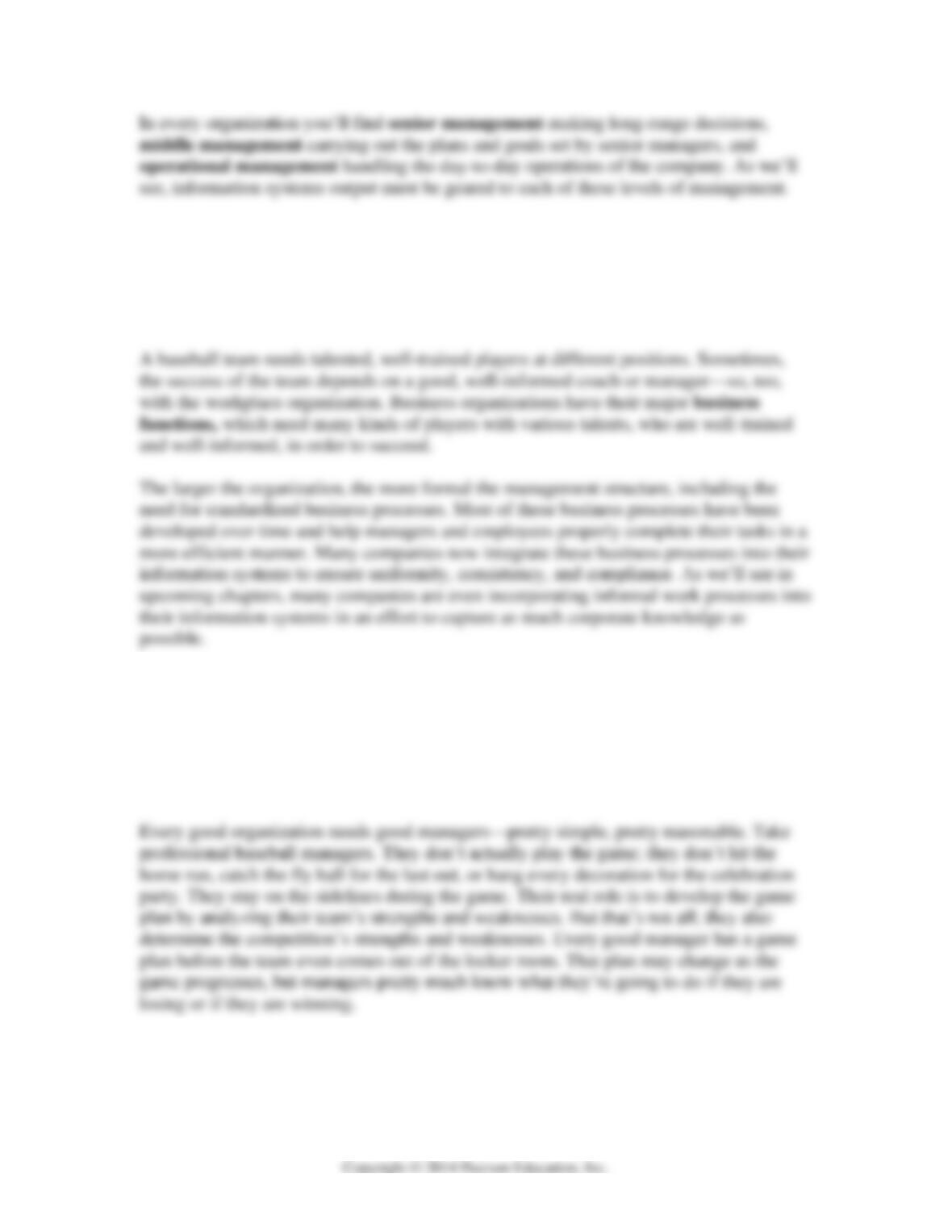
Fig 1.5 Information Systems Are More than Computers
Organizations
Organizations are funny things. Each one tends to have its own individual personality and
yet share many things in common with other organizations. Look at some of the
1-8
Just as every baseball team needs good players at different positions, a business
organization requires different employees to help it succeed. Knowledge workers help
create new knowledge for the organization and data workers help process the paperwork
necessary to keep an organization functioning. Without production or service workers,
how would the company get its products and services to the customer?
An organization’s culture is often an integral part of its information system. UPS’s
culture focuses on customer service while Walmart’s culture is centered on being a low–
cost retailer. Each company builds its information system differently to incorporate those
organizational ideals.
Management
Information Technology
1-9
sometimes is to learn how to use every feature of all those new products.
No matter how big your storage technology device seems to be, you’re constantly
running out of room to store all the new software programs and all the data you create. In
order to keep track of all of the information you have stored, you will need data
management software that is designed to organize the information so that you can
readily retrieve what you are looking for.
The World Wide Web allows big companies to act “small,” and small companies to act
“big.” It has leveled the playing field so entrepreneurs can break into new markets
previously closed to them. A Web site, consisting of a few pages or hundreds of pages,
enables businesses to get close and stay close to their customers in new ways. It is truly a
revolution in our global economy.
Now put these thoughts into a much larger context of an organization’s information
technology (IT) infrastructure. Yes, it would be nice if your company could purchase
1-10
Interactive Session: Technology: UPS Competes Globally with Information
Technology (see page 53 of the textbook) describes how this giant company has
transformed itself over the years by using technology to increase its competitive
advantage.
It Isn’t Just Technology: A Business Perspective on Information Systems
From a business perspective, an information system provides a solution to a problem or
challenge facing a firm and provides real economic value to the business. The decision to
build or maintain an information system assumes that the returns on this investment will
be superior to other investments in buildings, machines, or other assets. These superior
returns will be expressed as:
• Increased productivity
There are three ways an information system can add value to a business:
• Help managers make better decisions
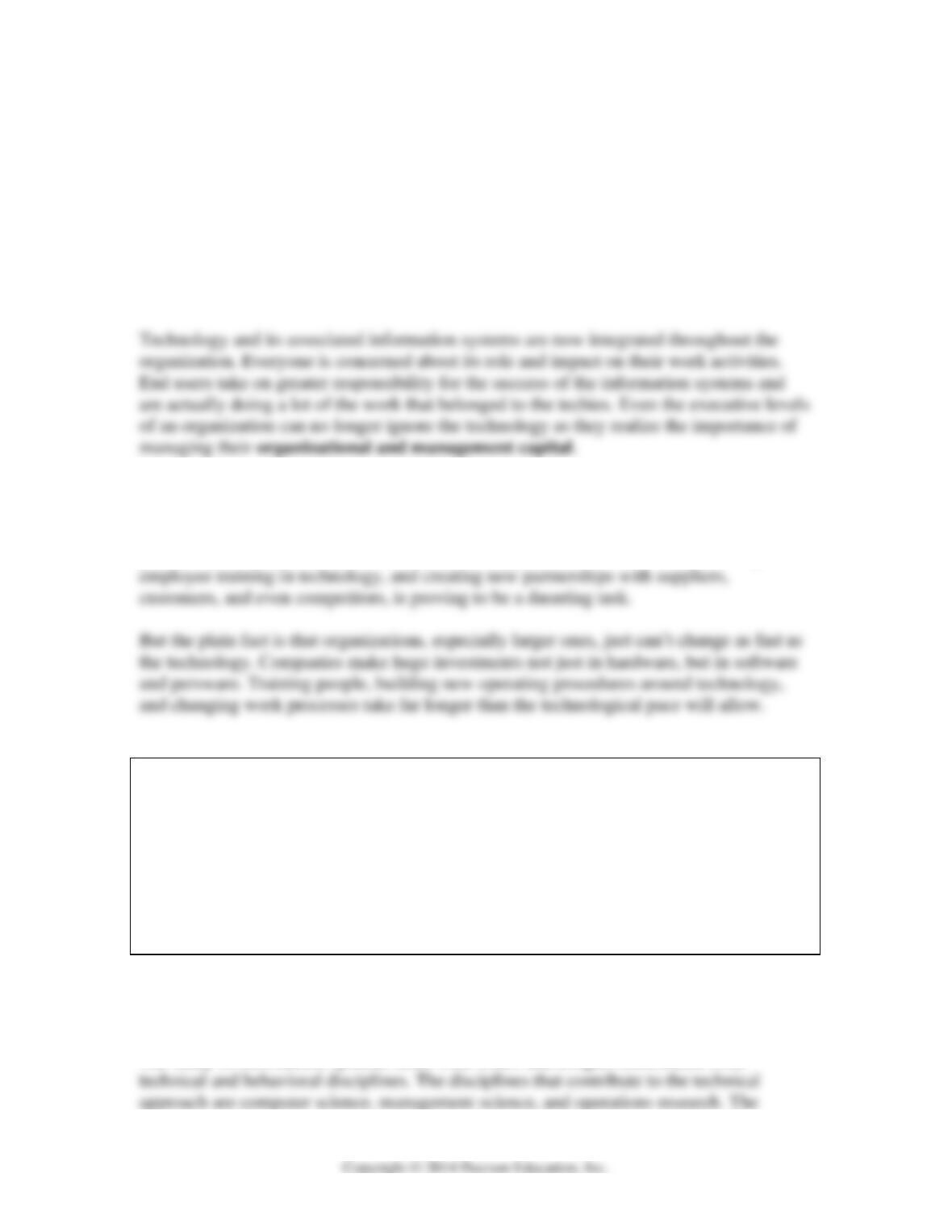
Figure 1-7 diagrams the business information value chain. We’ll examine the elements of
this figure in more detail throughout this text.
1-11
Complementary Assets: Organizational Capital and the Right Business
Model
Once technology was considered “too technical” for the rest of us to understand.
Computers were relegated to the back room with a few technicians running around in
white coats. No one else understood what these people did or how they did it. It was a
whole different world and actually seemed disconnected from the mainstream operations
of the company.
As a firm becomes more digital, its information system continues to extend beyond the
traditional role of serving the employees. Developing the complementary assets
associated with the information systems such as developing new business models and
processes, changing management behavior and organizational culture, emphasizing
Bottom Line: Information literacy is more than just clicking a mouse, pounding the
computer keyboard, or surfing the Web. It’s about integrating the various elements
of an organization, technical and nontechnical, into a successful enterprise. As a
successful manager you must concentrate on all three parts of the information
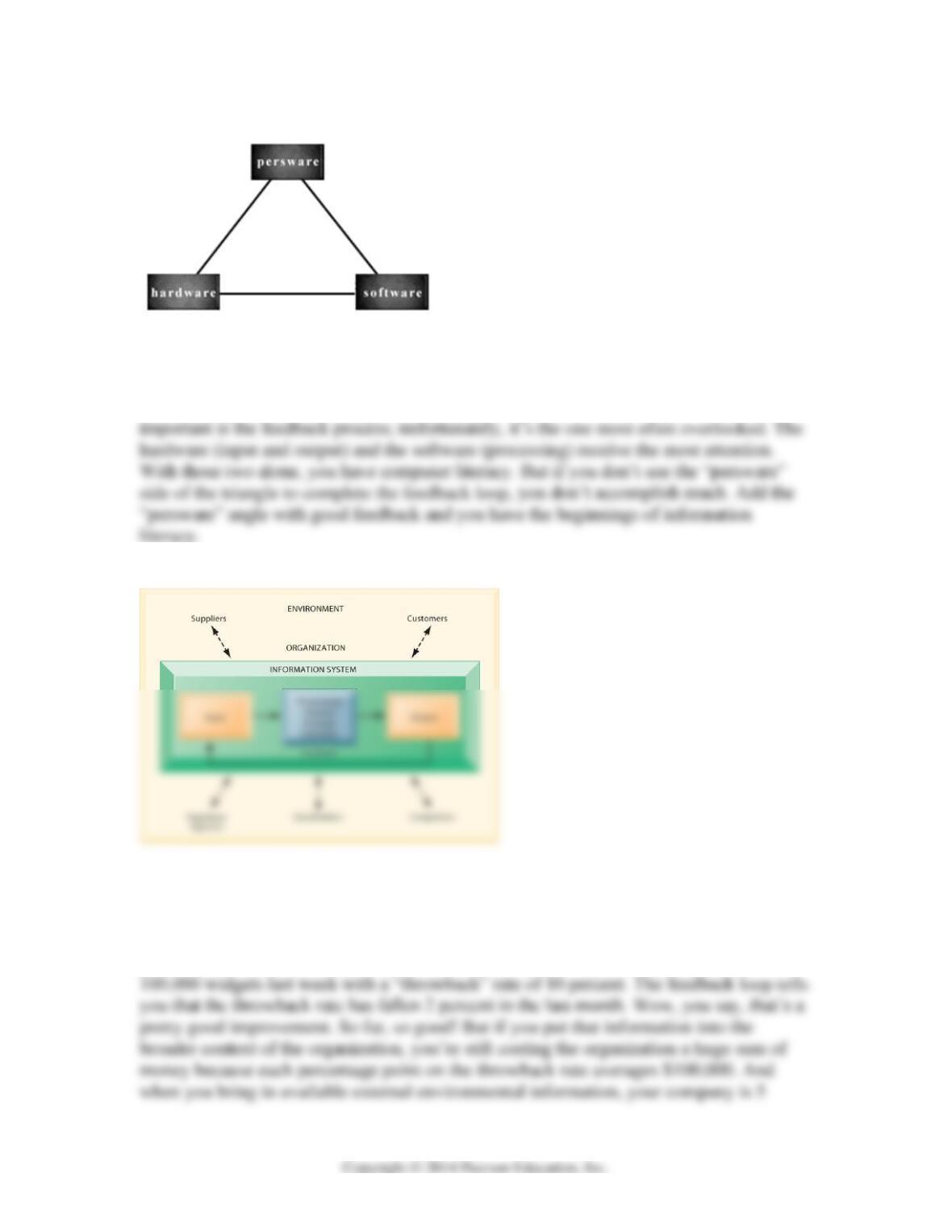
systems triangle (hardware, software, and persware) and integrate them into a
single, cohesive system that serves the needs of the organization, the wants of the
customer, and the desires of the employees; the more complex the system, the
harder to manage, but the greater the payoff. Complementary assets are comprised
from organization, managerial, and social assets of a firm.
1.3 Contemporary Approaches to Information Systems
The study of information systems deals with issues and insights contributed from
disciplines contributing to the behavioral approach are psychology, sociology, and
economics.
Technical Approach
Think of this analogy: A “techie” looks at most things associated with computing as a
Behavioral Approach
The behavioral approach, on the other hand, takes into account the very nature of human
beings. Nothing is totally black and white. Therefore the behavioral approach to the same
Approach of This Text: Sociotechnical Systems
An organization can’t afford to view its information resources as belonging to either the
techies (technical approach) or the nontechies (behavioral approach). Responsibility for
information belongs to everyone in the organization. This is the sociotechnical approach
—a combination of the two approaches. Everyone has to work together to ensure that
information systems serve the entire organization.
Bottom Line: Information systems and the use of technology belong to everyone in
an organization. This concept is best carried out through a sociotechnical approach
to viewing information systems, which allows both the technical and behavioral
approaches to be combined for the good of the organization.
Discussion Questions:
1. Why is it important to understand the difference between computer literacy and
information literacy?
2. Discuss the three elements of an information system (hardware, software and
persware) that managers must consider. Which of the three do you consider the most
important?
Answers to Discussion Questions:
1. Information literacy is more concerned with creating information useful to an
organization and its employees, whereas computer literacy focuses mainly on how
2. Hardware is centered on the input and output components of an information system.
Software is centered on the processing component. Persware is centered on the
3. Table 1-3 (page 57), lists the organizational, managerial, and social assets required to
optimize returns from information technology investments. Investing in information
4. See Table 1-1. Answers should include references to the growing dependence on

1-14
5. The technical approach to information systems emphasizes the “hard” side of
technology. The behavioral approach to information systems emphasizes the “soft”