
EXERCISE A-1
2. 7 + x 4. (xy)z 6. 9m
10. T; Distributive property 12. T; Multiplicative inverse property
14. F; Let x = y = 1, then 5
=
,
x
= 15.
16. T; Property of negatives
22. F; Let k = 2, b = 1, then 21 1
,
31 2
k
kb b
.
26. T; Zero property
30. (A) True
32. 3
5 and –1.43 are two examples of infinitely many.
34. (A) –3 Z, Q, R (B) 3.14 Q, R
36. (A) True. This is the commutative property of addition.
38. C = 0.181818…
100C = 18.1818…
42. (A) 9
0.5 1; 1
17
(B) 12 0.48 0; 0
25

A-2 APPENDIX A: BASIC ALGEBRA REVIEW
46. Tax rate: 29.86 0.56; 5.6%
EXERCISE A-2
2. The term of highest degree in 2x – 3 is 2x and the degree of this term is 1.
4. (2x – 3) + (2x2 – x + 2) = 2x2 + x – 1
6. (2x2 – x + 2) – (2x – 3) = 2x2 – 3x + 5
8. (2x – 3)(x3 + 2x2 – x + 3) = 2x4 + x3 – 8x2 + 9x – 9
10. 2(x – 1) + 3(2x – 3) – (4x – 5) = 2x – 2 + 6x – 9 – 4x + 5 = 4x – 6

EXERCISE A-3 A-3
40. (3m + n)(m – 3n) – (m + 3n)(3m – n) = 3m2 – 9mn + mn – 3n2 – (3m2 – mn + 9mn – 3n2)
= 3m2 – 9mn + mn – 3n2 – 3m2 + mn – 9mn + 3n2 = –16mn
42. (x – y)3 = (x – y)(x – y)2 = (x – y)(x2 – 2xy + y2) = x3 – 2x2y + xy2 – x2y + 2xy2 – y3 = x3 – 3x2y + 3xy2 –
54. Now the degree is less than or equal to m.
56. (2 – 1)2 ≠ 22 – 12; since
58. Let x = amount invested at 7%. Then 2x = amount invested at 9%, and 100,000 – 3x = amount invested
60. Let x = number of tickets at $20. Then 6,000 – x = number of tickets at $35.
62. Let x = number of ounces of food M used. Then 160 – x = number of ounces of food N used.
2. 2x2 is a common factor: 6x4 – 8x3 – 2x2 = 2x2(3x2 – 4x – 1)
A-4 APPENDIX A: BASIC ALGEBRA REVIEW
8. 3(b – 2c) is a common factor:
12a(b – 2c) – 15b(b – 2c) = 3(b – 2c)[4a – 5b] = 3(b – 2c)(4a – 5b)
10. x2 – 3x + 2x – 6 = (x2 – 3x) + (2x – 6) = x(x – 3) + 2(x – 3) = (x – 3)(x + 2)
(1)(–6)
(2)(–3)
(–2)(3)
22. x2 – 4xy – 12y2; a = 1, b = –4, c = –12
(1)(–12)
(2),( 6)
(–3)(4)
(3)(–4)
Step 2. Factor by grouping

Step 1. Use the ac-test
(1)(–4)
(2)( –2)
(–2)(2)
(1)(81)
(–1)(–81)
(9)(9)
(–9)(–9)
None of the factors add up to 0 = b. Thus this polynomial is not factorable.
50. 3x2 – 2xy – 4y2 is not factorable
52. 4(A + B)2 – 5(A + B) – 6

A-6 APPENDIX A: BASIC ALGEBRA REVIEW
54. m4 – n4 = (m2 – n2)(m2 + n2) = (m – n)(m + n)(m2 + n2) [Note: m2 + n2 is not factorable.]
1)3(7x – 1)
EXERCISE A-4
2.
321
3
2120
1
4. 15 105
20 15
10
4
6.
· 3
· 3
8. 21
18 28 42
= 28 9 6
252 252 252
10. 23
8
4
x
xx
=
333
888
x
x
xx
x
x
4x2 = 22x2, x3 = x3,
12.
= (2 1)( 3)
= 1
14. 535(21)3(2)
= 10 5 3 6 7 11
16. 22
56(2)xx x
= 2
(2)(3)
(2)
xx x
[(LCD = (x − 2)2(x − 3)]
( 2)( 3) ( 2)( 3)
xx xx
(2)(3)
xx
18. m − 3 − 1
2
m
m
= (3)(2)
2
mm
m
− 1
2
m
m
[LCD = m – 2]

EXERCISE A-4 A-7
20. 52
33
x
x
= 52
(3)(3)xx
= 5(2) 7
33
x
x
=
(2)
(2)(2)
m
mm m
−
(2)(2)
m
mm m
=
(2)
(2)(2)
mm
mm m
=
44
(2)(2)
mm m
mm m
m
24. 22
= (2)(1)
− 12
(2)(1)(7)
yyy
(2)(1)(7)
yyy
(2)(1)(7)
yyy
(2)(1)(7)
yyy
26. 22 2
= 241
x
x
x
x
28. 79xy
ax bx by ay
= 79
() ()
x
ab yab
[LCD = xy(a – b)]
(7) (9)
yx xy
x
yx xy
x
yyxyx
yx
x
30.
=
2
x
x
·
x
x
32.
h
h
=
h
h
()
x
xhh
= − 1
()
x
xh
34. 2
45
=
2
45
xx
=
2
45
xx
=
22
45
xxx
=
2
(5)(1)
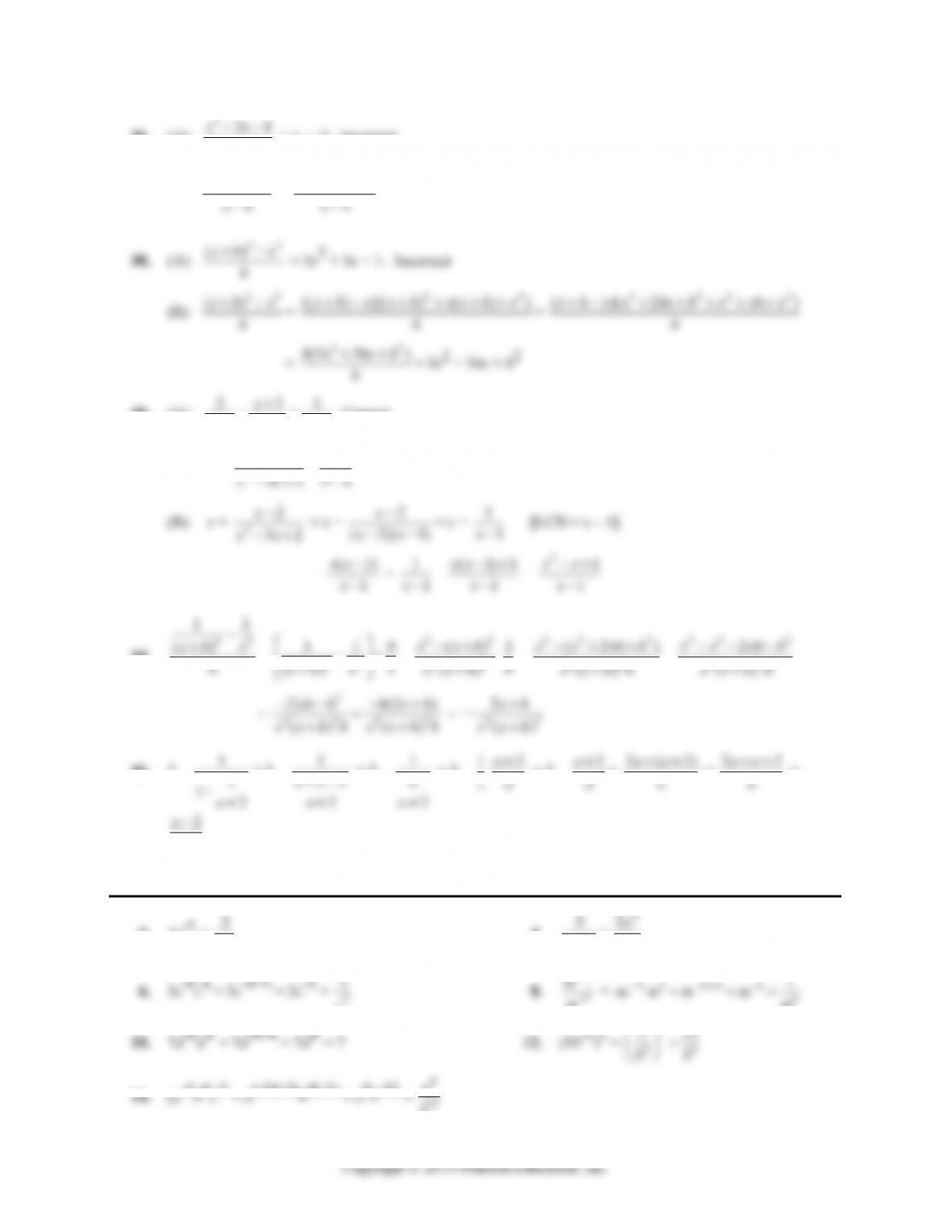
xx
x

A-8 APPENDIX A: BASIC ALGEBRA REVIEW
36. (A)
4
x
= x − 3: Incorrect
(B)
234
xx
x
xx
x
x
x
x
x
40. (A) 2
11
1
x
x
x
: Correct
42. (A) x + 2
22
x
x
x
x
x
x
x
44.
=
22
22
22
46. 2 − 1
= 2 − 1
= 2 − 1
= 2 − 12
= 2 − 2a
a
EXERCISE A-5
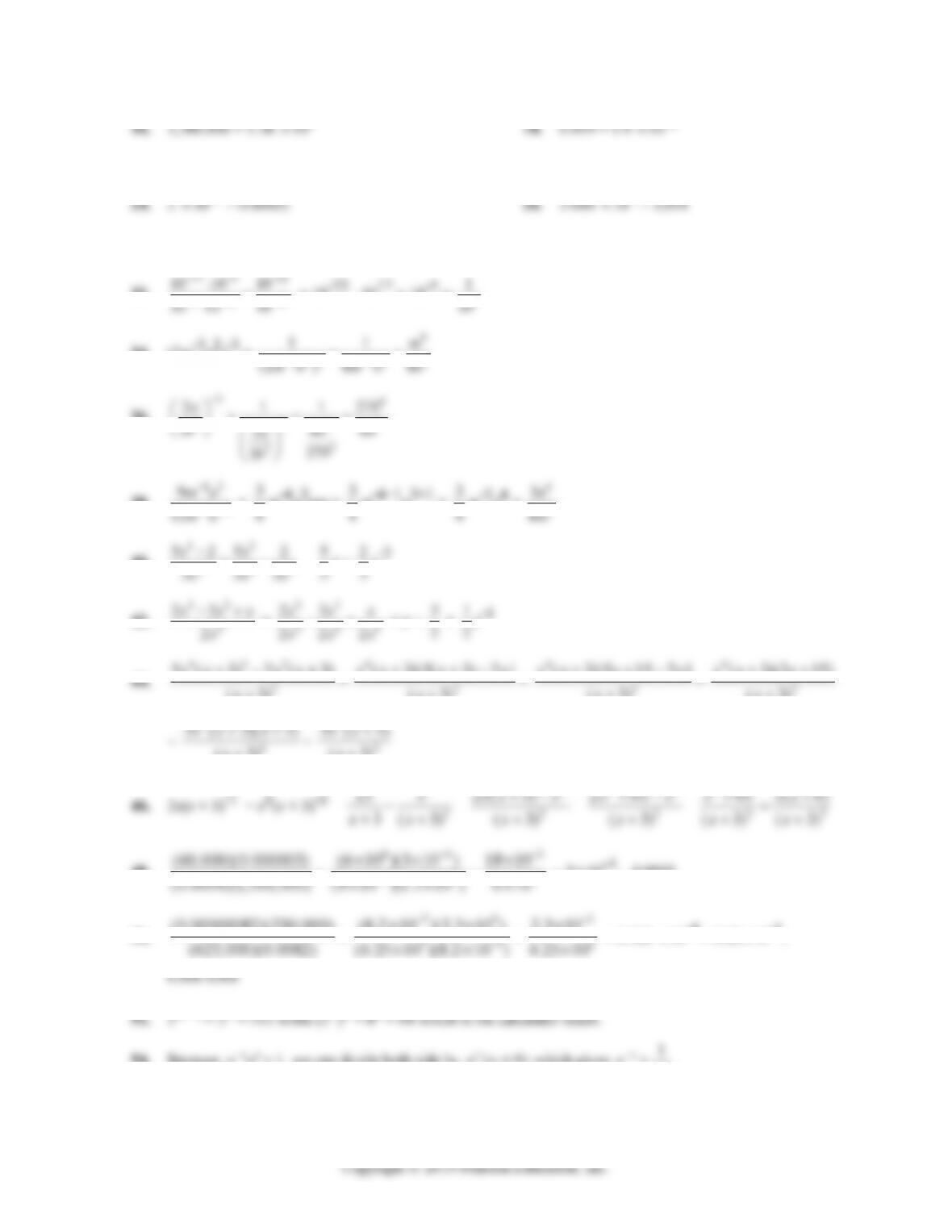
2. 3y-5 = 5
y 4.
9
4
4
x
c 8.
11
m
2
a
b

EXERCISE A-5 A-9
20. 0.000 000 007 832 = 7.832 10-9 22. 9 106 = 9,000,000
28. 1.13 10-2 = 0.0113 30. (2x3y4)0 = 1
32.
314 17
= 10-22 · 1017 = 10-5 = 5
34. (2m-3n2)-3 =
323 96 6
36.
2333
38.
11
= 3
3
40.
222
42.
=
= x − 3
5( 3) 2( 3)
(3)
xx xx
x
=
( 3)[5( 3) 2 ]
(3)
x
xx x
x
=
(3)[5152]
(3)
x
xx x
x
=
(3)(315)
(3)
xx x
x
4
(3)
x
=
4
(3)
x
2
2
22
2
48. (60,000)(0.000003)
46
=
2
50. (0.00000082)(230,000)
(8.2 10 )(2.3 10 )
=
2.3 10
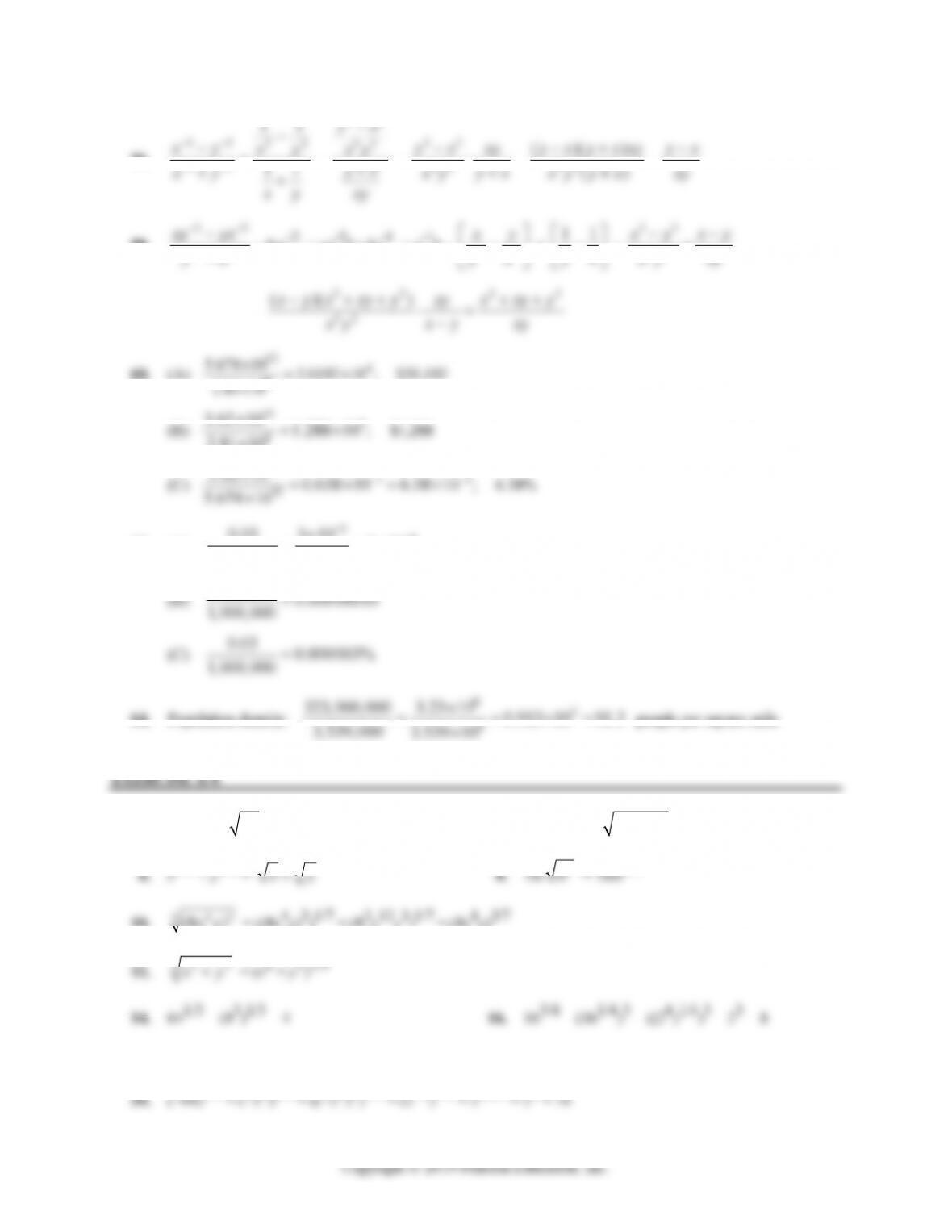
(32) = 29 = 512 while (23)2 = 82 = 64 which is the calculator result.
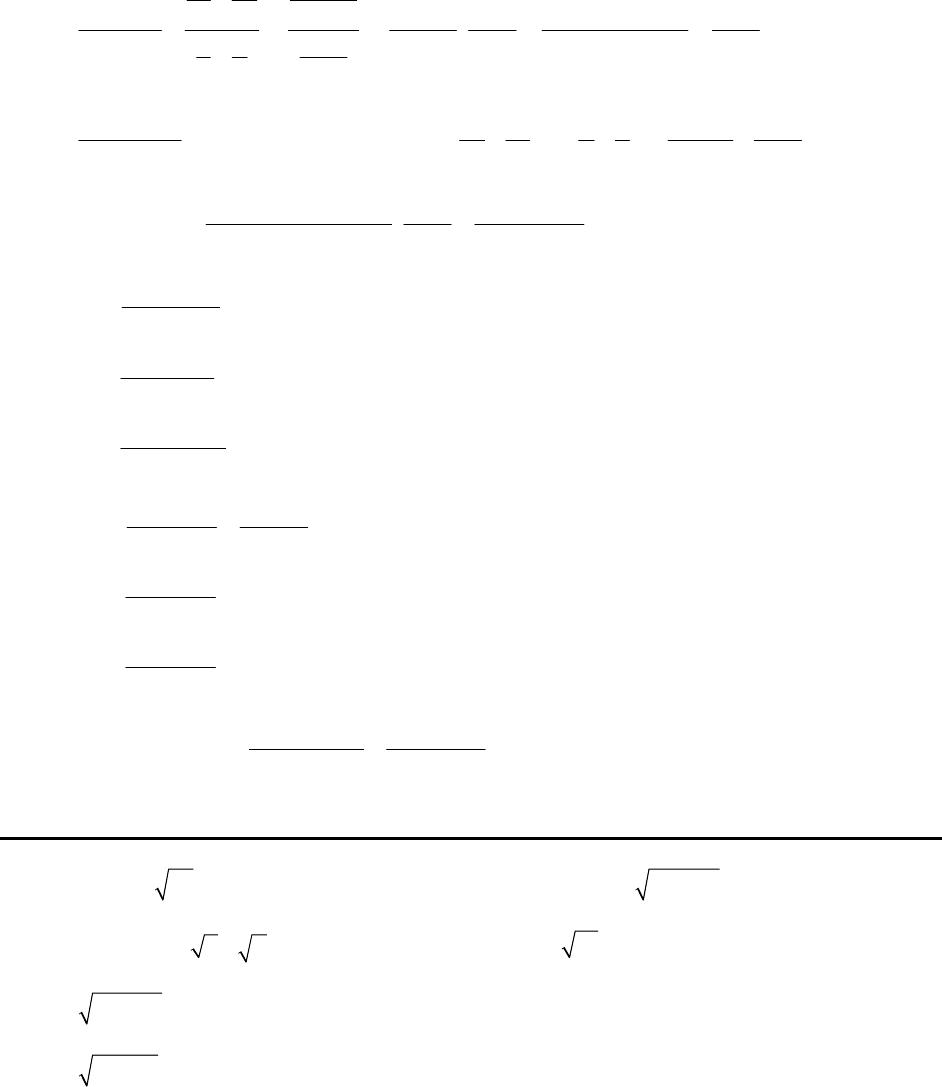
54. Because 1,
aa
aa which gives 1.
n
aa
A-10 APPENDIX A: BASIC ALGEBRA REVIEW
56.
11
=
22
22
x
58.
11
x
x
÷ 11
yx
=
22
x
x
y
x
60. (A)
8
$20,192
2.81 10
$1,288
11
62. (A)
8
6
0.03 3 10 310
1,000,000 10
64. Population density:
2. 7y2/5 = 7 2
5y 4. (7x2y)5/7 = 25
7(7 )
x
y
x
10. 43
x
y = ((8x4y)3)1/7 = (83x12y3)1/7 = (8x4y)3/7
x
18. (−49)1/2 is not a real number.
EXERCISE A-6 A-11
22. 8
=
2/3
3
=
2
24. 8
-2/3 = (81/3)-2 = ((23)1/3)-2 = (2)-2 = 1
4
28.
34 34 14 (34) (14) 12
30. (4u-2v4)1/2 = 1/2 2 (1/2) 4 (1/2)
4uv
u
32.
34.
36. 3
40. 812 96 96 16
6
66
yyy
y
yy
= 4
42. 2m1/3 (3m2/3 – m6) = 6m(1/3)+(2/3) − 2m(1/3)+6 = 6m − 2m19/3
50. 12 3
x
12
12
x
− 12
= 3 − 3
52.
x
x
x
x
+
x
x
= 3
54.
x
x
x
56.
7
x
x
=
7
x
x
· 7
7
x
x
=
7
x
x = 2x7
x
58. 3( 1) 3( 1) 4 3( 1) 4
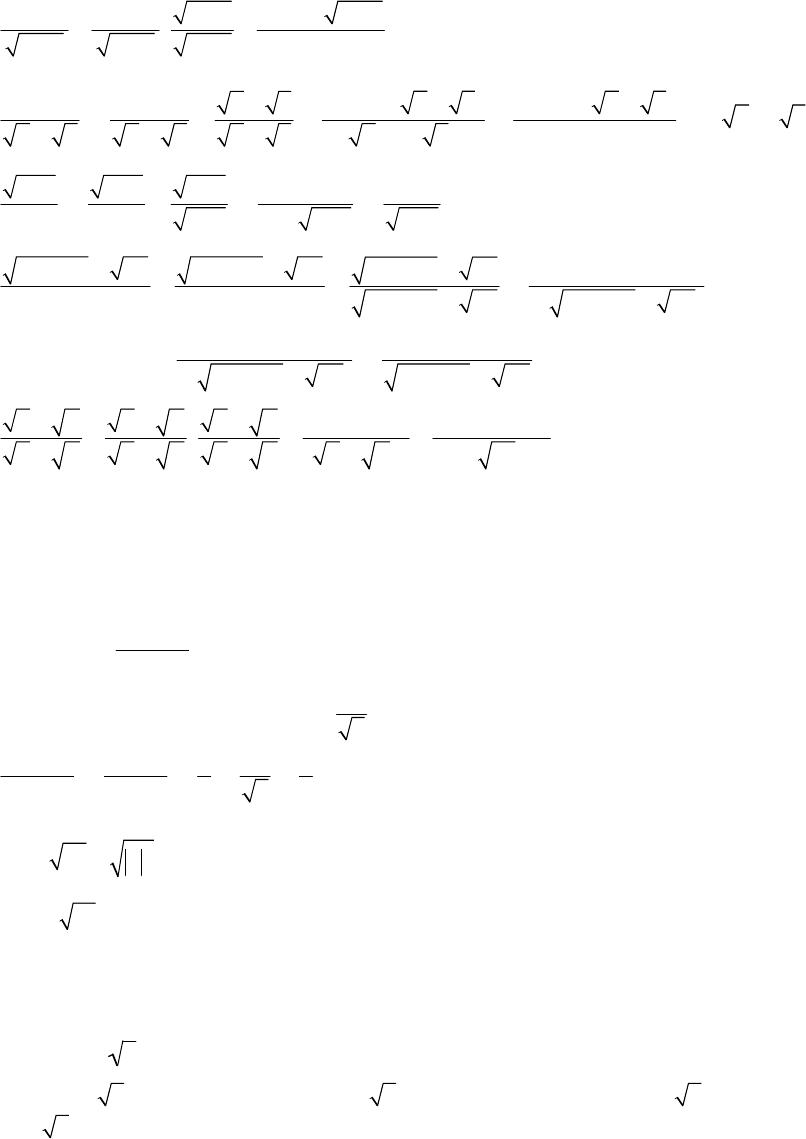
60. 33ab
ab
= 3( )ab
ab
· ab
ab
= 22
()()
ab
= 3( )( )ab a b
ab
= 3( a − b)
62. 3
mn
mn
mn
mn
64. 2( ) 2ah a
h
h
2( ) 2
ah a
= 2( ) 2
[2( ) 2]
hah a
66. 2
()2
x
yxyxy xy x xyy
68. (x3 + y3)1/3
?
x + y
Let x = y = 1, then (x3 + y3)1/3 = (1 + 1)1/3 = 21/3
x
x
x
74. True; 33
x
= (x3)1/3 = x3/3 = x
78. False; every real number has exactly one real cube root. Roe example, the only real cube root of 8 is 2.
82. True; (1 − 2)3 = −.0710678119 and 7 − 5 2 = −.0710678119. Therefore, 1 − 2 is a cube root of
7 − 5 2.
84. 2(x − 2)-1/2 − 1
= 32
2( 2)
x
= 32
2( 2)
x
86.
12 12
1
(2 1) ( 2) (2 1) (2)
xx x
(2 1) (2 1) (2 1)
xx x
(2 1) (2 1)
xx
13 23
1
(3 1)
x
=
(3 1) (3 1)
xx
(3 1) (3 1) (3 1)
xx x
(3 1) (3 1)
xx
5/4 = 151.25 = 29.52
92. 103-3/4 = 34 0.75
103 (103)
= 0.03093
94. 2.8768/5 = (2.876)1.6 = 5.421
96. (A) 2 325 = 3.236 (B) 8 = 2.828 (C) 3 + 7 = 4.378
(D) 38 + 38 = 2.828 (E) 10 84 = 4.378
( 8)2 = 8
2
38 38 = 3 + 8 + 3 − 8 + 2
(3 8)(3 8)
= 6 + 2 98 = 6 + 2 = 8

EXERCISE A-7
2. 3m2 – 21 = 0
3m2 = 21
m2 = 7
4. (2x + 1)2 = 16
2x + 1 = ±4
2x = ±4 − 1
12. 2x2 − 20x − 6 = 0
x2 − 10x − 3 = 0
14. x2 = − 3
4x
x2 + 3
9y2 = 25
18. 9x2 − 6 = 15x
3x2 − 2 = 5x
3x2 − 5x − 2 = 0
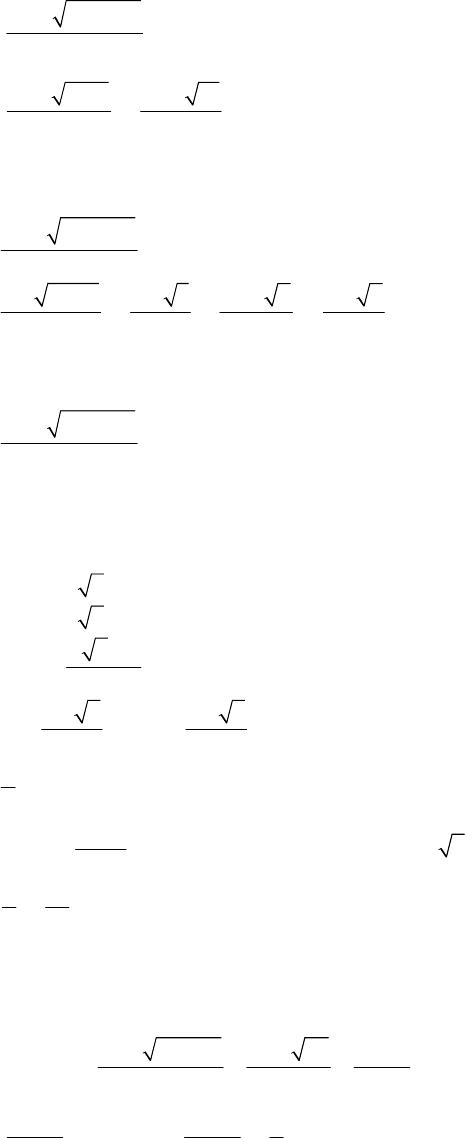
EXERCISE A-7 A-15
20. m2 = 1 − 3m
m2 + 3m − 1 = 0
22. 2x2 = 4x − 1
2x2 − 4x + 1 = 0
24. x2 − 2x = −3
x2 − 2x + 3 = 0
26. (5x − 2)2 = 7
5x – 2 = ± 7
5x = ± 7 + 2
28. x − 7
x
= 0
Since x ≠ 0,
27x
x
= 0 implies x2 − 7 = 0, and x = ± 7.
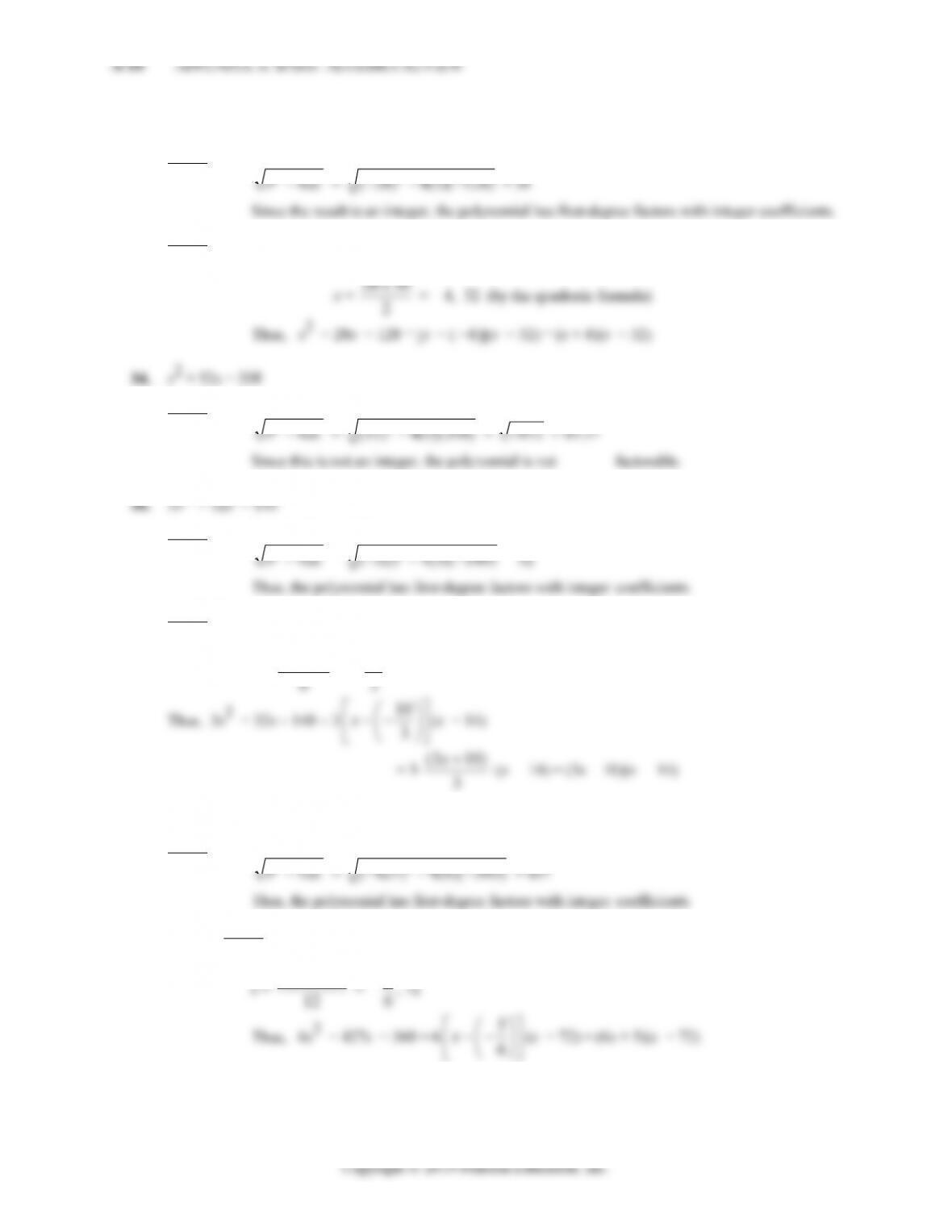
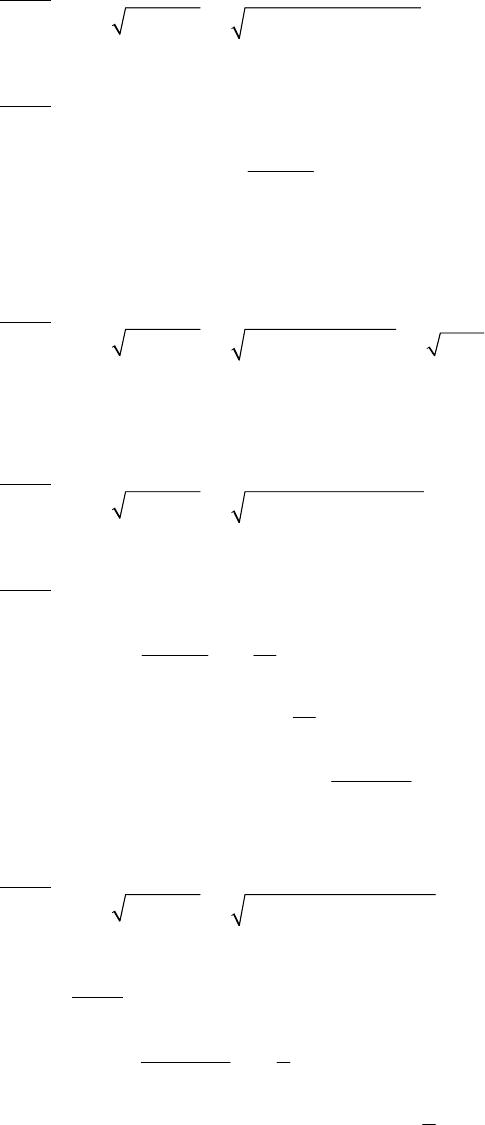
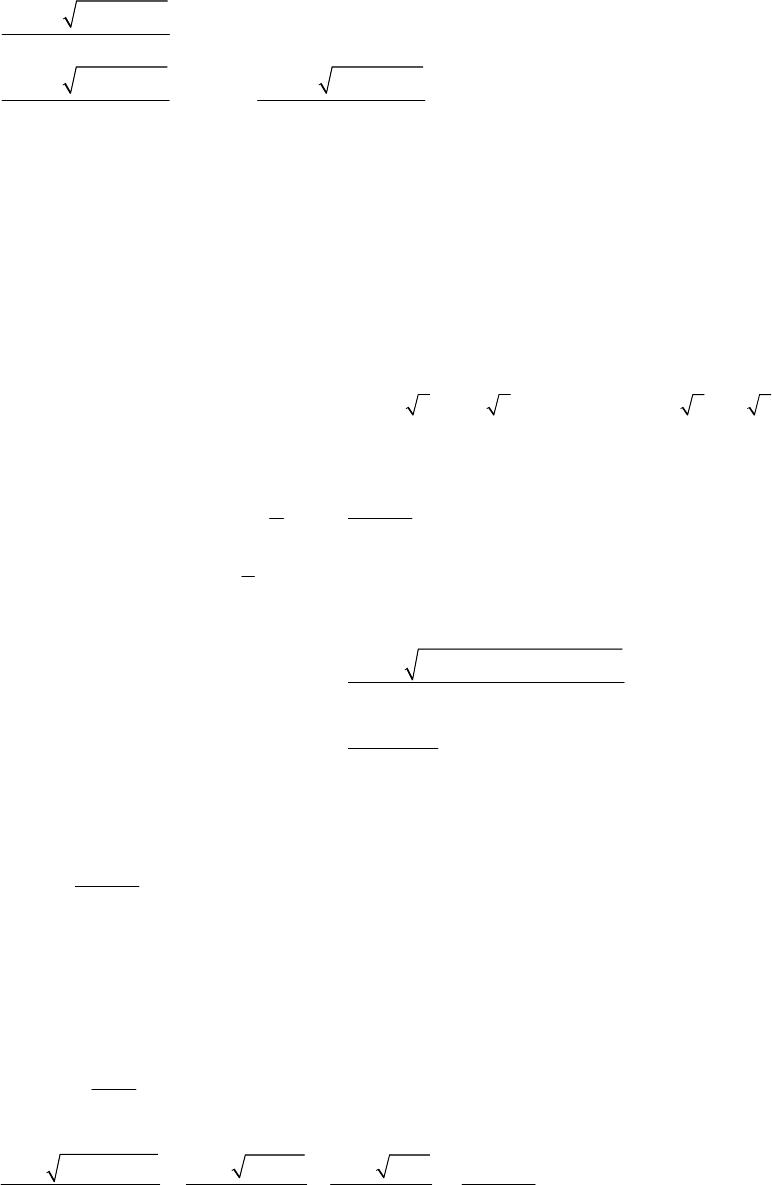
32. x2 − 28x − 128
Step 1. Test for factorability
Step 2. Use the factor theorem
x2 − 28x – 128 = 0
Step 1. Test for factorability
Step 1. Test for factorability
Step 2. Use the factor theorem
3x2 − 32x – 140 = 0
x = 32 52
= − 10
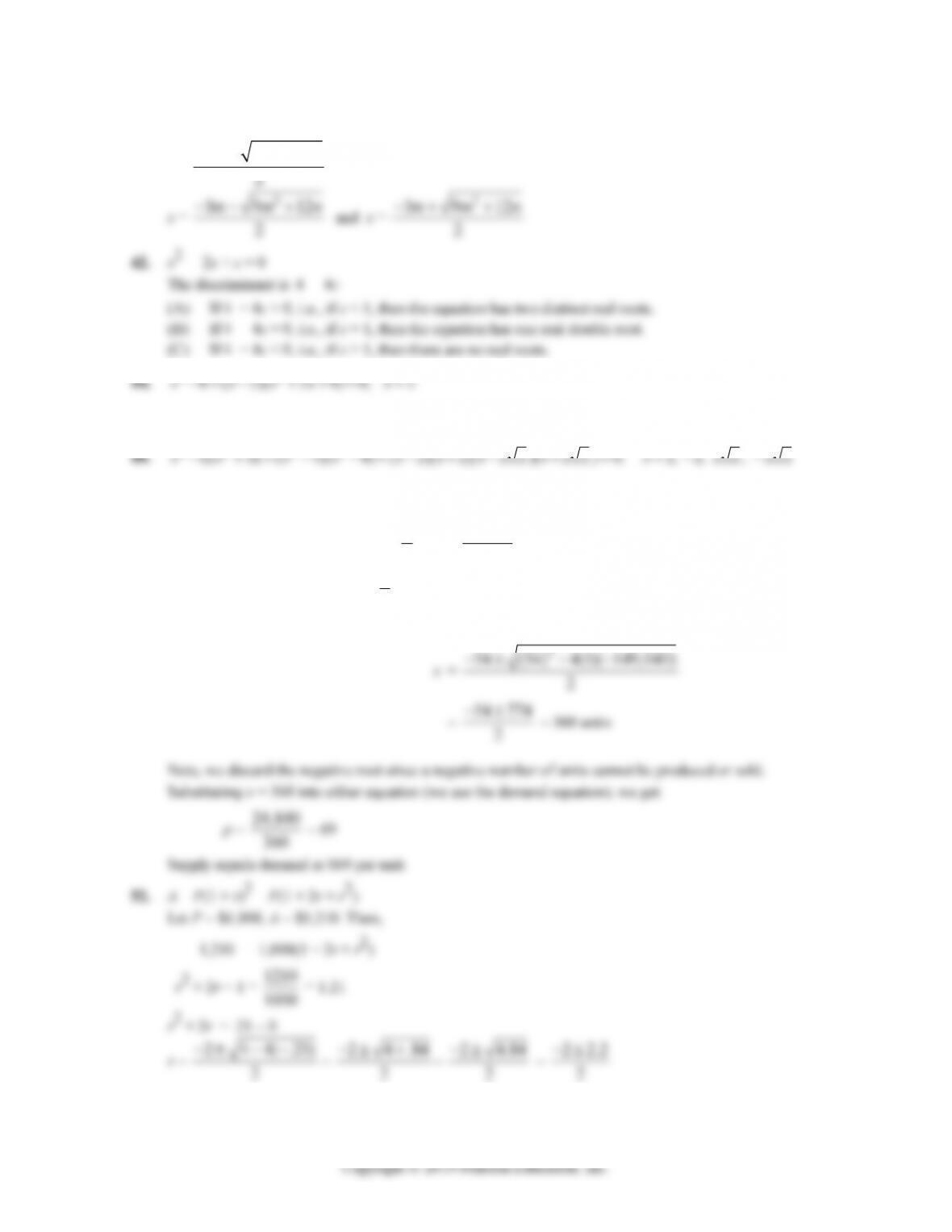
38. 6x2 − 427x − 360
Step 1. Test for factorability
Step 2. Use the factor theorem
6x2 − 427x – 360 = 0
= − 5
EXERCISE A-7 A-17
40. x2 + 3mx − 3n = 0
x =
2
3912
mm n
46. 33 2
2 250 2( 125) 2( 5)( 5 25) 0; 5xx xxxx
50. Setting the supply equation equal to the demand equation, we have
6
x
+ 9 = 24,840
x
1
6x2 + 9x = 24,840
x2 + 54x − 149,040 = 0
= 0.10 or 10% (disregard the negative root)

A-18 APPENDIX A: BASIC ALGEBRA REVIEW
54. d = 0.044v2 + 1.1v
For d = 550 we have