Problem 21-30
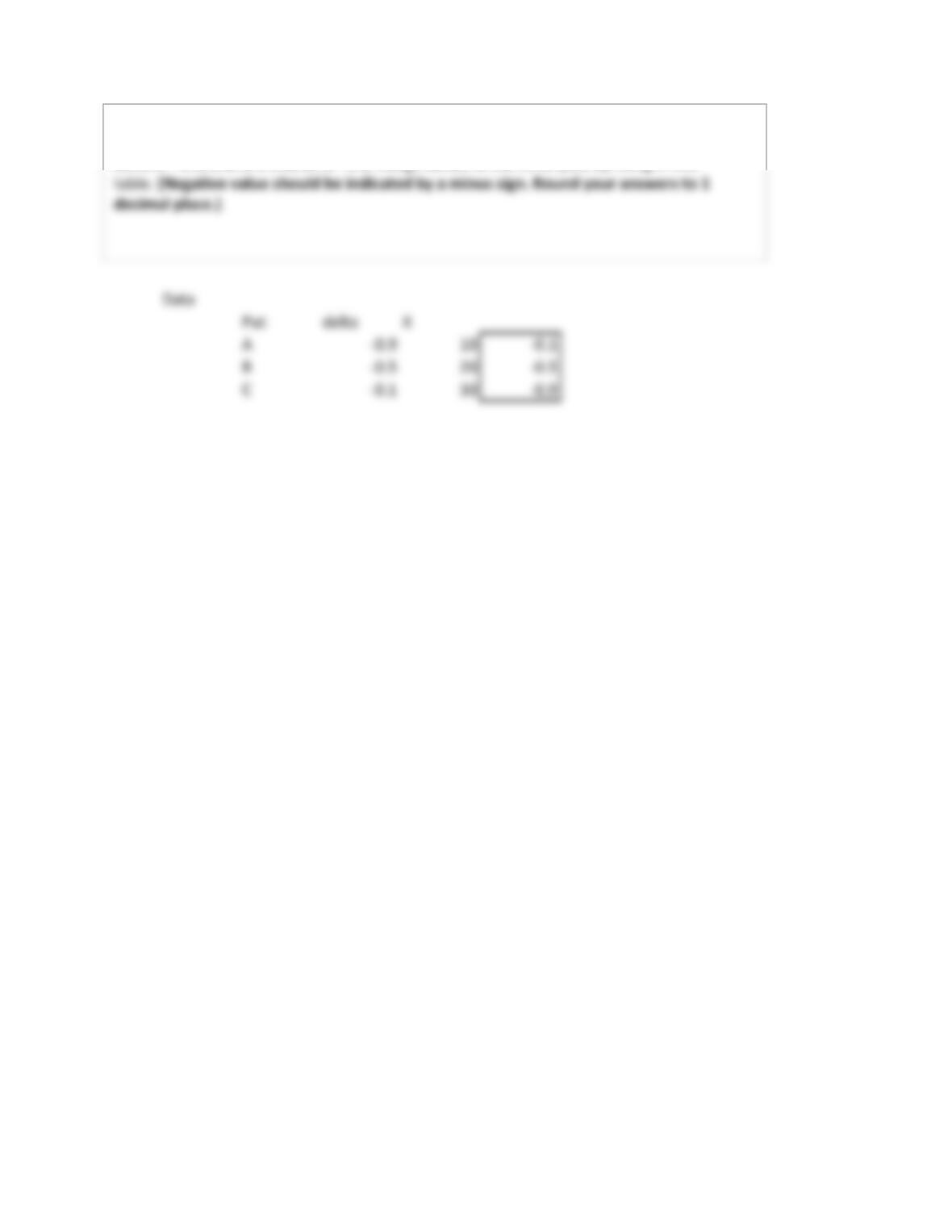
These three put options are all written on the same stock. One has a delta of −0.9, one a
delta of −0.5, and one a delta of −0.1. Assign deltas to the three puts by filling in this
Data
min value 100
S100
104.7619
a cost p 2.38
b cost of port 102.38
Problem 21-32
You would like to be holding a protective put position on the stock of XYZ Co. to lock in a guaranteed minimum value of $100 at year-
end. XYZ currently sells for $100. Over the next year the stock price will increase by 10% or decrease by 10%. The T-bill rate is 5%.
Unfortunately, no put options are traded on XYZ Co.
a.Suppose the desired put option were traded. How much would it cost to purchase?
(Round your answer to 2 decimal places. Omit the
“$” sign in your response.)
b.What would have been the cost of the protective put portfolio? (Round your answer to 2 decimal places. Omit the “$” sign in your
response.)
Data
X100
t 1
S100
p0.75
Problem 21-36
You are attempting to value a call option with an exercise price of $100 and 1 year to expiration. The
underlying stock pays no dividends, its current price is $100, and you believe it has a 50% chance of
increasing to $120 and a 50% chance of decreasing to $80. The risk-free rate of interest is 10%.
Calculate the call option’s value using the two-state stock price model. (Round your answer to 2
decimal places. Omit the “$” sign in your response.)
Data
X100
t 1
S100
Hedge 0.5
Problem 21-37
You are attempting to value a call option with an exercise price of $100 and 1 year to
expiration. The underlying stock pays no dividends, its current price is $100, and you
believe it has a 50% chance of increasing to $130 and a 50% chance of decreasing to $70.
Data
X100
t 1
payoff
100 120 0
80 20
Hedge -0.5
Problem 21-38
You are attempting to value a call option with an exercise price of $100 and 1 year to expiration. The
underlying stock pays no dividends, its current price is $100, and you believe it has a 50% chance of
increasing to $120 and a 50% chance of decreasing to $80. The risk-free rate of interest is 10%.
Calculate the value of a put option with exercise price $100. (Round your answer to 2 decimal places.
Omit the “$” sign in your response.)
Data price $60.00 price $58.02
div 2 sigma 0.07 sigma 0.07
t 2 months t 2 t 3
S60 r 0.005 r 0.005
strike 55 strike 55
d 1.029209 d 0.624896
d2 0.930214 d2 0.503653
Problem 21-39
XYZ Corp. will pay a $2 per share dividend in 2 months. Its stock price currently is $60 per
share. A call option on XYZ has an exercise price of $55 and 3-month time to expiration. The
risk-free interest rate is 0.5% per month, and the stock’s volatility (standard deviation) = 7%
per month. Find the pseudo-American option value. (Hint: Try defining one “period” as a
month, rather than as a year.) (Round your answer to 2 decimal places. Omit the “$” sign in
your response.)
Data
beta 0.75
S 5
Problem 21-44
You are holding call options on a stock. The stock’s beta is 0.75, and you are concerned that the stock market is
about to fall. The stock is currently selling for $5 and you hold 1 million options on the stock (i.e., you hold
10,000 contracts for 100 shares each). The option delta is 0.8. How much of the market-index portfolio must
you buy or sell to hedge your market exposure? (Omit the “$” sign in your response.)
Data price $100.00
t 4 sigma 0.25
port val 100 million t 4
d 0.640321
d2 0.140321
a t-bill $36.54
a-2 equity 73.9018136
check $110.45
b-2 stock purchase $1.957 t 4
Data r 0.05
t 4 strike 100
port val 100 million
min r 0 pv(ex) $82.27
Problem 21-45
Imagine you are a provider of portfolio insurance. You are establishing a 4-year program. The portfolio you manage is currently worth
$100 million, and you hope to provide a minimum return of 0%. The equity portfolio has a standard deviation of 25% per year, and T-
bills
pay 5% per year. Assume for simplicity that the portfolio pays no dividends (or that all dividends are reinvested).
a-1.How much should be placed in bills? (Round your answer to 2 decimal places. Enter your answer in millions. Omit the “$” sign in
your response.)
a-2.How much in equity? (Round your answer to 2 decimal places. Enter your answer in millions. Omit the “$” sign in your response.)
b-1.What is the delta of the new portfolio falls by 3% on the first day of trading? (Round your answer to 4 decimal places.)
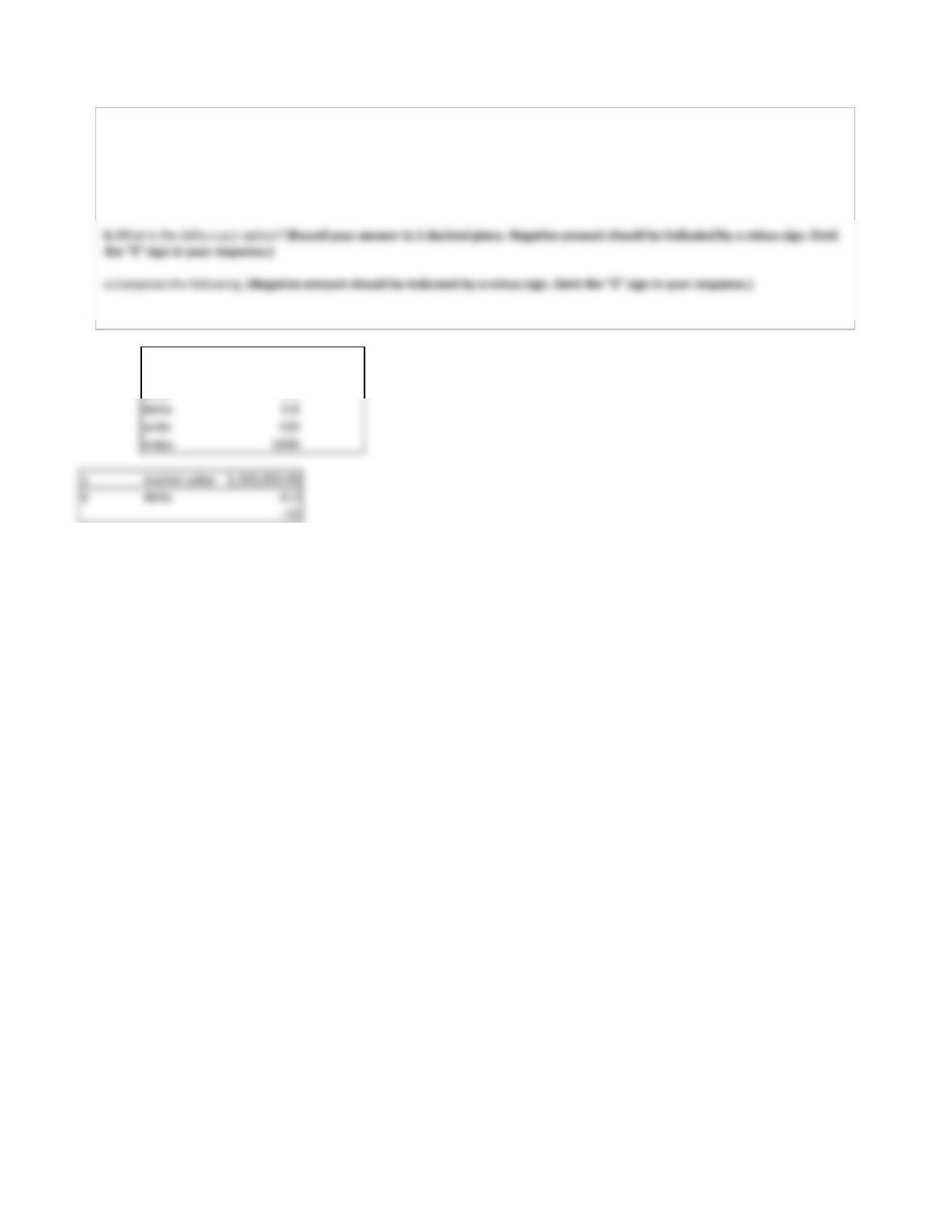
b-2.Complete the following: (Round your answer to 3 decimal places. Enter your answer in millions. Omit the “$” sign in your
response.)

Data
port 1.25 mil
beta 1.5
Problem 21-48
Suppose that JPMorgan Chase sells call options on $1.25 million worth of a stock portfolio with beta 5 1.5. The option delta is .8. It
wishes to hedge out its resultant exposure to a market advance by buying a market-index portfolio. Suppose it uses market index
puts to
hedge its exposure. Each put option is on 100 units of the index, and the index at current prices represents $1,000 worth of stock.
a.How many dollars worth of the market index portfolio should it purchase to hedge its position? (Omit the “$” sign in your response.)
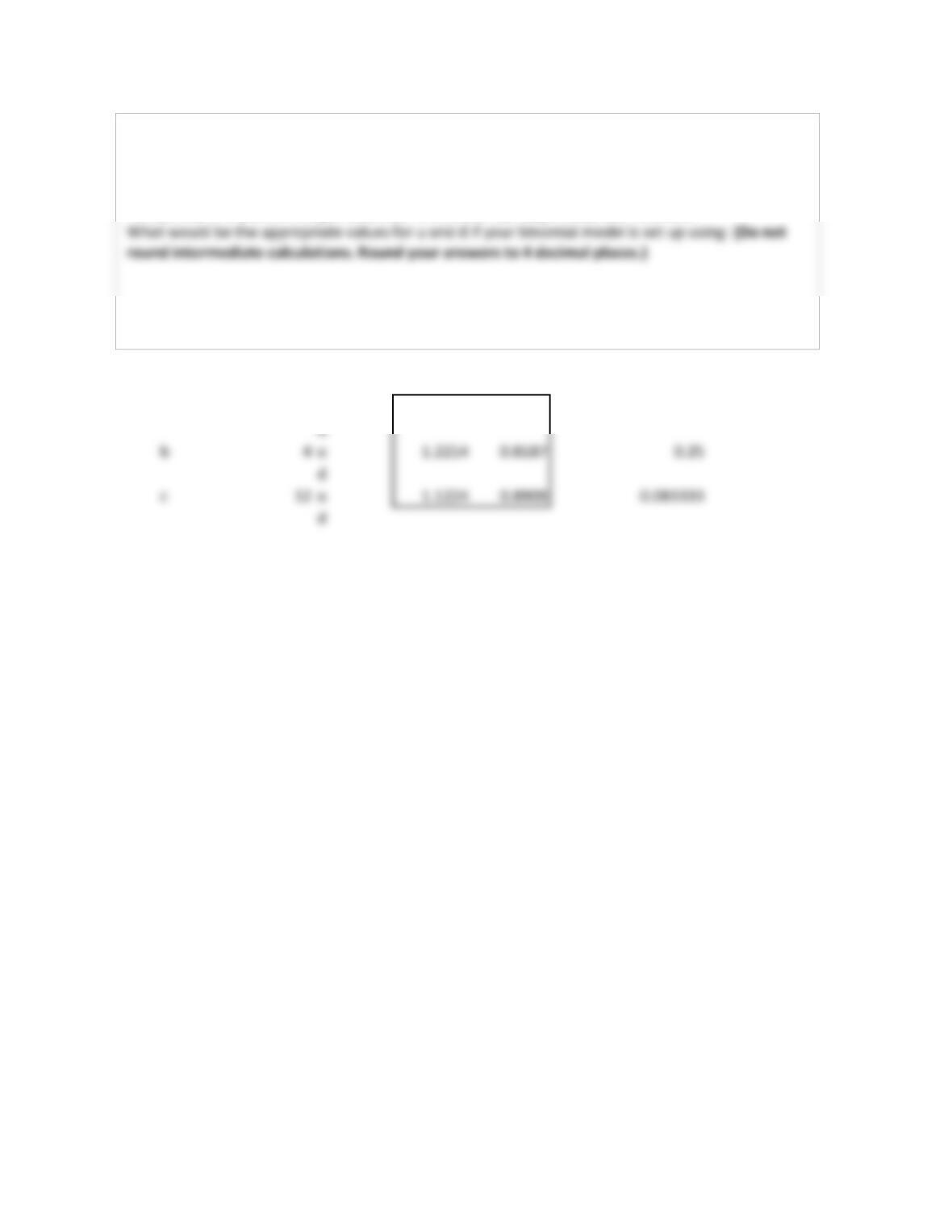
sigma 0.4
a 1 u 1.4918 0.6703 delta t 1
Problem 21-49
Suppose you are attempting to value a 1-year maturity option on a stock with volatility
(i.e.,annualized standard deviation) of σ.40.
a.1 period of 1 year.b.4 subperiods, each 3 months.c.12 subperiods, each 1 month.
t=0 t=1
Data stock price payoff
53 1+rf-d x 100 120 0
u-d t 1 p 0.75 100 80 20
Problem 21-53
You are attempting to value a put option with an exercise price of $100 and 1 year to expiration. The underlying
stock pays no dividends, its current price is $100, and you believe it has a 50% chance of increasing to $120 and a
50% chance of decreasing to $80. The risk-free rate of interest is 10%.
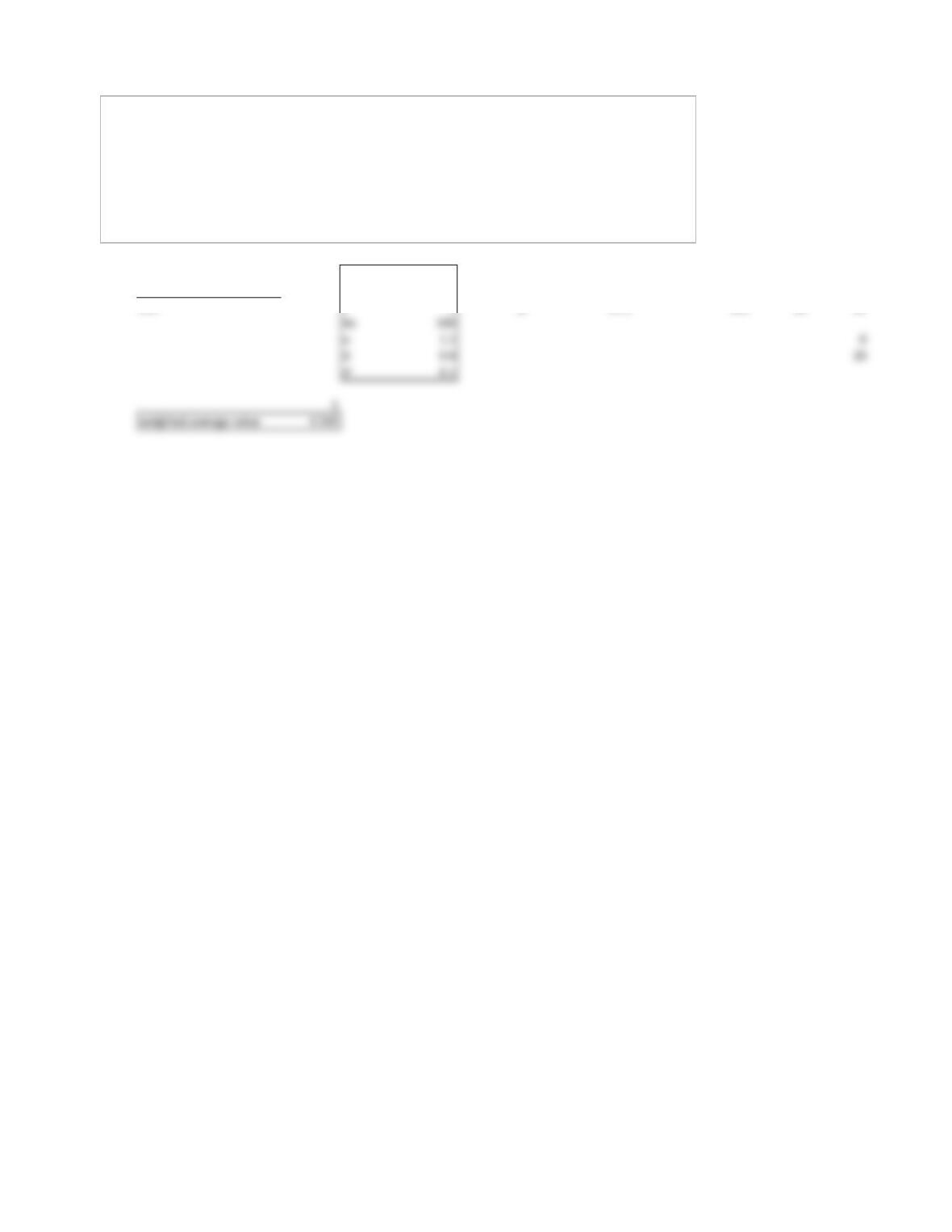
a.What will be the payoff to the put, Pu, if the stock goes up? What will be the payoff, Pd, if the stock price falls?
b.What is the weighted average value of the pay off?