Problem 20-5
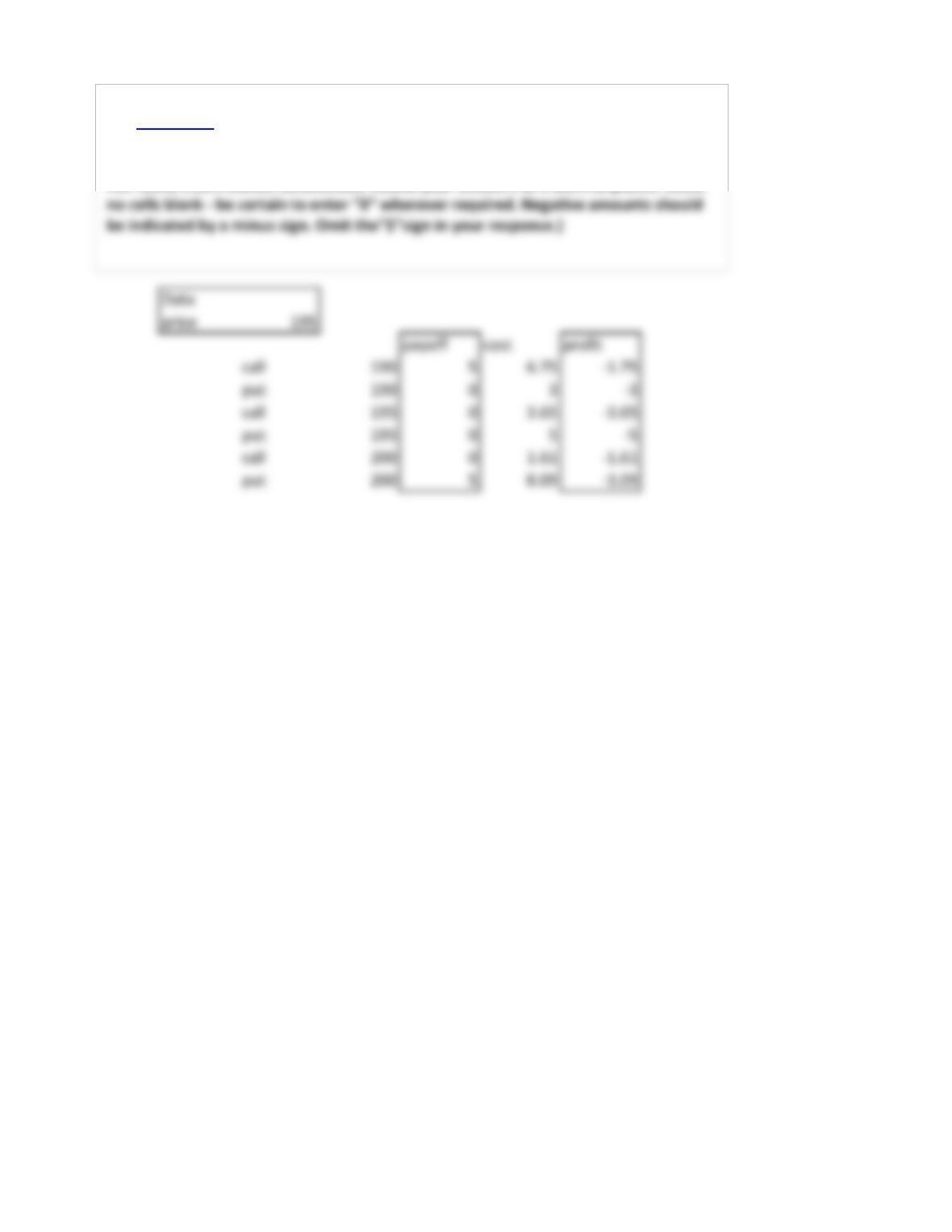
Use Figure 20.1, which lists prices of various IBM options. Use the data in the figure to
calculate the payoff and the profits for investments in each of the following February
expiration options, assuming that the stock price on the expiration date is $195. (Do
not round intermediate calculations. Round your answers to 2 decimal places. Leave
Data
current price 100 mmf 0.04 6 month
t 6 months
strike 100
cost 10 option c $ 1000
investment 10000
Problem 20-6
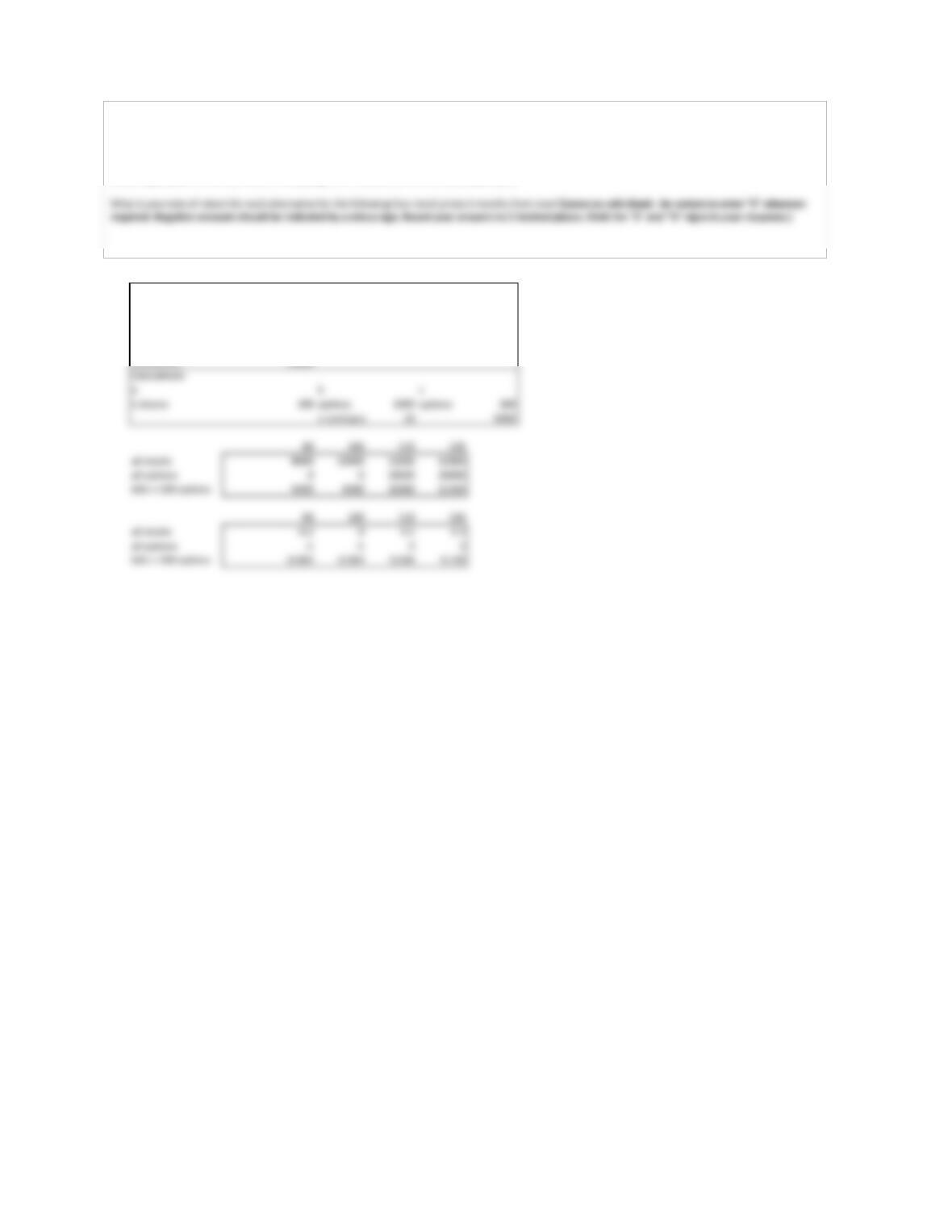
Suppose you think FedEx stock is going to appreciate substantially in value in the next 6 months. Say the stock’s current price, S0, is $100, and the call option
expiring in 6 months has an exercise price, X, of $100 and is selling at a price, C, of $10. With $10,000 to invest, you are considering three alternatives.
a.Invest all $10,000 in the stock, buying 100 shares.b.Invest all $10,000 in 1,000 options (10 contracts).c.Buy 100 options (one contract) for $1,000, and invest the
remaining $9,000 in a money market fund paying 4% in interest over 6 months (8% per year).
Problem 20-7
The common stock of the P.U.T.T. Corporation has been trading in a narrow price range for the past month, and you are convinc ed it is
going to break far out of that range in the next 3 months. You do not know whether it will go up or down, however. The curren t p
rice of the
stock is $100 per share, and the price of a 3-month call option at an exercise price of $100 is $10.
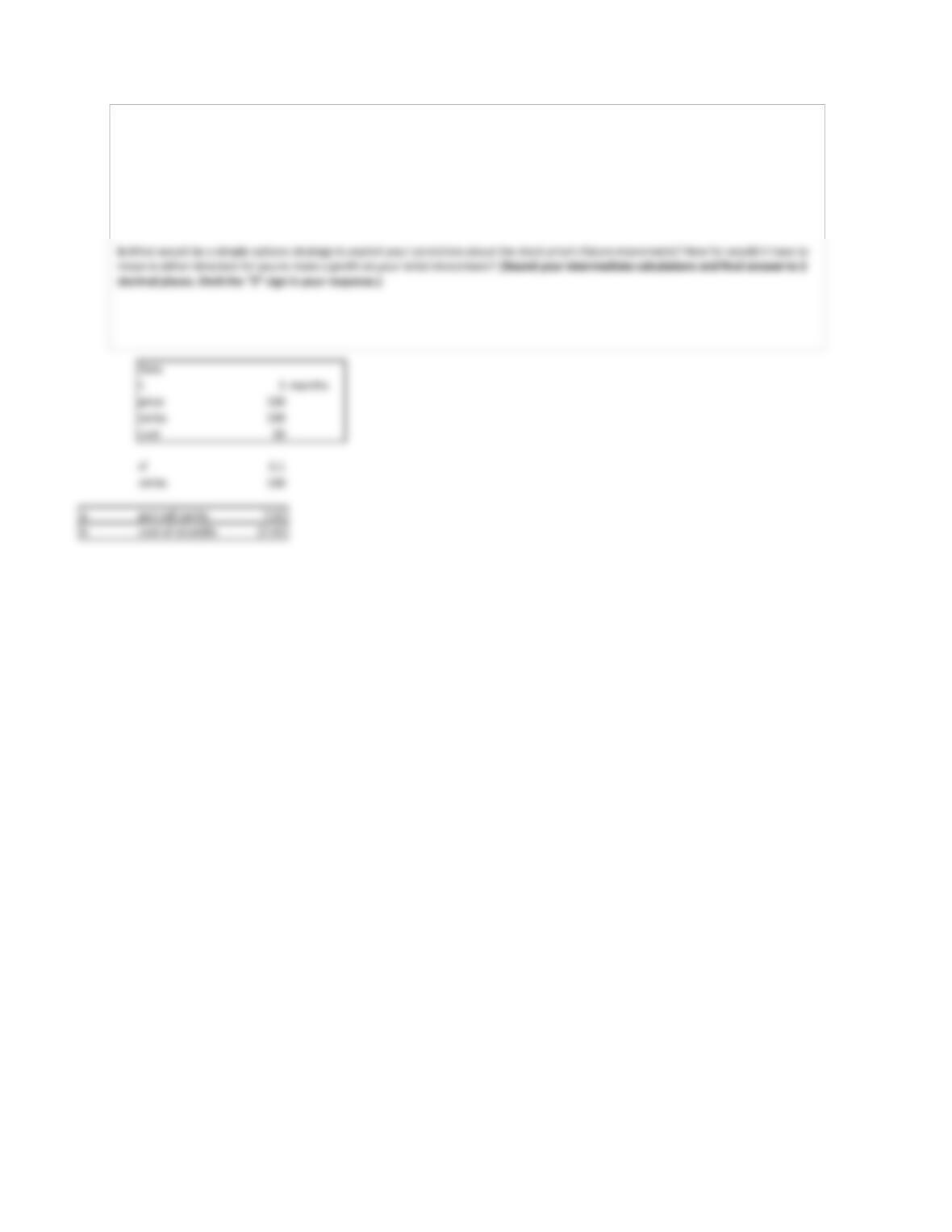
a.If the risk-free interest rate is 10% per year, what must be the price of a 3-month put option on P.U.T.T. stock at an exercise price of
$100? (The stock pays no dividends.) (Do not round intermediate calculations. Round your answer to 2 decimal places. Omit the “$” sign
in your response.)
Data
price 50
t 3
cost 4
strike 50
rf 0.1
Problem 20-8
The common stock of the C.A.L.L. Corporation has been trading in a narrow range around $50 per share for months, and you beli eve it is going to stay in that range for the
next 3 months. The price of a 3-month put option with an exercise price of $50 is $4.
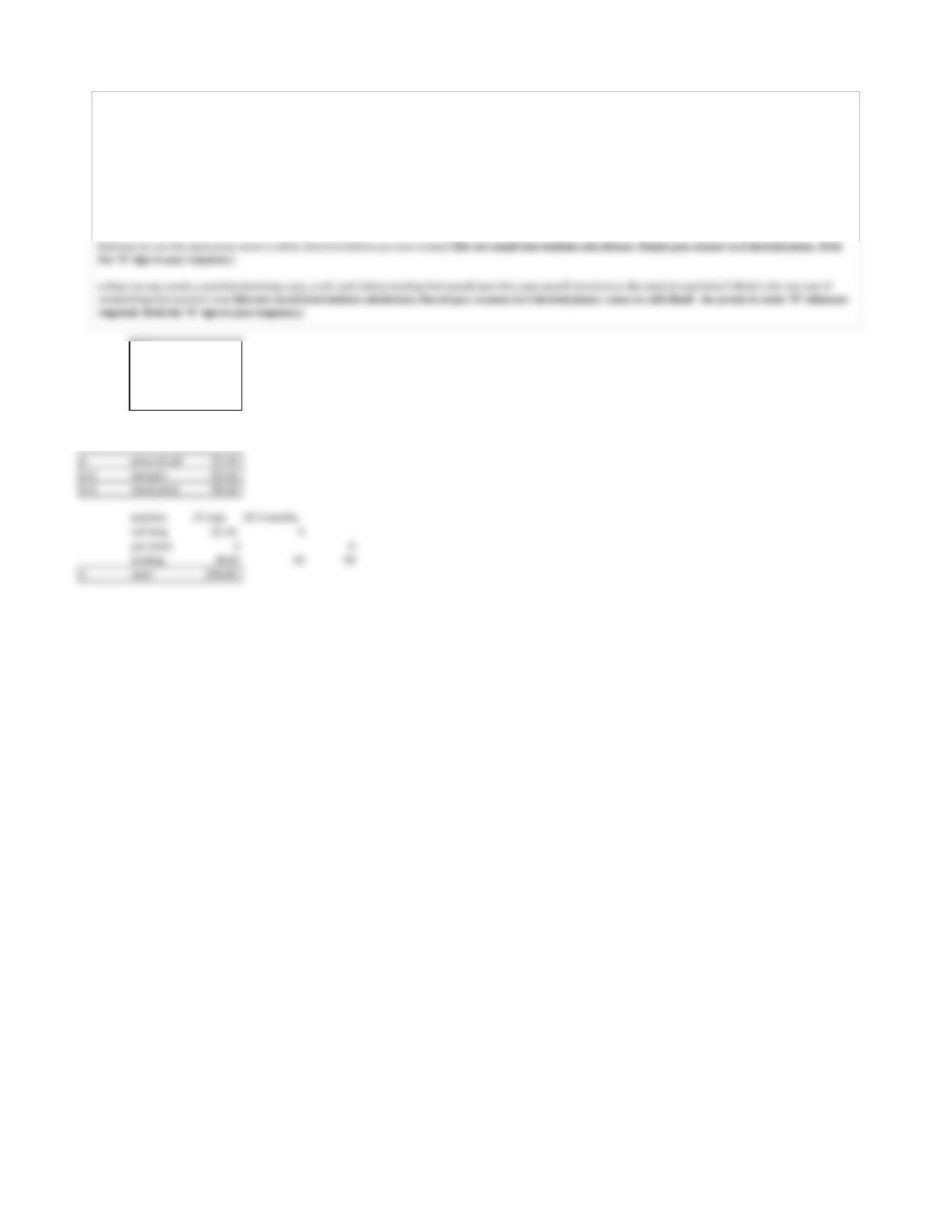
a.If the risk-free interest rate is 10% per year, what must be the price of a 3-month call option on C.A.L.L. stock at an exercise price of $50 if it is at the money? (The stock
pays no dividends.) (Do not round intermediate calculations. Round your answer to 2 decimal places. Omit the “$” sign in your response.)
b-1.What would be a simple options strategy using a put and a call to exploit your conviction about the stock price’s future movement?
b-2.What is the most money you can make on this position? (Do not round intermediate calculations.Round your answer to 2 decimal places. Omit the “$” sign in your
response.)
Problem 20-10
An investor purchases a stock for $38 and a put for $0.50 with a strike price of $35. The investor sells a call for
$0.50 with a strike price of $40. What is the maximum profit and loss for this position?
Data
n shares 5000
share price 40
Problem 20-11
Imagine that you are holding 5,000 shares of stock, currently selling at $40 per share. You are ready to sell the shares but
would prefer to put off the sale until next year for tax reasons. If you continue to hold the shares until January, however, you
face the risk that the stock will drop in value before year-end. You decide to use a collar to limit downside risk without laying
out a good deal of additional funds. January call options with a strike price of $35 are selling at $2, and January puts
options with a strike price of $45 are selling at $3. Assume that you hedge the entire 5,000 shares of stock.
a.What will be the value of your portfolio in January (net of the proceeds from the options) if the stock price ends up at
Problem 20-23
Assume a stock has a value of $100. The stock is expected to pay a dividend of $2 per share at year-end. An at-the-
money European-style put option with one-year maturity sells for $7. If the annual interest rate is 5%, what must be
the price of a 1-year at-the-money European call option on the stock? (Round your answer to 2 decimal places.
Omit the “$” sign in your response.)
Problem 20-24
You buy a share of stock, write a 1-year call option with X = $10, and buy a 1-year put option with X = $10. Your
net outlay to establish the entire portfolio is $9.50. The stock pays no dividends.
Problem 20-30
FedEx is selling for $100 a share. A FedEx call option with one month until expiration and an exercise price of $105 sells for $2
while a put with the same strike and expiration sells for $6.94.
a.What is the market price of a zero-coupon bond with face value $105 and 1 month maturity? (Round your answer to 2
decimal places. Omit the “$” sign in your response.)