Part III: Building and Managing
a Global Workforce
CHAPTER 7
Selection and
Staffing of
International
Employees
Overseas Staffing: A World of Choices
•International firms need people with cultural
fluency and flexibility for overseas positions.
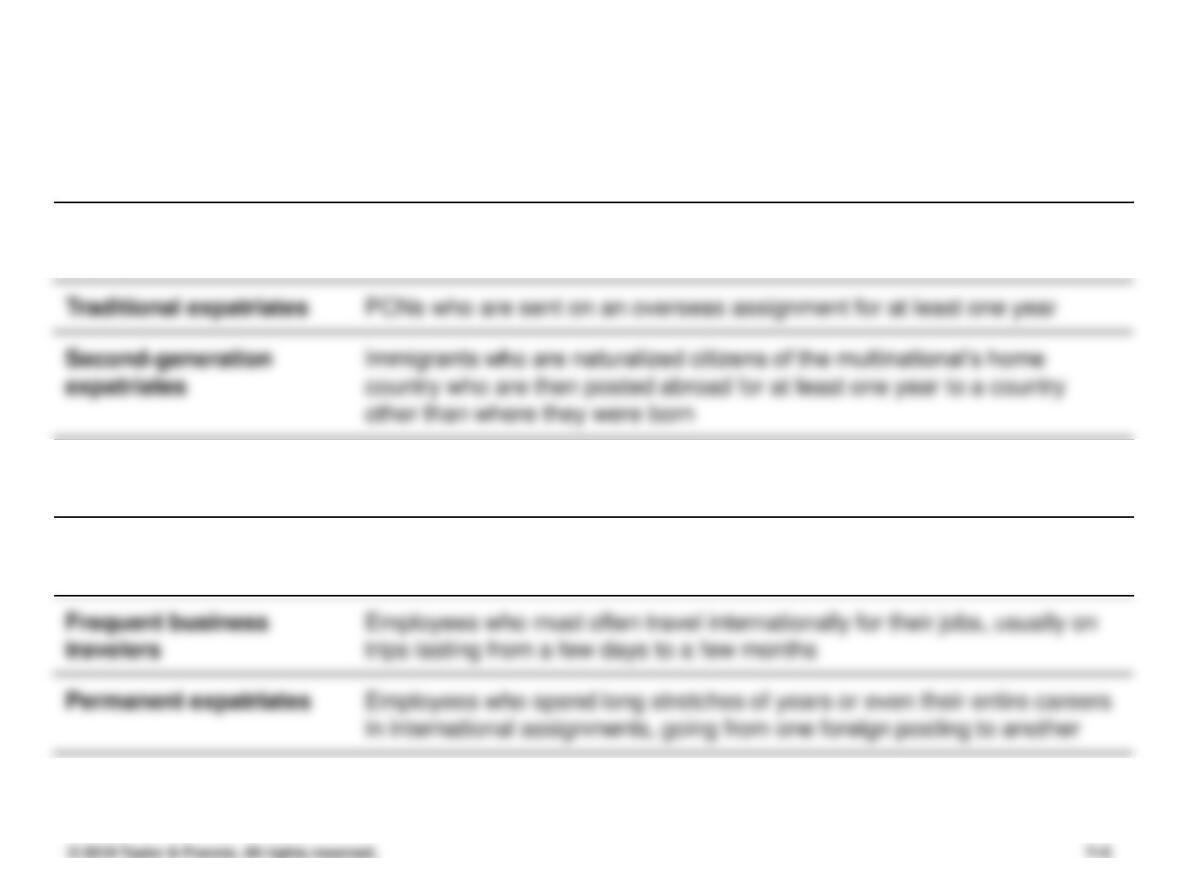
Table 7.1 Choices, Choices: International Employee Types available to
Multinational Firms
Types of Employees Description
Parent-country nationals
(PCNs)
Employees who are citizens of the country where the multinational is
based
Just-in-time expatriates Expatriates hired as needed from outside the multinational to fill a specific
role or particular assignment
Short-term international
assignees
Employees sent on overseas assignments from a few weeks to a year—
an increasingly popular option that doesn’t require relocation
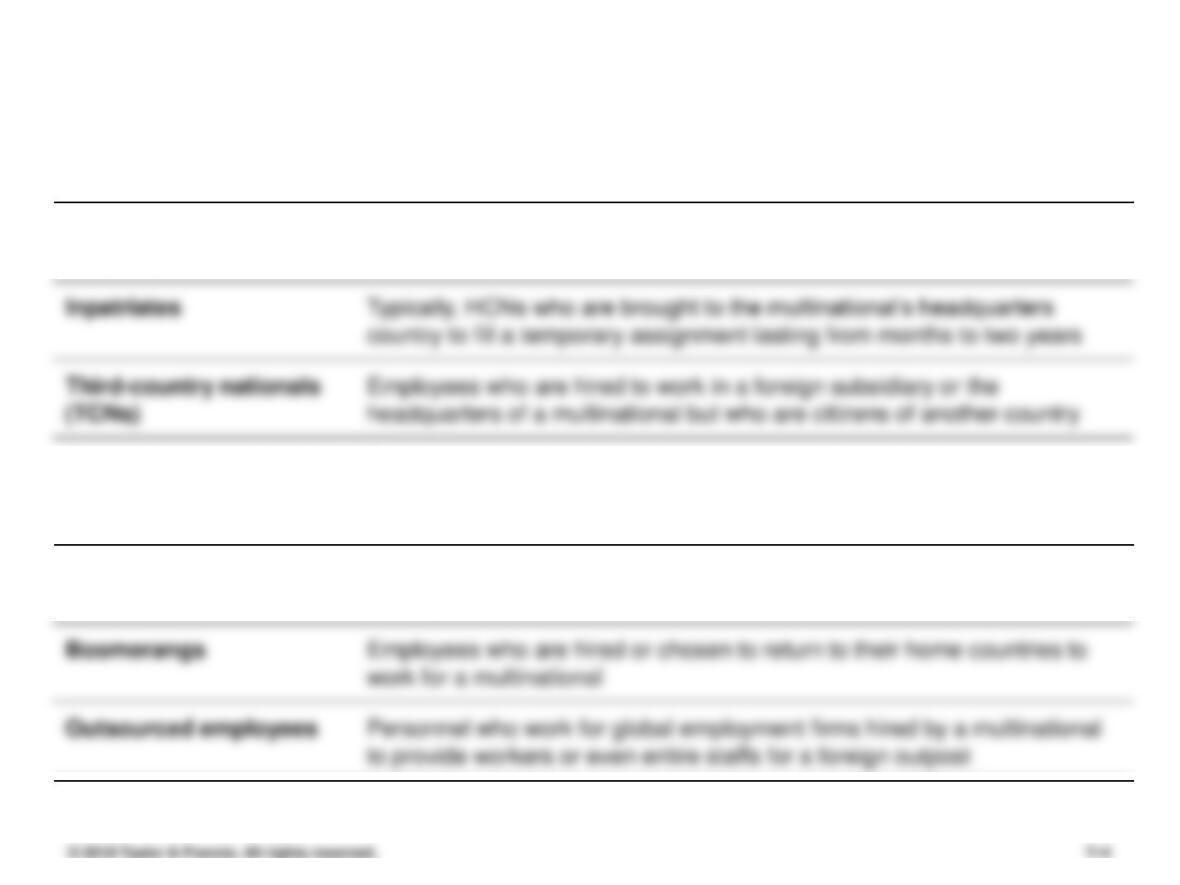
Table 7.1 Choices, Choices: International Employee Types available to
Multinational Firms (continued)
Types of Employees Description
Host-country nationals
(HCNs)
Local nationals hired to staff foreign operations in a specific country
Domestic internationals Employees who stay in their home country while performing remote
international work (e.g., interacting with foreign customers by telephone or
e-mail)
International commuters Employees who live in one country but commute to work in another
country
Sending Parent-country Nationals (PCNs)
Abroad as Long-term Expatriates
•Common reasons to send PCNs abroad long–
term as expatriates include:
1. The belief that local employees in a foreign
subsidiary lack relevant skills.
2. The belief that a PCN is the best way to monitor
foreign operations and instill corporate values.
Sorting Out Staffing Options:
Selection of PCN Employees
•Parent-country Nationals (PCNs)
➢Home country nationals posted as expatriates abroad
to top management and technical positions in foreign
subsidiaries
Why PCNs Fail as Expatriates
•Reasons for Expatriate Assignment Failures
➢Unable to overcome adjustment challenges
•Alternatives to Traditional PCN Expatriates
➢Recruiting parent-country immigrant employees
(boomerangs) as expatriates to their native countries
➢Hiring host-country nationals (HCNs) operations
Staffing and Managing International Talent
•Forces Impacting International Workforce
Development
➢Globalization, which is increasing the connection
of economies
➢Demographic trends that are expanding and
contracting labor pools
Sorting Out Staffing Options:
Selection of HCN Employees
•Host-country Nationals (HCNs)
➢Managers recruited locally to fill lower- and middle-
level management jobs
Sorting Out Staffing Options:
Selection of TCN Employees
•Third-country Nationals (TCNs)
➢International employees who work in countries where
they are not citizens, nor are they citizens of the
multinational’s parent country.
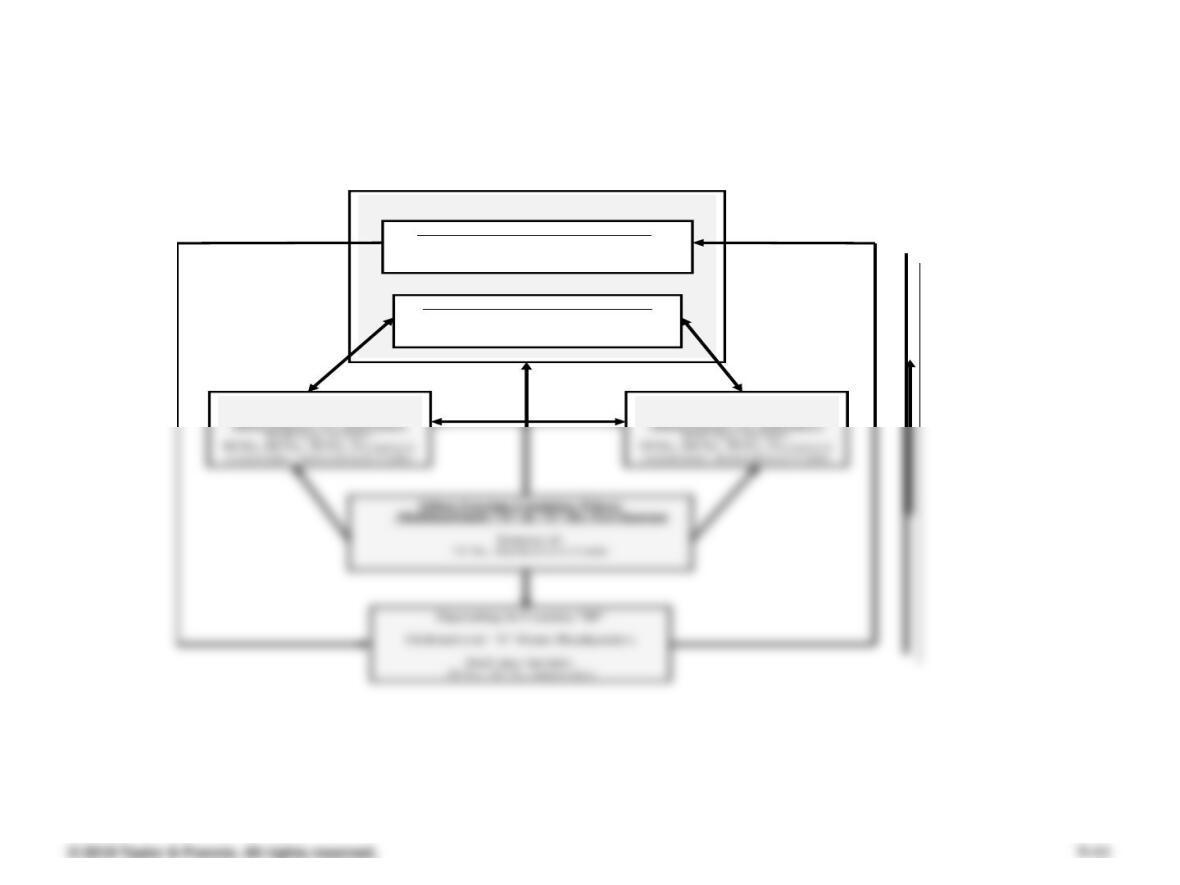
Figure 7.1 Common Types of International Staff and their Possible
Movement across Countries
Operating in Country “A”
Subsidiary of Foreign Multinational “X”
Staff may include:
PCNs, HCNs, TCNs, Inpatriates
Multinational “Y” Home Headquarters
Staff may include:
PCNs, TCNs, Inpatriates
Operating in Host Country “B”
Operating in Host Country “C”
Selecting and Developing
International Employees
•Recruitment must support achievement of the
firm’s international business strategic goals.
•Factors in international staffing decisions:
➢Competitive environment
➢Overseas sophistication of the firm
➢Influence of national cultures on HR activities
Table 7.2 Think You Have the Right Stuff? A Skill Profile
for International Managers
Skill Area Thumbnail Sketch of Desired Competencies
Multidimensional
perspective
Has extensive multifunctional, multicountry, and multi-environment experience
Cultural adaptability Can quickly adapt to foreign cultures with diverse cross-cultural experience
Cultural sensitivity Deals effectively with people from many cultures, races, nationalities, and religions
Team building Can create culturally diverse working groups that achieve organizational goals
Mental maturity Has the endurance needed for the rigors of foreign posts
Staffing and Managing International Talent
•Forces Impacting International Workforce
Development
➢Globalization, which is increasing the connection
of economies
➢Demands for skilled, flexible, culturally astute
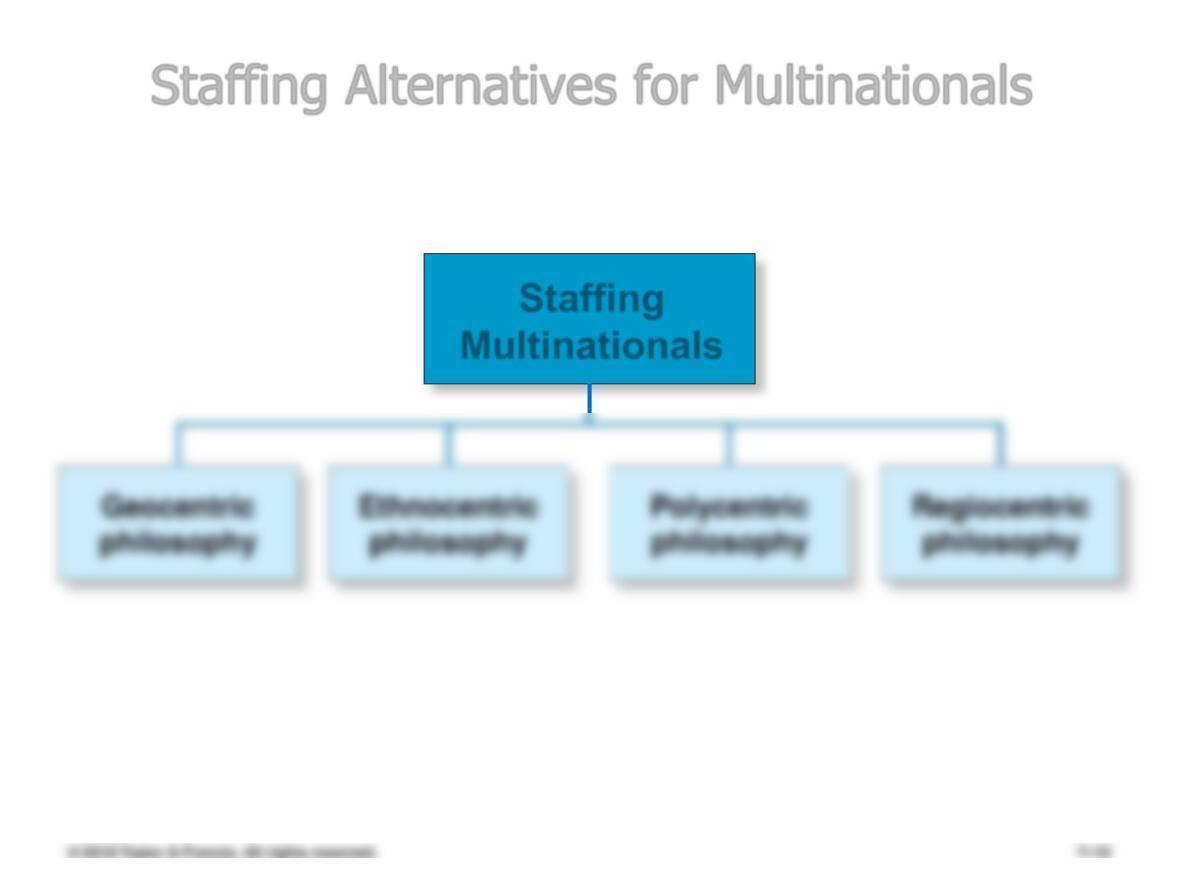
Staffing Alternatives for Multinationals
Staffing
Multinationals