Staffing International Operations
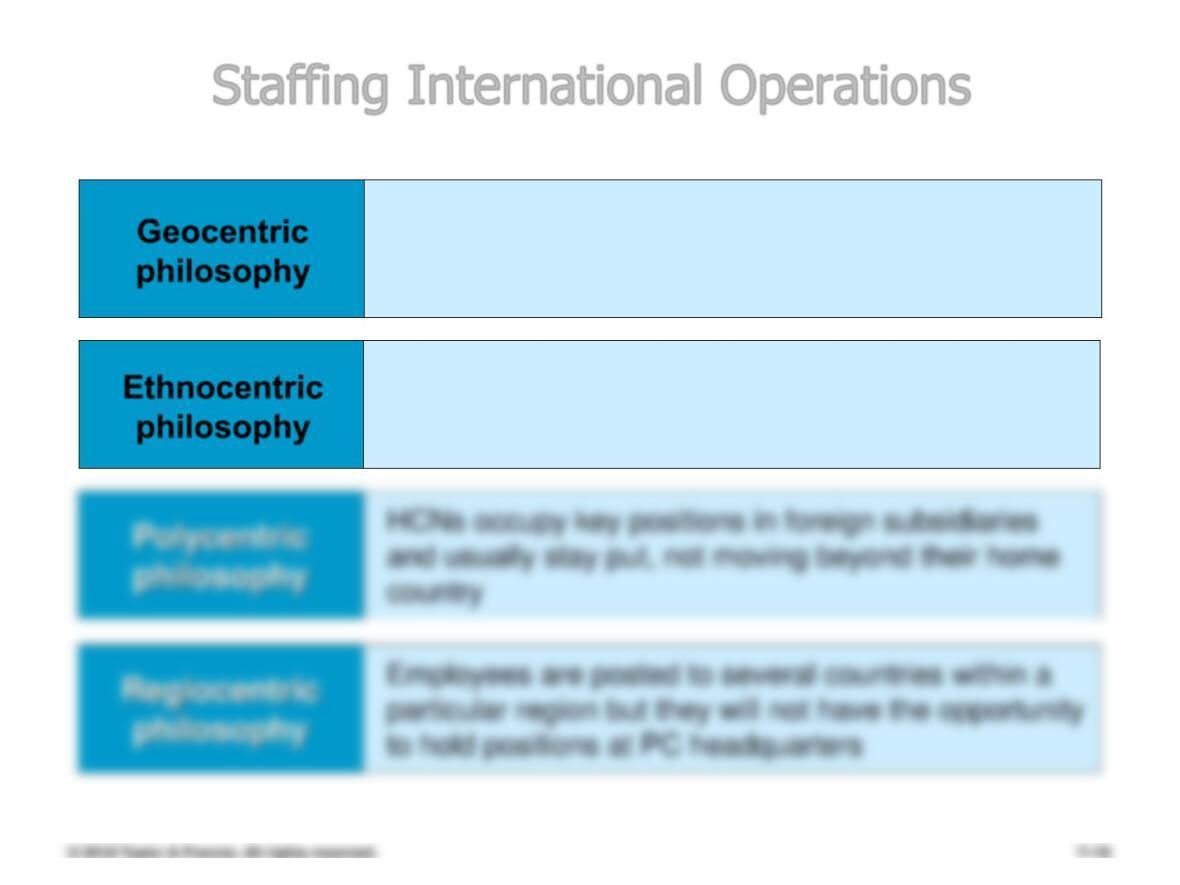
Geocentric
philosophy
Ethnocentric
philosophy
Focus is on ability when hiring, regardless of
nationality, with performance criteria developed
jointly by PC headquarters and foreign subsidiaries
Foreign subsidiaries have little say over headquarters
decisions and key positions are always filled by PCNs
Developing Employees
with International Skills
•International skills development is a long-term
proposition that requires
➢Training and development programs that move
promising employees through a series of foreign
assignments over a period of years
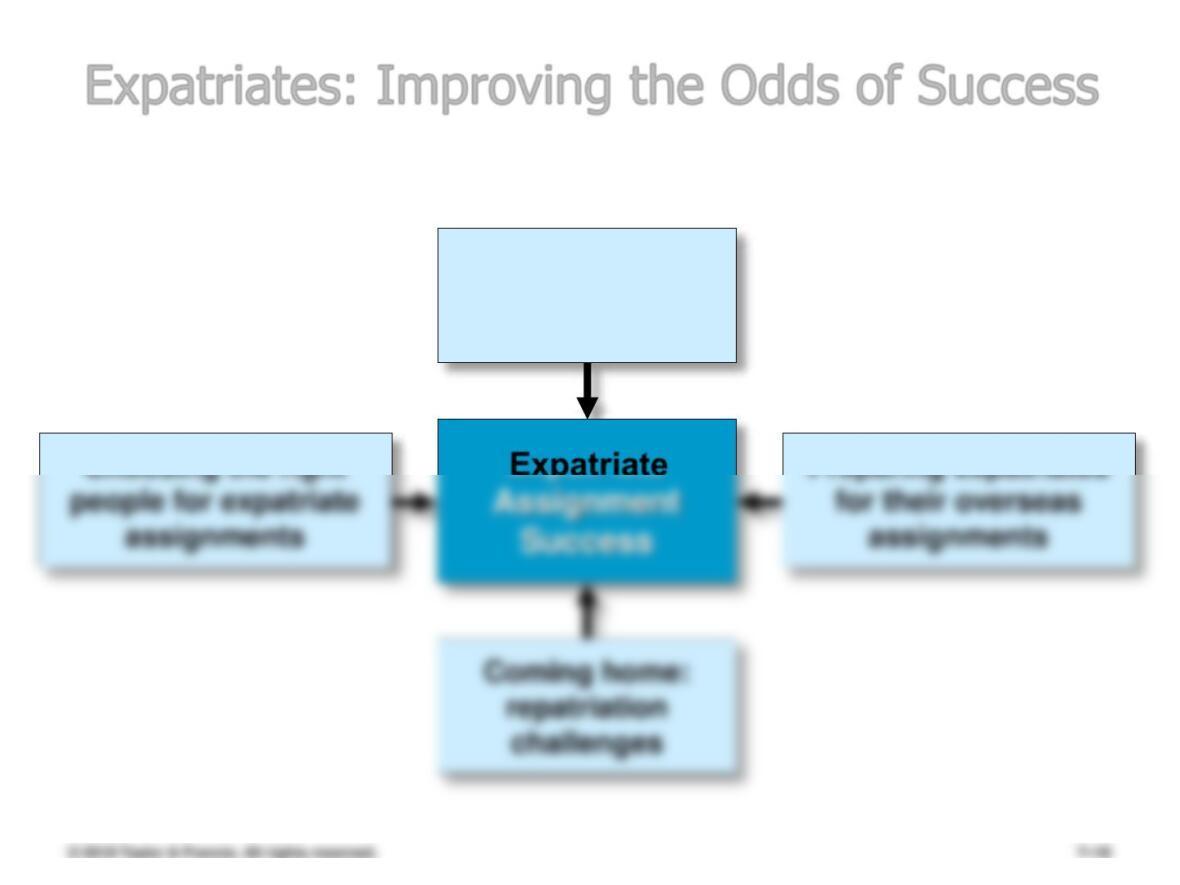
Expatriates: Improving the Odds of Success
Balancing risks
and rewards with
expatriates

@2017 Taylor & Francis Group. All rights reserved. 7–19
Premature return
Estimates of the percentages of expatriates who are asked to come home (or request it) vary on the assignment
and situation. Yet, premature return can jeopardize a firm’s ability to compete effectively.
Wasted preparation and
Failure means the firm loses the direct (e.g., training, overseas pay) and indirect costs (e.g., not getting the job
Other indirect costs
Failure hurts the career/confidence of the expatriate and damages relations with local employees, officials,
customers, and suppliers (which take time to repair).
Ineffective performance
Even if expatriates stick out their assignments, they may not be performing well (e.g., making poor decisions,
hurting local relations, not meeting firm goals).
Negative momentum
Selection and Development of International Employees
Forces Impacting Human Resource
Practices in Multinationals
International Staffing Challenges
Facing Multinationals
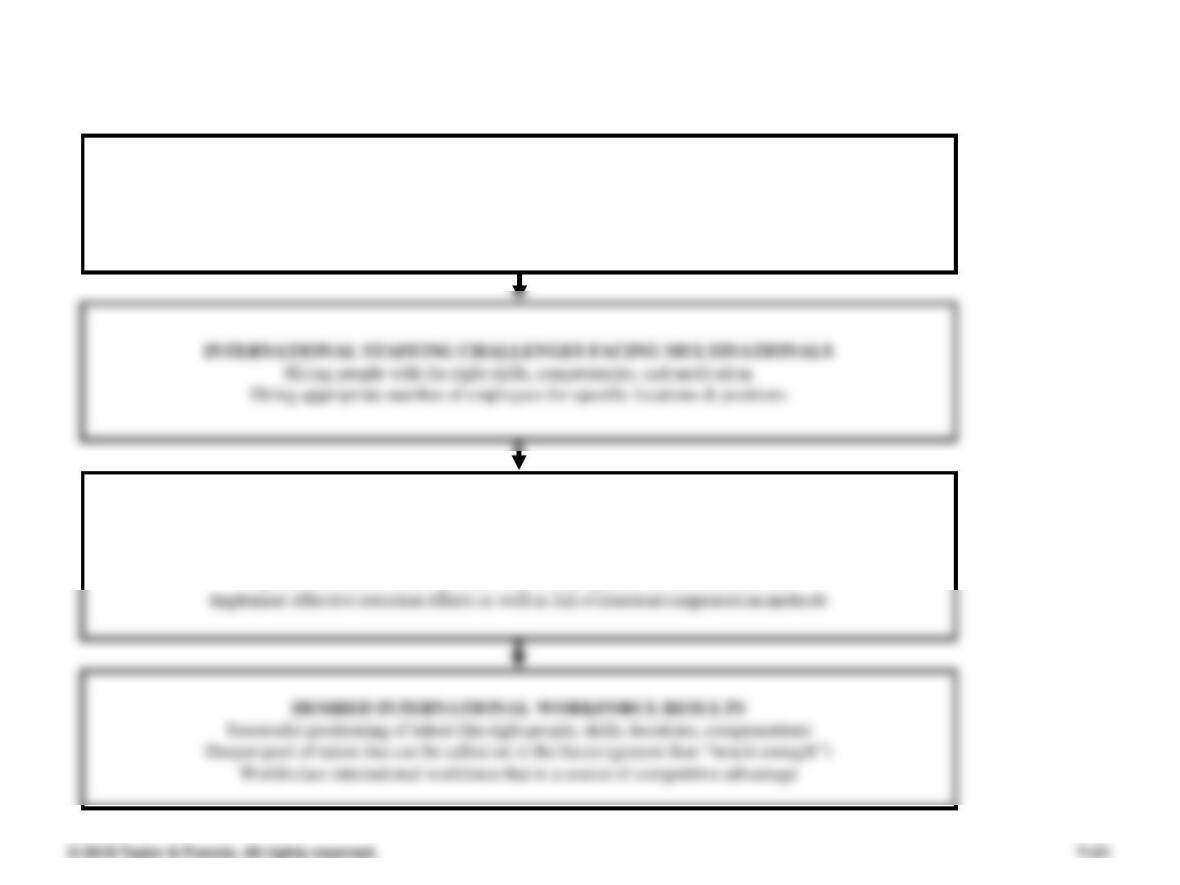
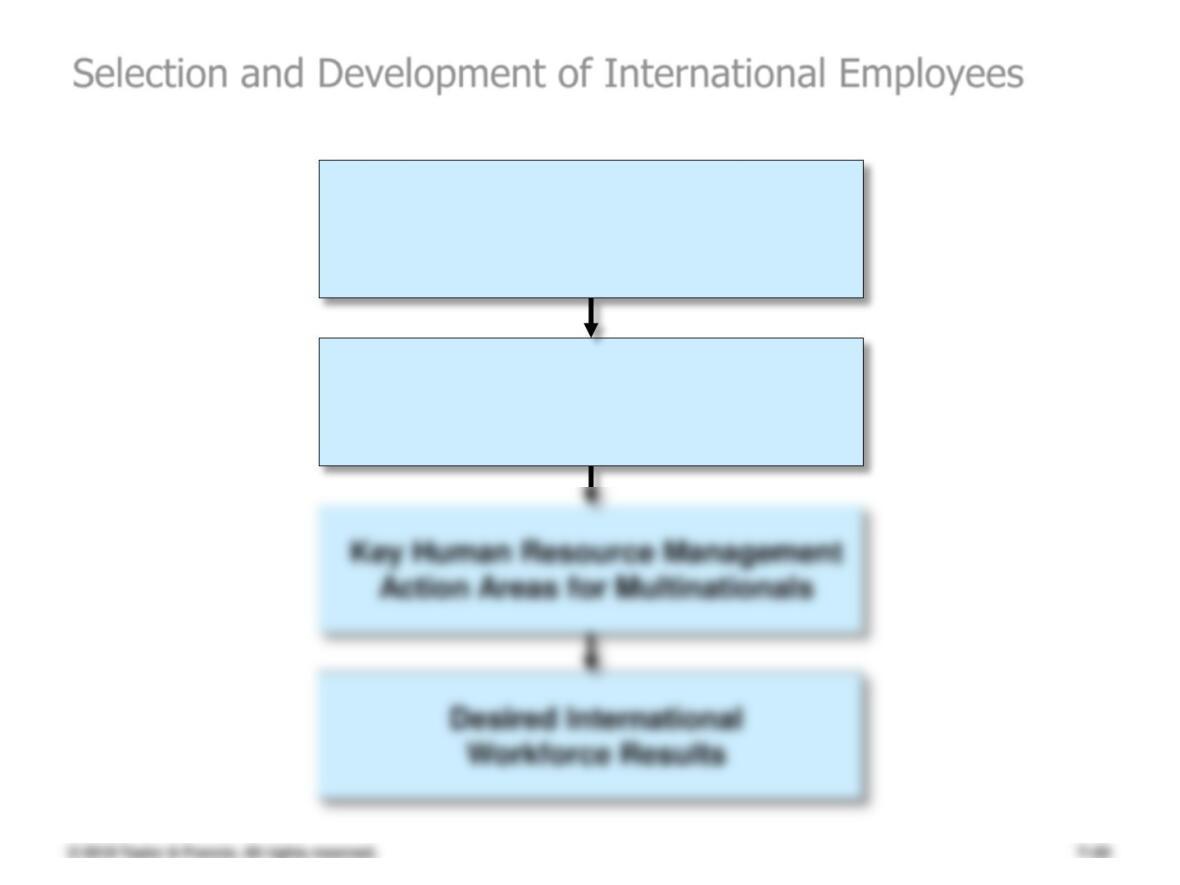
Figure 7.2 A Process for Understanding the Selection and
Development of International Employees
KEY HUMAN RESOURCE MANAGEMENT ACTION AREAS FOR MULTINATIONALS
Plan staffing needs for specific foreign locations
Attract and select outstanding international employees
Implement effective training & development programs for international staff
FORCES IMPACTING HR PRACTICES IN MULTINATIONALS
Work force demographics in different countries
Worldwide demand for employees with specific competencies & motivation
Ongoing globalization
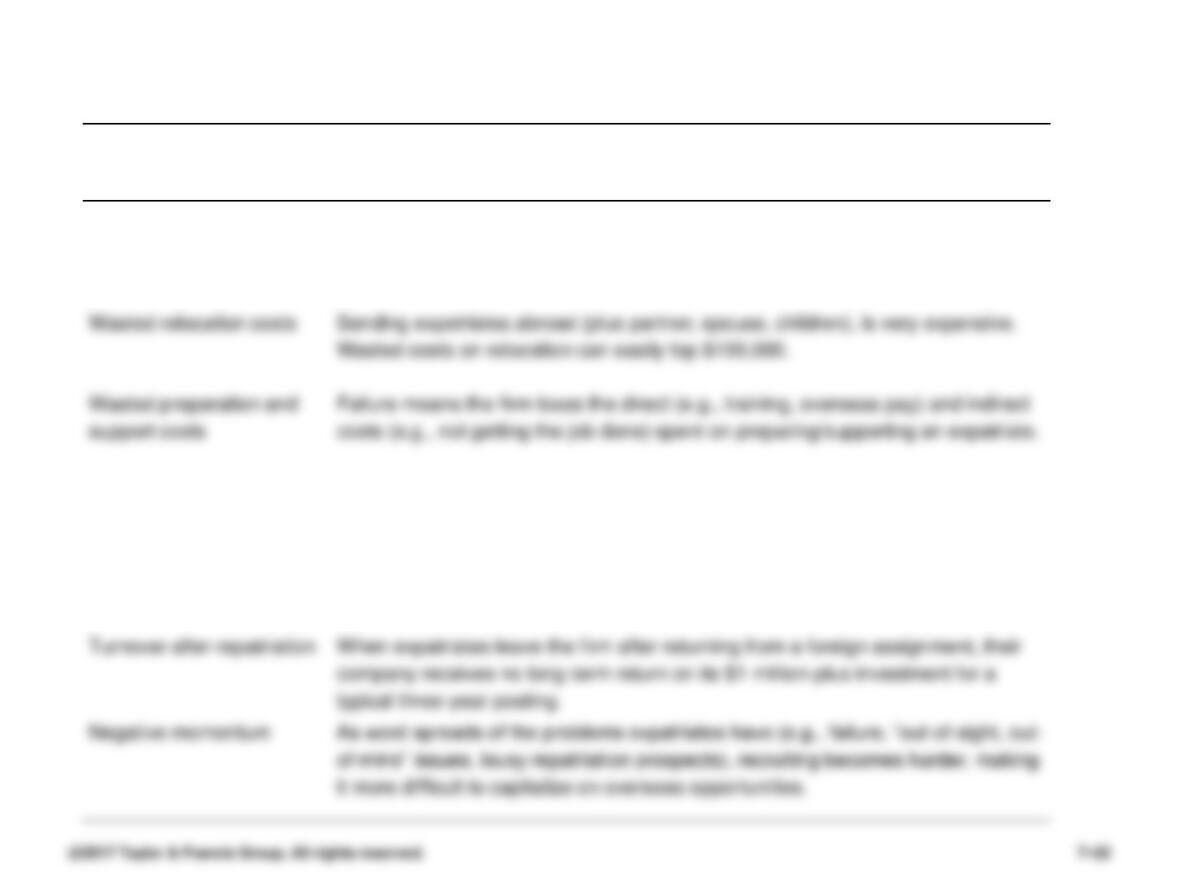
Table 7.3 Expatriates and the Consequences of Failure
Failure
Consequence
Description/Implication
Premature return
Estimates of the percentages of expatriates who are asked to come home (or
request it) vary on the assignment and situation. Yet, premature return can
jeopardize a firm’s ability to compete effectively.
Other indirect costs
Failure hurts the career/confidence of the expatriate and damages relations with
local employees, officials, customers, and suppliers (which take time to repair).
Ineffective performance
Even if expatriates stick out their assignments, they may not be performing well
(e.g., making poor decisions, hurting local relations, not meeting firm goals).
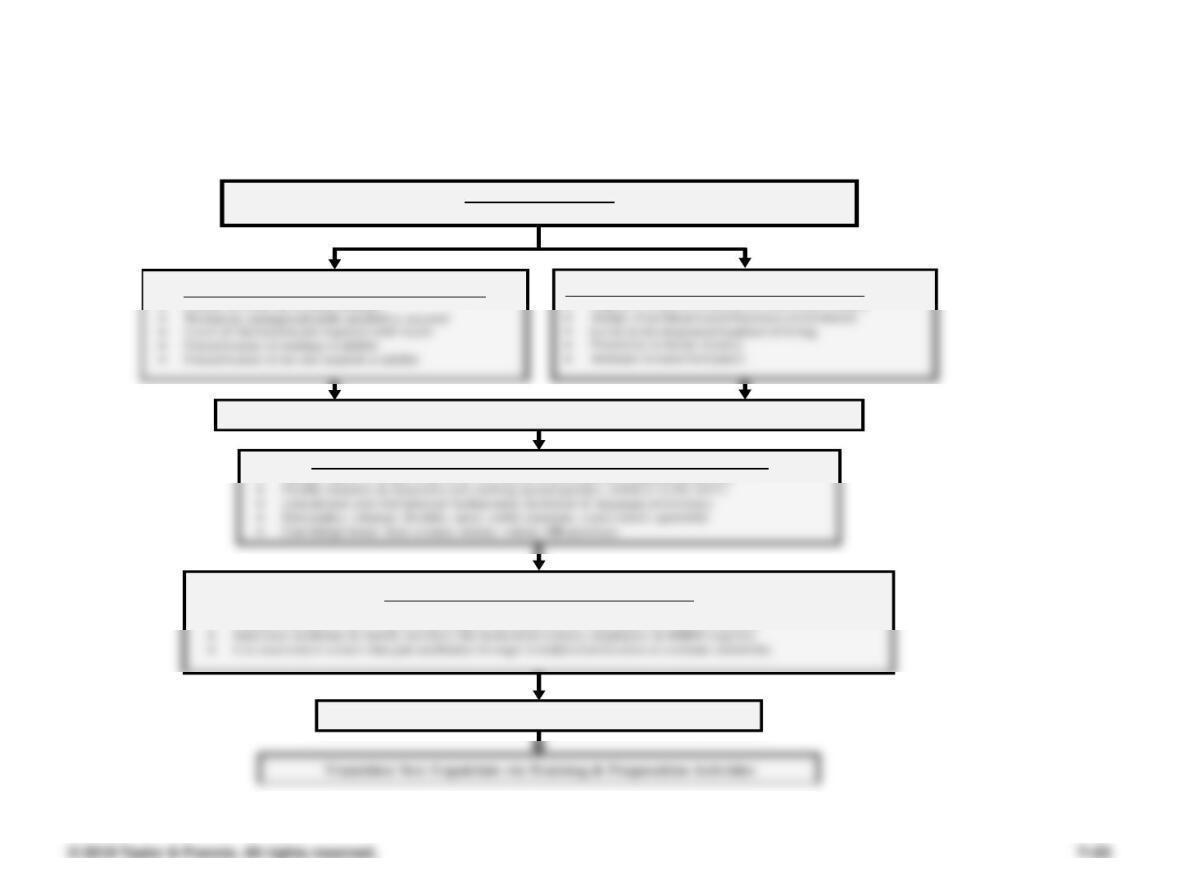
Figure 7.3 A Recommended Process for Effective Selection and
Evaluation of Potential Expatriates
Create Selection Team
(team should include home- and host-country representatives, IHRM experts)
Consider Candidate Factors That May Impact Expatriate Success or Failure
Establish Selection Criteria, Then Recruit Candidates
Apply Multiple Assessment Methods for Candidates
• Use assessment instruments that evaluate personal attributes, learned skills & competencies
Potential Expatriate Accepts Assignment Offer
Analyze Job/Firm Factors Relevant to Assignment
Analyze Location Factors Relevant to Assignment
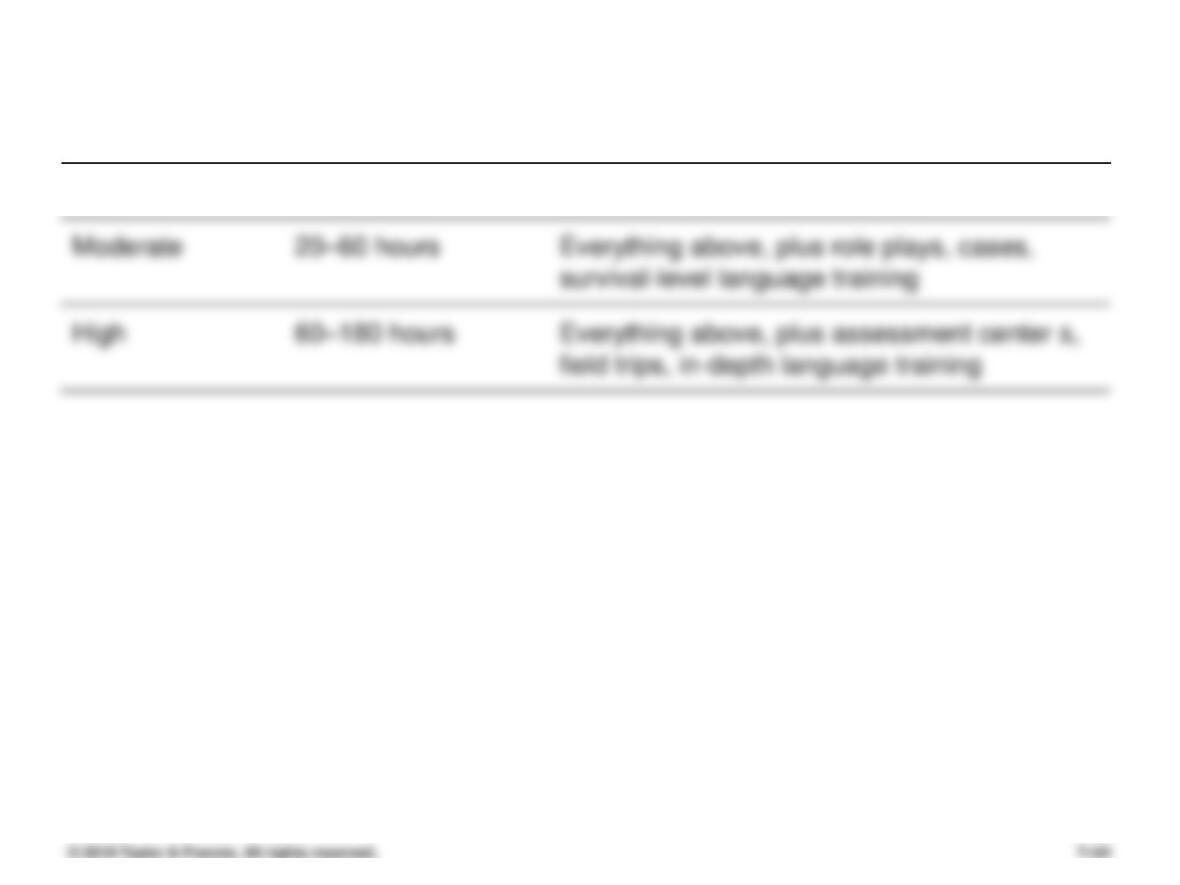
Table 7.4 Levels of Cross-Cultural Training Rigor
Level of Rigor Time Duration Activities Included
Low 4–20 hours Lectures, videos, area briefings
Coming Home: Repatriation Challenges
•Typical Problems of Returning Expatriates
➢Home feels foreign because of changes in the home
country (whether political, economic, or social)
➢Feels personally unappreciated by the company
despite success abroad
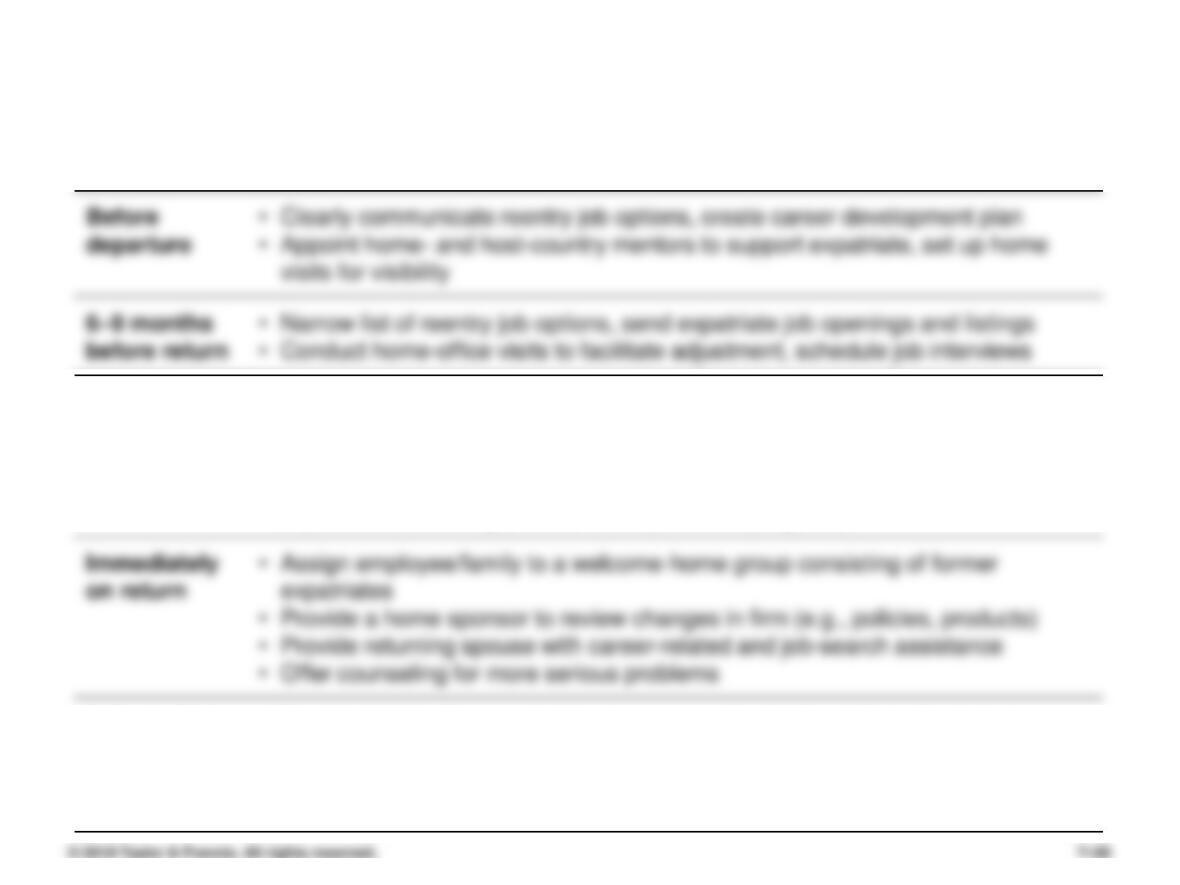
Table 7.5 Before, During, and After: Suggestions for
Improving the Repatriation Process
Time Frame Suggestions/Description
3–6 months
before return
•Conduct briefings with employee and family about what they’ve learned
•Describe home-country changes that may impact adjustment of expatriate and
family
•Ask expatriate to share return expectations to minimize misunderstandings
• Explain firm’s moving policies and repatriation programs
3–6 months
after return
•Provide training for reentry shock, any negative feelings about the return
•Ask employee how new skills and experience can be better used by the firm
•Reassess adjustment process to identify outstanding problems and offer
assistance
Seeking an International Career?
•What constitutes international experience?
➢Short- versus long-term assignments

Pursuing International Career Paths:
To Go or Not to Go
•Positive
➢Personal growth
➢Do interesting work
•Negative
➢Negative location
➢Unattractive job
Pursuing International Career Paths
•Do Your Homework
➢Identify potential multinational employers that offer
clear, well-defined, and personally appealing
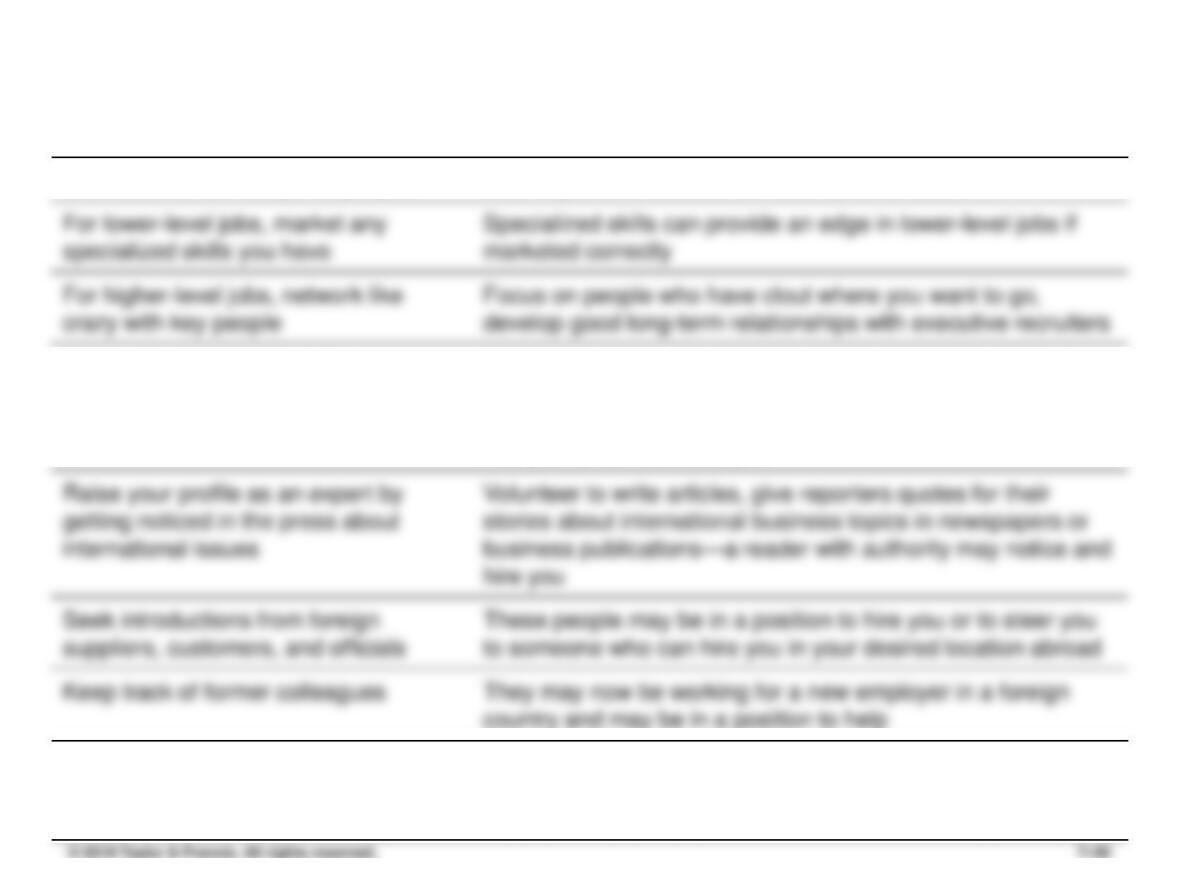
Table 7.6 Want an Overseas Job? Better Get Busy
Tips for Snaring a Job Abroad Explanation/Description
Learn additional foreign languages Multilingual professionals are always in demand
Seek out and get involved in
international professional groups to
raise your visibility
Attend international meetings, participate in global bulletin
boards, and speak at international conventions—these
provide opportunities to meet and impress people who might
hire you for an overseas job
Offer to pay for recruiting costs While offering to cover interview or even relocation costs is
expensive, it may impress a hiring manager overseas and
help you compete against local talent that is cheaper to recruit