Cultural Diversity in Teams:
Challenges and Solutions
•Using Cultural Diversity to Your Advantage
➢Having nationality diversity helps in managing
the complexities associated with market entry
strategy choices involving shared ownership.
Guidelines for Managing
Diverse Multicultural Teams
•Select the right people
•Explicitly recognize cultural differences
•Create a clear vision and mission
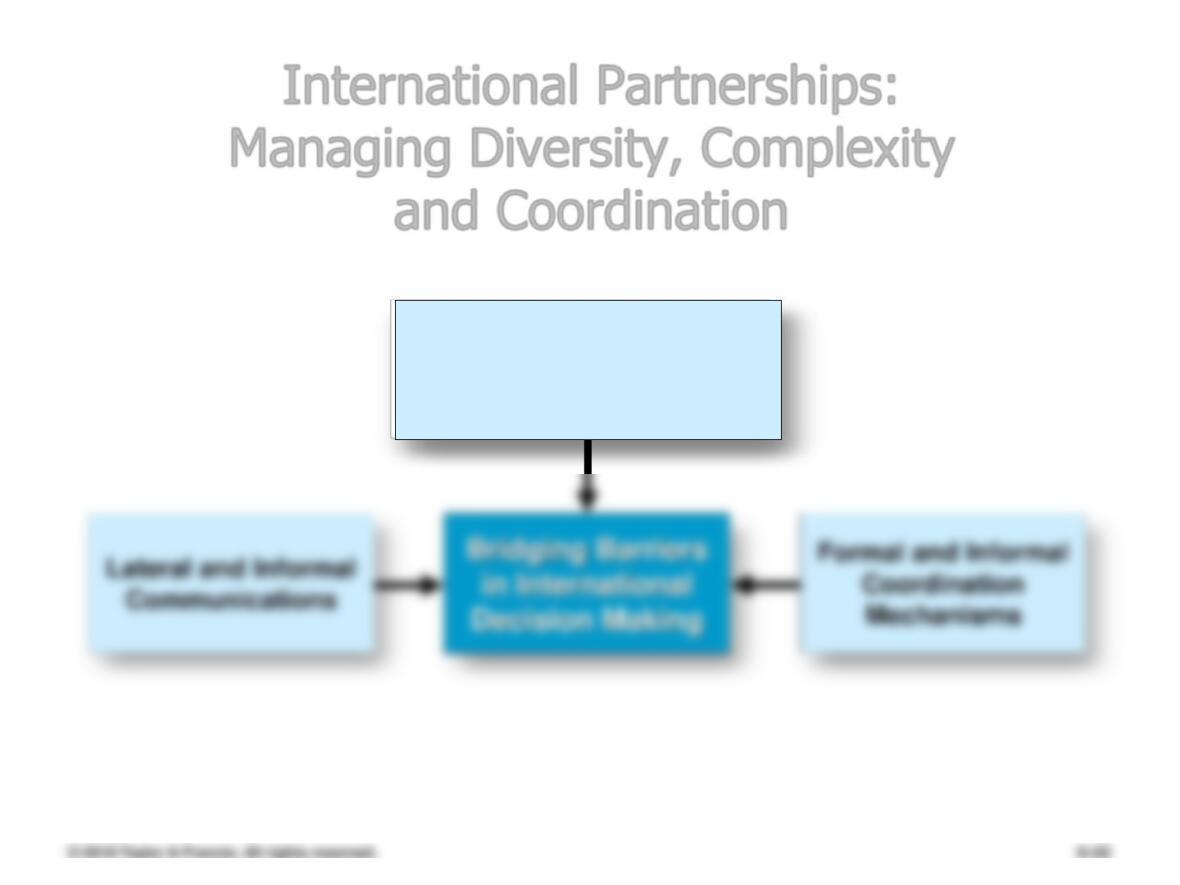
International Partnerships:
Managing Diversity, Complexity
and Coordination
Creating Buy-In with the
Strategy Development
Process
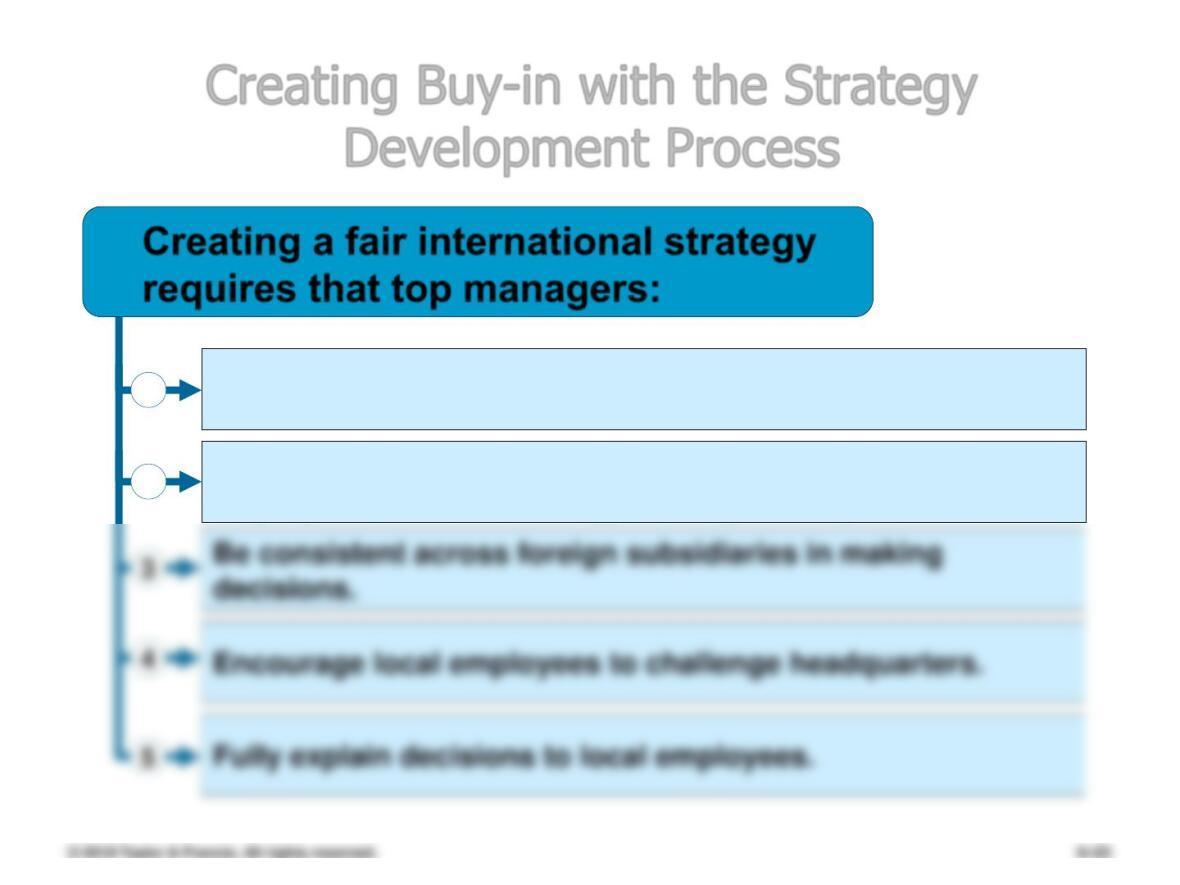
Creating Buy-in with the Strategy
Development Process
1
Maintain two-way communications with local subsidiary
employees while the strategy is being developed.
Creating a fair international strategy
requires that top managers:
Familiarize themselves with foreign operations.
2
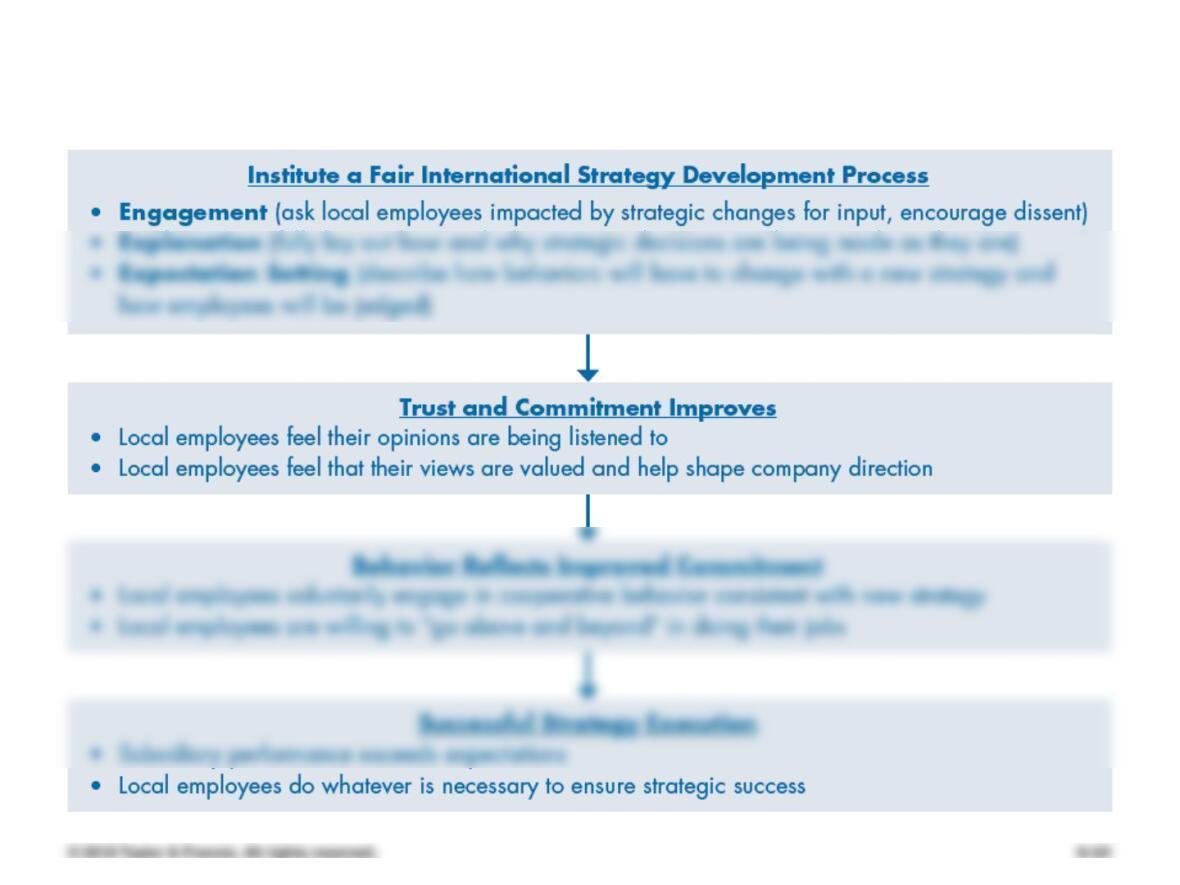
Figure 6.1 How a Fair Decision-Making Process Improves Strategic
Success in Foreign Subsidiaries

Table 6.5 Common Stages in the Process of Corporate
Internationalization
Stage Area of Concentration
Stage 1 Exporting
Stage 4 Multinational
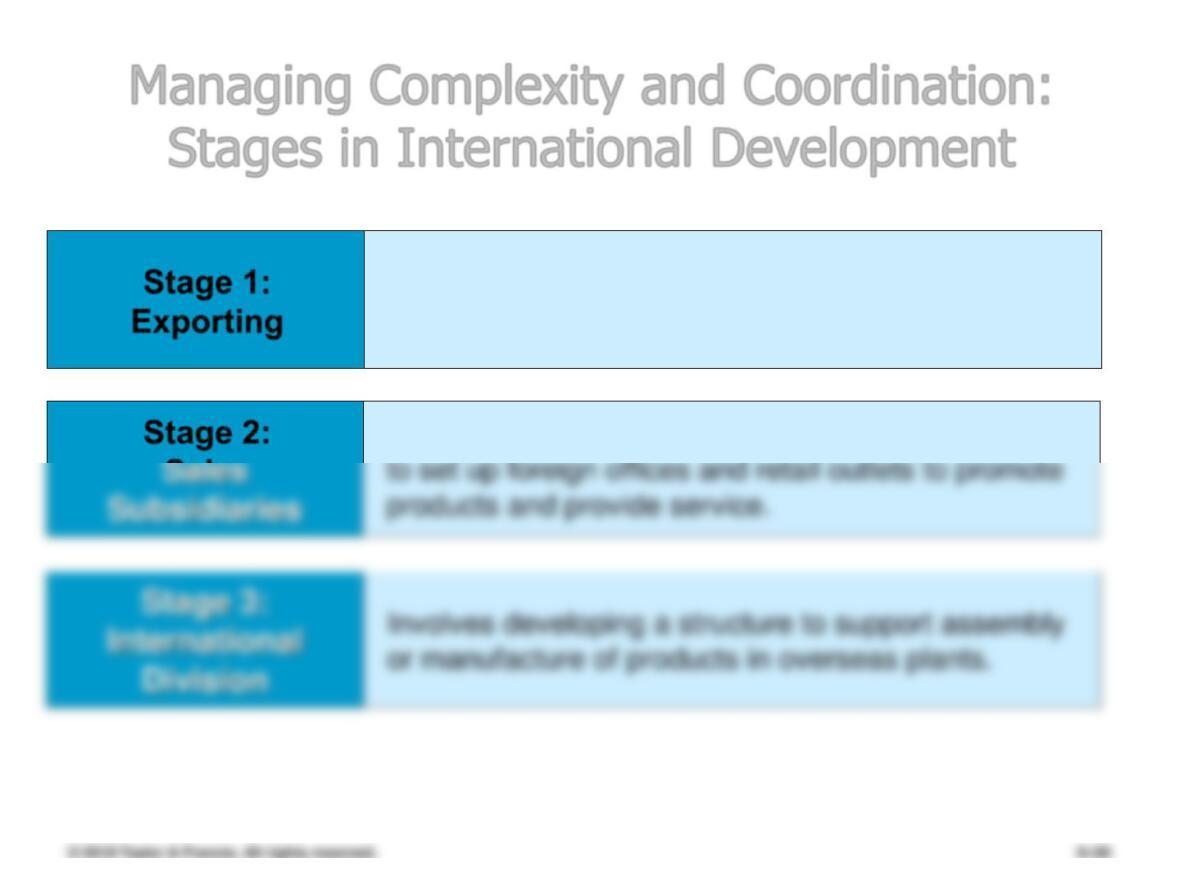
Managing Complexity and Coordination:
Stages in International Development
Stage 1:
Exporting
Stage 2:
Rely on an export manager or use consultants to
provide the expertise needed for export-related
activities (e.g., dealing with letters of credit).
Use distributors or representatives abroad
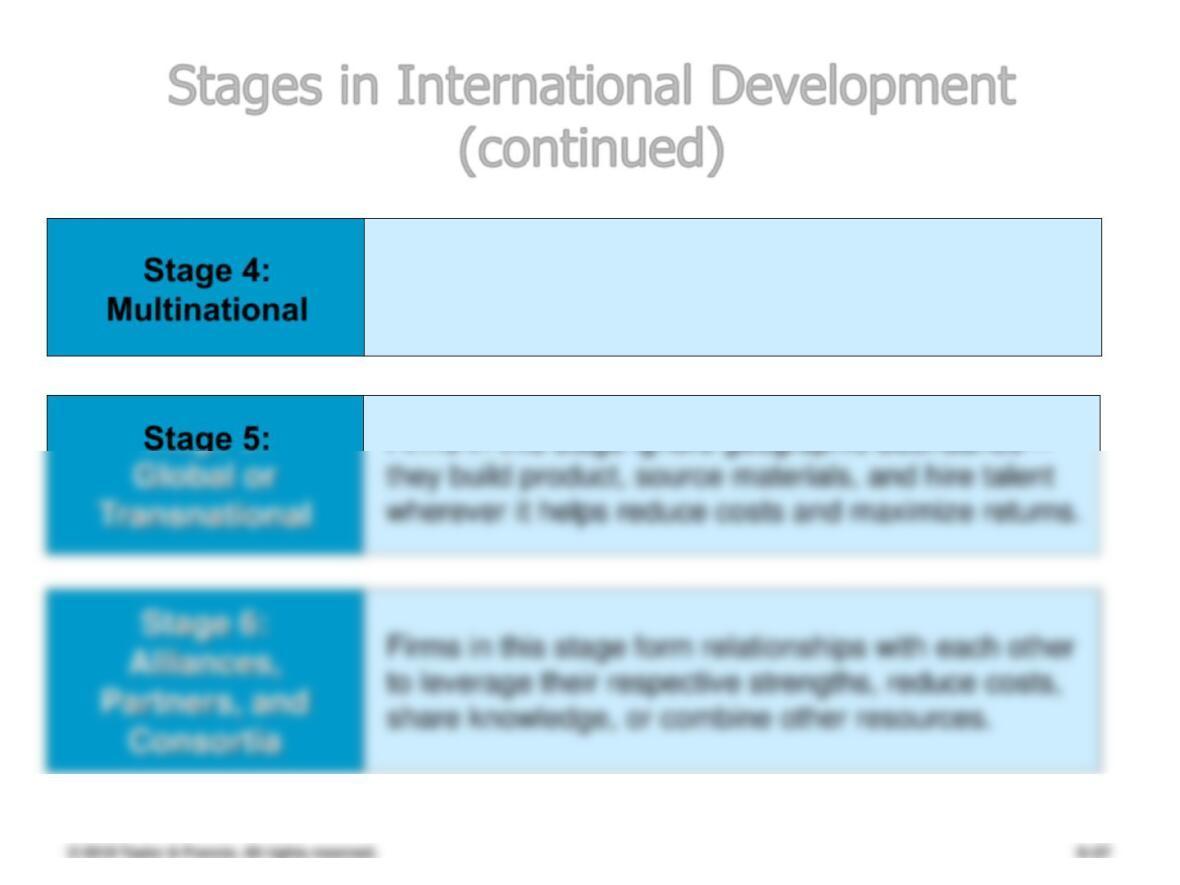
Stages in International Development
(continued)
Stage 4:
Multinational
Corporate headquarters shapes overall strategic
direction while relying on foreign outposts run by
employees who can best grasp local environment.

Multinationals from Developing Countries:
An Alternative Road
•Characteristics of Developing-market Firms
➢They internationalize fast.
➢They come from countries with tough home markets
that strongly resemble other developing markets.
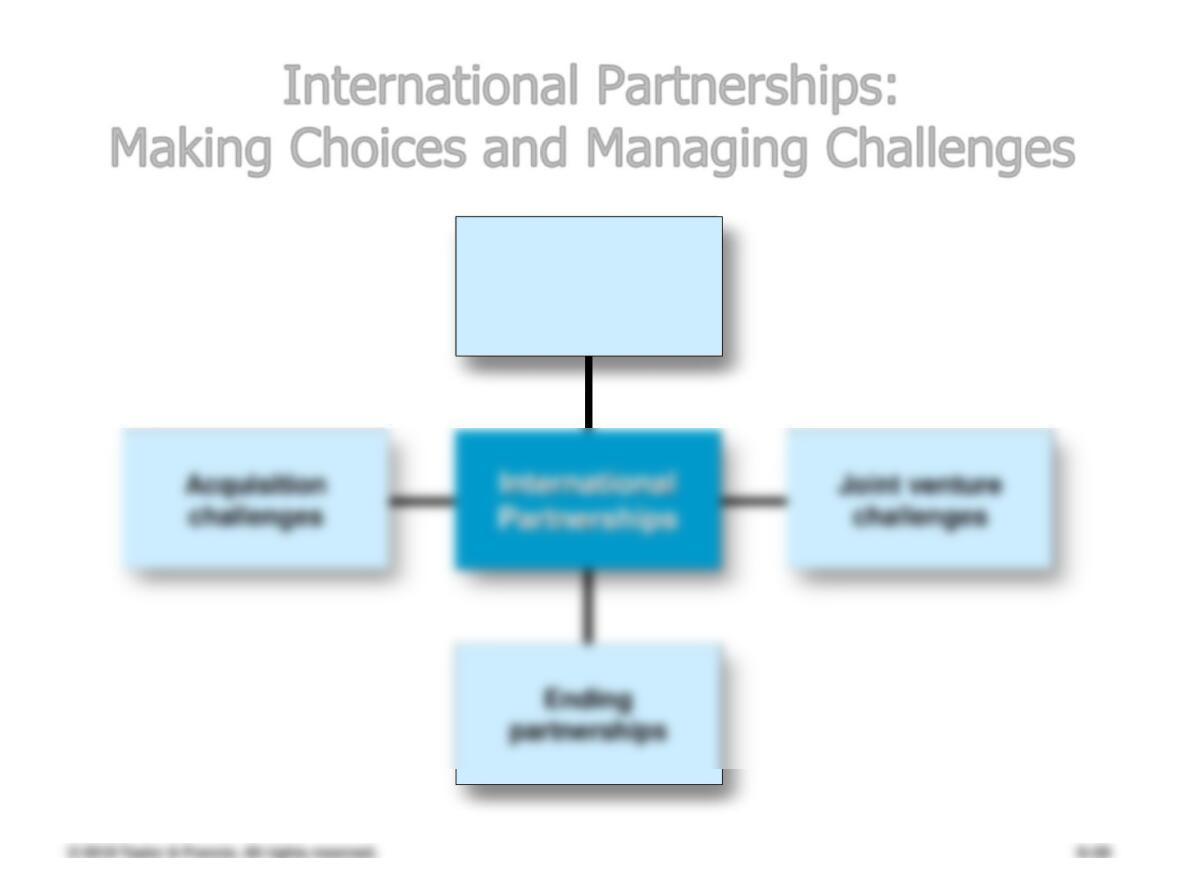
International Partnerships:
Making Choices and Managing Challenges
Choosing
(carefully)
international
partners
Table 6.6 Thinking about an International Partnership?
Issues to Consider
Issue Description
Determining whether a partnership
makes sense in the first place
Identify when, where, and why to form a
partnership; are the costs (e.g., time, less control)
worth it (acquired learning)?
Deciding how to best structure
a partnership
Create a structure that provides incentives for
success (contract or equity based)
Ending Partnerships
•Reasons for failed partnerships
➢Partner firm is in financial trouble
➢Partner firm has found a better partner
•Exit clauses in partnership agreements
should specify
➢Conditions allowing a partner to dissolve partnership
International Partnerships:
Acquisition Challenges
•Purchasing a State-owned Firm
➢Expense of acquisition
•Benefits of an Acquisition
➢More care taken in considering acquisition
International Partnerships:
Joint Venture Challenges
•Advantages of a Joint Venture
➢Cost and business risk sharing
➢Ease of entry into local markets
•Hazards of a Joint Venture
➢Cultural, partner motive, and managerial conflicts
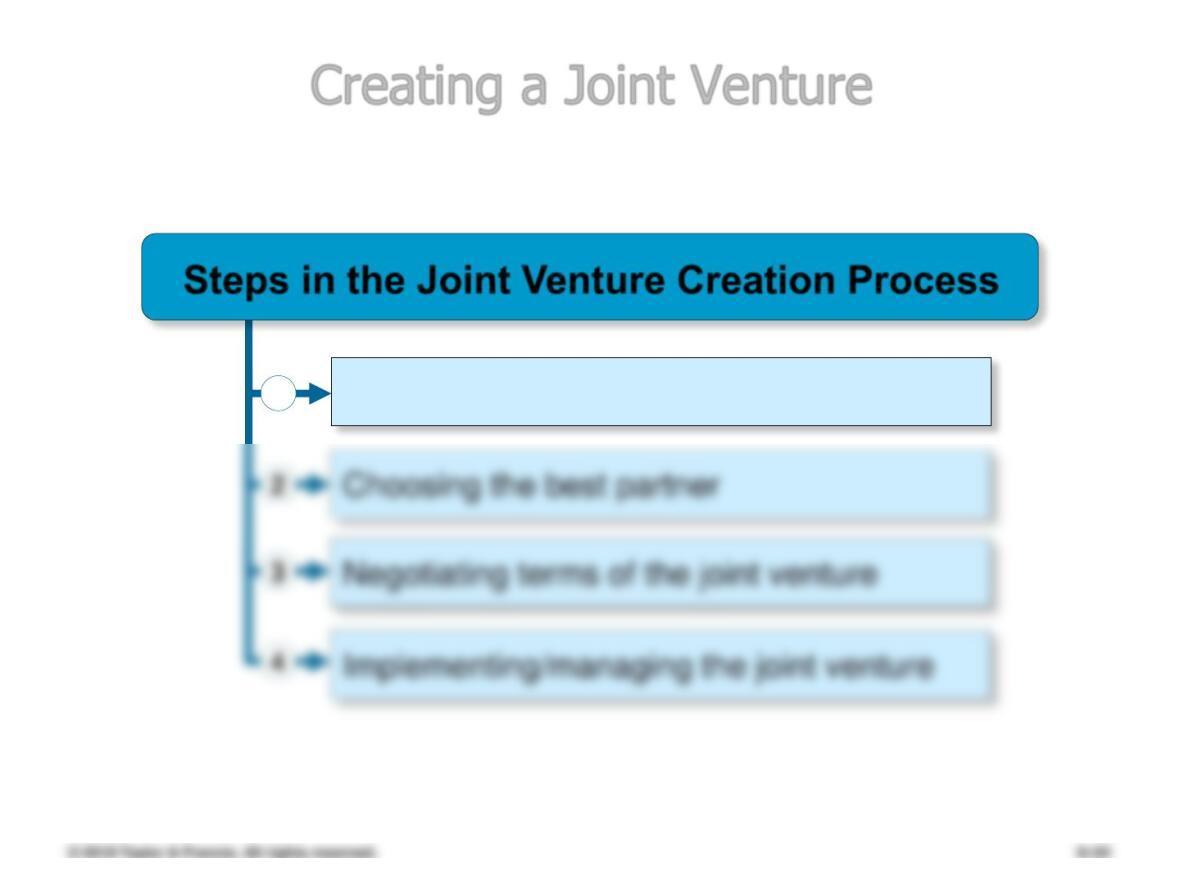
Creating a Joint Venture
1
Steps in the Joint Venture Creation Process
Evaluating the rationale for a joint venture
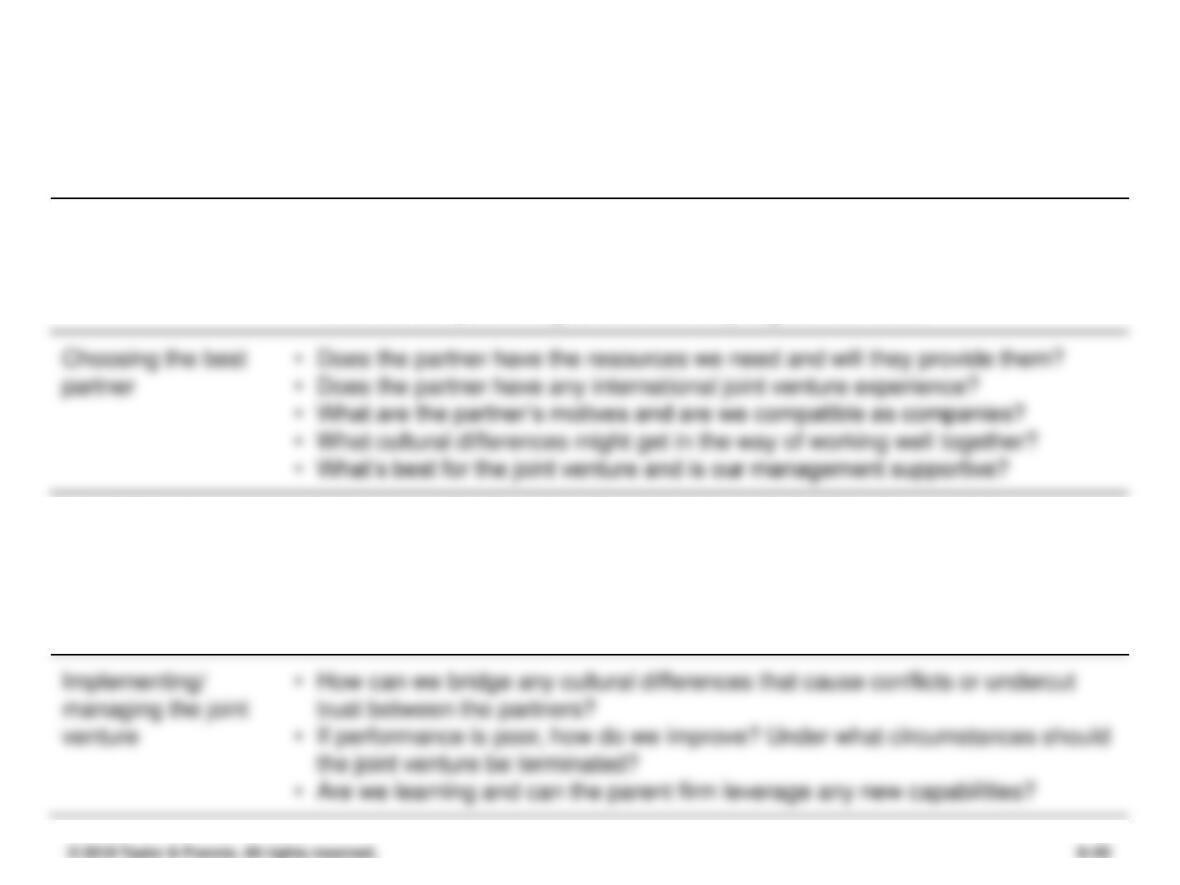
Table 6.7 Creating a Joint Venture: Process Steps and Key Questions
Joint Venture
Creation Steps Key Questions to Address
Evaluating the
rationale for a joint
venture
•What are our goals? Are we in this for the long haul or the short term?
•What resources are needed to achieve our goals and how do we get them?
•Is a joint venture really our best option? Are the benefits worth the cost?
• What are our partner’s goals and are they aligned with ours?
Negotiating terms
of the joint venture
•What are the business practices like where the joint venture will be?
•Who will manage the joint venture? How will performance be assessed?
• What equity split is appropriate? What’s most important to each partner?
•Are all assumptions on the table? Are any unresolved issues remaining?
•How should we handle disputes and the potential need to renegotiate terms?
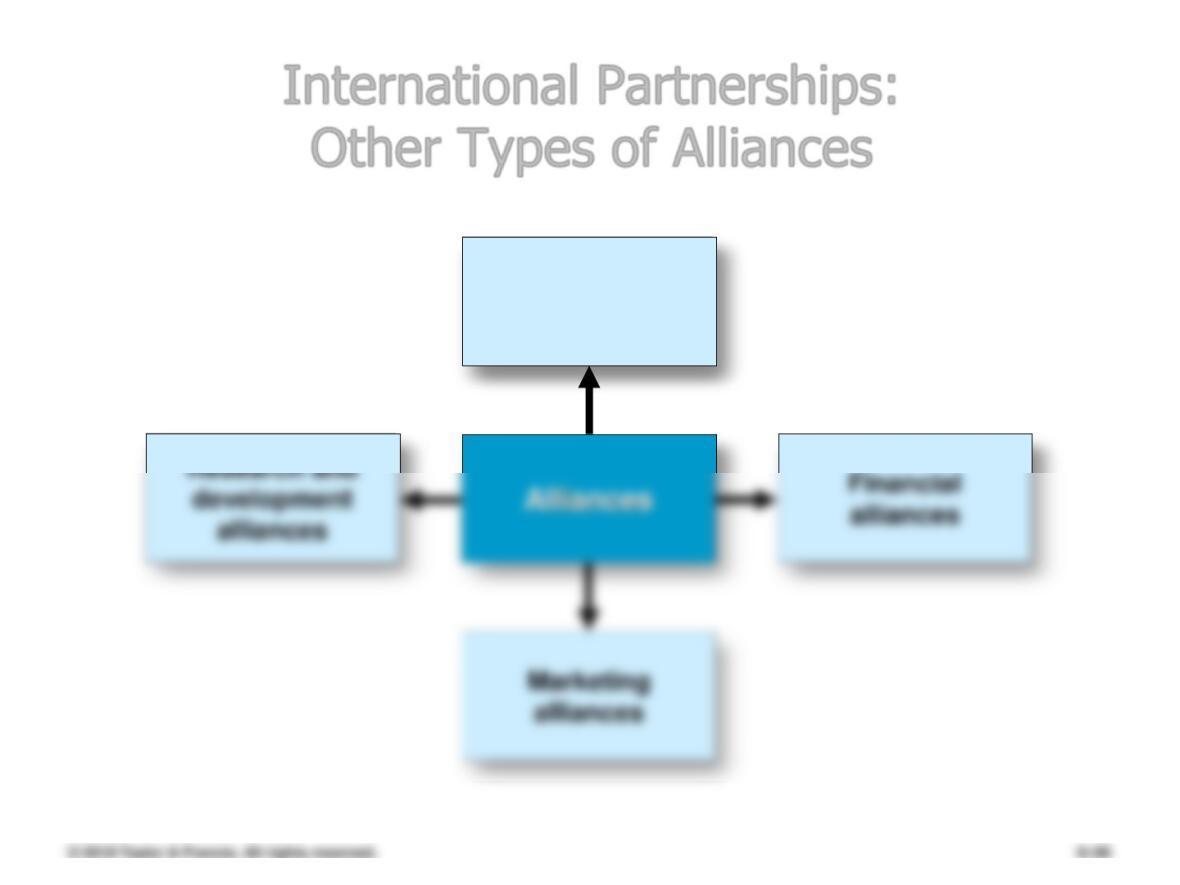
International Partnerships:
Other Types of Alliances
Production
alliances

Table 6.8 More Than Joint Ventures:
Other Types of International Alliances
Alliance Type Goals of the Alliance Partners
Production alliance Acquire complex manufacturing expertise and know-how
from partners, reducing the costs of production.
Marketing alliance Share services or expertise in marketing-related areas in
ways that generate additional profits for the partners.