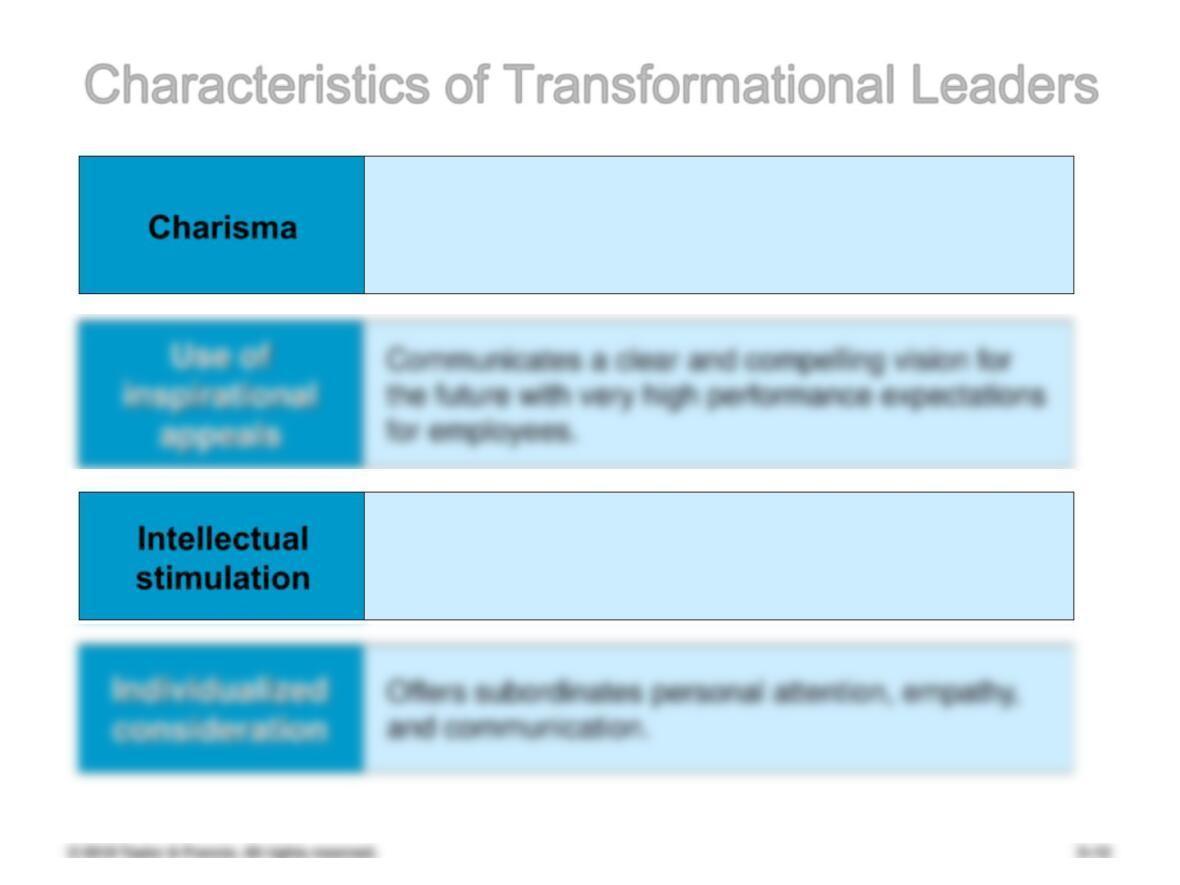
Characteristics of Transformational Leaders
Charisma
Intellectual
stimulation
Arouses intense emotions among followers based
on faith in and identification with the leader.
Challenges subordinates to think about new ways
to do things, overcome problems, and design
products as they pursue the leader’s vision.
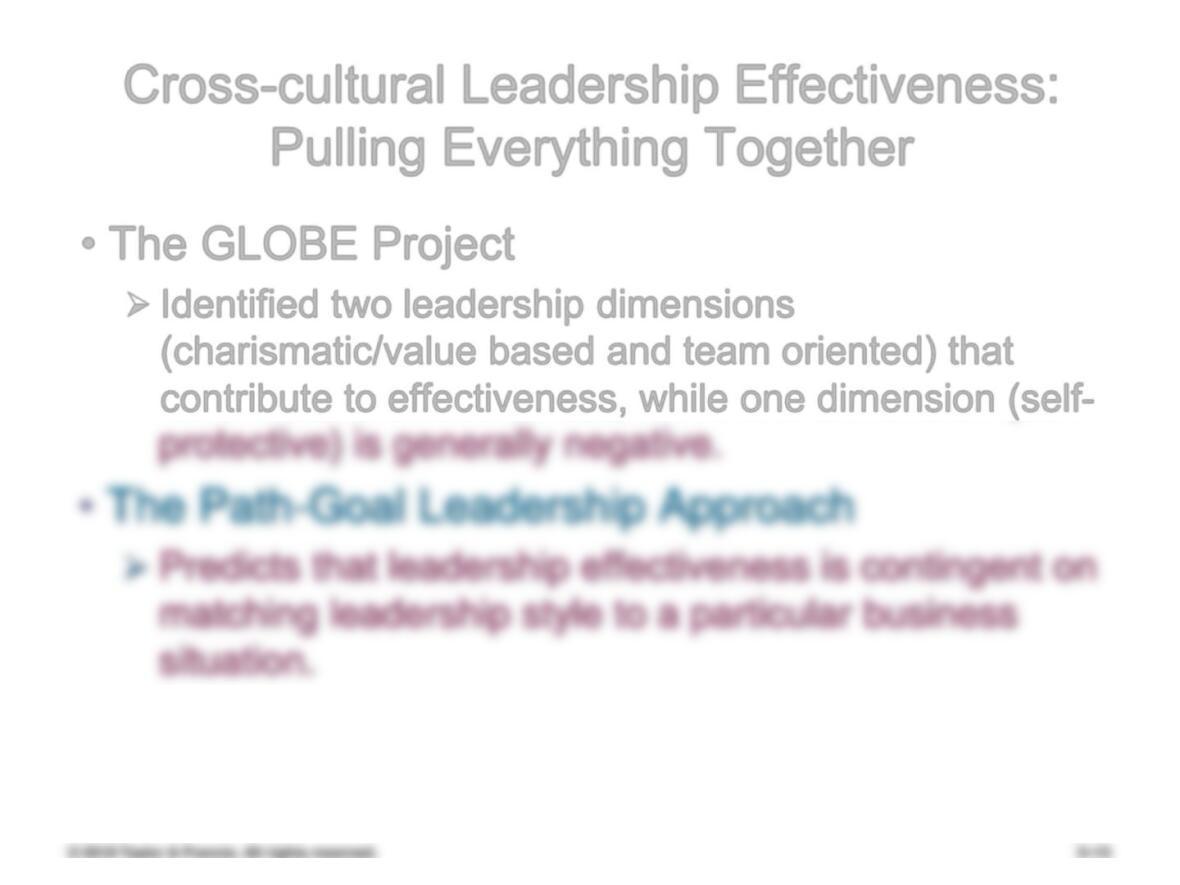
Cross-cultural Leadership Effectiveness:
Pulling Everything Together
•The GLOBE Project
➢Identified two leadership dimensions
(charismatic/value based and team oriented) that
contribute to effectiveness, while one dimension (self–
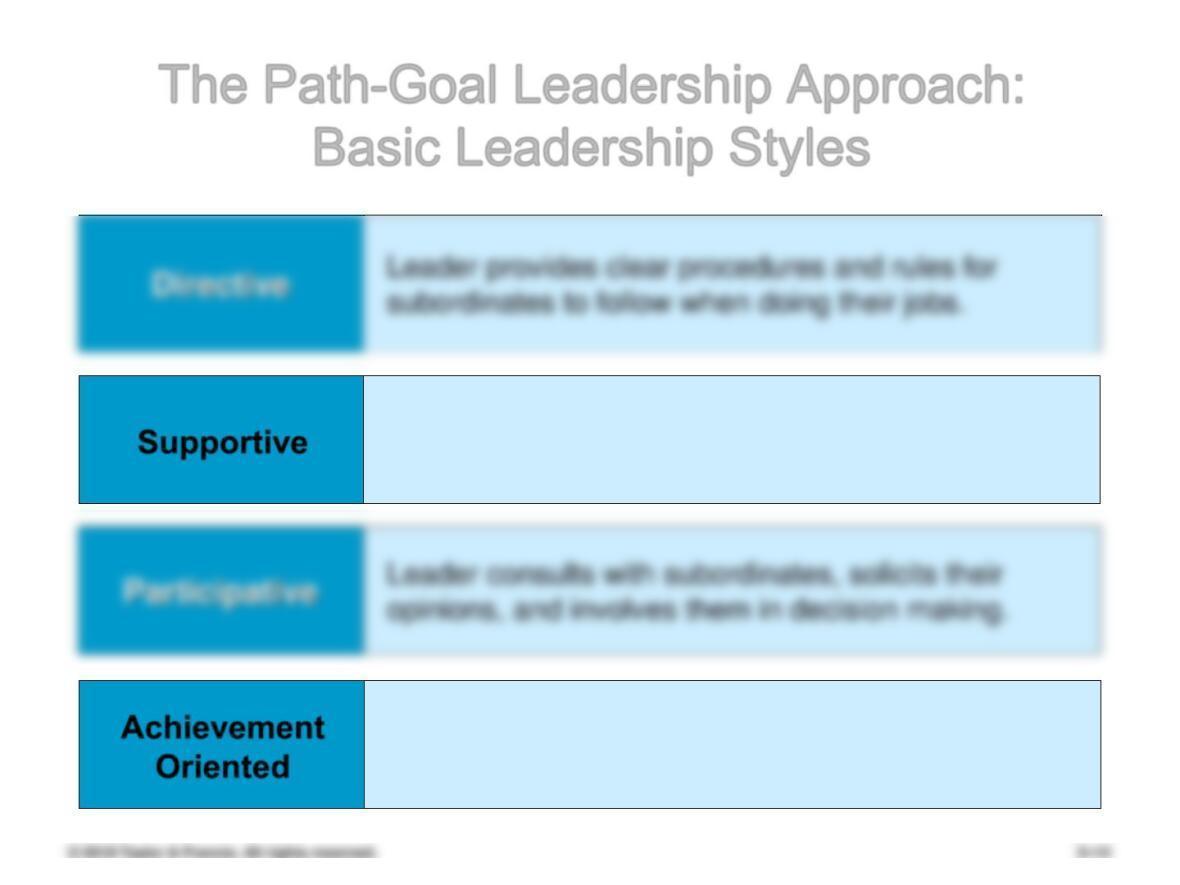
The Path-Goal Leadership Approach:
Basic Leadership Styles
Supportive
Leader focuses on subordinates’ needs and overall
well-being to maintain positive relationships.
Achievement
Oriented
Leader takes action to maximize subordinate
performance by setting lofty goals, providing
challenges, and emphasizing excellence.
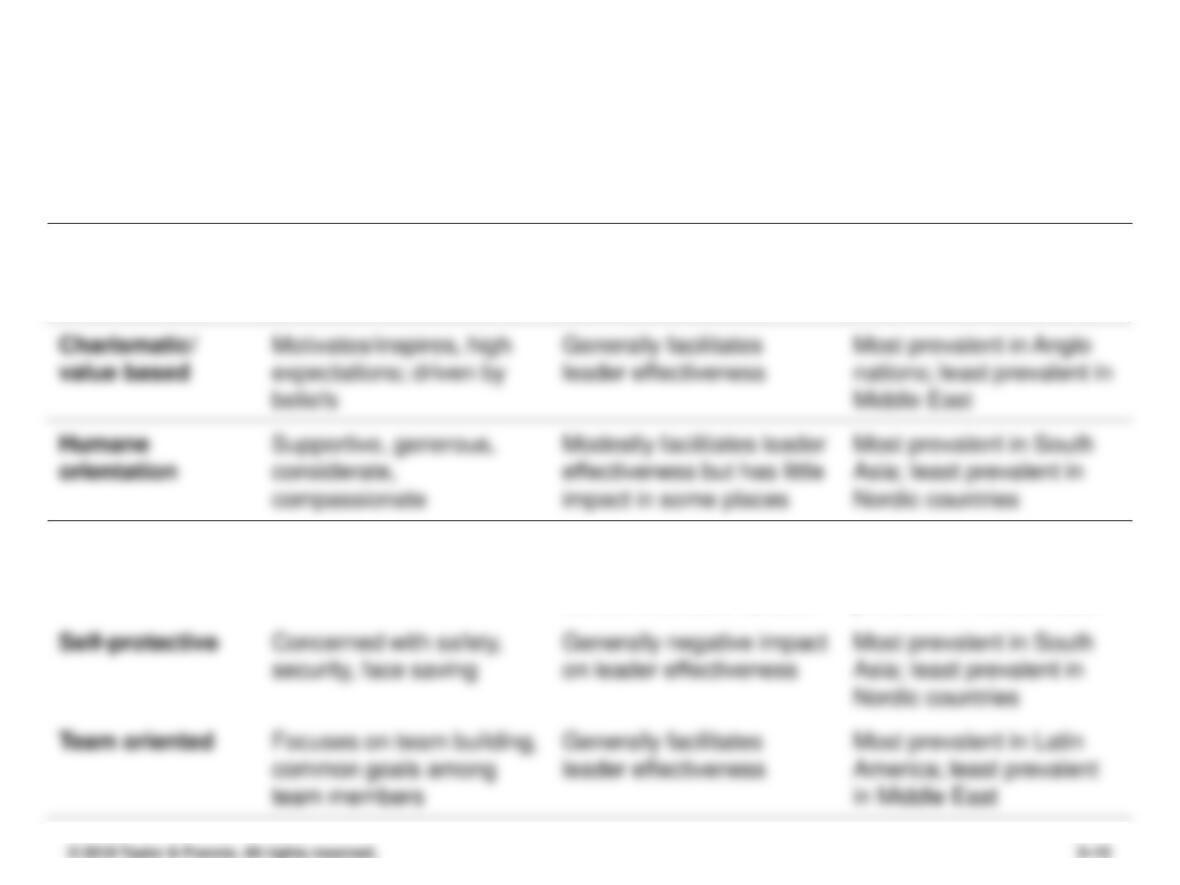
Table 5.2 Leader Behavior Dimensions: Effectiveness and Prevalence
across Cultural Boundaries
Leader Behavior
Dimension Description of Behavior
Effective across
Countries/Cultures?
Where Is Dimension
Most and Least
Prevalent?
Autonomous Encourages individualist
and independent behavior
Depends—ranges from
facilitating to impeding
effectiveness
Most prevalent in Eastern
Europe; least prevalent in
Latin America
Participative Involves others in making
decisions
Generally positive impact
on leader effectiveness
but considerable variation
Most prevalent in
Germanic countries; least
prevalent in Middle East
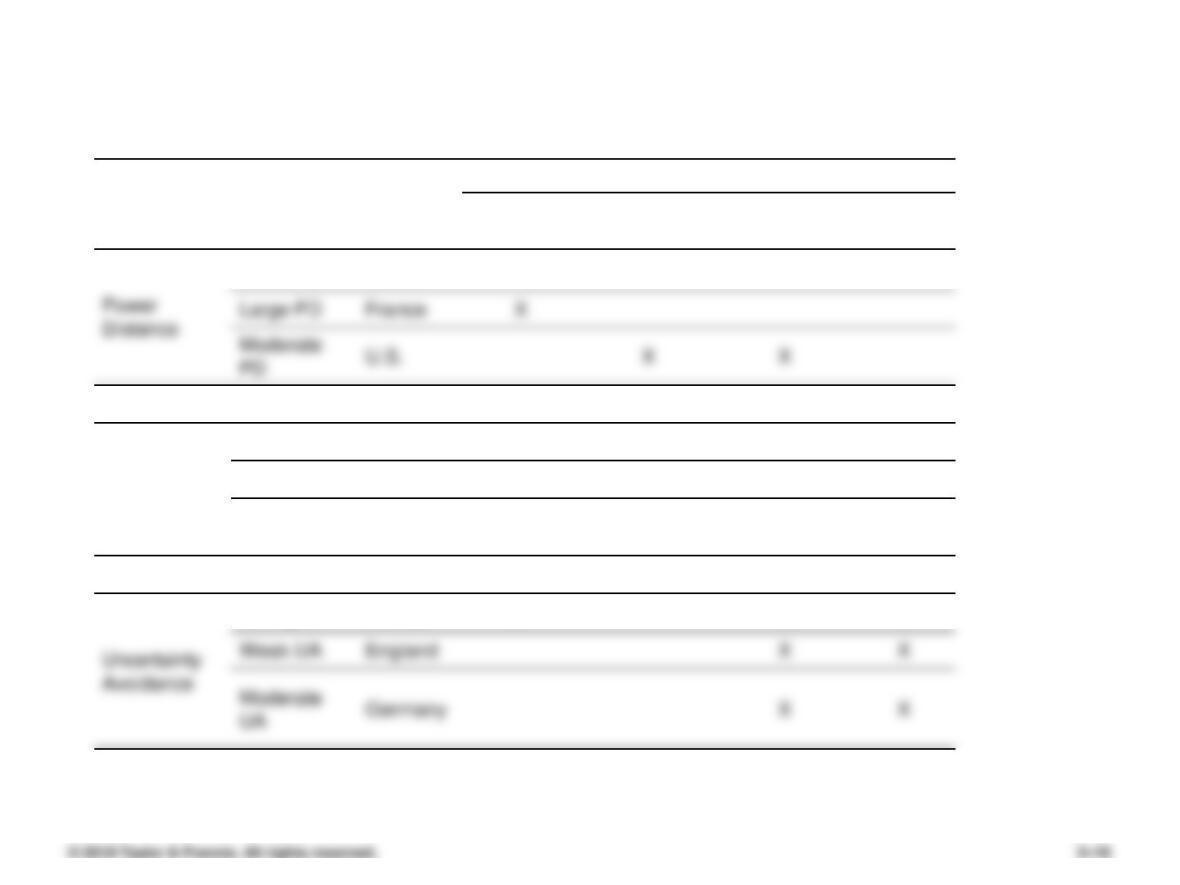
Table 5.3 Adding Cultural Contingencies to Path–Goal Theory:
Identifying Compatible Leadership Styles
Culture Dimension
Country
Example
Most Compatible Leadership Style
Directive Supportive
Participative
Achieve
ment
Power
Distance
France
Small PD
Sweden
X
Individualism
–
Collectivism
Collectivist
Taiwan
X X
Individualist
Denmark
X
Moderate
individualist
Argentina
X
Strong UA
Greece
X
Leadership Development in Multinationals
•Factors Accentuating Cultural Differences
➢Working for a multinational
•Developing International Leadership Skills
➢Early identification of aspiring international managers
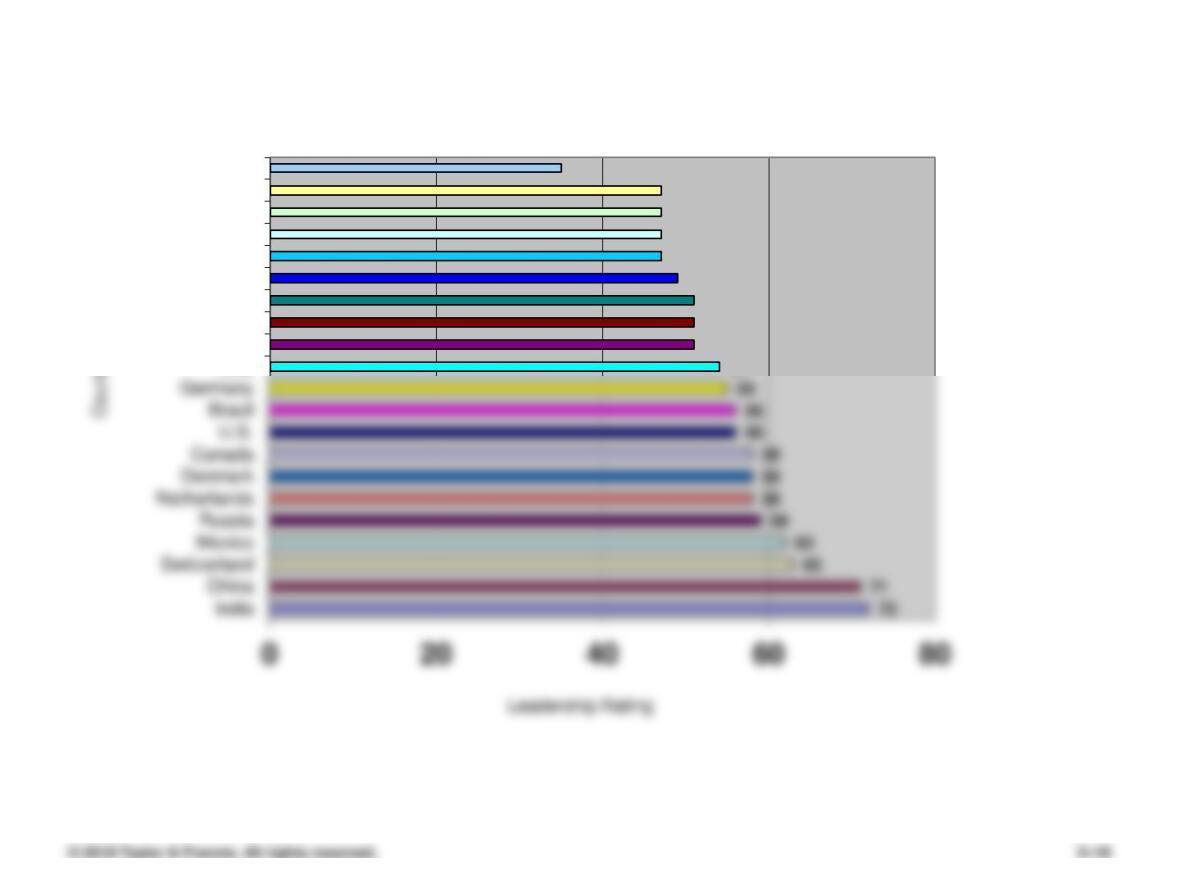
Figure 5.3 Ratings of Leadership Effectiveness across Country
51
51
51
49
47
47
47
47
35
Sweden
Spain
Australia
Saudi Arabia
U.K.
Italy
France
Finland
Japan
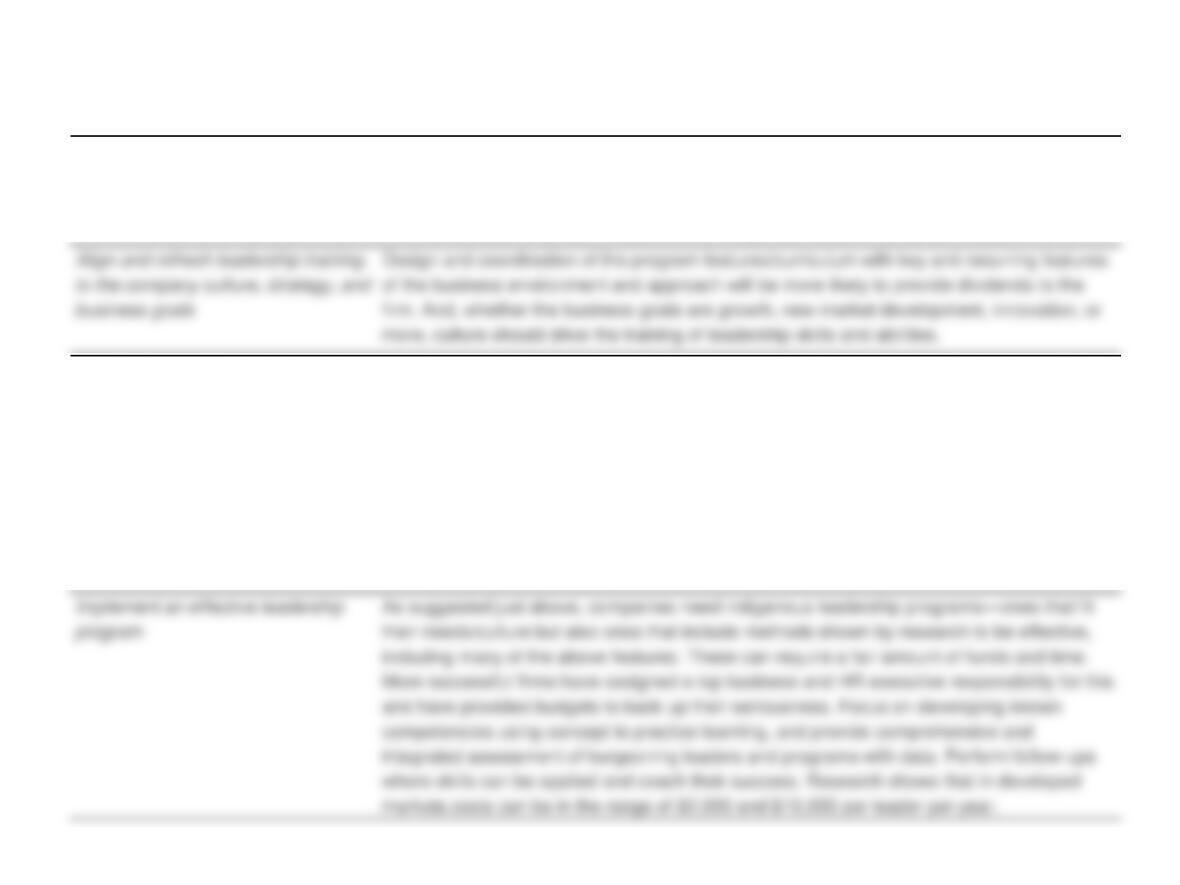
Table 5.4 Some Hard Truths about Soft Skills: Suggestions for Building a
Global Leadership Pipeline
2017 Taylor & Francis Group. All rights reserved. 5–19
Get the CEO/top executives’
commitment (and other “champions”)
for the program
This will go a long way toward the success of any program, but especially one that doesn’t
appear clearly on an income statement. Plus, many should recognize the value of
leadership skills and might wish to be directly involved in addressing the leader gap. Ideally,
actual involvement by executives in the training would add credibility and value.
Focus on key aspects of developing
leaders
•
Develop leaders at all levels of the organization. This not only trains for the long run,
but is a recognition that companies are ‘run’ (they carry out strategy at the tactical
level, make the products and manage others that do too, so invest in them);
•
This also means the company should create a succession mindset. And, this doesn’t
happen quickly and only to a select few. The horizon for a program should be years,
not weekends or months and should be continuous;
•
Develop global leaders locally. Development through expensive and extensive
expatriate experiences is only one (expensive) method. Local development from the
ground up should be a part of each managers’ performance evaluation.
Table 5.5 Comparing Transnational and Traditional Skills
for International Managers
Skill/Development
Area
A “Transnational”
Manager …
A “Traditional” International
Manager …
World view Understands the business
environment from a global
perspective
Focuses on managing relationships
between headquarters and a single
foreign country
Ability to adapt Able to transition effectively to
living in a variety of foreign
cultures
Able to adapt to living in a single foreign
culture
Cross-cultural
interaction
Uses cross-cultural interaction
skills daily
Uses cross-cultural interaction skills
mainly on foreign assignments
Table 5.6 Individual and Corporate Suggestions for
Developing Transnational Leadership Skills
Suggestions for Individuals Description/Explanation
Be open emotionally and
intellectually to new international
experiences
A key skill to develop is tolerance for ambiguity;
consequently, treat international experiences as
learning opportunities
Grab opportunities to meet foreign
colleagues face-to-face
Video conferences save money, but there’s no
substitute for face–to-face interaction, either in
learning or building relationships
Table 5.6 Individual and Corporate Suggestions for Developing
Transnational Leadership Skills (continued)
Suggestions for Corporations Description/Explanation
Make sure leadership development
and key human resource practices
are aligned
Building international skills into appraisal and
promotion processes reinforces the value of
international development
Make senior executives responsible
for international leadership
development
Top management is in the best position to build
visible and influential support for international
development efforts