
Part II: Leading People and Teams
across Cultural Boundaries
CHAPTER 4
Motivating
Employees
across Culture
and Borders
One Size Fits Some
•What is motivation?
➢It is the art of getting people to do what you want
them to do because they want to do it.
•Why is motivation necessary?
Motivation Across Borders
•Motivating across borders or cultural contexts
complicates matters due to:
➢The focus of Western motivation approaches that
typically reflect the person-focused values and goal-
driven beliefs of those cultures.
Western Motivation Concepts
Applied to Other Cultures
•Content-based Theories of Motivation
➢Focus on employees’ needs and thoughts as the key
energizers of employee behavior.
❖Maslow’s hierarchy of needs
❖Herzberg’s two-factor theory
Western Motivation Concepts
Applied to Other Cultures
•Maslow’s Hierarchy of Needs
➢Physiological needs
➢Safety needs
➢Social needs
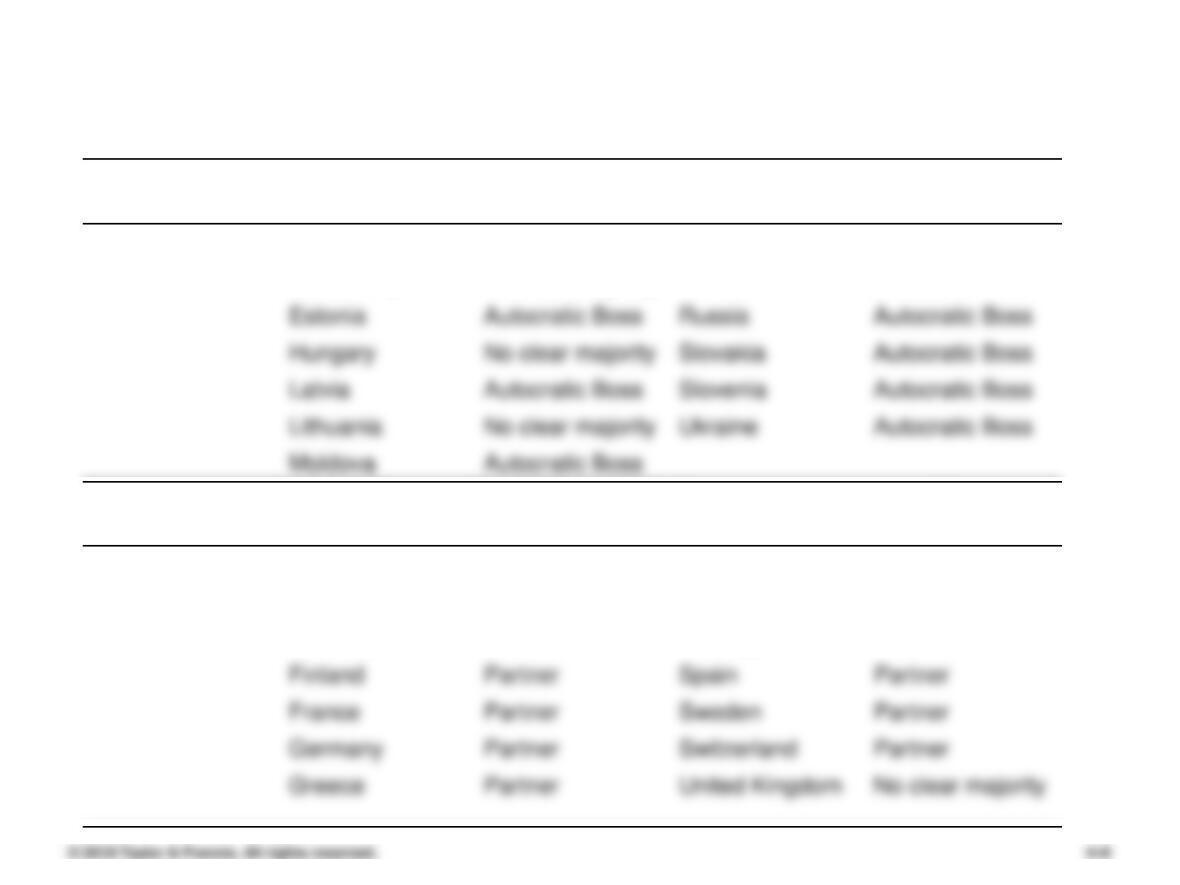
Table 4.1 Partner or Boss? How Employees in European Countries
View their Supervisors
Country
View of
Supervisor
Country
View of
Supervisor
Eastern European
Countries
Belarus
Autocratic Boss
Poland
Autocratic Boss
Czech Republic
No clear majority
Romania
Partner
Estonia
Russia
Hungary
Slovakia
Autocratic Boss
Autocratic Boss
Country
View of
Supervisor
Country
View of
Supervisor
Western/Northern
European
Countries
Austria
Partner
Ireland
Partner
Belgium
Partner
Netherlands
Partner
Denmark
Partner
Norway
Partner
Spain
Western Motivation Concepts
Applied to Other Cultures
•Herzberg’s Two-Factor Theory
➢Hygiene factors are extrinsic aspects of the workplace
•Cross-cultural Applicability
➢Factors and motivators in Herzberg’s theory do not
function in the same way in other countries’ cultures
Western Motivation Concepts
Applied to Other Cultures
•Reinforcement Theory
➢Posits that the best way to motivate is to clearly link
valued consequences to desired behaviors.
•Cross-cultural Applicability
➢Reinforcement approaches may have to be modified
Western Motivation Concepts
Applied to Other Cultures
•Expectancy Theory: Tying Goals to Rewards
➢Effort leads to good performance.
•Cultural Assumptions of Expectancy Theory
➢An emphasis on individualist and masculine values
that focus on tasks rather than relationships
Western Motivation Concepts
Applied to Other Cultures
•Equity Theory
➢Proposes that if employees perceive that they have
been treated unjustly, they are motivated to restore a
sense of fairness.
•Applying Equity Concepts across Cultures
➢Fairness is defined, interpreted, and assessed
Linking Culture and Equity-based Rewards
•Equity–Equality Preferences Research Findings
➢Employees in collectivist cultures are likely to use
equity norms when rewards promote group
cohesiveness (a more collective outcome/value).
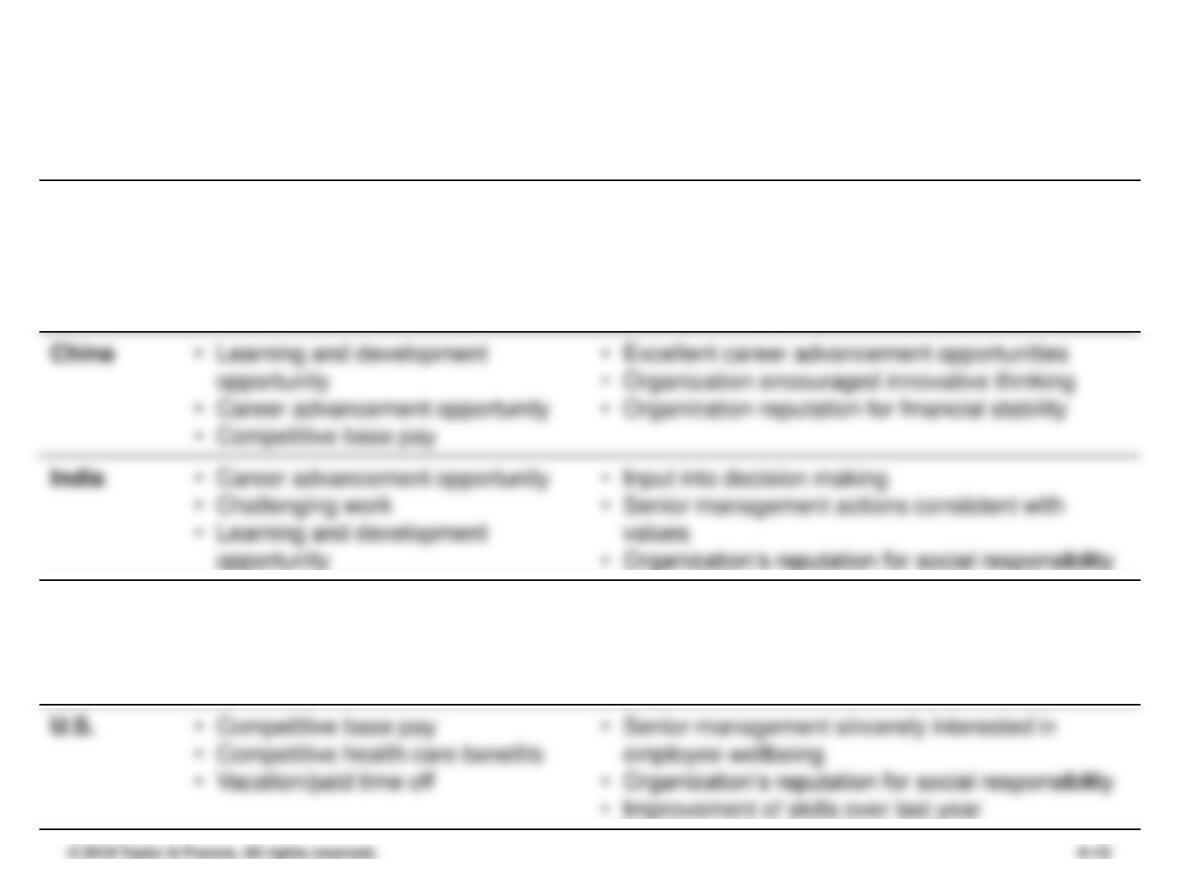
Table 4.2 What Drives Attraction to a Firm and Engages Employees
Once They Are There?
Country Top 3 Attraction Drivers Top 3 Engagement Drivers
Brazil •Competitive base pay
•Career advancement opportunity
•Challenging work
•Organization rewards outstanding customer
service
•Improvement of skills over last year
•Senior management sincerely interested in
employee wellbeing
South
Korea •Competitive benefits
•Competitive base pay
•Reputation of organization as good
employer
• Senior management ensures organization’s long–
term success
•Unit has skills needed to succeed
•Organization supports work–life balance

Advice to International Managers
Attempting to Use the Equity Approach
•Develop both cultural self-awareness and
cross-cultural awareness such that you:
➢Think through how your own cultural values might
affect your use of equity rules in doling out rewards.
Conclusions about Motivation
across Cultures
•Developing a motivation strategy that
complements rather than conflicts with
a specific culture requires:
1. Describing the motivation situation.
2. Identifying cultural assumptions about motivation.