
Part 1: The Role of Culture
in Organizational Behavior
CHAPTER 3
Managing
Conflict with
Effective
Communication
and Negotiation
Good Communication Is Crucial
in International Business
•Reasons for Communication Problems
➢Urgent matters can interfere with communication.
➢Communications can come in many different forms.
Verbal/Spoken Communication
•Features of the World’s Languages
➢There are thousands of distinct languages with an even
larger number of dialects.
➢Ten languages account for most communication on the
planet.

Speaking (and Not Speaking)
Other Languages
•Language Challenges in Business
➢The choice of which second language to learn
➢Learning to communicate and negotiate in another
country’s language
Table 3.1 Indices of Global Language Influence
Language
Number of Countries
in Which Language
was Spoken Language
Overall Influence
of Language
English 115 English 37
Russian 16 Arabic 14
German 9 Chinese 13
Chinese 5 German 12
Overall influence is defined as the weighted sum of six factors (e.g., number of total speakers, economic
power of countries using the language, socioliterary prestige, etc.).

Global Impact of the English Language
•Reasons for the Predominance of English in
International Business Transactions:
➢The size of the American economy and the global
reach of U.S. multinationals
Communicating in Foreign Languages:
Plenty of Room for Error
•Lack of foreign language skills is a disadvantage
in international business.
•Common errors:
➢Assuming that what was intended to be
communicated is what was understood
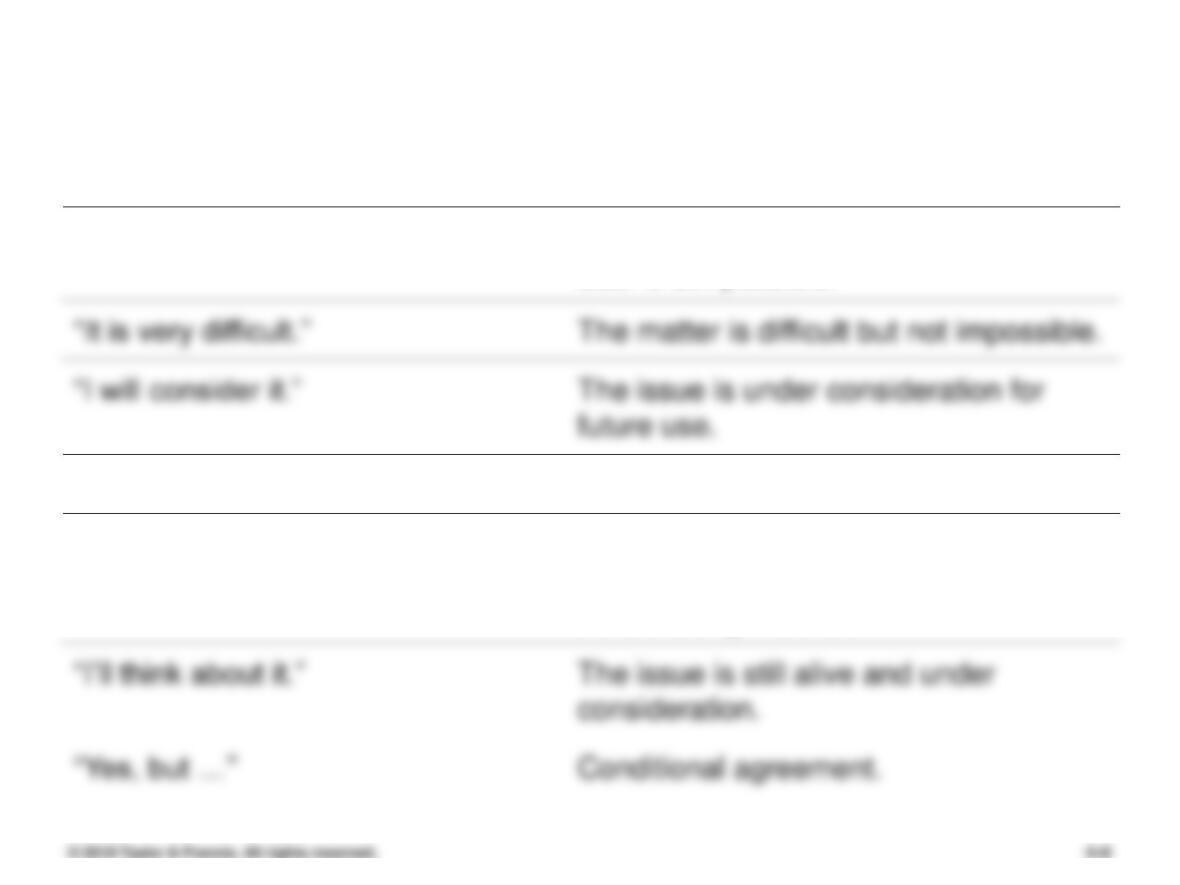
Table 3.2 How to Say “No” in Japanese
Phrase That Really Means No
A Common but Incorrect
U.S. Interpretation
“That would be very hard to do.” Some adjustments are needed, but the
deal is still possible.
“We shall make efforts.” Energy will be put into exploring options.
Silence or delay in response. The other party is thinking about the
topic or is offended by our message;
time is being wasted.
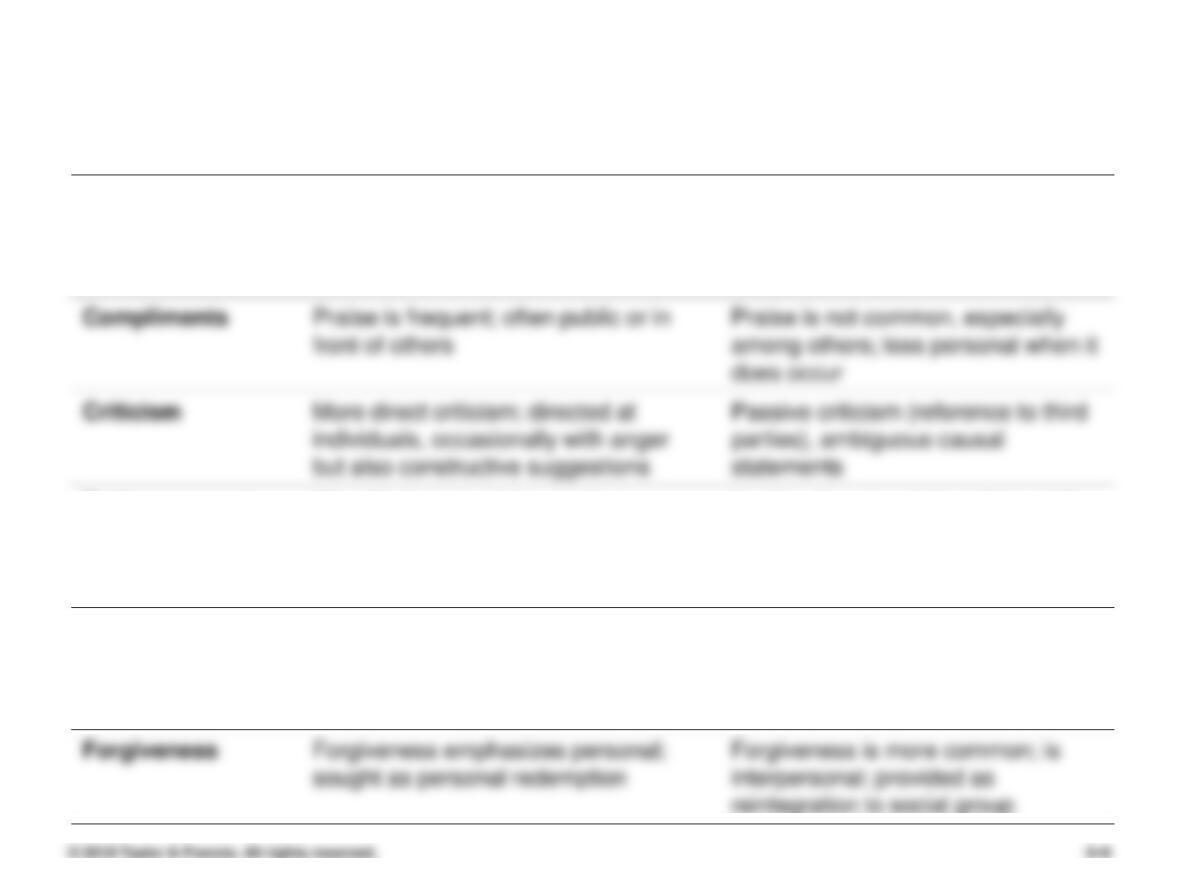
Table 3.3 Differences in the Approach to Common Communication Issues
Communication
Dimension American (Individualistic) Japanese (Collectivistic)
General approach Blunt, to the point, explicit, direct; not
great at picking up “clues” from others;
more self-focused
Subtle, point is made deftly, implicit,
indirect references; much better at
monitoring others and oneself in
relation to others
Embarrassment More likely to involve out-group
members (acquaintances, friends of
friends, strangers); temporary
awkwardness
Involves in-group interactions (with
family, friends, coworkers); more
likely to feel longer-lasting shame
Apology/regret Apologies done directly but not as
intense as Japanese, and with
justifications and explanations offered
for behavior
Apologies also done directly and
extensively, without offering
explanations and reasons for
actions
Written Communication
•Communicating in Writing
➢Options for crafting the message
❖Hiring someone with writing expertise and knowledge of the
language to transcribe thoughts and directions
➢Problems with outside assistance
❖High volume of communications
Written Communication (continued)
•Electronically Delivered Messages
➢These can create large quantities of daily
communications.
•Adoption and Use of Communication Venues
➢Adoption is negatively correlated with collectivism,
uncertainty avoidance, and power distance.
❖High-context cultures prefer rich communication methods
that incorporate background information.
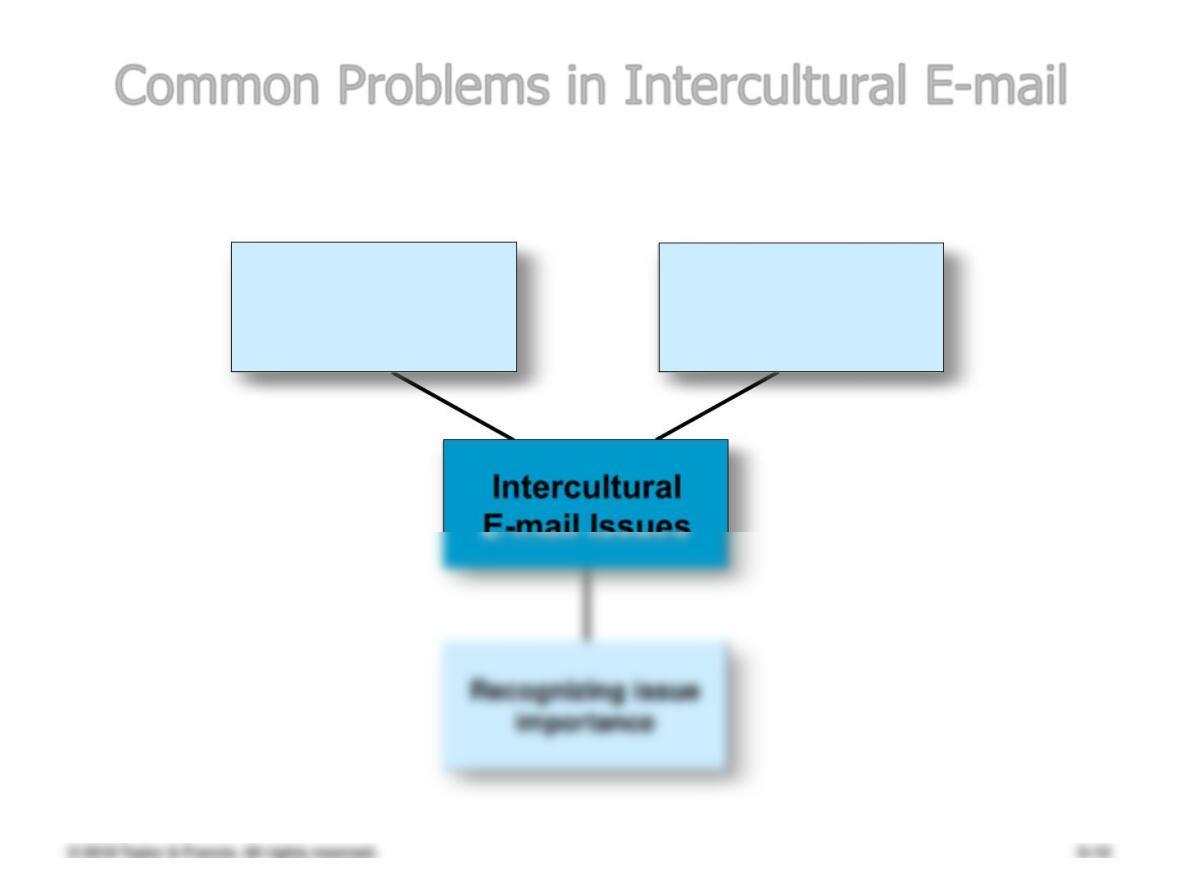
•Intercultural E-mail
Issues
Common Problems in Intercultural E-mail
Intercultural
Use of
jargon
Understanding
urgency of requests
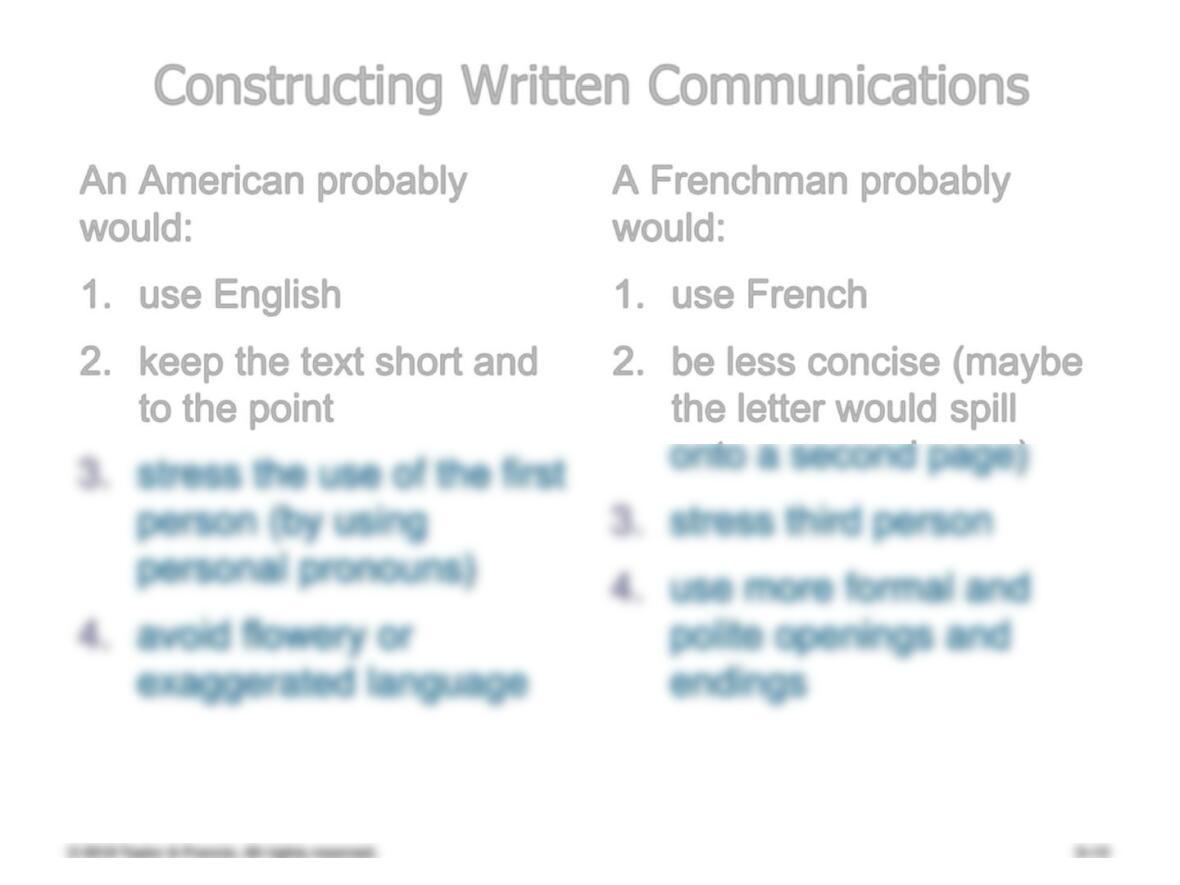
Constructing Written Communications
An American probably
would:
1. use English
2. keep the text short and
to the point
A Frenchman probably
would:
1. use French
2. be less concise (maybe
the letter would spill
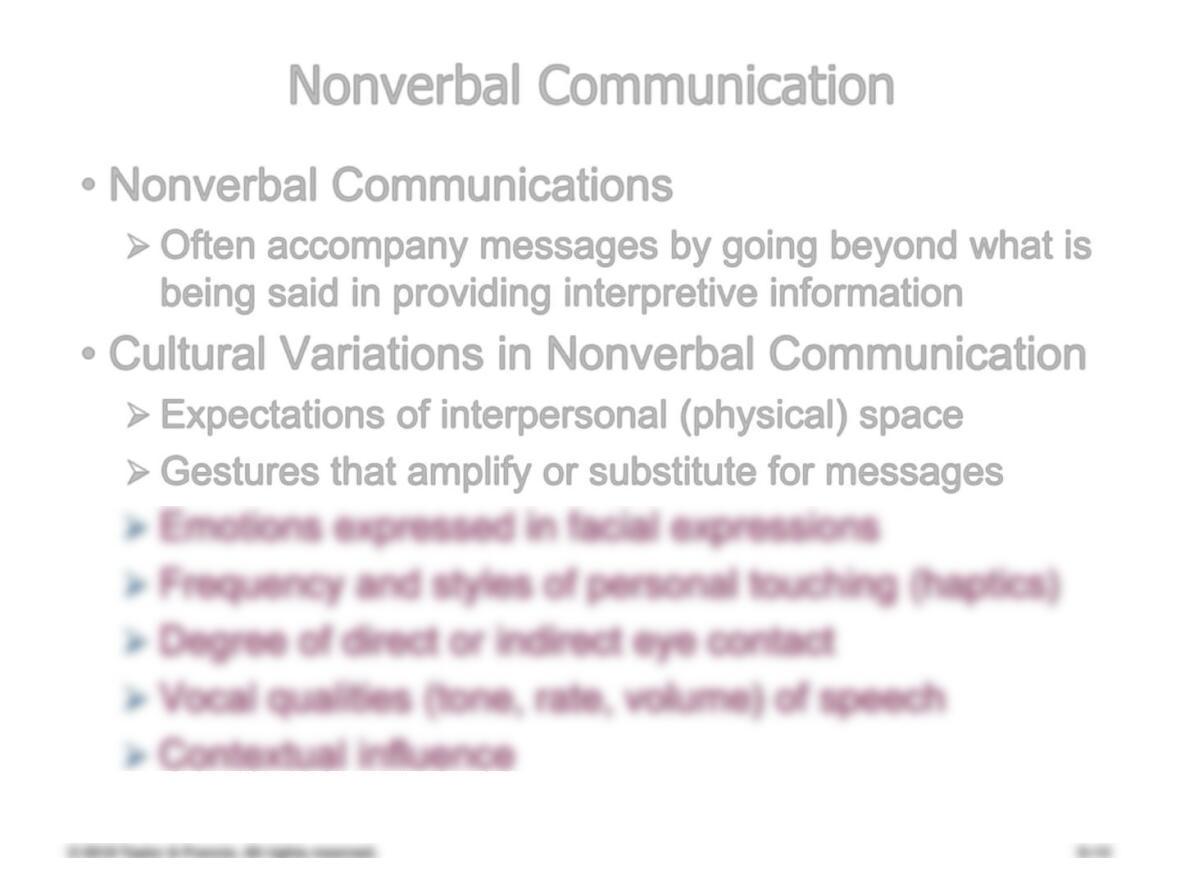
Nonverbal Communication
•Nonverbal Communications
➢Often accompany messages by going beyond what is
being said in providing interpretive information
•Cultural Variations in Nonverbal Communication
➢Expectations of interpersonal (physical) space
➢Gestures that amplify or substitute for messages
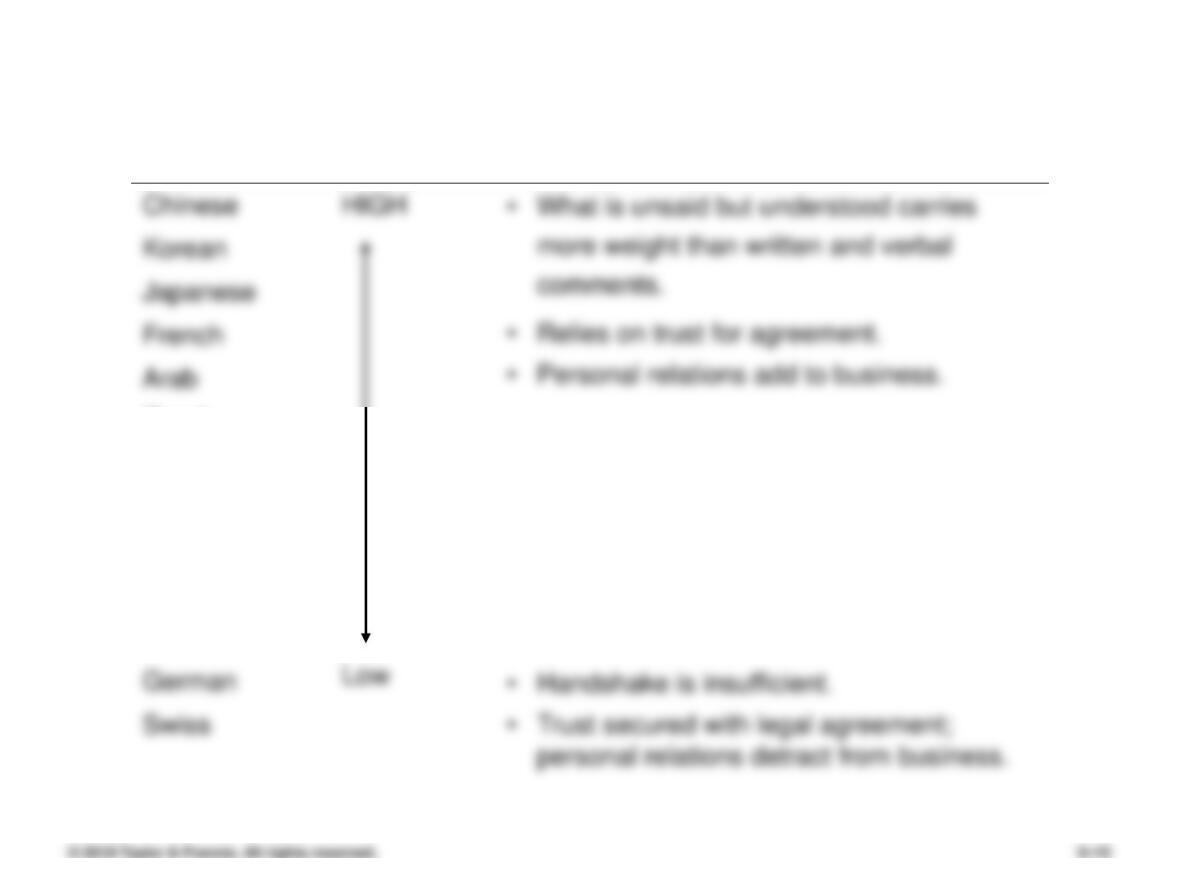
Table 3.4 Comparing High- and Low-Context Cultures
Culture Context
Greek
Spanish
Italian
British
American
•Focus on specifics of what was said or
written.
Scandinavian
How to Become an Effective
Intercultural Communicator
•Assume that people are different, not similar.
•When experiencing considerable conflict, look to
communication problems as the first source of the
problem.
•Delay judgment; emphasize the description of events,
not evaluation or interpretation.
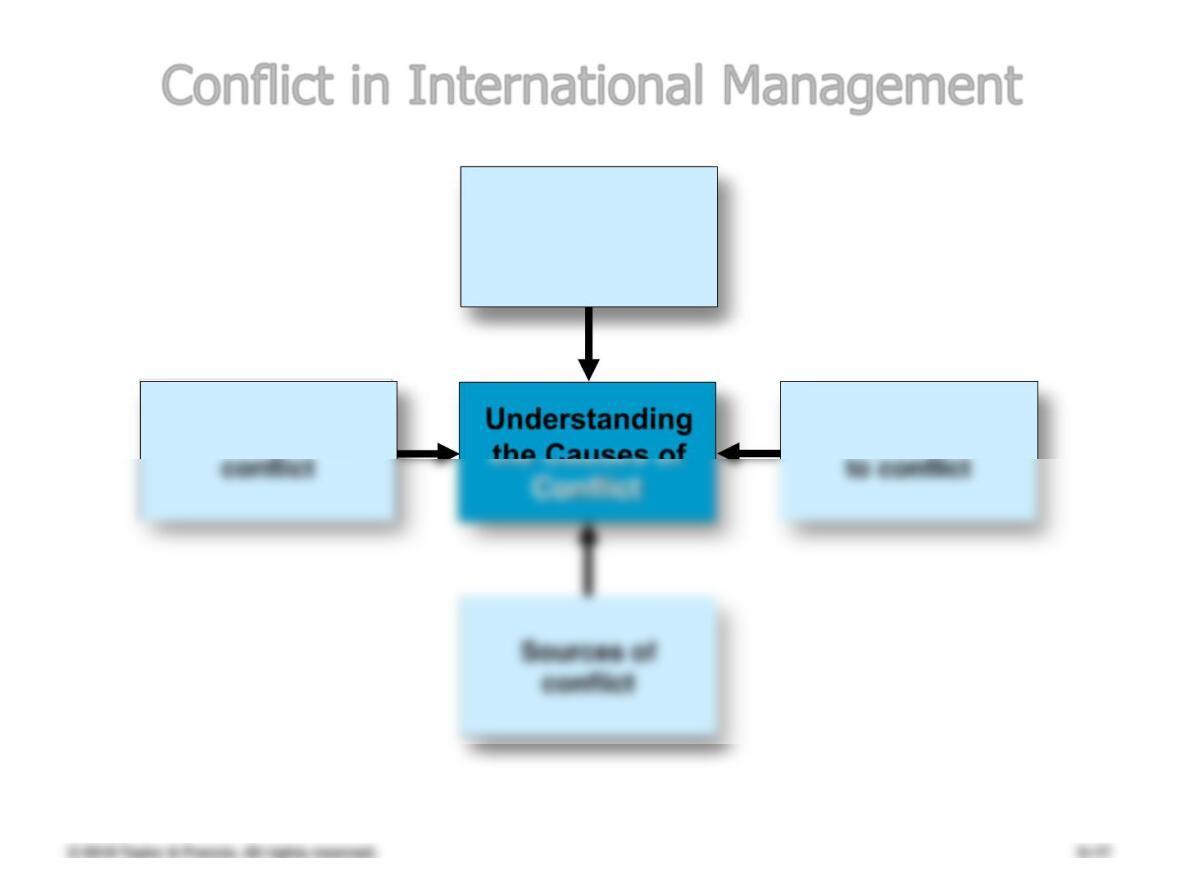
Conflict in International Management
Understanding
Cross-cultural
Approaches
Prevalence
of conflict
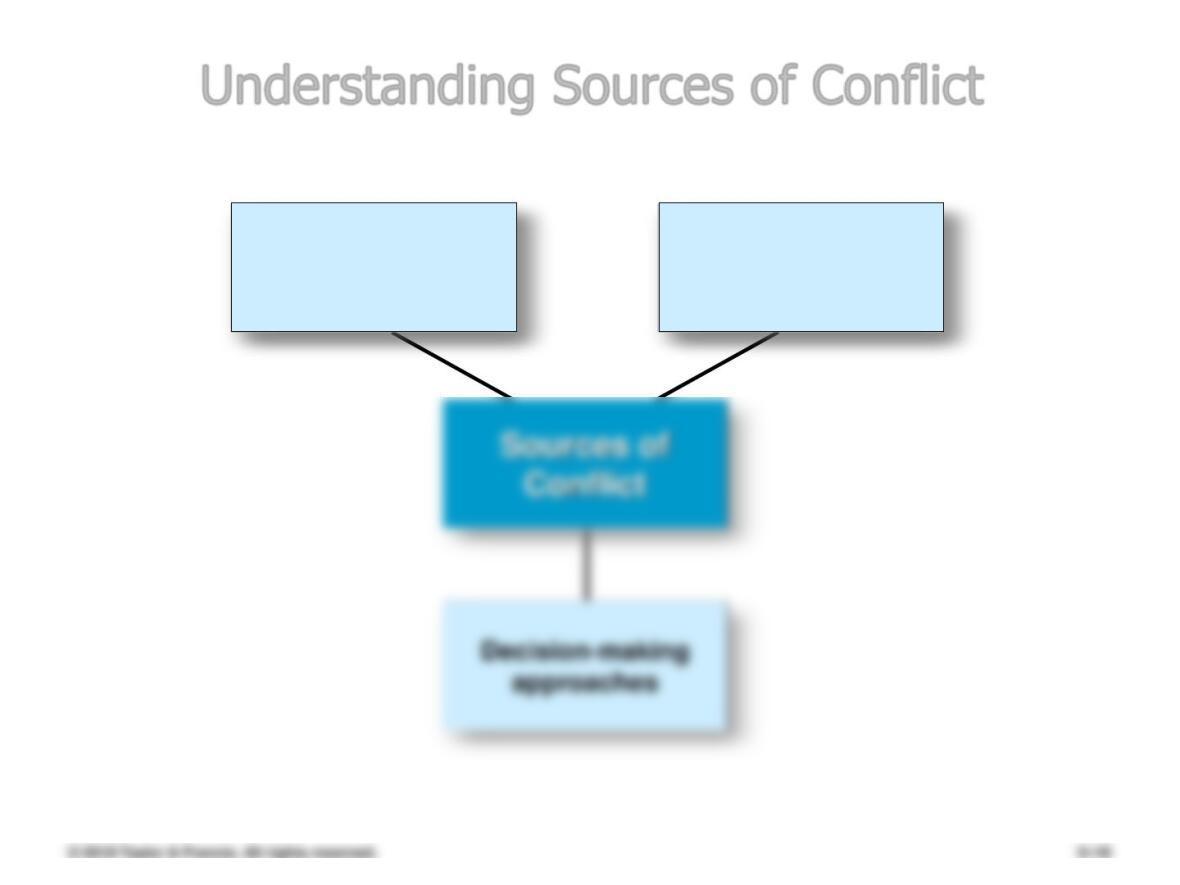
Understanding Sources of Conflict
Language
difficulties
Cultural
norms