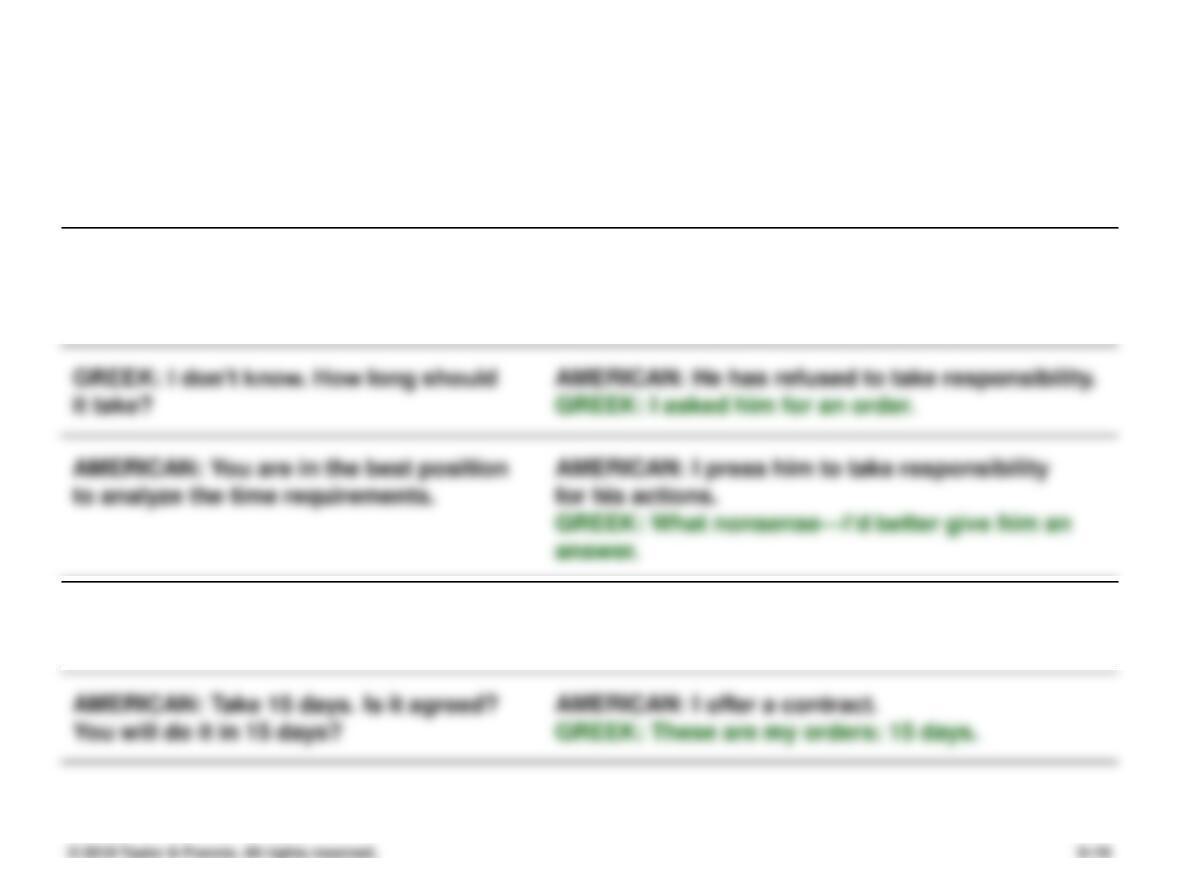
Table 3.5 The Road to Conflict Is Paved with Misinterpretation:
A Conversation between a Greek and an American
Words Spoken Perception/Interpretation by Each Party
AMERICAN: How long will it take you
to finish the report?
AMERICAN: I asked him to participate.
GREEK: His behavior makes no sense.
He is the boss. Why doesn’t he tell me?
GREEK: Ten days. AMERICAN: He lacks the ability to estimate
his time; this estimate is totally inadequate.
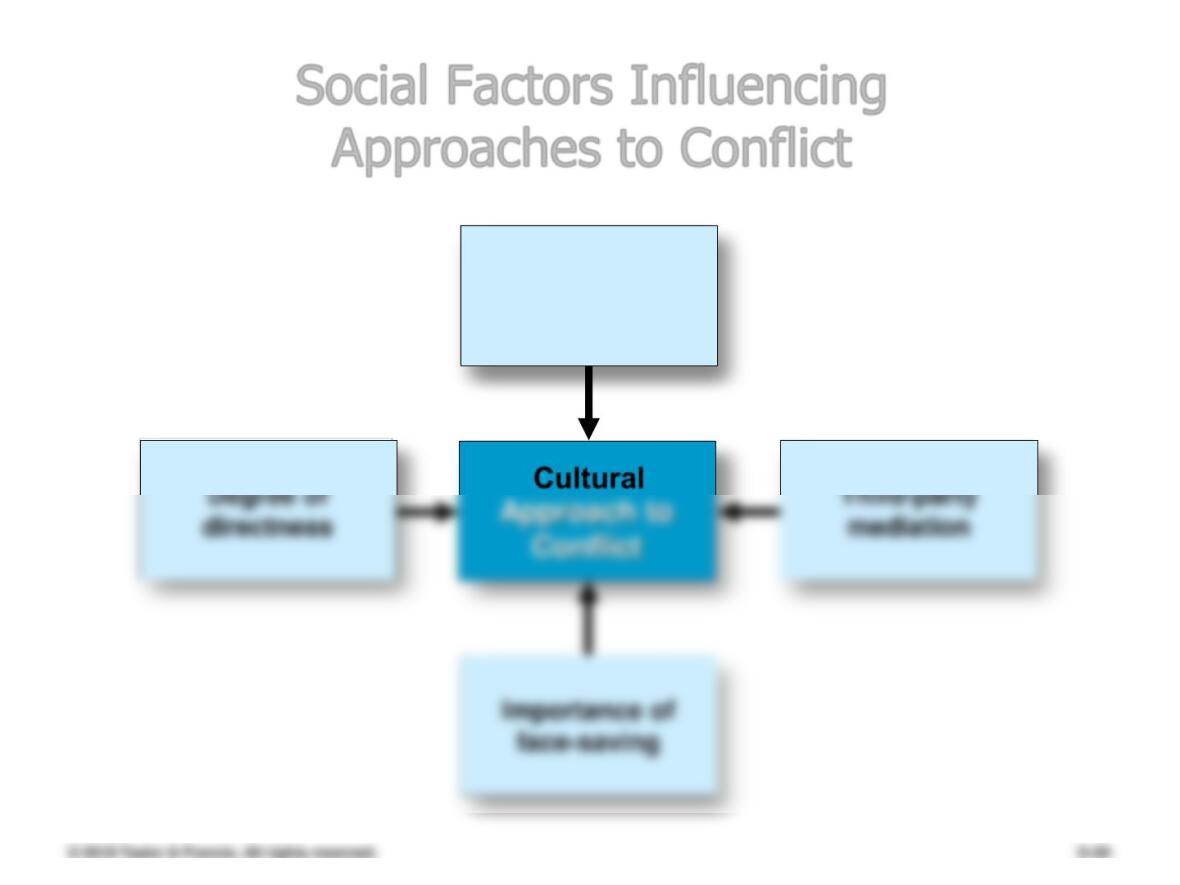
Social Factors Influencing
Approaches to Conflict
Cultural
Propensity to
avoid conflict
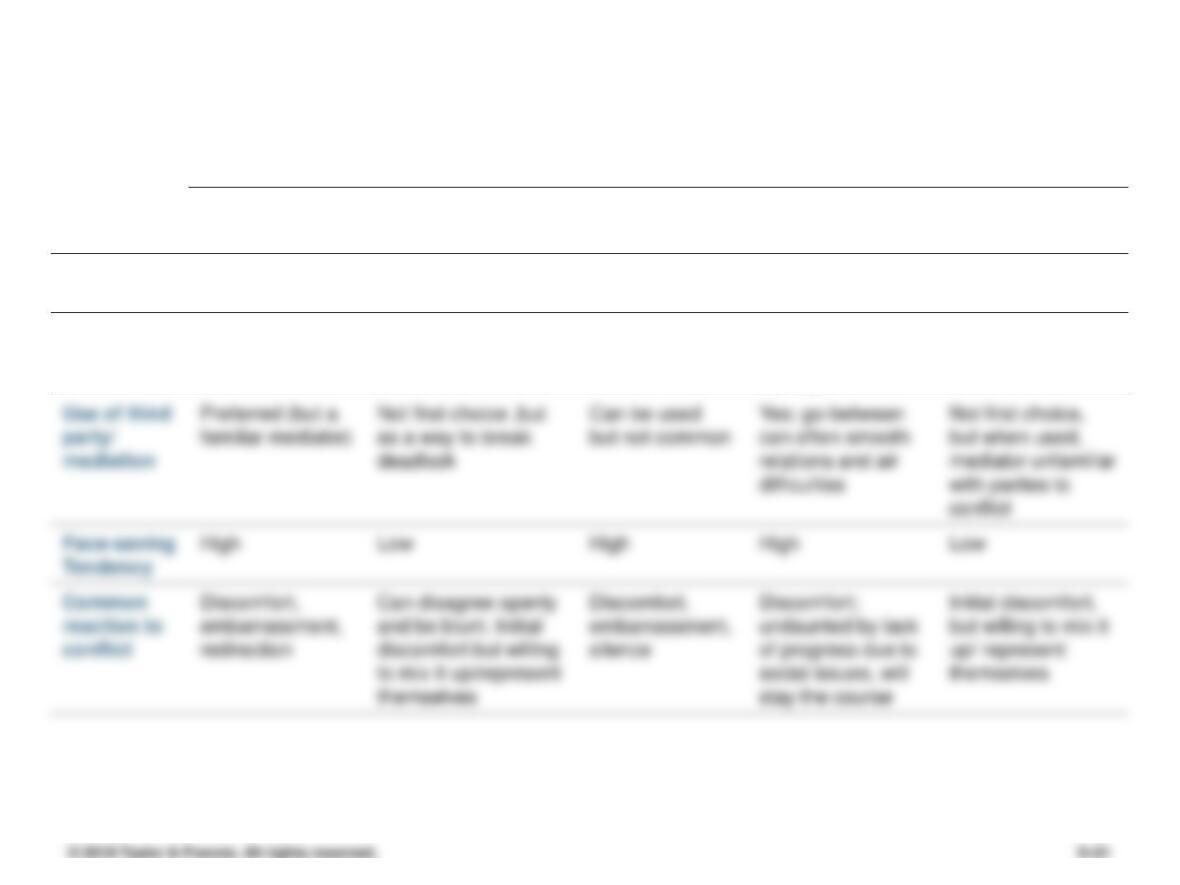
Table 3.6 Examples of Differences in Approaches to Conflict
in Five Countries
Country
Views of
Conflict China Germany Japan Saudi Arabia United States
Avoid
conflict
Yes No Yes Yes/no No
Degree of
directness
Indirect Direct Indirect/subtle Indirect; face-
related concerns
are high
Direct
Conflict in International Management
•Managing Conflict Effectively:
Stylistic Differences Across Cultures
➢Conflict styles
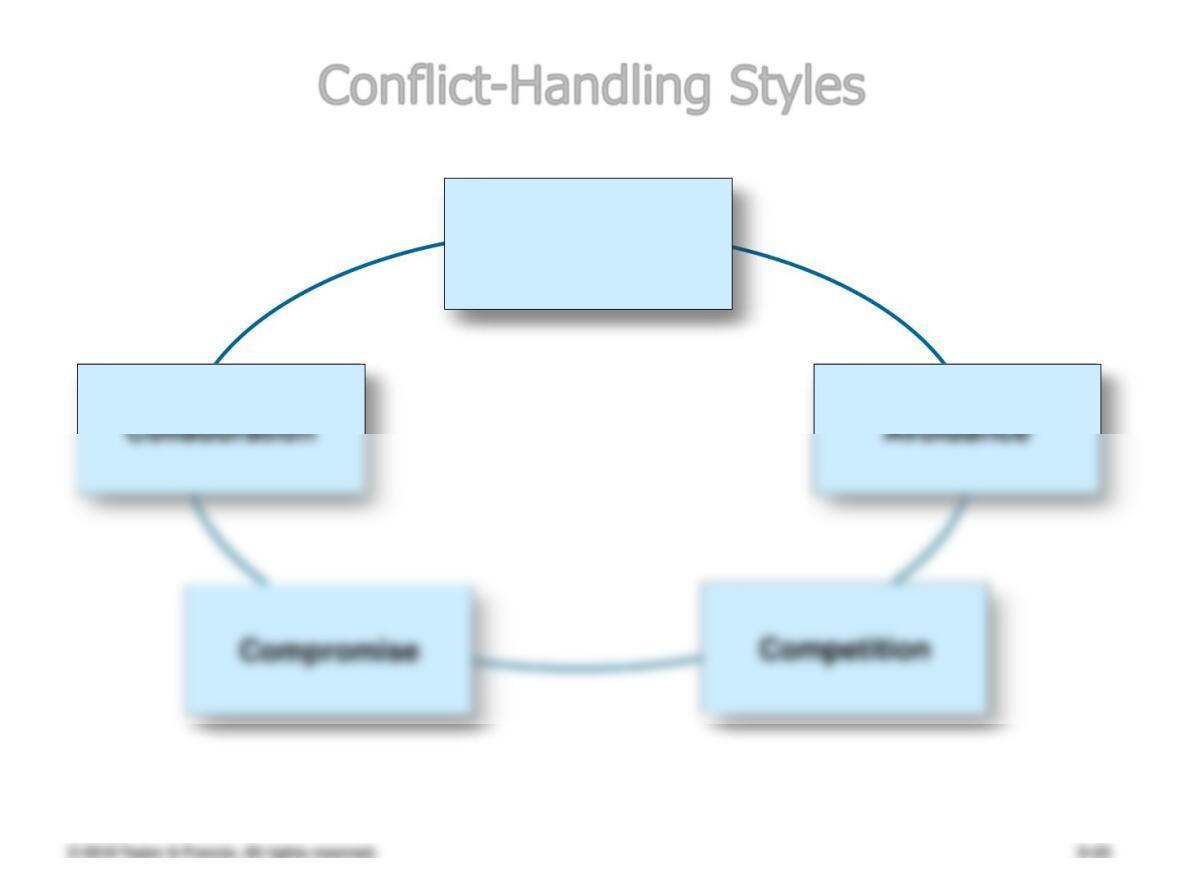
Conflict-Handling Styles
Accommodation
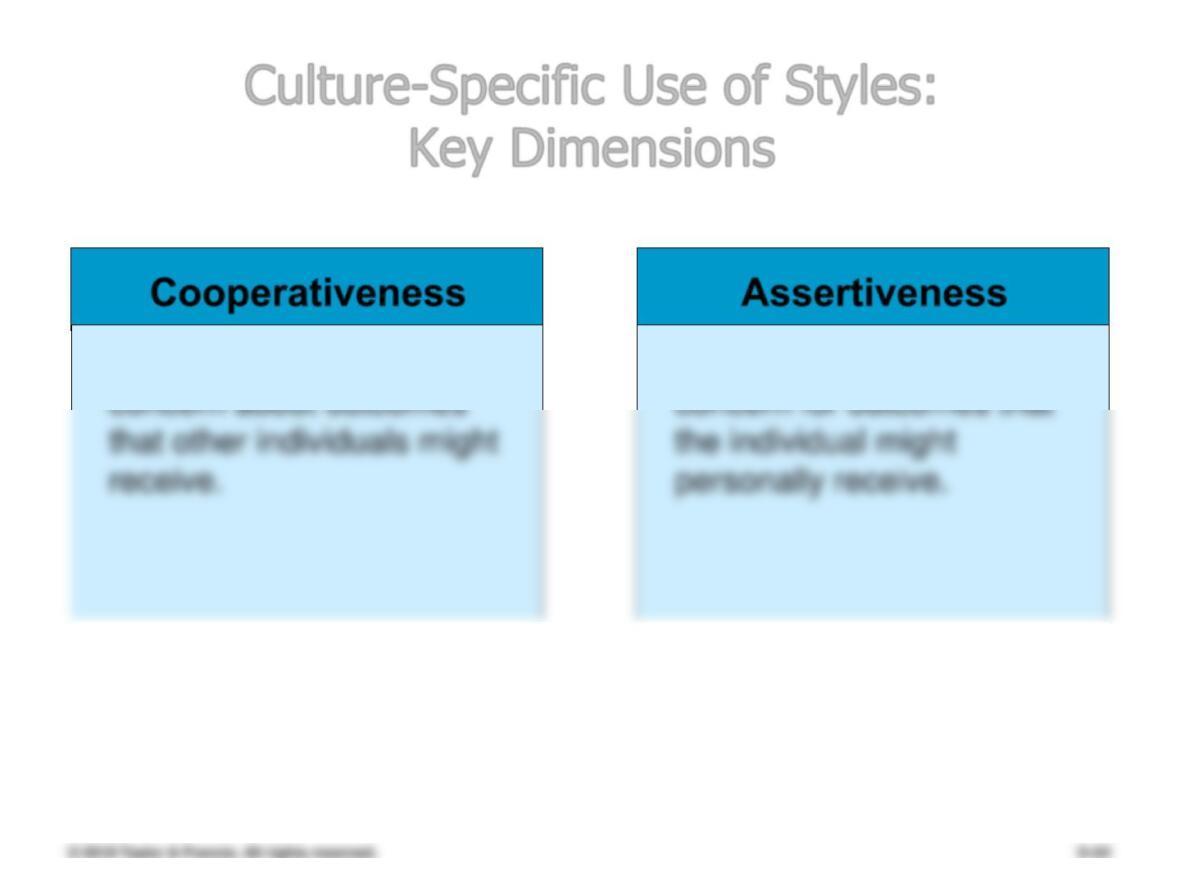
Culture-Specific Use of Styles:
Key Dimensions
Cooperativeness
•An individual’s degree of
Assertiveness
•An individual’s degree of
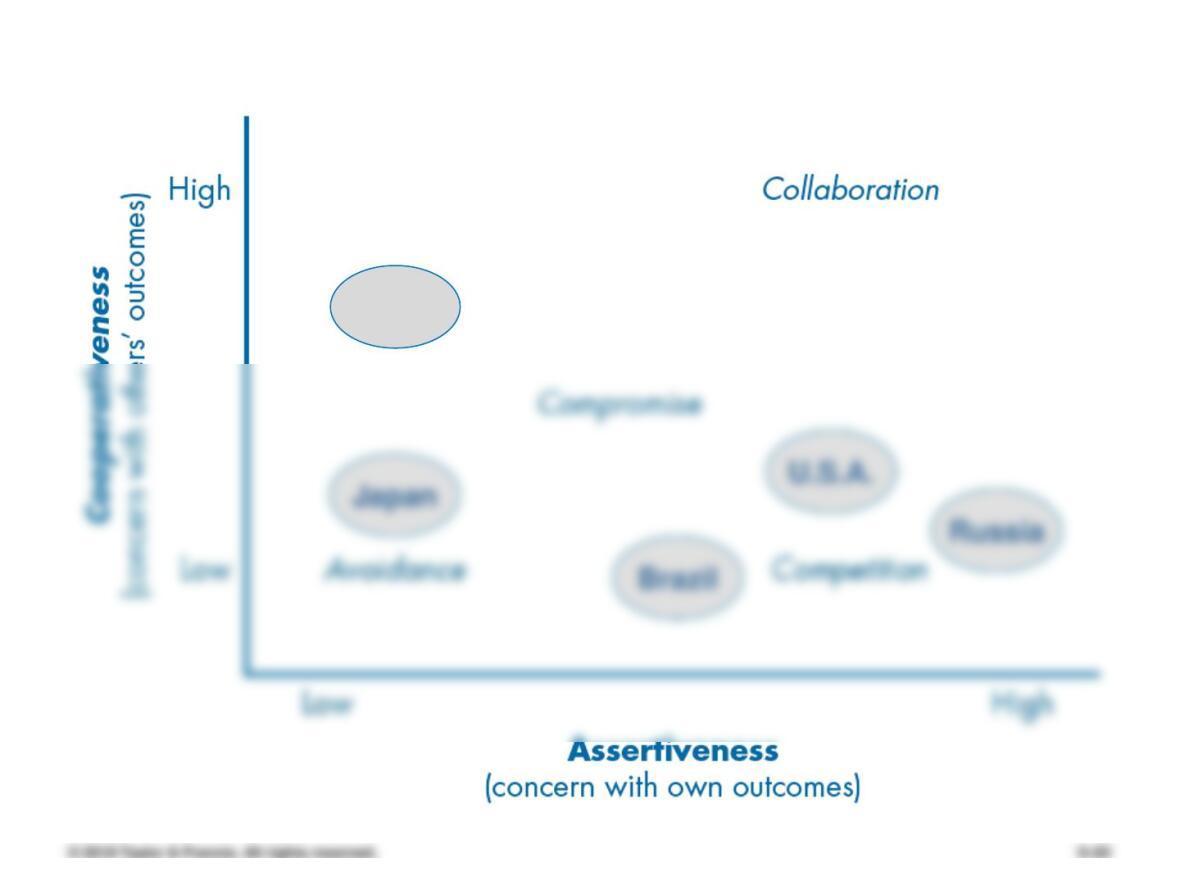
Figure 3.1 A Typology of Common Conflict Styles across Cultures
Thailand
Accommodation
Meaning of Conflict
•Factors Affecting Choice of Approach to Conflict
➢Culture: collectivist versus individualist
Conflict in International Management
•The Role of Face in Conflict Prevention and
Reactions
➢What is face?
What Is Face?
•Face
➢Represents the need of an individual to obtain and
maintain both self-respect and the respect of others
•Ways to Lose Face
➢Inflicting a personal insult
➢Forcing a submission to unnecessary concessions
Practical Advice about Face
•Frankness in Asia is almost always rudeness; subtler, high-context
communication is the norm.
•If a question goes unanswered, wait to ask it again privately, away
from the group; a lack of initial response typically means that the
answer is offensive to, or demeaning of, the culture.
•Never show anger, even if you feel it. Public displays of emotion are
unusual and not generally accepted well.
Other Responses to Conflict
•Responses to Conflict
➢Hold a grudge
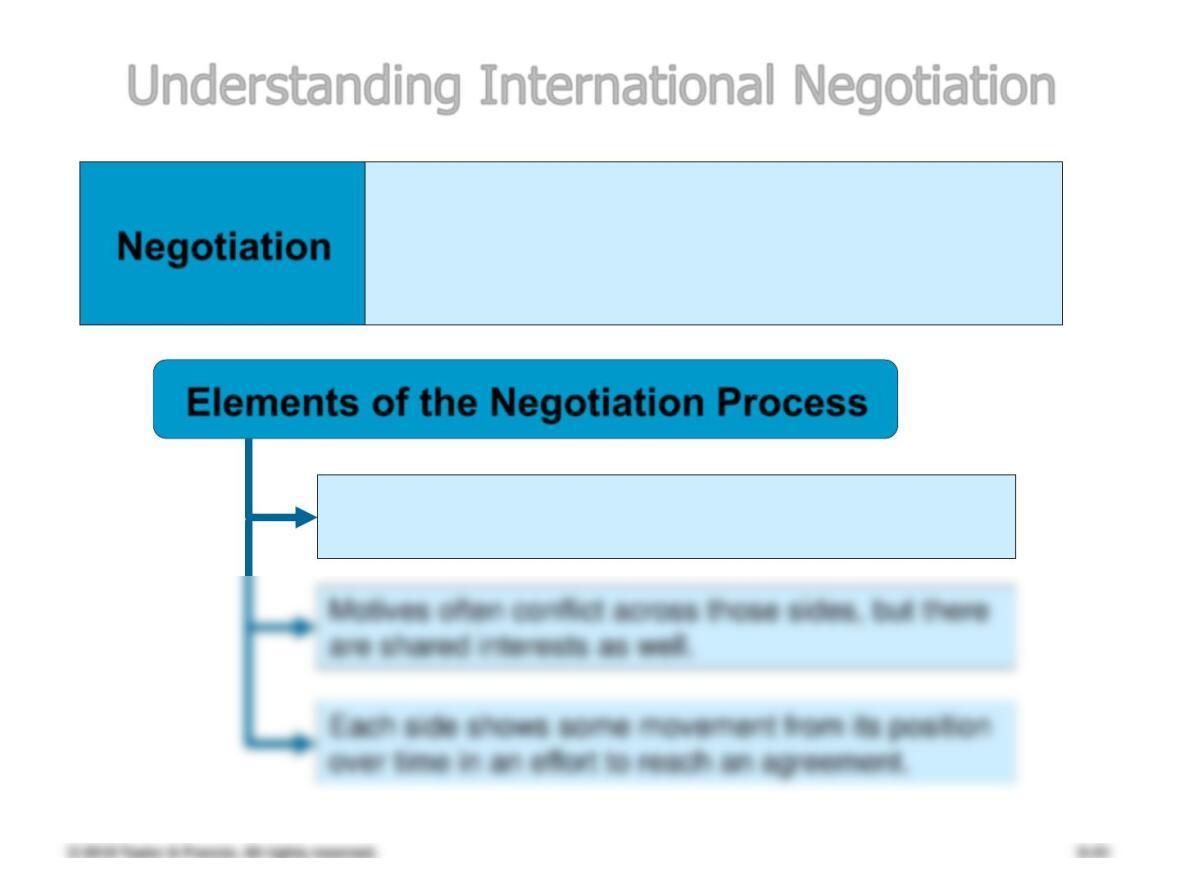
Understanding International Negotiation
Elements of the Negotiation Process
Several sides (two or more) are involved.
Negotiation
The process of communicating back and forth with
another person or group with the explicit purpose
of working toward a joint decision or agreement
about a particular issue or dispute.
Understanding International Negotiation
•Approaches to Negotiating
➢Macro strategic approach
❖Focuses on how negotiation outcomes are affected by larger,
➢Comparative model
❖Is concerned with what happens when parties from different
cultures negotiate and how those interactions (and the ones
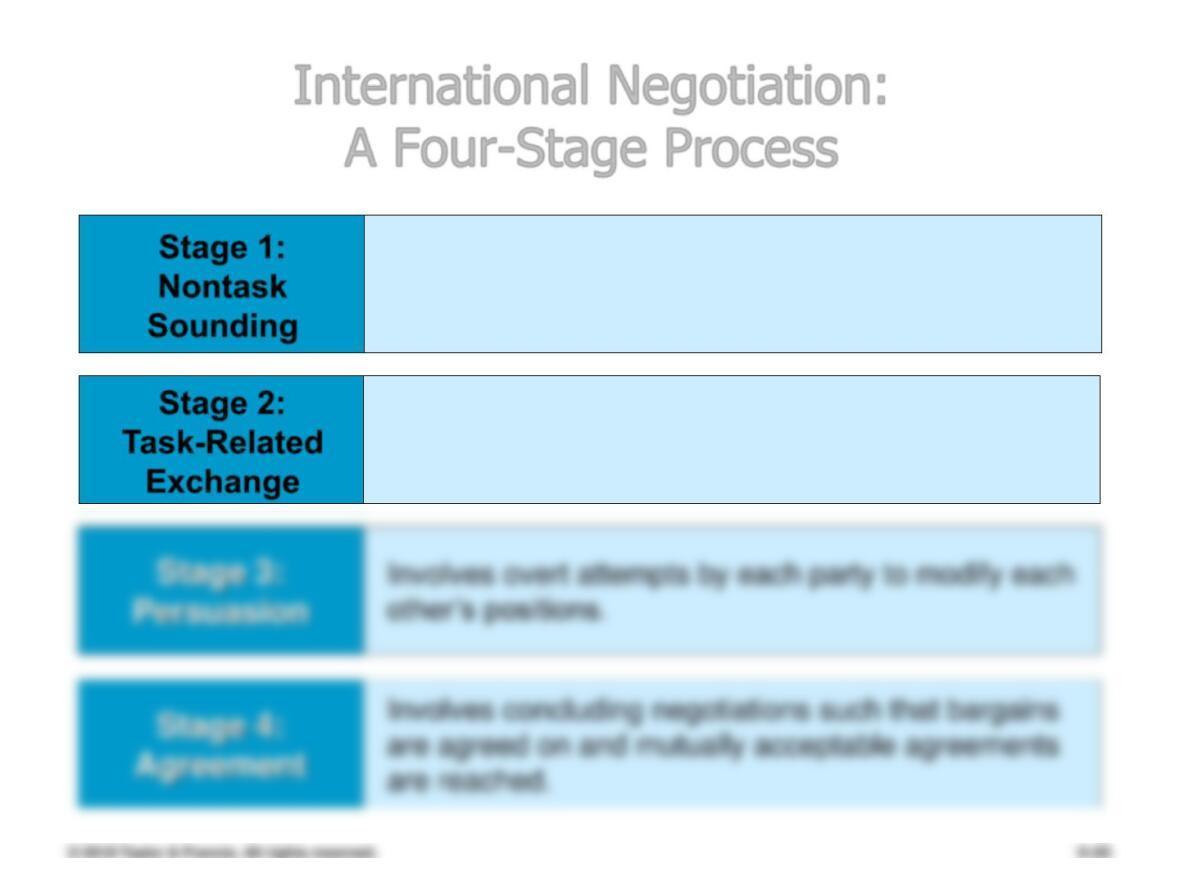
International Negotiation:
A Four-Stage Process
Stage 1:
Nontask
Sounding
Stage 2:
Task-Related
Exchange
Is comprised of efforts to establish rapport with the
other party and to get to know the other party better.
Is a mutual exchange of the parties’ needs and
preferences and attempts at clarification of
background issues relevant to the negotiation.
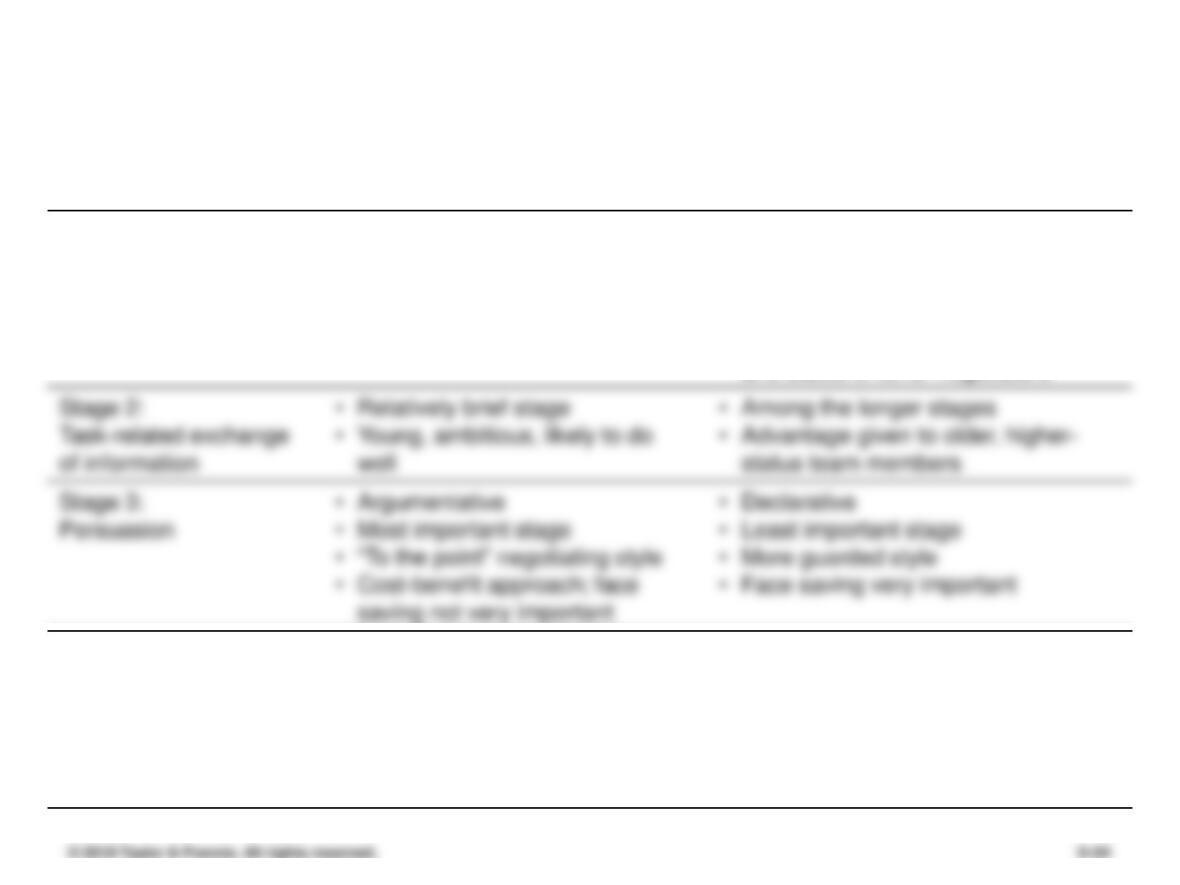
Table 3.7 Behavior in the Stages of Negotiation:
Differences across Low– and High-Context Cultures
Stage of
Negotiation
Low-Context
Culture
High-Context
Culture
Stage 1:
Nontask sounding
•Brief exchange of social niceties
•Will get to the point (Stage 3)
quickly
•Not especially concerned with
status of other group
•Will want to know all about the other
parties and their companies
•Long presentations and meetings to
get to know the other parties
•Give careful attention to age, rank,
Stage 4:
Concession/agreement
•Favor or require detailed written
contract
•Decision/agreement is
impersonal
•Profit motive determines
agreement
•Less emphasis on long contracts
•Deal is sealed on the basis of the
contextual variables
•Good setting necessary for final
agreements
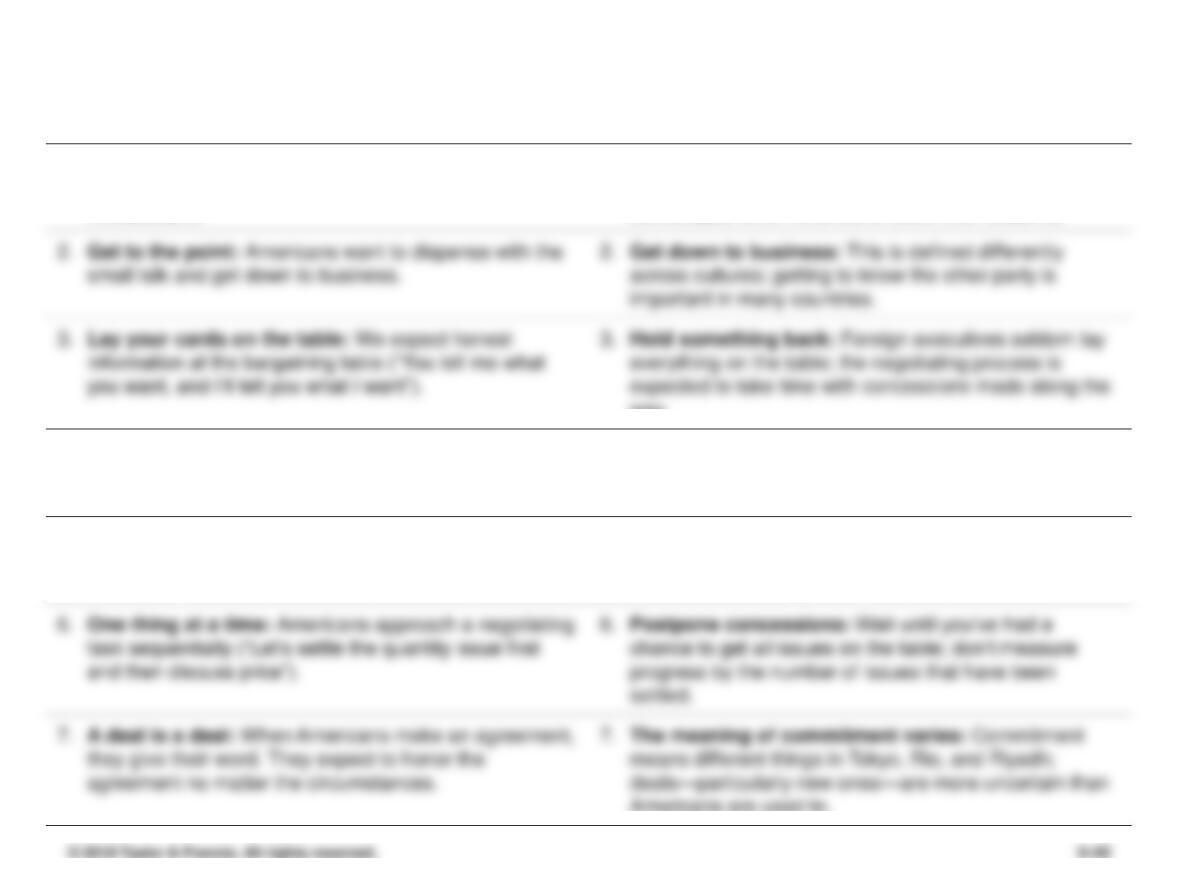
Table 3.8 Some Elements of the Stereotypic American Negotiating Style
American Style Prescriptions for Use in Other Countries
1. Just call me John: Americans downplay status and
titles as well as other formalities such as lengthy
introductions.
1. Follow local customs: U.S. informality is out of place
in most other cultures; foreign clients are more
comfortable when Americans follow their customs.
way.
4. Don’t just sit there, speak up: Americans don’t deal
well with silence: they get into trouble by feeling
pressured to fill in silence with possible concessions.
4. Silence can be a powerful negotiating tool: Consider
its use, but also be aware of its use against you.
5. Don’t take “no” for an answer: Americans are taught
to be persistent and not to give up; negotiation is mostly
persuasion.
5. Minds are often changed behind the scenes: If an
impasse is reached, ask more questions; take a recess;
try a more subtle approach.
Americans are used to.
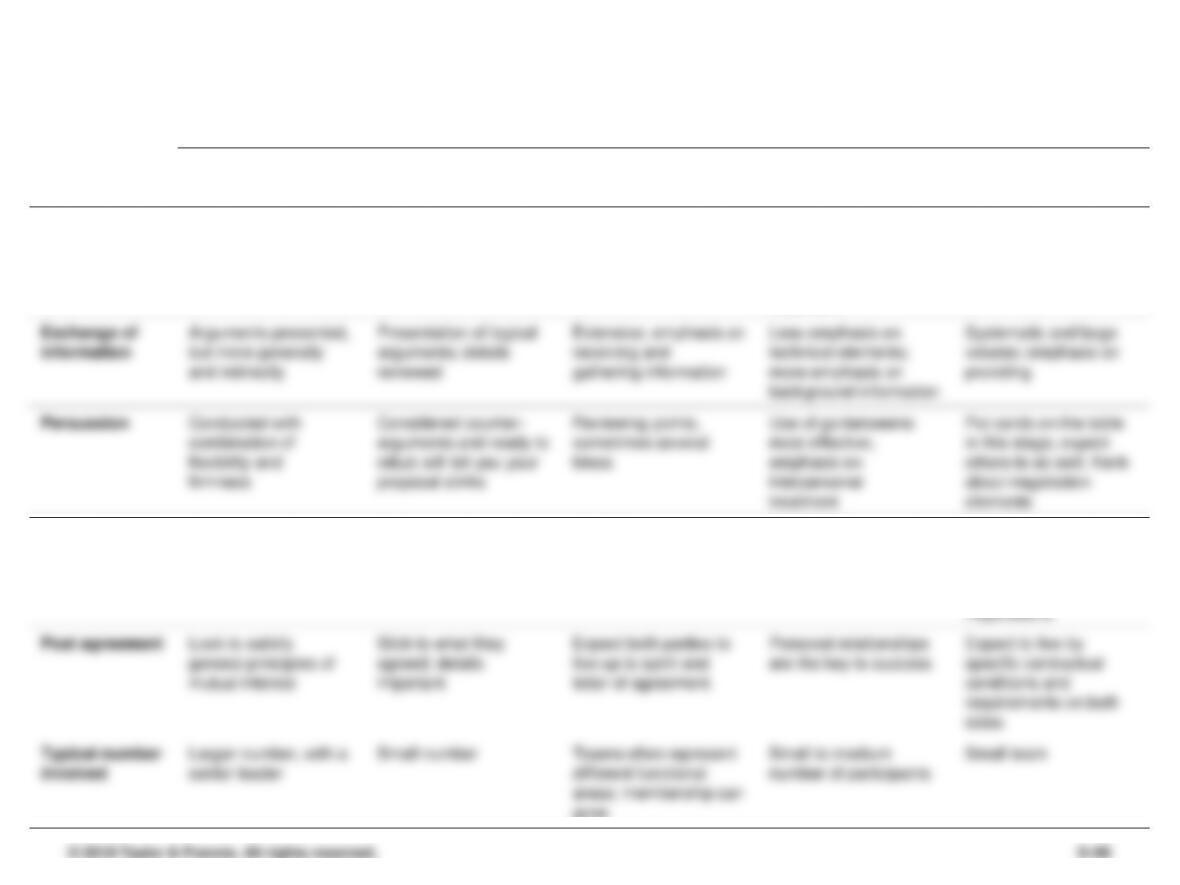
Table 3.9 Examples of Differences in Negotiating Features in Five Countries
Country
Element of
Negotiation China Germany Japan Saudi Arabia United States
Nontask
sounding
(rapport)
Extensive time spent
in this stage; very
useful for progress in
latter stages
Short time period; little
weight placed on this
stage, time is of the
essence
Extensive time period;
rely on this information
in latter stages
Long period until trust
is established;
hospitable and
gracious, status
important
Very short; little weight,
can be bothered by
length of this stage
Close approach Decisions made
outside negotiation
room
Don’t concede easily;
look for common
ground
Flexibility more evident
between meetings;
won’t be rushed, team
consensus
Team makes
recommendation to
senior manager
Flexibility, as
representatives often
provided with on-the–
spot discretion over
grow