International Organizational Behavior 2e Chapter 2 Page 12
B. Organizational Commitment
Part of this apparent contradiction may involve the difference between
organizational commitment and work commitment—something that researchers
are careful to distinguish. Work commitment reflects how important work itself is
in people’s lives. So in terms of organizational commitment, American workers
tend to be as or more committed than their Korean or Japanese counterparts. But
when it comes to work commitment, the Japanese come out on top.
C. Culture and Perceptions and Views on Leadership
How leaders are viewed is shaped by cultural factors, which includes shared
experiences and history. Studies reinforce the notion that culture influences how
leadership is viewed. In one investigation, under 20% of the U.S., Dutch, and
Swedish managers surveyed felt that it was critical to have precise answers ready
when subordinates asked questions. Instead, they believed that their role was to
help employees solve their own problems and find their own answers. In contrast,
having precise answers at the ready was important to many German (46%),
French (53%), and Italian (66%) managers. This orientation of having answers for
International Organizational Behavior 2e Chapter 2 Page 13
The source of leaders may also vary across nations thanks to cultural influences.
As a classless society, merit basically determines who achieves leadership
positions in Japan. But in other nations business executives tend to emerge from
powerful families or specific classes or strata in society. For instance, in some
Arab countries strong leaders typically come from successful tribal families with
long histories of wielding power and influence.
III. Combating Stereotypes and Making Better Sense of Culture
Any discussion of culture involves generalizations, and this may lead to trouble. Even
if our views about culture are useful, as “sophisticated stereotypes” they may already
shapes the attitudes and behaviors of their employees. Managers and the
multinationals they work for can better develop an accurate understanding of the
cultures in which they must operate by using the following concrete advice:
• Engage with other cultures to test any sophisticated stereotypes. Think about any
cultural stereotypes you might harbor, and treat them as hypotheses that must be
tested rather than truths. Effective international managers are open to changing
their views of people.
International Organizational Behavior 2e Chapter 2 Page 14
constantly seeking and analyzing information that appears paradoxical to what a
culture supposedly stands for (e.g., why are many American managers so
autocratic if the US embraces equality and egalitarianism?).
IV. Advice for Corporations Interested in Improving the Cultural Savvy of their Managers
• Select people with cognitive complexity for international positions. Avoid black-
and-white thinkers; choose people who can handle alternative viewpoints and
ambiguity.
• Evaluate cultural expertise among personnel already in foreign countries. Not
everyone will be at the same point in learning about culture—people have
different degrees of understanding due to individual differences in skills or levels
of exposure to the local culture. Assessing cultural expertise can help firms decide
how long people should stay in a location to develop the cultural understanding
they need to be effective.
CHAPTER SUMMARY
Culture has a pervasive impact on human resource practices, strategy formation, conflict
International Organizational Behavior 2e Chapter 2 Page 15
Three prominent efforts to cluster countries by cultural values were discussed. Hofstede argued
that all cultures could be described in terms of four basic dimensions:
• individualism–collectivism
Hofstede produced valuable cultural maps that have many implications for managing employees
in different countries. Later he introduced a fifth cultural dimension, long-term versus short-term
orientation. Recent efforts by Trompenaars and others to cluster countries by cultural values
generally support Hofstede’s views and have added to knowledge about developing countries.
Culture influences important workplace attitudes, including job satisfaction, organizational
commitment, and an individual’s view about leadership.
Specific suggestions for moving beyond the “sophisticated stereotyping” that comes with the
limitations of culture frameworks are as follows:
Individuals:
• Approach other cultures with the idea of testing such stereotypes
Firms:
• Select people with “cognitive complexity” for international positions
DISCUSSION QUESTIONS
International Organizational Behavior 2e Chapter 2 Page 16
1. Describe the basic cultural dimensions proposed by Hofstede and GLOBE. What are
their similarities, differences, and limitations? How might international managers use
the information from these cultural dimensions?
• See Figures 2.2–2.4 (Hofstede), and 2.5 (GLOBE)
• See sections II, III, and VI of GRASPING CULTURE: INFLUENTIAL
FRAMEWORKS
• To summarize and classify a set of norms, behaviors, customs, and traditions
common to a given society
2. What are ways that culture can influence work-related perceptions and attitudes?
• The cultural importance of power distance can shape perceptions of managers.
3. What is your own orientation toward time? Are you more monochronic or
polychronic? What challenges could this present for you in an international context?
• See Table 2.3 for common characteristics
4. How can firms and international managers go beyond the “sophisticated stereotyping”
that a superficial understanding of cultures might produce?
• Approach other cultures with the idea of testing such stereotypes
• Find cultural mentors to help
International Organizational Behavior 2e Chapter 2 Page 17
• Capitalize on cultural expertise among personnel already abroad.
CHAPTER ACTIVITIES
DEVELOPING YOUR INTERNATIONAL CAREER – What Are Your Attitudes
towards Individualism and Collectivism?
BOXED FEATURES
CULTURE CLASH – Japanese Management Practices Rub Chinese Employees the
Wrong Way
ADDITIONAL RESOURCES
International Organizational Behavior 2e Chapter 2 Page 18
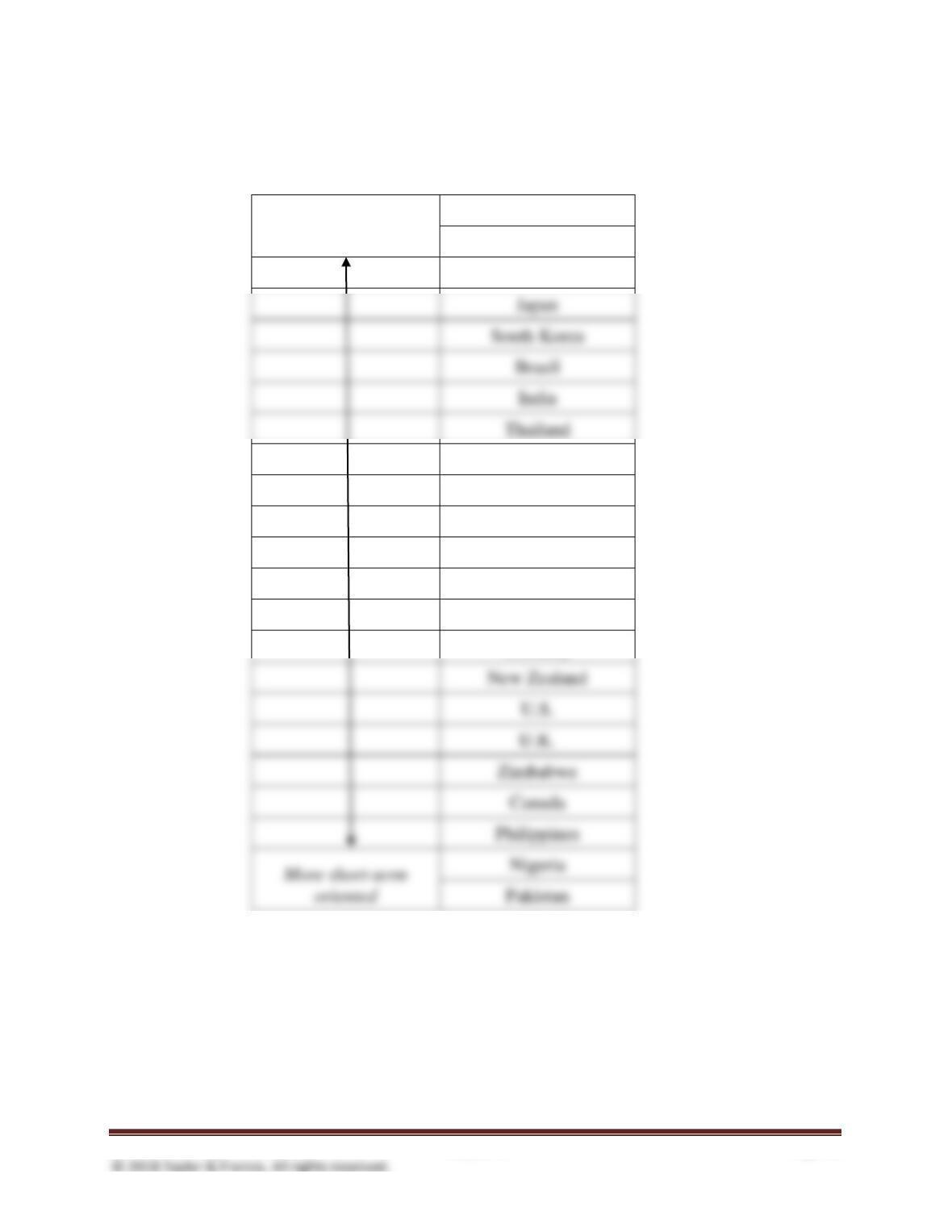
Table 2.1 Long-Term or Short-Term Orientation for Selected Countries
More long-term
oriented
China
Hong Kong
Taiwan
Brazil
Singapore
Netherlands
Bangladesh
Sweden
Poland
Australia
Germany
Canada
Nigeria
Adapted from: Hofstede, G. (2001). Culture’s Consequences (2nd ed.) Thousand Oaks, CA:
Sage, p. 356.
International Organizational Behavior 2e Chapter 2 Page 19
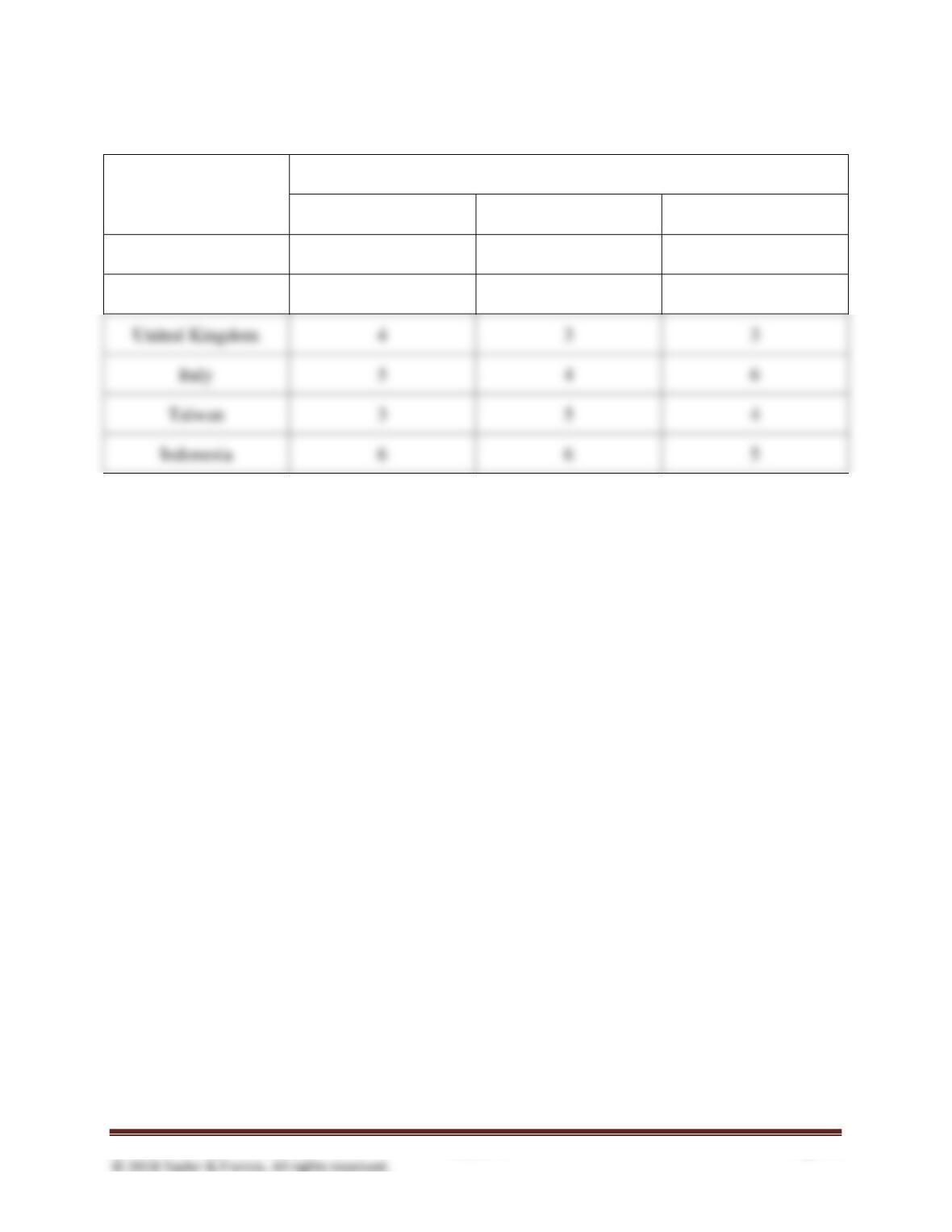
Table 2.2 The Eye of the Beholder: Time across Countries
Country
Measure of time
Bank Clock Accuracy
Walking Speed
Post Office Speed
Japan
1
1
1
United States
2
2
2
4
3
3
5
4
6
3
5
4
6
6
5
Note: Numbers refer to the ranking of each country on a time measure (1 = top ranking).
Adapted from: Levine, R. V., & Bartlett, K. (1984). Pace of life, punctuality, and coronary heart disease
in six countries. Journal of Cross-Cultural Psychology, 15, 233–255.
International Organizational Behavior 2e Chapter 2 Page 20
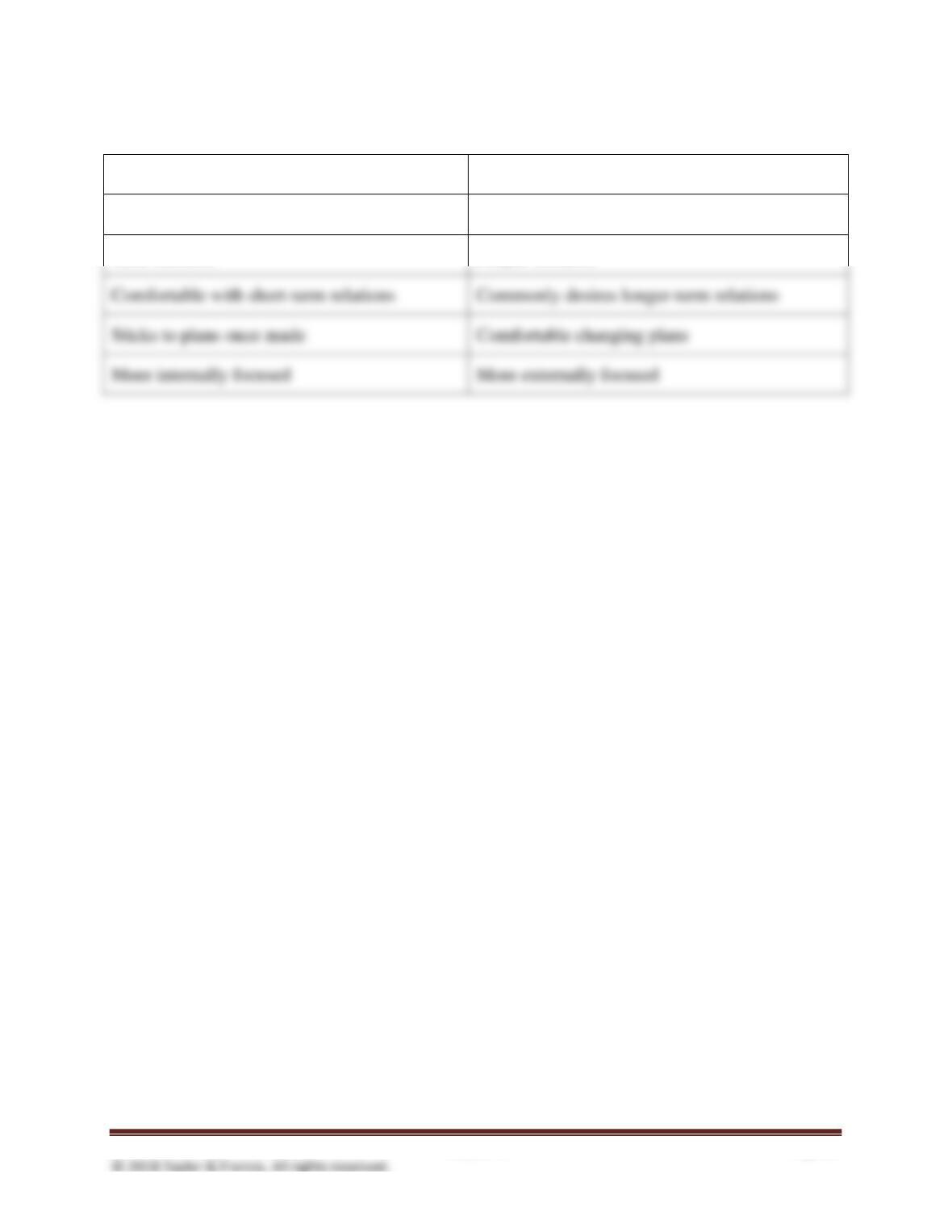
Table 2.3 Differences between Monochronic and Polychronic Time Orientations
Monochronic Time
Polychronic Time
Does one thing at a time
Does many things at once
Task-oriented
People-oriented
Comfortable with short-term relations
Commonly desires longer-term relations
Sticks to plans once made
Comfortable changing plans
More internally focused
More externally focused
International Organizational Behavior 2e Chapter 2 Page 21
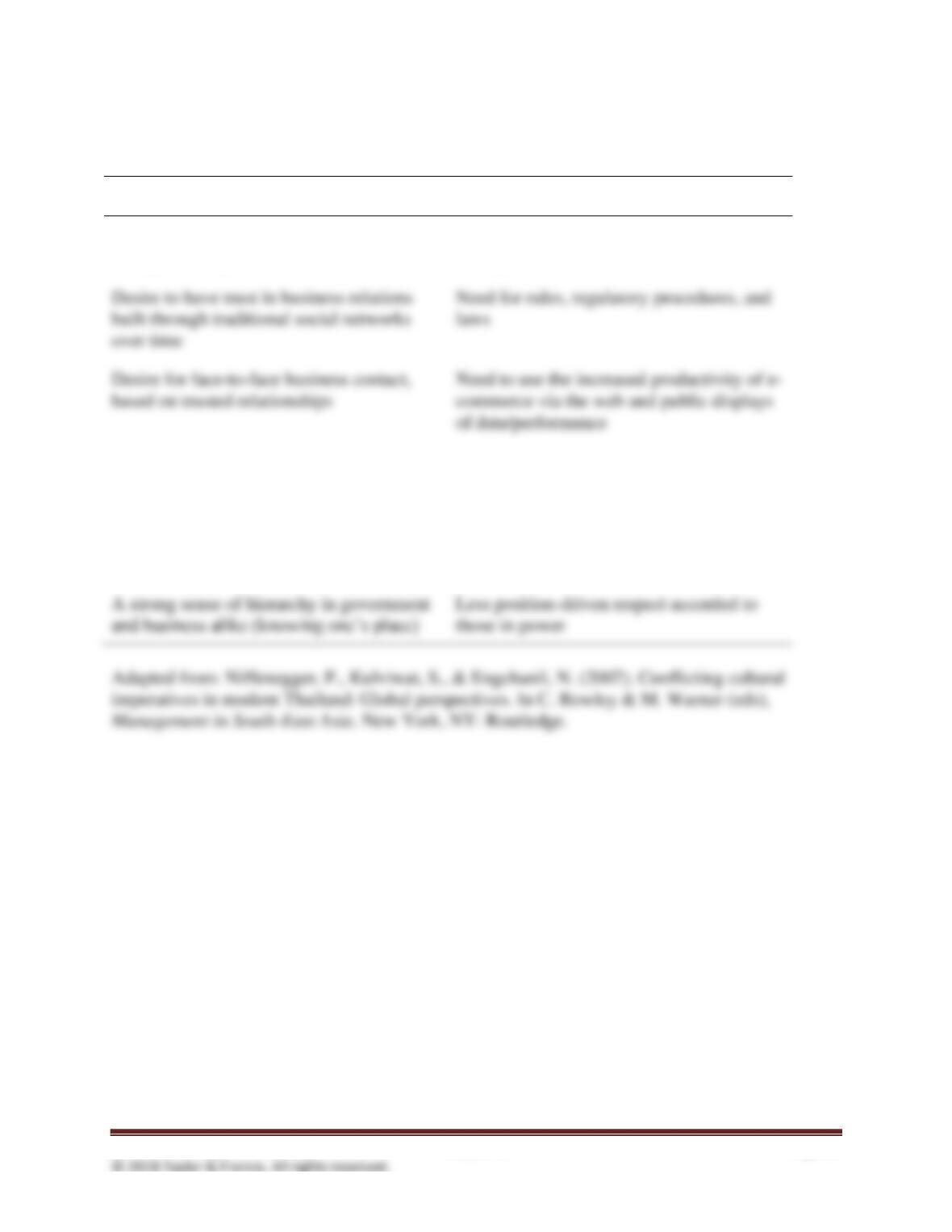
Table 2.4 Comparing American and Thai Business Values
Thai Culture
U.S. Culture
Buddhist values of giving more than
taking, resisting material attachments
Need for achievement and material reward
are signs of success
Desire to have trust in business relations
built through traditional social networks
over time
Need for rules, regulatory procedures, and
laws
Need to take care of employees, avoid
layoffs and protect investors from taking a
“haircut” (thereby losing face)
Accelerate restructuring and cost cutting as
needed
Be humble and very considerate of others’
feelings
Not inconsiderate of others, but should
stand out, speak up, and be yourself
A strong sense of hierarchy in government
and business alike (knowing one’s place)
Less position-driven respect accorded to
those in power

International Organizational Behavior 2e Chapter 2 Page 22