Looking Ahead: The Future of
the GLOBE–Hofstede Debate
•Criticisms of the GLOBE Project
➢Key concepts are defined differently than those
from Hofstede’s original research.
•Specific Cultural
Manifestations of Culture in the Workplace
Specific Cultural
Corporate strategies
and HR practices
Rates of
entrepreneurship
Manifestations of Culture in the Workplace
•How Culture Shapes Work-Related Perceptions
➢People—focus on other person’s attributes that are
consistent with local cultural tendencies.
➢Events—can create social obligations.
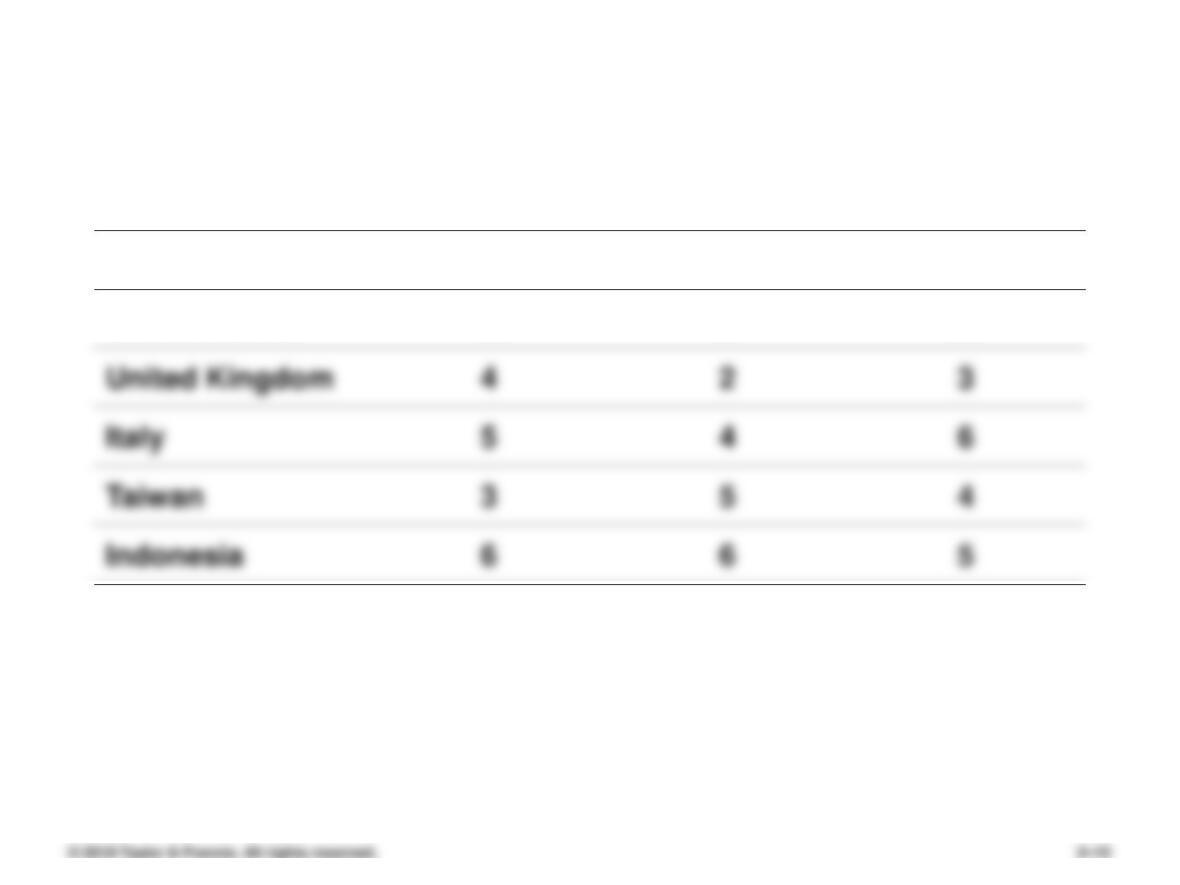
Table 2.2 The Eye of the Beholder: Time across Countries
Country
Bank Clock
Accuracy
Walking
Speed
Post Office
Speed
Japan 1 1 1
United States 2 3 2
Note: Numbers refer to the ranking of each country on a time measure (1 = top ranking).
Classifying Countries by Time Orientation
•Monochronic Orientation
➢Schedules tend to be exact
•Polychronic Orientation
➢Schedules have a fluid perspective
➢Time does not have an economic perspective
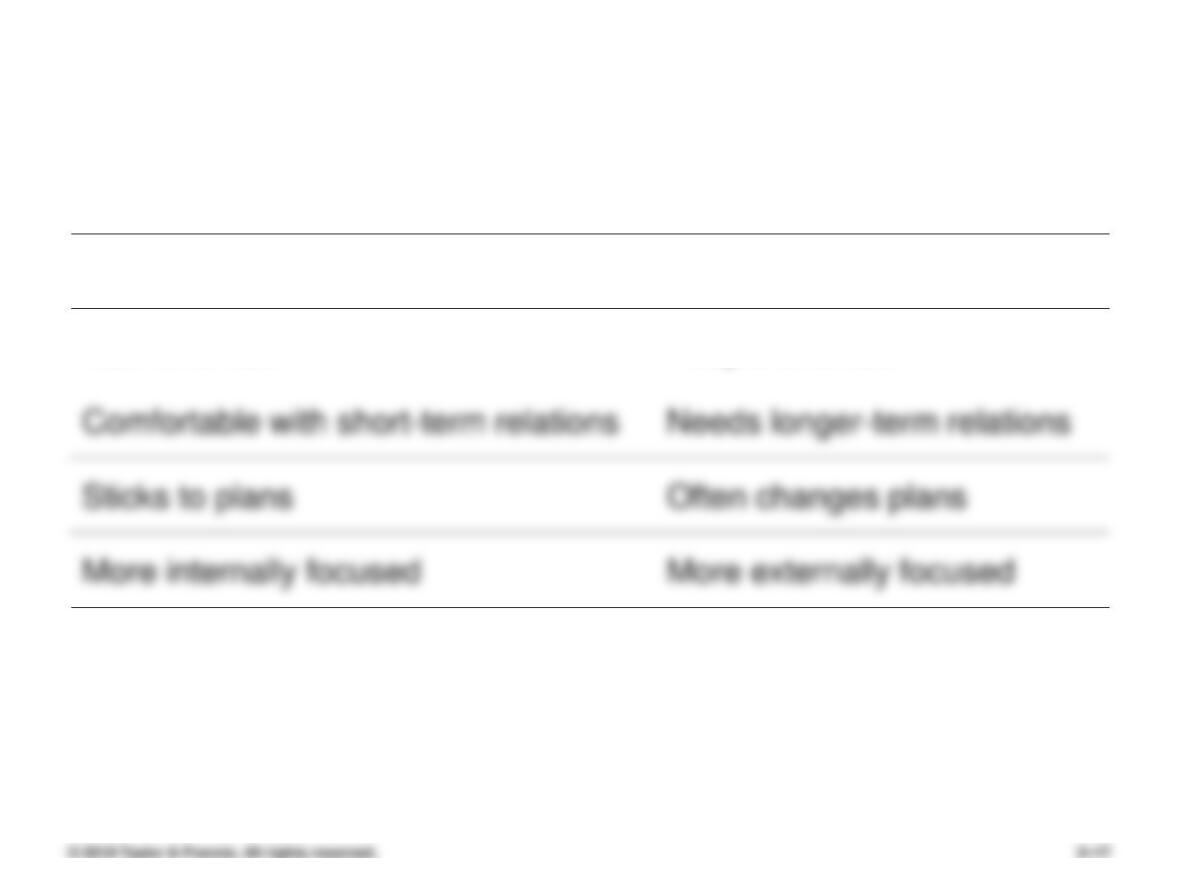
Table 2.3 Differences between Monochronic and
Polychronic Time Orientations
Monochronic Time Polychronic Time
Does one thing at a time Does many things at once
Task oriented People oriented
Culture and Key Work Attitudes
•Job satisfaction and culture
➢Japanese employees
•Organizational commitment and culture
➢American workers versus Japanese and Korean
workers
•Culture, perspectives, and views on leadership
Culture and Perspectives on Leadership
•Differing Views of a Leader’s Role
➢U.S.: motivate others to achieve firm goals by
successfully influencing people.
•Sources of Leaders in Different Cultures
➢Merit and personal effort
➢Social class/status, personal and family relationships
Culture and Perspectives on Leadership:
Universal Leadership Attributes?
•Intelligence
•Self-confidence
•Decisive
Combating Stereotypes and
Making Better Sense of Culture
•Engage with other cultures
to test any “sophisticated
stereotypes.”
•Develop mental maps that will
improve your effectiveness.
•Select people with cognitive
complexity for international
positions.
in foreign countries.
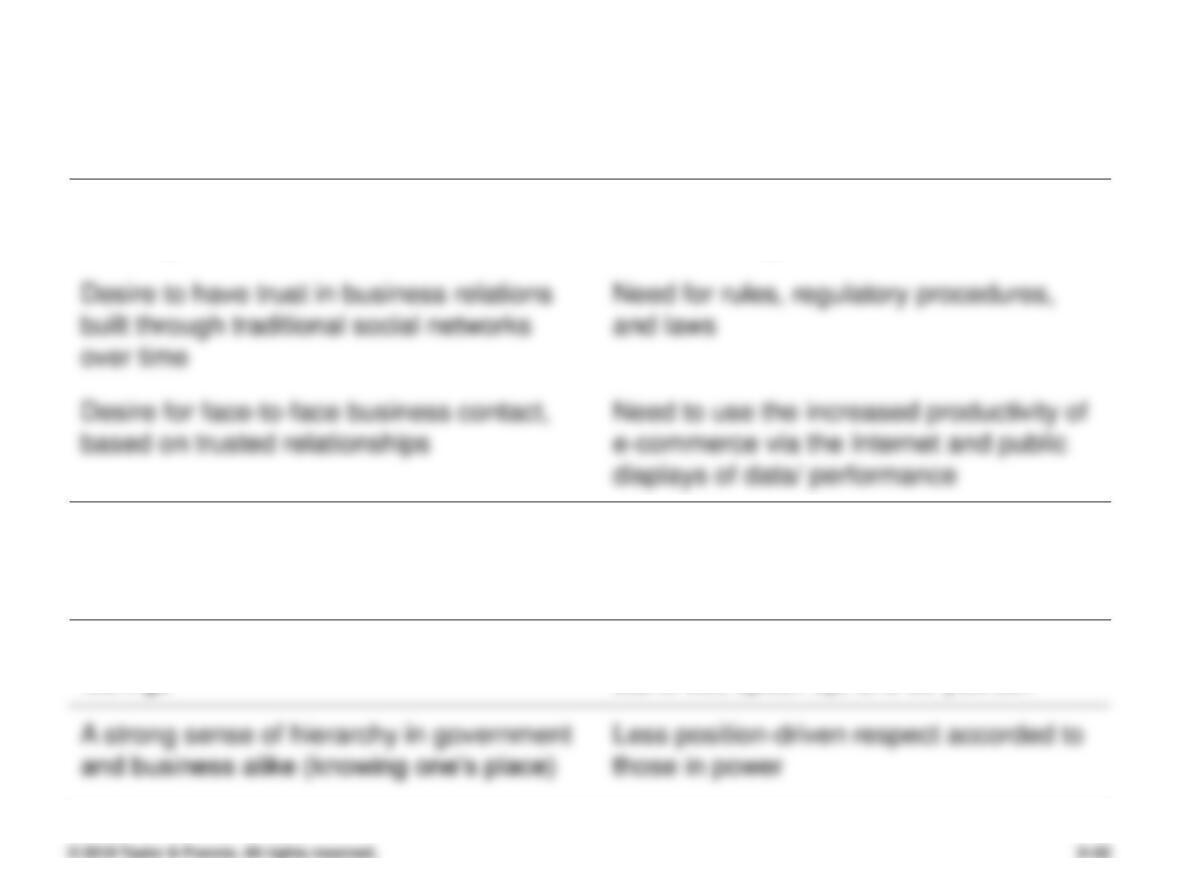
Table 2.4 Comparing American and Thai Business Values
Thai Culture U.S. Culture
Buddhist values of giving more than taking,
resisting material attachments
Need for achievement and material
reward are signs of success
Need to take care of employees, avoid
layoffs, and protect investors from taking
a “haircut” (thereby losing face)
Accelerate restructuring and cost cutting
as needed
Be humble and very considerate of others’
feelings
Not inconsiderate of others, but should
stand out, speak up, and be yourself