Part 1: The Role of Culture
in Organizational Behavior
CHAPTER 2
Cultural
Frameworks:
Understanding
Attitudes, Values,
and Behavior
Grasping Culture: Influential Frameworks
•The Development of and Need for Culture
Frameworks
•Hofstede’s Seminal Effort: Clustering Countries
by Cultural Values
➢Individualism–collectivism
➢Achievement–nurturing
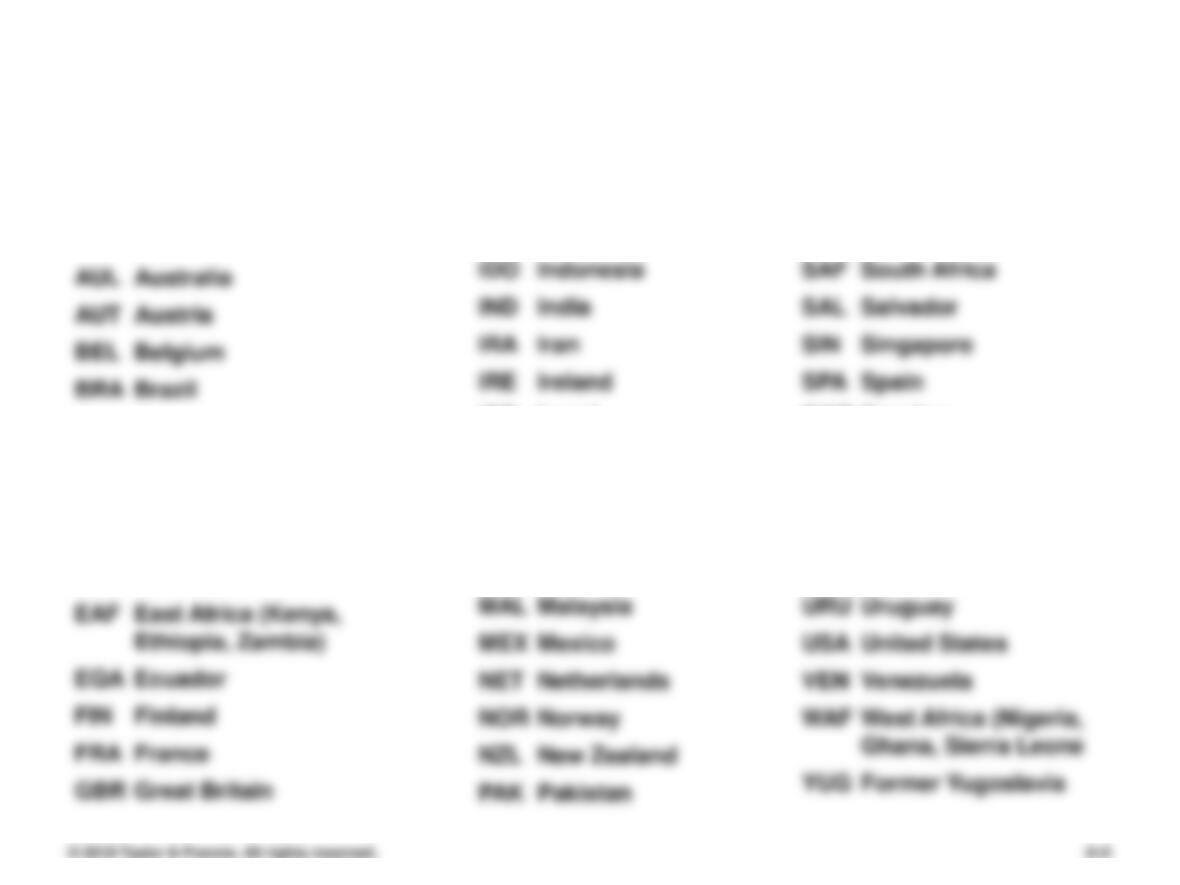
Figure 2.1 Countries and Regions in Hofstede’s Culture Maps
ARA Arab countries
(Egypt, Lebanon, Libya,
Kuwait, Iraq, Saudi Arabia,
United Arab Emirates)
ARG Argentina
CAN Canada
CHL Chile
COL Colombia
COS Costa Rica
DEN Denmark
GER Germany
GRE Greece
GUA Guatemala
HOK Hong Kong
ISR Israel
ITA Italy
JAM Jamaica
JPN Japan
KOR South Korea
PAN Panama
PER Peru
PHI Philippines
POR Portugal
SWE Sweden
SWI Switzerland
TAI Taiwan
THA Thailand
TUR Turkey
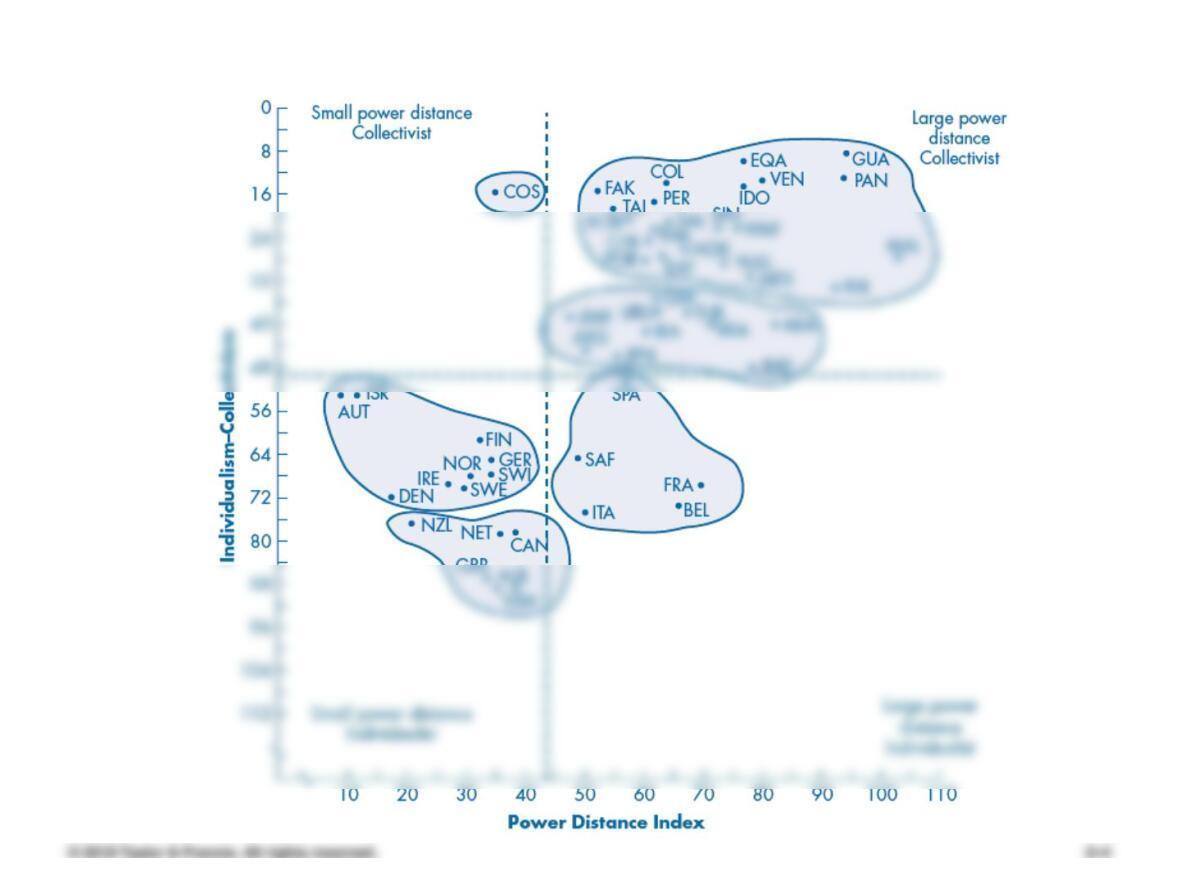
Figure 2.2 Mapping Individualism–Collectivism & Power Distance
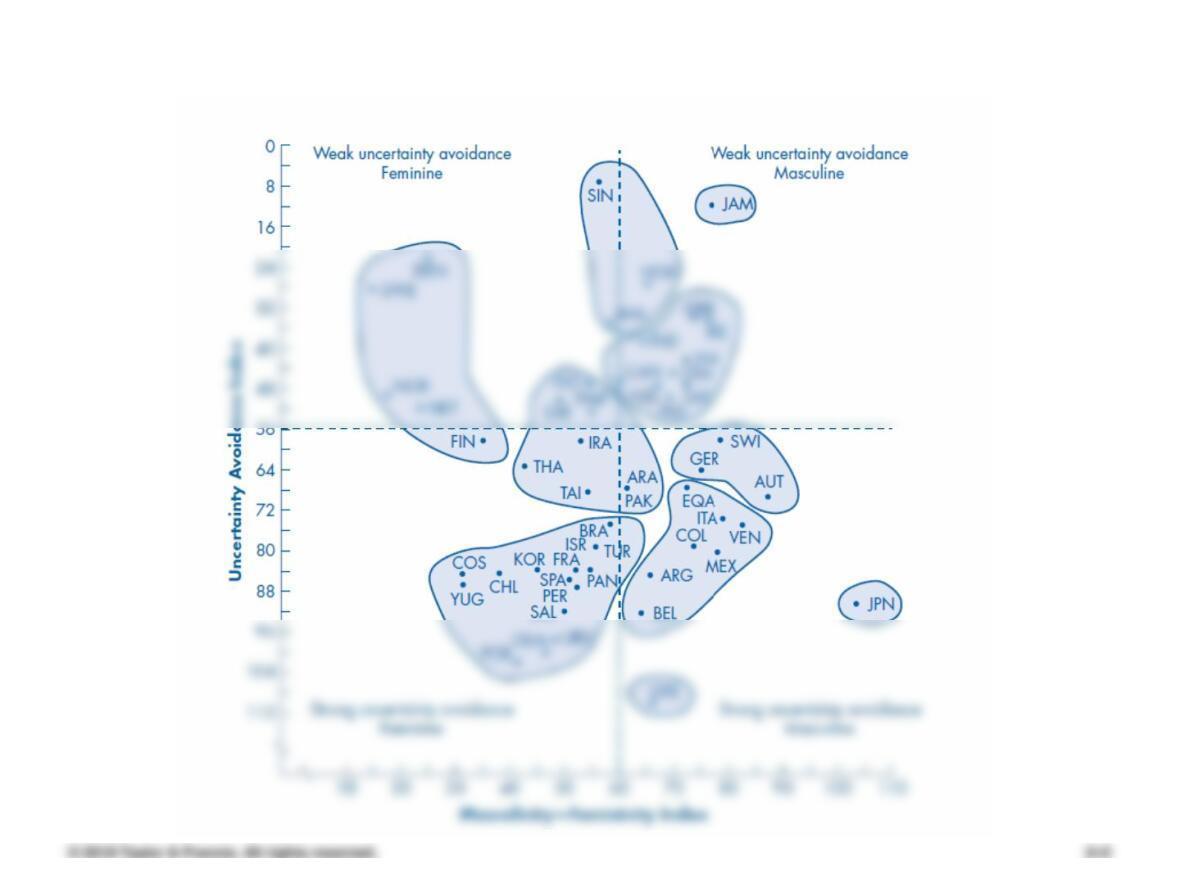
Figure 2.3 Mapping Uncertainty Avoidance & Masculinity–Femininity
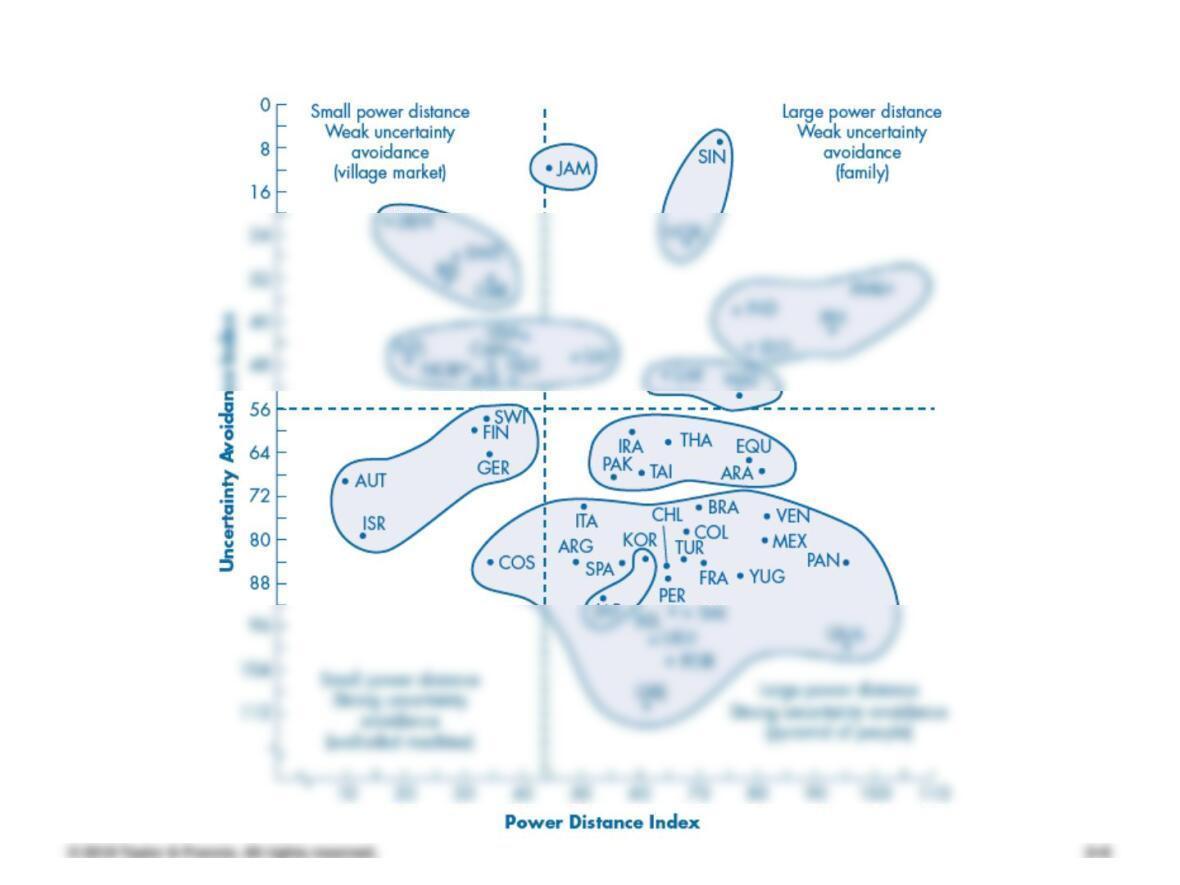
Figure 2.4 Mapping Power Distance & Uncertainty Avoidance
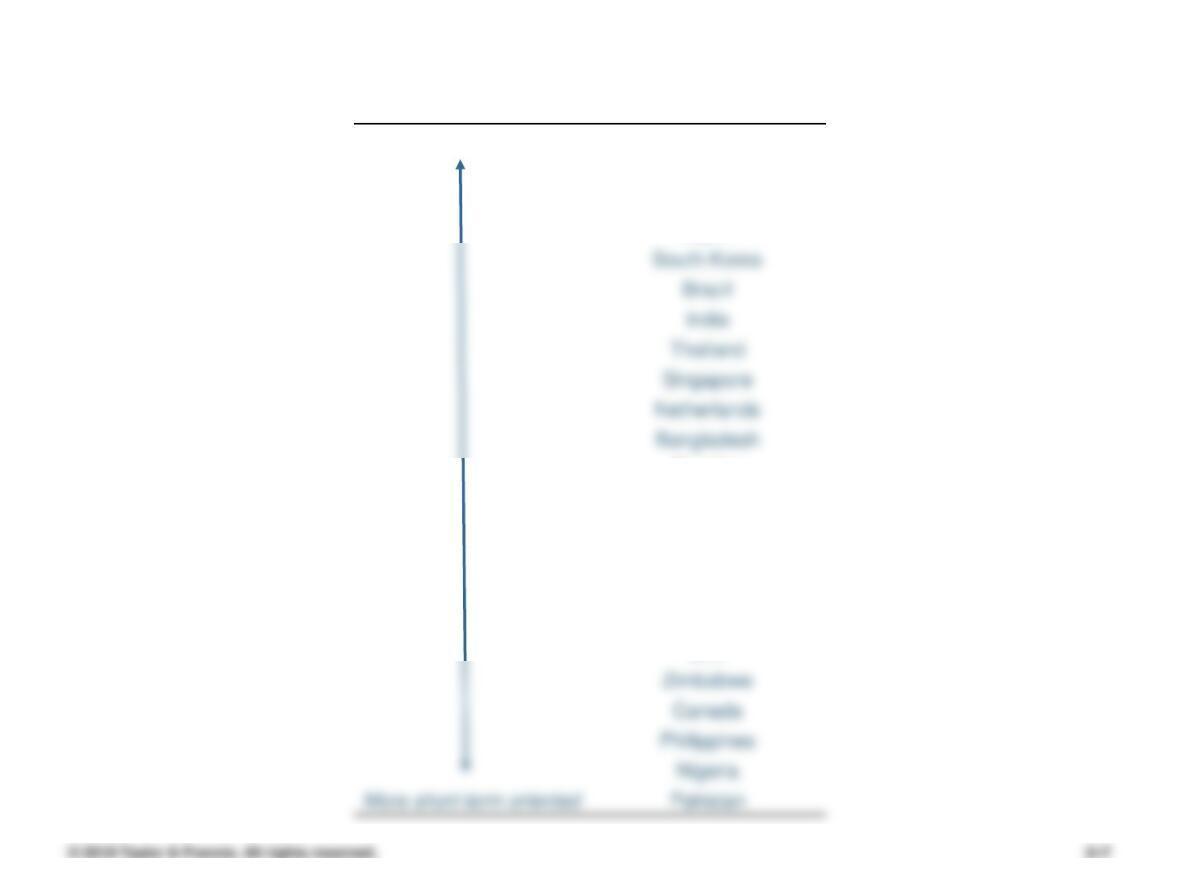
Table 2.1 Long-Term or Short-Term Orientation for Selected Countries
More long-term oriented China
Hong Kong
Taiwan
Japan
Sweden
Poland
Australia
Germany
New Zealand
U.S.
Limitations of Hofstede’s Framework
•Many countries are absent or underrepresented.
Trompenaars’s Cultural Dimensions
•Outer- versus inner-directed environmental view
•Specific versus diffuse
➢Compartmentalization of life and work roles versus
undifferentiated of life and work roles
The Global Leadership and Organizational
Behavior Effectiveness (GLOBE) Project
•The GLOBE Cultural Framework
➢Conducted a world-wide survey of managers that
identified nine different cultural dimensions that were
then used to classify countries on the dimensions
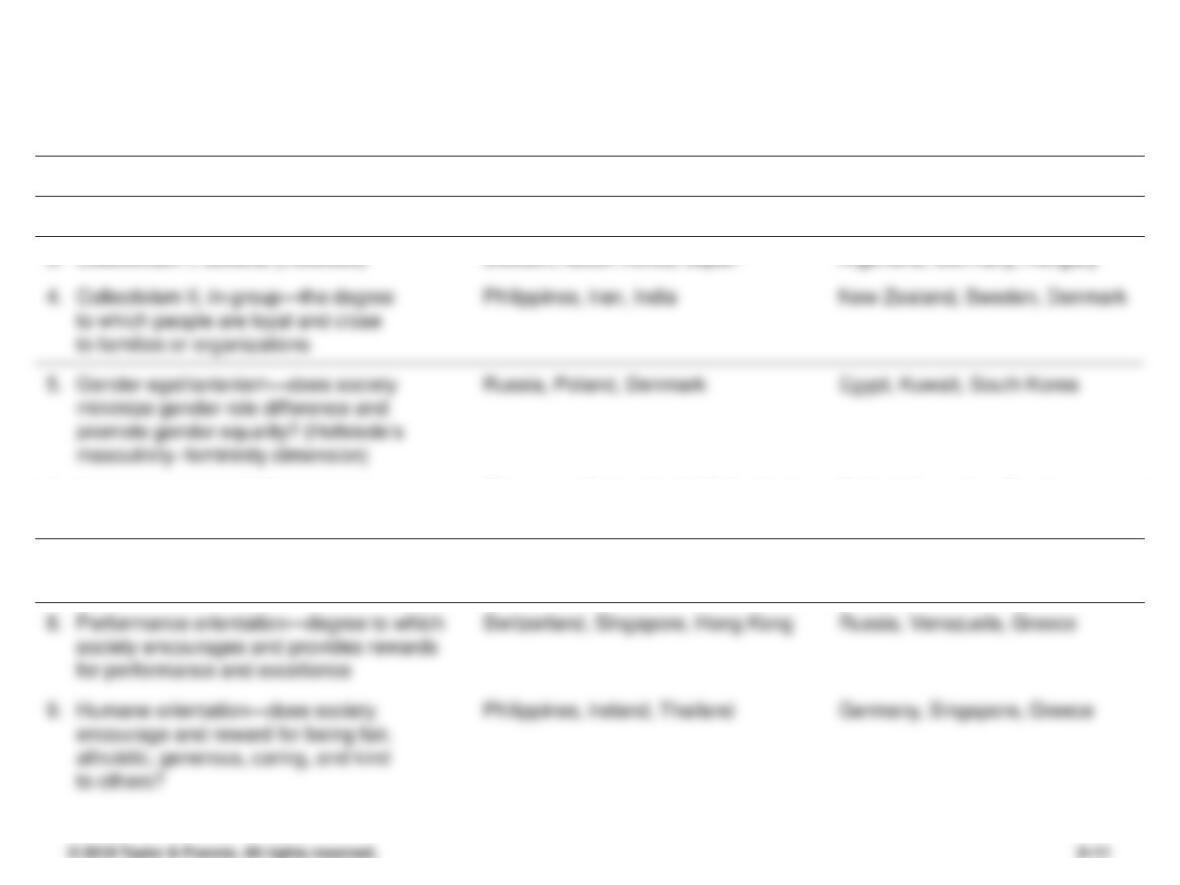
Figure 2.5 Cultural Dimensions from the GLOBE Study
Dimension and Definition Countries Ranked High Countries Ranked Low
1. Uncertainty avoidance (Hofstede) Switzerland, Sweden, Singapore Guatemala, Hungary, Russia
2. Power distance (Hofstede) Morocco, Nigeria, El Salvador Denmark, Netherlands, Israel
6. Future orientation (Hofstede’s long-term
orientation)
Singapore, Switzerland, Netherlands Poland, Argentina, Russia
7. Assertiveness—are people generally
assertive in their relations with others?
Albania, Germany, Hong Kong Switzerland, New Zealand,
Sweden