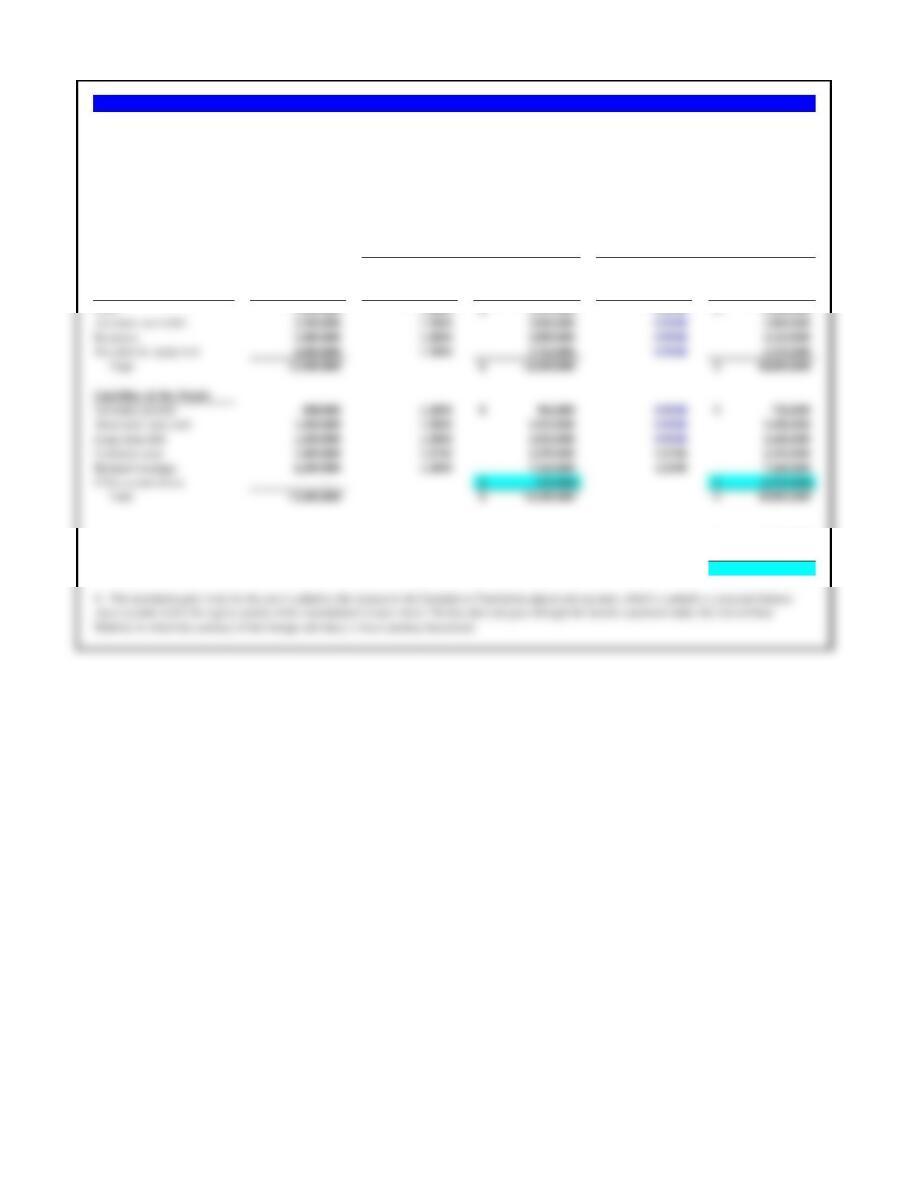
Translated Translated
Euros Exchange Rate Accounts Exchange Rate Accounts
Assets Statement (US$/euro) US dollars (US$/euro) US dollars
(2,536,800)$ 136,800
a. The translation gain (loss) is ————————————————-————————————————-————–> (2,400,000)$
Method, in which the currency of the foreign subsidiary is local currency functional.
Problem 11.1 Ganado Europe (A)
Using facts in the chapter for Ganado Europe, assume the exchange rate on January 2, 2006, in Exhibit 11.4 dropped in value from $1.2000/€ to $0.9000/€
rather than to $1.0000/€. Recalculate Ganado Europe’s translated balance sheet for January 2, 2006 with the new exchange rate using the current rate method.
a. What is the amount of translation gain or loss?
b. Where should it appear in the financial statements?
Translation Using the Current Rate Method: euro depreciates from $1.2000/euro to $0.9000/euro.
Just before devaluation
Just after devaluation
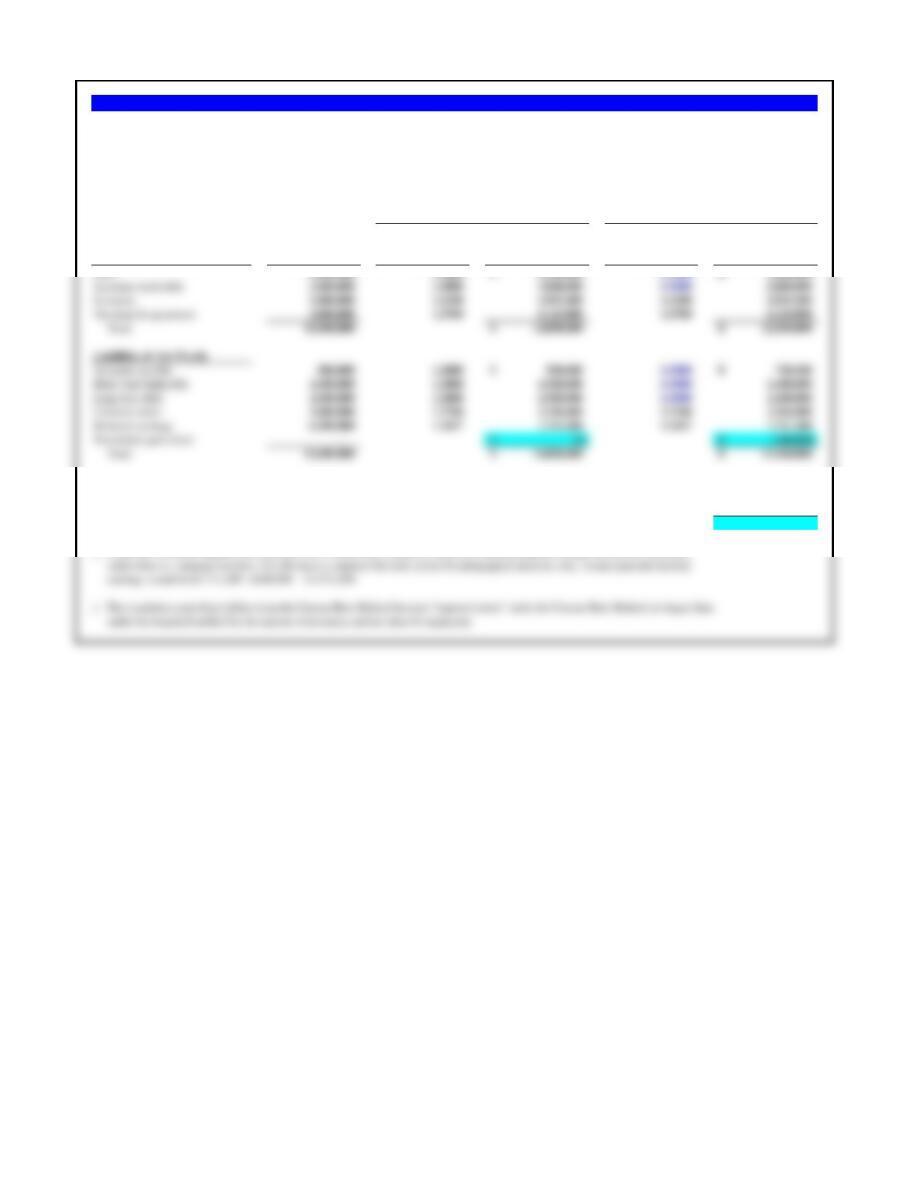
Translated Translated
Euros Exchange Rate Accounts Exchange Rate Accounts
Assets Statement (US$/euro) (US dollars) (US$/euro) (US dollars)
(240,000)$ 0
a. The translation gain (loss) — as a result of using the Temporal Method is —-—–—–—–—–—–—–—–—–—–—–—–> (240,000)$
b. Under the Temporal Method, the translation loss of $240,000 would be closed into retained earnings through the income statement,
Problem 11.2 Ganado Europe (B)
Using facts in the chapter for Ganado Europe, assume as in question Ganado Europe (A) that the exchange rate on January 2, 2006, in Exhibit 11.4 dropped in
value from $1.2000/€ to $0.9000/€ rather than to $1.0000/€. Recalculate Ganado Europe’s translated balance sheet for January 2, 2006 with the new exchange
rate using the temporal rate method.
Translation Using the Temporal Method: euro depreciates from $1.2000/euro to $0.9000/euro.
Just before devaluation
Just after devaluation
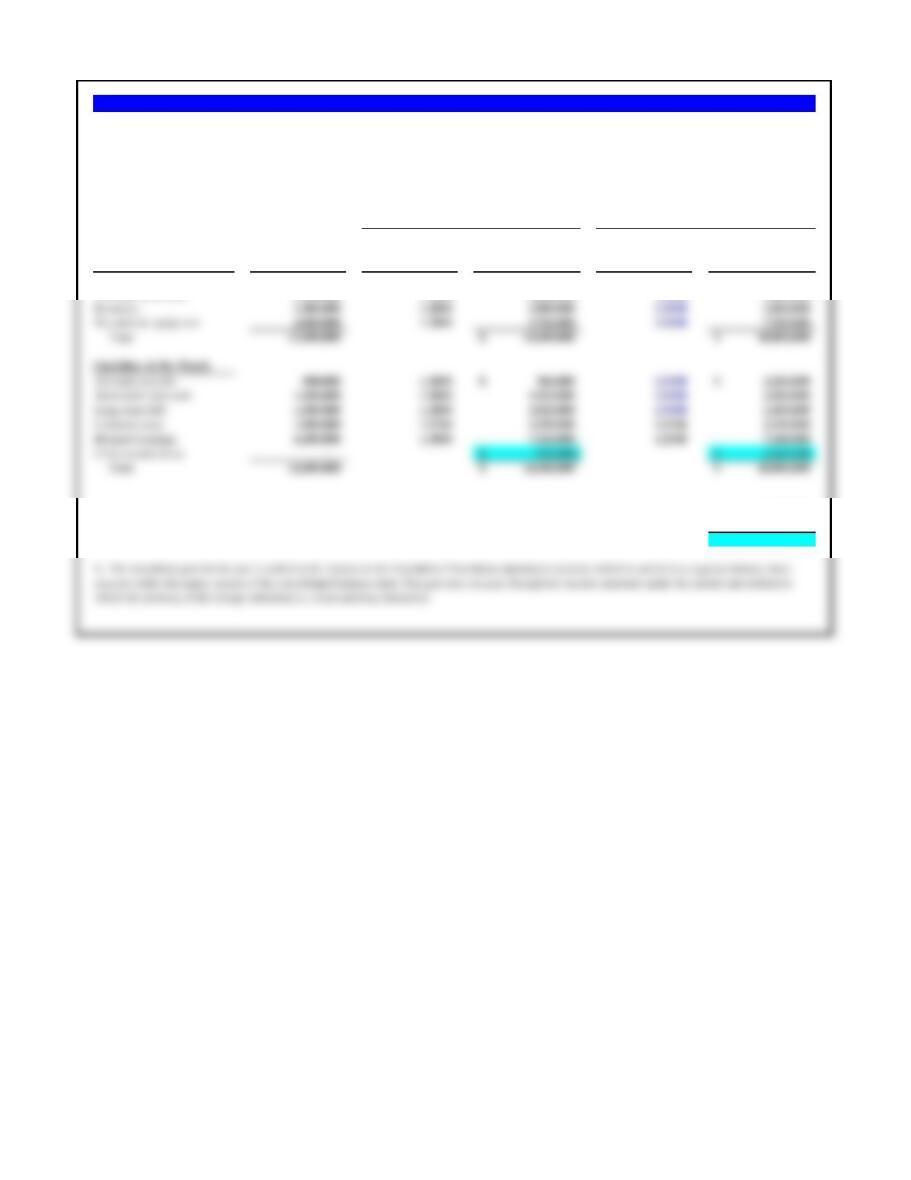
Translated Translated
Euros Exchange Rate Accounts Exchange Rate Accounts
Assets Statement (US$/euro) US dollars (US$/euro) US dollars
Cash 1,600,000 1.2000 1,920,000$ 1.5000 2,400,000$
Accounts receivable 3,200,000 1.2000 3,840,000 1.5000 4,800,000
2,263,200$ 136,800
a. The translation gain (loss) is: —-—————-————————————————-——————————————> 2,400,000$
Using facts in the chapter for Ganado Europe, assume the exchange rate on January 2, 2006, in Exhibit 11.4 appreciated from $1.2000/€ to $1.500/€.
Calculate Ganado Europe’s translated balance sheet for January 2, 2006 with the new exchange rate using the current rate method.
Problem 11.3 Ganado Europe ( C )
Translation Using the Current Rate Method: euro appreciates from $1.2000/euro to $1.5000/euro.
Just before revaluation
Just after revaluation
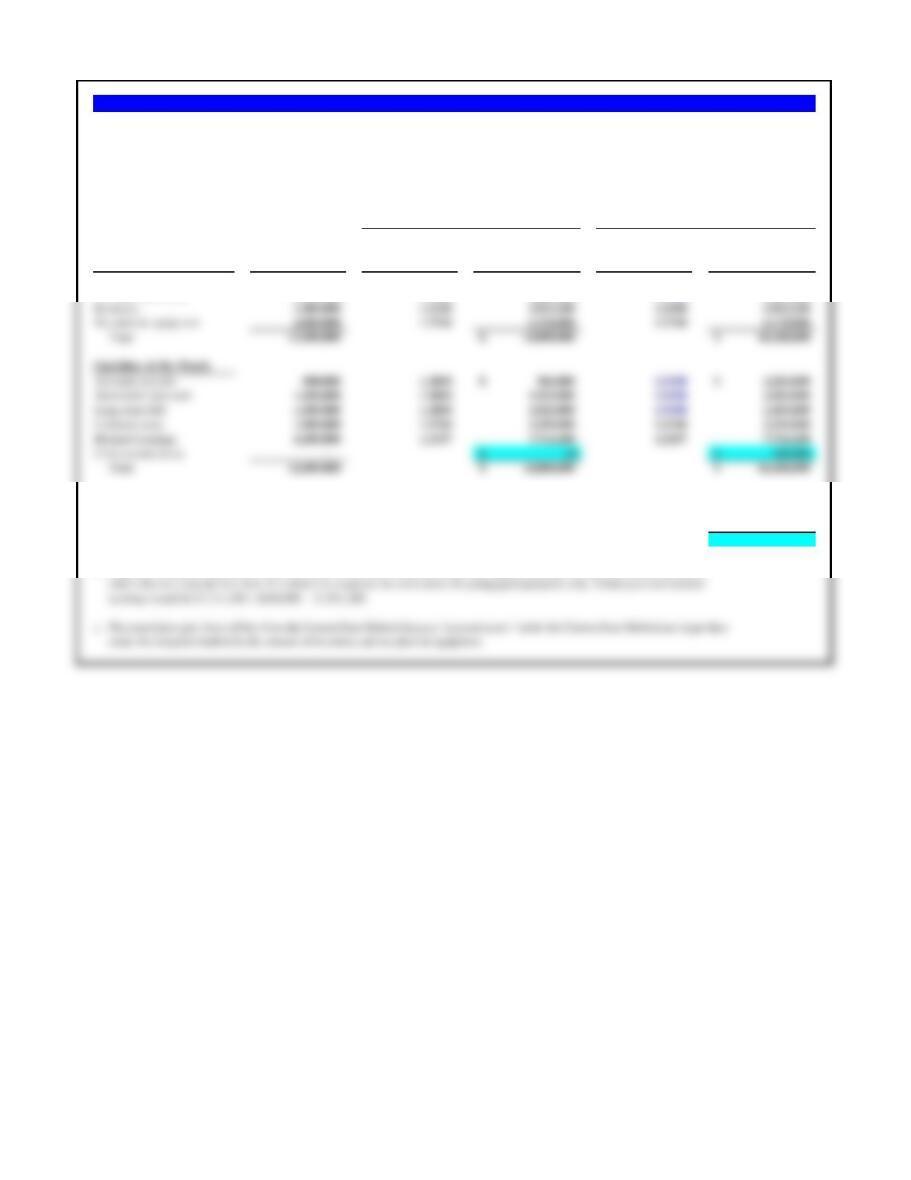
Translated Translated
Euros Exchange Rate Accounts Exchange Rate Accounts
Assets Statement (US$/euro) (US dollars) (US$/euro) (US dollars)
Cash 1,600,000 1.2000 1,920,000$ 1.5000 2,400,000$
Accounts receivable 3,200,000 1.2000 3,840,000 1.5000 4,800,000
a. The translation gain (loss) is: 240,000$ 0
240,000$
b. Under the Temporal Method, the translation gain of $240,000 would be closed into retained earnings through the income statement,
Problem 11.4 Ganado Europe (D)
Using facts in the chapter for Ganado Europe, assume as in Ganado Europe (C) that the exchange rate on January 2, 2006, in Exhibit 11.4 appreciated from
$1.2000/€ to $1.5000/€. Calculate Ganado Europe’s translated balance sheet for January 2, 2006 with the new exchange rate using the temporal method.
Translation Using the Temporal Method: euro appreciates from $1.2000/euro to $1.5000/euro.
Just before revaluation
Just after revaluation
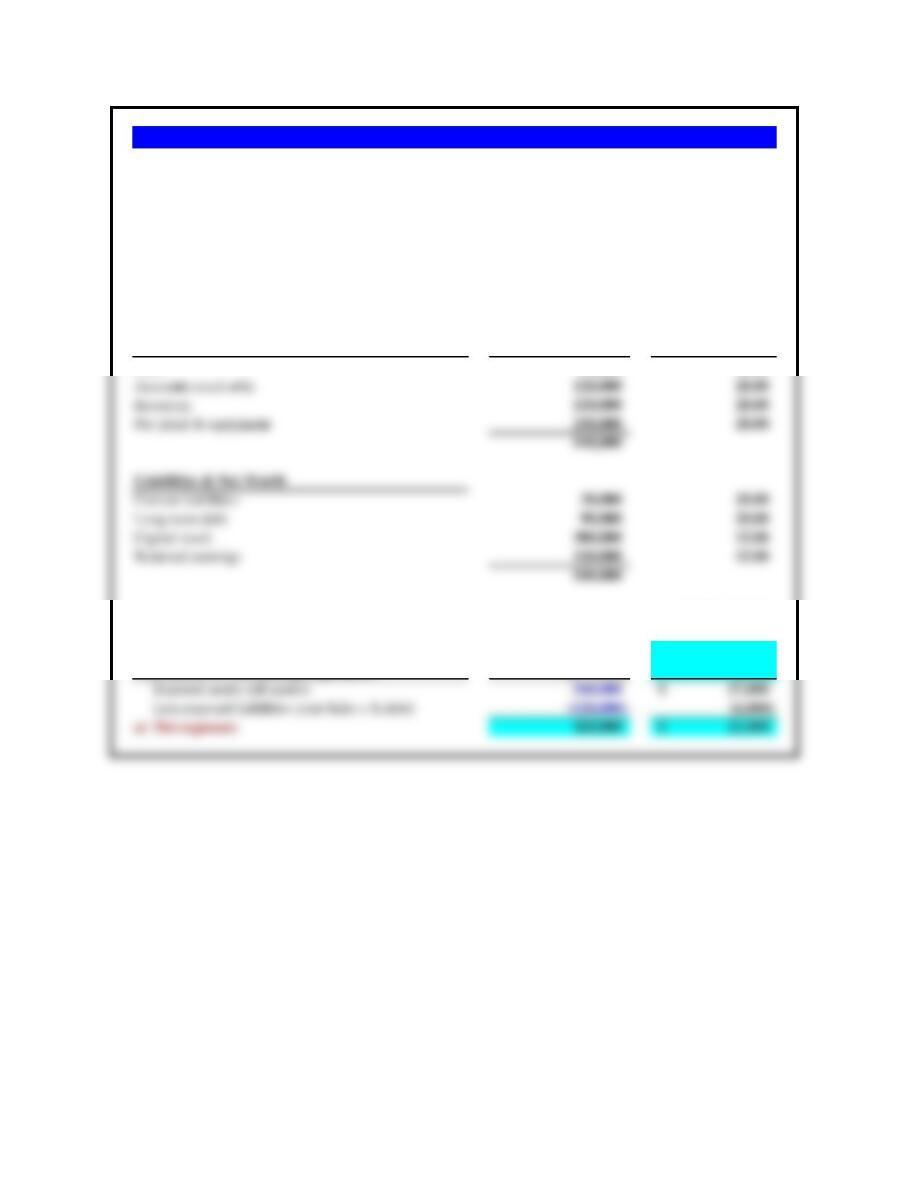
Balance Sheet (thousands of pesos Uruguayo, $U) Exchange Rate
Assets January 1st ($U/US$)
Cash 60,000 20.00
b) Translation
January 1st
$U/US$
Calculation of Accounting Exposures: $U (000s) 20.00
Problem 11.5 Tristan Narvaja, S.A. (A)
Tristan Narvaja, S.A., is the Uruguayan subsidiary of a U.S. manufacturing company. Its balance sheet for
January 1 follows. The January 1st exchange rate between the U.S. dollar and the peso Uruguayo ($U) is
$U20/$.
Determine Tristan Narvaja’s contribution to the translation exposure of its parent on January 1, using the
current rate method.
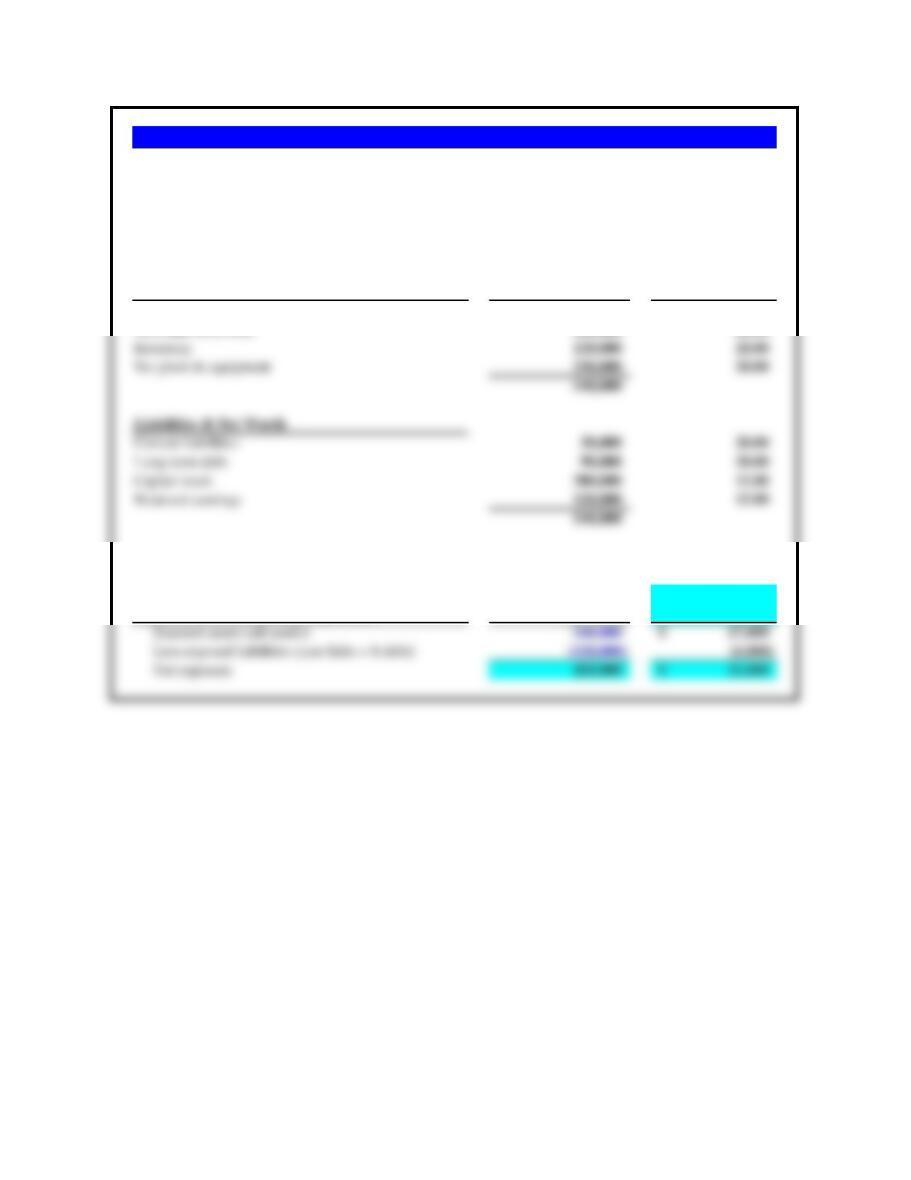
Balance Sheet (thousands of pesos Uruguayo, $U) Exchange Rate
Assets January 1st ($U/US$)
Cash 60,000 20.00
Accounts receivable 120,000 20.00
January 1st
$U/US$
Calculation of Accounting Exposures: $U (000s) 20.00
Problem 11.6 Tristan Narvaja, S.A. (B)
Calculate Tristan Narvaja’s contribution to its parent’s translation loss if the exchange rate on December
31st is $U22/$. Assume all peso accounts remain as they were at the beginning of the year.
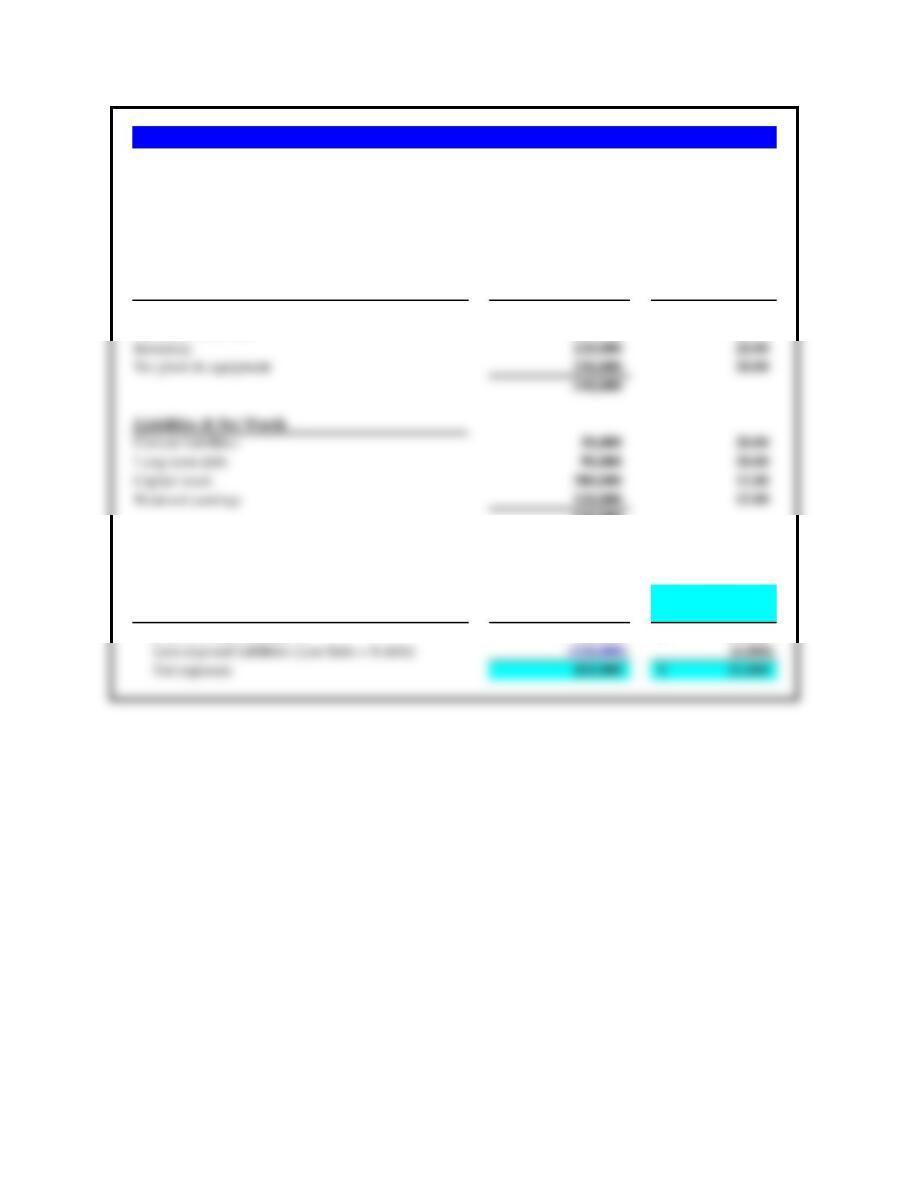
Balance Sheet (thousands of pesos Uruguayo, $U) Exchange Rate
Assets January 1st ($U/US$)
Cash 60,000 20.00
Accounts receivable 120,000 20.00
540,000
January 1st
$U/US$
Calculation of Accounting Exposures: $U (000s) 20.00
Exposed assets (all assets) 540,000 27,000$
Problem 11.7 Tristan Narvaja, S.A. (C)
Calculate Tristan Narvaja’s contribution to its parent’s translation gain or loss using the current rate method
if the exchange rate on December 31 is $U12/$. Assume all peso accounts remain as they were at the
beginning of the year.
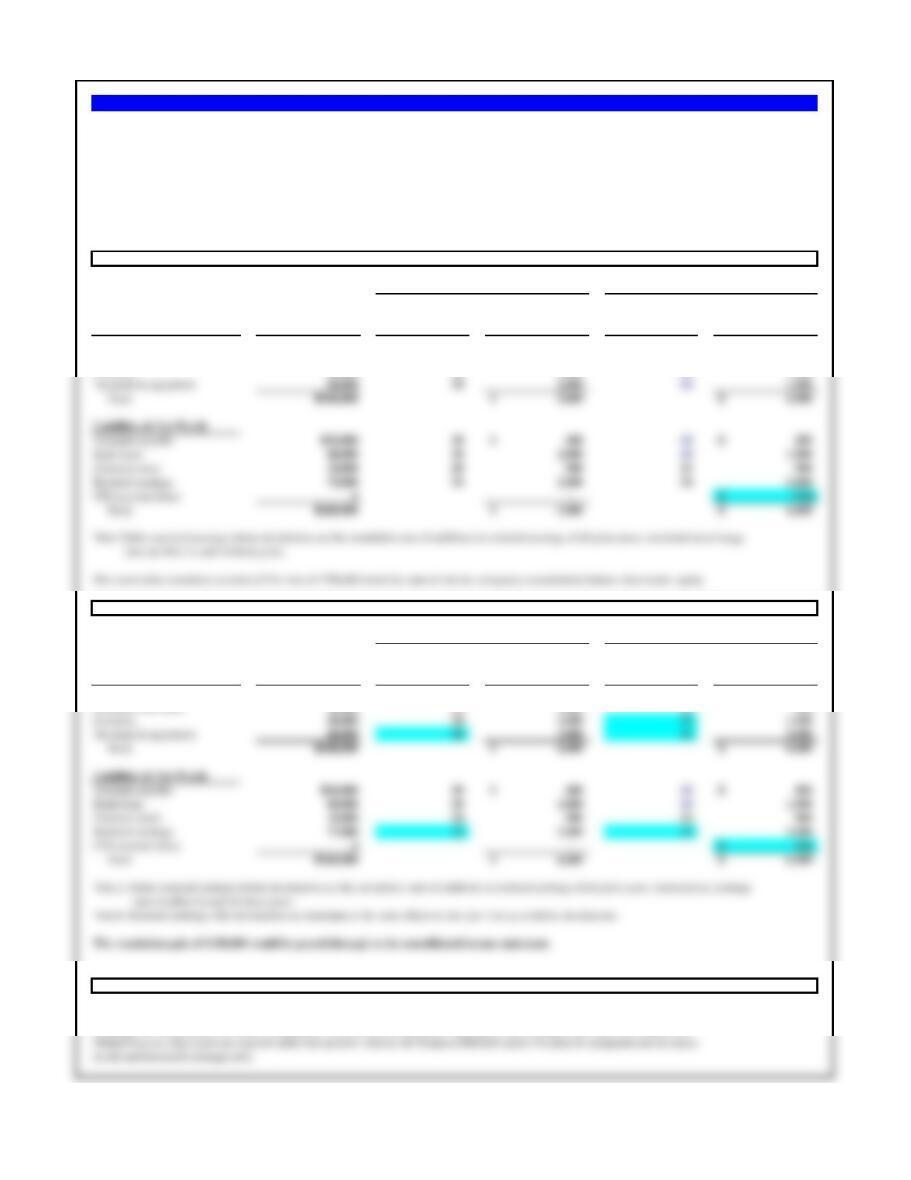
Balance Sheet (thousands) Translated Translated
Thai baht Exchange Rate Accounts Exchange Rate Accounts
Assets Statement (Baht/US$) US dollars (Baht/US$) US dollars
Cash ฿24,000 30 800$ 40 600$
Accounts receivable 36,000 30 1,200 40 900
Inventory 48,000 30 1,600 40 1,200
Balance Sheet (thousands) Translated Translated
Thai baht Exchange Rate Accounts Exchange Rate Accounts
Assets Statement (Baht/US$) US dollars (Baht/US$) US dollars
Cash ฿24,000 30 800$ 40 600$
Accounts receivable 36,000 30 1,200 40 900
The Temporal Method results in a translation gain, as opposed to the CTA loss found under the Current Rate Method, because of the different
exchange rates used against Net plant & equipment and the inventory line items. This gain would be impossible under the Current Rate
TRANSLATION BY THE TEMPORAL METHOD
Before Devaluation
After Devaluation
EXPLANATION OF DIFFERENT OUTCOME BY TRANSLATION METHODOLOGY
Problem 11.8 Bangkok Instruments, Ltd (A)
Bangkok Instruments, Ltd., is the Thai affiliate of a U.S. seismic instrument manufacturer. Bangkok Instruments manufactures the instruments primarily for the
oil and gas industry globally, though with recent commodity price increases of all kinds — including copper — its business has begun to grow rapidly. Sales are
primarily to multinational companies based in the United States and Europe. bankok Instruments’ balance sheet in thousands of Thai bahts (B) as of March 31st is
as follows.
Using the data presented, assume that the Thai baht dropped in value from B30/$ to B40/$ between March 31st and April 1st. Assuming no change in balance
sheet accounts between these two days, calculate the gain or loss from translation by both the current rate method and the temporal method. Explain the translation
gain or loss in terms of changes in the value of exposed accounts.
TRANSLATION BY THE CURRENT RATE METHOD
Before Devaluation
After Devaluation
Balance Sheet (thousands) Translated Translated
Thai baht Exchange Rate Accounts Exchange Rate Accounts
Assets Statement (Baht/US$) US dollars (Baht/US$) US dollars
Cash ฿24,000 30 800$ 25 960$
Accounts receivable 36,000 30 1,200 25 1,440
Note: Dollar retained earnings before devaluation are the cumulative sum of additions to retained earnings of all prior years, translated at exchange
rates in effect in each of those years.
This cumulative translation account (CTA) gain of $600,000 would be entered into the company’s consolidated balance sheet under equity.
Balance Sheet (thousands) Translated Translated
Thai baht Exchange Rate Accounts Exchange Rate Accounts
Assets Statement (Baht/US$) US dollars (Baht/US$) US dollars
Cash ฿24,000 30 800$ 25 960$
Accounts receivable 36,000 30 1,200 25 1,440
The Temporal Method results in a translation gain, as opposed to the CTA loss found under the Current Rate Method, because of the different
exchange rates used against Net plant & equipment and the inventory line items. This gain would be impossible under the Current Rate
Before Devaluation
After Devaluation
EXPLANATION OF DIFFERENT OUTCOME BY TRANSLATION METHODOLOGY
Problem 11.9 Bangkok Instruments, Ltd (B)
Using the original data provided for Bangkok Instruments, assume that the Thai baht appreciated in value from B30/$ to B25/$ between March 31 and April 1.
Assuming no change in balance sheet accounts between those two days, calculate the gain or loss from translation by both the current rate method and the temporal
method. Explain the translation gain or loss in terms of changes in the value of exposed accounts.
TRANSLATION BY THE CURRENT RATE METHOD
Before Devaluation
After Devaluation
TRANSLATION BY THE TEMPORAL METHOD
Balance Sheet of Cairo Ingot, Ltd. Translated Translated
Egyptian pounds Exchange Rate Accounts Exchange Rate Accounts
Assets Statement
(Egyptian £/UK£)British pounds (Egyptian £/UK£)British pounds
Cash 16,500,000 5.50 £3,000,000.00 6.00 £2,750,000.00
December 31st End of Quarter
a. Calculation of Actg Exposures: Egyptian pounds 5.50 6.00
Exposed assets (all assets) 165,000,000 £30,000,000.00 £27,500,000.00
b. Change in translation exposure: Gain (Loss) -£1,375,000.00
Alternatively, the translation loss arising from the fall in the value of the Egyptian pound can be found as follows:
Problem 11.10 Cairo Ingot, Ltd.
Before Exchange Rate Change
After Exchange Rate Change
Cairo Ingot, Ltd., is the Egyptian subsidiary of TransMediterranean Aluminum, a British multinational that fashions automobile engine blocks from aluminum. Trans-
Mediterranean’s home reporting currency is the British pound. Cairo Ingot’s December 31st balance sheet is shown below. At the date of this balance sheet the exchange
rate between Egyptian pounds and British pounds sterling was £E5.50/UK£.
a. What is Cairo Ingot’s contribution to the translation exposure of Trans-Mediterranean on December 31st, using the current rate method?
b. Calculate the translation exposure loss to Trans-Mediterranean if the exchange rate at the end of the following quarter is £E6.00/£. Assume all balance sheet accounts are
the same at the end of the quarter as they were at the beginning.