Part 1: The Role of Culture
in Organizational Behavior
CHAPTER 1
International
Organizational
Behavior:
Challenges and
Options for
Management
Globalization: the Rise and
Advance of Emerging Markets
•The increased gross domestic product (GDP) of
developing nations is creating affluent consumers with
middle-class expectations and disposable income.
•The potential in African markets is yet to be developed.
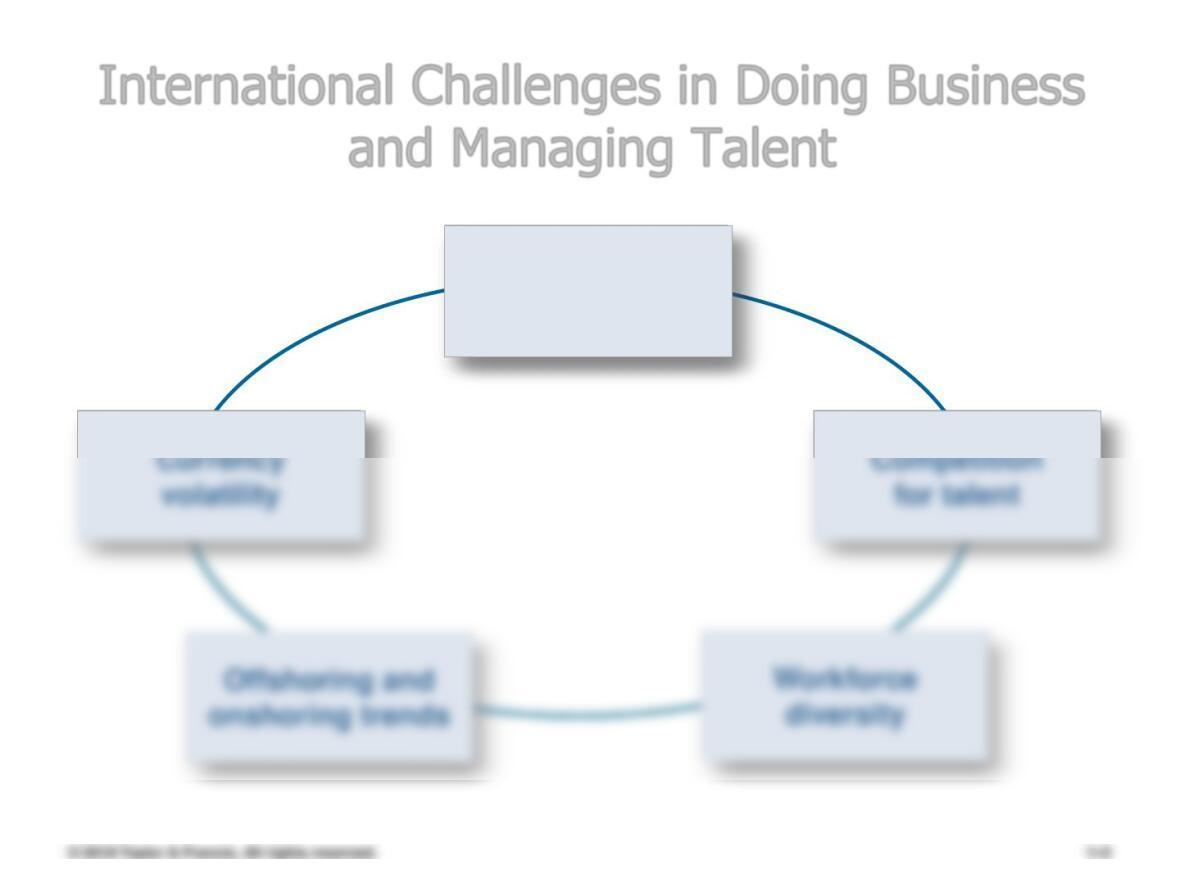
•Emerging market
complexity
•Competition for talent
•Workforce diversity
•Offshoring and
onshoring
•Currency volatility
International Challenges in Doing Business
and Managing Talent
Emerging market
complexity
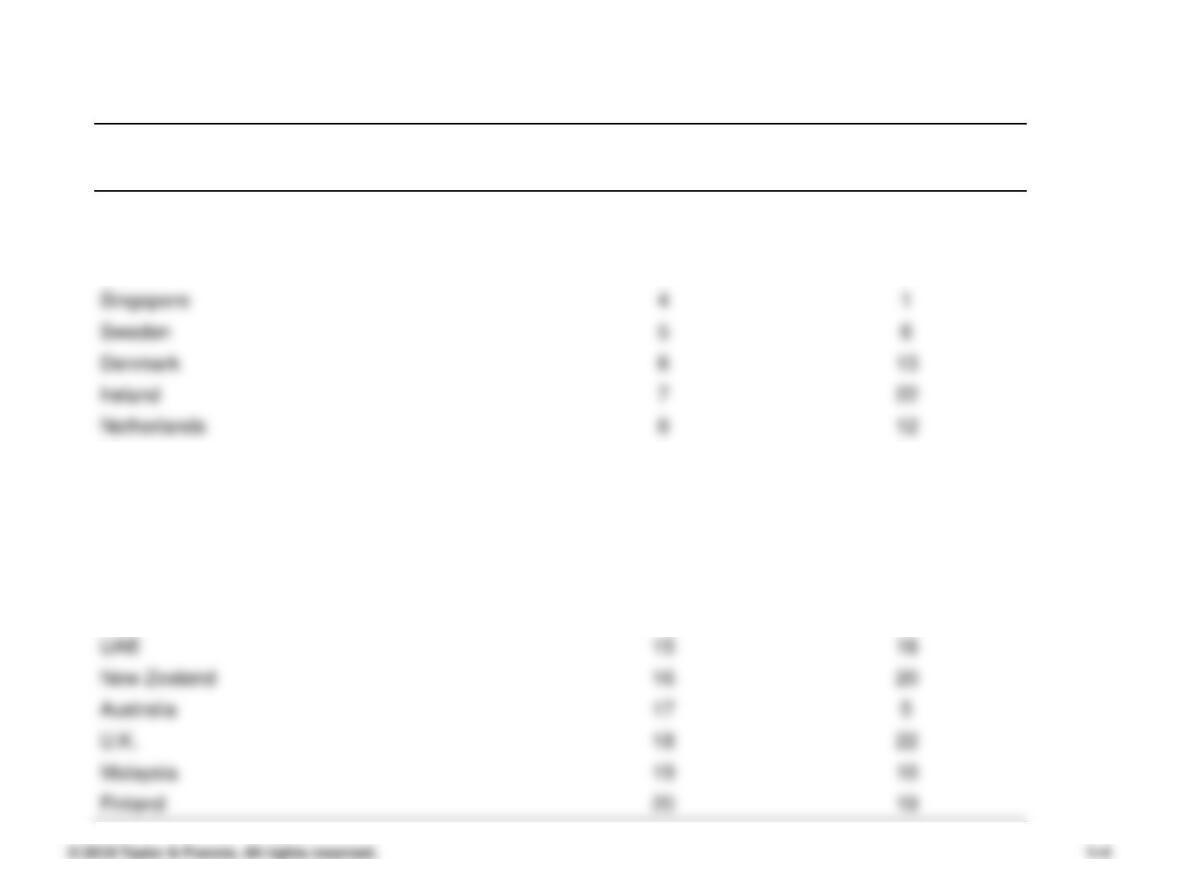
Table 1.1 The 20 Most Competitive Nations in 2016 & 2010
Nation
2016 Ranking 2010 Ranking
China/Hong Kong
12*
Switzerland
2 4
U.S.A.
3 3
Singapore
Sweden
Denmark
Ireland
Norway
9 9
Canada
10 7
Luxembourg
11 11
Germany
12 16
Qatar
13 15
Taiwan
14 8
International Organizational Behavior:
A Skills Profile
•Business practices
•Change agent
•Cultural adaptability
•Mental maturity
•Multidimensional
perspective
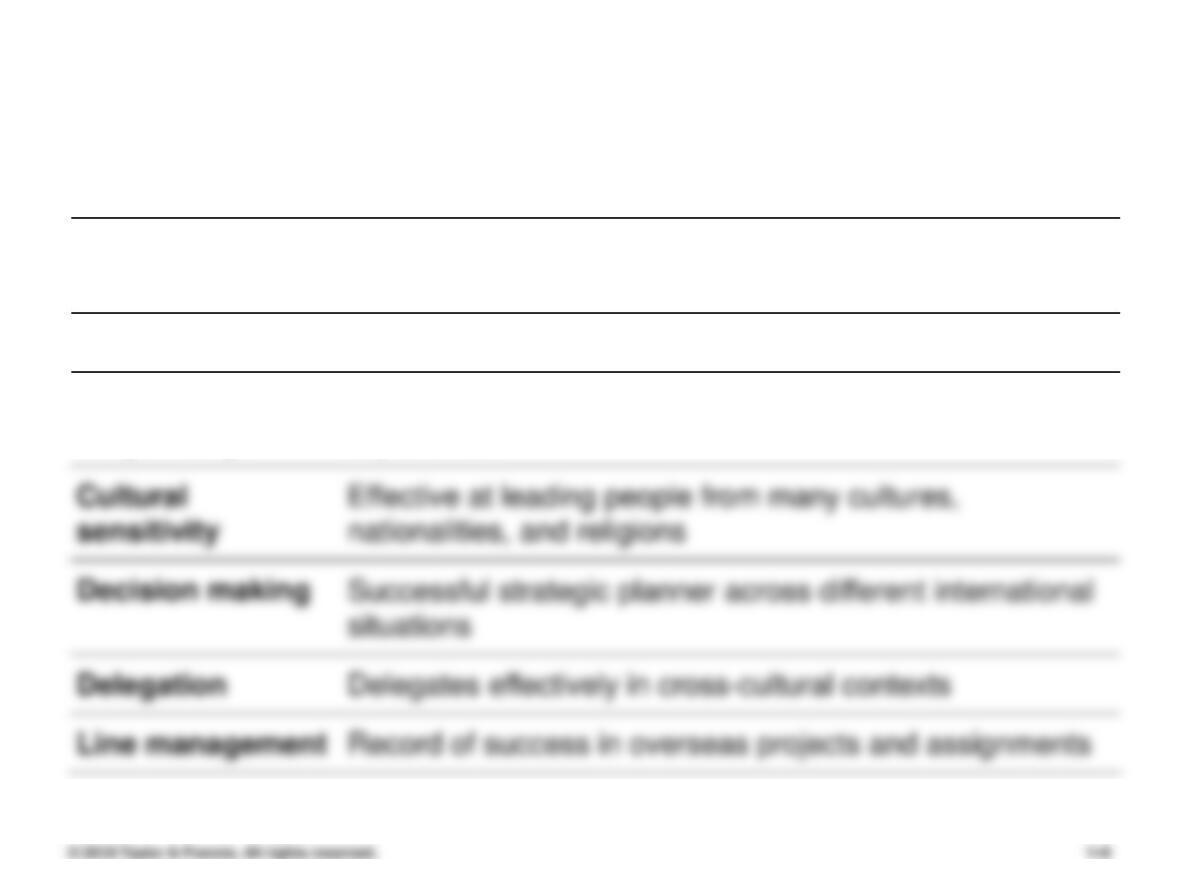
Table 1.2 International Organizational Behavior for Managers:
Desired Skills and Attributes
Area
Desired
Skills and Attributes
Business
practices
Understands differences in business practices across
countries
Change agent
Record of successfully initiating and implementing change
Cultural
adaptability
Adapts quickly to foreign cultures, diverse cross
-cultural
experience
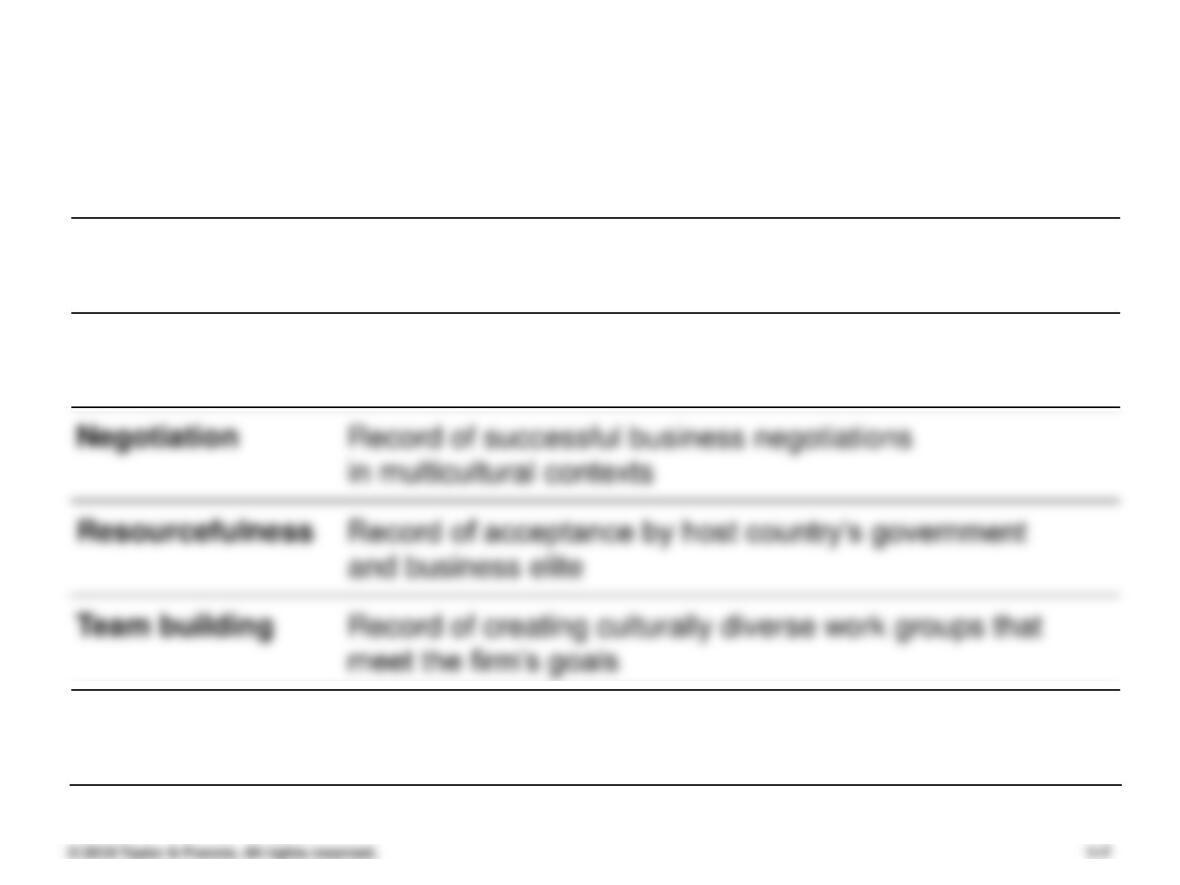
Table 1.2 International Organizational Behavior for Managers: Desired
Skills and Attributes (continued)
Area
Desired
Skills and Attributes
Mental maturity
Possesses the endurance required for the rigors
of foreign postings
Multidimensional
perspective
Extensive multifunctional, multicountry, and
multienvironment experience
Record of successful business negotiations
Vision
Quickly spots and responds to threats and opportunities
in the host country
Developing and Growing Internationally:
Conceptual Building Blocks
•The Pervasive Impact of Culture
➢“Collective programming of the mind”
Multinational Enterprises:
History and Strategic Options
•Stages in international firm development
➢Stage 1: Exporting overseas
➢Stage 2: Sales subsidiaries
•Different drummers: Emerging market multinationals
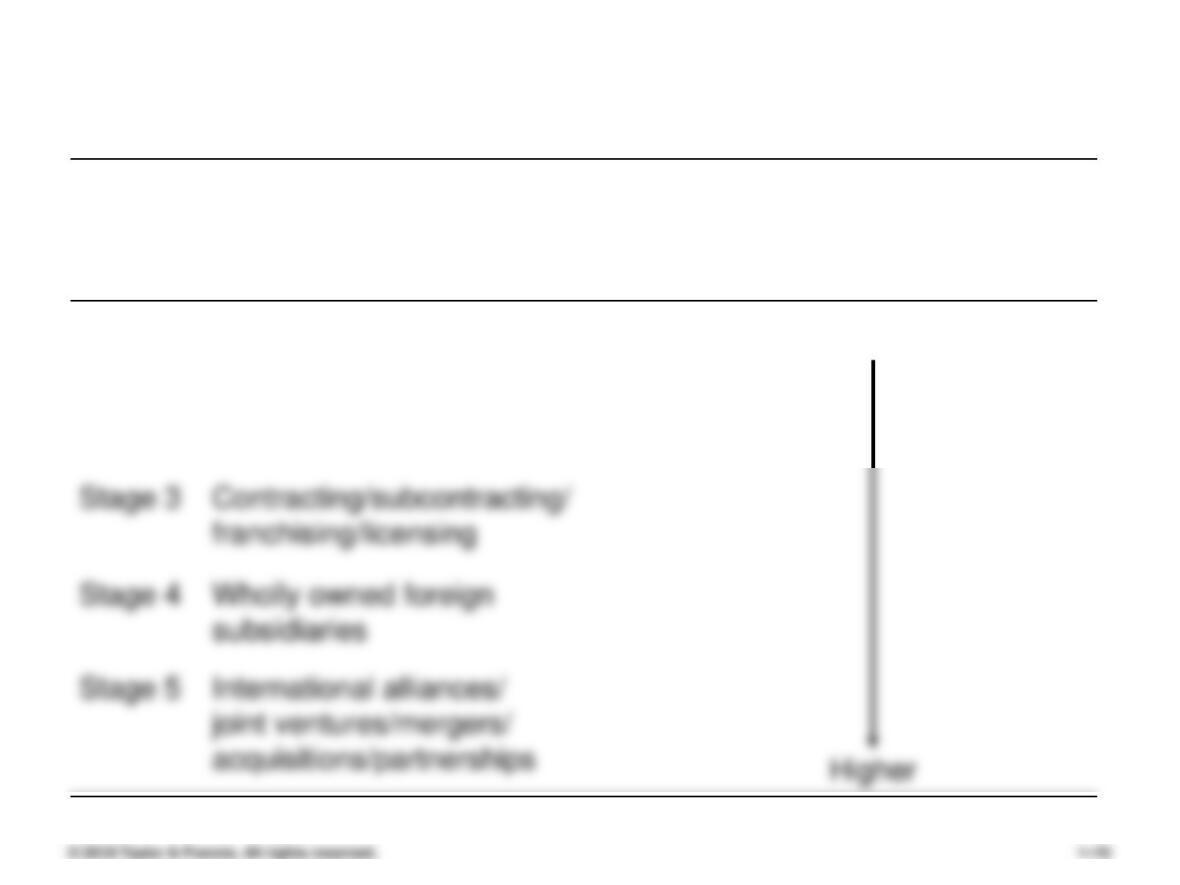
Table 1.3 Typical Developmental Stages in Company Internationalization
Stage
Title/Focus
Level of International Human
Resource Management
Sophistication Required
Stage 1
Exporting overseas
Lower
Stage 2
Foreign sales subsidiaries
/
sales
offices
Strategic Choices for International Business
•Global integration and local responsiveness
➢The international strategy
➢The multidomestic strategy
•The key: creating buy-in when developing
an international strategy
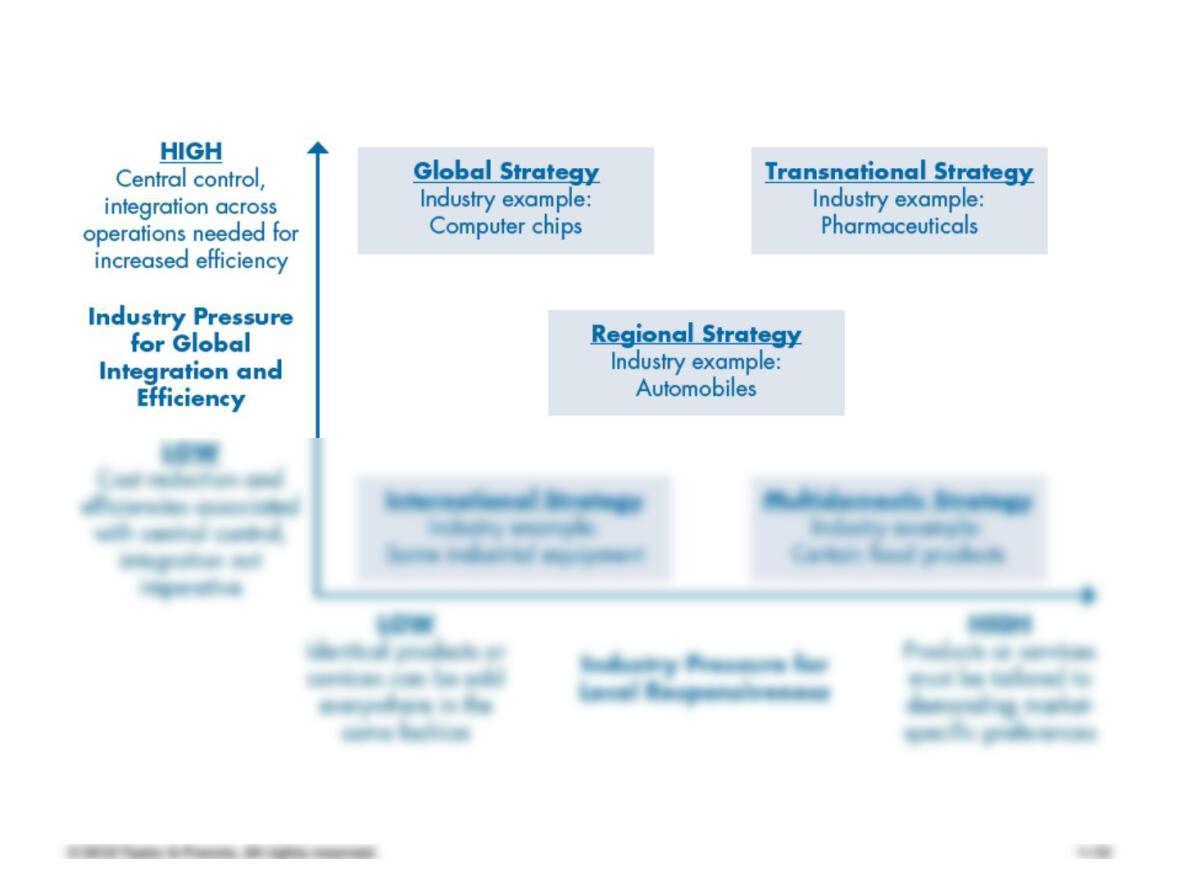
Figure 1.1 International Strategy Options: Horses for Courses
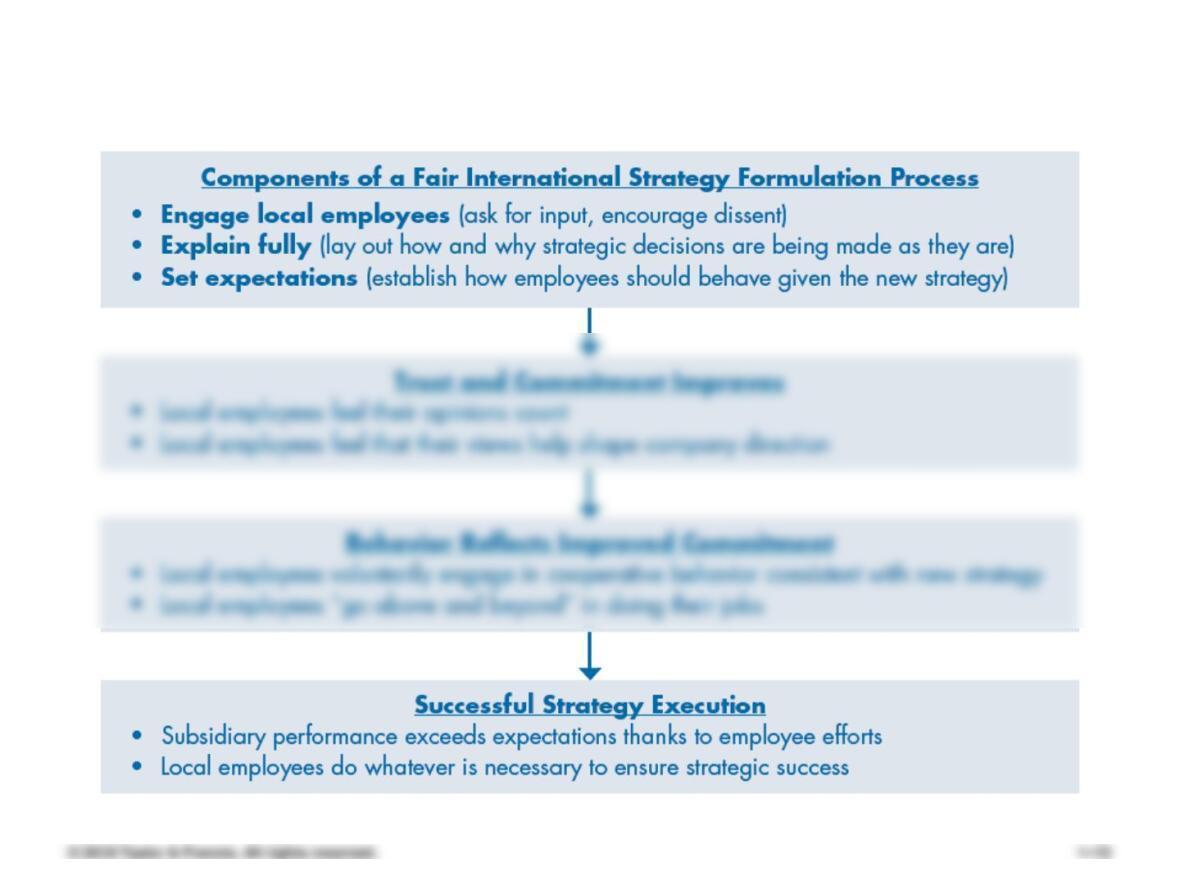
Figure 1.2 Ensuring Fairness in International Strategy Development
Developing Your International Career:
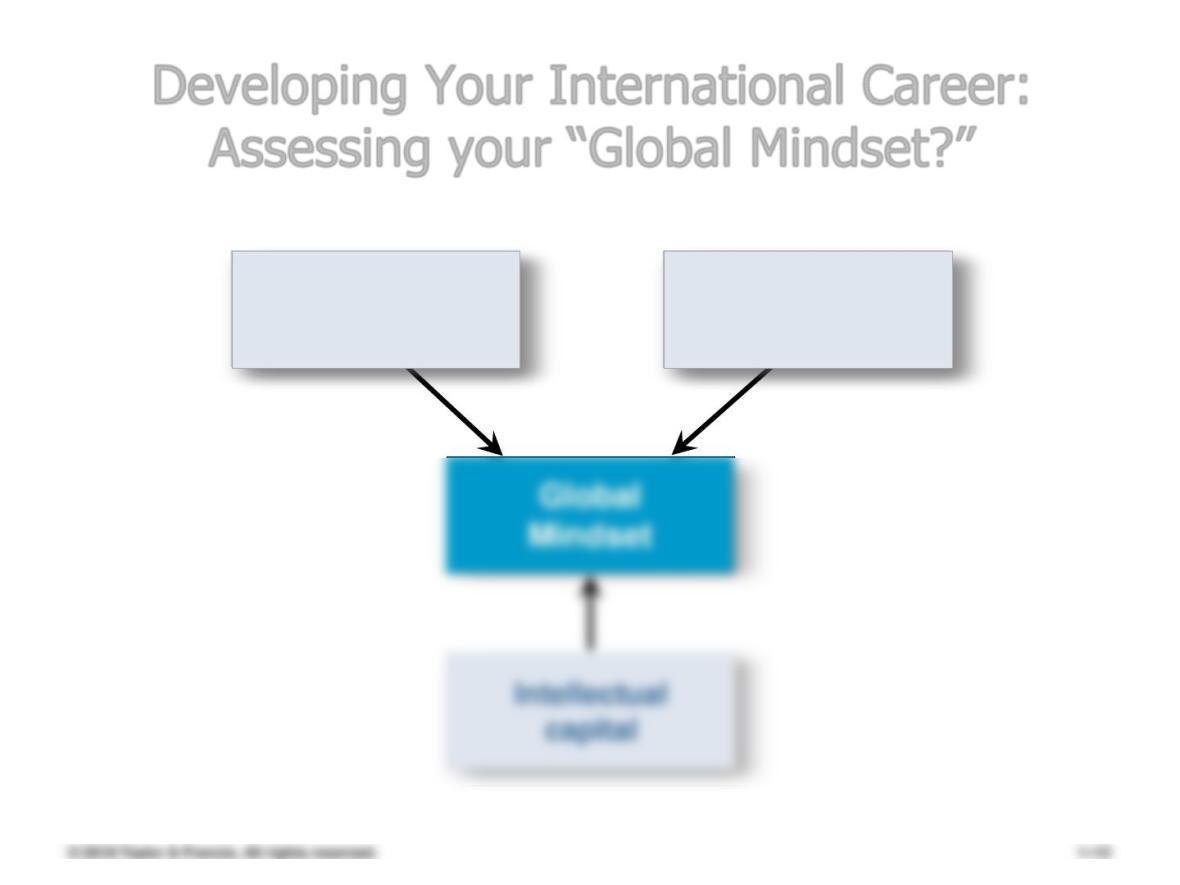
Assessing your “Global Mindset?”
Social
capital
Psychological
capital