LRC Circuit: Complex Roots Summary(3)
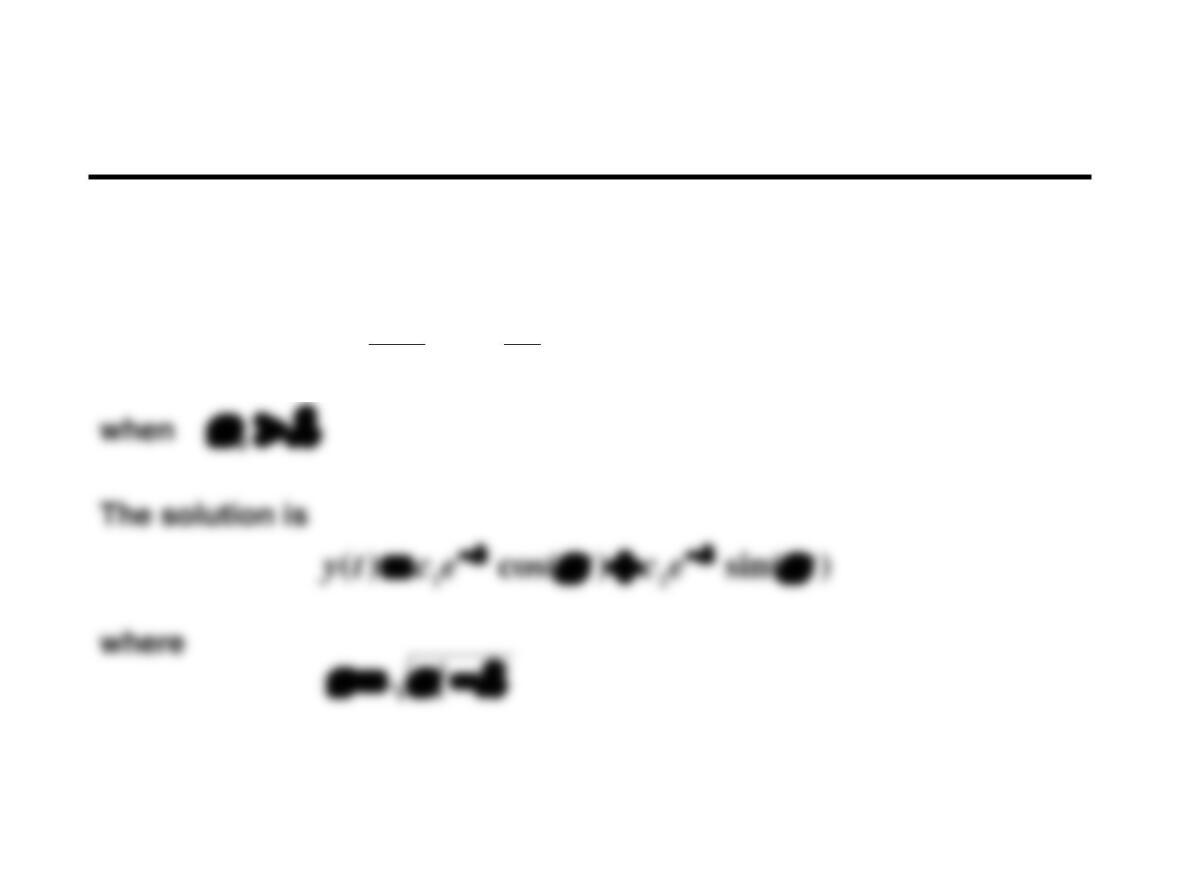
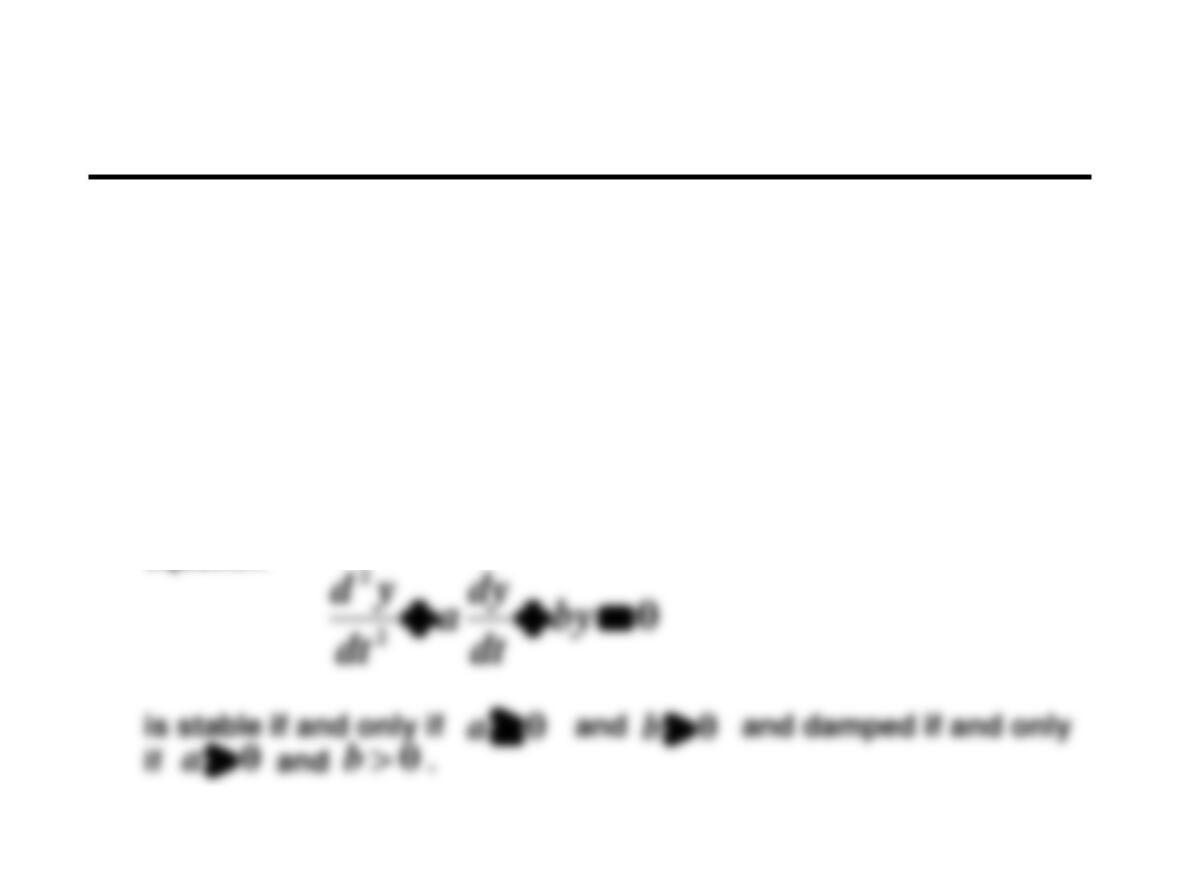
The results of this example extend to any ODE of the form
02 2
0
2
2
=++ y
dt
dy
dt
yd
Second Order Linear Homogeneous ODEs:
Fundamental Solutions
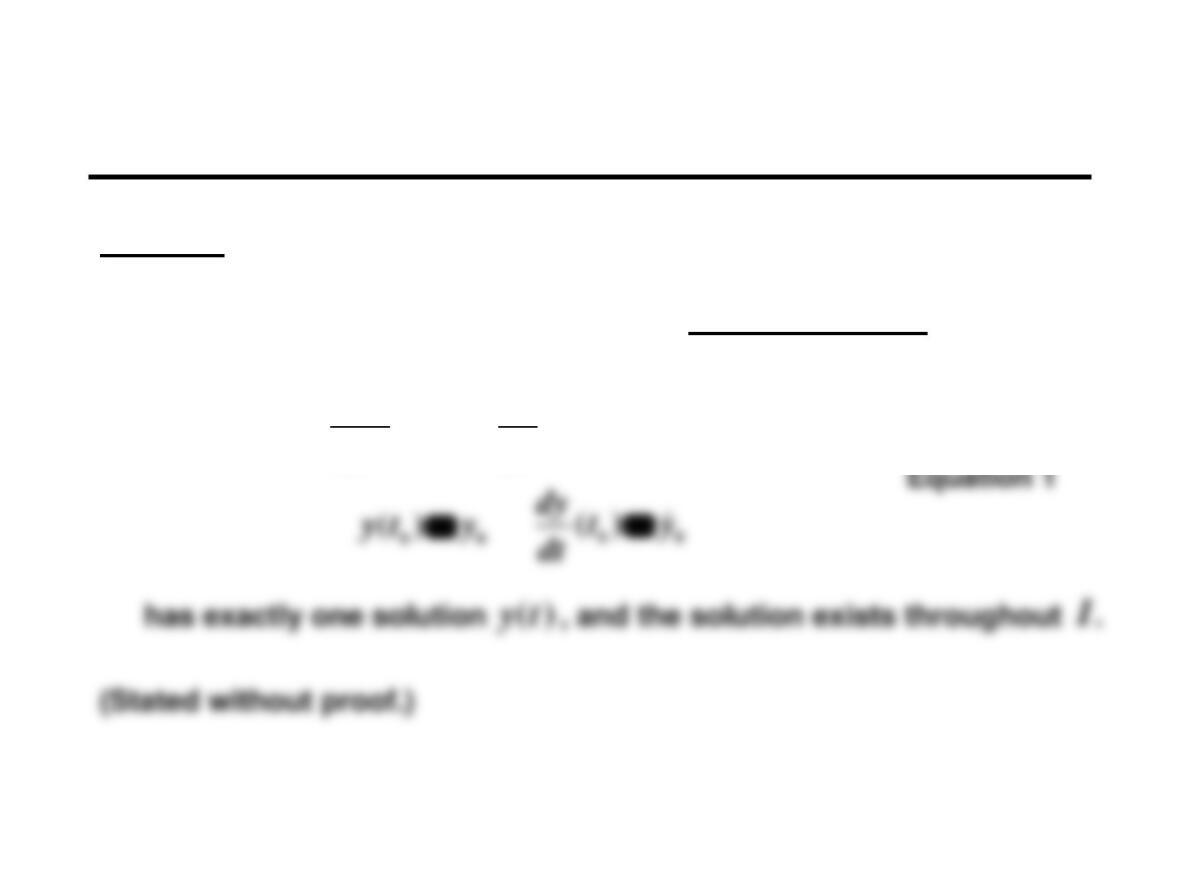
Existence and Uniqueness Theorem for
Second Order Linear ODEs
Theorem:
Let , and be continuous on an open interval
containing the point . Then the nonhomogenous ODE
)(tp
)(tq
)(tg
I
0
tt =
)()()(
2
2
tgytq
dt
dy
tp
dt
yd =++
Fundamental Solutions
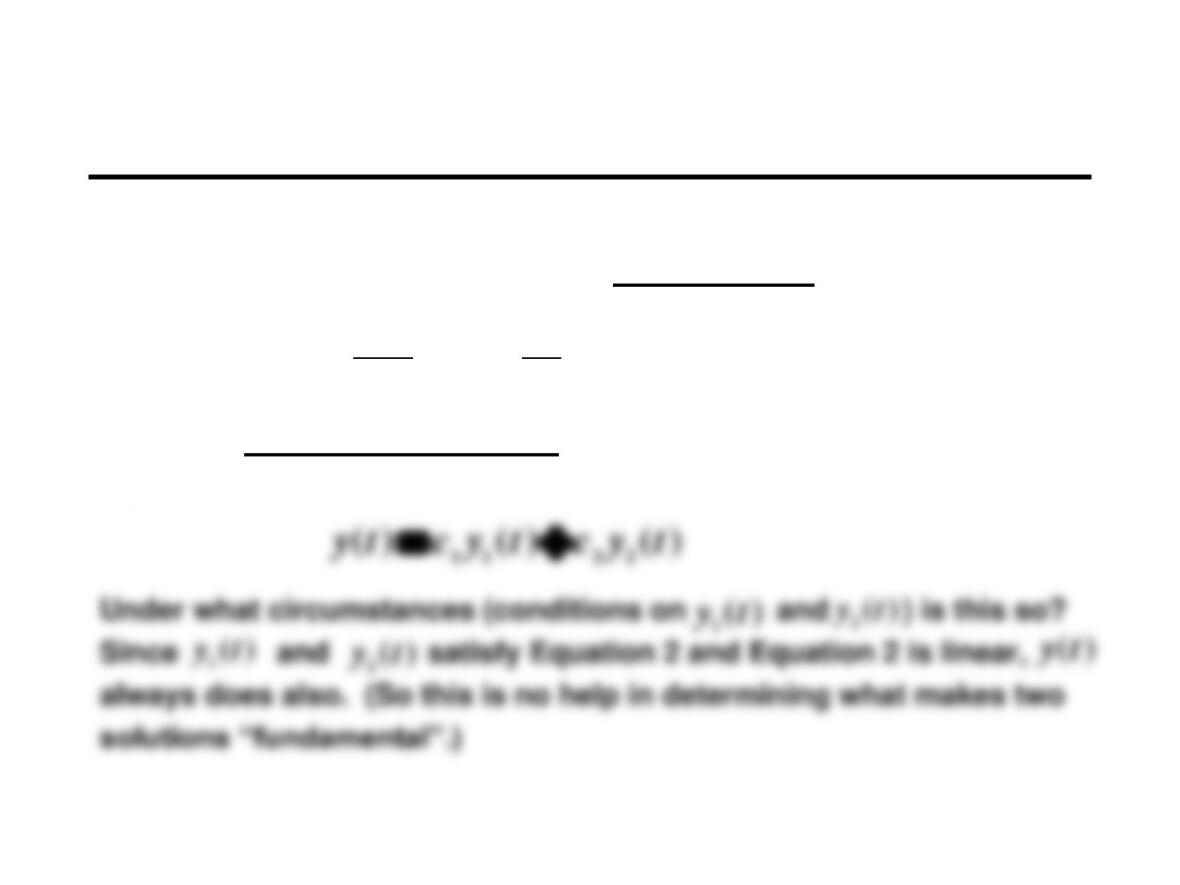
The solutions and to the homogeneous ODE
are called fundamental solutions to the ODE if any solution to
Equation 2 can be written
0)()(
2
2
=++ ytq
dt
dy
tp
dt
yd
)(
1ty
)(
2ty
Equation 2
)(ty
)(
1ty
Wronskian
The function satisfies the initial
conditions if and can be chosen to satisfy
This is a set of two linear equations in two unknowns and .
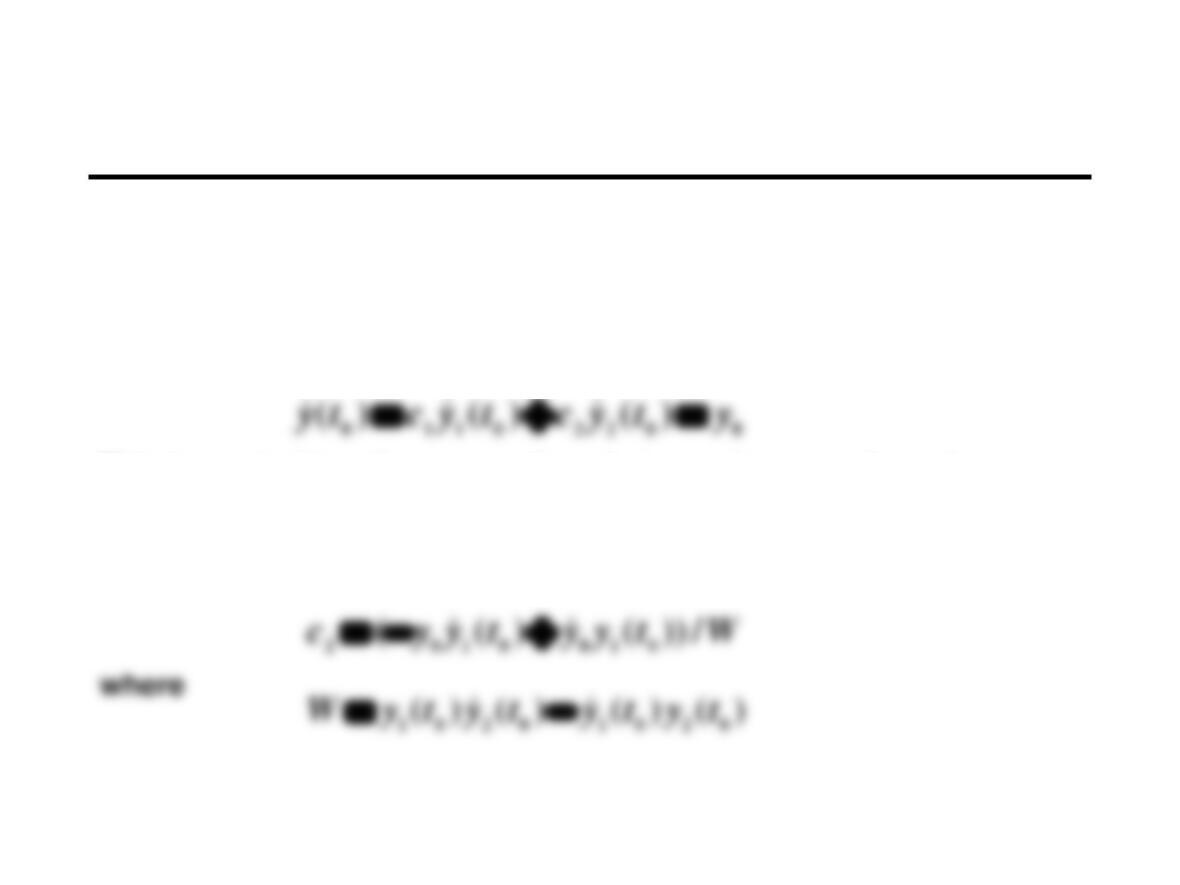
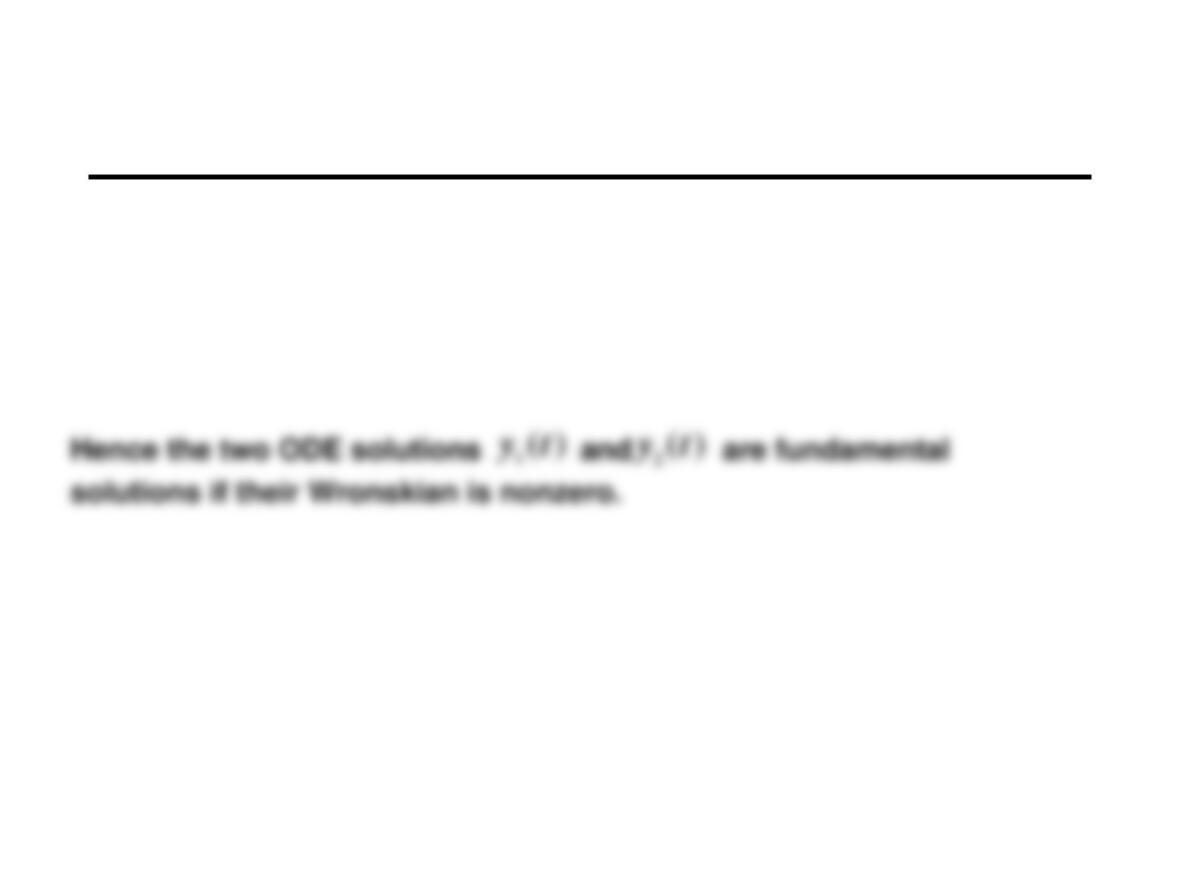
The solutions are found to be
is called the Wronskian.
)()()( 2211 tyctycty +=
1
c
2
c
00220110
)()()(
ytyctycty
=+=
Wtyytyyc
/))()((
0200201
−=
1
c
2
c
Wronskian (2)
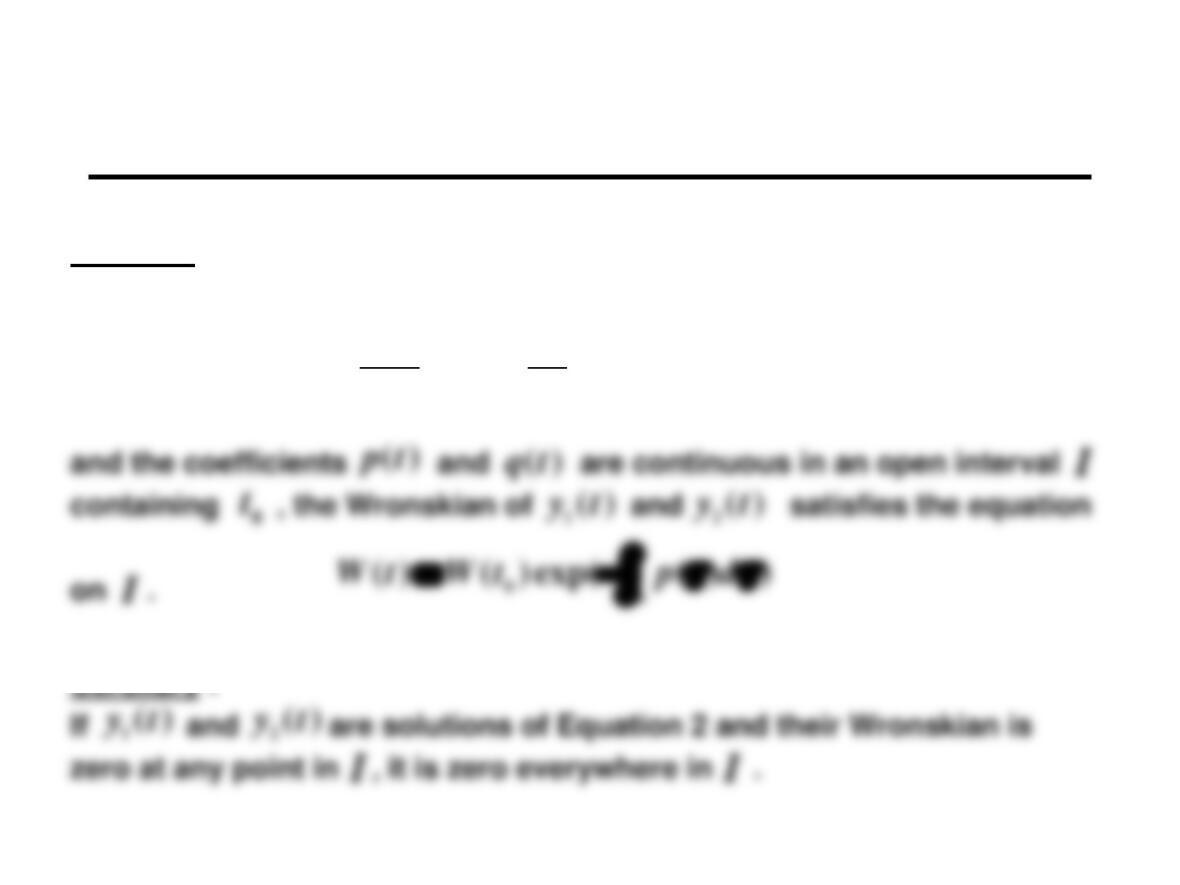
For the solutions and to exist we must have
1
c
2
c
0W
Wronskian (2)
Theorem:
If and are solutions of the ODE
)(
1ty
)(
2ty
0)()(
2
2
=++ ytq
dt
dy
tp
dt
yd
Equation 2
Summary
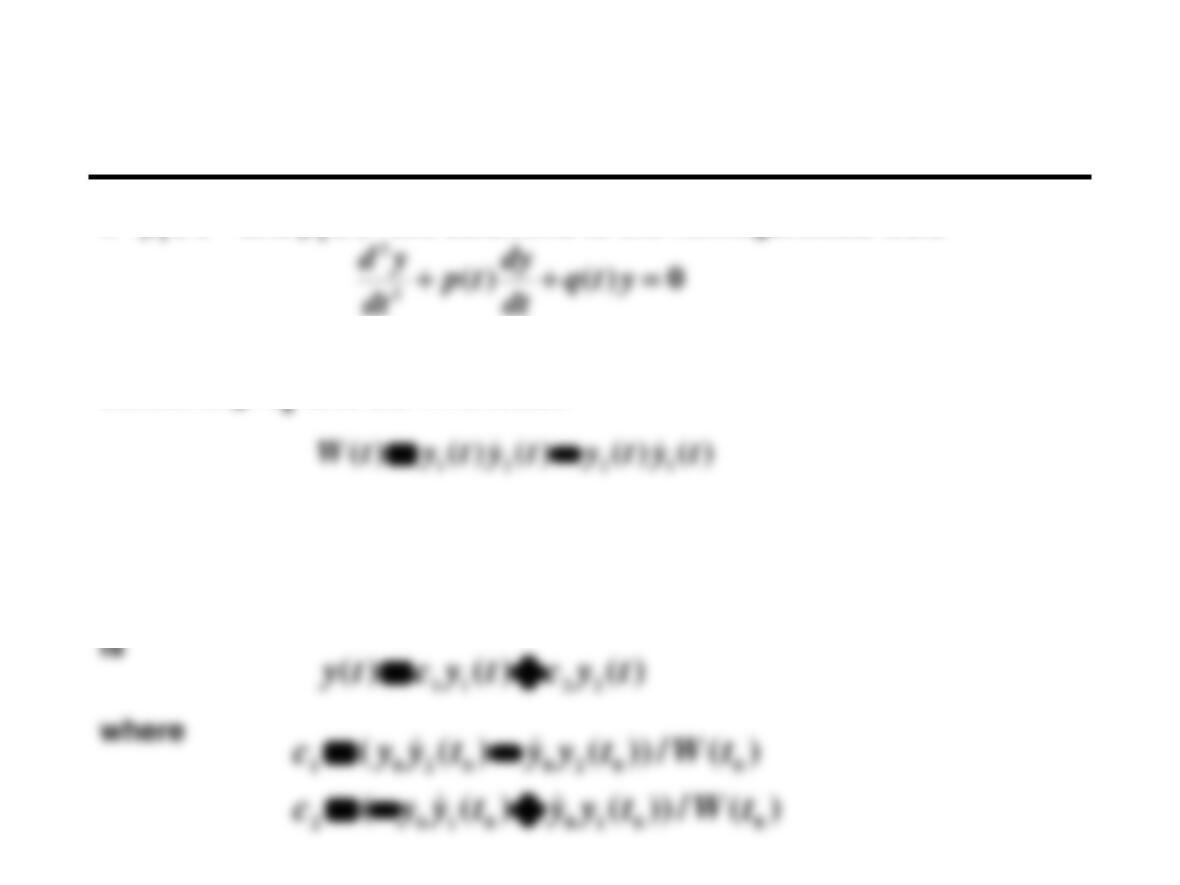
If and are solutions to the homogeneous ODE
and the coefficients and are continuous in
containing and the Wronskian
of and is non-zero at then the solution to the
homogeneous ODE with initial conditions
)(
)(
2ty
)(tp
)(tq
I
t
)(
1ty
0
t
00 )( yty =
00 )( yty =
)(

Looking Ahead
We will soon find that the solution to the nonhomogeneous equation
has the form
)()()(
2
2
=++
tgytq
dt
dy
tp
dt
yd
System Stability
A linear system is said to be stable if its response to bounded initial
conditions is bounded.
A linear time-invariant system is damped if its response to bounded
initial conditions goes to zero as time goes to infinity.
A second order time-invariant system described by the differential
equation
In-class Problems
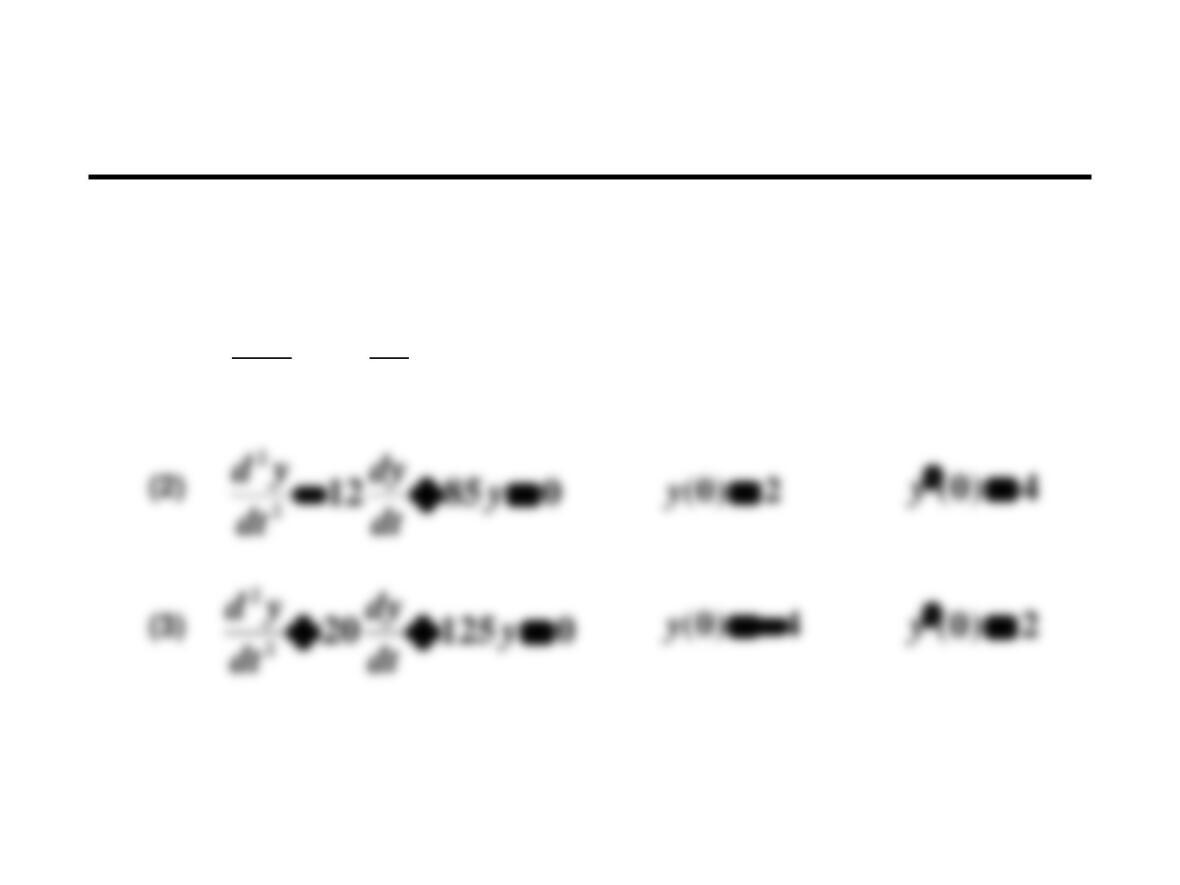
Solve:
3)0( =y
1)0( −=
y
03410
2
2
=++ y
dt
dy
dt
yd
(1)
2
2
dt
dt
yd
Homework Assignment 9
Read:
In the text, Chapter 5, Sections 5.1.3, 5.1.4 and 5.2