
Differential Equations
for Engineers:
the Essentials
Class 26 notes

Agenda: Class 26
Lectures:
Partial Differential Equations:
Potential Equation –Introduction
Potential Equation –Boundary value problem example
Beam Equation

Partial Differential Equations
Potential Equation:
Introduction
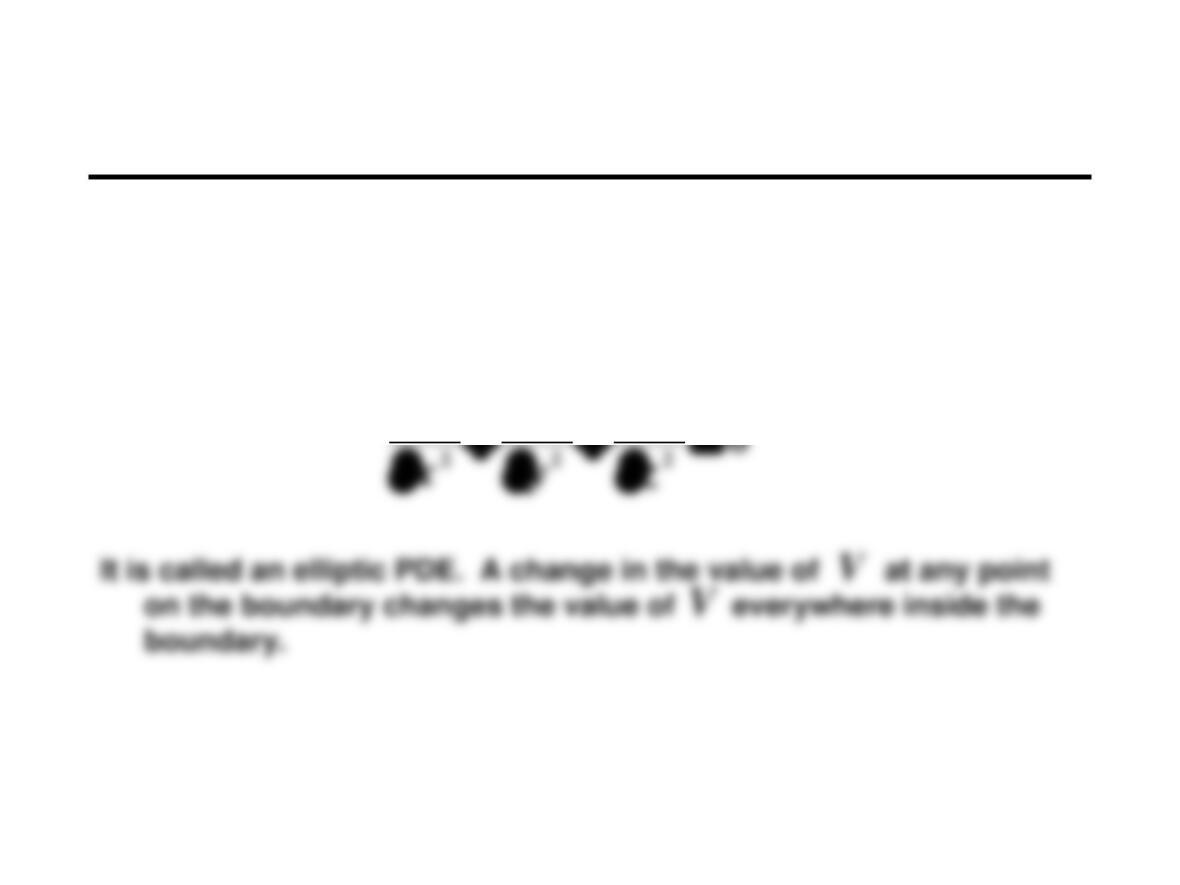
Potential Equation
The potential equation (also called Laplace’s Equation) represents
the steady state of the heat equation and the wave equation.
2
2
2
V
V
V
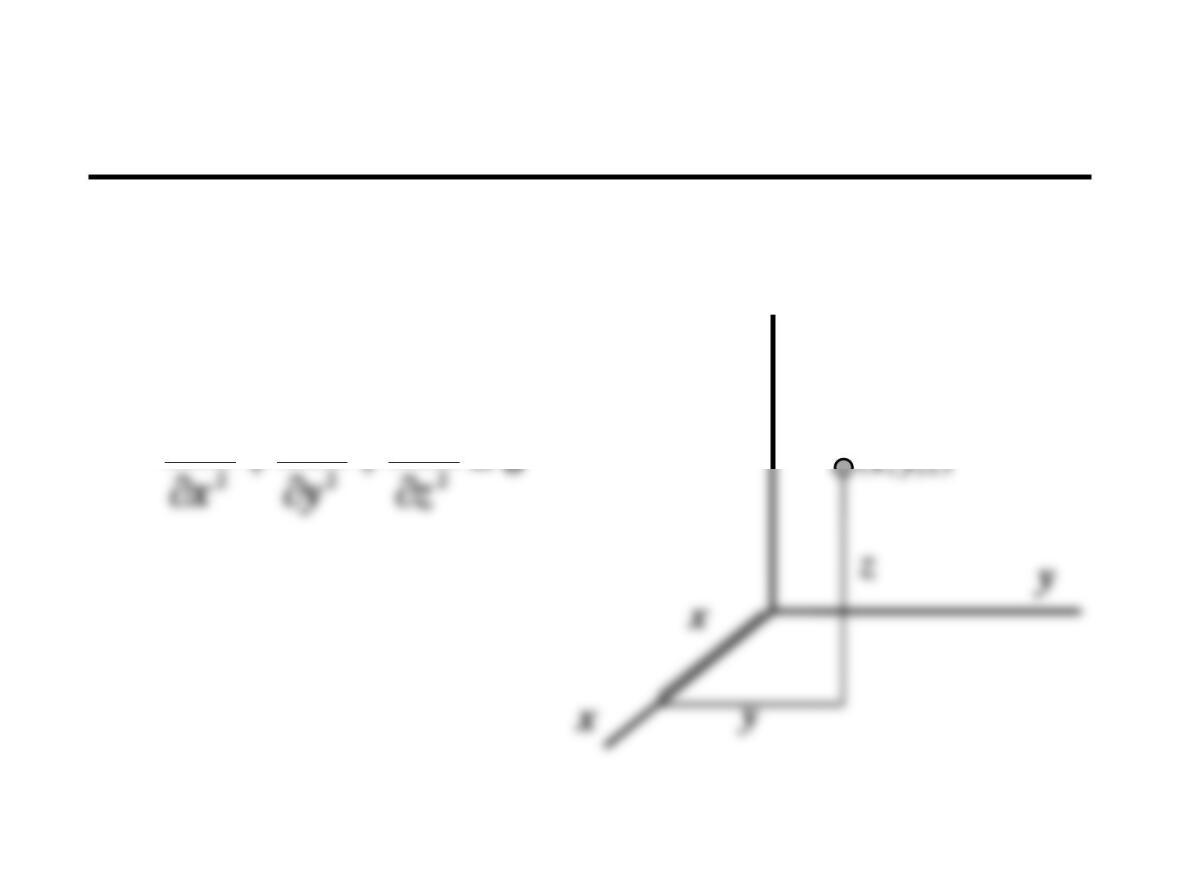
Potential Equation (2)
In cartesian coordinates:
2
2
2
V
V
V
z
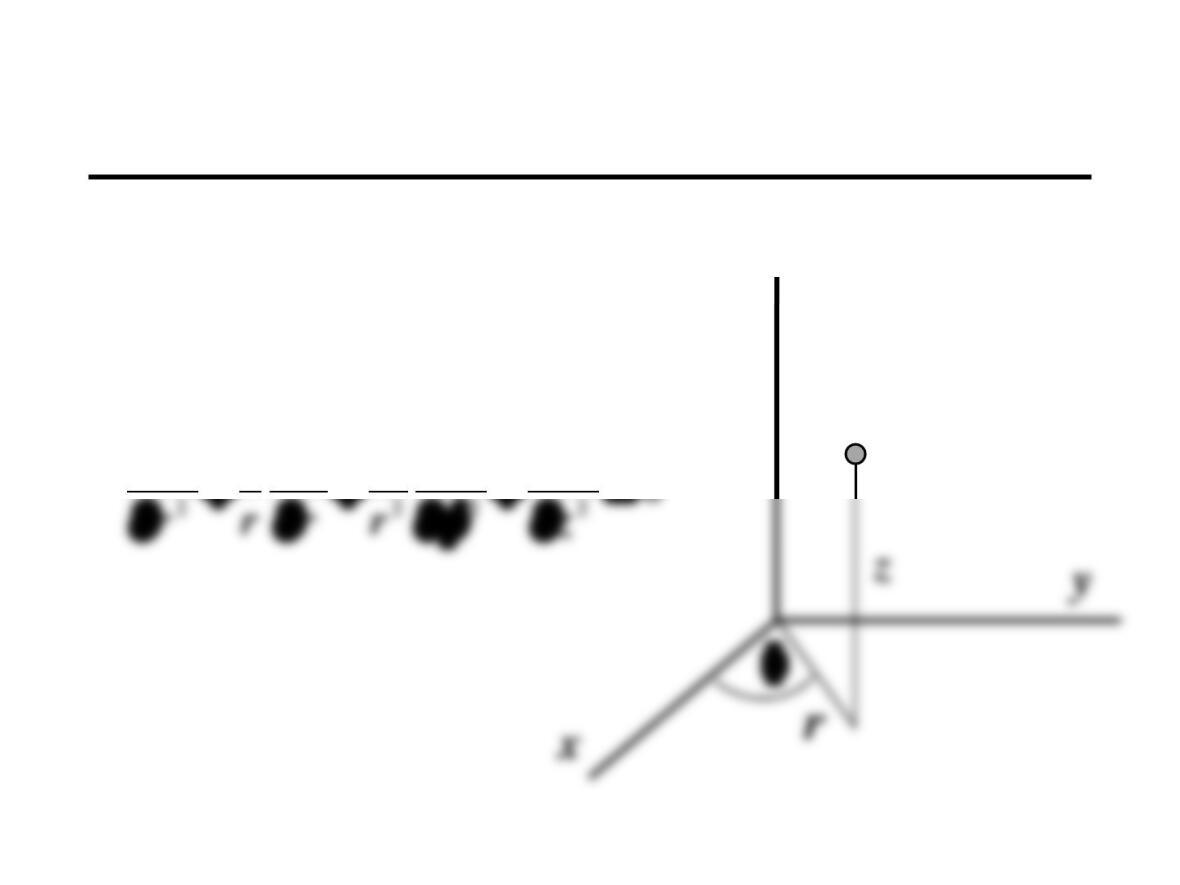
Potential Equation (3)
In cylindrical coordinates:
11
2
2
2
VV
V
V
z
),,( zr
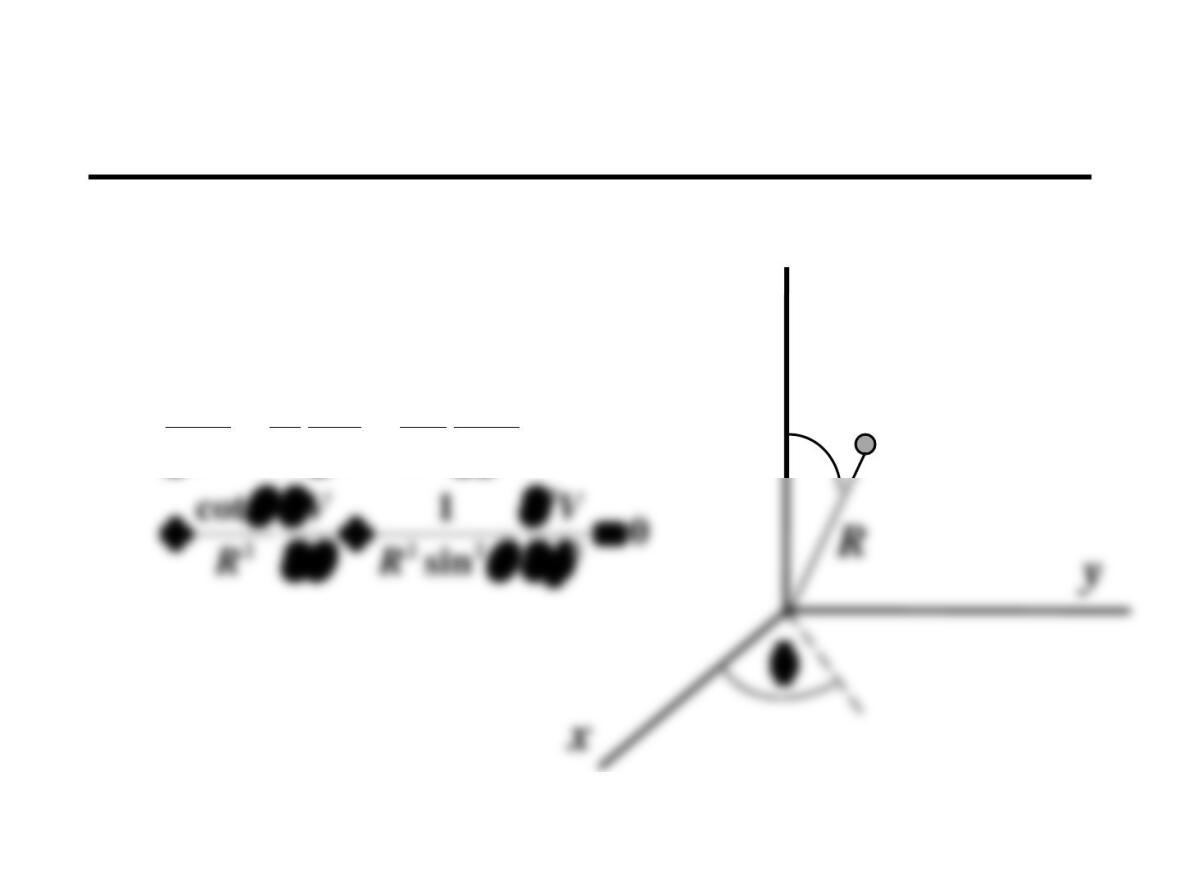
Potential Equation (4)
12
2
2
22
2
+
+
+
V
RR
V
RR
V
In spherical coordinates
z
),,(
R

Partial Differential Equations
Potential Equation –
Boundary Value Problem Example in Spherical
Coordinates
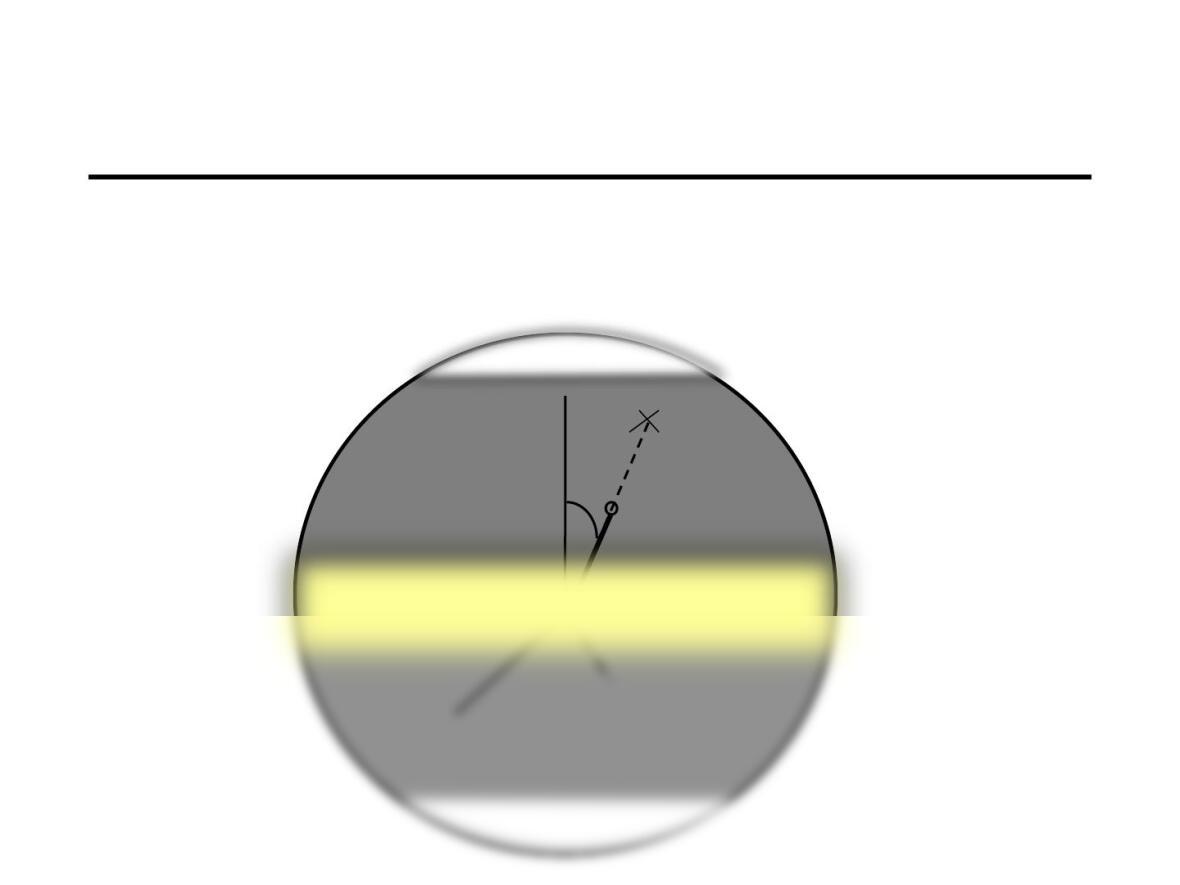
Spherical Potential Equation Example
Consider a solid sphere of radius warmed on the surface
uniformly in azimuth, hot at its equator and cold at its poles.
0
R
),(
R
0
R
0
R
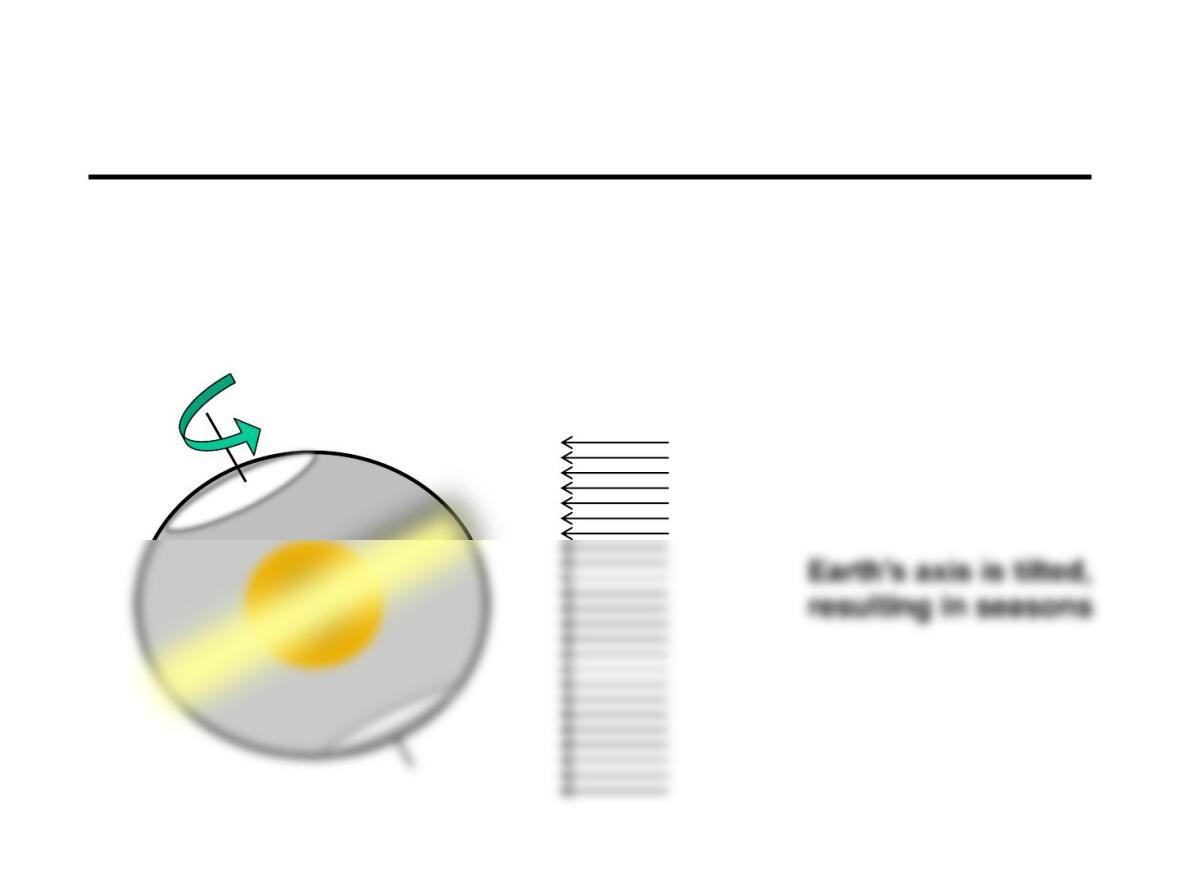
Spherical Potential Equation Example (2)
This simple model is somewhat similar to our spinning Earth
Sun’s rays
Differences:
Earth has an internal
heat source (molten
core)
Spherical Potential Equation Example (3)
0
cot12
22
2
22
2
=
+
+
+
T
R
T
RR
T
RR
T
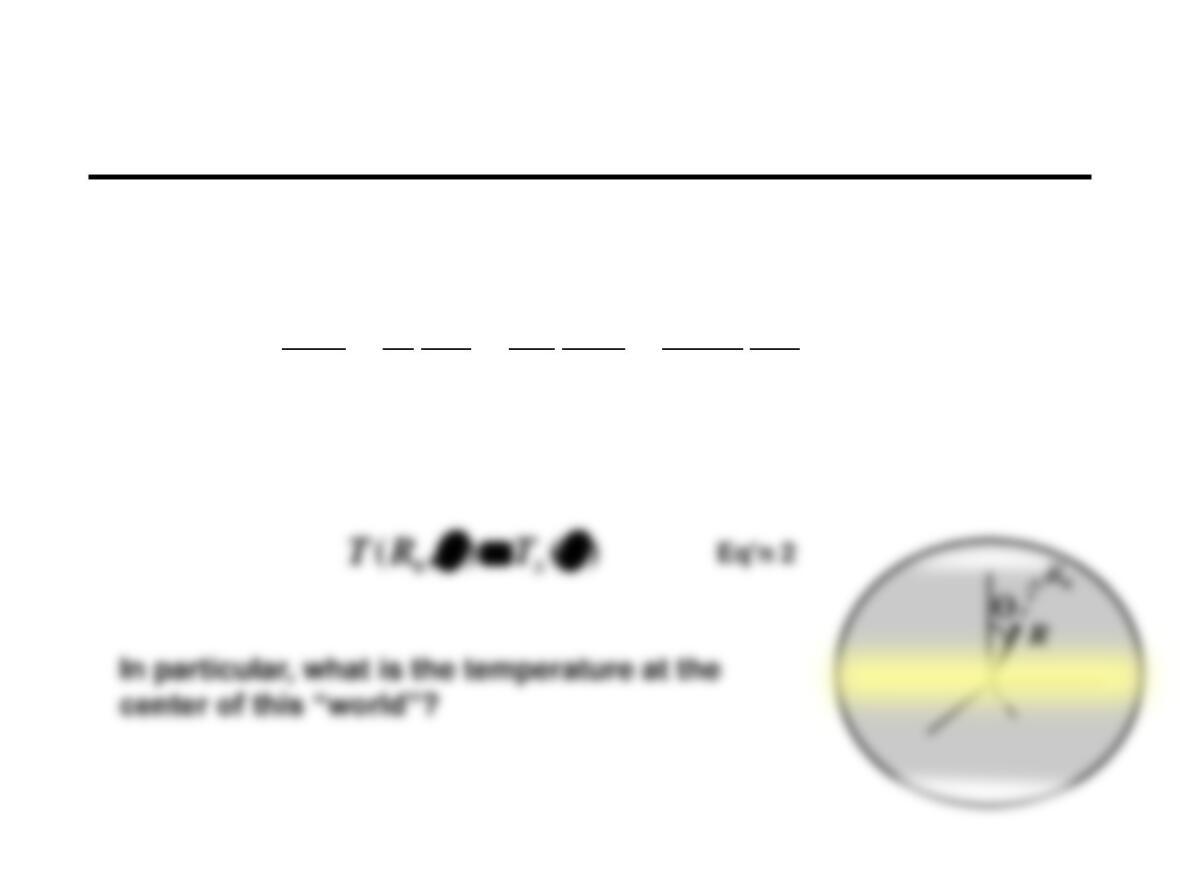
The equation to be solved is
with the boundary condition
Equation 1
Spherical Potential Equation Example (4)
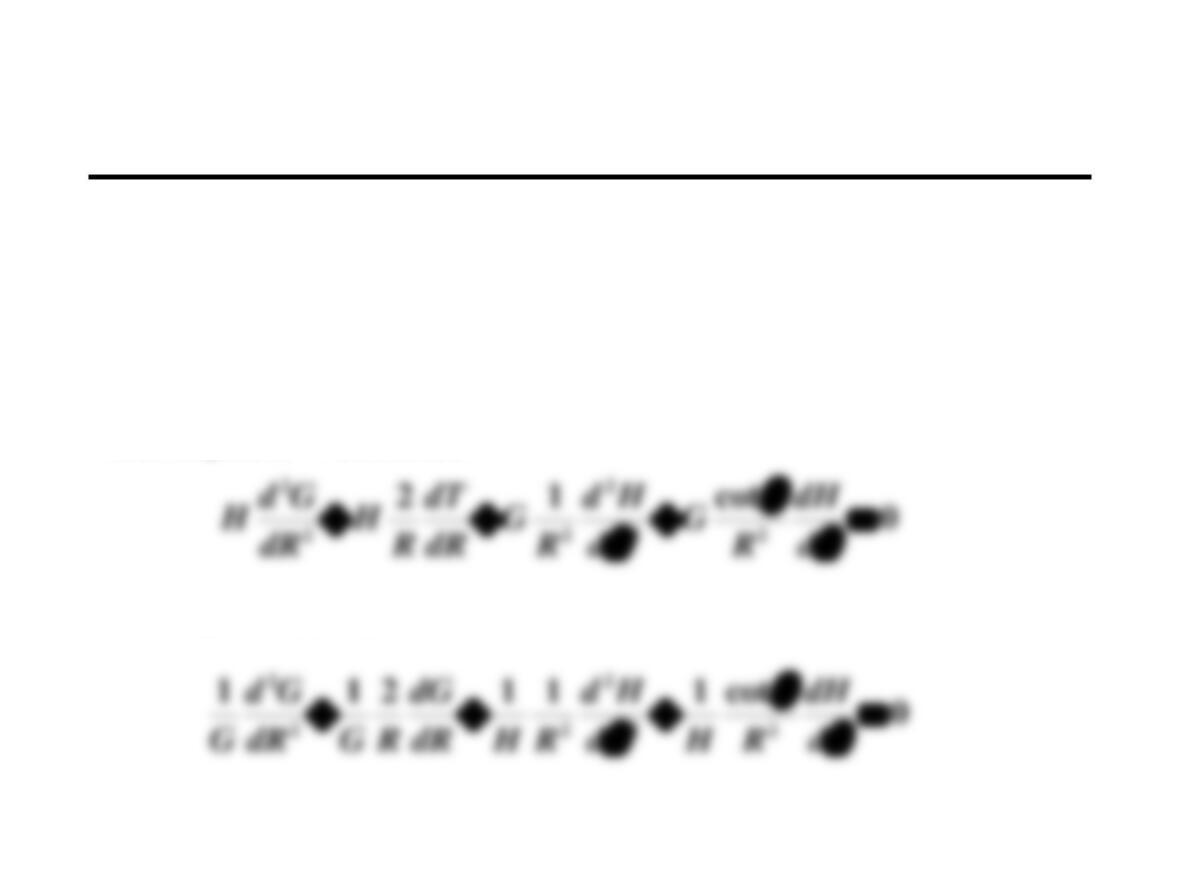
We begin by separating variables:
Let
Then Equation 1 becomes
Dividing through by
)()(),(
HRGRT =
GH
Spherical Potential Equation Example (5)
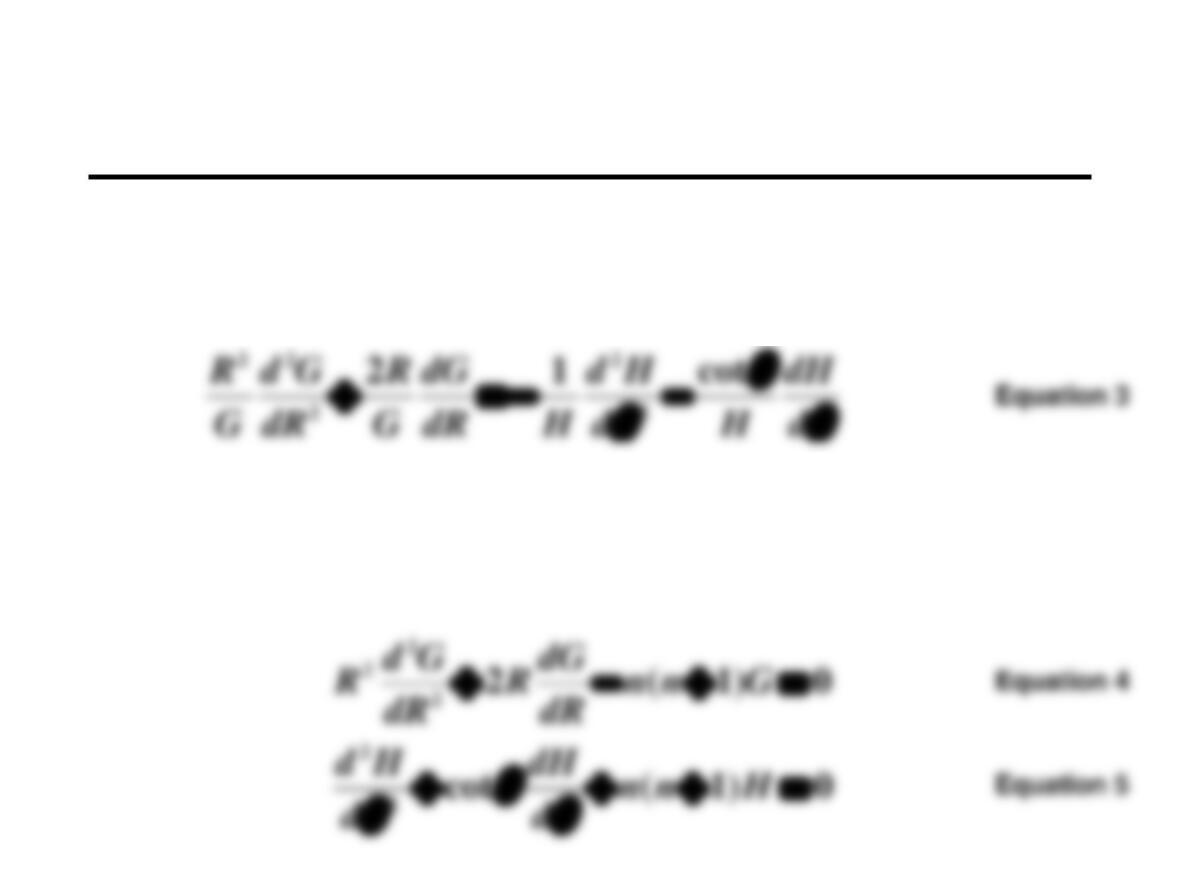
Multiplying by and moving everything dealing with
to the right side
2
R
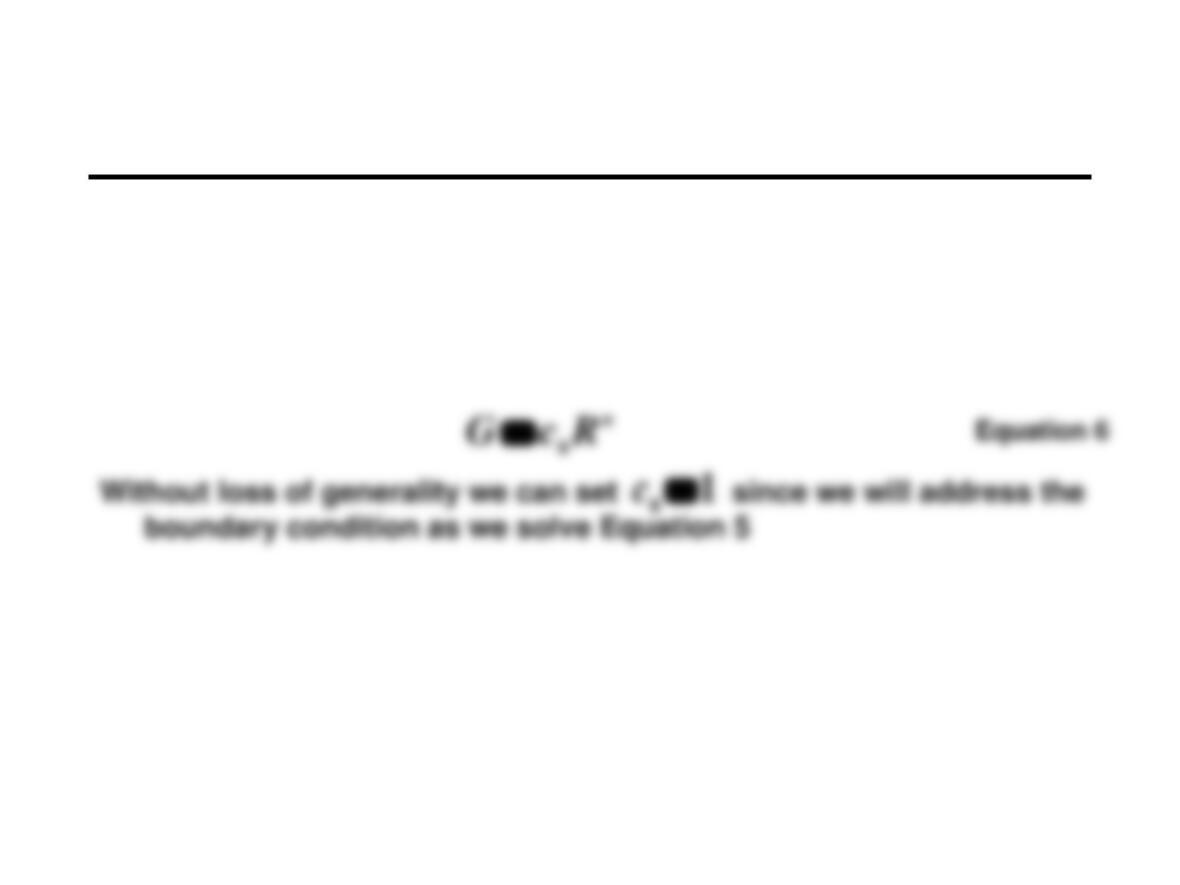
The right side of Equation 3 is a function only of and the left side a
function only of , so both sides must equal a constant. We will later
determine the constant to be where is an integer. Then we
have two ODEs:
R
)1( +nn
n
Spherical Potential Equation Example (6)
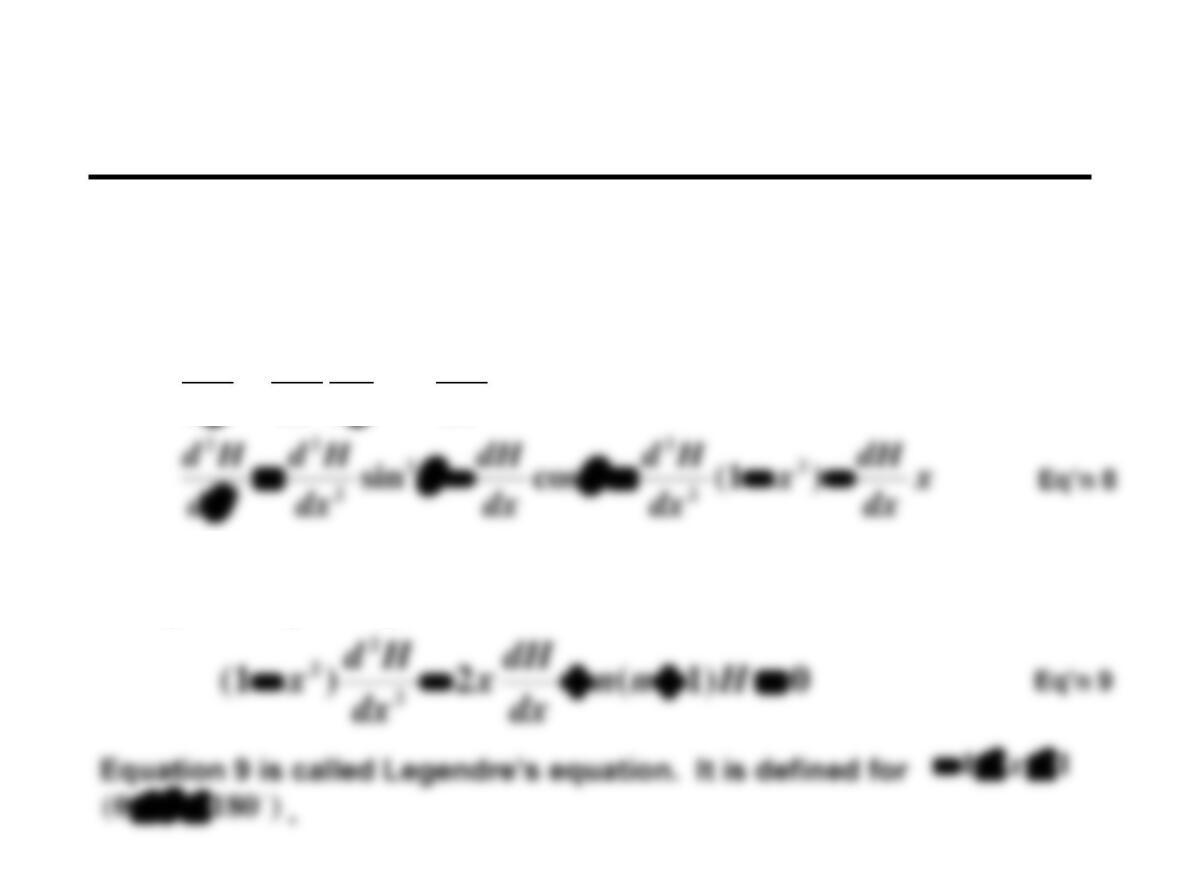
Challenge Problem CP9.2 in the text guides us through the solution to
Equation 4. The solution with finite at is simply
0=R
G
Spherical Potential Equation Example (7)
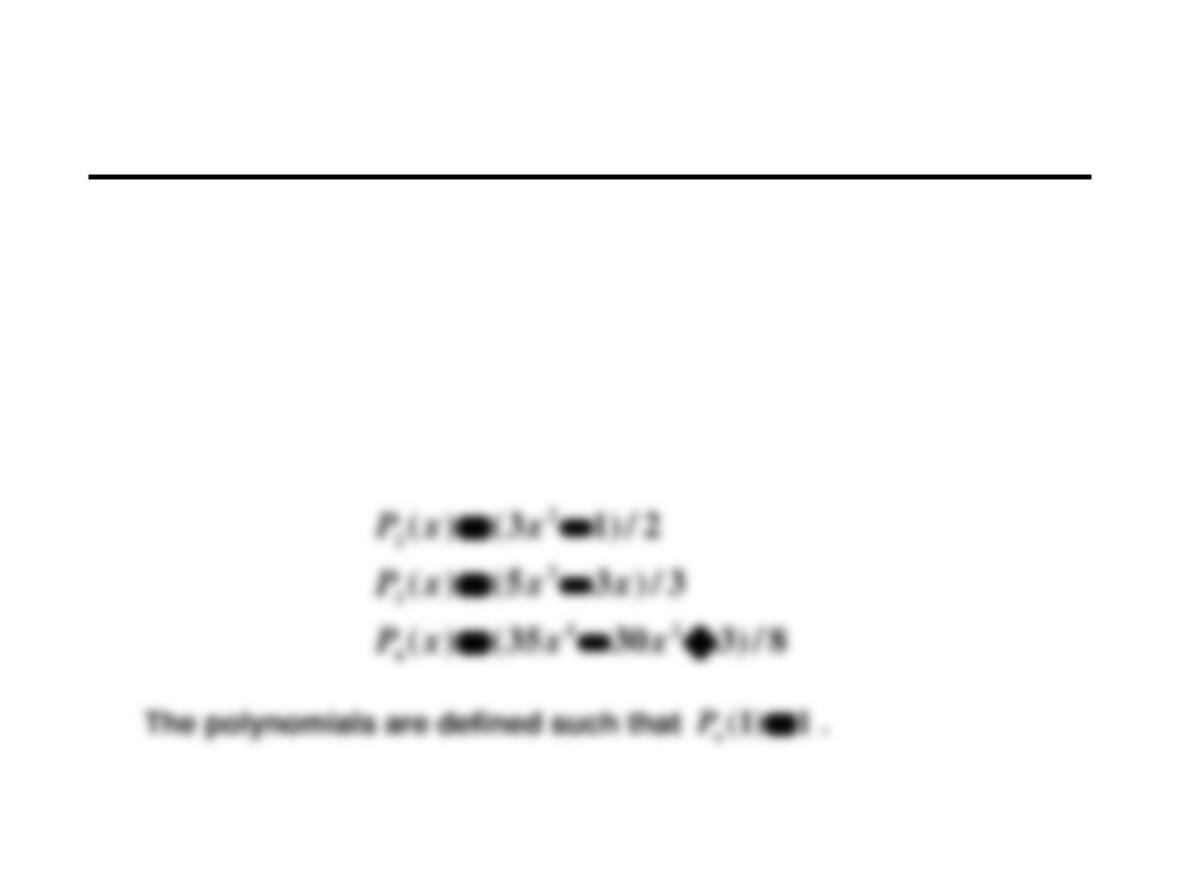
To solve Equation 5 we make the change of variable .
Then
Substituting Equations 8 and 9 into Equation 5 and remembering that
we arrive at
cos=x
dx
dH
d
dx
dx
dH
d
dH
−==
sin
Eq’n 7
sin/coscot =
Spherical Potential Equation Example (8)
Challenge Problem CP9.2 in the text guides us through the solution to
Legendre’s equation. Without further ado, the solutions are called
Legendre polynomials, the first five of which are
)(
1)(
1
0
=
=
xxP
xP
Spherical Potential Equation Example (9)
We tried a solution and found an infinite
number of possibilities
We seek a solution in the form of a sum of these:
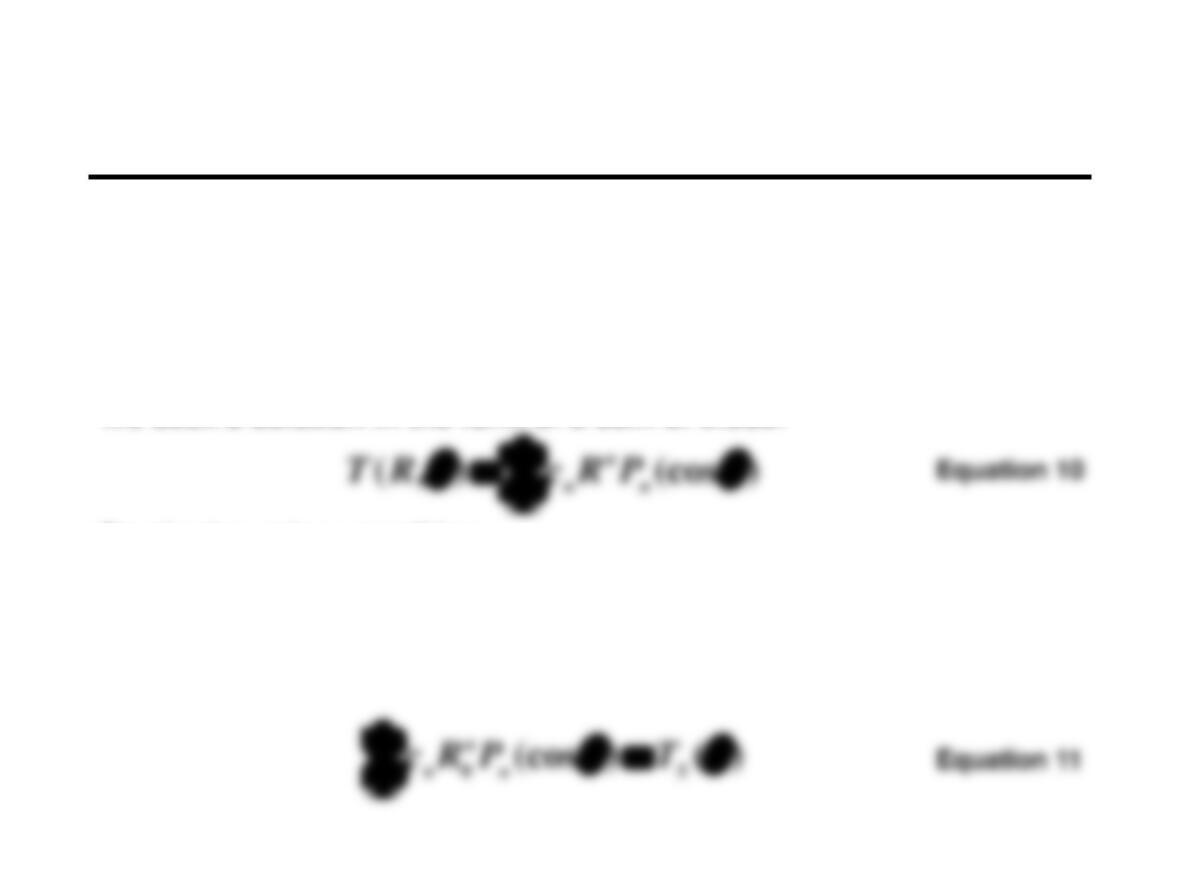
For the boundary condition
we determine the coefficients via
)()(),(
HRGRT =
)(cos)()(
n
n
nn PRHRG =
)(),( 0
S
TRT =
cos=x
( Recall that
)
n
c