
Differential Equations
for Engineers:
the Essentials
Class 24 notes
Agenda: Class 24
Review Short Quiz #3
Review Homework Assignment 22
Lectures:

Partial Differential Equations
Wave Equation
Wave Equation
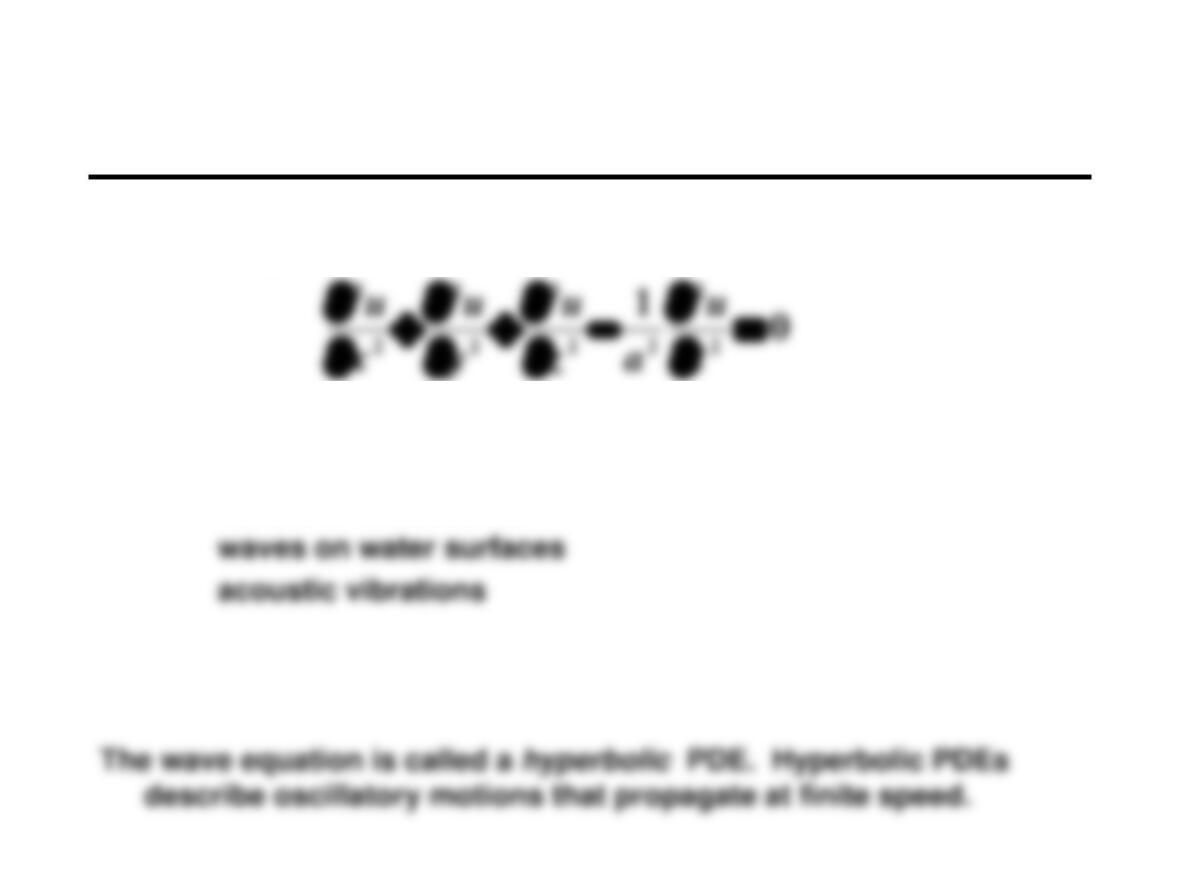
The wave equation in three dimensional Cartesian coordinates is
It describes oscillations propagating through space, e.g.:
electromagnetic waves
flexure of membranes
speed of propagation
=a
Take-aways from Classes on PDEs
What’s important here? I.e., what are you going to be held responsible
for?
You should know:
How to separate variables as a method of solving PDEs with
boundary conditions

Partial Differential Equations
Wave Equation: Electromagnetic Traveling Plane Wave
(Initial Value Problem Example)
Wave Equation in Initial Value Problem
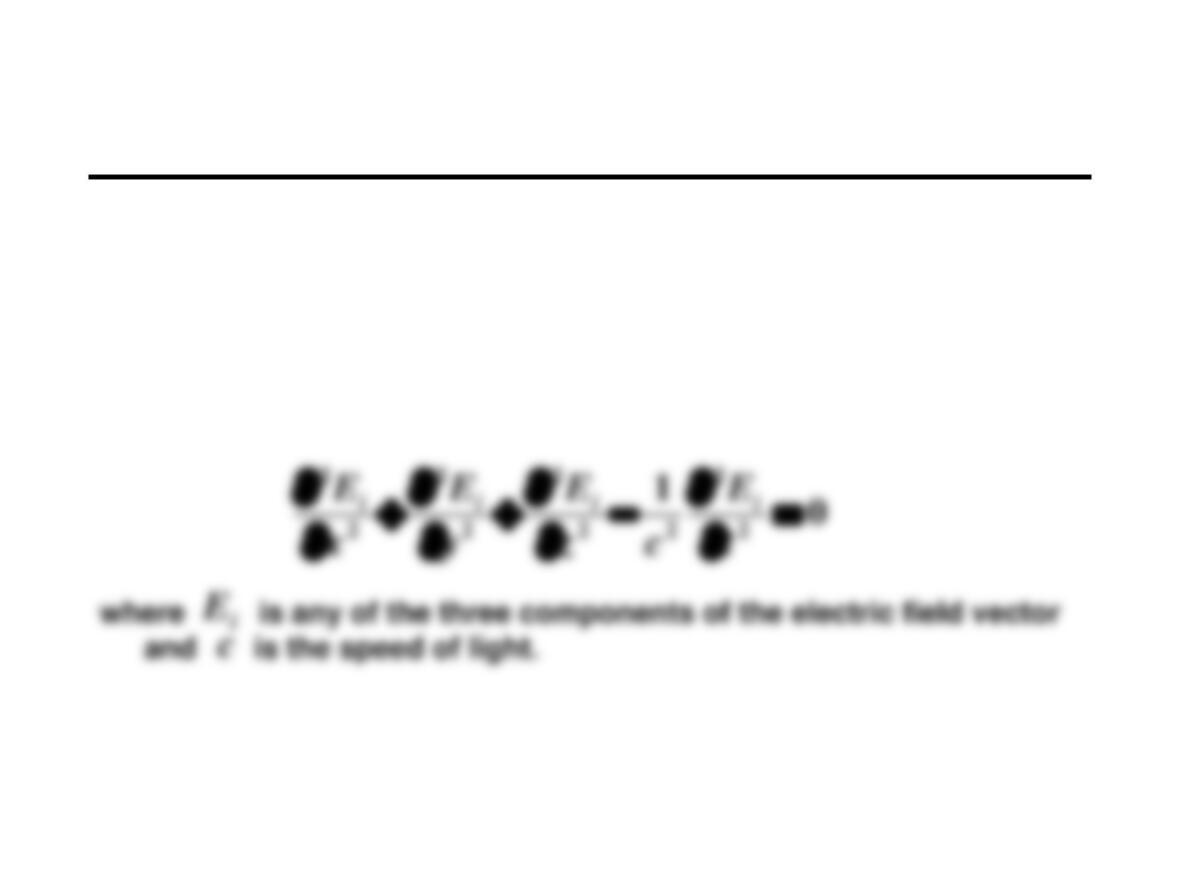
Consider an electric field changing in time in a vacuum at a great
distance from any boundary.
Maxwell’s equations say the field is governed by the wave equation
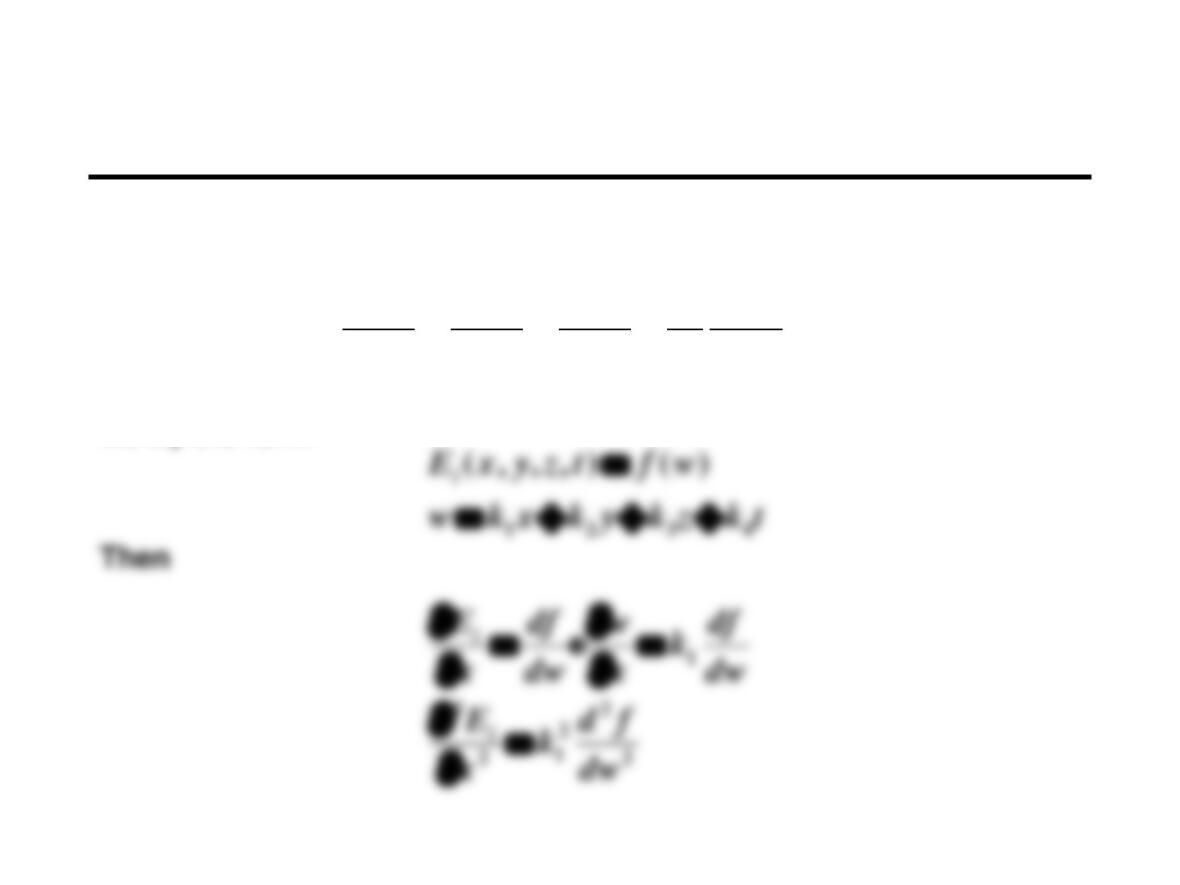
Wave Equation: Solution
To solve
we try the form
0
1
2
2
22
2
2
2
2
2
=
−
+
+
t
E
cz
E
y
E
x
Eiiii
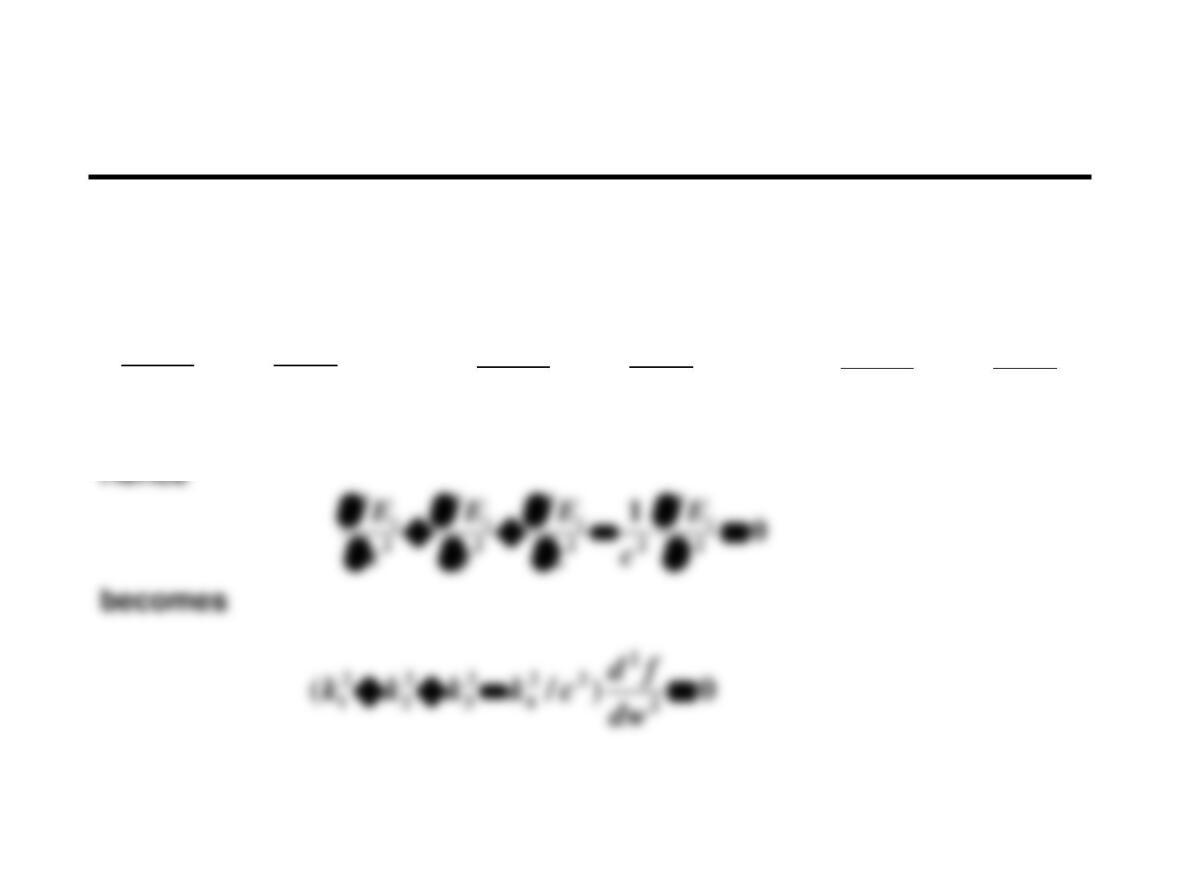
Wave Equation: Solution (3)
Similarly,
2
2
2
2
2
2
dw
fd
k
y
Ei=
2
2
2
3
2
2
dw
fd
k
z
Ei=
2
2
2
4
2
2
dw
fd
k
t
Ei=
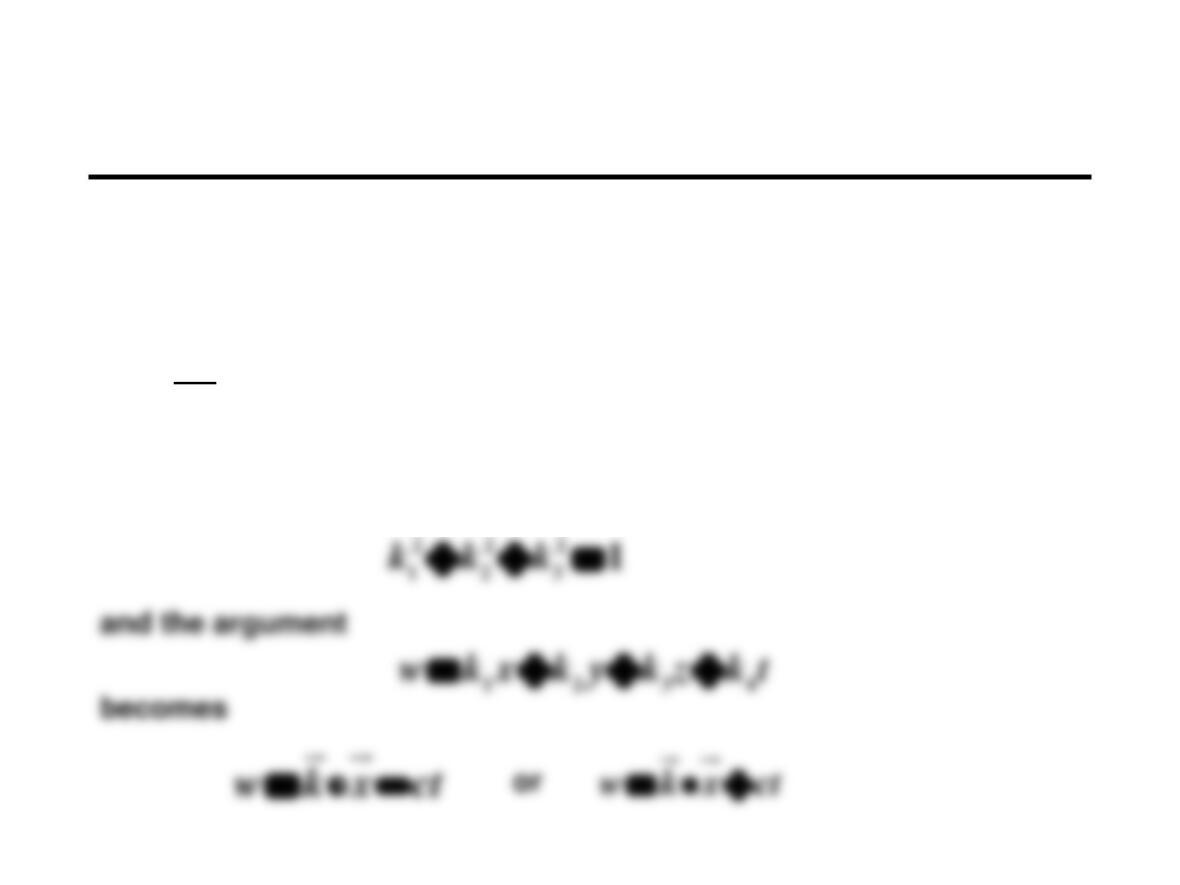
Wave Equation: Solution (4)
The function can be of any arbitrary form if
If we set
then we must have
)(wf
0/ 22
4
2
3
2
2
2
1=−++ ckkkk
ck /1
4=
Wave Equation: Solution (5)
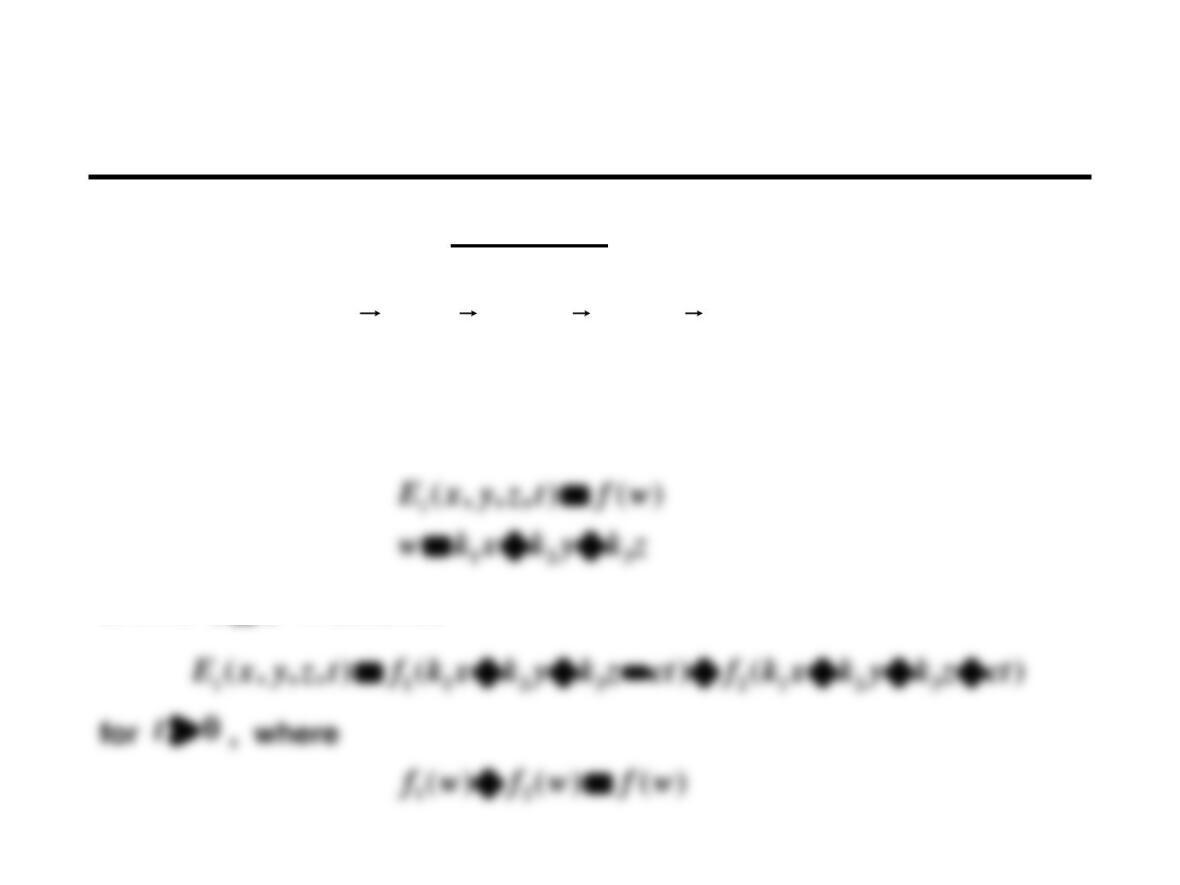
which we recognize as a plane wave moving with speed
in the direction given by the unit vector
or in the direction opposite it. If the electric field component has the
waveform
at time it satisfies
zyx ekekekk 321 ++=
c
0=t
Traveling Plane Wave
The locus of points where the argument equals a constant is
called a wavefront. Here the wavefront is a geometric plane.
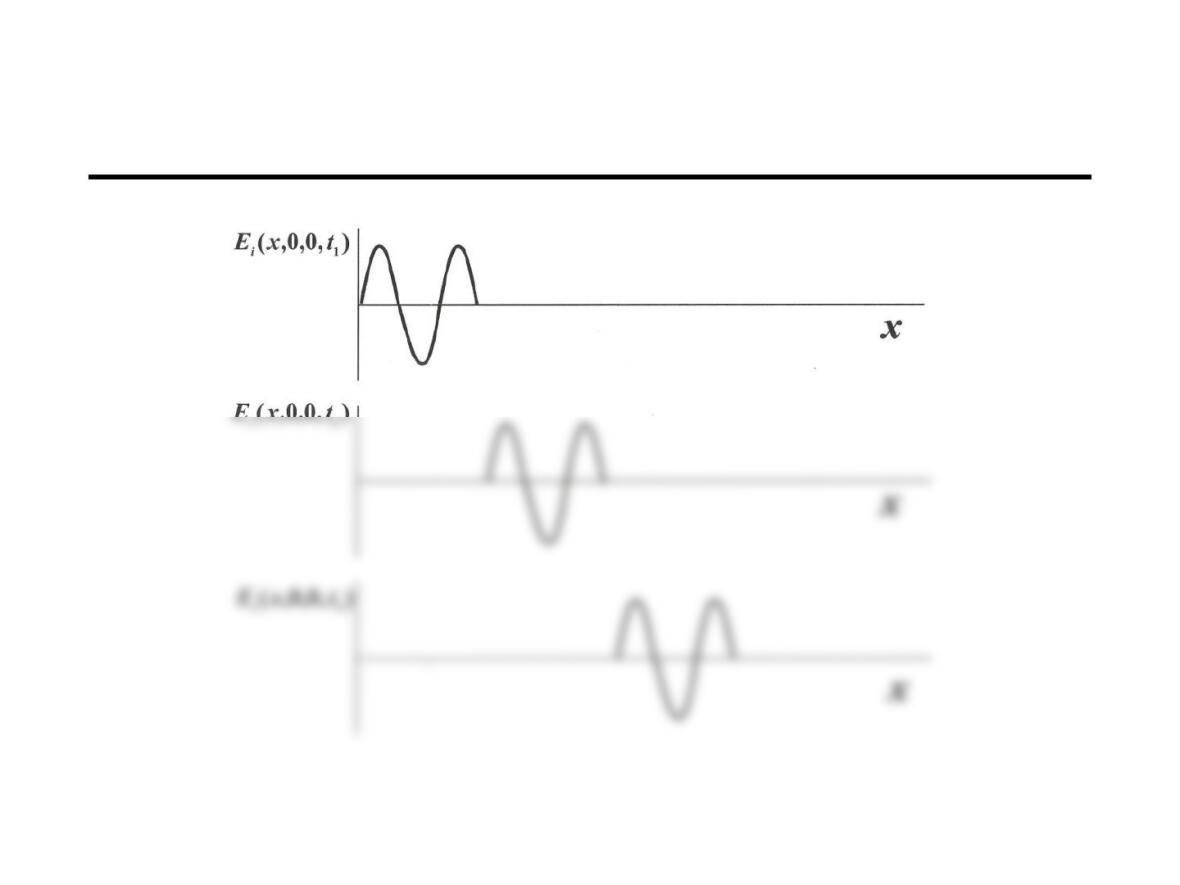
The following two figures depict a case where there is only an
outgoing wave moving along the x axis. The wave’s presence
w
Traveling Plane Wave (2)
Showing the traveling plane wave along the x axis only
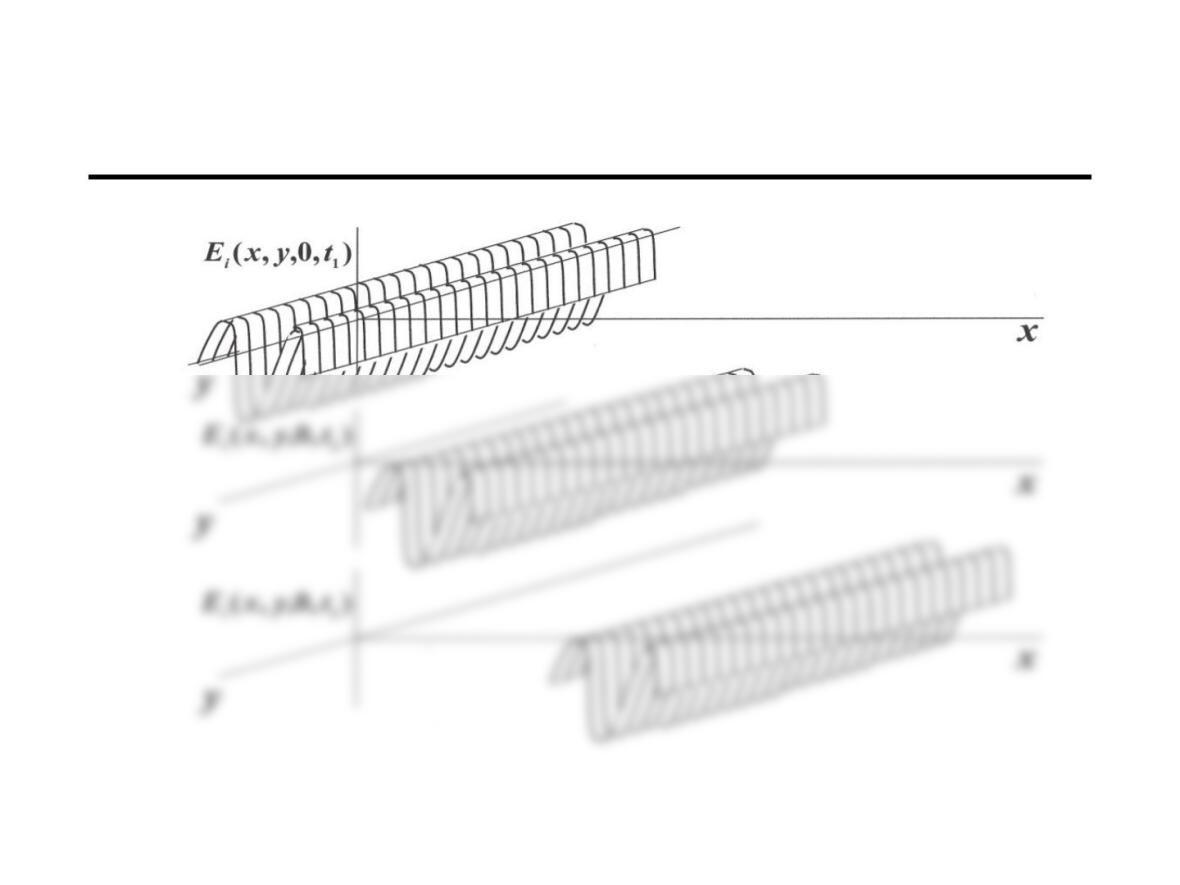
Showing the traveling plane wave along the x and y axes
Traveling Plane Wave (3)

Partial Differential Equations
Wave Equation: Vibrating Membrane
(Boundary Value Problem Example)
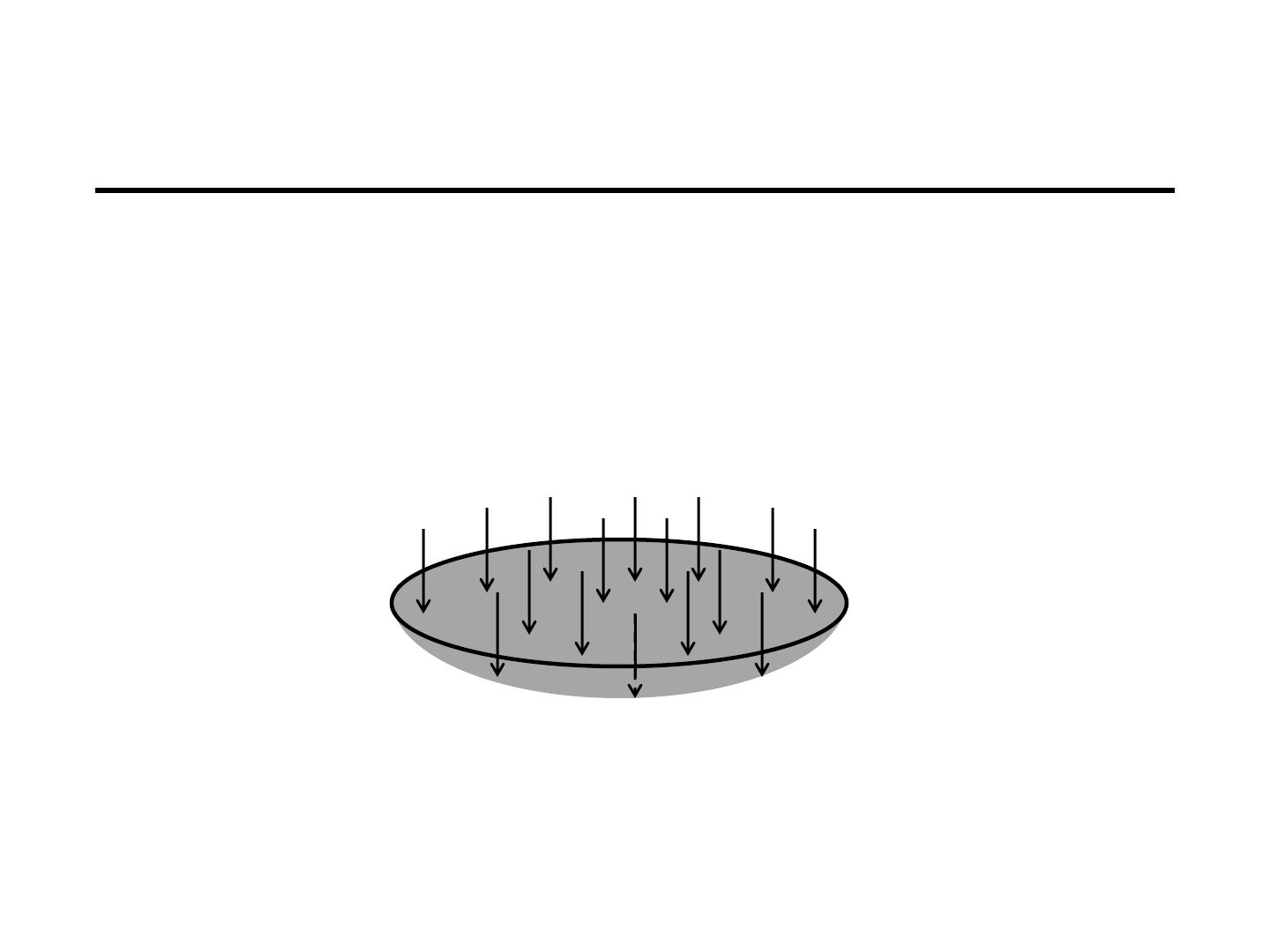
Cylindrical Vibrations
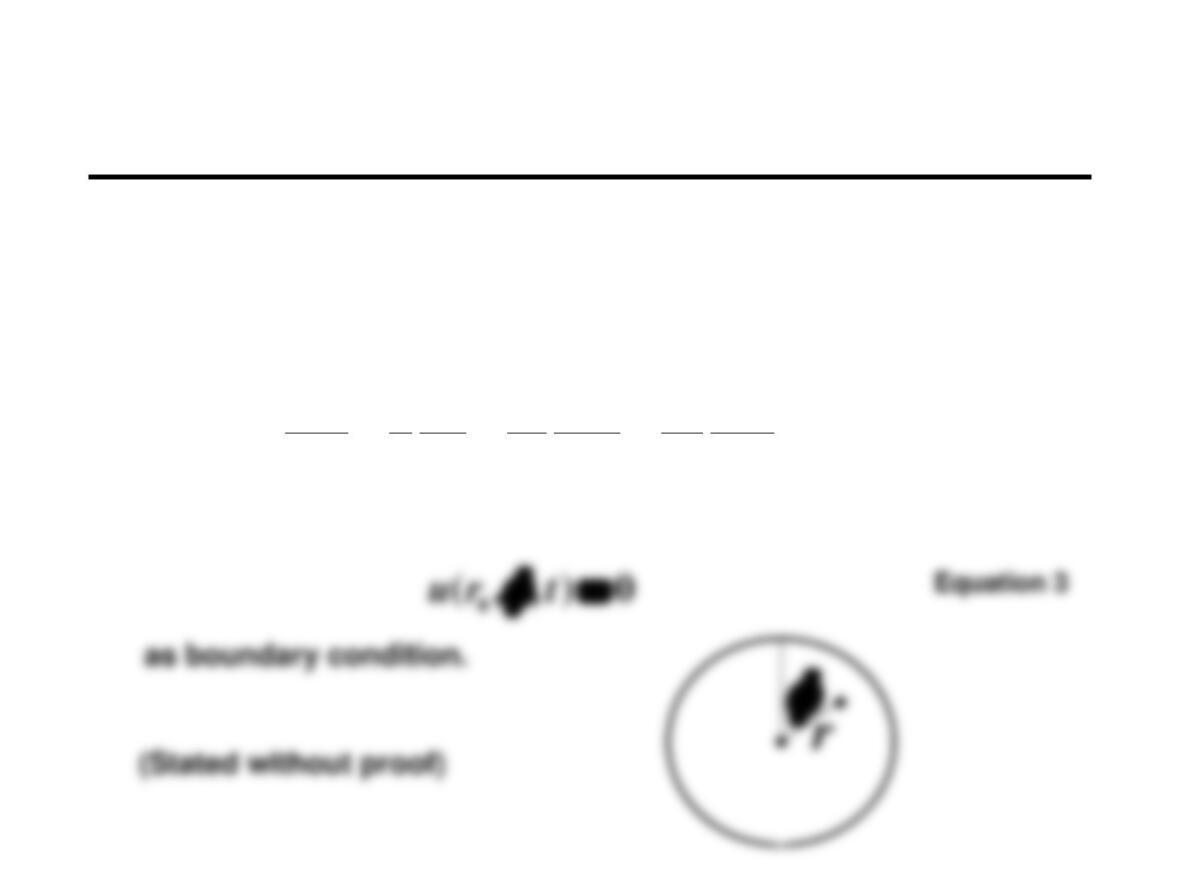
A circular membrane fixed at its boundary and subject to a
uniform force across it has the steady-state displacement
(Stated without proof.)
)/1()0,( 2
0
2rrhru −=
Equation 1
0
r
Cylindrical Vibrations (2)
If the force immediately ceases, subsequent motion of the membrane
is governed by the wave equation in cylindrical coordinates:
with Equation 1 as initial condition and
0
111
2
2
22
2
22
2
=
−
+
+
t
u
a
u
rr
u
rr
u
Equation 2
Cylindrical Vibrations (3)
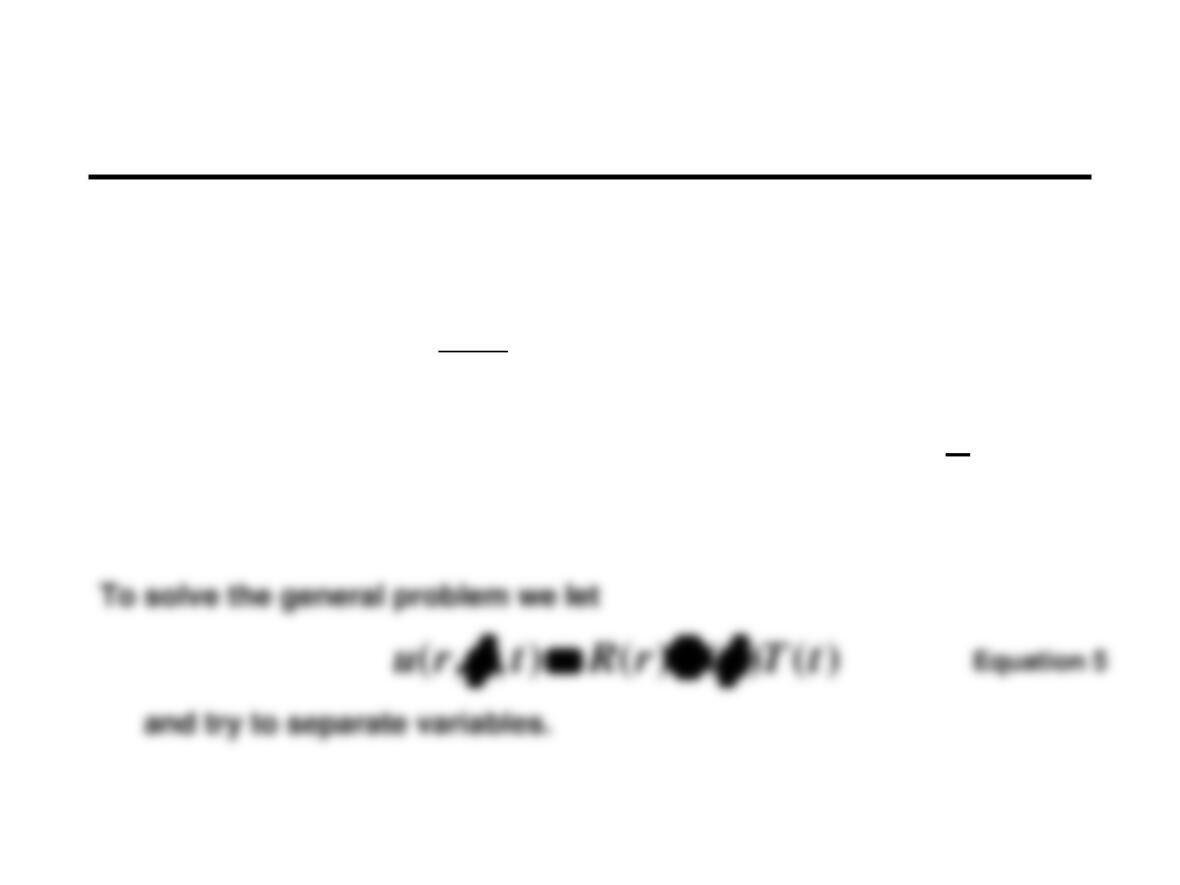
We can see that in this case there is no dependence on azimuth so
but to demonstrate the form of the equations when there is an initial
variation of the displacement with azimuth we will not immediately
invoke Equation 4 here.
0
2
2
=
u
Equation 4