
Differential Equations
for Engineers:
the Essentials
Class 15 notes
Agenda: Class 15
Answers to questions on system stability
Lectures:
Laplace transforms for solving nonhomogeneous ODEs
Impulse and impulse response
Homework Assignment 15

Determining System Stability
From the ODE Itself:
Questions and Answers
Questions on Determining System Stability
What do the following tell you with respect to system stability?
(a) negative coefficients in any linear time-invariant ODE
Answers on Determining System Stability
(a) If a coefficient in any linear time-invariant ODE is negative the
system is unstable
(b) In first or second order linear time-invariant ODEs, if all
coefficients are positive the system is stable

Laplace Transforms
Solving
nonhomogeneous ODEs
Another Key Laplace Transform Attribute
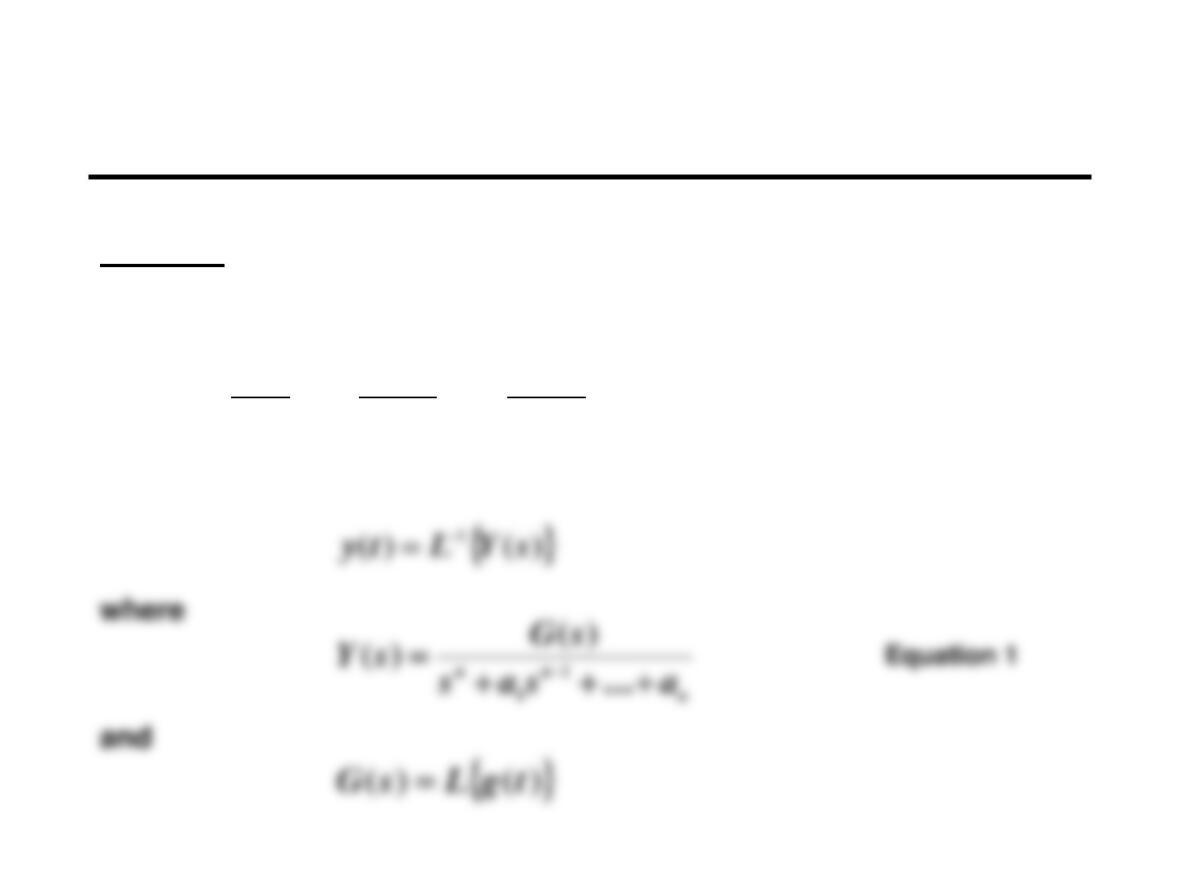
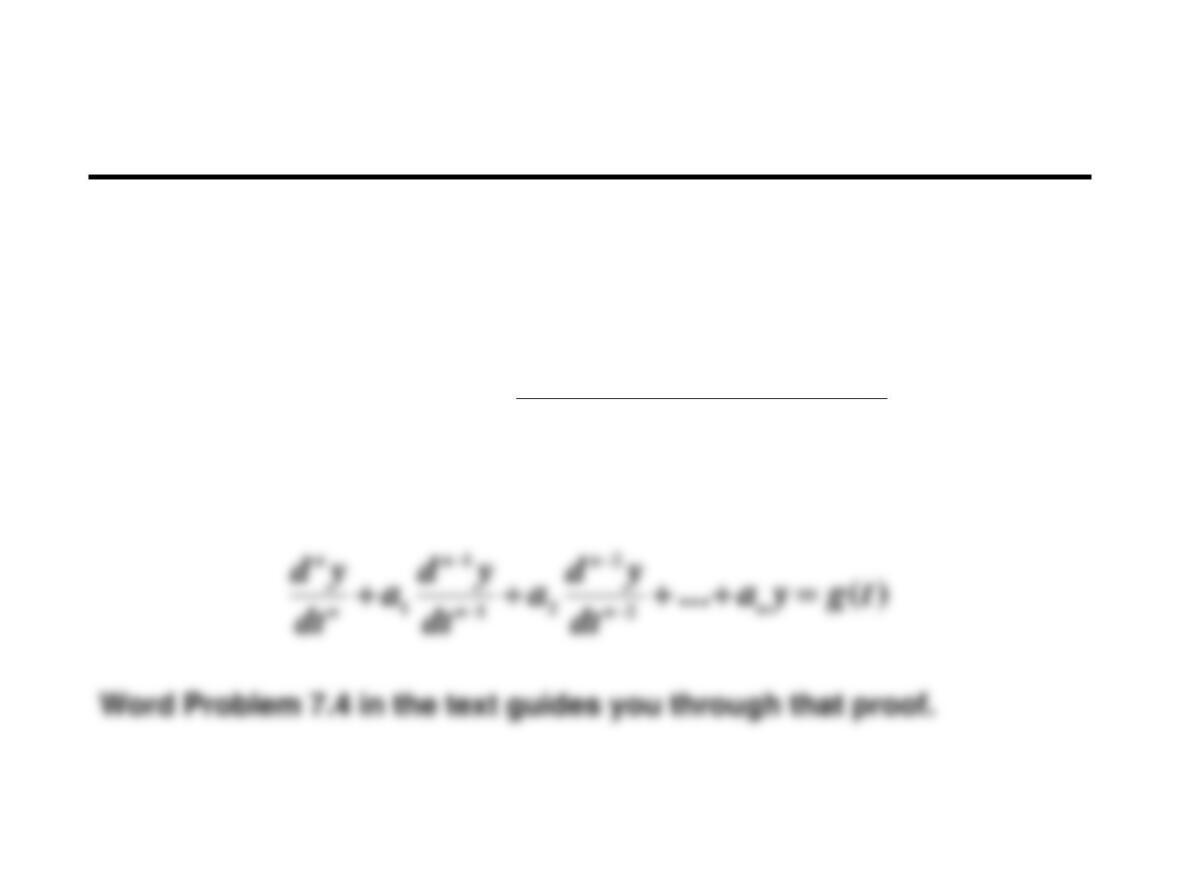
The solution to
with zero initial conditions is
)(…
2
2
2
1
1
1tgya
dt
yd
a
dt
yd
a
dt
yd
n
n
n
n
n
n
n
=++++ −
−
−
−
)(ty
Theorem
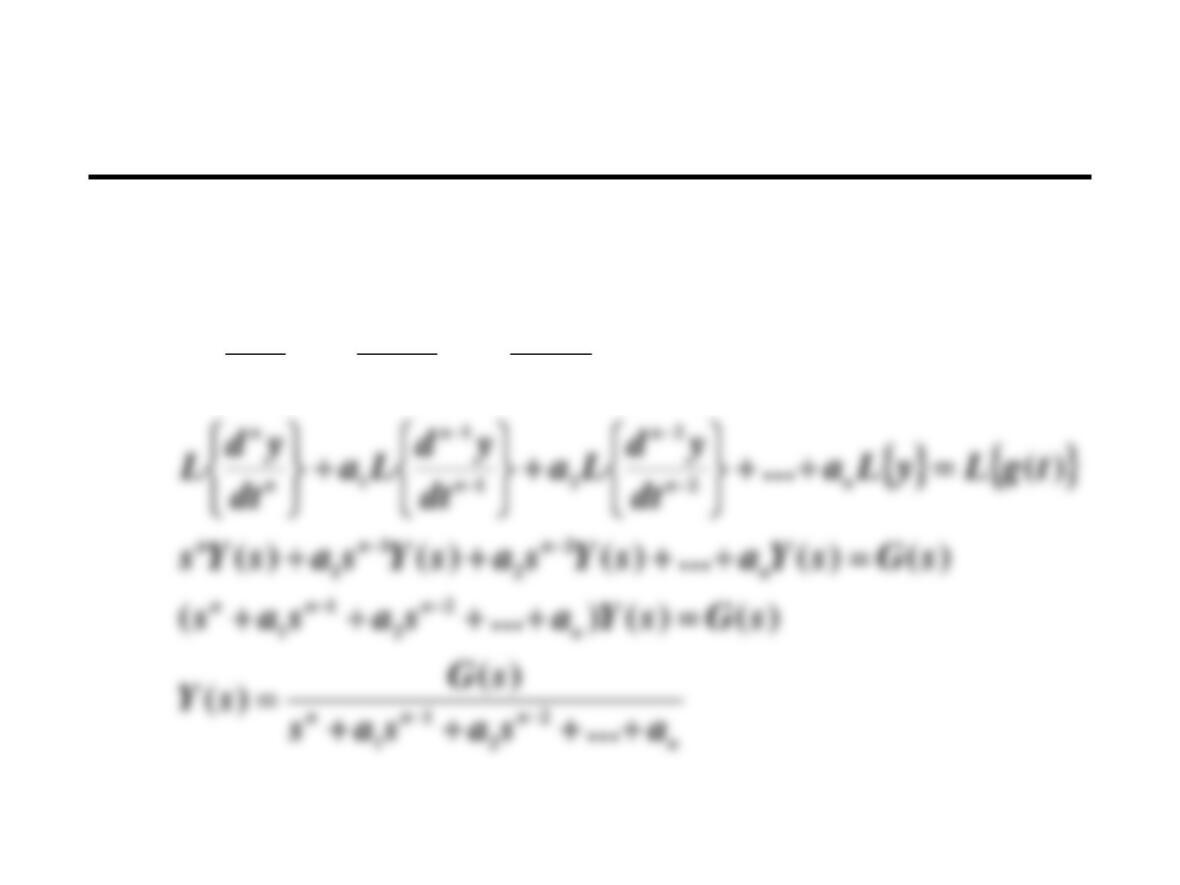
Another Key Laplace Transform Attribute (2)
Partial proof:
n
n
n
n
n
n
n
tgLya
dt
yd
a
dt
yd
a
dt
yd
L
=
+
+
+
+
−
−
−
−
)(…
2
2
2
1
1
1
Another Key Laplace Transform Attribute (3)
It remains to show that the inverse transform
satisfies the ODE
++++
=−−
−−
n
nnn asasas
sG
LsYL ...
)(
)( 2
2
1
1
11
Related Laplace Transform Attribute
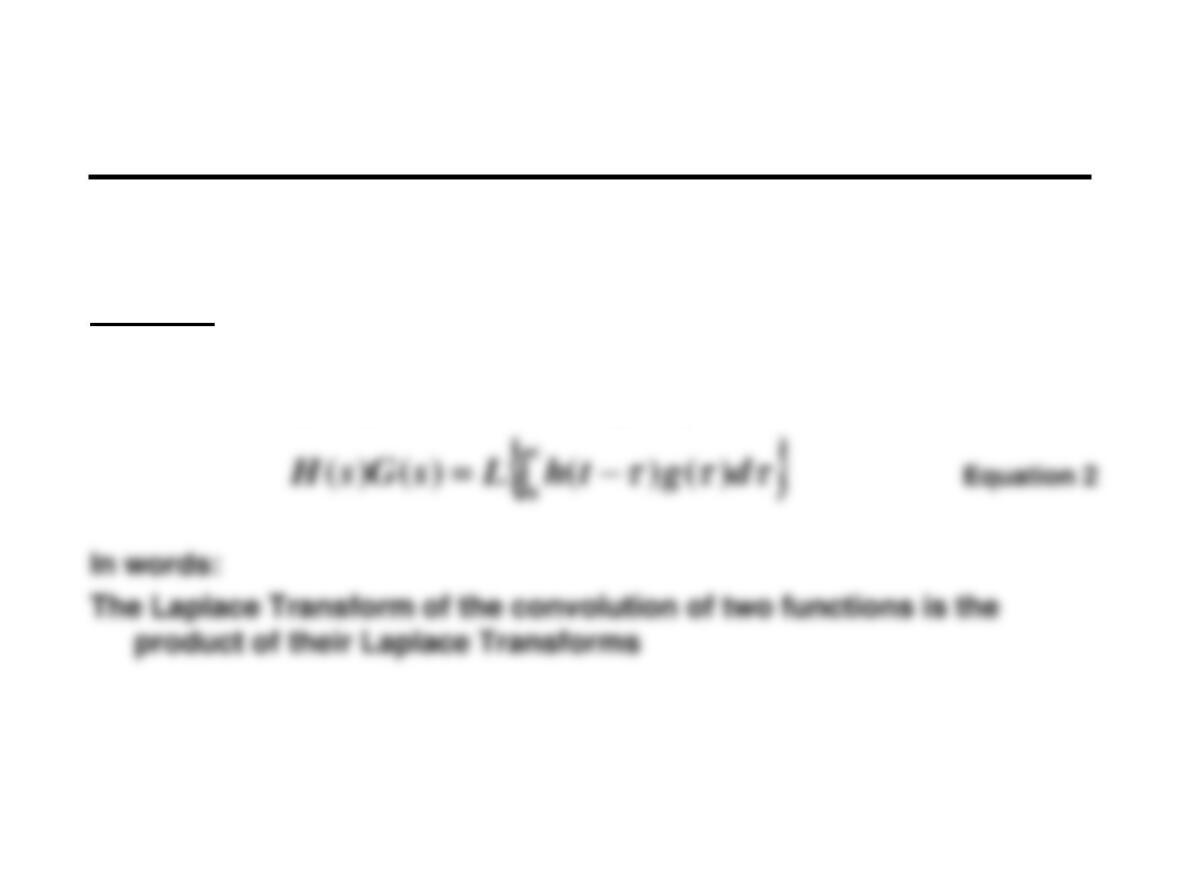
Theorem:
Let and . Then
)()( thLsH =
)()( tgLsG =
Related Laplace Transform Attribute (2)
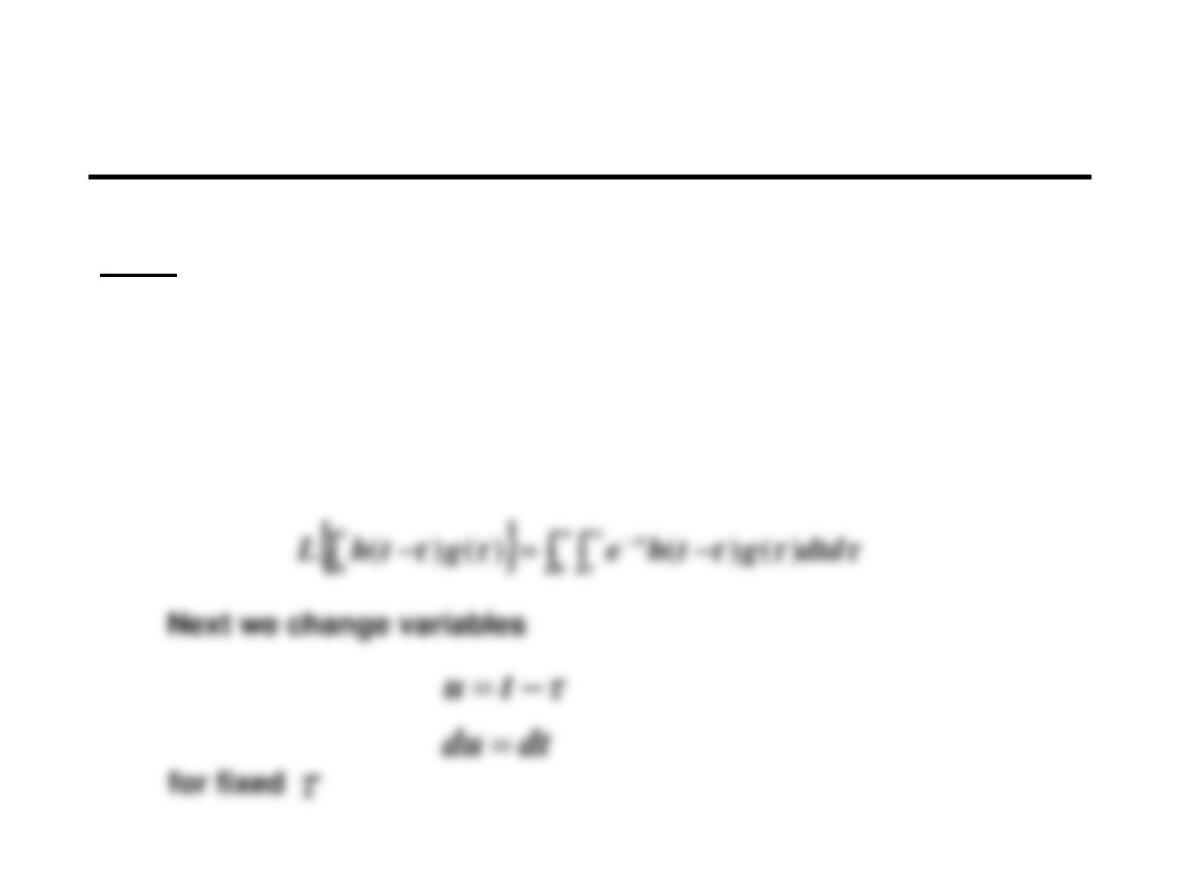
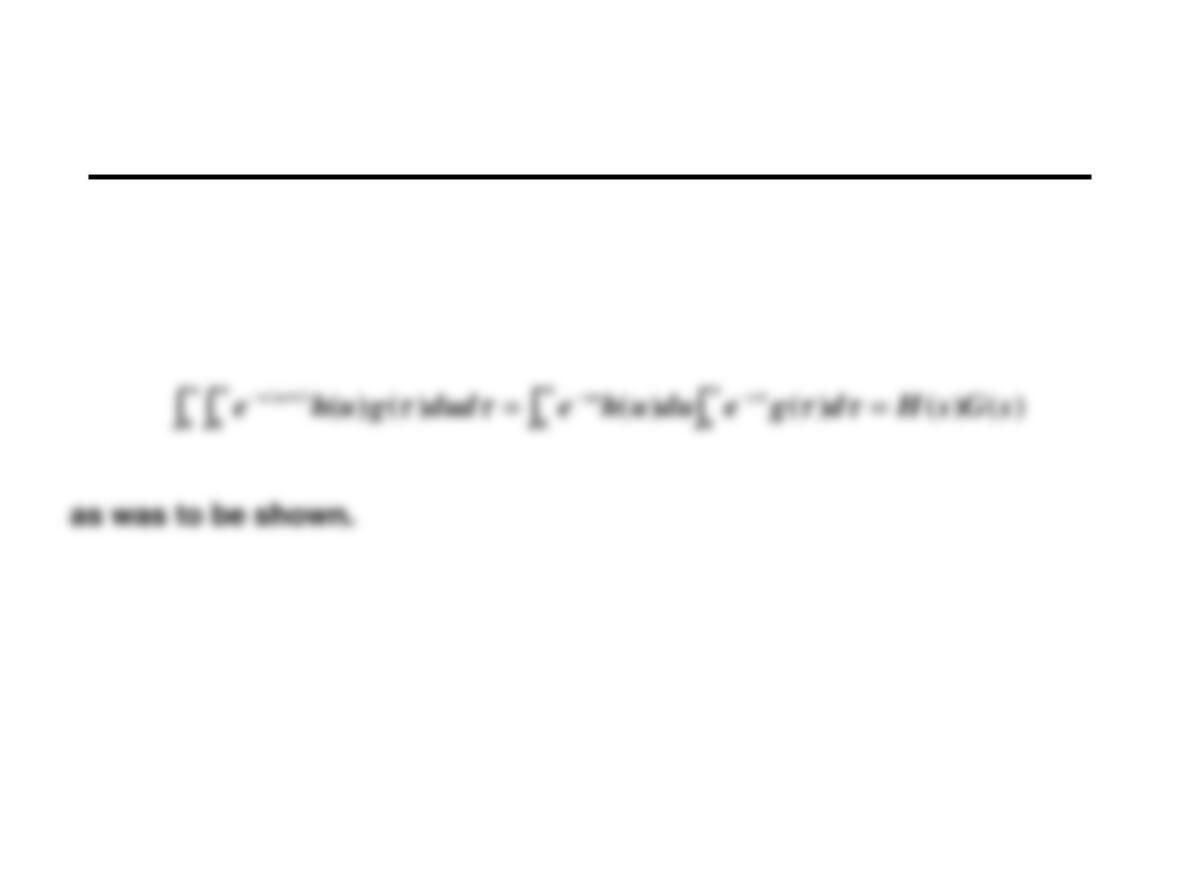
Proof:
−
−−=−=− 0 0000 )()()()()()( dtdgthedtdgthegthL tst
t
st
t
By definition of the Laplace transform :
Changing order of integration
Related Laplace Transform Attribute (3)
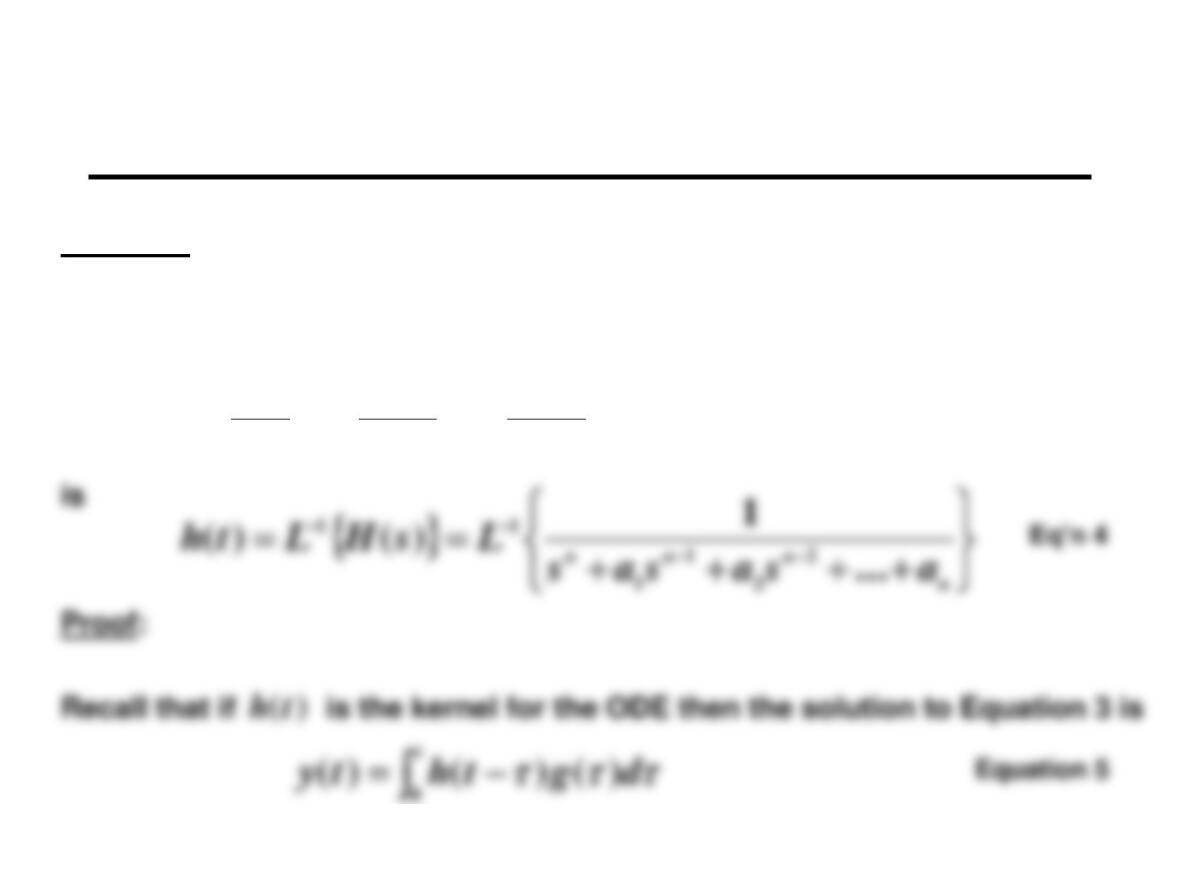
Then we have
=−
0
)()(
gthL
t
Related Laplace Transform Attribute (4)
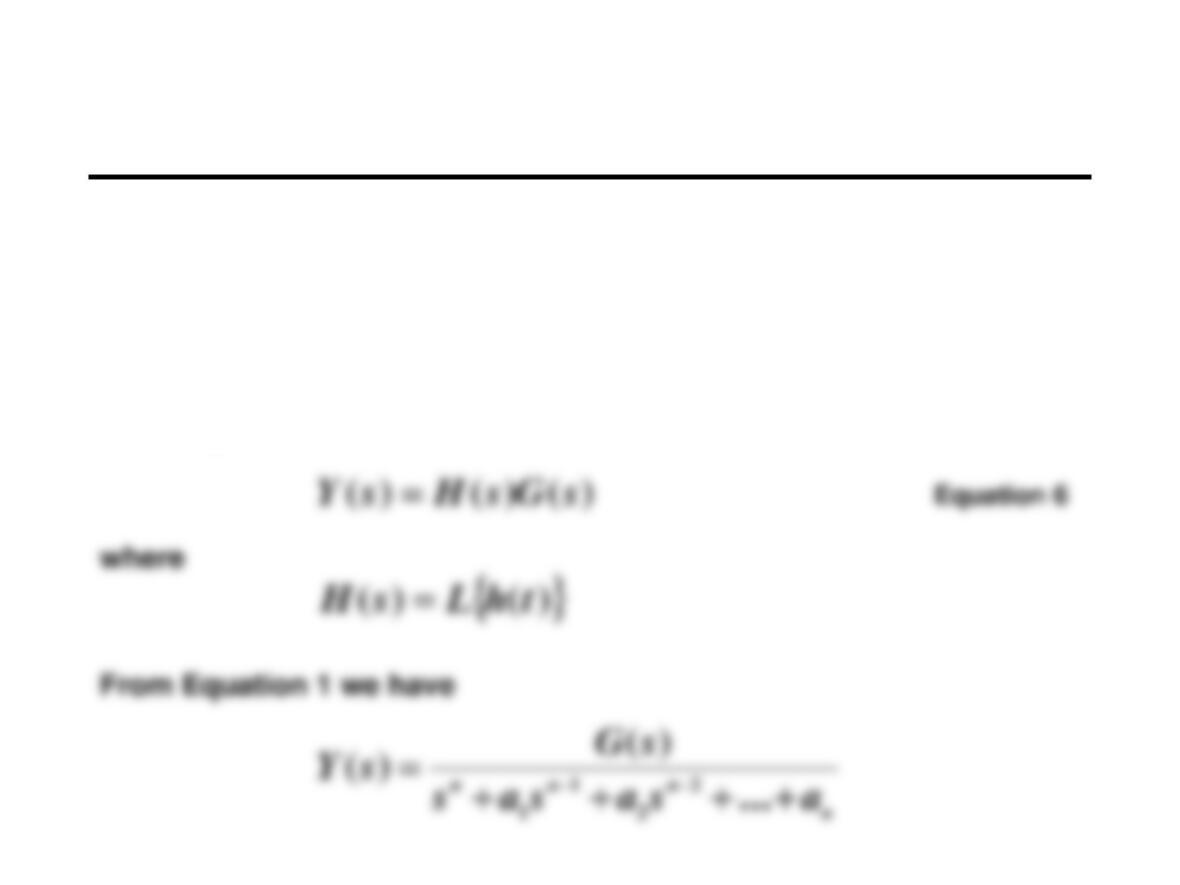
Corollary:
The kernel for the ODE
)(…
2
2
2
1
1
1tgya
dt
yd
a
dt
yd
a
dt
yd
n
n
n
n
n
n
n
=++++ −
−
−
−
Equation 3
Related Laplace Transform Attribute (5)
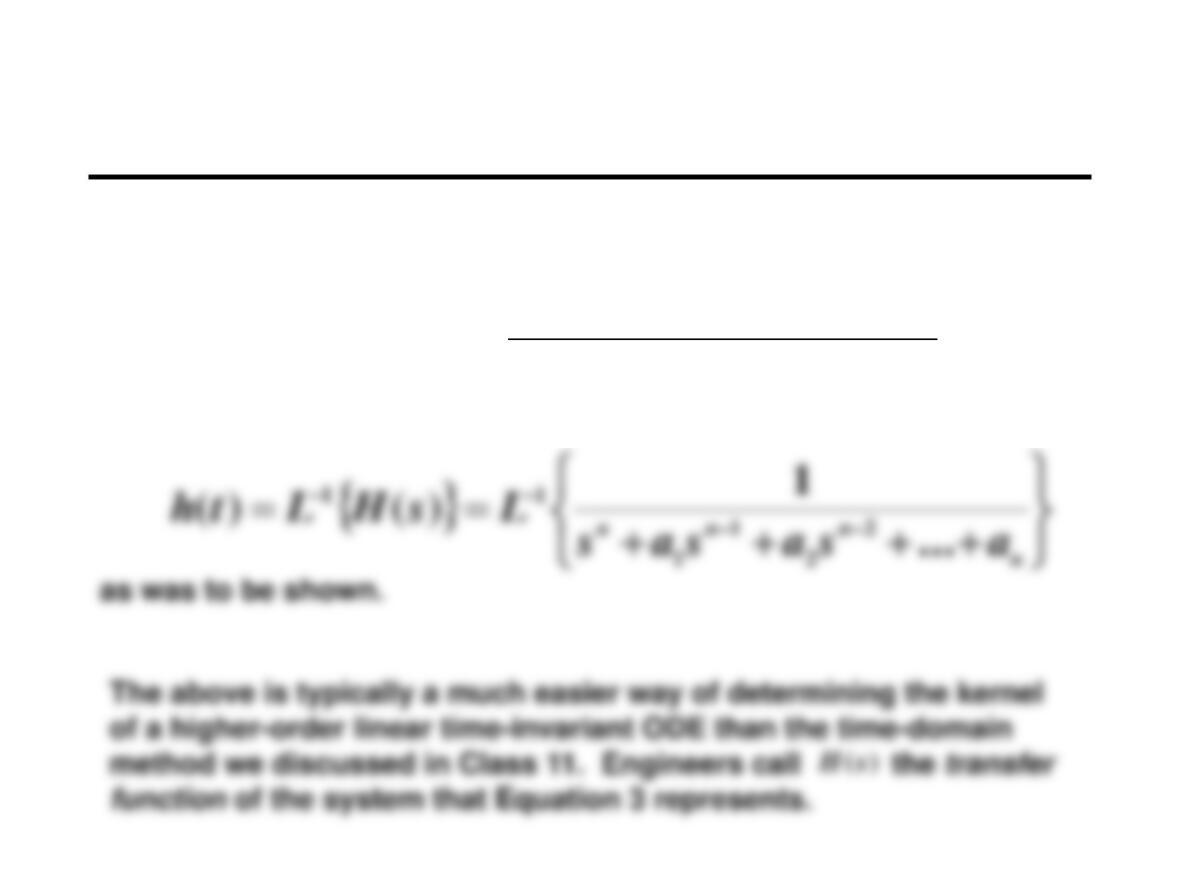
Taking the Laplace transform of Equation 5 we have
From Equation 2 this is
−= tdgthLsY 0)()()(
Related Laplace Transform Attribute (6)
Hence from Equations 1 and 6 we find that
and so
n
nnn asasas
sGsYsH ++++
== −− …
1
)(/)()( 2
2
1
1

Laplace transforms:
Impulse and impulse response
Dirac Delta Function
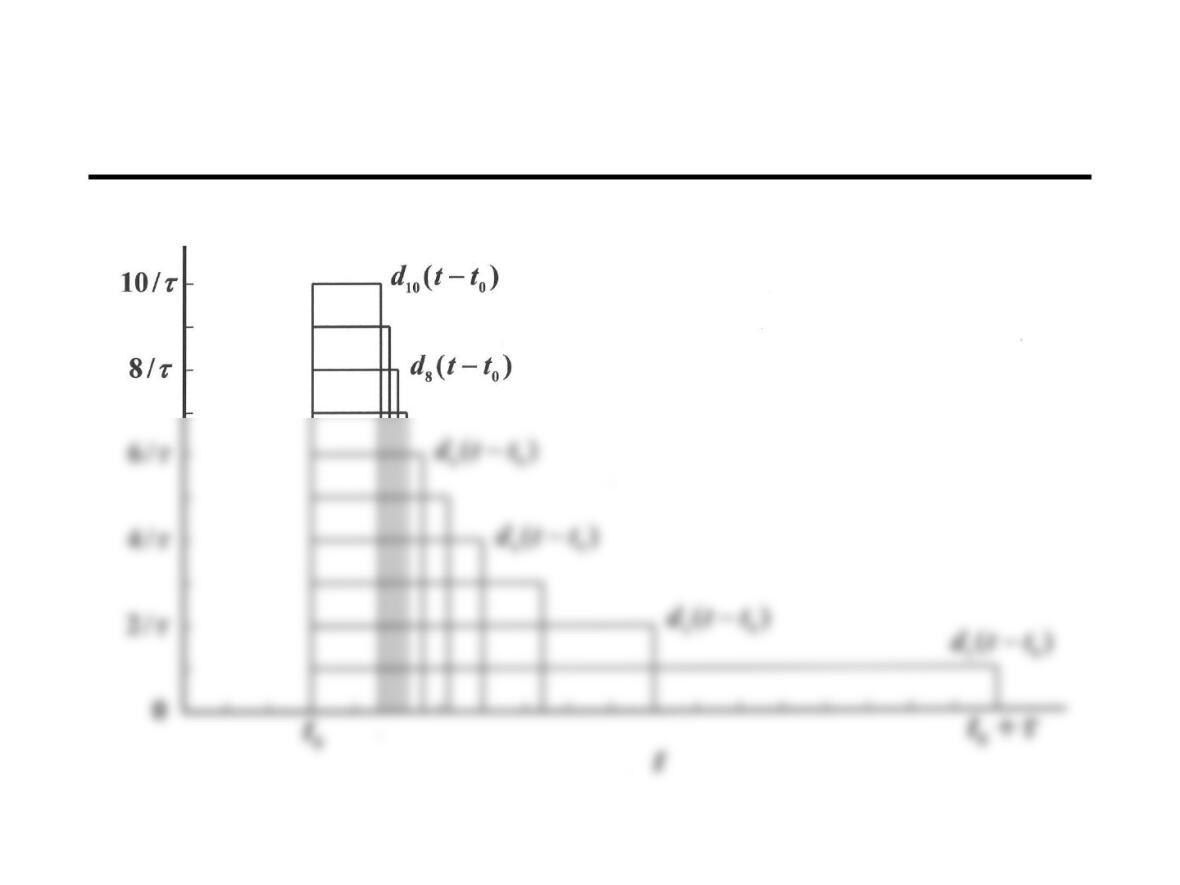
Consider the sequence of functions:
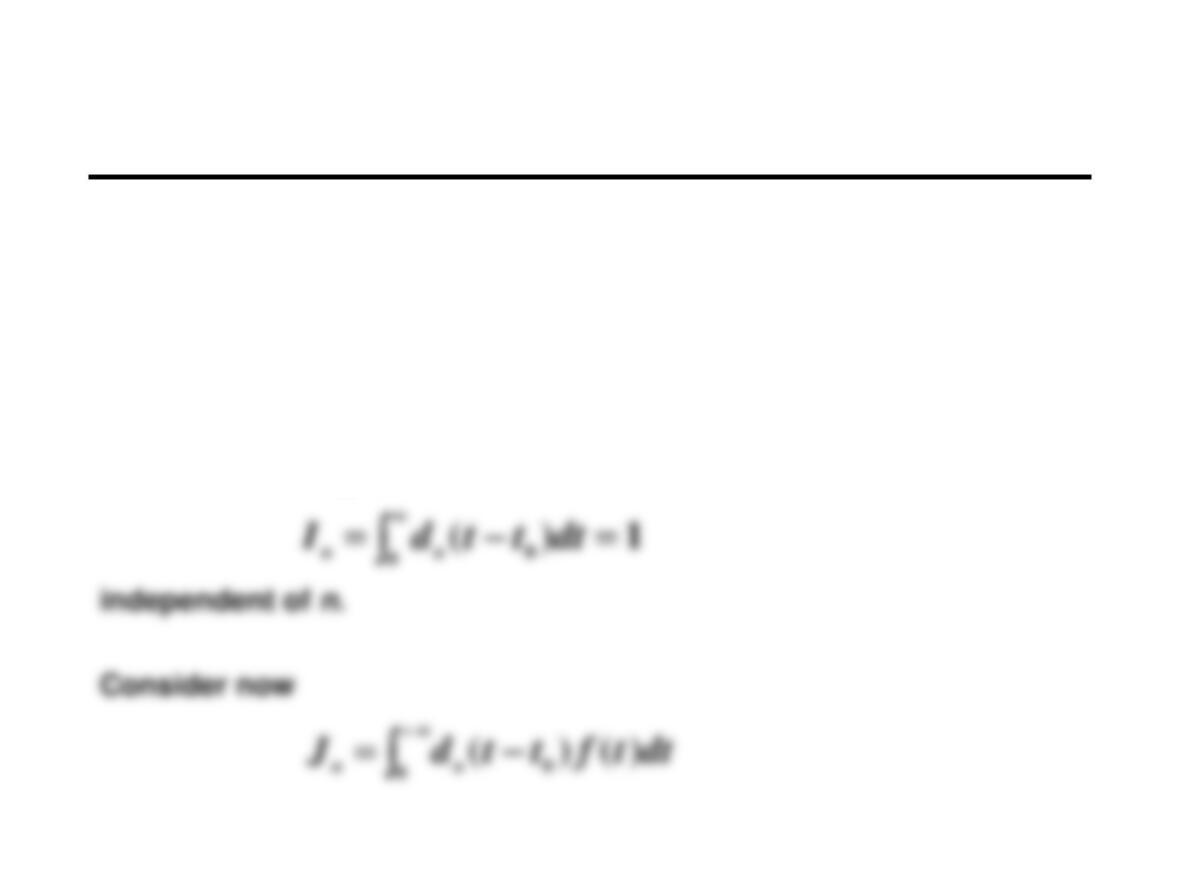
Note that the integral
0)(
/)(
0
0
=−
=−
ttd
nttd
n
n
ntt /0 0
−
otherwise
Dirac Delta Function (2)
Dirac delta function as
)(lim 0
ttdnn −
→
Dirac Delta Function (3)
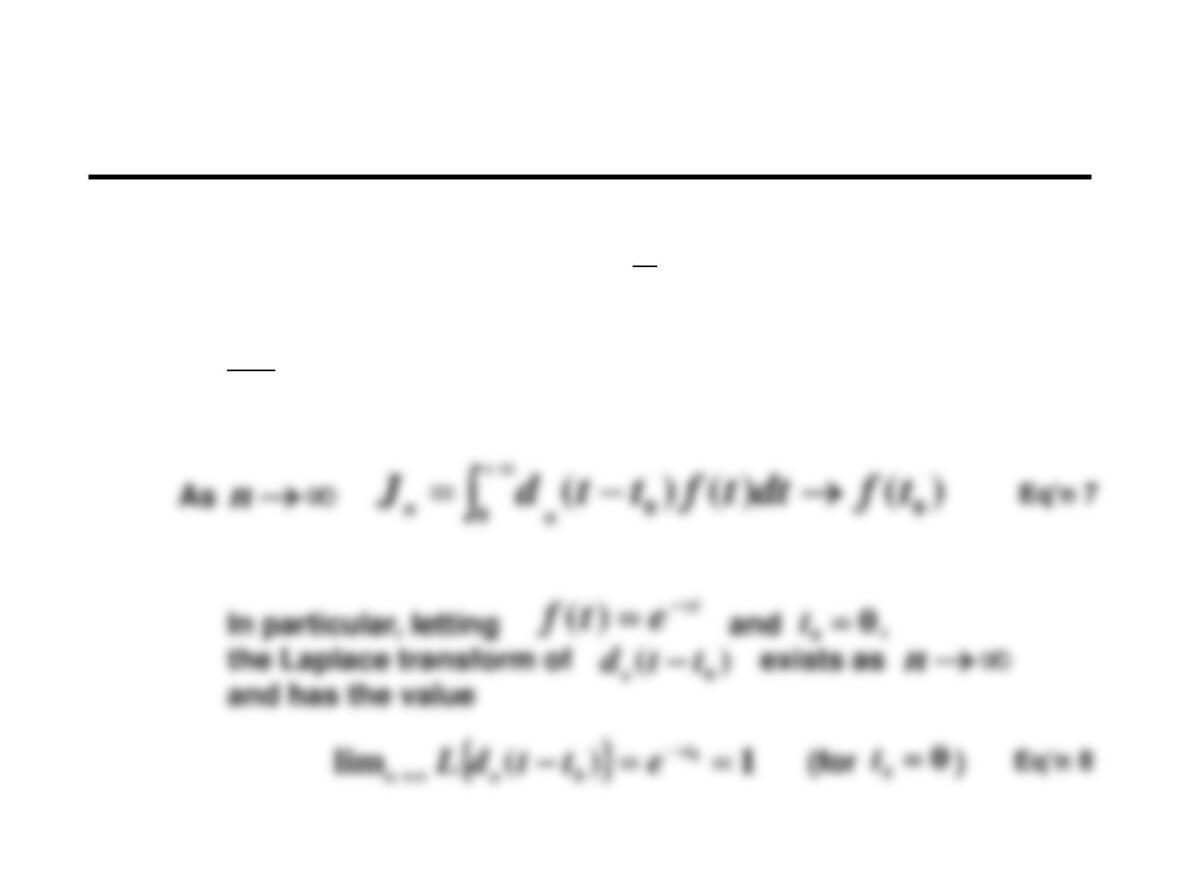
)()(
)()()( /
00
0
0
++
=
==−=
tftf
n
n
dttf
n
dttfttdJ nt
t
nn
nttt /
00
+
Dirac Delta Function (4)
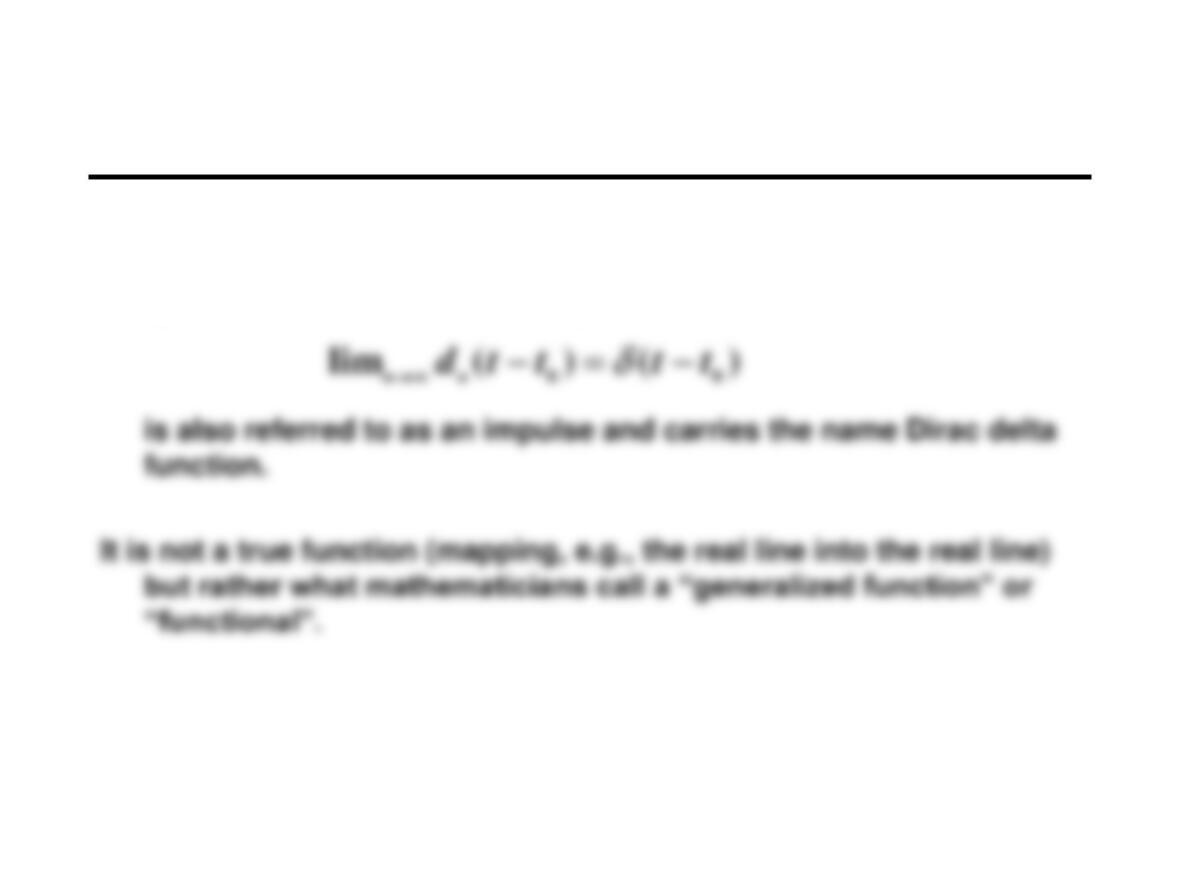
Since their duration is short and their integral finite the functions
are often called “impulses”. The limit
)( 0
ttdn−