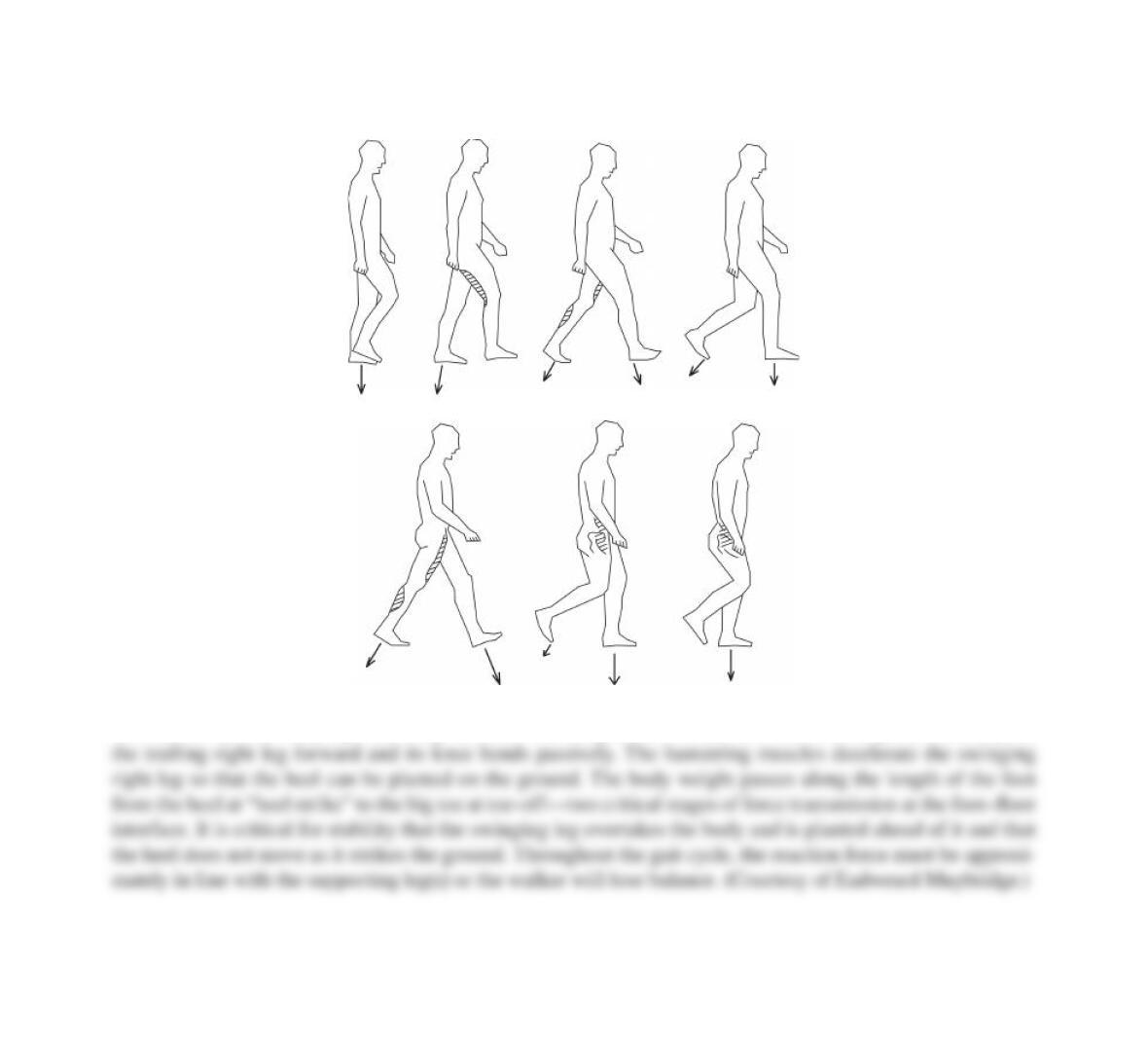
Courtesy of CRC Press/Taylor & Francis Group
FIGURE 6.1 Mechanism of walking. The calf muscles plantar ex the foot and the quadriceps straightens
the knee at “toe-off” to propel the body forward. The weight shifts to the left foot. The iliopsoas muscle pulls
006x001.eps
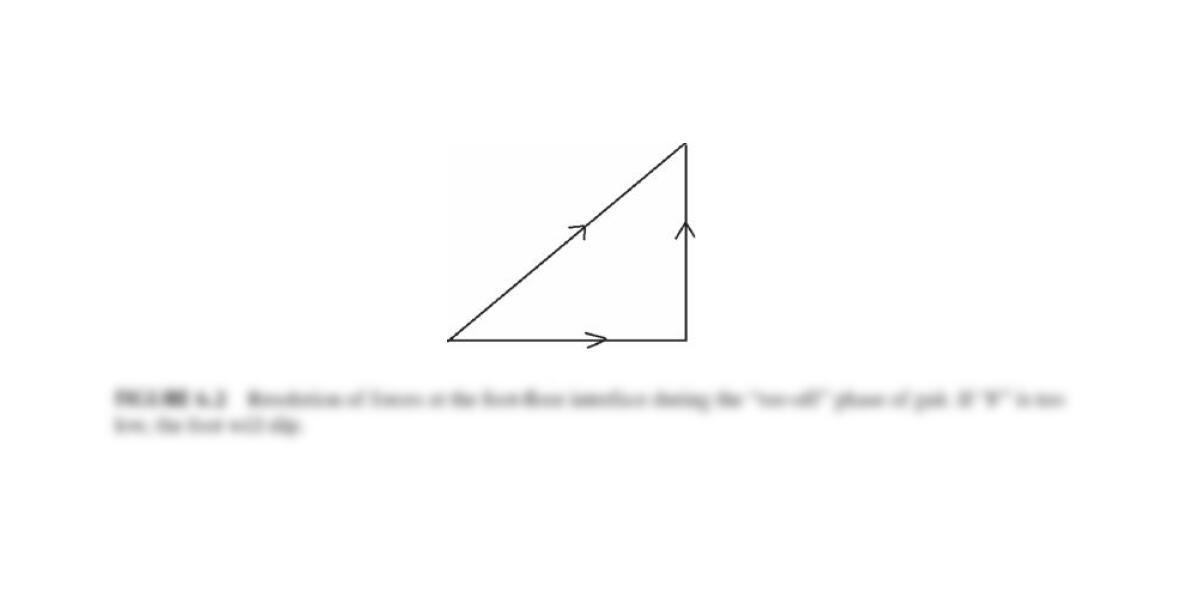
Courtesy of CRC Press/Taylor & Francis Group
GRF
N
F
006×002.eps
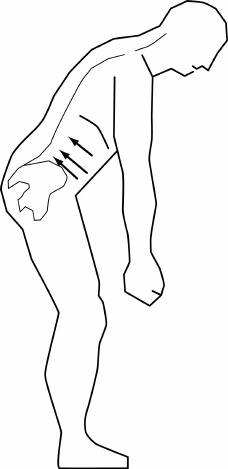
Courtesy of CRC Press/Taylor & Francis Group
FIGURE 6.3 Abdominal mechanism in lifting.
006x003.tif
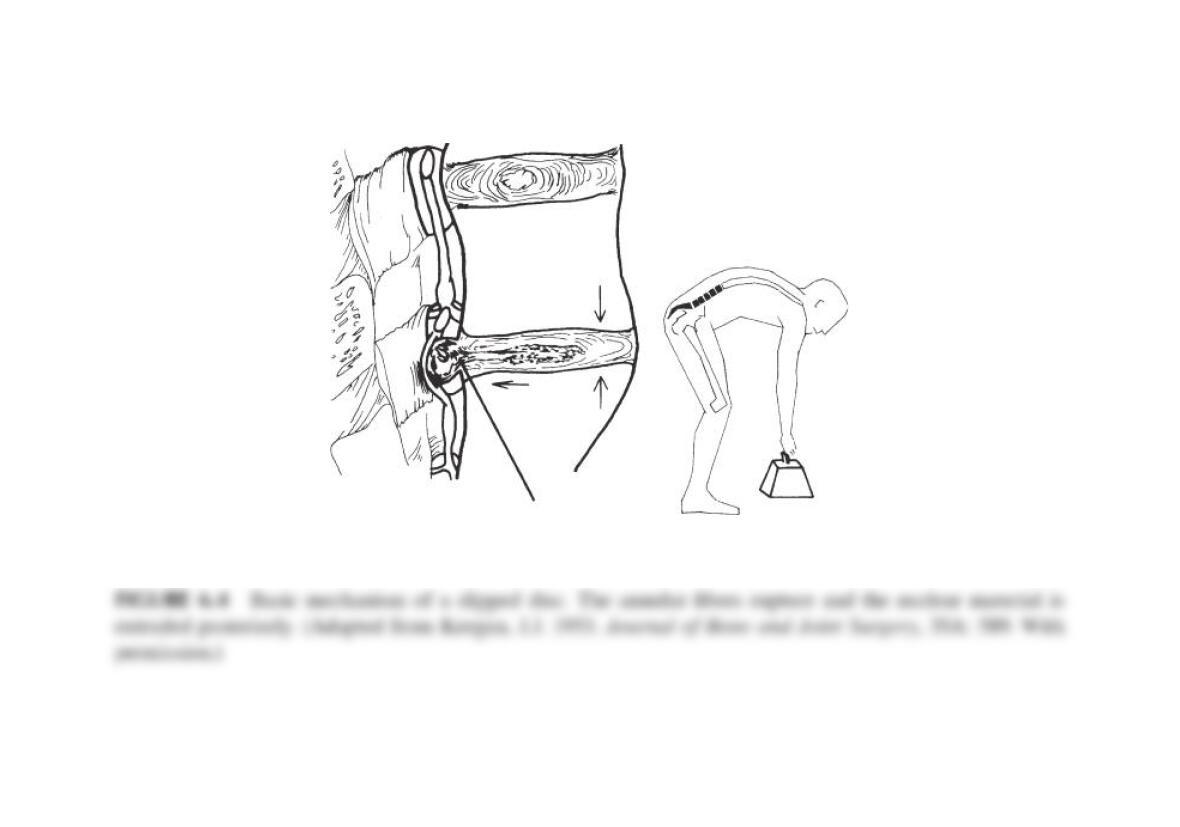
Courtesy of CRC Press/Taylor & Francis Group
Heniation
of intervertebral
disc
006x004.eps
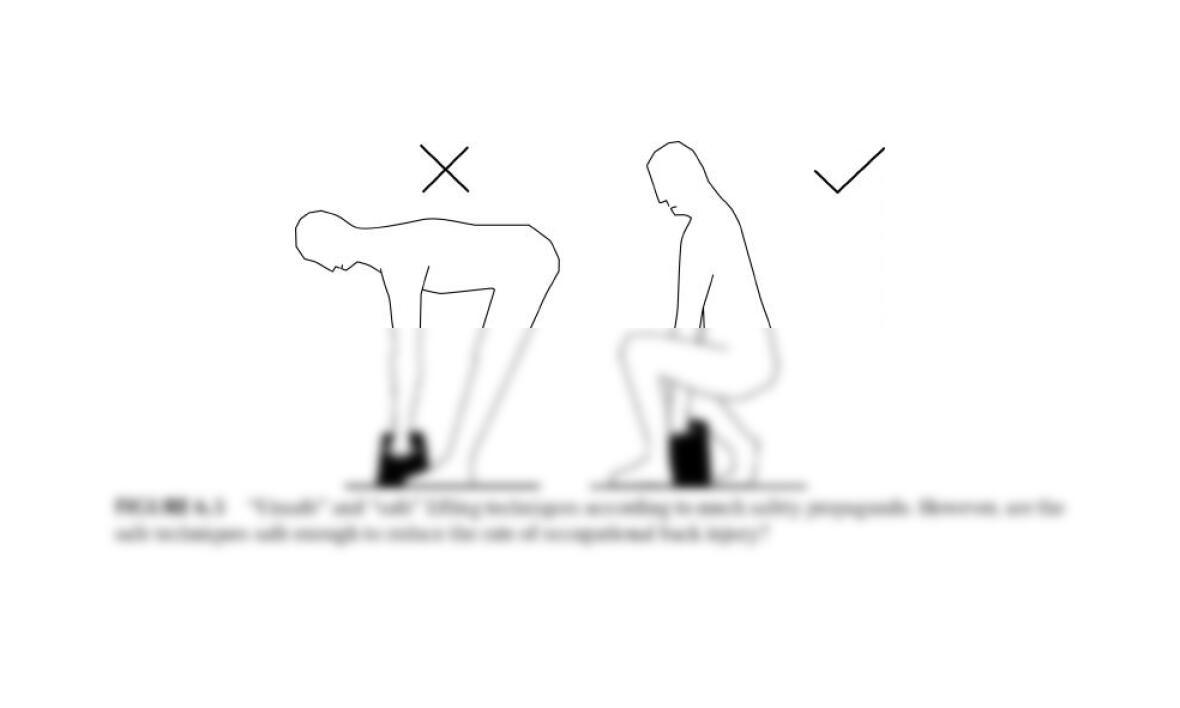
Courtesy of CRC Press/Taylor & Francis Group
006×005.tif
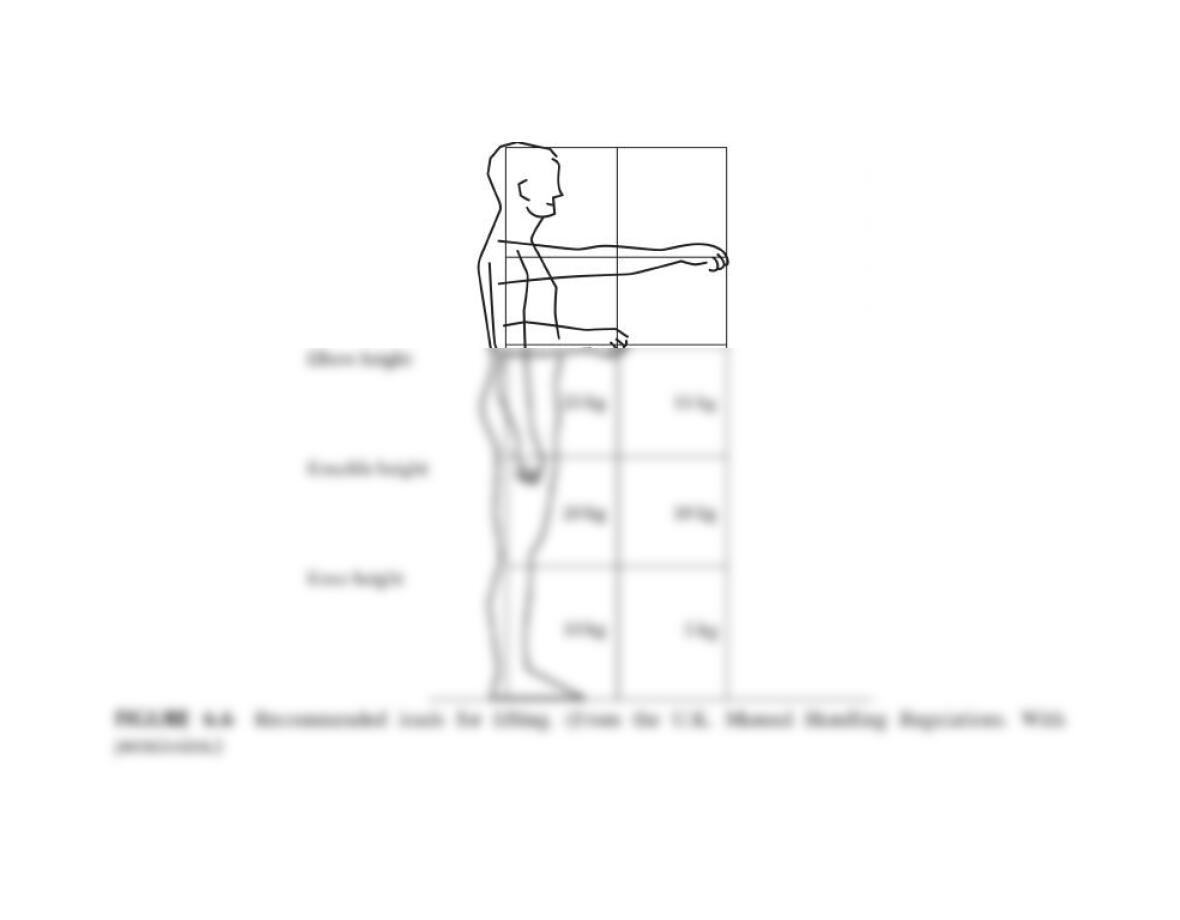
Courtesy of CRC Press/Taylor & Francis Group
F
ull height
Shoulder height
20 kg
10 kg
10 kg
5 kg
006×006.eps
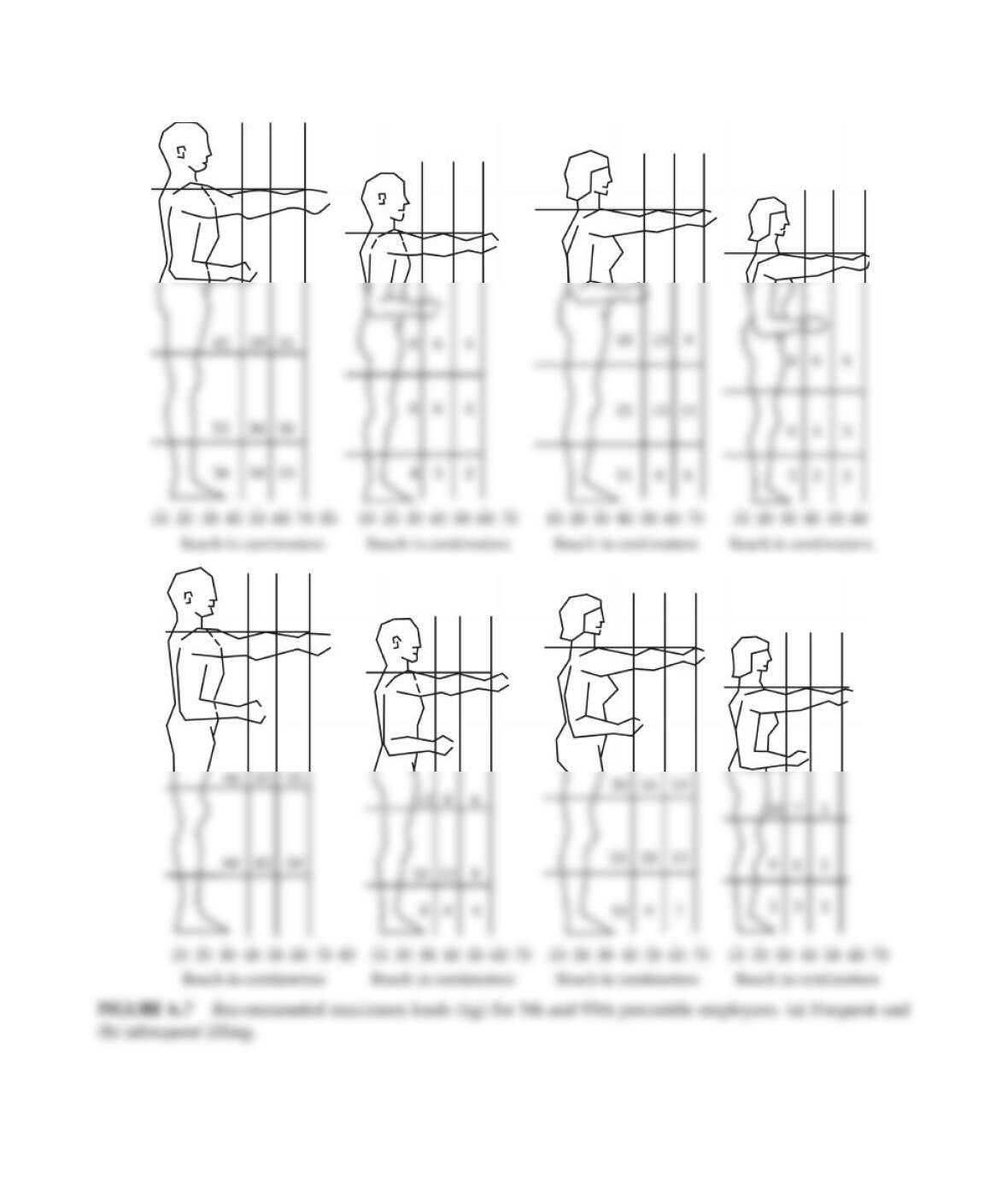
Courtesy of CRC Press/Taylor & Francis Group
43 2
18 13 9
43 2
42 29 21
864
20 14 10
64 3
46 32 23
(a)
(b
)
006x007.eps
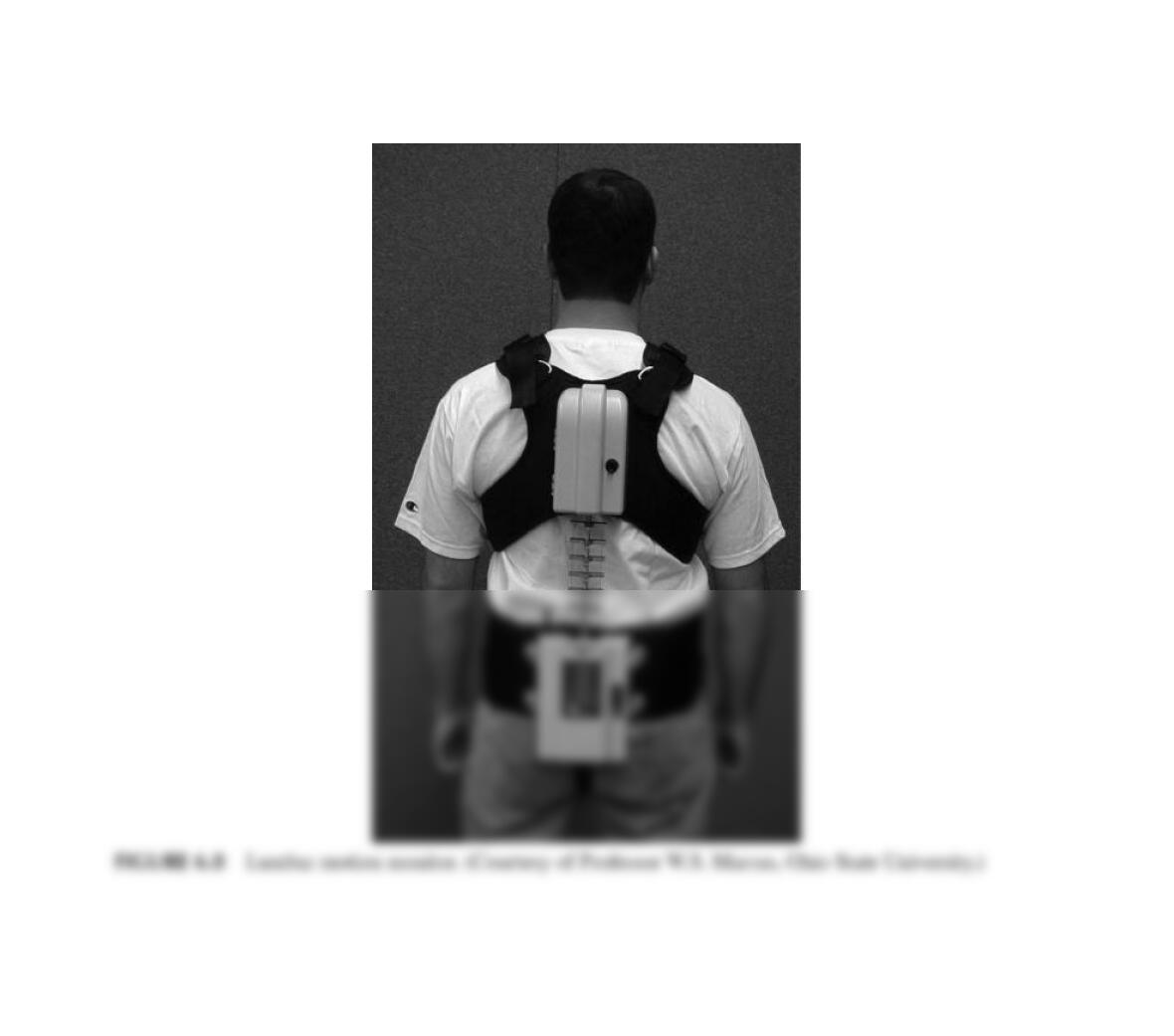
Courtesy of CRC Press/Taylor & Francis Group
006x008.tif
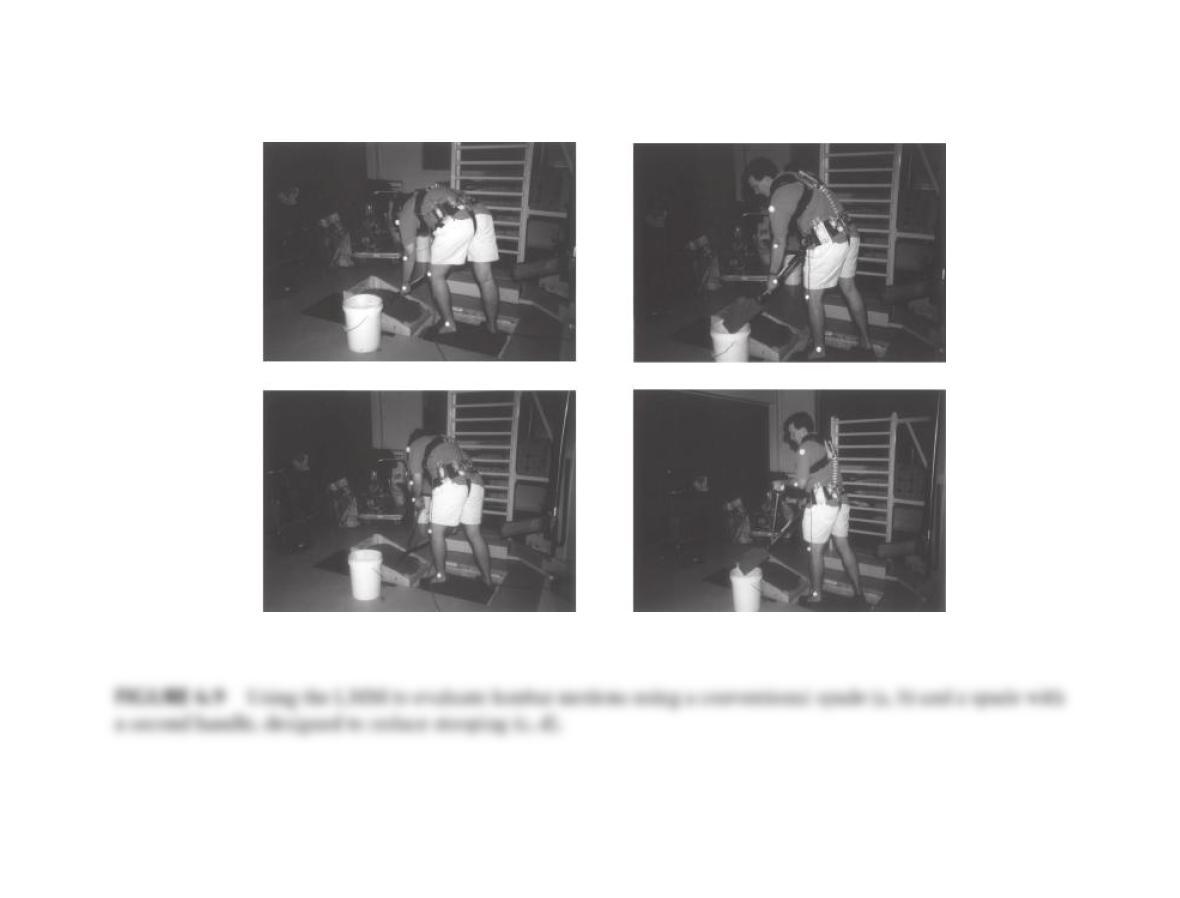
Courtesy of CRC Press/Taylor & Francis Group
(a)(b)
(c) (d)
006x009.eps
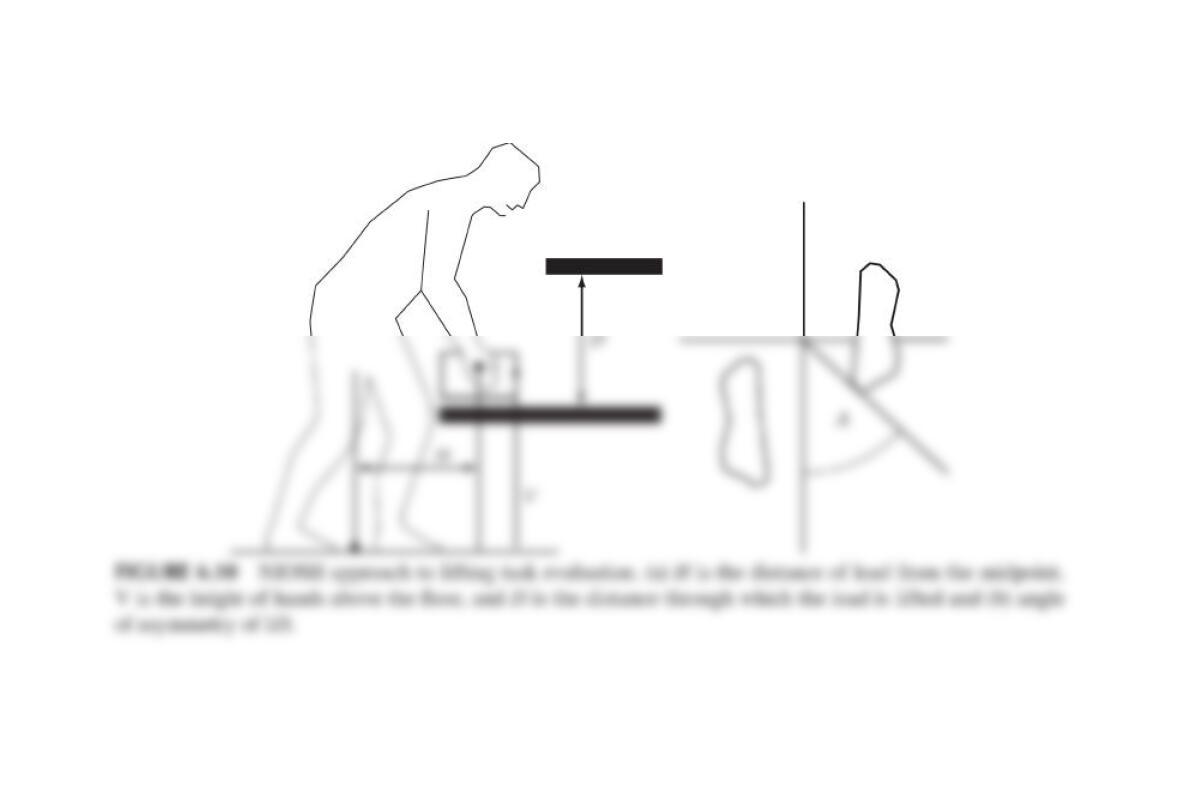
Courtesy of CRC Press/Taylor & Francis Group
(a) (b)
006x010.eps
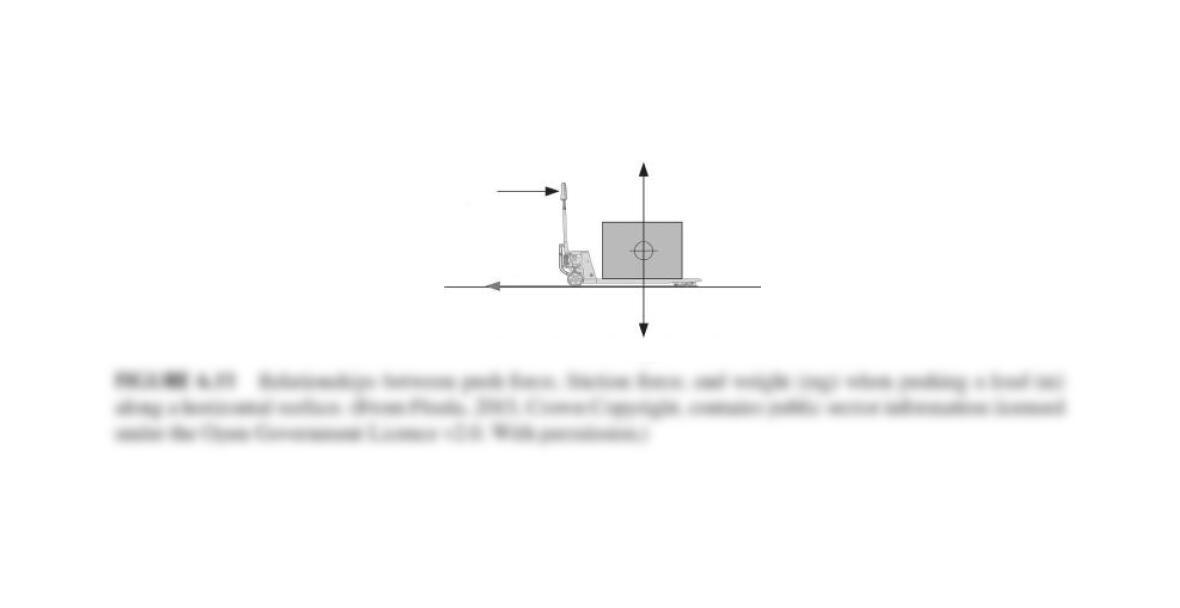
Courtesy of CRC Press/Taylor & Francis Group
Fpush
Fr
iction = μR
R
mg
006x011.eps
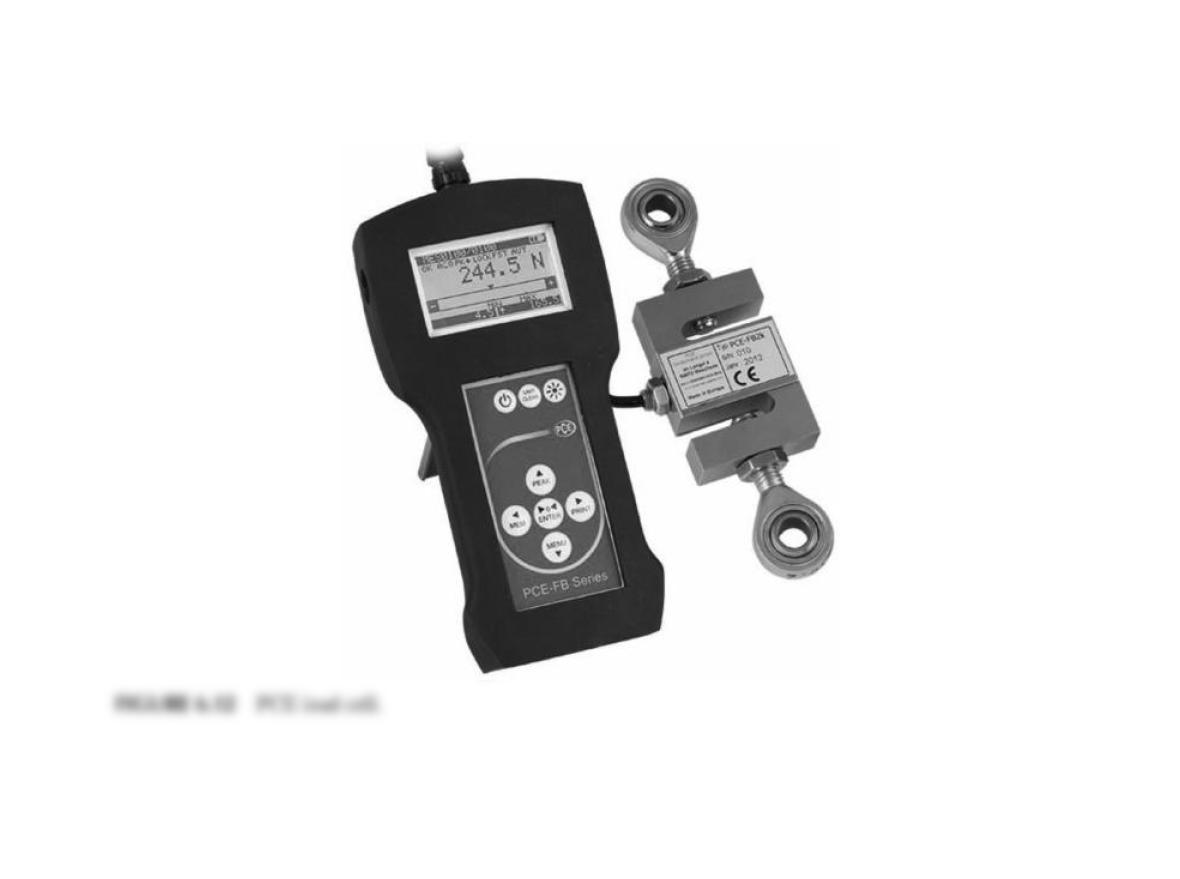
Courtesy of CRC Press/Taylor & Francis Group
006x012.tif
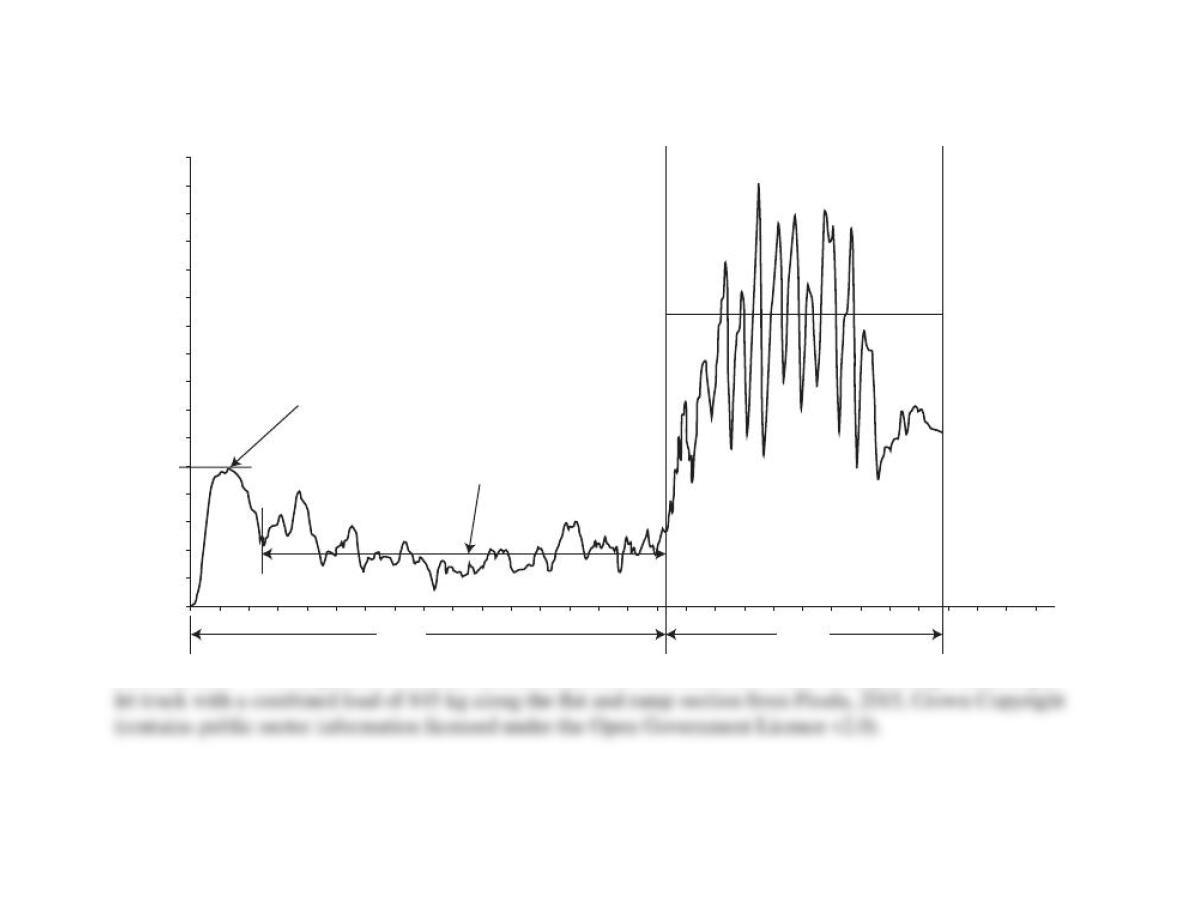
Courtesy of CRC Press/Taylor & Francis Group
800
700
600
500
400
Force (N)
Initial (static) force
to initiate motion
Sustained (kinetic)
force to sustain
motion on flat section
Sustained (kinetic)
force to sustain motion
on ramp section
300
200
100
0
0510 15
Time (s)
20 25
30
Flat
section
Ramp
section
FIGURE 6.13 Plot of parallel to surface (horizontal) force as a function of time when pushing a manual pal-
006x013.eps
Courtesy of CRC Press/Taylor & Francis Group
006x014.tif
Courtesy of CRC Press/Taylor & Francis Group
006x015.tif