CHAPTER 4
DESIGNING INSTRUCTIONAL PROGRAMS
OUTLINE
I. Curriculum
II. General Instructional Strategies
A. Motivation
B. Applied Behavior Analysis
III. Play as an Important Teaching Context
A. Music and Young Children
IV. Arranging the Physical Environment to Maximize Learning
A. The Physical Environment
B. Grouping Children
V. Creating a Positive Social-Emotional Environment
A. Anticipate Children‘s Questions
B. Encourage Children with Specific Positive Feedback
C. Provide Opportunities for Self-Efficacy and Decision Making
VI. Designing the Teaching-Learning Environment: Universal Design for Learning
A. Multiple Means of Engagement
B. Multiple Means of Representation
C. Multiple Means of Action and Expression
VII. Embedded Teaching and Learning Opportunities
A. Carefully Planned Schedules Promote Consistent Daily Routines
B. EQUIVALENT PRACTICE: Providing a Variety of Activities to Accomplish Any One Outcome
or Objective
ESSENTIAL CONCEPTS AND VOCABULARY
Antecedents
Applied Behavior Analysis (ABA)
Behavior modification
Consequences
Contingencies
Curriculum
Ecologically relevant
Effectance motivation
Embedded learning opportunities
Equivalent practice
Evidence-based practices
Positive reinforcement
Progressive matching
Reinforcers
DISCUSSION TOPICS AND ACTIVITIES
1. Observe a teacher in an early intervention program. Describe how he or she uses each of the general
strategies discussed in this chapter.
2. Visit a center where children with disabilities are included. Observe the children during play activities.
4. Develop a time-use plan for a program involving infants and toddlers. Include prompts for accommodating
children with disabilities within the overall daily plan.
5. Analyze the physical environment of a preschool classroom and identify components that meet the
7. Select an activity and develop a task analysis for a preschooler who needs systematic supports.
9. Make a list of phrases that you currently use to provide nonspecific praise to young children. Create a new
list of phrases that are specific and descriptive of positive feedback.
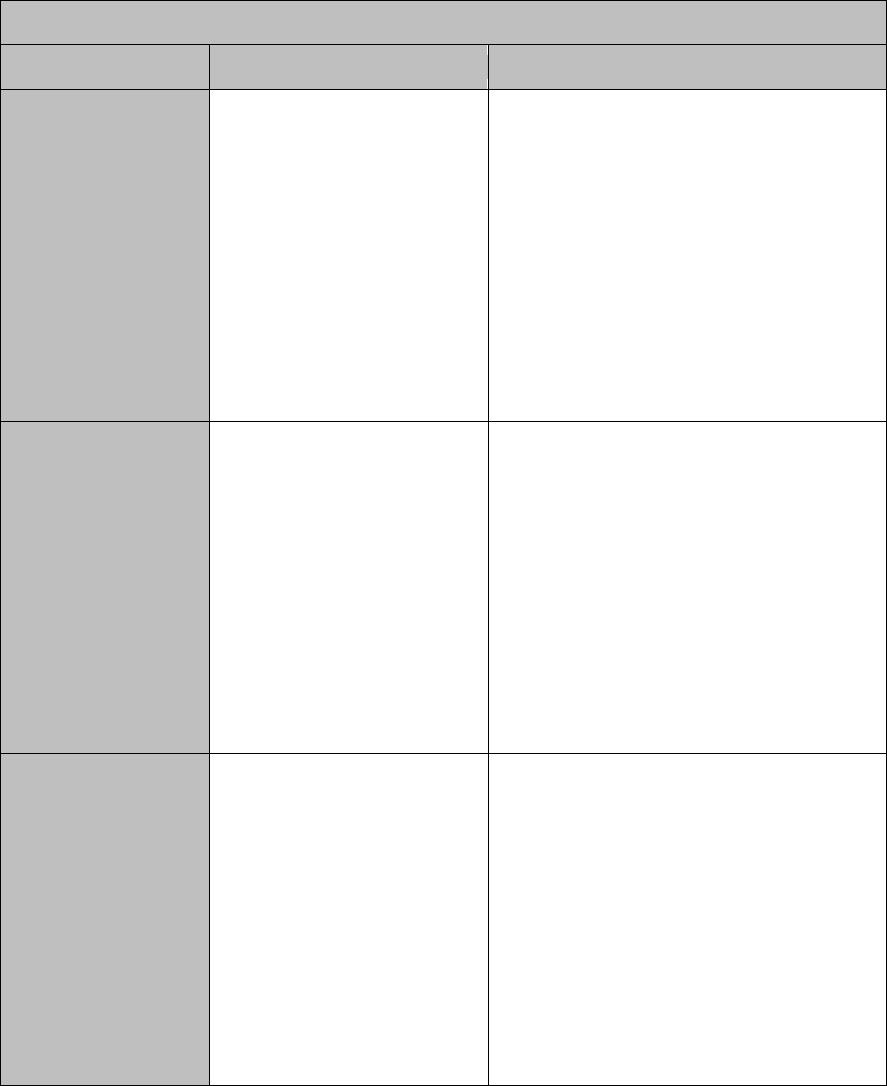
ACTIVITY:
UNIVERSAL DESIGN FOR LEARNING NOTE TAKING
Universal Design for Learning (UDL)
Key Principle
Write the Definition
Give Multiple Examples
Multiple Means of
Engagement
Multiple Means of
Representation
Multiple Means of
Action and
Expression
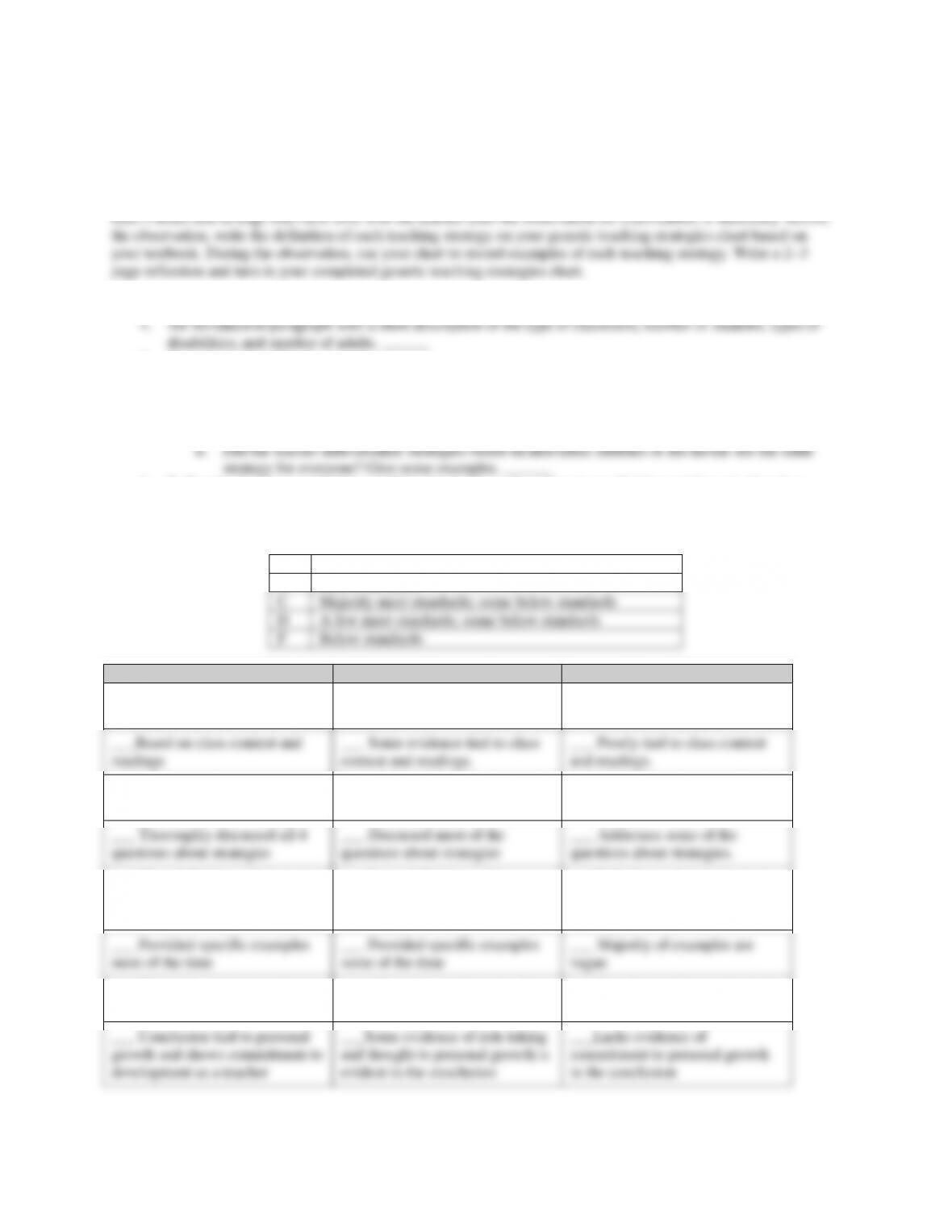
COURSE ASSIGNMENT
Generic Teaching Strategies Rubric Grading Sheet and Charts
Assignment directions:
Students will need to observe generic teaching strategies in a preschool special day class. Expect to observe for at
Reflective essay will consist of:
2. Answers to the following questions:
a. Compare and discuss the strategies that were used. Which strategies were used the most? The
least? Or, not at all? Critique why you think the teacher used these specific strategies. ______
b. Did the teacher appear to use enough strategies to help children learn? Why or why not? ______
c. Could you identify other generic strategies that might help this teacher? ______
3. Reflect by drawing conclusions and bringing it all together: How is my thinking reinforced, altered or
transformed as a result of this assignment? What new perspective or ideas have I gained? What questions
are raised for me? How might I apply generic teaching strategies in my future as a teacher? ______
Rubric:
C
Majority meet standards; some below standards
D
A few meet standards; some below standards
F
Below standards
A
Exceeds standards
B
Meest standards
Exceeds Standards
Meet Standards
Below Standards
___Essay shows a deep level of
thinking and reflection
___Essay is sometimes
thoughtful
___ Essay is mostly “surface
level” and lacks thoughtfulness
___Based on class content and
readings
___ Some evidence tied to class
content and readings.
___ Poorly tied to class content
and readings.
___ Thorough introduction is
present
___ Most of the introduction
components are present
___ A few of the introduction
components are present
___ Thoroughly discussed all 4
questions about strategies
___ Discussed most of the
questions about strategies
___ Addresses some of the
questions about strategies.
___ Most definitions of strategies
are correct and based on readings
___ Some definitions of
strategies are correct and based
on readings
___Definitions of strategies are
incorrect and not based on
readings
___ Provided specific examples
most of the time
___ Provided specific examples
some of the time
___ Majority of examples are
vague
___ Thorough conclusion by
discussing all the questions above
___ Adequate conclusion and
discusses most questions above
___ Conclusion discusses only a
few of the questions above
___ Conclusion tied to personal
growth and shows commitment to
development as a teacher
___Some evidence of risk-taking
and thought to personal growth is
evident in the conclusion
___Lacks evidence of
commitment to personal growth
in the conclusion
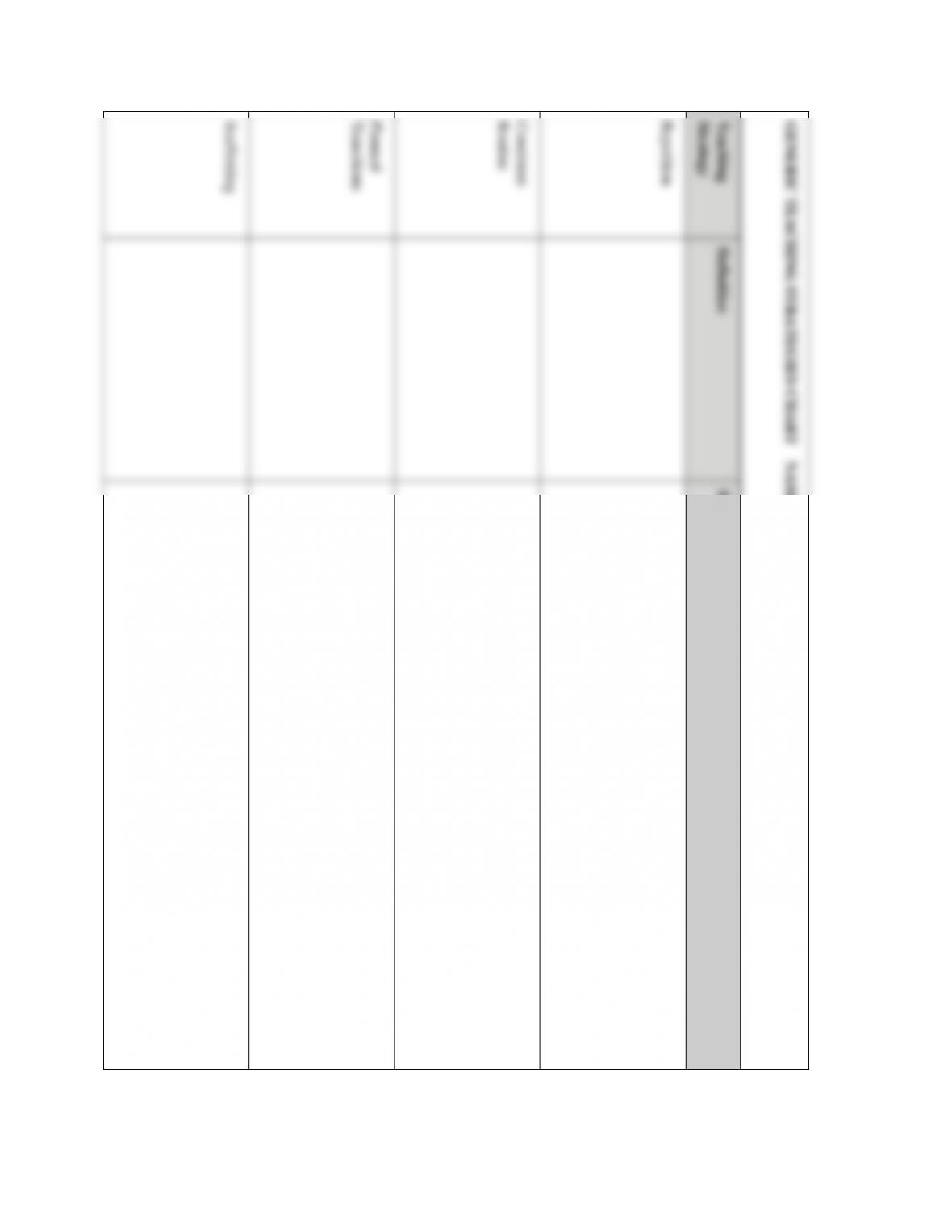
Scaffolding
Planned
Transitions
Consistent
Routine
Repetition
Teaching
Strategy
GENERIC TEACHING STRATEGIES CHART NAME:______________________________________________
Definition
Examples
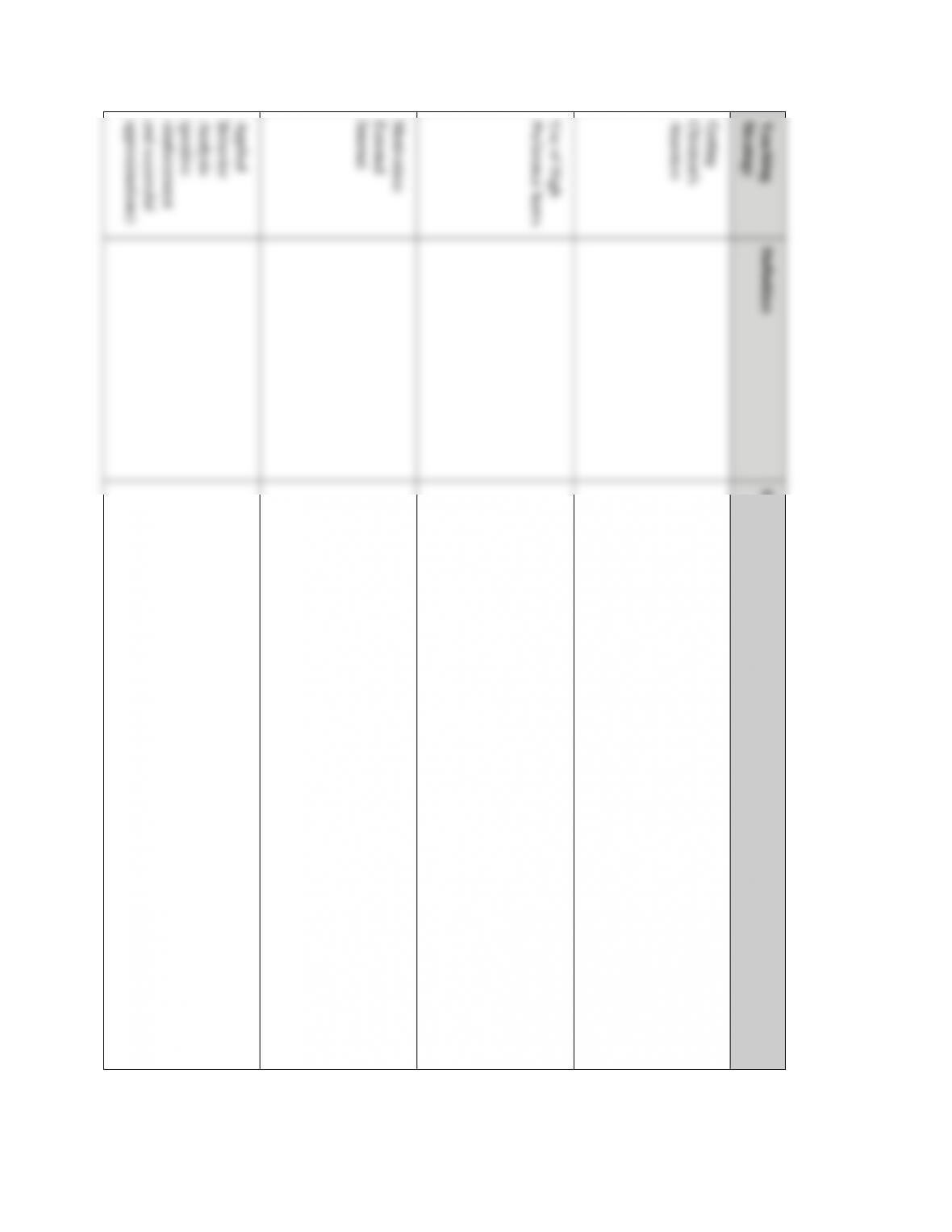
Applied
Behavior
Analysis
(positive
reinforcement
and successful
approximations)
Motivation:
External
Internal
Use of High
Preference Items
Getting
Children’s
Attention
Teaching
Strategy
Definition
Examples
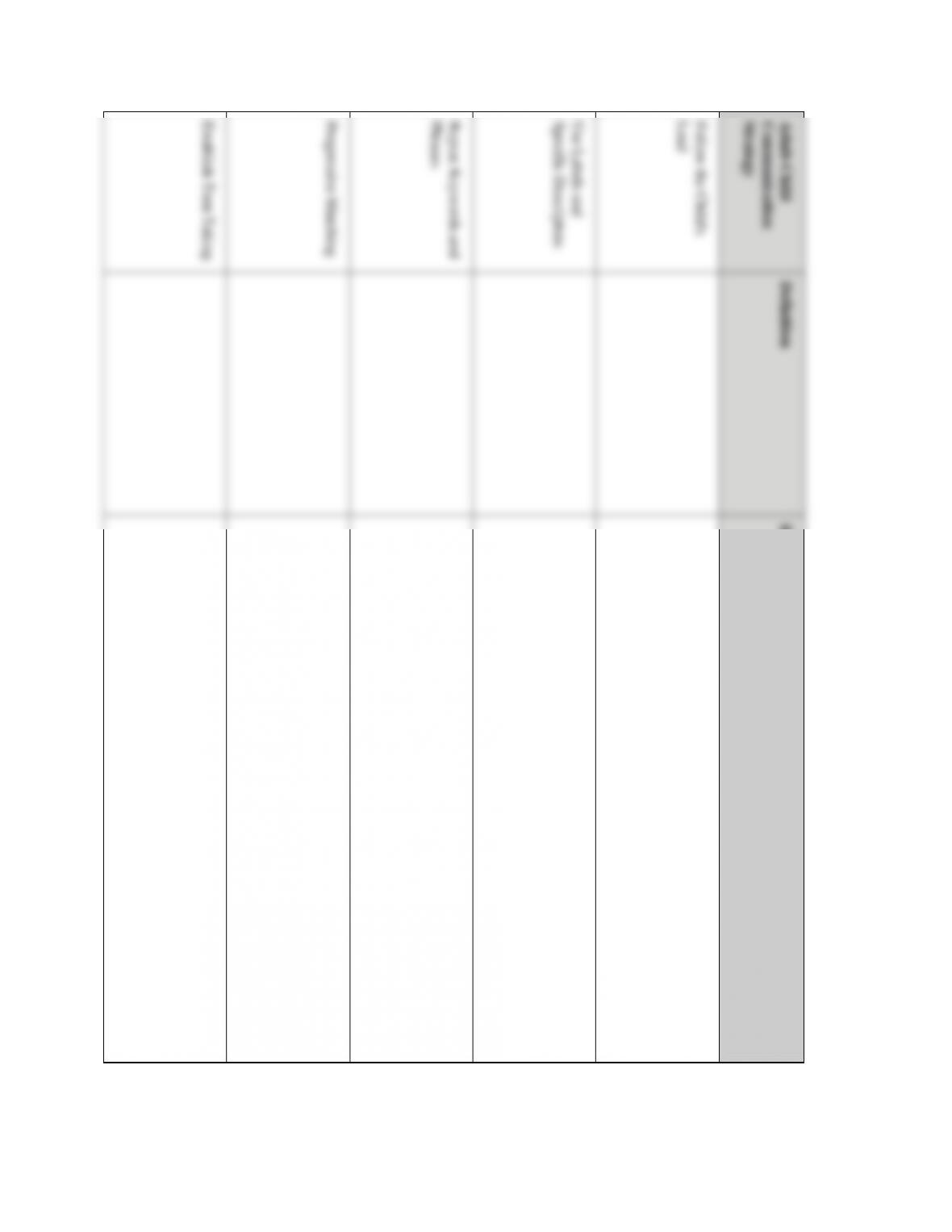
Establish Turn Taking
Progressive Matching
Repeat Keywords and
Phrases
Use Labels and
Specific Descriptors
Follow the Child’s
Lead
Adult-Child
Communication
Strategy
Definition
Examples
COURSE ASSIGNMENT
ENVIRONMENTAL CRITIQUE
You will need either of the following tools:
Early Childhood Environment Rating Scale by Thelma Harms, Richard M. Clifford and Debbie Cryer OR
Inclusive Classroom Profile by Elena P. Soukakou
Directions:
There are 2 options for this assignment. 1) Select an early childhood preschool program that serves children
3-5 years old that is an inclusive program for administering the Inclusive Classroom Profile (ICP). 2) Select a
general education preschool program that serves children 3-5 years old for administering the Early Childhood
Environmental Rating Scale (ECERS). This assignment is not for a special education classroom or your own
The Early Childhood Environmental Rating Scale (ECERS) or the Inclusive Classroom Profile (ICP) will
need to be completed during the visit(s) using the scoresheets. You will then critique the environment based on your
findings by writing a paper answering the components below. Proofread your work and check for spelling, grammar
The Environmental Critique Components:
A. Introduction: Briefly summarize the introductory information about the classroom on the scoresheet (school
name, date, time of observation, number of staff & children, types of disabilities, etc.) in one short paragraph.
B. Subscales: Use a heading for each subscale in the ECERS/ICP order. Give the average score first. Next, write
C. Summary: According to the results of the ECERS/ICP, identify and describe the program’s strengths and
weaknesses. Identify and describe specific suggestions on how the program can improve its scores on the
ECERS/ICP.
D. Reflection: Begin to reflect and think about your own classroom as it relates to the ECERS/ICP. Keep in mind
ENVIRONMENTAL CRITIQUE GRADING RUBRICS
Exceeds standards
Meet Standards
Below standards
Introduction
__Briefly summarized all
introductory information
__Missing some introductory
information
Subscales
__Thoroughly summarized
findings by using many
specific examples
__Adequately summarize
findings by using specific
examples
__Did not give enough
information or have enough
specific examples
Summary
__Thoroughly described the
programs strengths,
weaknesses. Gave thoughtful
and specific suggestions for
improvement
__Adequately described the
program’s strengths and
weaknesses. Gave specific
suggestions for improvement
__Missing information for
programs strengths and/or
weaknesses. Minimal or vague
suggestions
Reflection
__Shows a deep level of
thinking and personal
reflection identifying strengths
and changes
__Thoughtfully has some
evidence of deep
thinking/personal reflection
identifying strengths and
changes
__Is mostly “surface level” and
lacks personal insights and
thoughtfulness about strengths
and/or challenges
Writing
__Clear and concise with an
occasional spelling, grammar
or typing error
__Somewhat clear with some
spelling, grammar or errors.
__Many thoughts are unclear
or unorganized: several
spelling, grammar or errors
A
Exceeds standards
B
Meet standards
C
Majority meet standards; some below standard
D
A few meet standards; some below standards
F
Below standard