
Module Six
Core CurriCulum
Lesson Plans for Instructors
Introduction to
Basic Rigging
00106-15
Lesson Plans for Module 00106–15
IntroductIon to BasIc rIggIng
Module Six (00106–15) identifies different types of rigging slings and hardware and describes how those items
NOTE: This module is an elective.
It is not required for successful completion of the Core Curriculum.
Teaching Time: 7.5 hours
(Three 2.5–Hour Classroom Sessions)
Session time may be adjusted to accommodate your class size, schedule, and teaching style.
Prerequisites
Objectives
Learning Objective 1
• Identify and describe various types of rigging
slings, hardware, and equipment.
a. Identify and describe various types of slings.
Performance Tasks
Performance Task 1
(Learning Objective 1)
• Demonstrate the proper ASME Emergency
Stop hand signal.
00106-15 Introduction to Basic Rigging Module Six i
ii NCCER – Core Curriculum 0010 6-15
Classroom Equipment
and Materials
Whiteboard/chalkboard
Markers/chalk
Pencils and paper
Safety Considerations
This module requires that trainees handle common types of rigging equipment. Included in this equipment
are synthetic, alloy steel chain, and wire rope slings; rigging hardware, such as shackles, eyebolts, lifting
clamps, and hooks; and different types of hoists. Trainees should be carefully observed to ensure that they
wear the proper PPE, follow safe practices, and give due respect to the hazards associated with rigging
equipment and activities.
Additional Resources
This module presents thorough resources for task training. The following resource material is suggested for
further study.
Bob’s Rigging and Crane Handbook, Bob De Benedictis. 2006. Leawood, KS: Pellow Engineering Services, Inc.
Mobile Crane Manual, Donald E. Dickie; D. H. Campbell. 1999. Toronto, Ontario, Canada: Construction Safety
Association of Ontario.
Appropriate PPE:
Safety glasses
Work gloves
Several types of eyebolts, some of
which are damaged
Several types of lifting clamps, some
Equipment and Materials for Laboratories and
Performance Testing
00106-15 Introduction to Basic Rigging Module Six iii
The Lesson Plan for this module is divided into three 2.5–hour sessions.
This time includes 10 minutes for administrative tasks and a 10-minute break per session.
SeSSion one
Session One introduces slings used in rigging
and the types of defects to look for during their
inspection prior to each use. Common criteria
used to determine if a sling is safe for use are
presented.
SeSSion Two
Session Two presents common types of rigging
hardware used for connecting a load to a lifting
device. Various types of hoists and rigging
hitches are introduced. Trainees also learn the
Emergency Stop hand signal.
SeSSion Three
Session Three is a review and testing session.
Have trainees complete the Module Review and
Trade Terms Quiz. Go over the Module Review
and Trade Terms Quiz in class prior to the exam
and answer any questions that the trainees may
IntroductIon to BasIc rIggIng
Session Outline for 00106–15
iv NCCER – Core Curriculum 0010 6-15
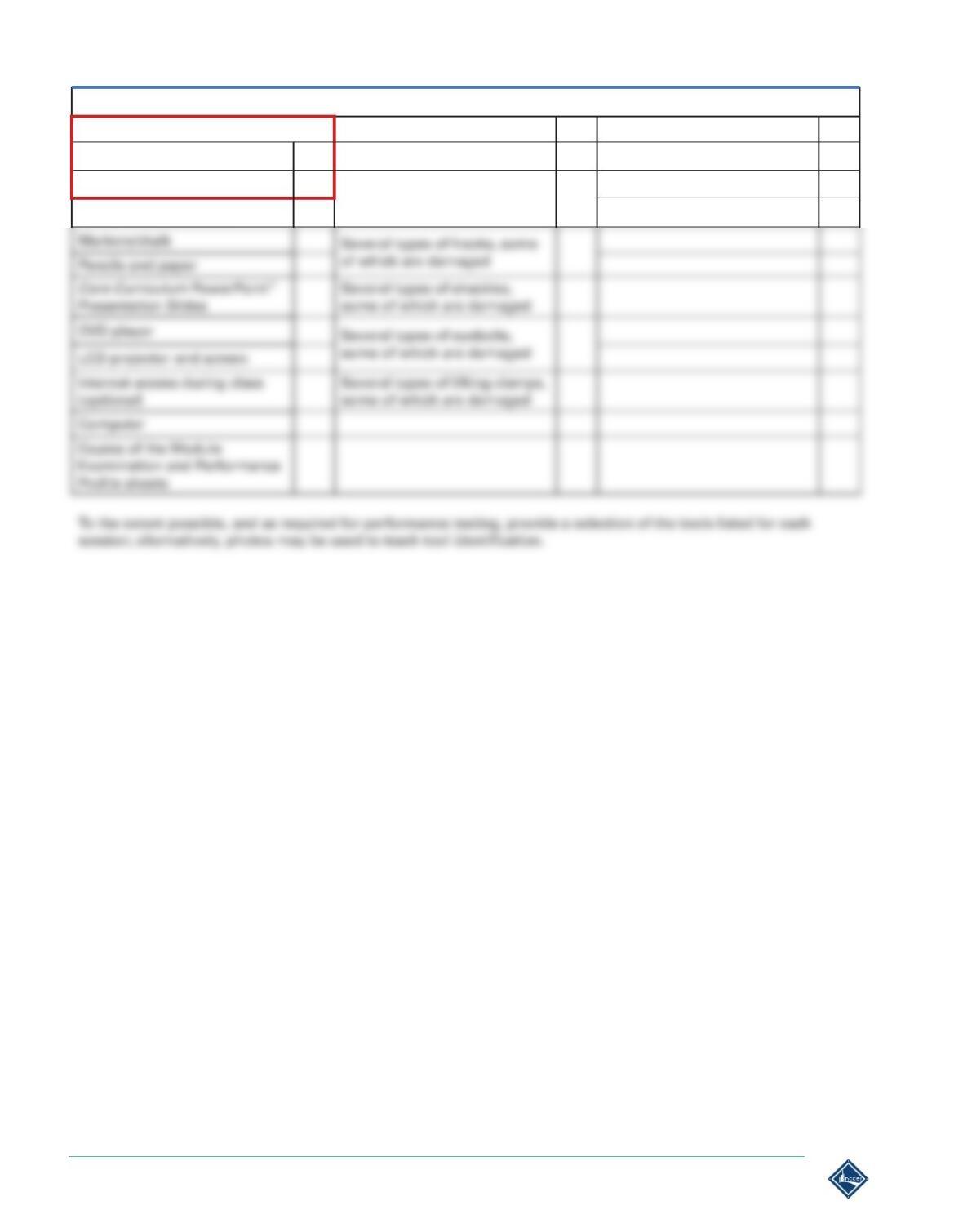
Materials Checklist for Module 00106-15, Introduction to Basic Rigging
Equipment and Materials
Personal protective equipment: Damaged synthetic slings
Safety glasses Damaged wire rope slings
Work gloves Damaged alloy steel chain
slings
Whiteboard/chalkboard

slIngs and slIng InspectIons
Classroom Session 1 for 00106–15
Safety Considerations
The following safety consideration should be emphasized when introducing trainees to a rigging
environment:
Remind trainees that some forms of PPE may be required any time they are in the shop or on a job site.
Safety Equipment
Safety glasses
Work gloves
Classroom and/or Lab Equipment
Damaged synthetic slings
Damaged alloy steel chain slings
Damaged wire rope slings
Resources
No specific resources are required for this session.
Kickoff Activity
Show the video entitled “Crawler Crane Mobile With Liebherr LR 13000.” This video is found on
YouTube, easily located by searching the specific title shown here and using the Video tab in the search
engine. Several videos exist of this operation but others are of lesser quality. The video shows off the
Session Objective
When trainees have completed this session, they should be able to do the following:
1. Identify and describe various types of rigging slings, hardware, and equipment.
a. Identify and describe various types of slings.
b. Describe how to inspect various types of slings.
Session Performance Requirements
Trainees will not complete a Performance Task during this session.
Instructional Outline
2 NCCER – Core Curriculum 0 0106 -15
slIngs and slIng InspectIons
Classroom Session 1 for 00106–15
Classroom: Section 1.0.0
Define rigging and describe how loaders and cranes use rigging to move loads. Identify overhead
cranes and mobile cranes. Emphasize how only qualified persons can perform rigging operations.
Emphasize that this module does not provide any level of certification for conducting rigging tasks.
Classroom: Sections 1.1.0–1.1.1
Teaching Tip
Have a synthetic sling, an alloy steel chain sling, and a wire rope sling available for trainees to examine.
Have trainees pay close attention to the tags on each type of sling. Ensure trainees don safety glasses
and work gloves before handling the slings.
Classroom: Section 1.1.2
Describe the two common types of synthetic slings. Discuss advantages and disadvantages of synthetic
slings. Point out the importance of using protective pads. Explain how synthetic web slings have red-
Classroom: Section 1.1.3
Describe alloy steel chain slings and point out their use in high heat or rugged conditions. Talk about
their durability and heavy weight. Discuss alloy grade markings. Talk about the basic designs of alloy
steel chain slings.
Classroom: Section 1.1.4
Classroom: Sections 1.2.0–1.2.1
Emphasize that rigging operations can be dangerous even in the best conditions. Explain why it is so
important to inspect slings before each use.
00106-15 Introduction to Basic Rigging Module Six 3
slIngs and slIng InspectIons
Classroom Session 1 for 00106–15
Teaching Tip
Have several examples of damaged synthetic slings available for trainees to examine, such as one with
exposed warning yarn, one with broken or worn stitching, and one with discoloration or visible burns.
Classroom: Section 1.2.2
Explain that alloy steel chain slings must be inspected before each use as well. Review the detailed list
Teaching Tip
Have several examples of damaged alloy steel chain slings available for trainees to examine.
Classroom: Section 1.2.3
Explain that wire rope slings must be inspected before each use. Point out that only a qualified person
can decide whether a wire rope sling is safe to use. Review the detailed list of rejection criteria for wire
rope slings and emphasize that if any of the rejection criteria are met, it must be removed from service
immediately.
Teaching Tip
Have several examples of damaged wire rope slings available for trainees to examine.
Wrap Up
Divide the trainees into two teams. Assign one member of each team to be the “bell,” sounding off
when the team wants to answer the question. Ensure that all Trainee Guides have been closed and
Homework
Assign the reading of Sections 1.3.0 through 1.5.4. Have trainees complete the 1.0.0 Section Review.

00106-15 Introduction to Basic Rigging Module Six 5
Classroom Session 2 for 00106–15
rIggIng Hardware, HoIsts, and HItcHes
Safety Considerations
The following safety consideration should be emphasized when introducing trainees to a rigging
environment:
Remind trainees that some forms of PPE may be required any time they are in the shop or on a job site.
Safety Equipment
The use of specific safety equipment is not anticipated during this session.
Classroom and/or Lab Equipment
Several types of shackles, some of which are damaged
Resources
No specific resources are required for this session.
Kickoff Activity
Display the question on the slide and initiate a discussion about factors related to rigging hardware that
contribute to death, injuries, and equipment damage. The responses and factors to discuss should focus
on hardware failure related to the following:
Improper selection
Improper attachment
Session Objective
When trainees have completed this session, they should be able to do the following:
1. Identify and describe various types of rigging slings, hardware, and equipment.
Session Performance Requirements
Trainees will not complete a Performance Task during this session.
6 NCCER – Core Curriculum 0 0106 -15
Classroom Session 2 for 00106–15
rIggIng Hardware, HoIsts, and HItcHes
Instructional Outline
Research has shown that varying instructional methods periodically throughout class sessions helps to
engage and hold trainees’ attention. The Core Curriculum PowerPoint® presentation that you received
with this lesson plan is keyed to the sections of the Trainee Guide indicated below and has been
designed for use with this lesson plan.
Review
Review the answers to the 1.0.0 Section Review.
Classroom: Section 1.3.0
Explain how rigging hardware is used to connect slings to loads or master links. Emphasize the
importance of proper hardware selection, maintenance, inspection, and use. Stress that hardware
integrity is as important as the crane.
Classroom: Section 1.3.1
Describe a shackle and how it is used in rigging. Describe materials that they are made out of and
Teaching Tip
Have several examples of shackles available for trainees to examine. The examples should include
different pin designs. Also, provide examples of damaged shackles, such as one that has a bent body
and one that has a pin with worn threads.
Classroom: Section 1.3.2
Explain what an eyebolt is and how it is used in rigging. Identify the three common types of eyebolts.
Teaching Tip
Classroom: Section 1.3.3
Describe lifting clamps and how they are used in rigging. Stress that lifting clamps must only be used
Teaching Tip
Have several examples of lifting clamps available for trainees to examine.
00106-15 Introduction to Basic Rigging Module Six 7
Classroom Session 2 for 00106–15
rIggIng Hardware, HoIsts, and HItcHes
Classroom: Section 1.3.4
Describe rigging hooks and how they are used in rigging. Identify and discuss different types.
Emphasize that most hooks used in rigging operations have safety latches or gates to prevent
components from slipping out of the hook. Review the list of rejection criteria for rigging hooks.
Teaching Tip
Have several examples of rigging hooks available for trainees to examine. The examples should include
eye hooks, sliding choker hooks, and grab hooks.
Classroom: Section 1.4.0
Explain what a hoist is and discuss the various types. Describe how a simple block and tackle works.
Identify and describe three common types of chain hoists: manual, electric, and pneumatic. Discuss
how the gear system in a chain hoist works.
Classroom: Sections 1.4.1–1.4.2
Discuss the operation of a manual chain hoist and a powered chain hoist. Describe how each type of
Classroom: Section 1.5.0
Define a hitch and identify three basic types of hitches. Emphasize the importance of selecting and
correctly rigging the proper type of hitch for the load being moved. Emphasize the Warning in this
section.
Classroom: Sections 1.5.1–1.5.3
Identify and discuss three types of vertical hitches. Talk about the uses for each type of hitch.
Classroom: Section 1.5.4
Discuss the importance of clear communication between a crane operator and a signal person on the

8 NCCER – Core Curriculum 0 0106 -15
rIggIng Hardware, HoIsts, and HItcHes
Classroom Session 2 for 00106–15
Wrap Up
Review the Trade Terms identified in this module. The definitions for each term appear on the slide. On
Homework

00106-15 Introduction to Basic Rigging Module Six 9
revIew and testIng
Classroom Session 3 for 00106–15
This session is reserved for a brief review of the module, administering the module
examination, and any incomplete performance testing.
Safety Considerations
The following safety consideration should be emphasized when introducing trainees to a rigging
environment:
Remind trainees that some forms of PPE are required any time they are in the shop or on the job site.
Safety Equipment
The use of specific safety equipment is not anticipated during this session.
Classroom and/or Lab Equipment
Have the Review Question and Trade Terms Quiz answer keys available for review prior to
administering the module exam.
Resources
No specific resources are required for this session
Session Objective
This session is intended to support and emphasize the content of Learning Objective 1.
Session Performance Requirements
By the end of this session, trainees should have completed, or be able to complete, the following
Instructional Outline
This session is devoted to practice, laboratories, and the Performance Task required for this module, in
addition to the module exam. As a result, no PowerPoint® slides have been developed for this session.
Laboratory/Performance Task
Have each trainee independently demonstrate the proper ASME Emergency Stop hand signal. This
activity corresponds to Performance Task 1.
10 NCCER – Core Curriculum 0010 6-15
Review
Ask the trainees if they wish to review any particular information from the module. Have the trainees
complete the Module Review and Trade Terms Quiz. Alternatively, if the Module Review and Trade
Examination and Performance Task Verification
Administer the Module Exam. As they begin, remind trainees that they must answer at least 70 percent
of the questions correctly to pass the module exam.
Wrap Up
Homework
Instructor
Classroom Session 3 for 00106–15
revIew and testIng

00106-15 Introduction to Basic Rigging Module Six 11
SECTION REVIEW ANSWER KEY
SECTION 1.0.0
Answer Section Reference Objective
1. c 1.1.0 1a
Module Six (00106–15)
answer Keys

12 NCCER – Core Curriculum 0010 6-15
answer Keys
Module Six (00106–15)
ANSWERS TO REVIEW QUESTIONS
Answer Section Reference
1. d 1.1.1
00106-15 Introduction to Basic Rigging Module Six 13
answer Keys
Module Six (00106–15)
ANSWERS TO TRADE TERMS QUIZ
1. Block and tackle
2. Bull ring
12. One-rope lay
13. Plane
14. Sling
15. Rated capacity
16. Rejection criteria
17. Rigging hook

NCCER makes every effort to keep its textbooks up-to-date and free of technical errors. We
ap pre ci ate your help in this process. If you find an error, a typographical mistake, or an in-
ac cu racy in NCCER’s curricula, please fill out this form (or a photocopy), or complete the on-
line form at www.nccer.org/olf. Be sure to include the exact module ID number, page num-
ber, a detailed description, and your recommended cor rec tion. Your input will be brought
to the attention of the Authoring Team. Thank you for your assistance.
Instructors – If you have an idea for improving this textbook, or have found that additional
materials were necessary to teach this module effectively, please let us know so that we may
present your suggestions to the Authoring Team.
NCCER Product Development and Revision
13614 Progress Blvd., Alachua, FL 32615
Email: curriculum@nccer.org
Online: www.nccer.org/olf
NCCER CuRRiCula — uSER uPDaTE
❏ Trainee Guide ❏ Lesson Plans ❏ Exam ❏ PowerPoints Other _________________________
Craft / Level: Copyright Date:
Module ID Number / Title:
Section Number(s):
Description:
Recommended Correction:
Your Name:
Address:
Email: Phone: