
CORE CURRICULUM
Introduction to Construction Math 00102-15
CORE CURRICULUM
Introduction to Construction Math 00102-15
Session 3: Units of Measure; Geometry
Session Three Objectives
When trainees have completed this session, they should be able to do
the following:
5. Identify and convert units of length, weight, volume, and temperature
between the imperial and metric systems of measurement.
a. Identify and convert units of length measurement between the imperial
and metric systems.
Session Three Objectives
When trainees have completed this session, they should be able to do
the following:
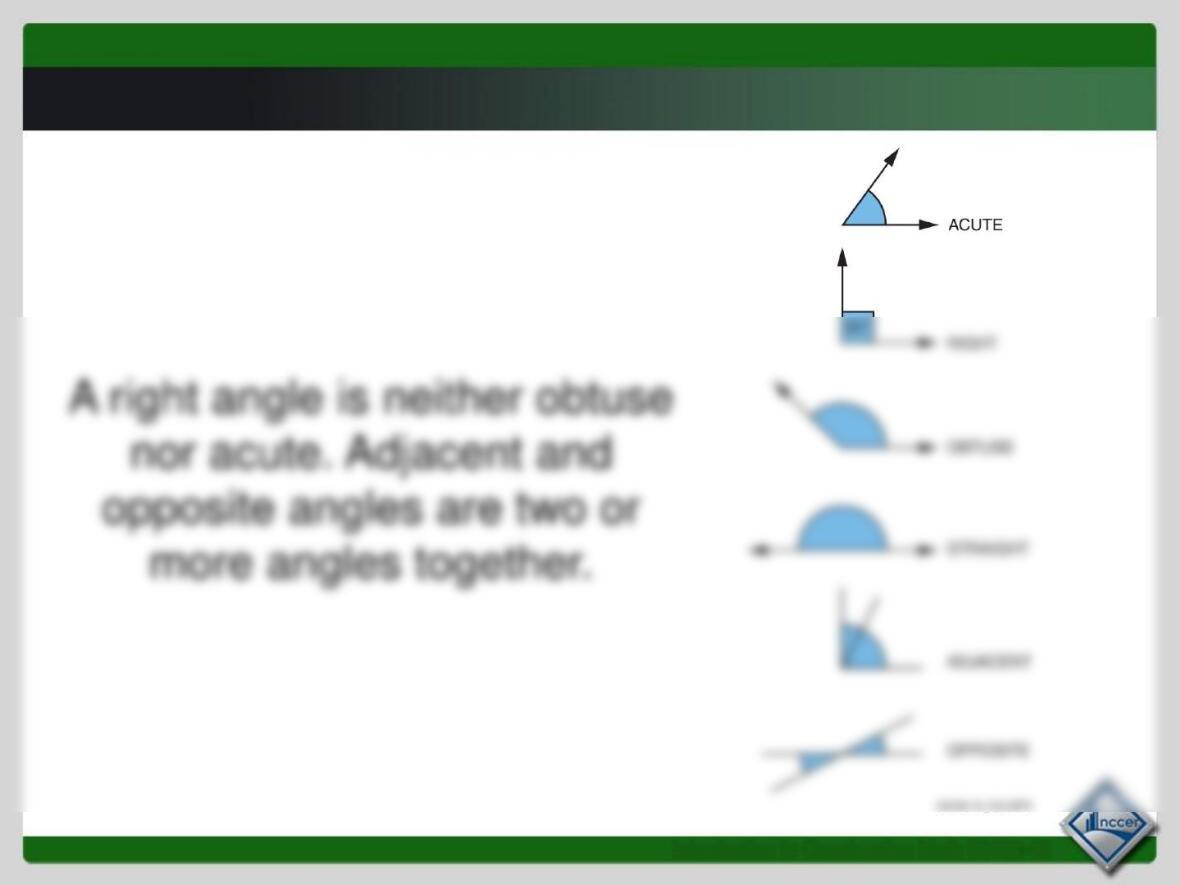
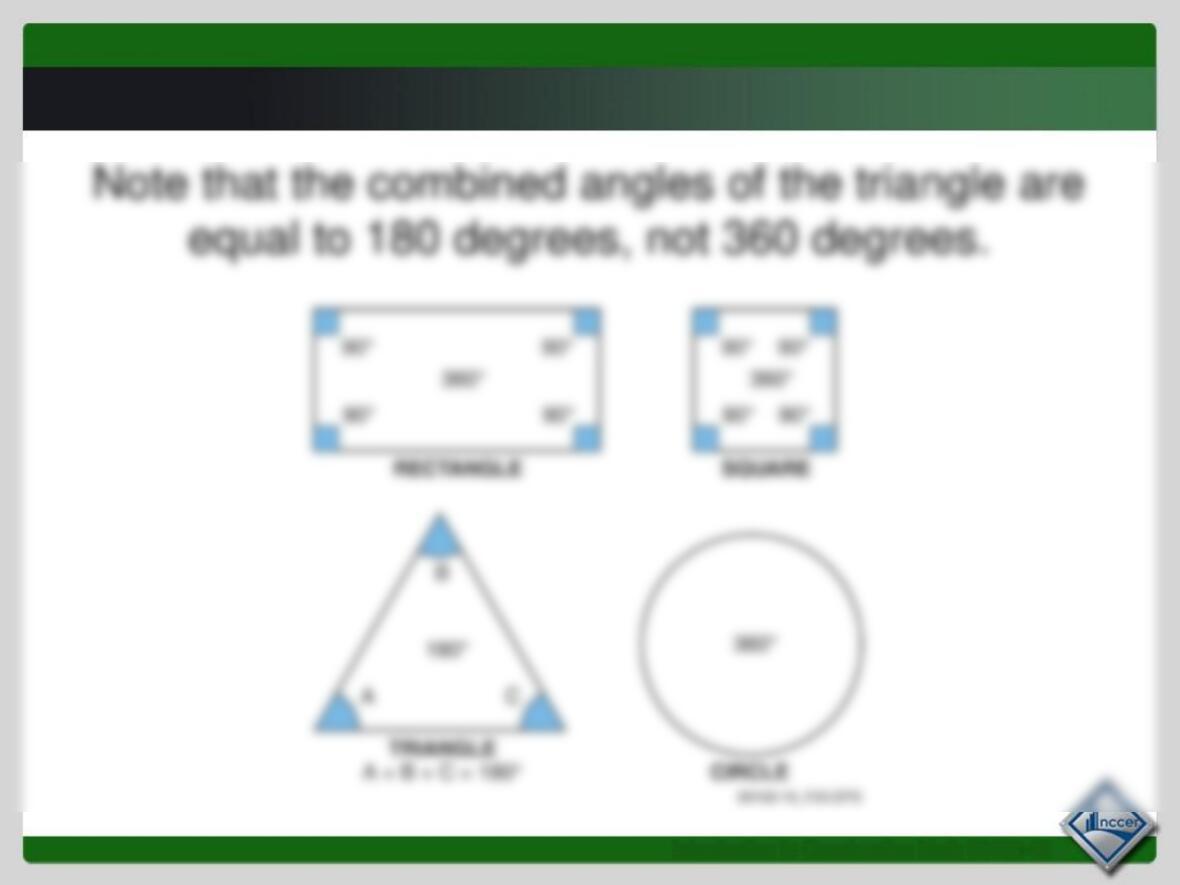
6. Identify basic angles and geometric shapes and explain how to calculate
their area and volume.
a. Identify various types of angles.
b. Identify basic geometric shapes and their characteristics.
Introduction to Construction Math 00102–15
Section 5.0.0 –Units of Measure
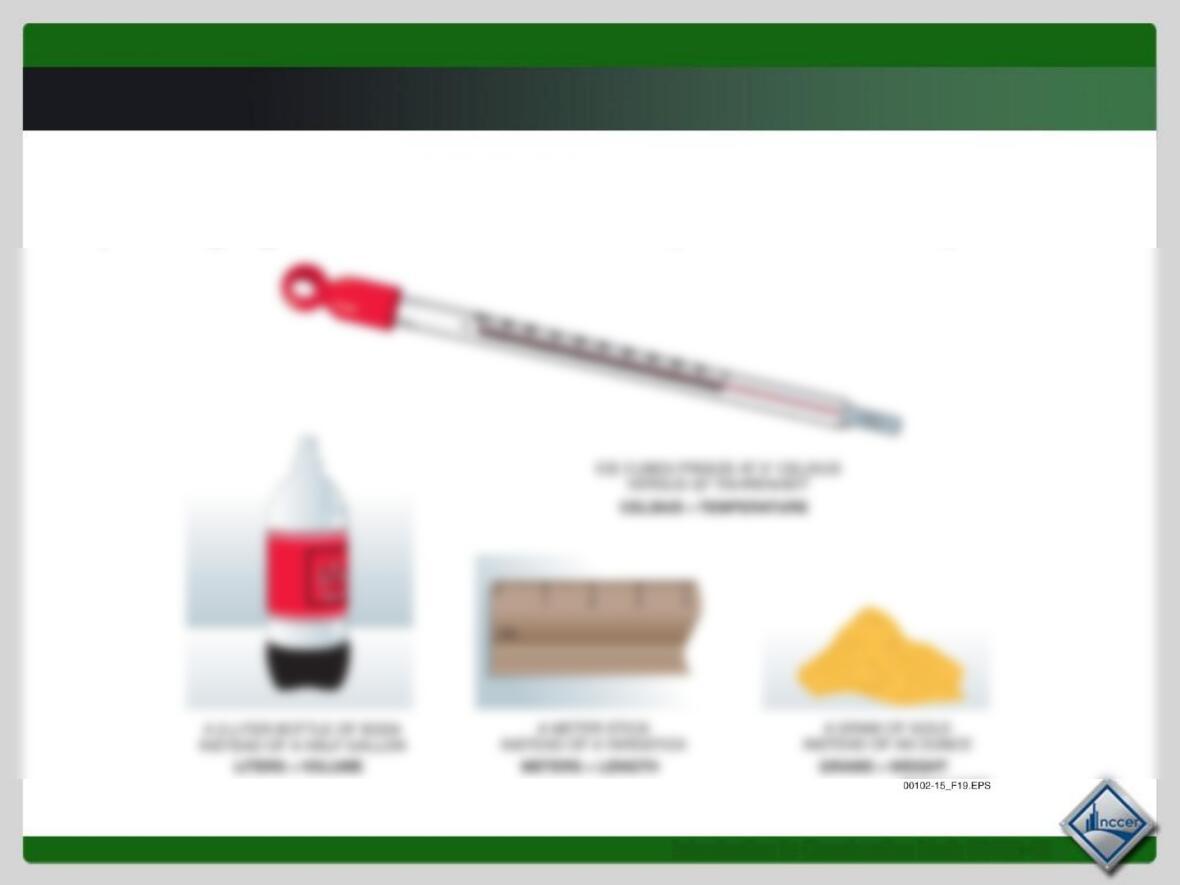
These metric units of measure are seen worldwide on
packaging and in other common places on a daily basis.
Introduction to Construction Math 00102-15
Section 5.0.0 –Units of Measure
Introduction to Construction Math 00102-15
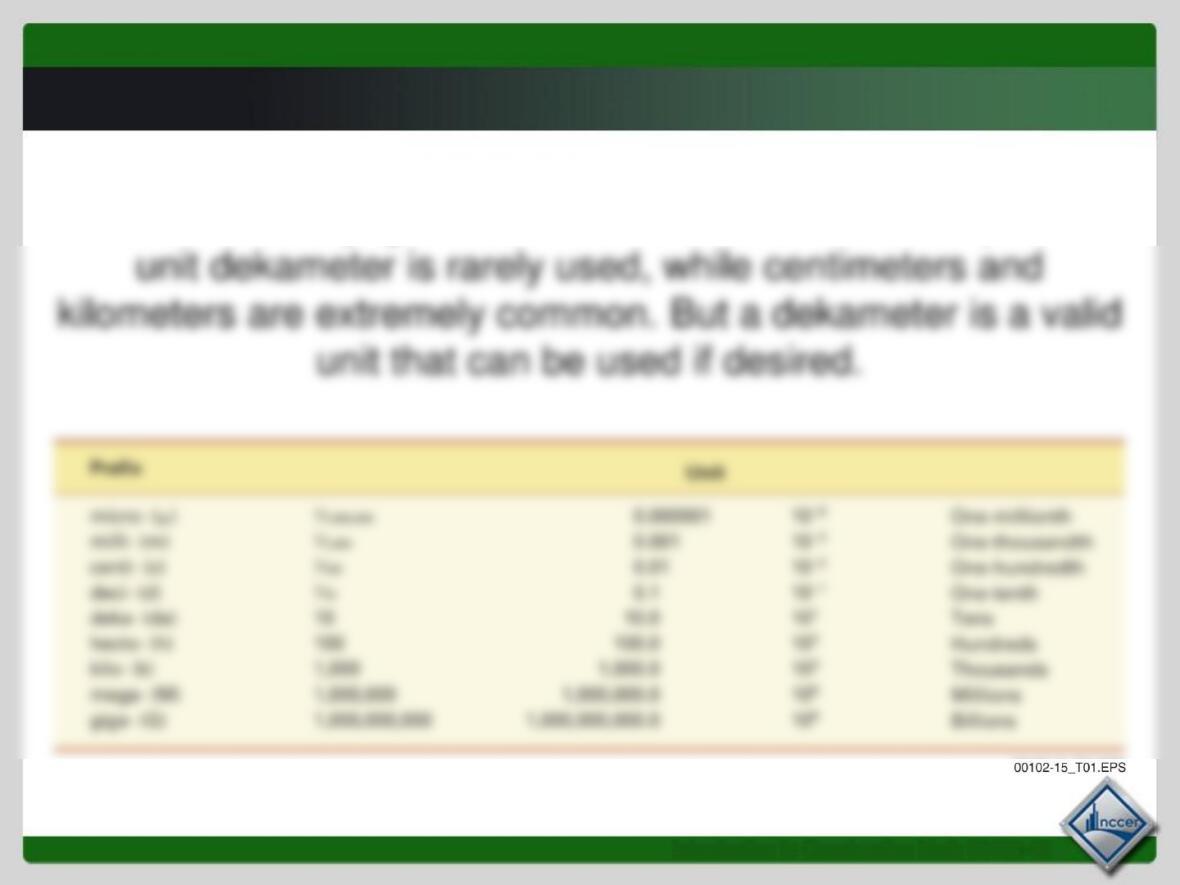
Although each prefix applies to every unit of measure, many
units are virtually ignored for convenience. For example, the
Sections 5.1.1 and 5.1.2 –Units of Measure
Introduction to Construction Math 00102-15
Sections 5.1.1 and 5.1.2 –Units of Measure
Introduction to Construction Math 00102-15
Sections 5.1.3 and 5.1.4 –Units of Measure
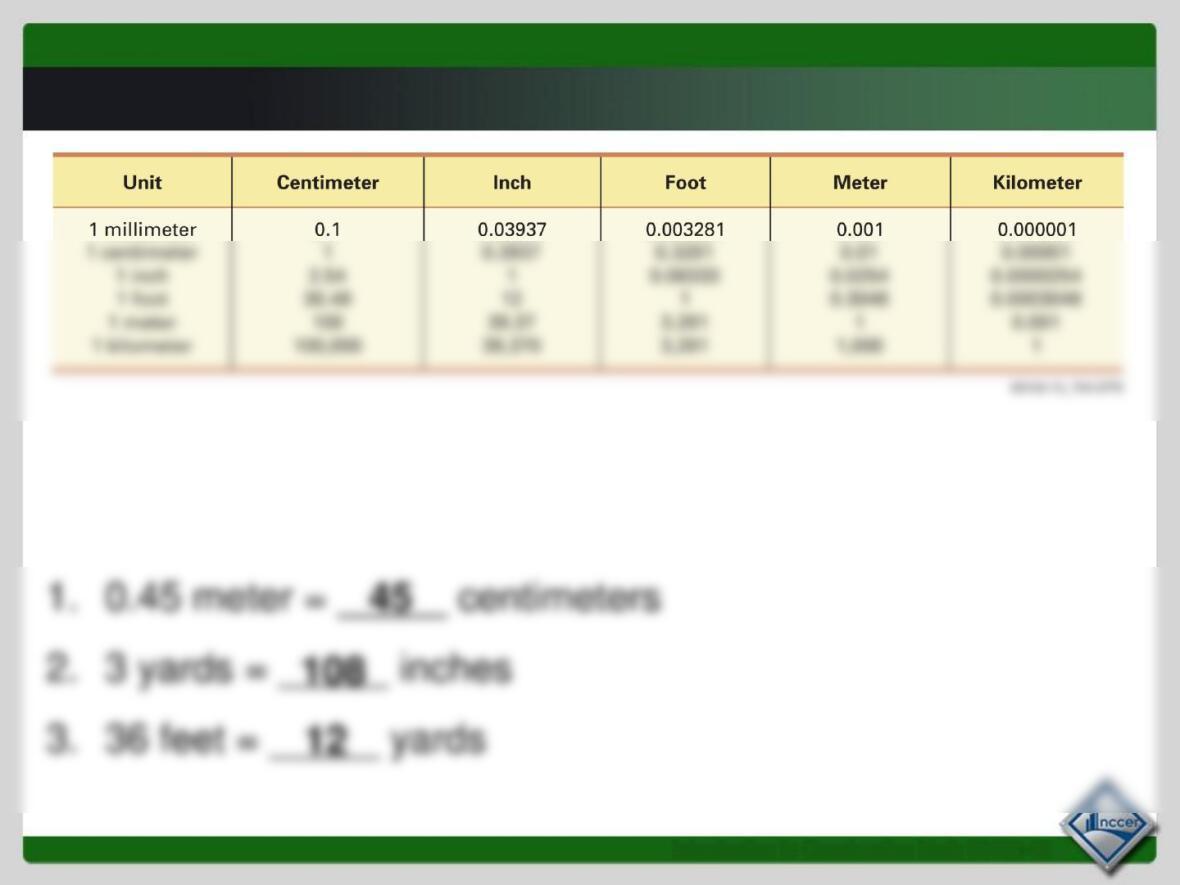
Find the answers to the following conversion problems without
using a calculator.
Introduction to Construction Math 00102-15
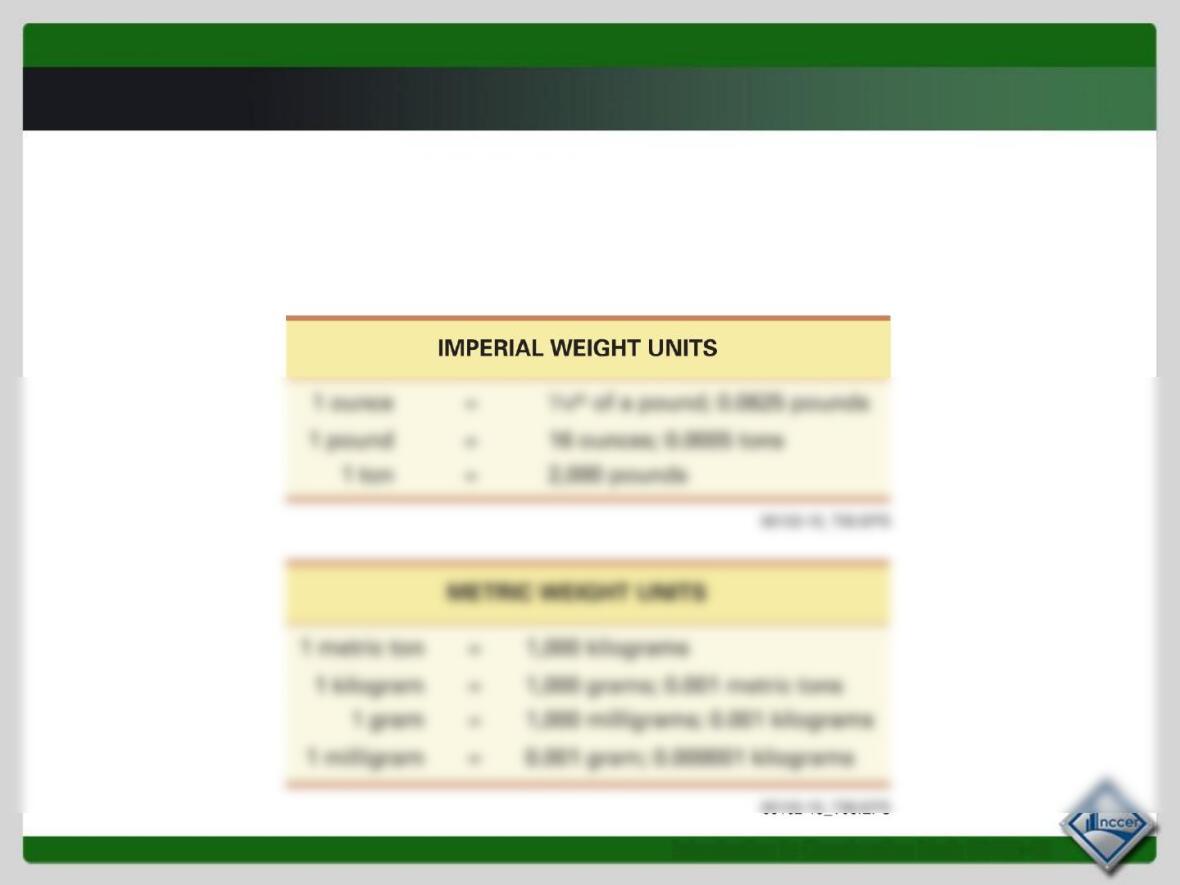
Sections 5.2.1 and 5.2.2 –Units of Measure
Note that the ton in the imperial system is also known as the
short ton. The long ton is rarely used, except in describing
ship displacement, and is equal to 2,240 pounds.
Introduction to Construction Math 00102-15
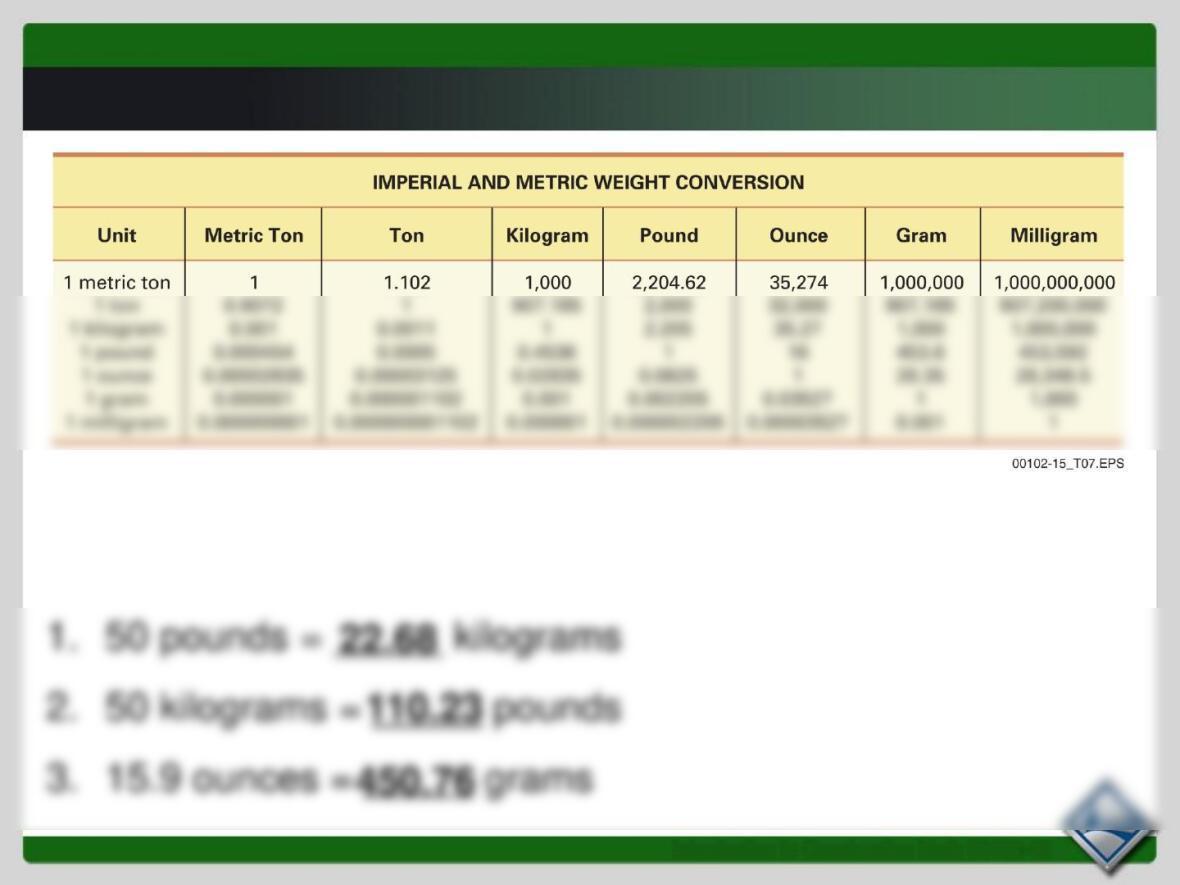
Sections 5.2.3 and 5.2.4 –Units of Measure
Convert these weights from imperial to metric weight units, or
vice versa.
Introduction to Construction Math 00102-15
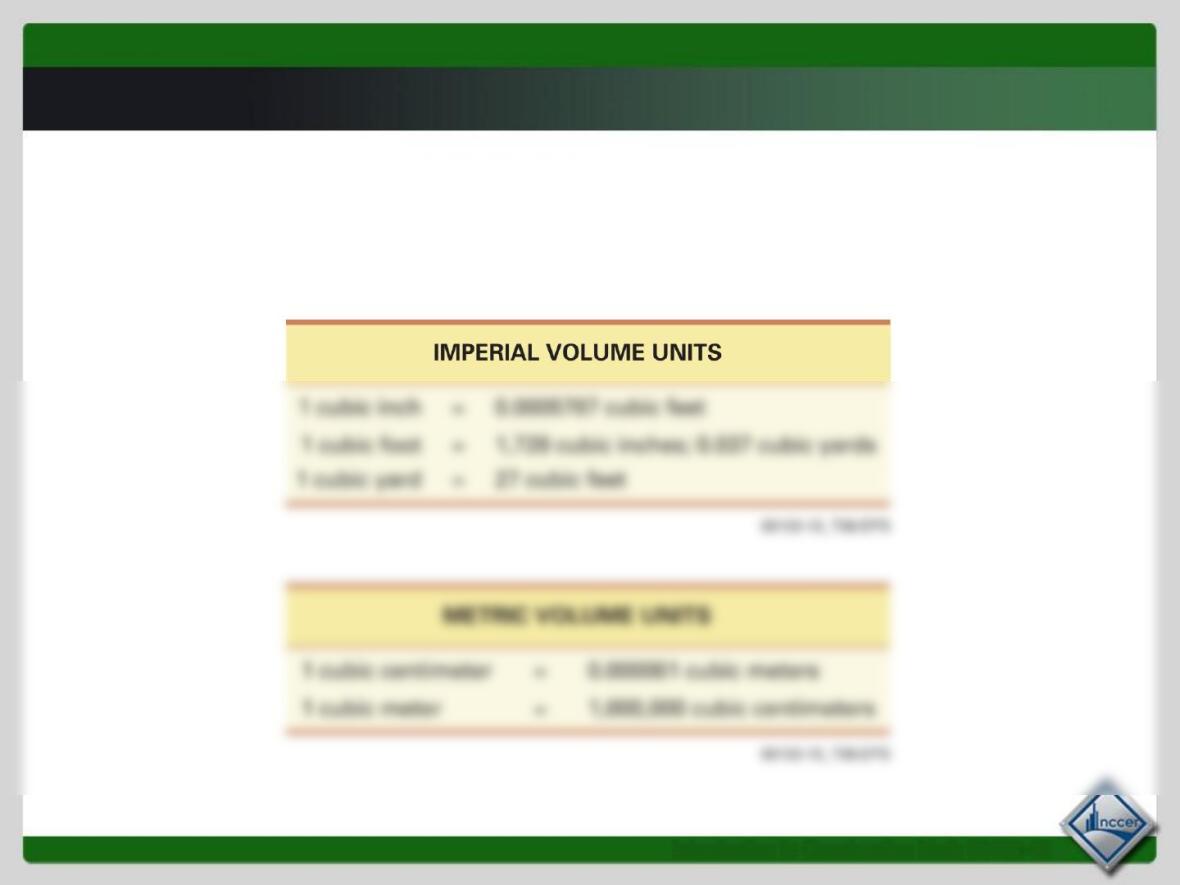
Sections 5.3.1 and 5.3.2 –Units of Measure
Note that these volume units are not related to liquid
measures such as the gallon and the liter.
Introduction to Construction Math 00102-15
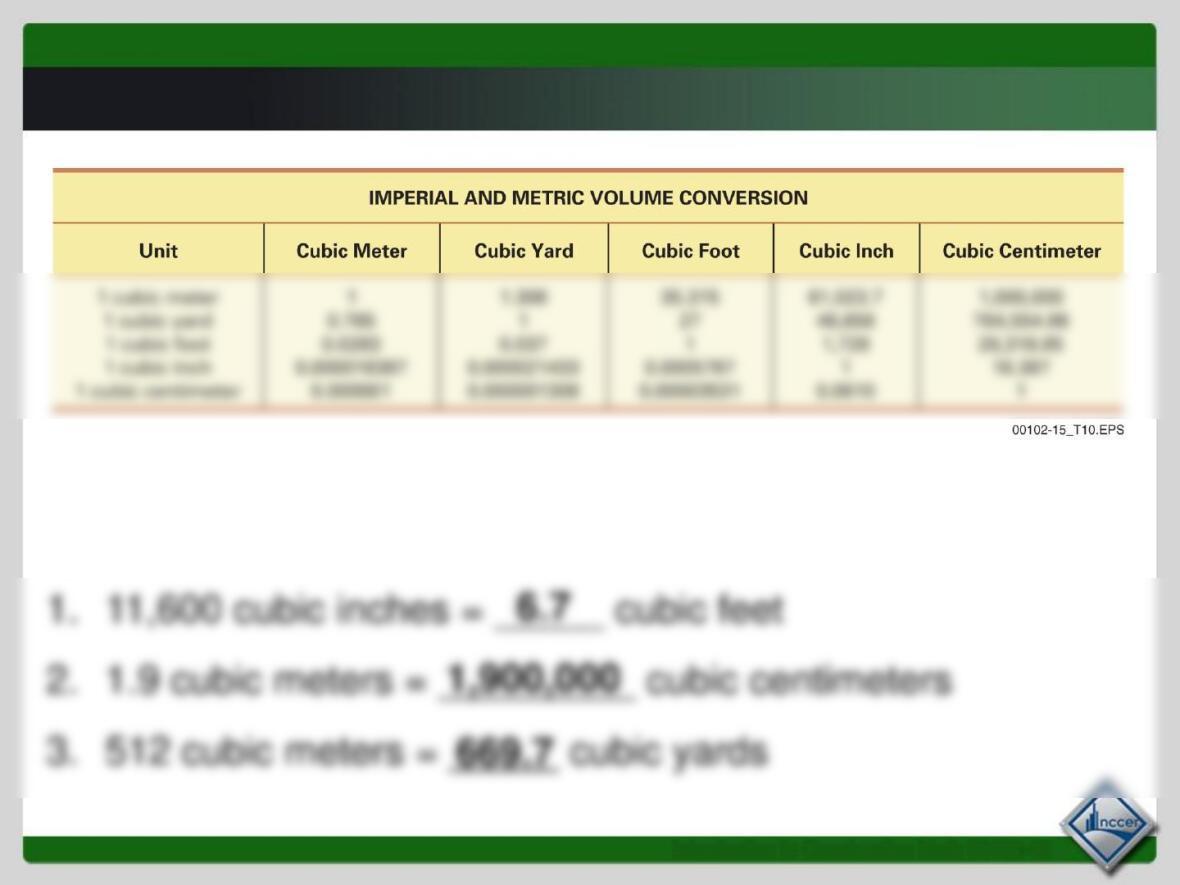
Sections 5.3.3 and 5.3.4 –Units of Measure
Convert these volumes from the imperial system to the metric
system, or vice versa.
Introduction to Construction Math 00102-15
Section 5.4.0 –Units of Measure
Introduction to Construction Math 00102-15
Section 5.4.0 –Units of Measure
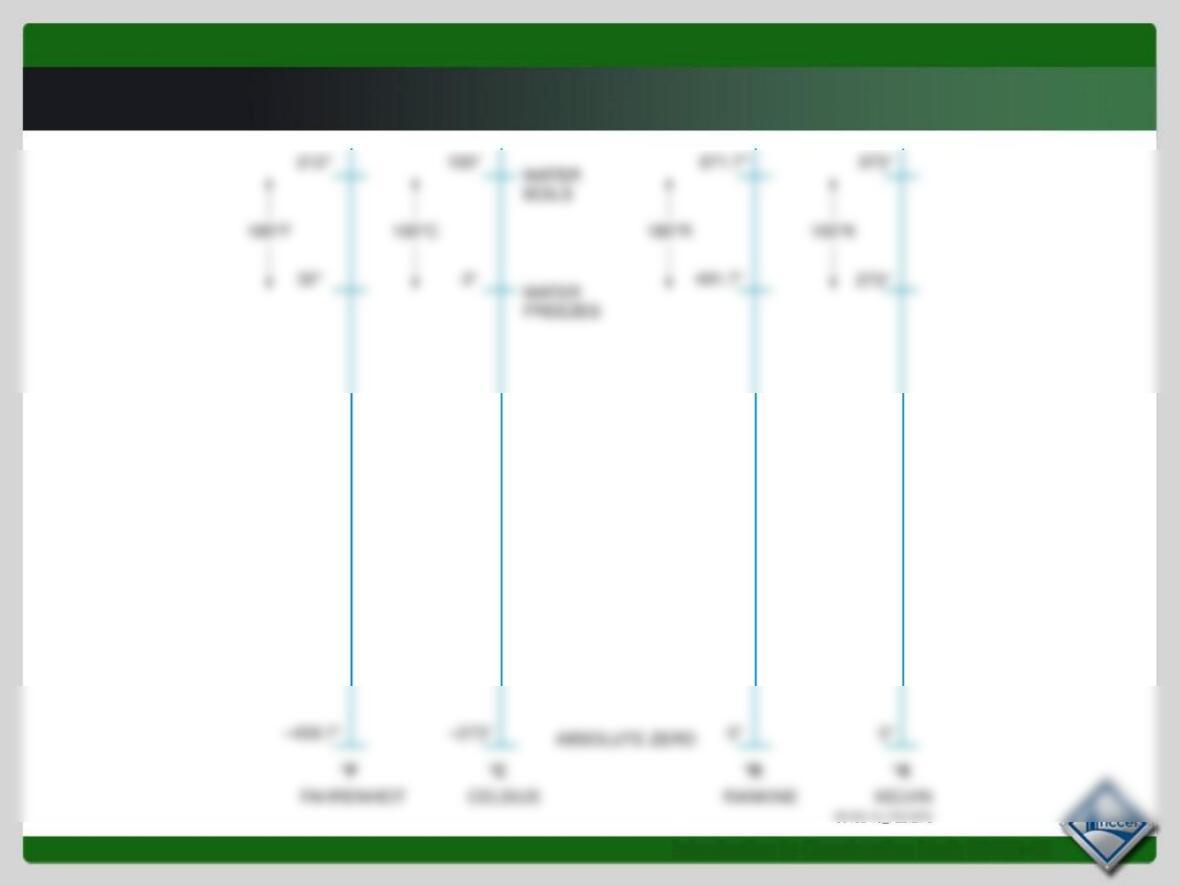
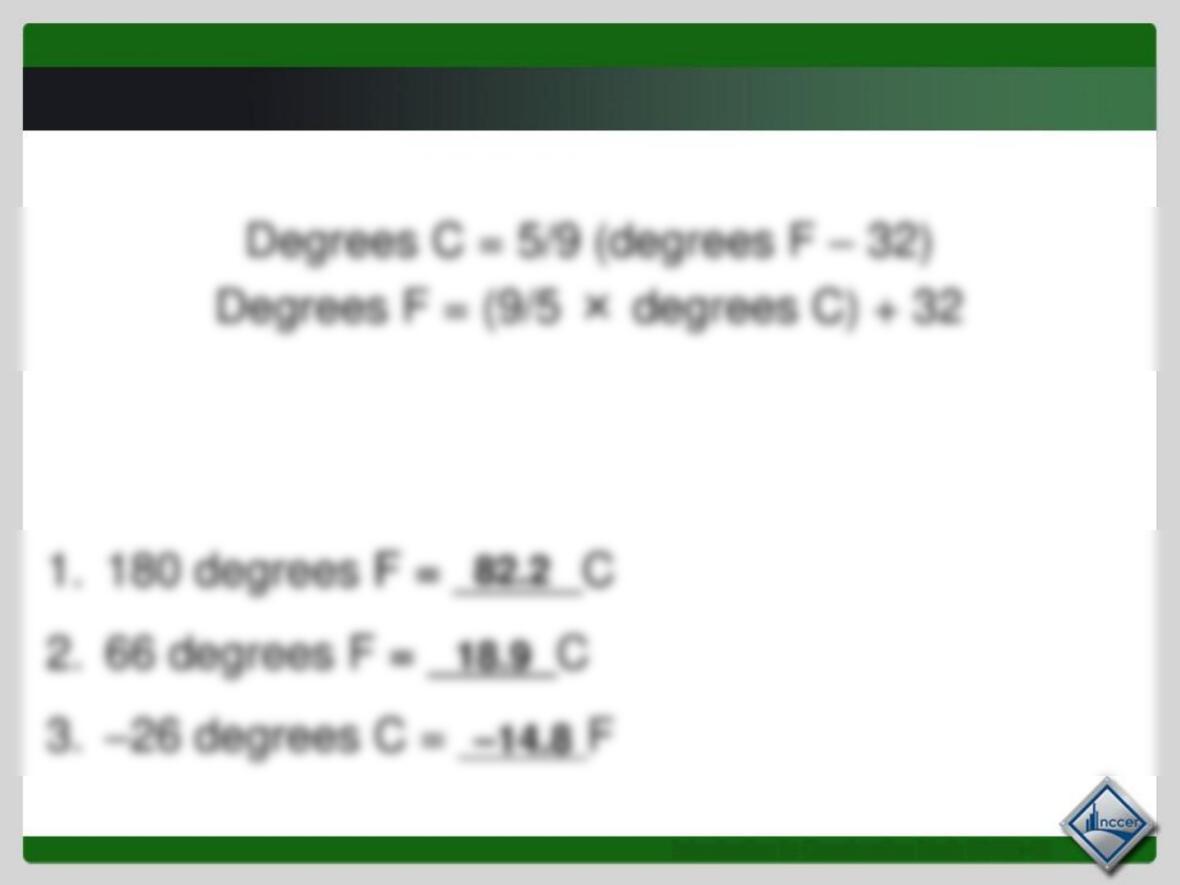
Convert these temperatures from Fahrenheit to
Celsius, or vice versa.
Introduction to Construction Math 00102-15
Sections 6.1.0 and 6.2.0 –Geometry
Introduction to Construction Math 00102-15
Sections 6.1.0 and 6.2.0 –Geometry
Introduction to Construction Math 00102-15
Sections 6.2.1 and 6.2.2 –Fractions
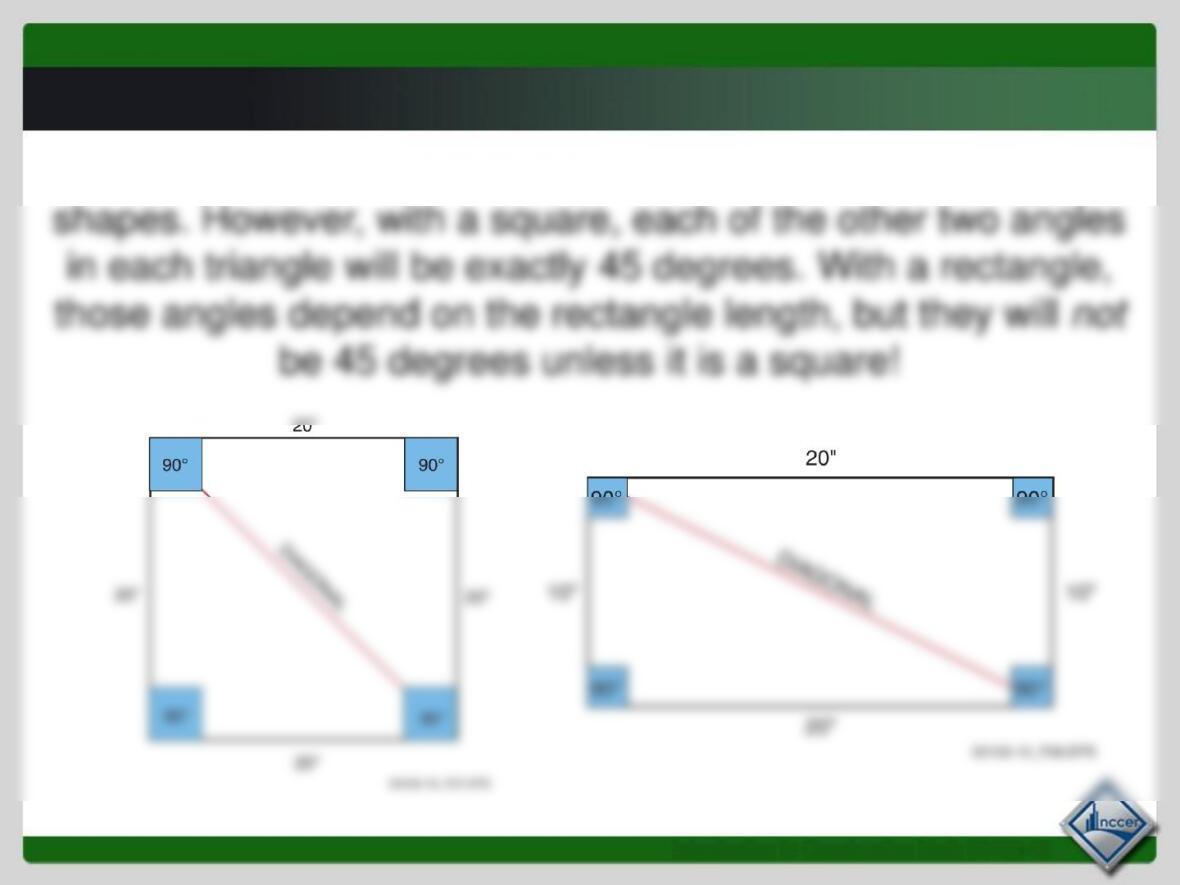
Diagonals create two equal right triangles in each of these
Introduction to Construction Math 00102-15
Sections 6.2.3 and 6.2.4 –Geometry
Sections 6.2.3 and 6.2.4 –Geometry
Introduction to Construction Math 00102-15
Section 6.3.0 –Geometry
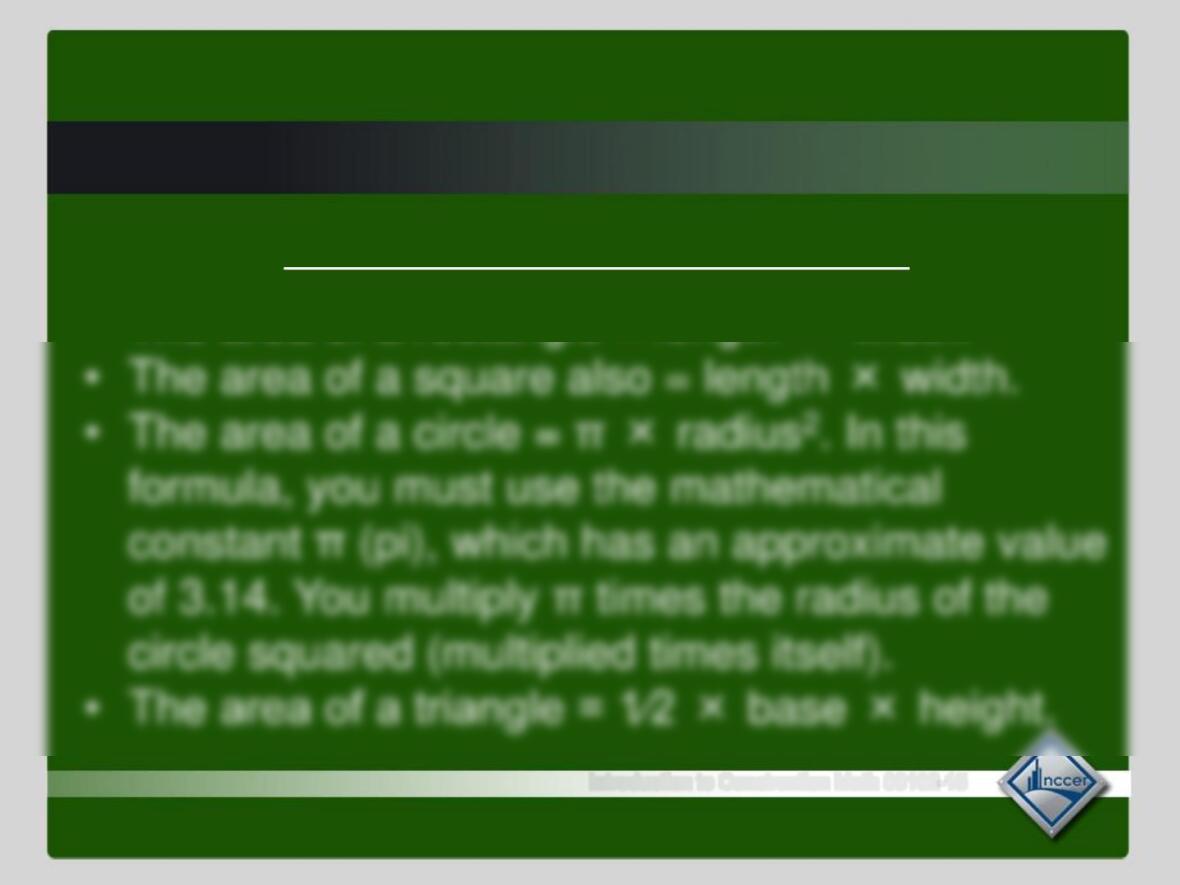
COMMON AREA UNITS
1 square inch = 1 inch ×1 inch = 1 inch2
Introduction to Construction Math 00102–15
Section 6.3.0 –Geometry
Introduction to Construction Math 00102–15
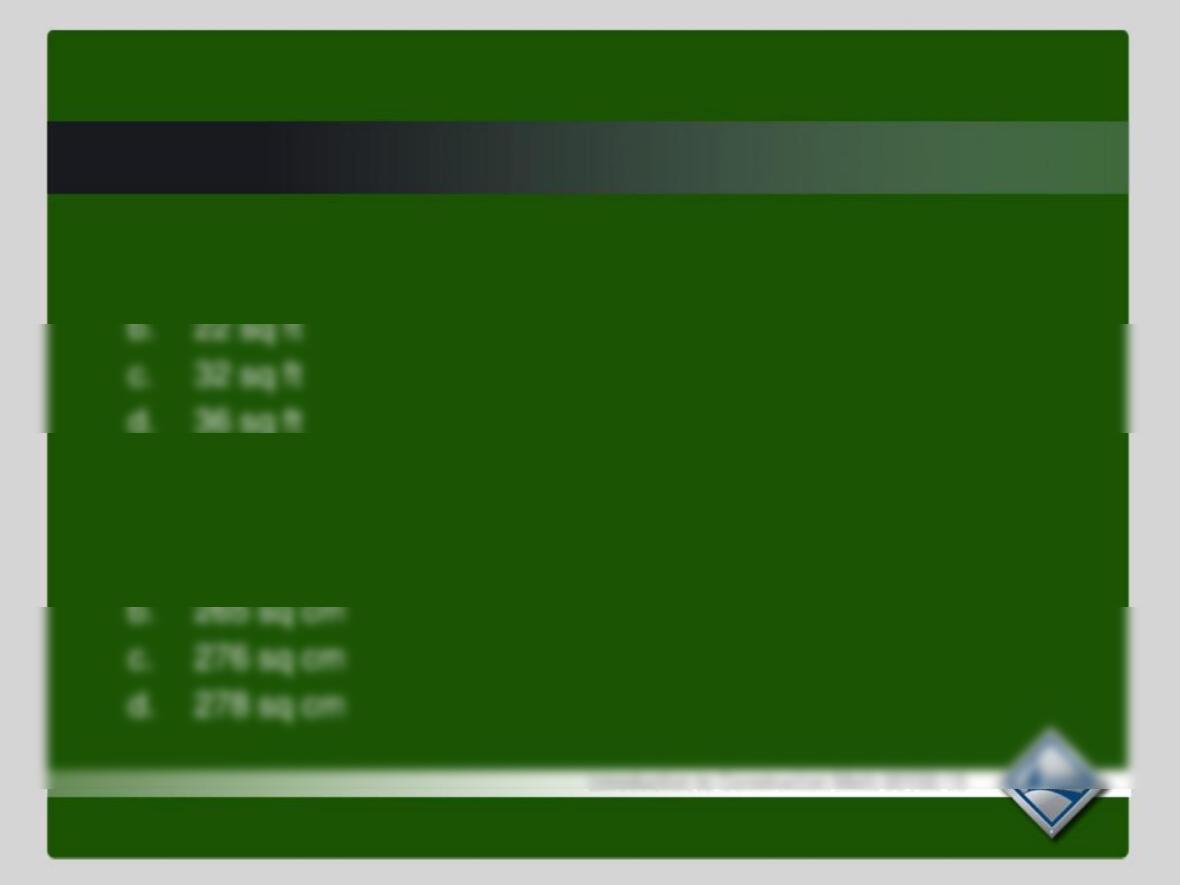
COMMON AREA FORMULAS
•The area of a rectangle = length ×width.
Section 6.3.1 –Geometry
1. The area of a rectangle that is 8 feet long and 4 feet wide is ____.
a. 12 sq ft
2. The area of a 16cm square is ____.
a. 256 sq cm
Section 6.3.1 –Geometry
Introduction to Construction Math 00102–15
3. The area of a circle with a 14-foot diameter is _____.
a. 15.44 sq ft
b. 43.96 sq ft
Sections 6.4.0 and 6.4.1 –Geometry
COMMON VOLUME FORMULAS
1 cubic inch = 1 inch ×1 inch ×1 inch = 1 inch3
Introduction to Construction Math 00102-15
Sections 6.4.0 and 6.4.1 –Geometry
Introduction to Construction Math 00102-15
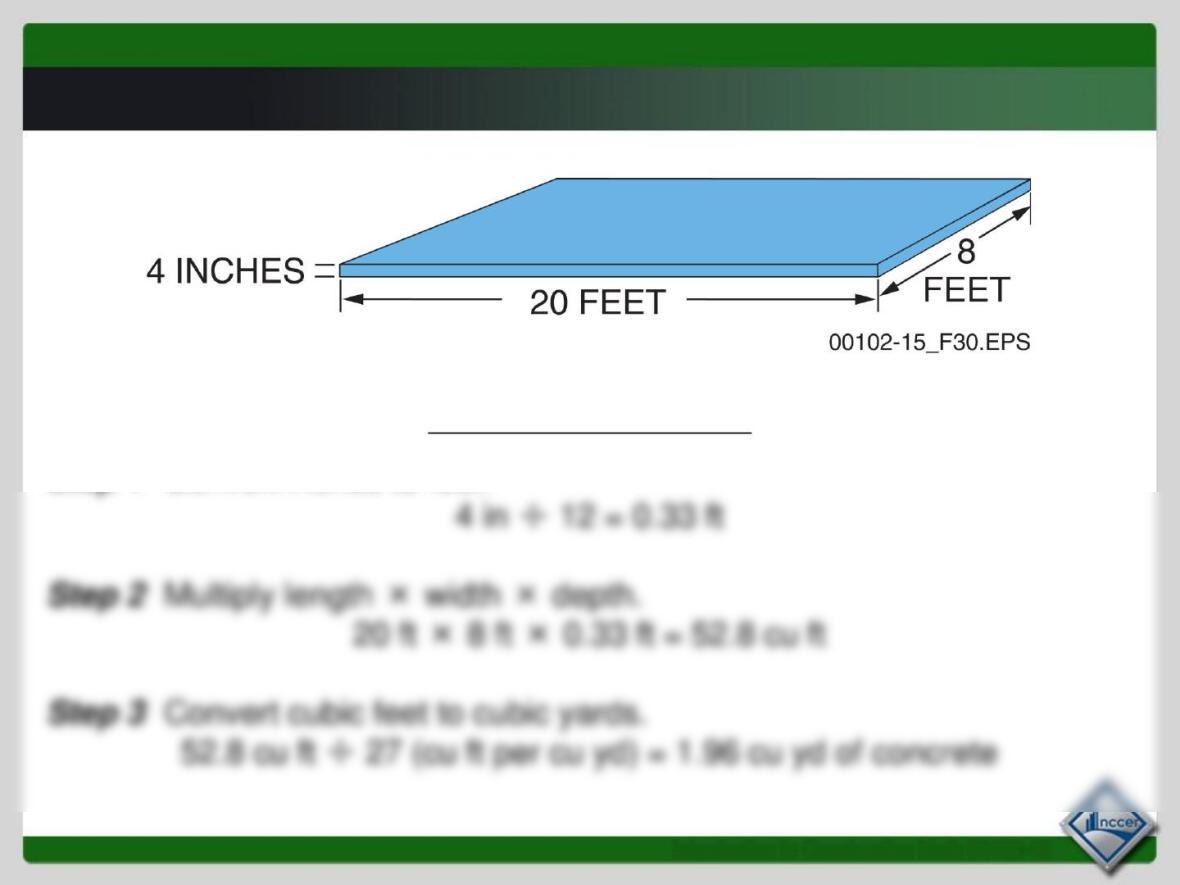
VOLUME OF A SLAB
Step 1 Convert inches to feet.
Sections 6.4.3 and 6.4.4 –Geometry
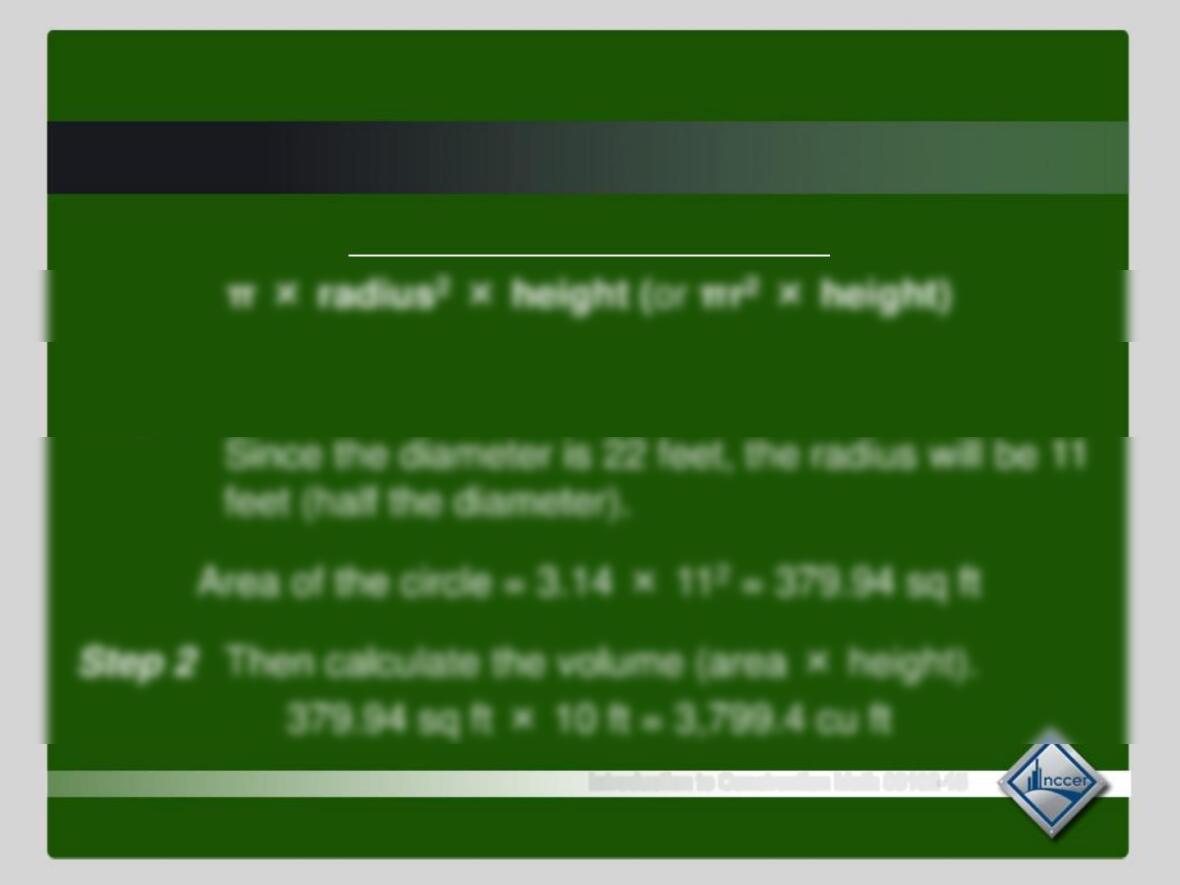
VOLUME OF A CYLINDER
Step 1 First, calculate the area of the circle using πr2.
Introduction to Construction Math 00102–15
Sections 6.4.3 and 6.4.4 –Geometry
Introduction to Construction Math 00102–15
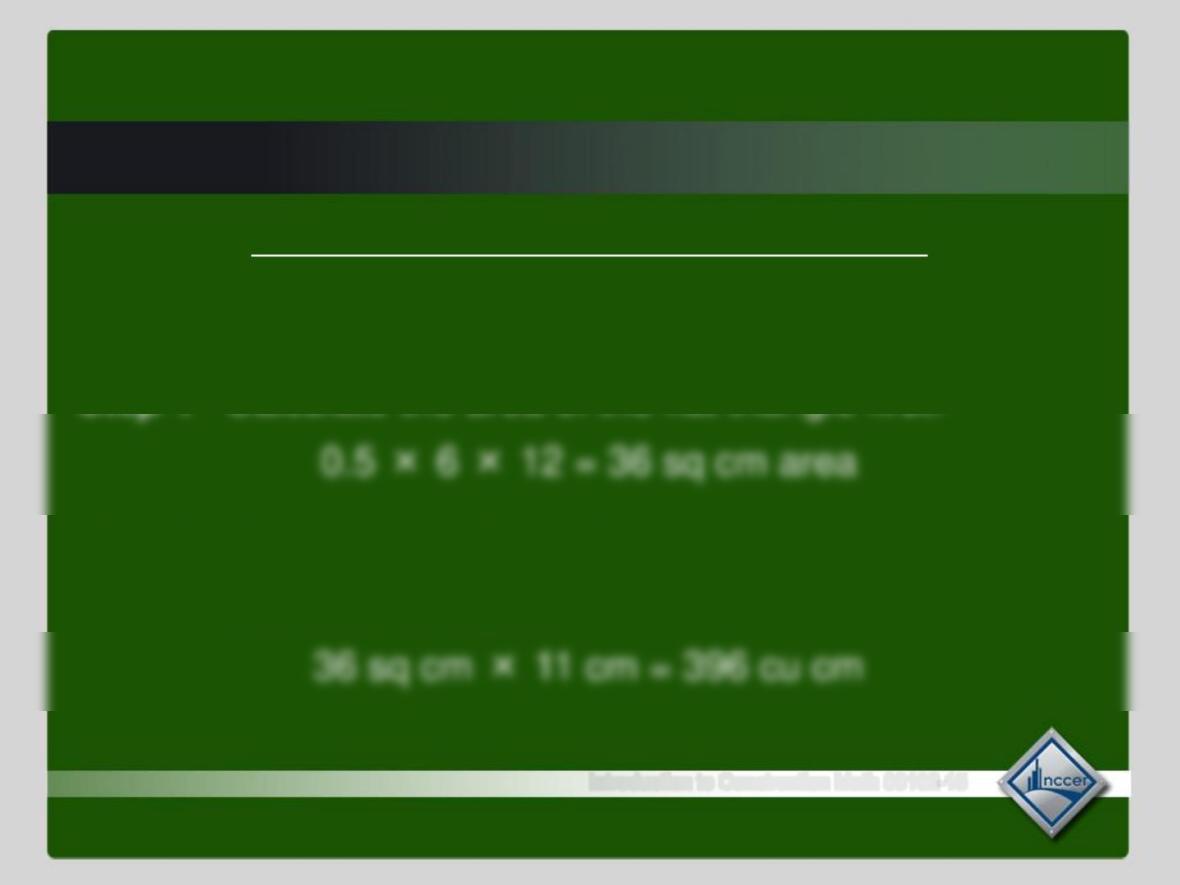
VOLUME OF A TRIANGULAR PRISM
0.5 ×base ×height ×depth (thickness)
Step 1 Calculate the area of the flat triangle first:
Step 2 Then calculate the volume of the prism, by adding
the factor of depth:
Sections 6.4.5 and 6.4.6 –Geometry
2. The volume of a 3 cm cube is _____.
a. 6 cu cm
3. The volume of a triangular prism that has a 6-inch base, a 2-inch
height, and a 4-inch depth is _____.
Sections 6.4.5 and 6.4.6 –Geometry
Introduction to Construction Math 00102-15
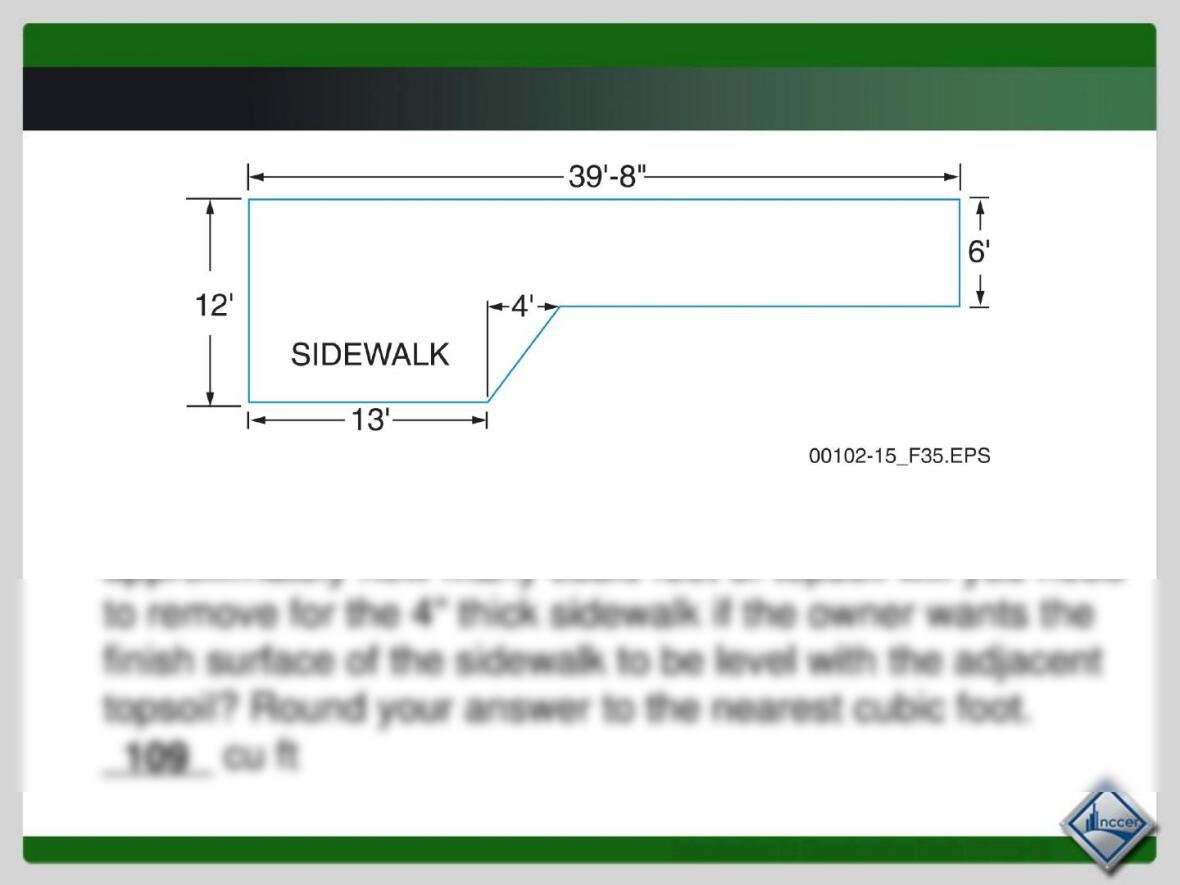
2. To pour the concrete sidewalk shown in the figure,
Next Session…
MODULE EXAM
Review the complete module to prepare
Introduction to Construction Math 00102–15